The world is digital, but life is analog..
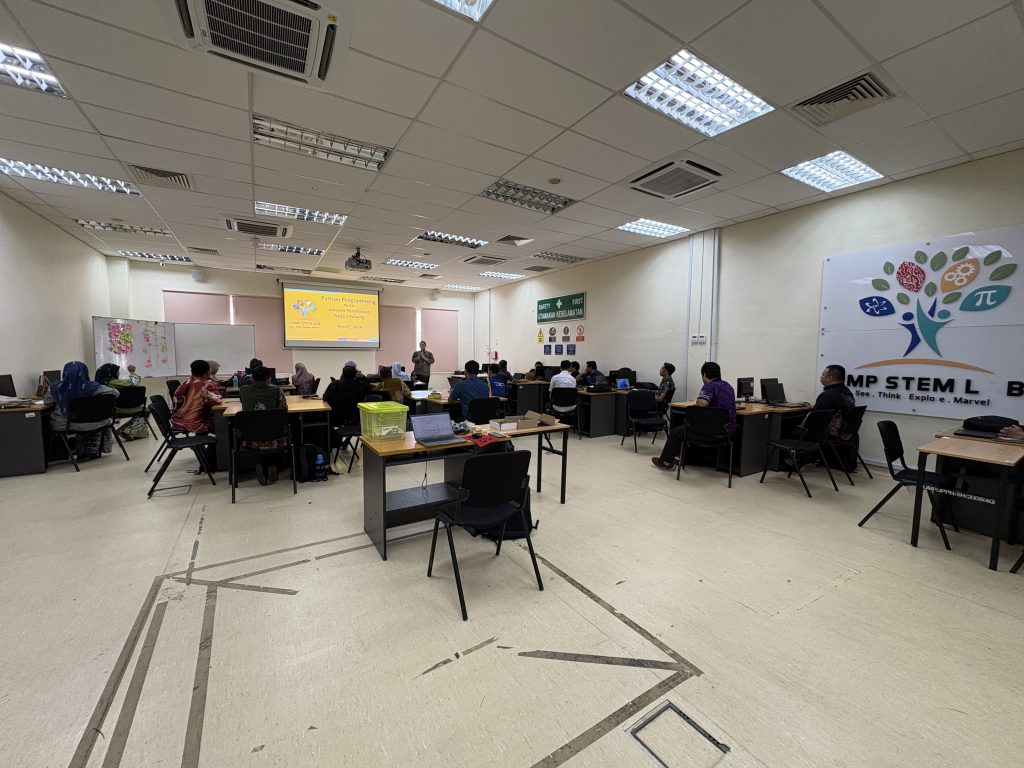
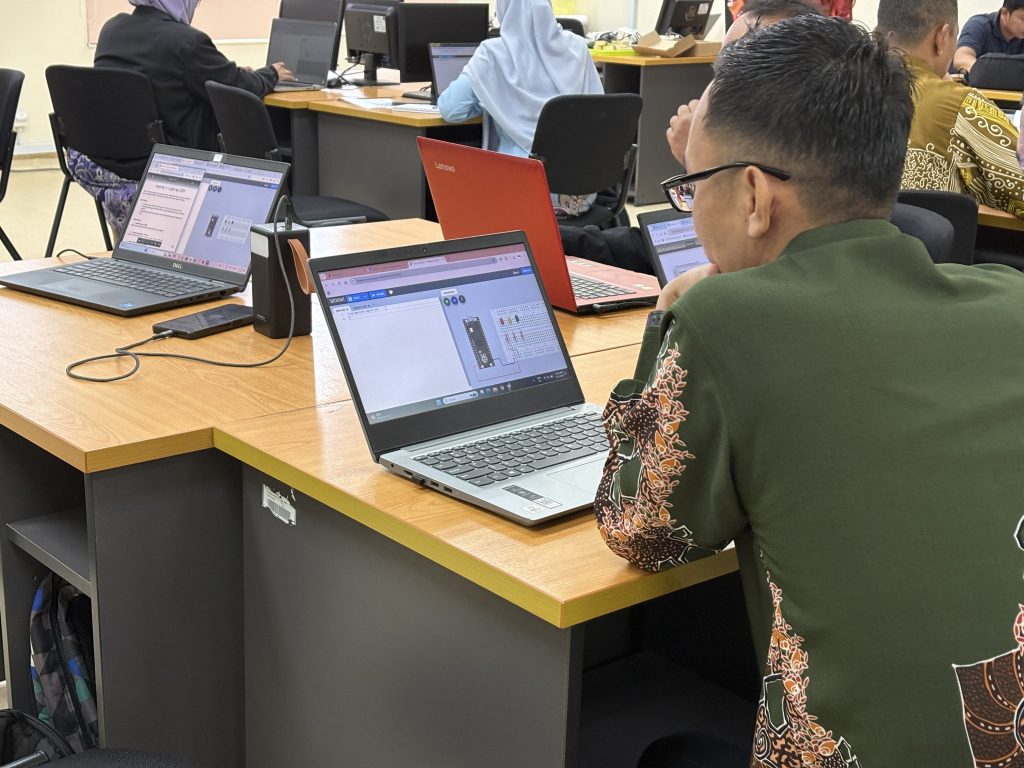
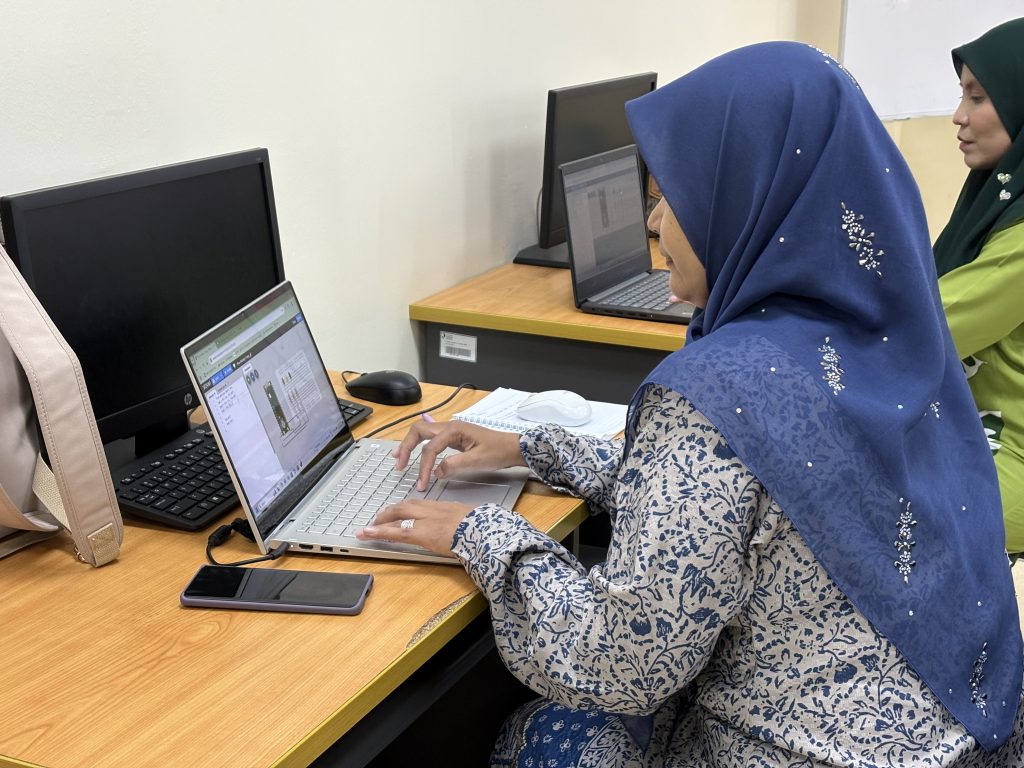
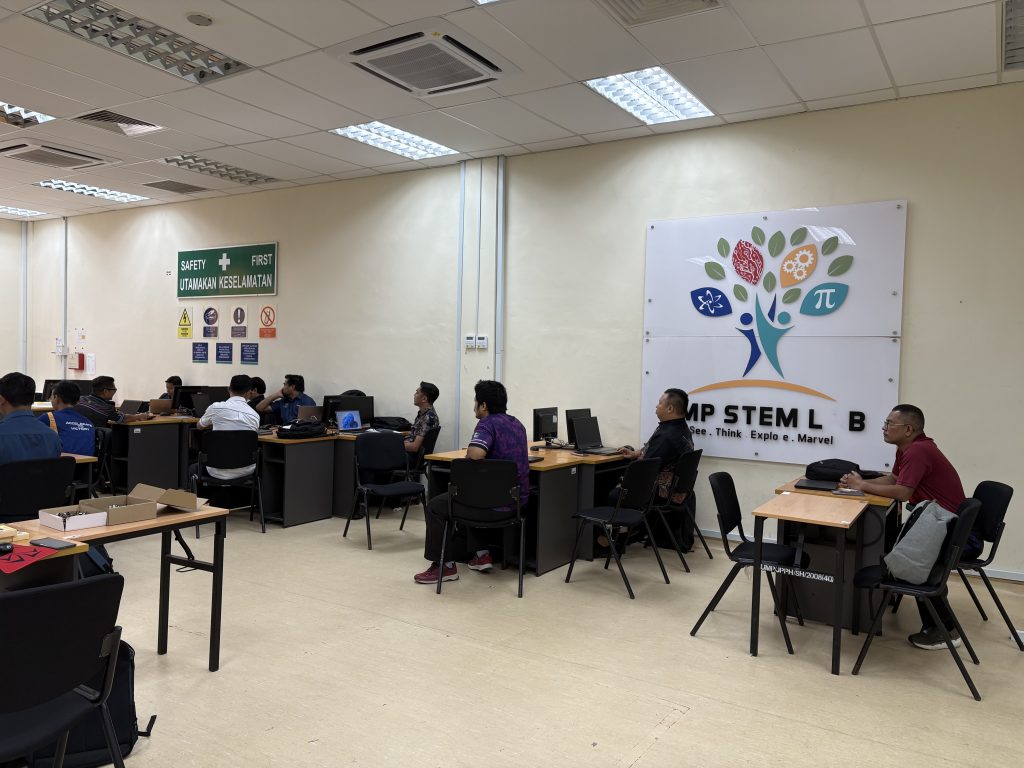
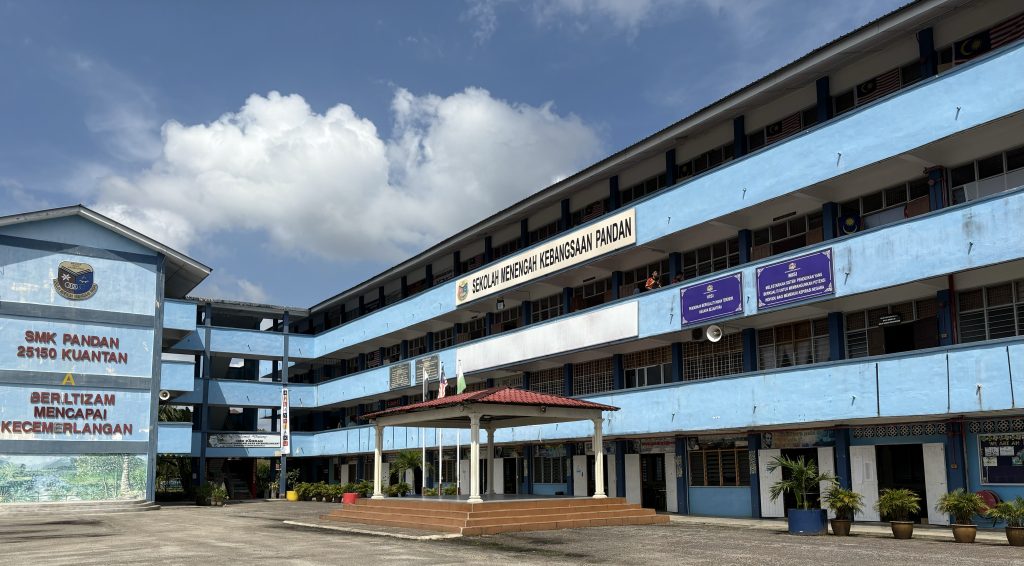
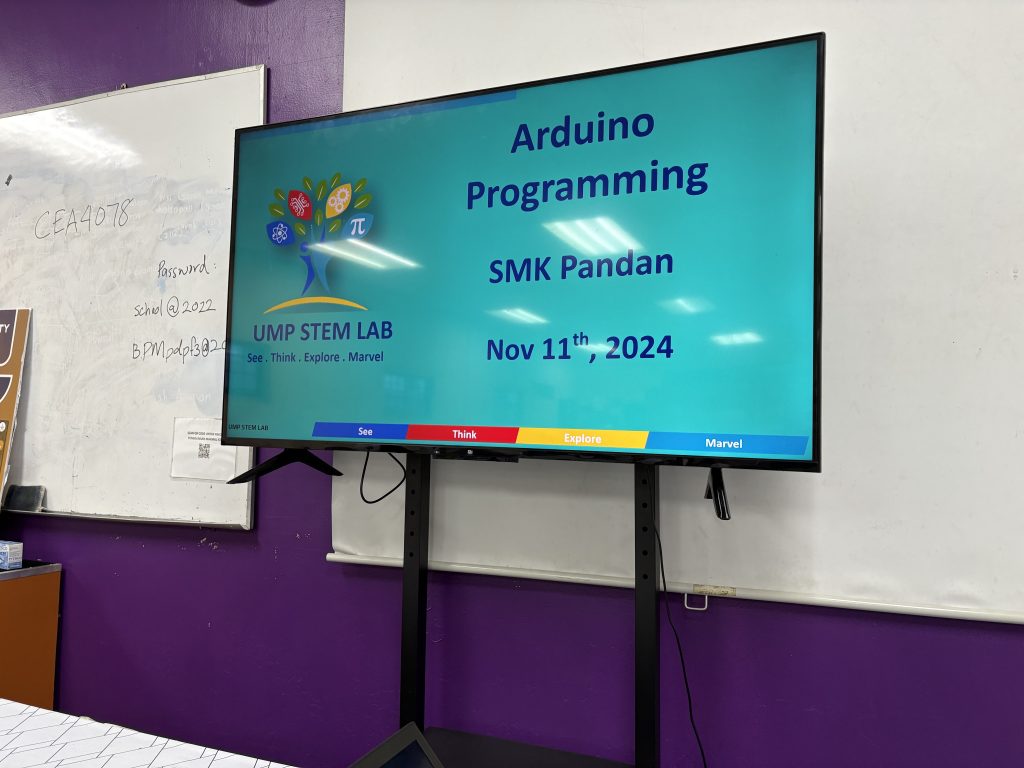
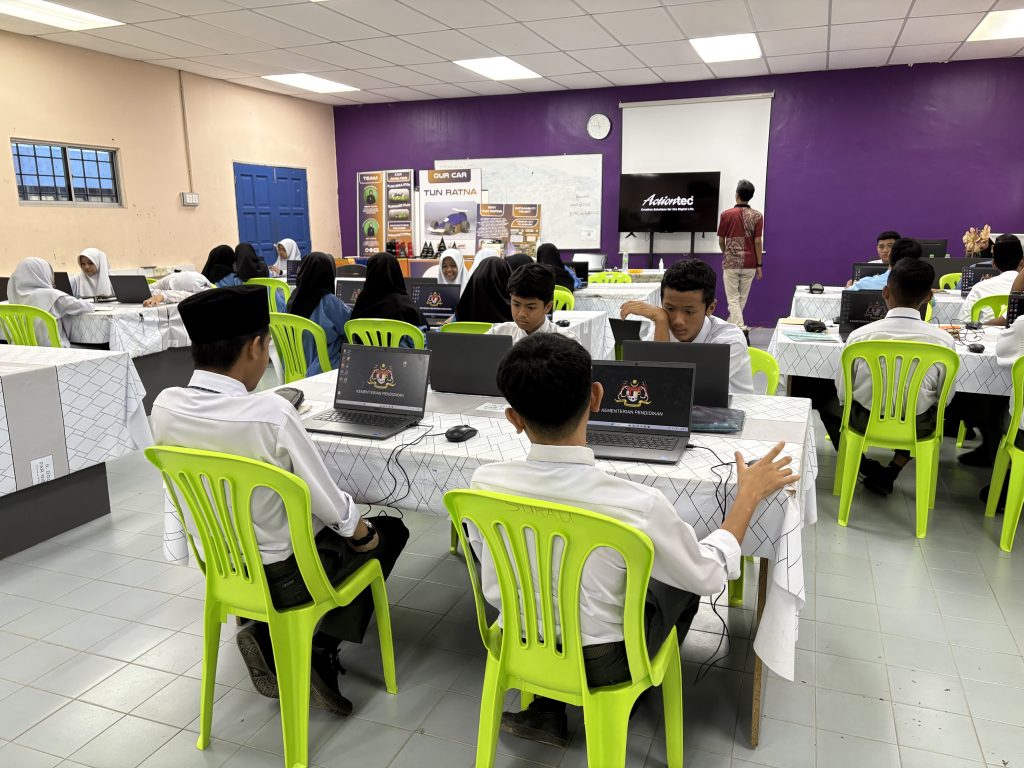
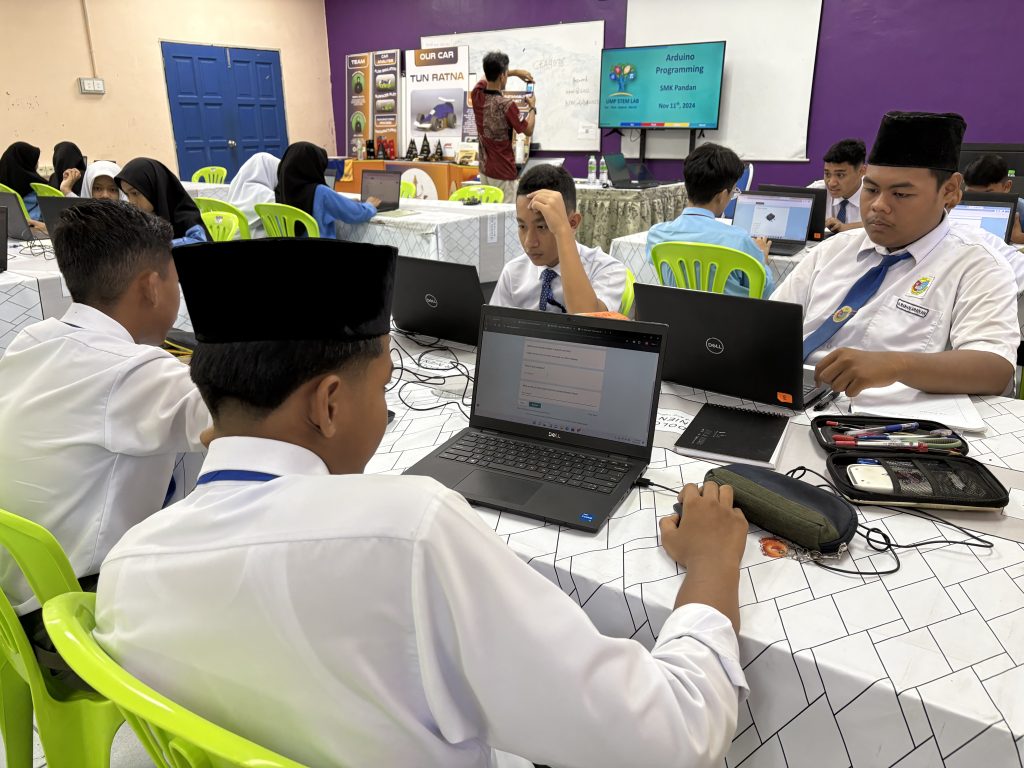
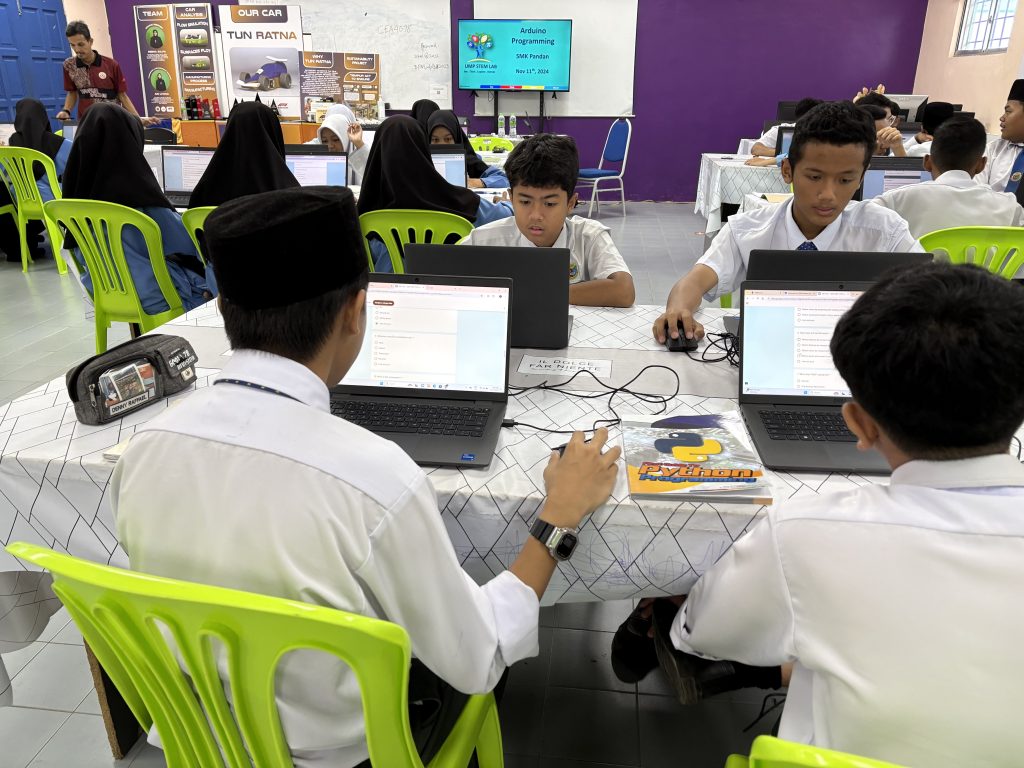
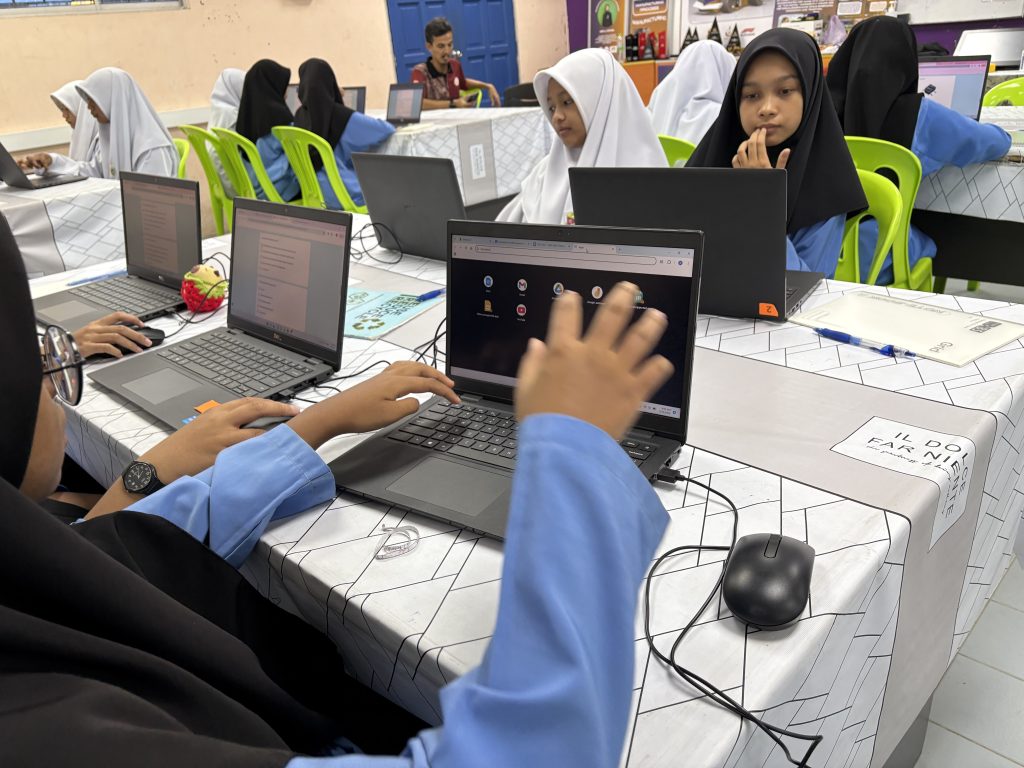
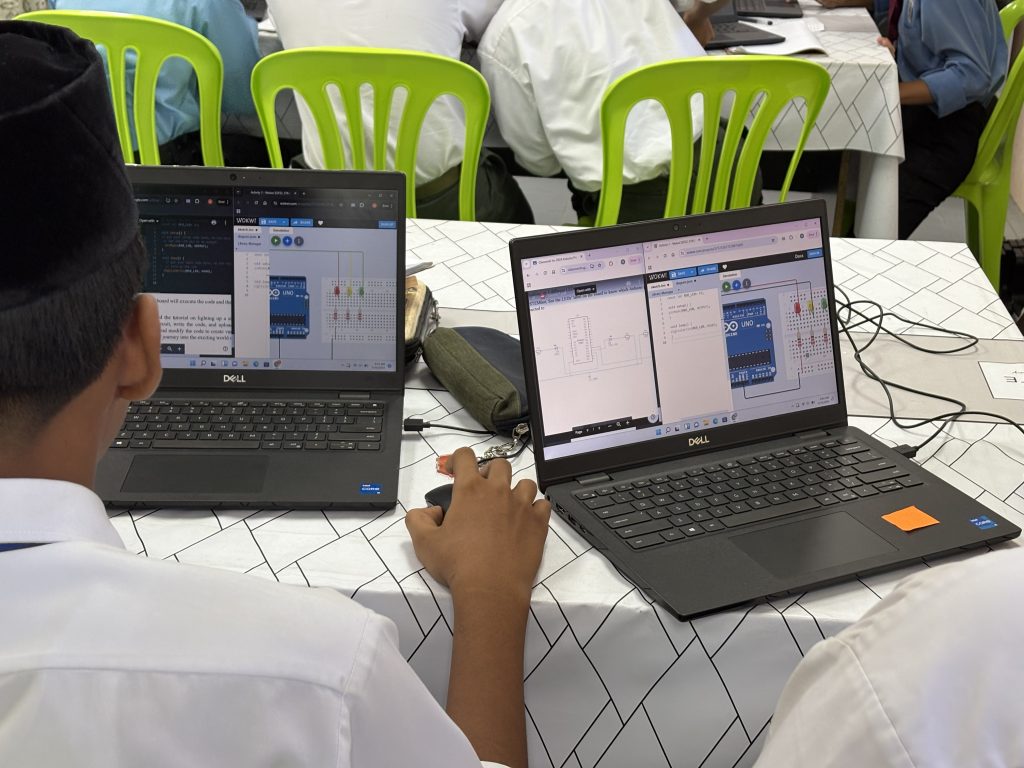
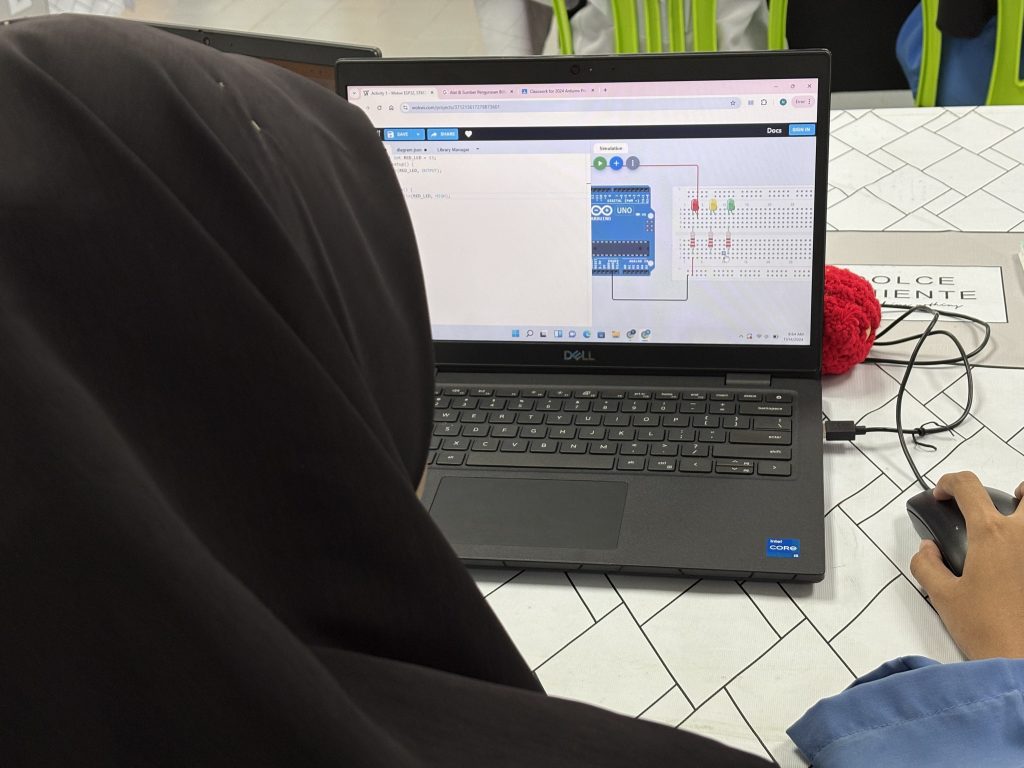
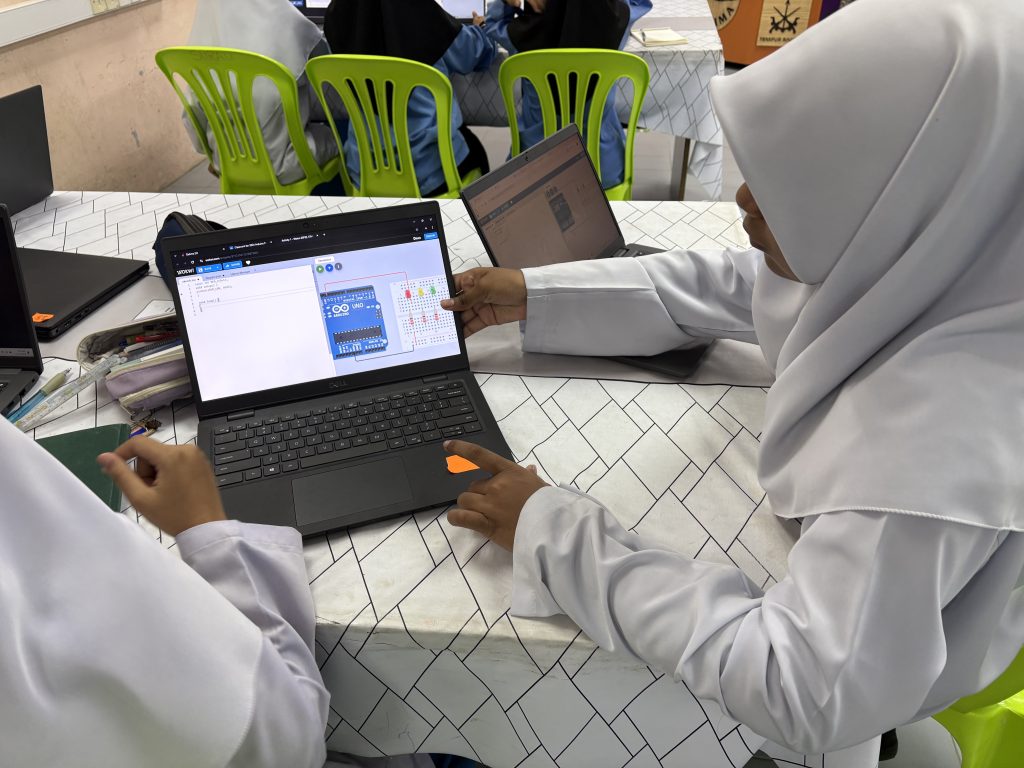
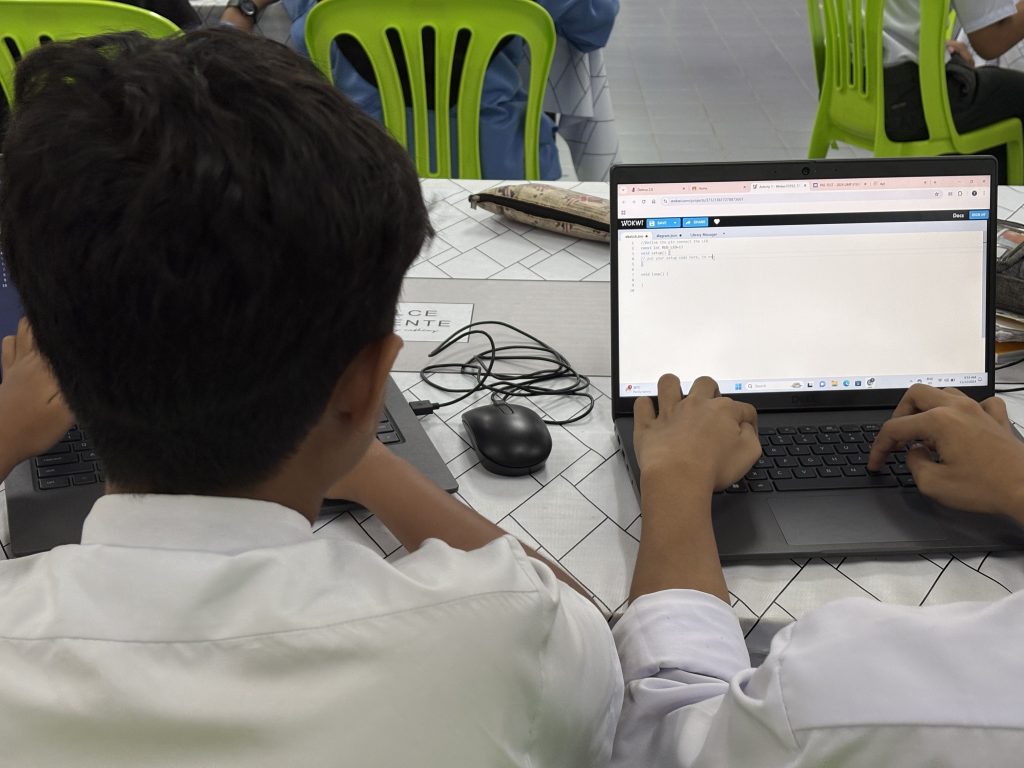
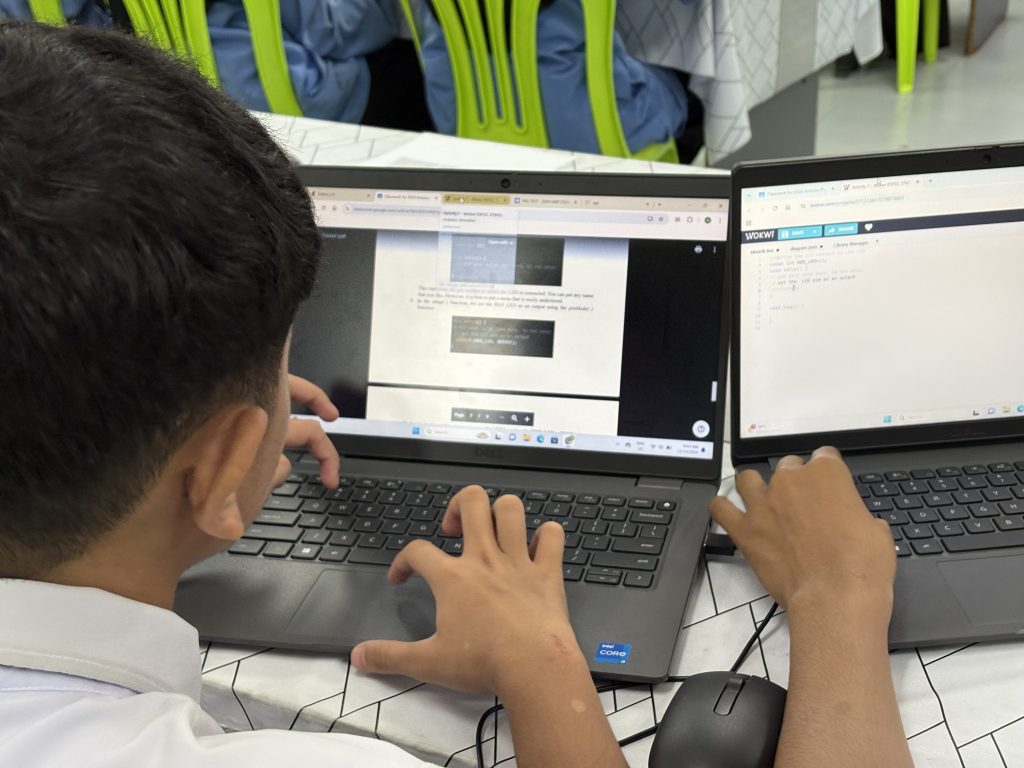
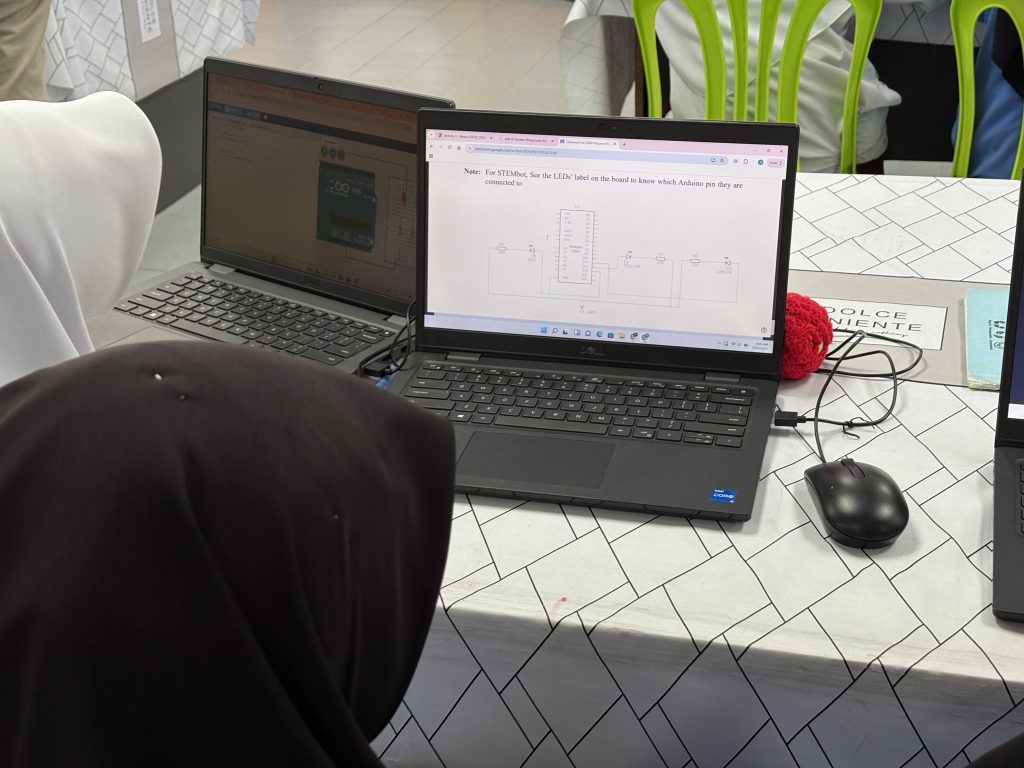
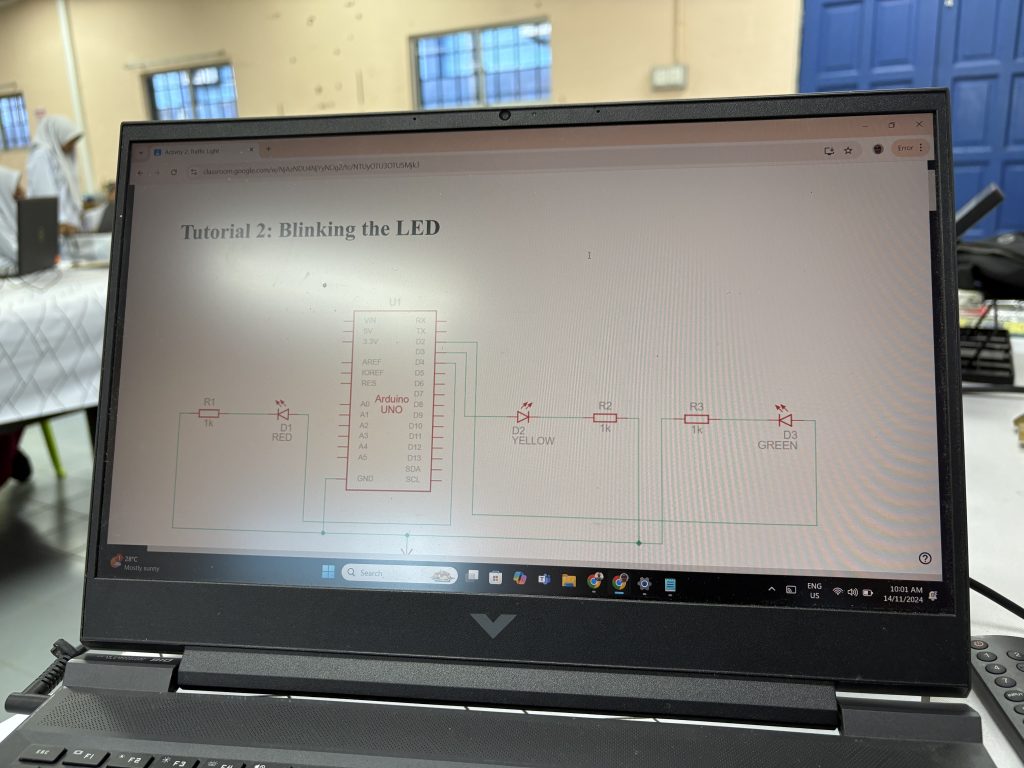
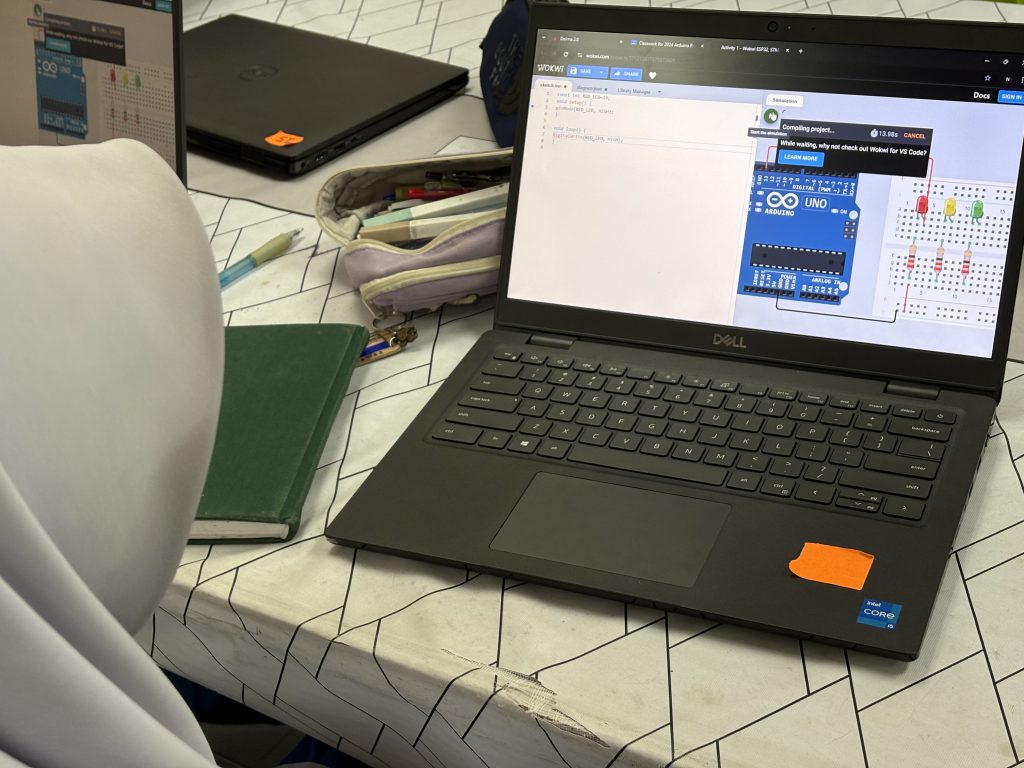
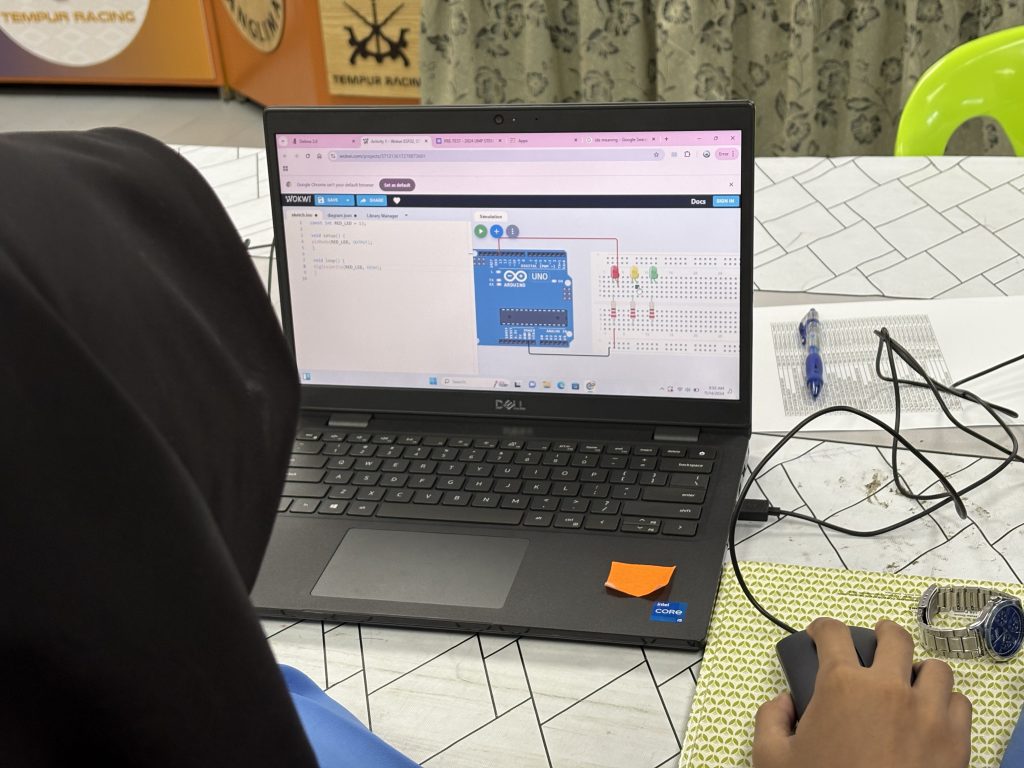
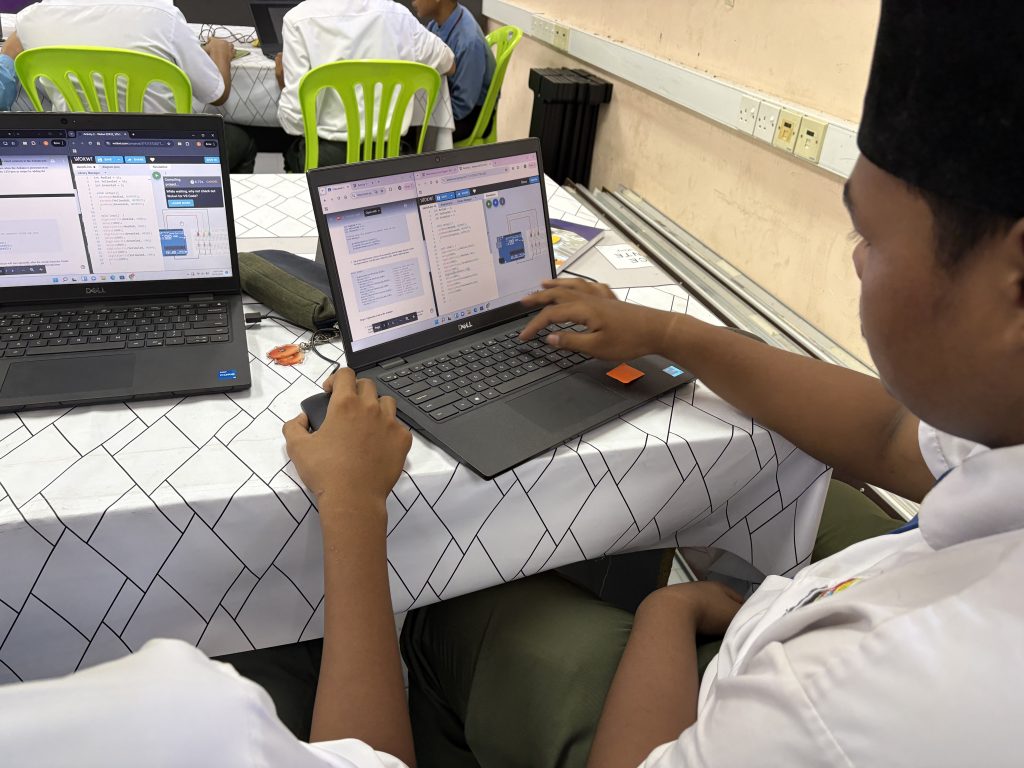
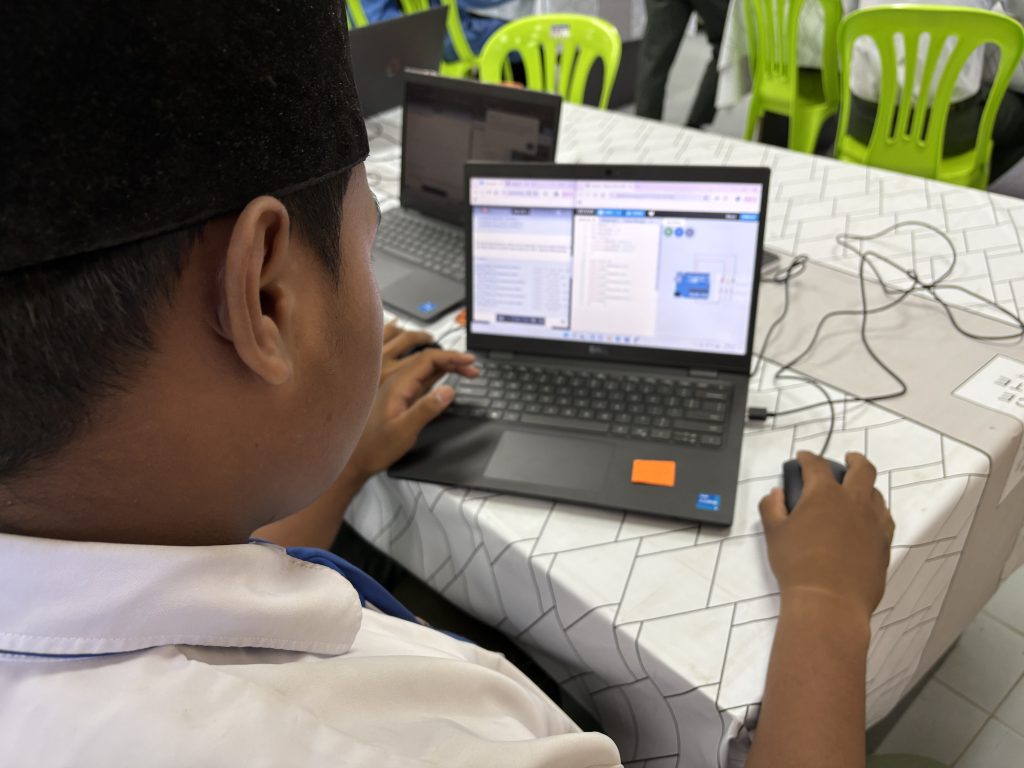
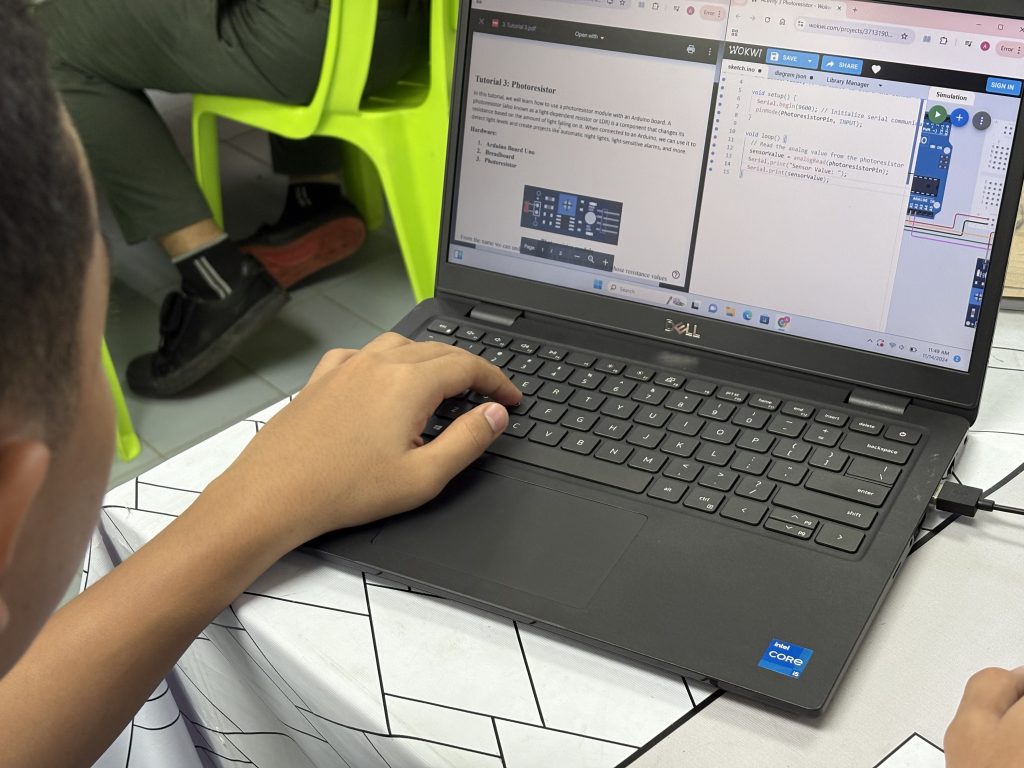
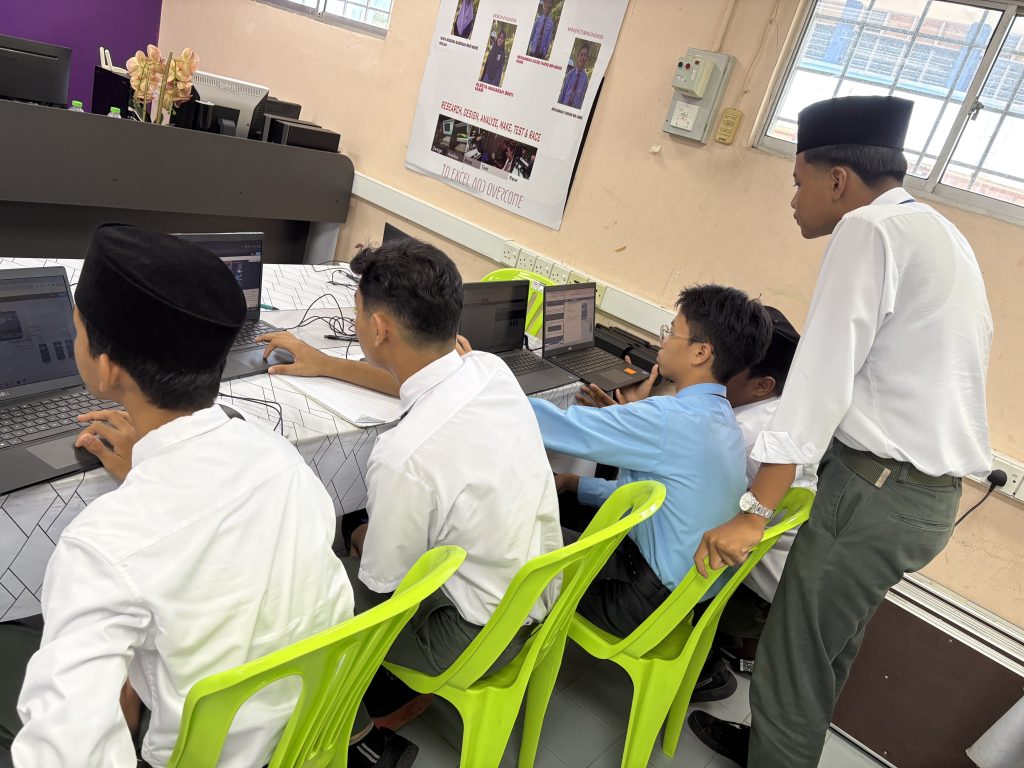
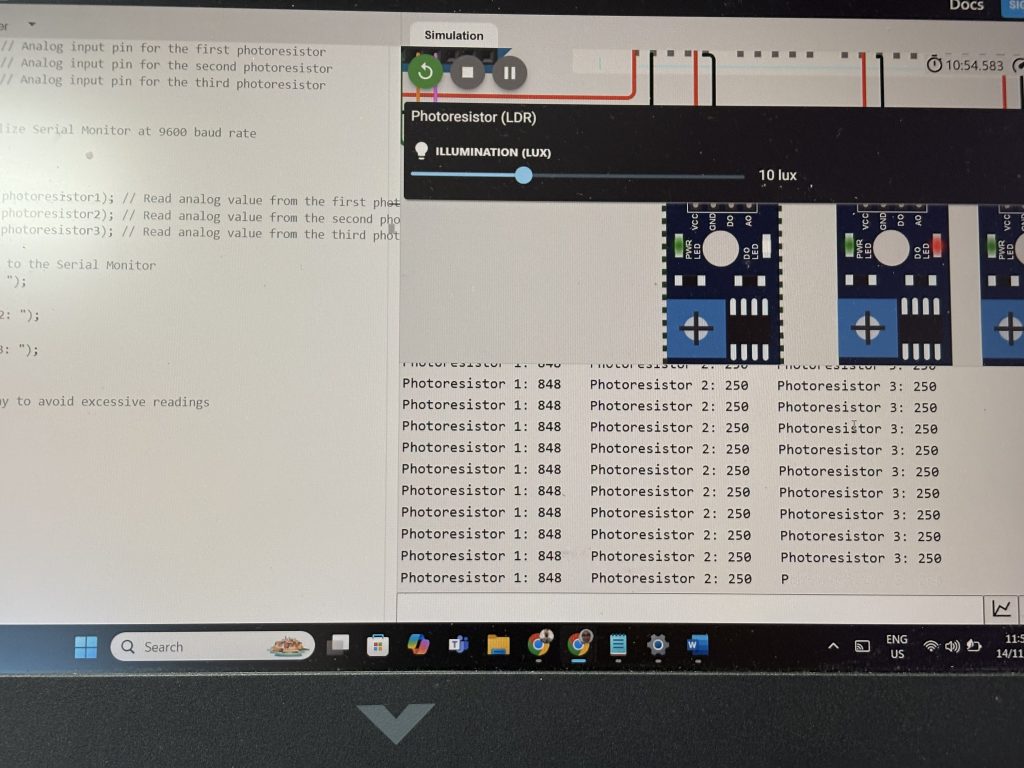
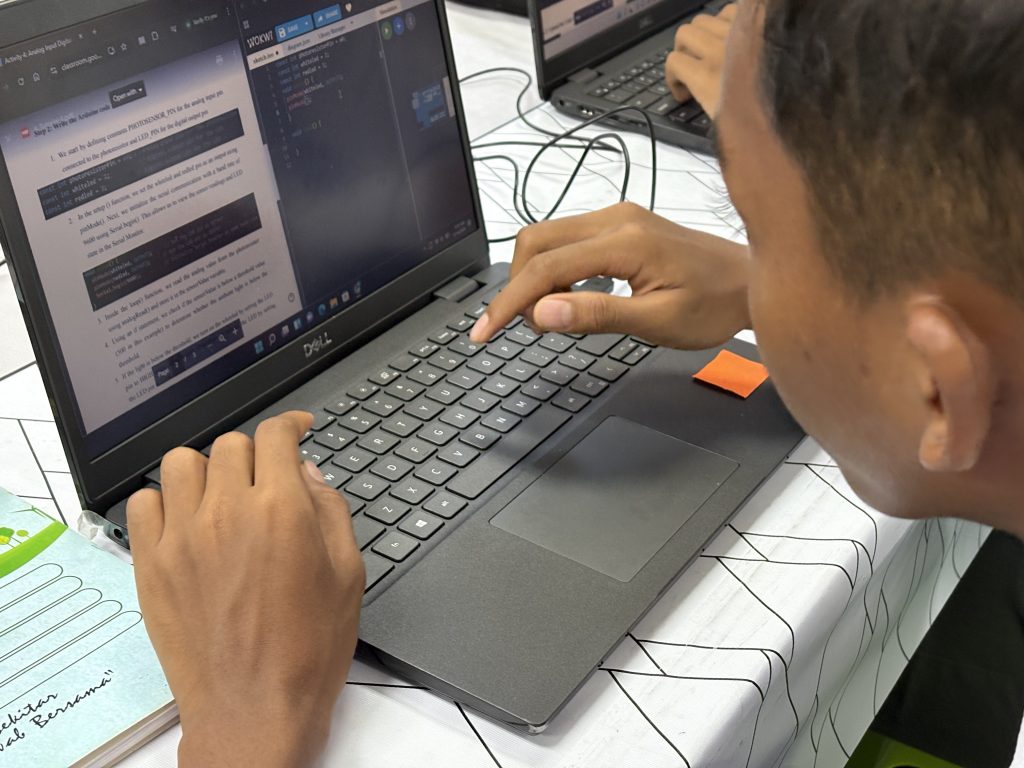
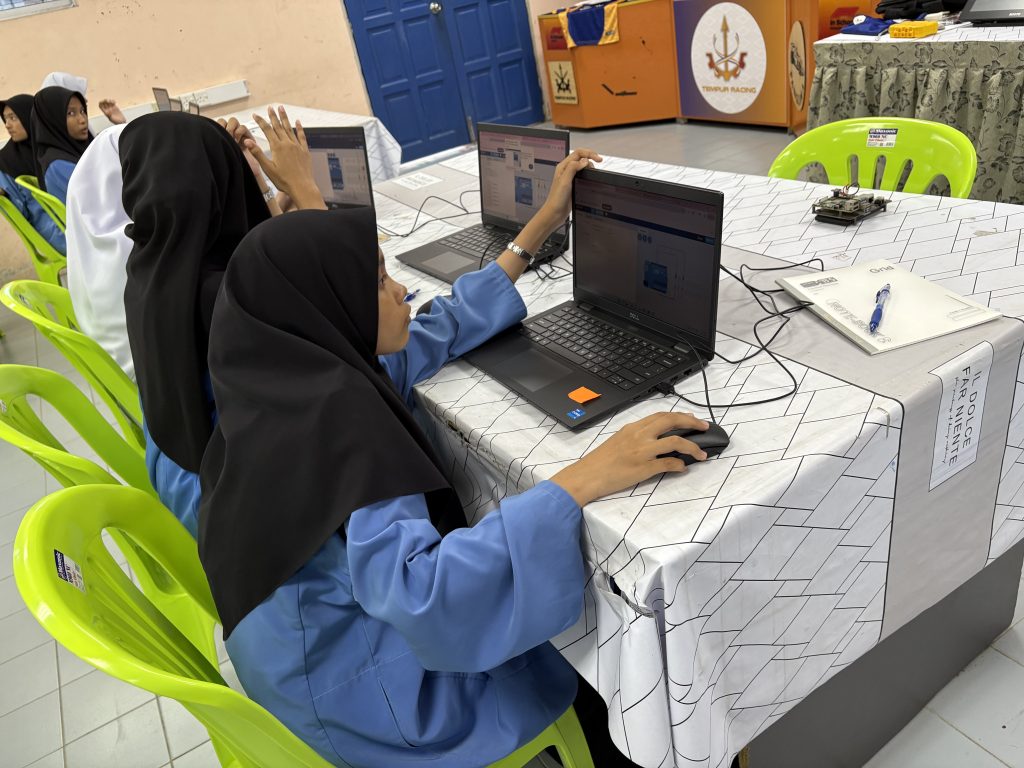
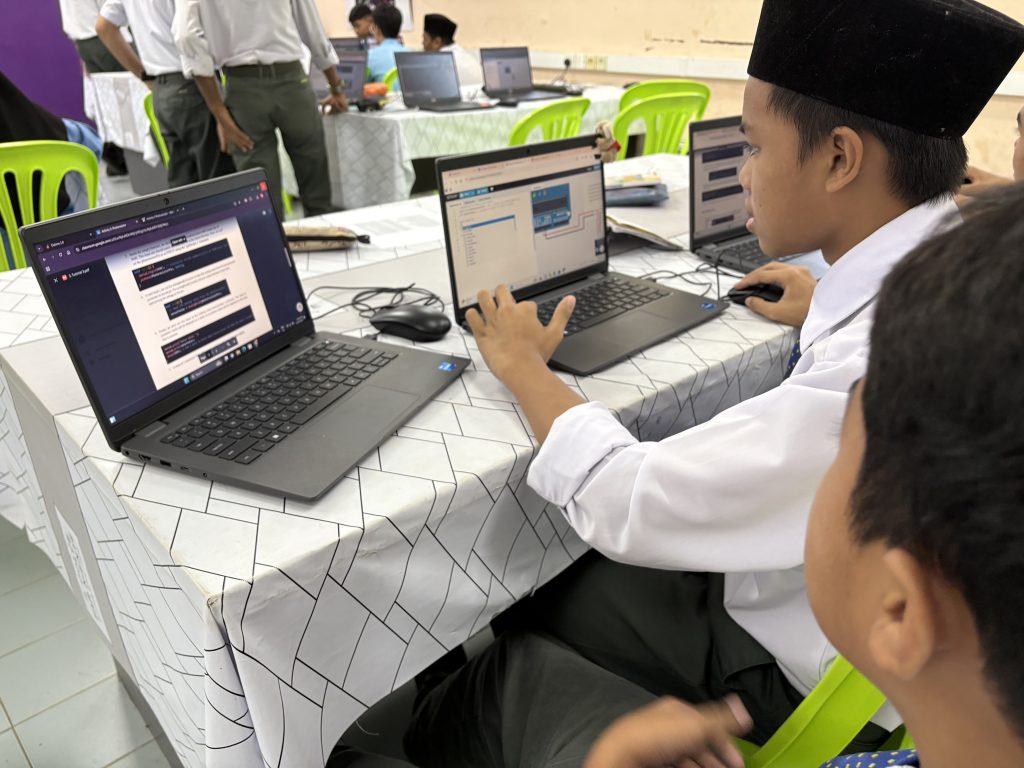
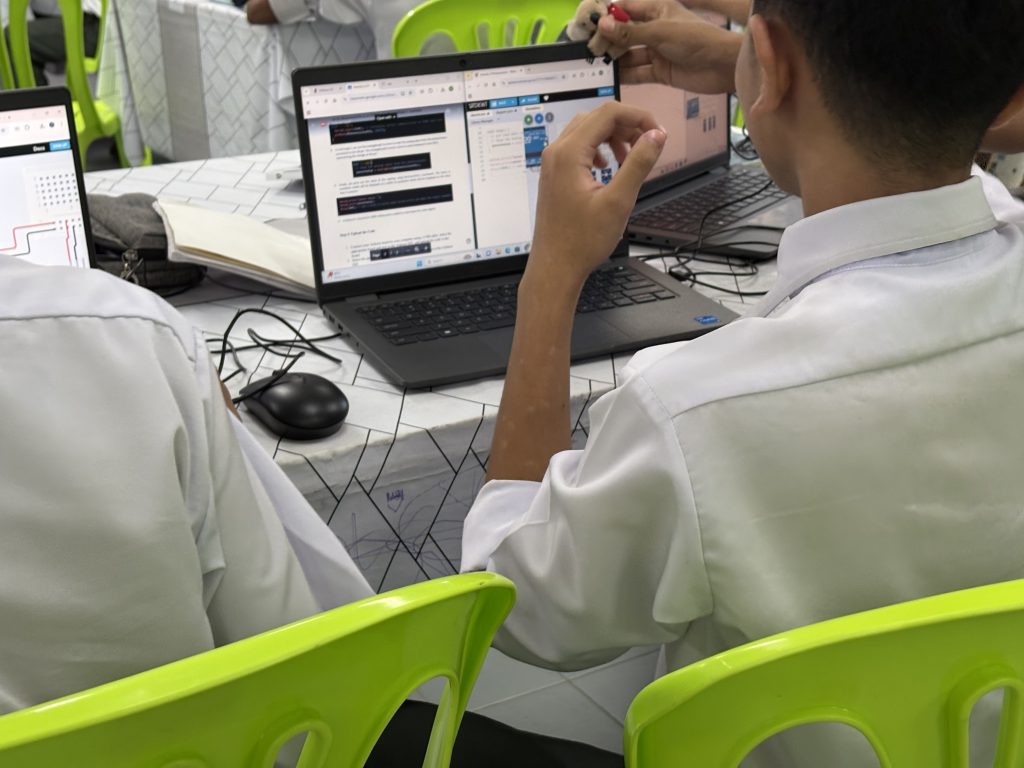
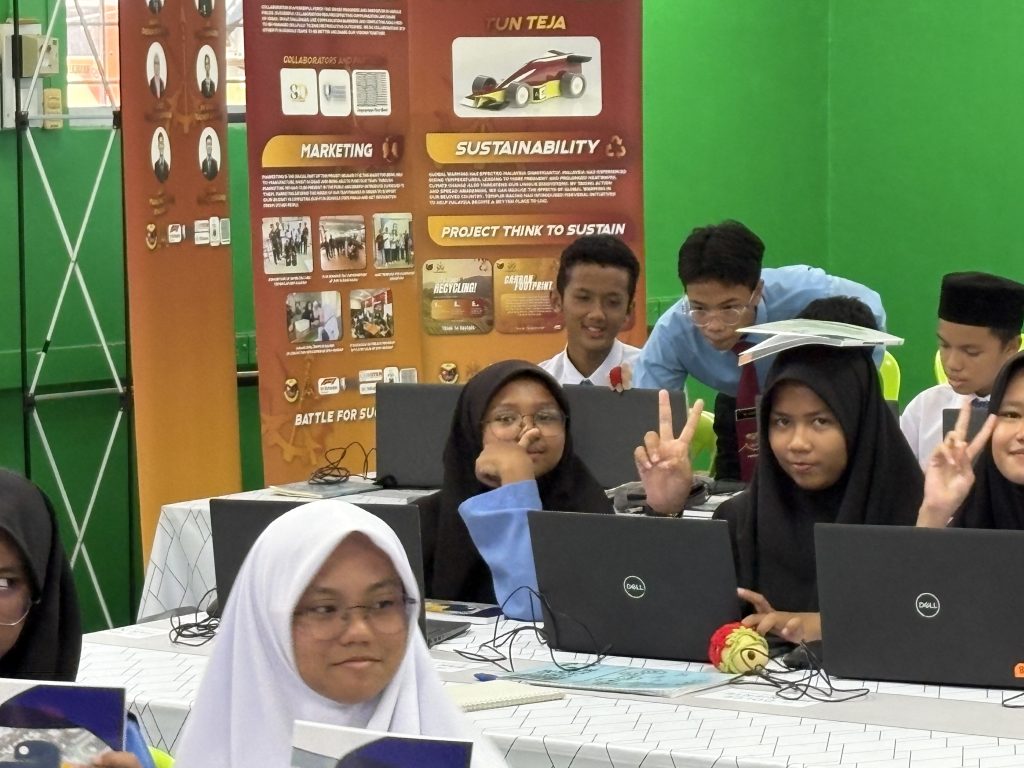
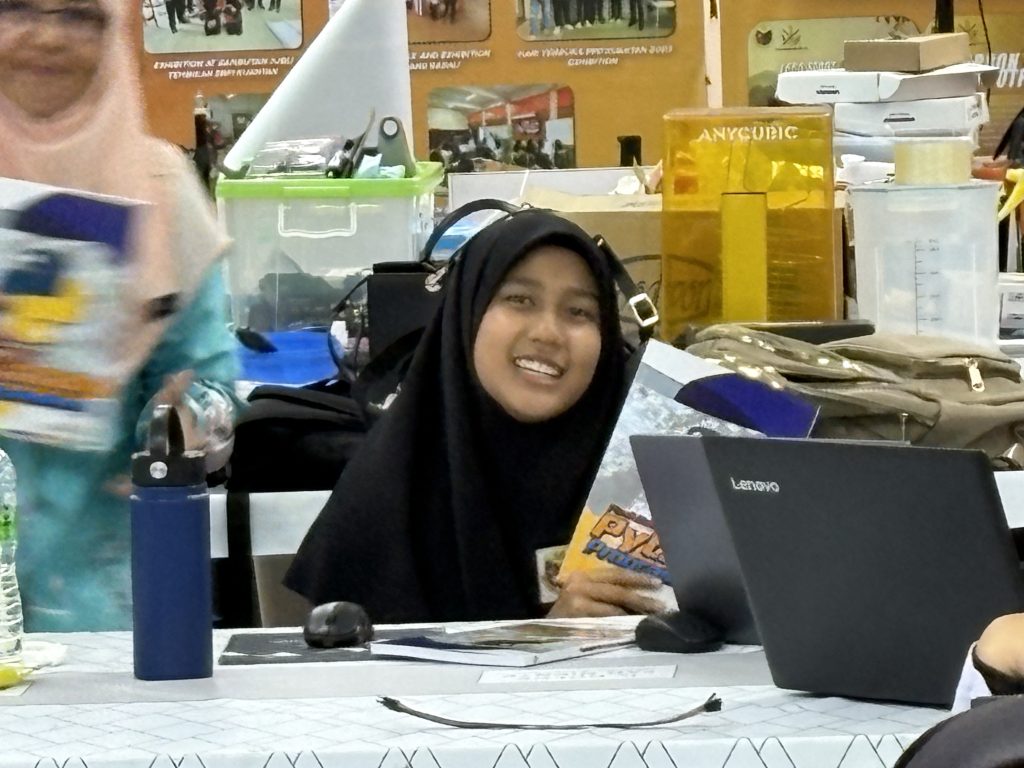
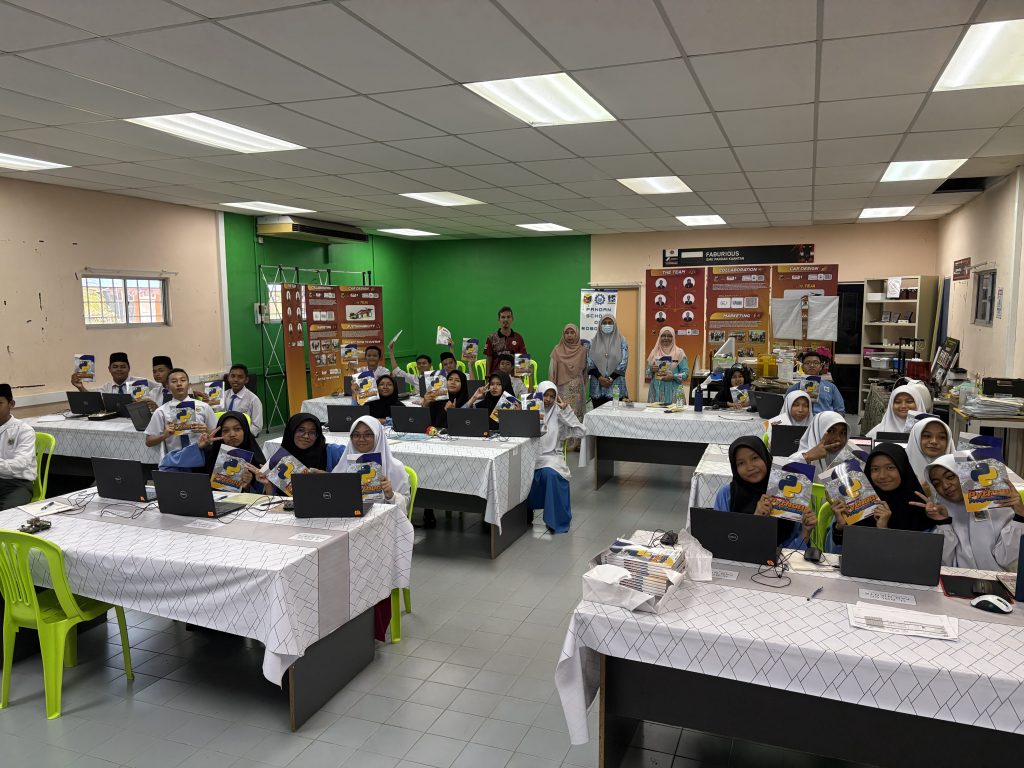
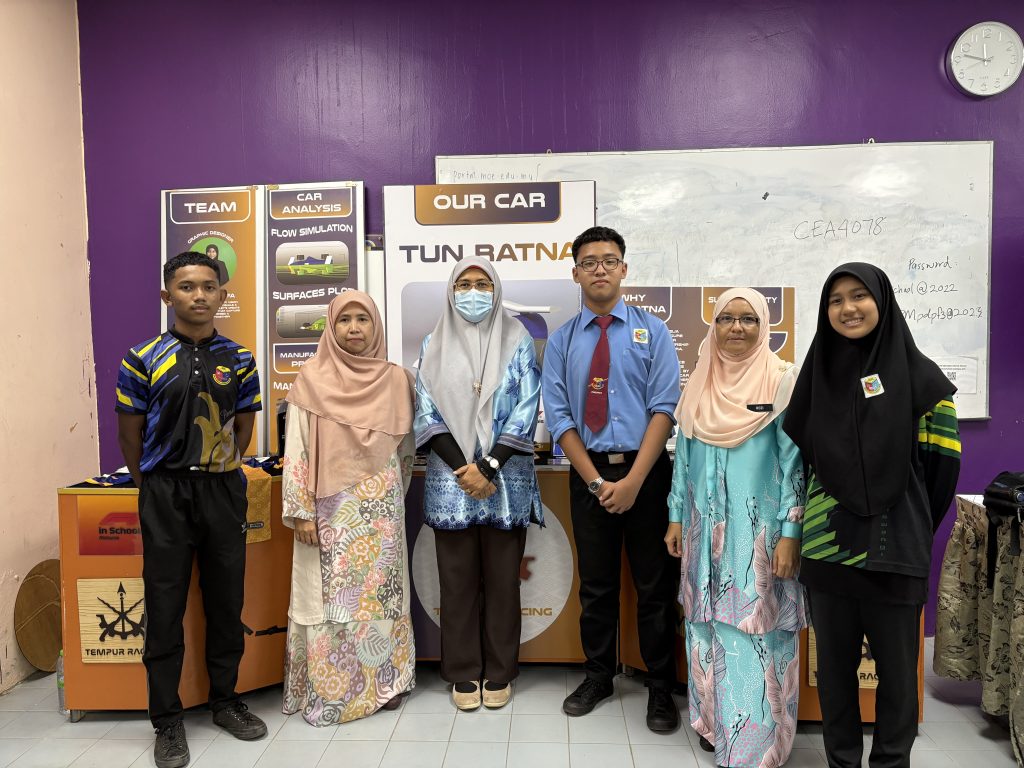
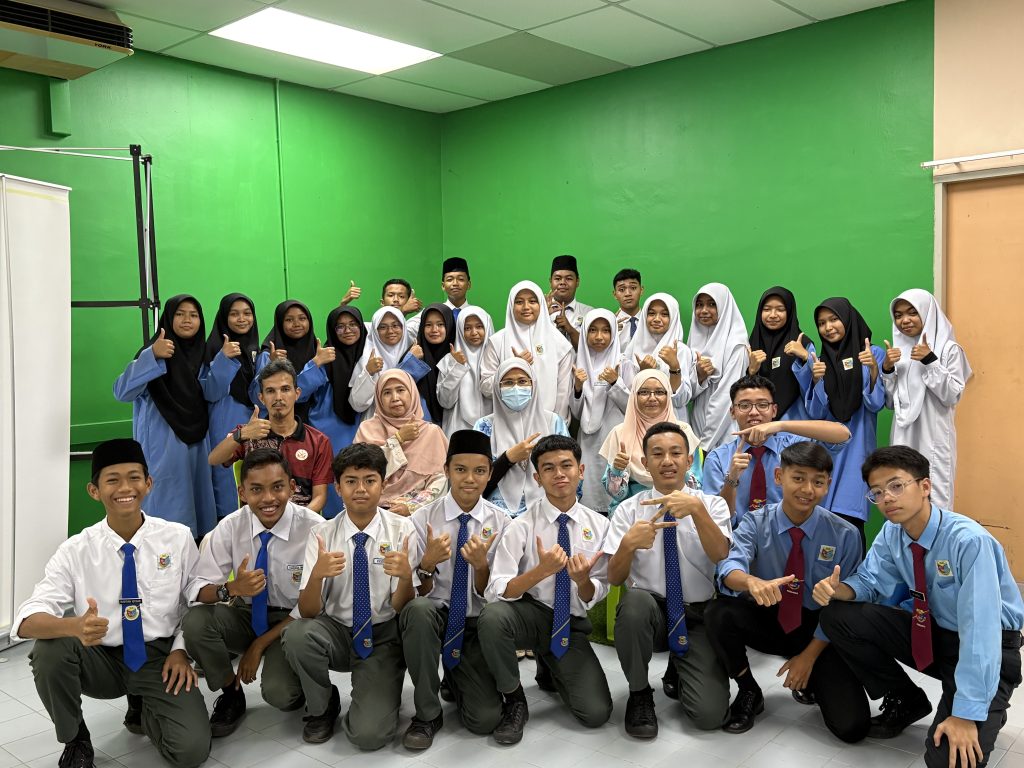
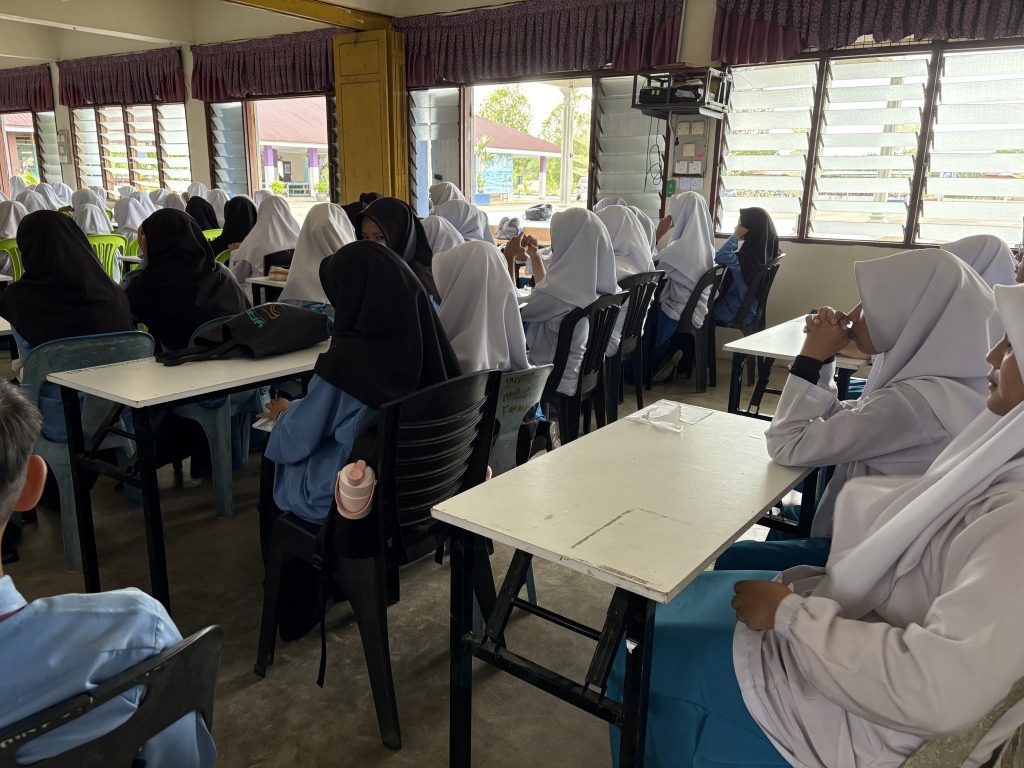
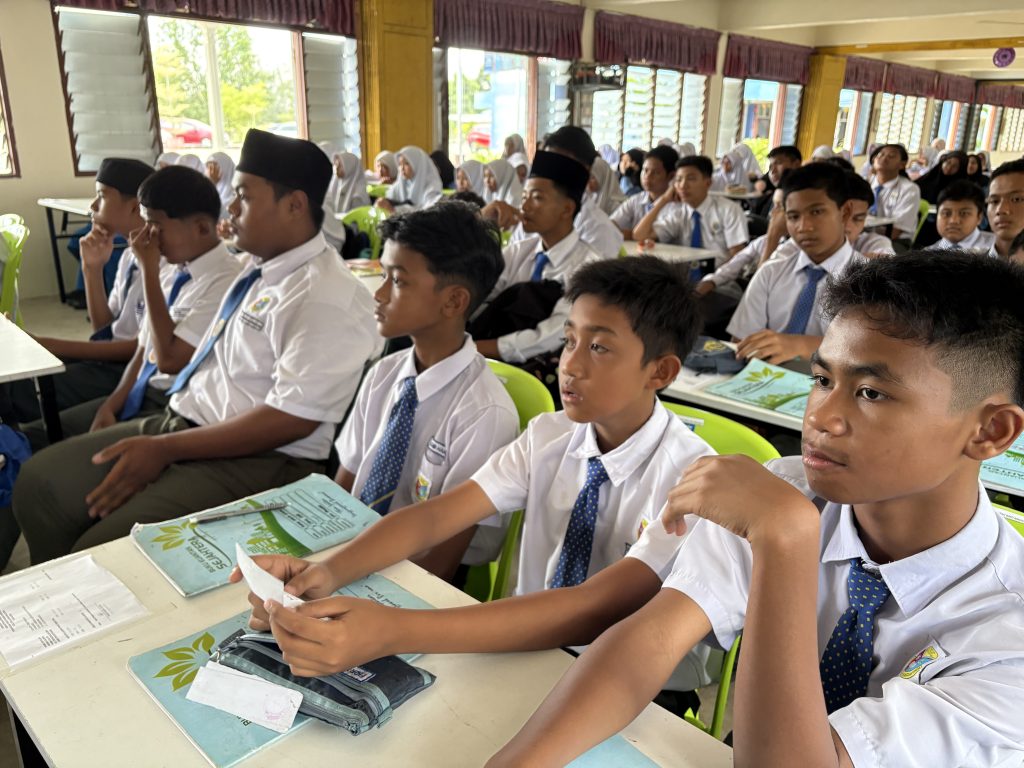
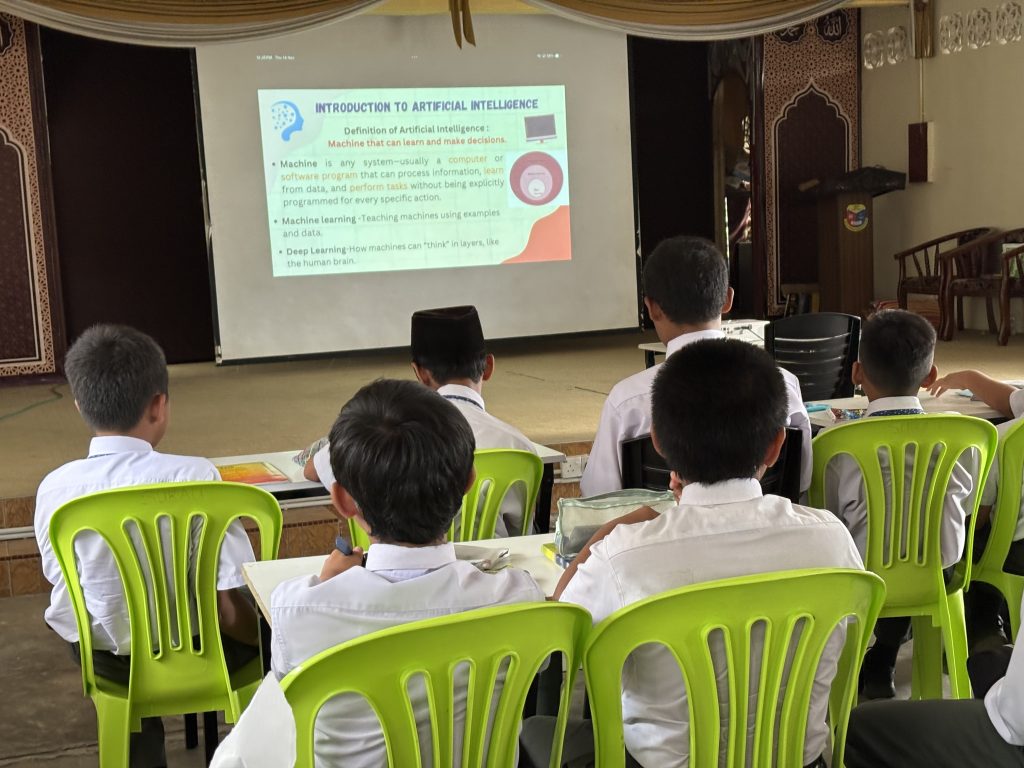
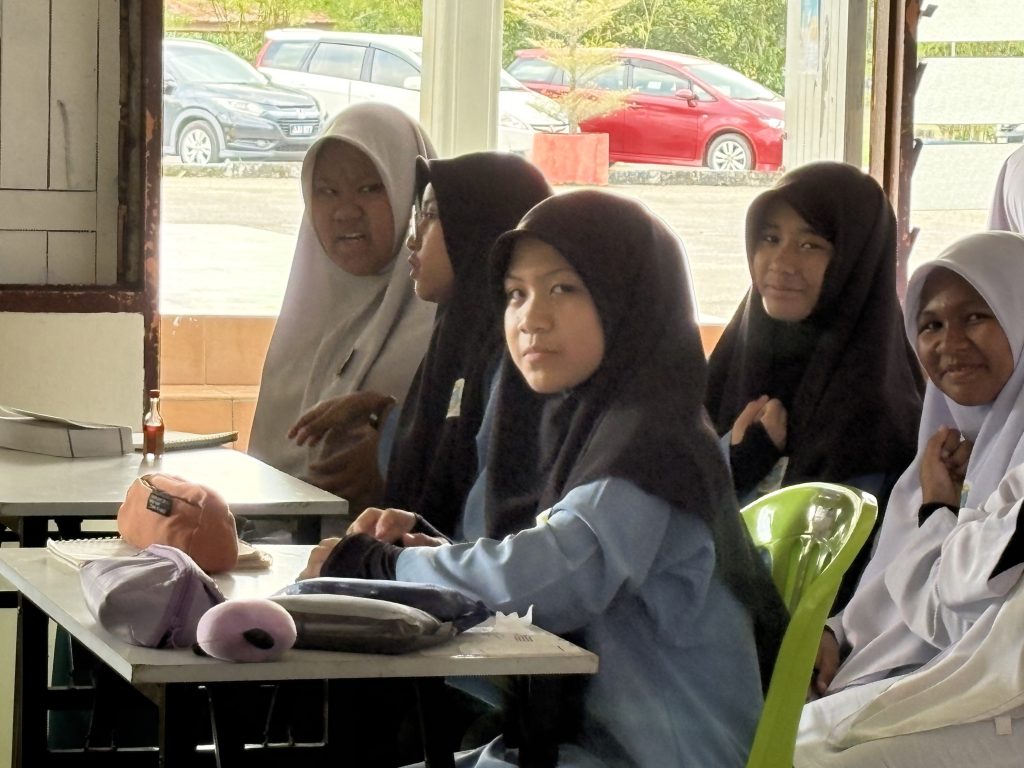
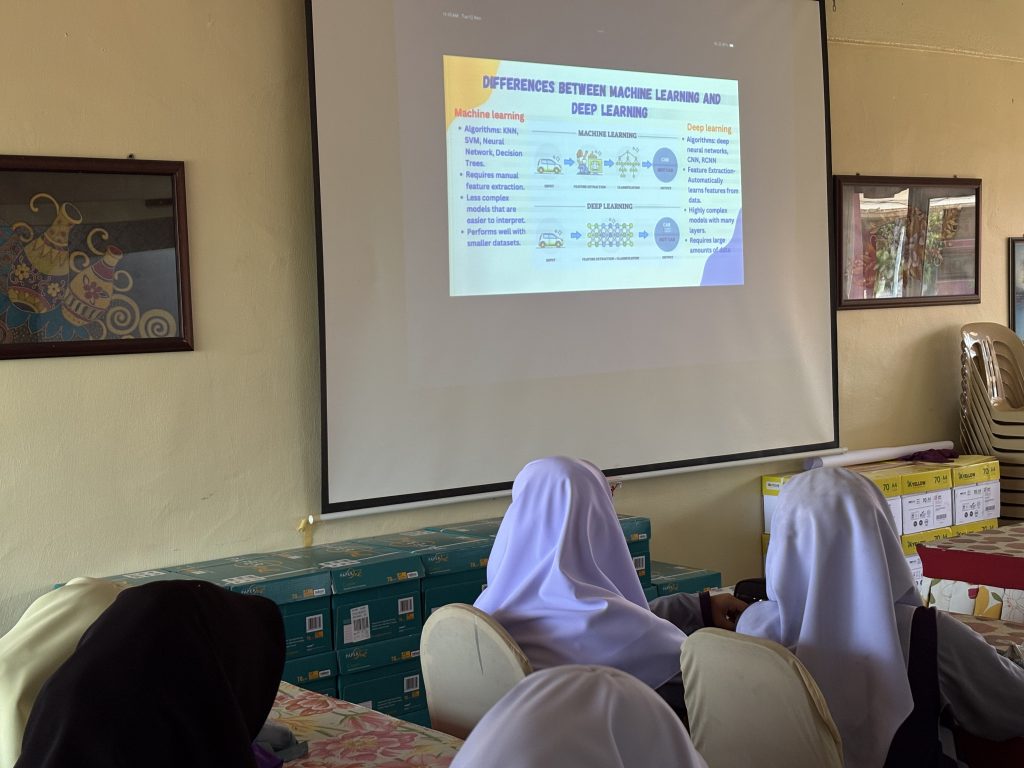
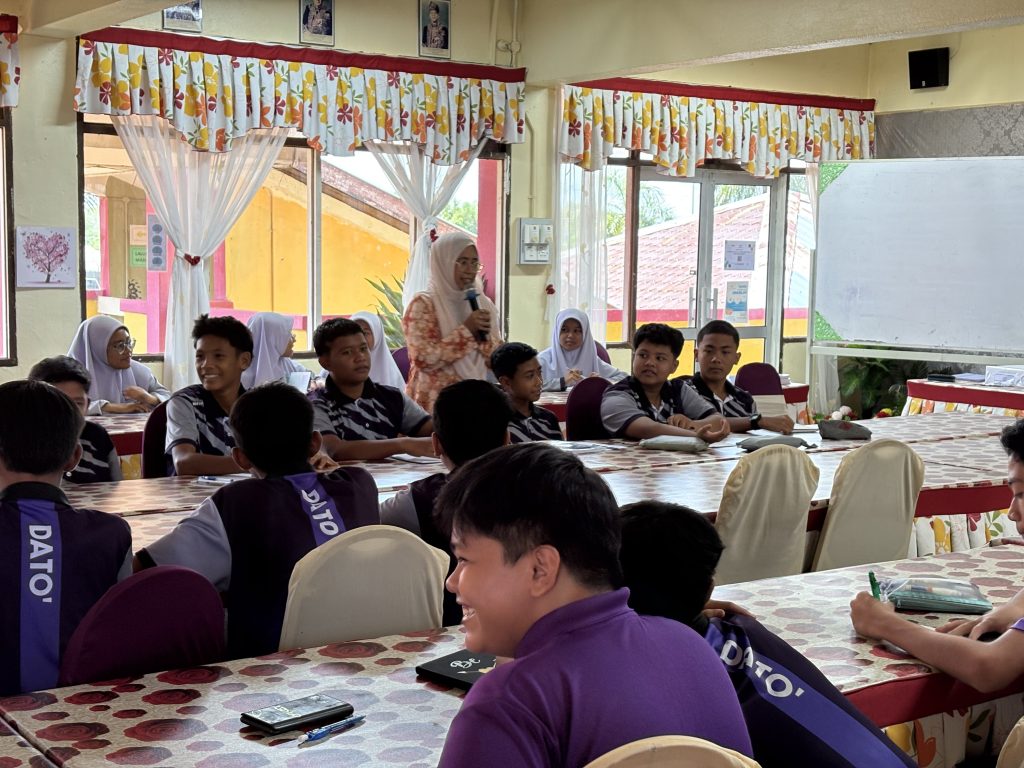
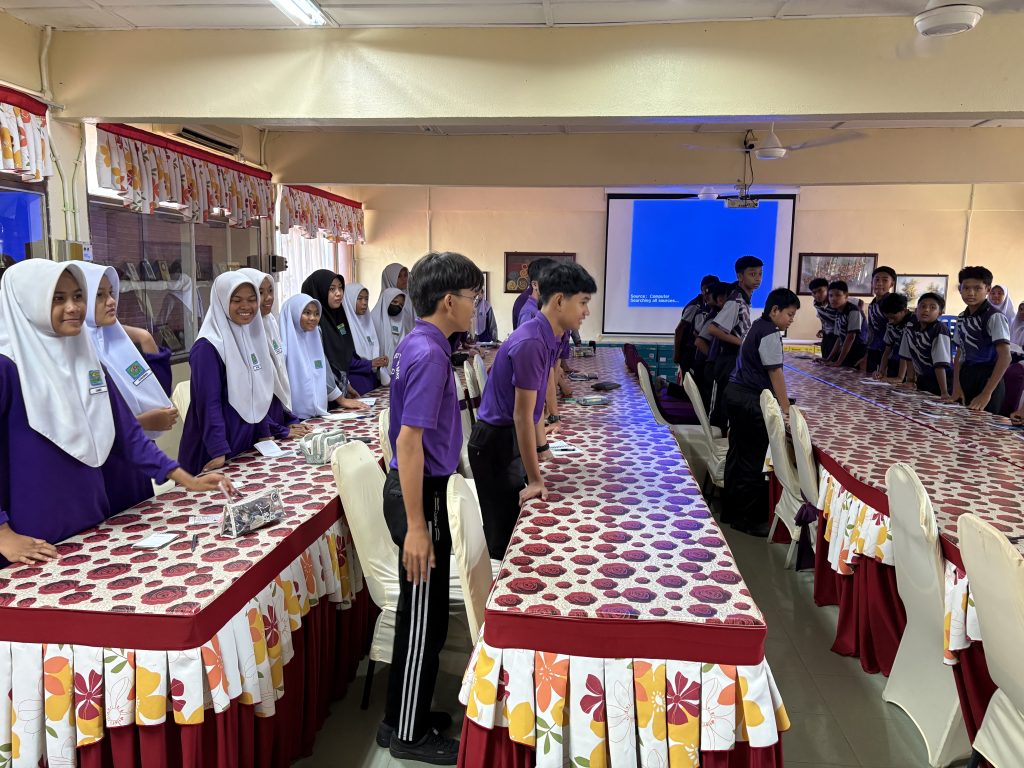
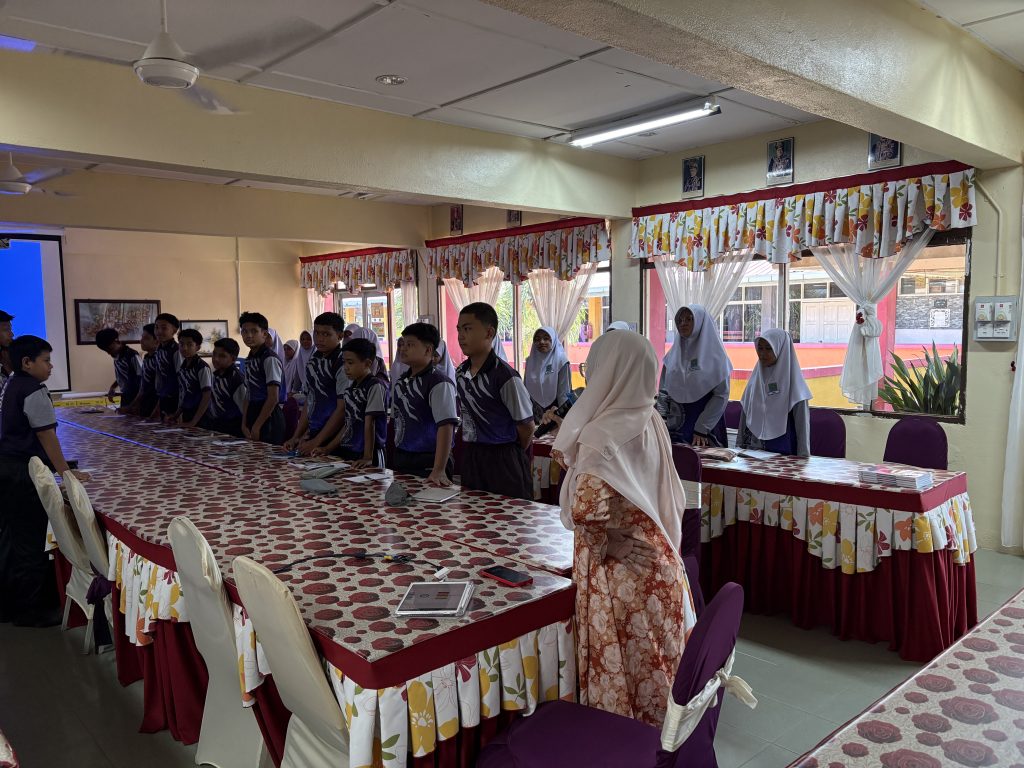
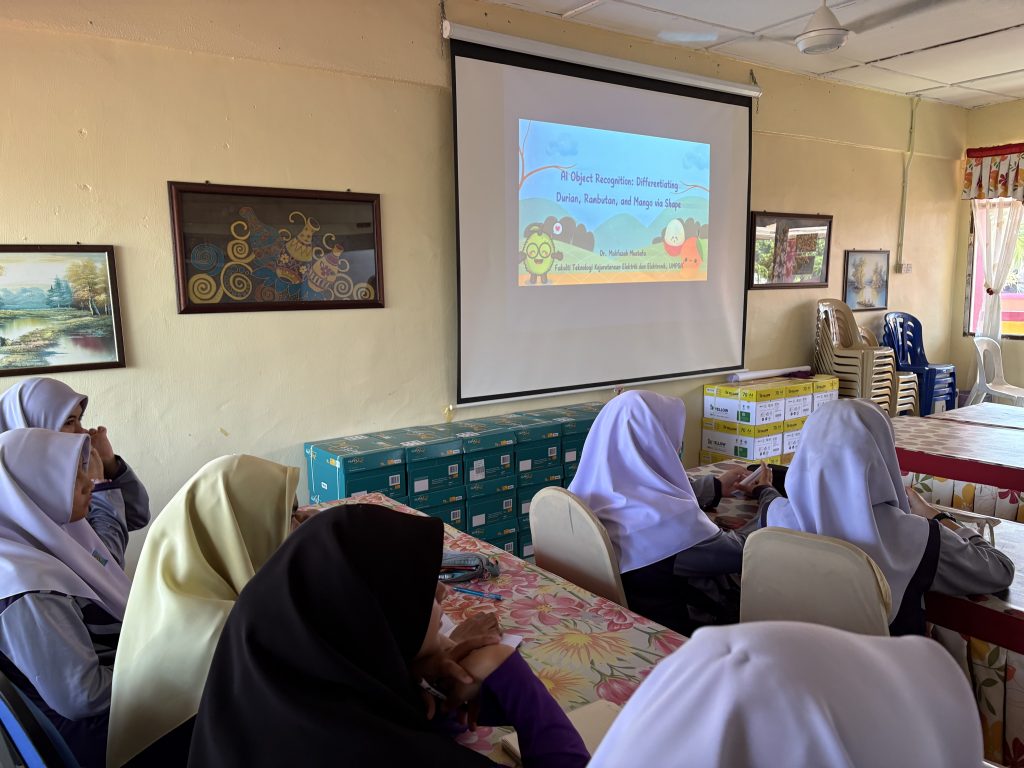
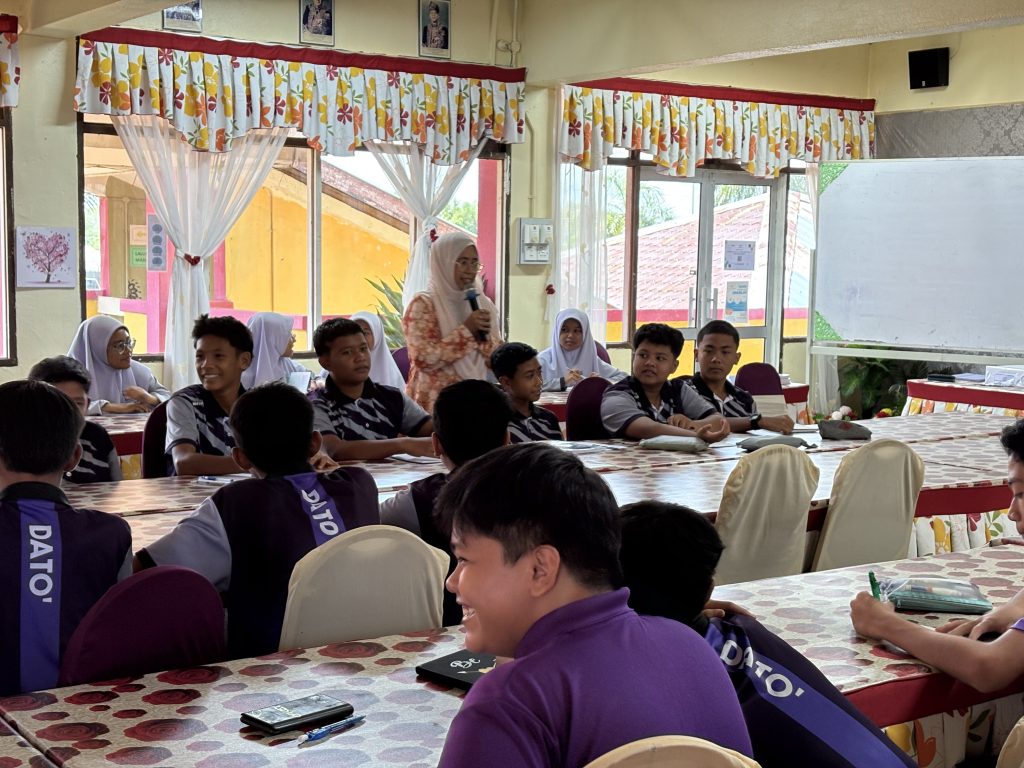
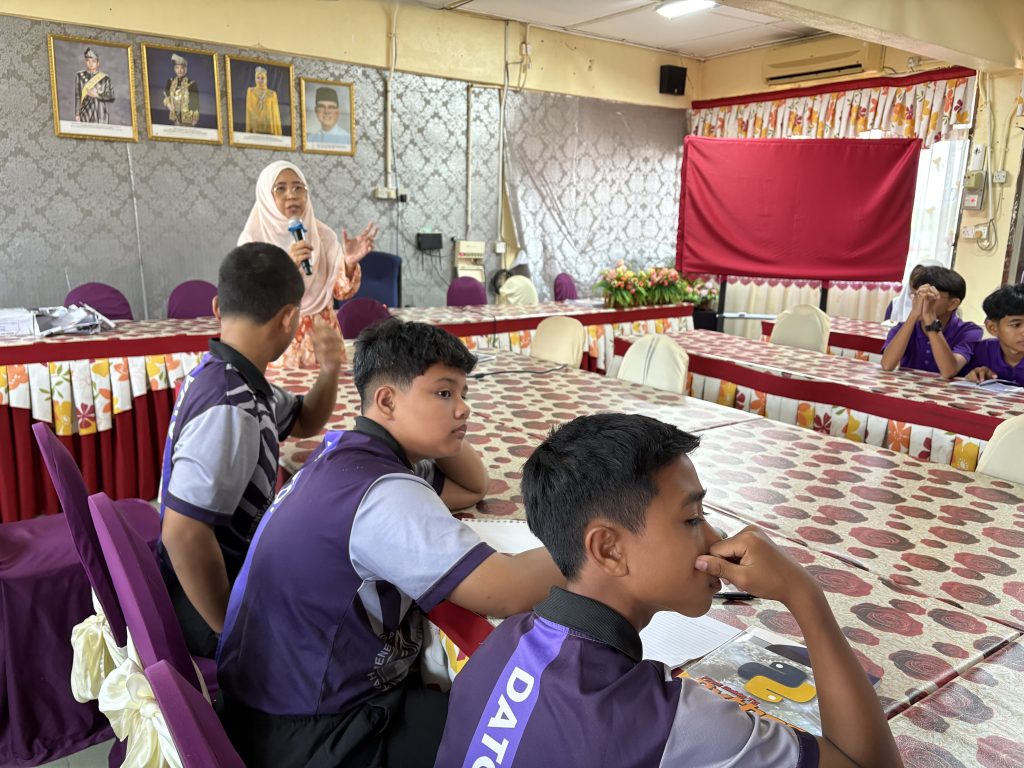
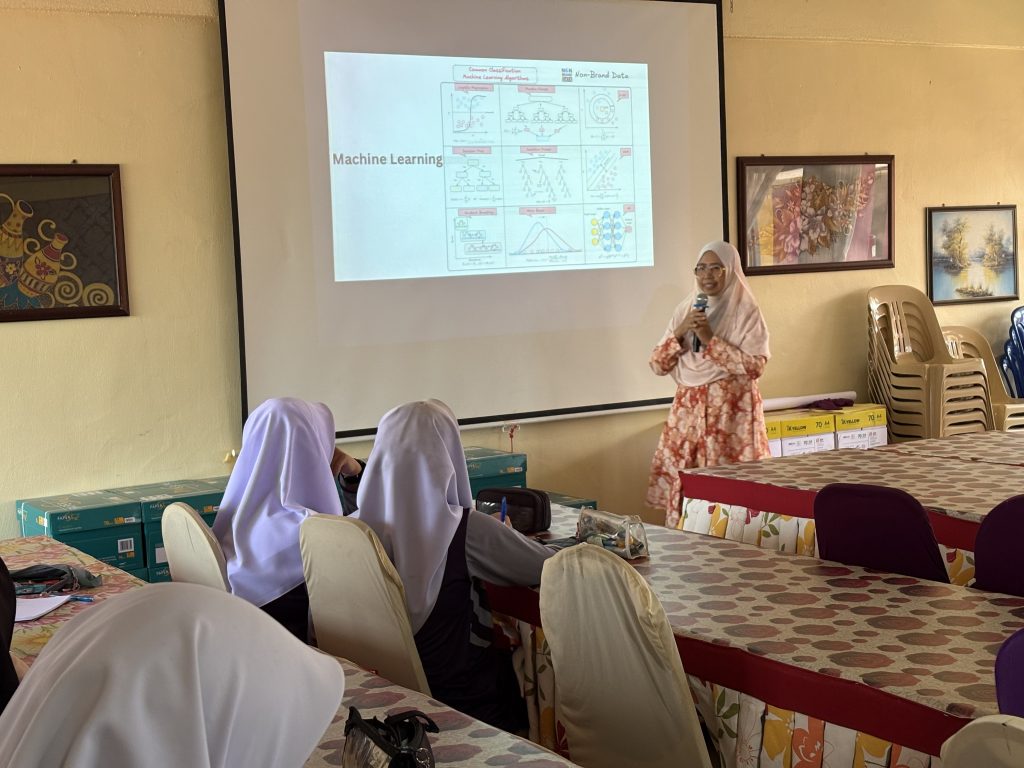
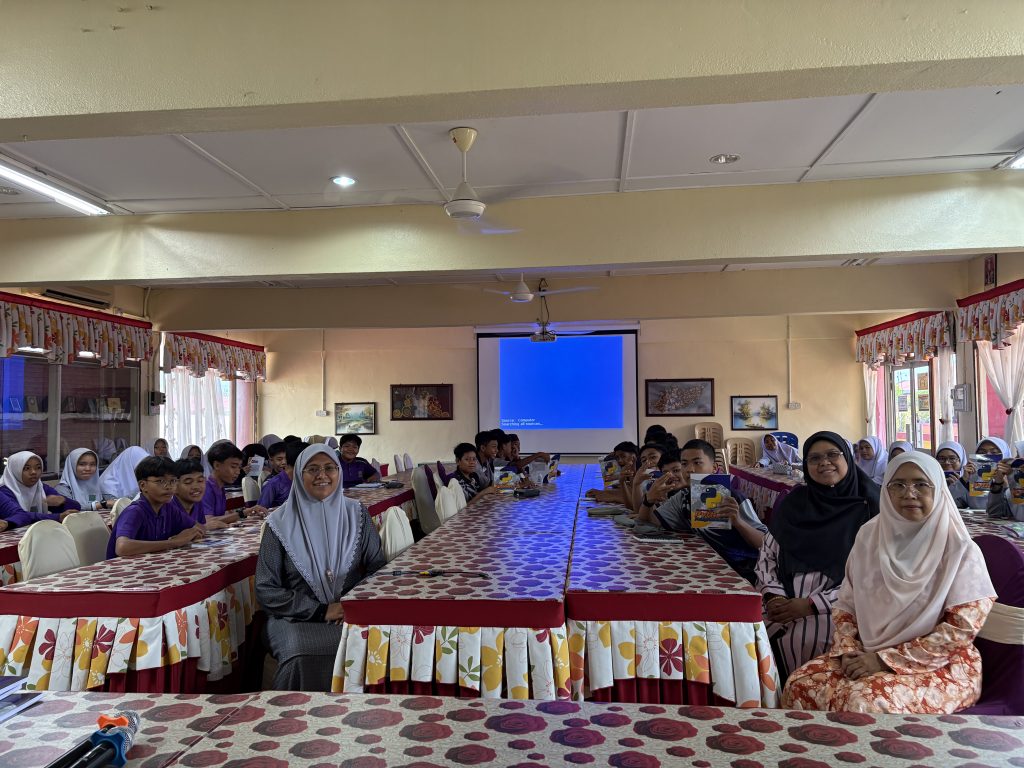
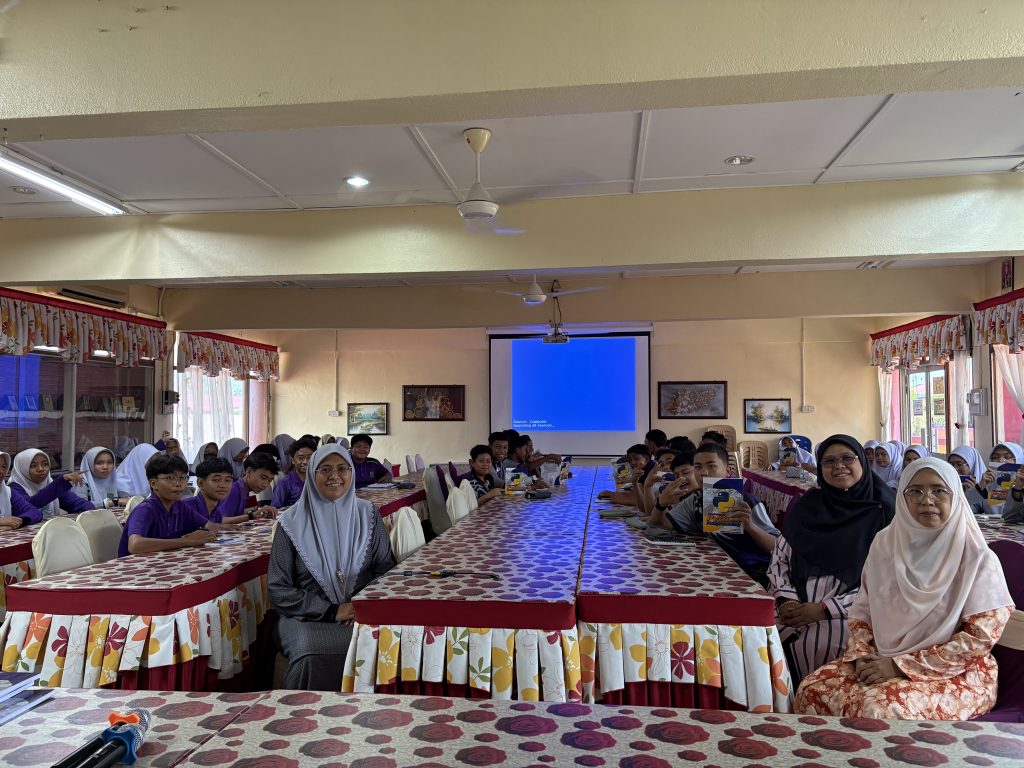
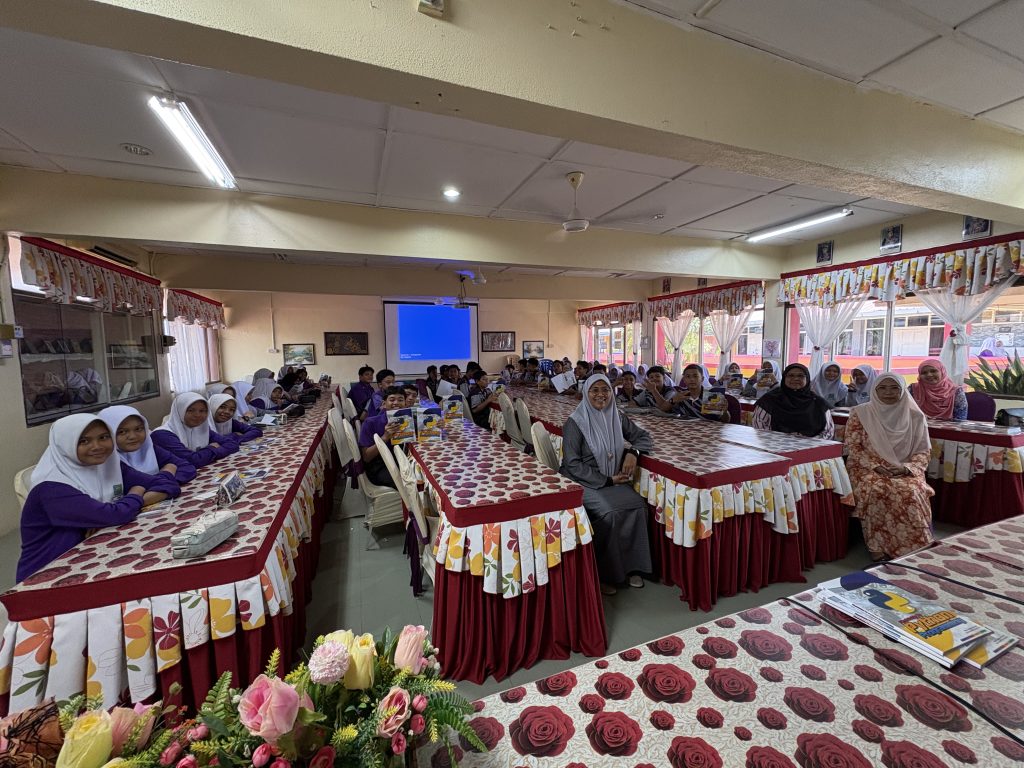
UMP STEM Lab Arduino Programming can be found here. Throughout the course, 30 participants were introduced to the concepts of programming loops, conditional statements, and sequential execution. Activities include controlling multiple LEDs, understanding the concept of digital output, using a photoresistor to expand their understanding of sensor interfacing, integrating analog sensors with Arduino and controlling digital … Continue reading “Arduino Programming 2024/10 – SMK Pandan, Kuantan”
UMP STEM Lab Arduino Programming can be found here.
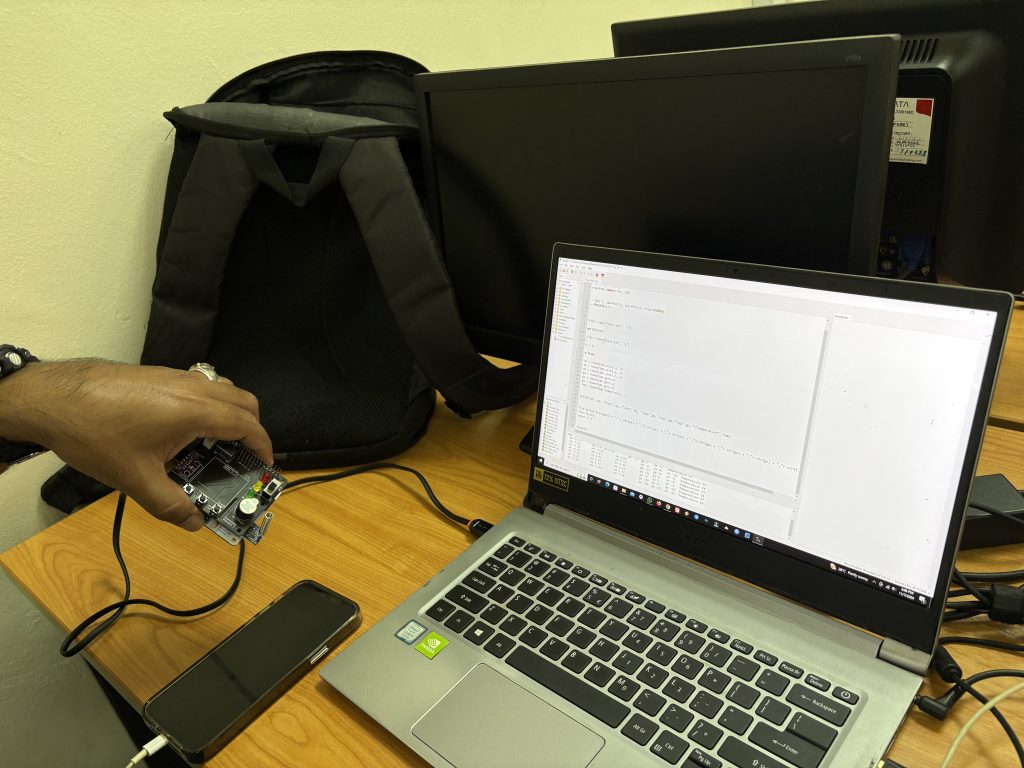
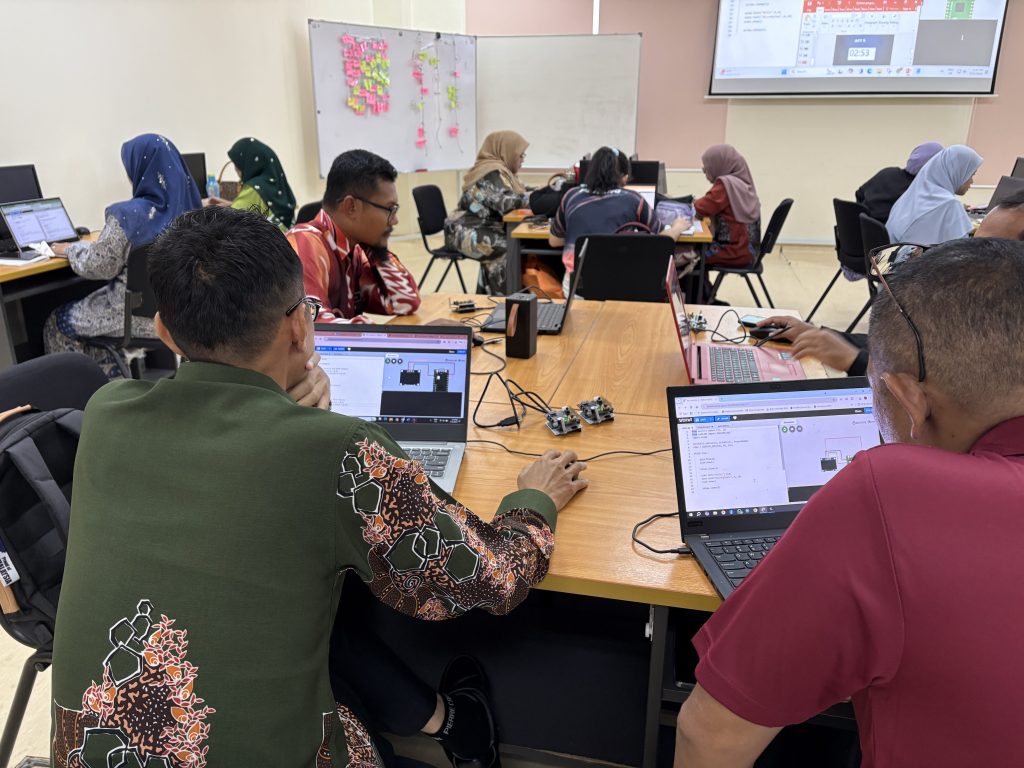
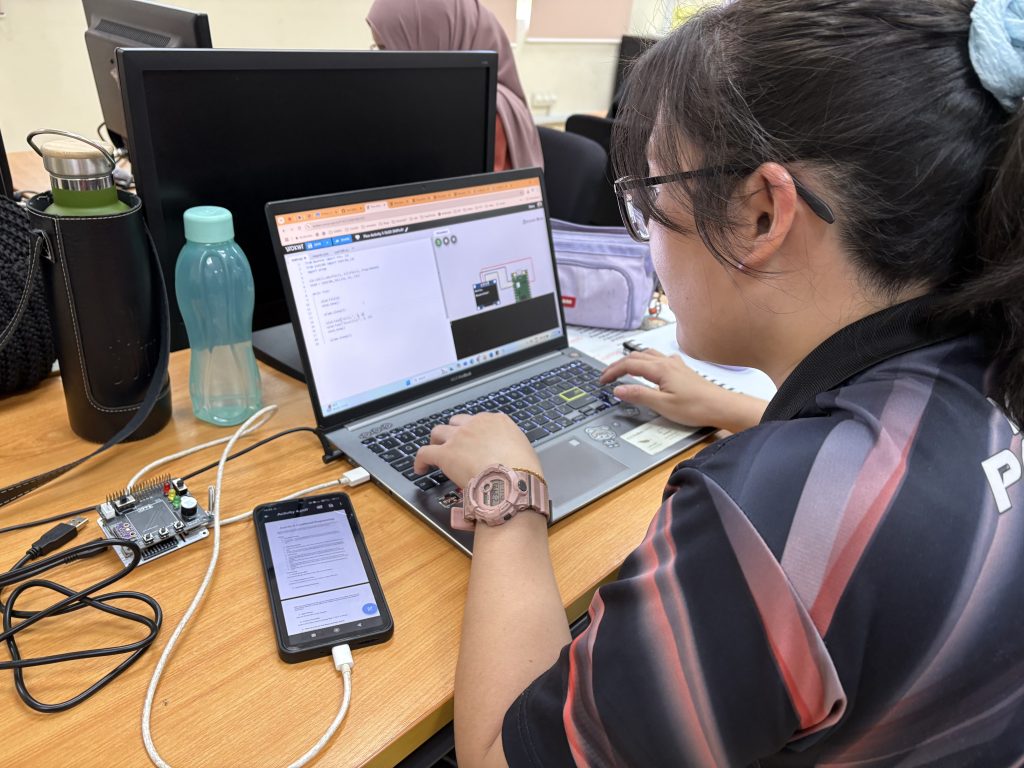
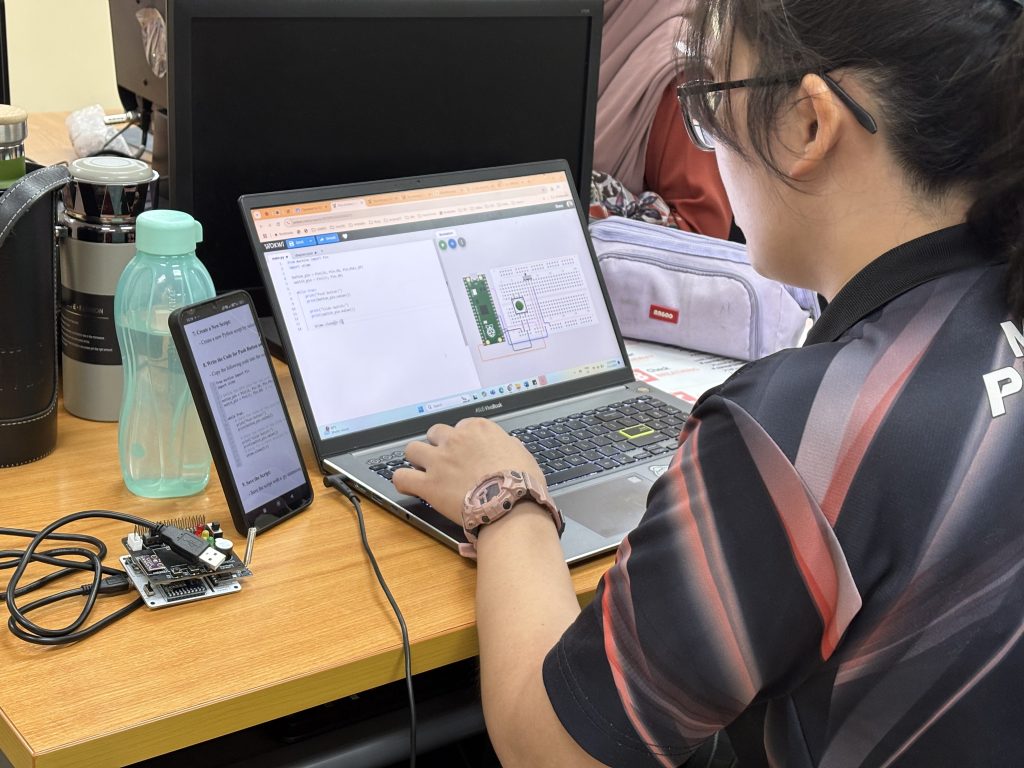
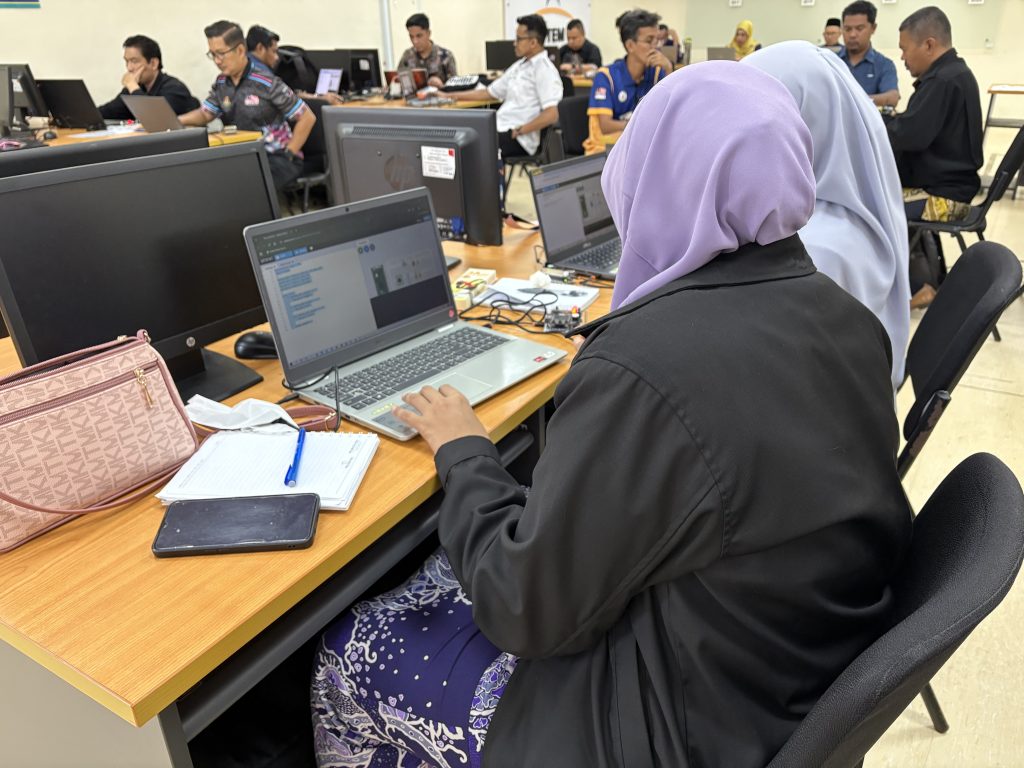
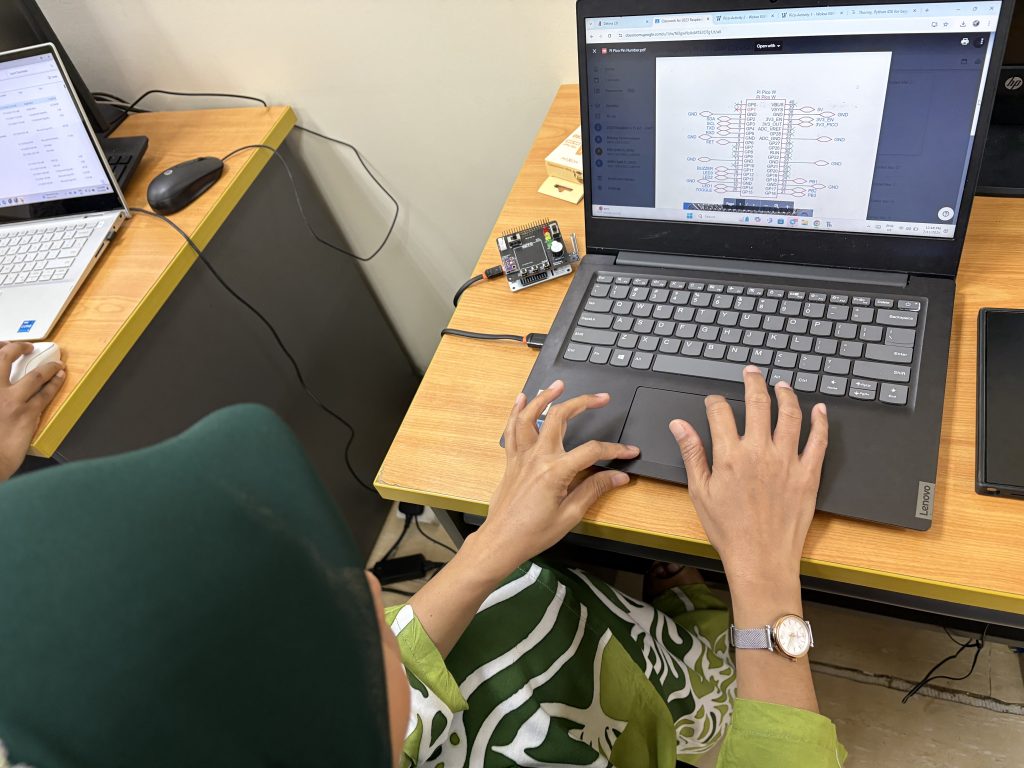
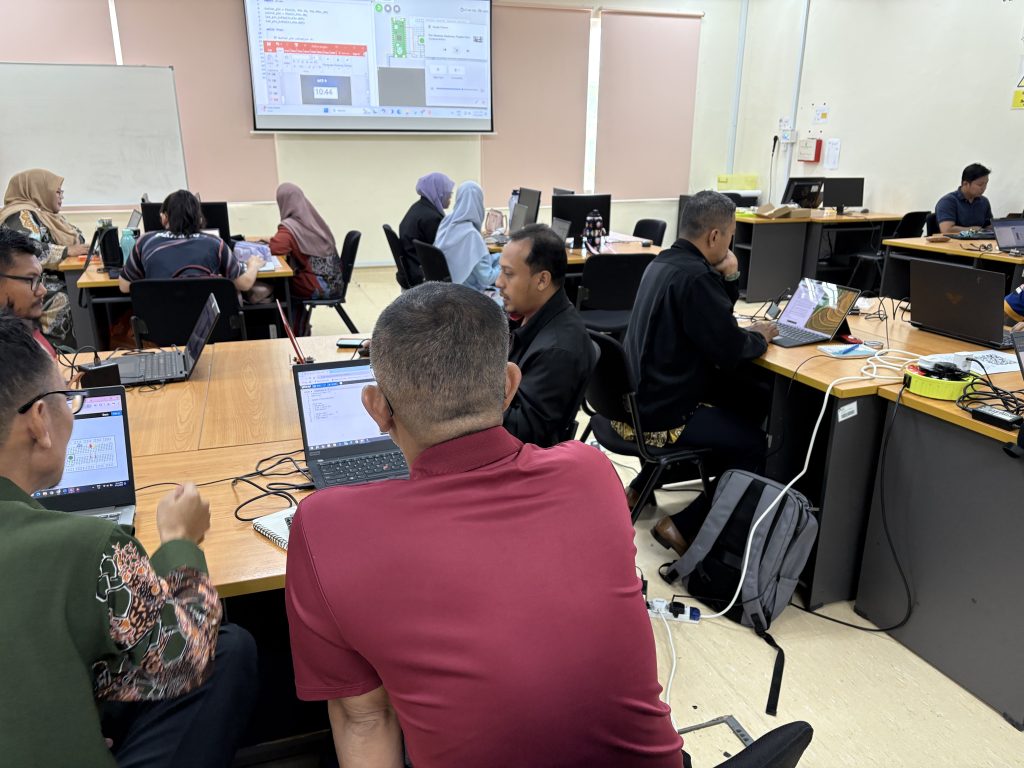
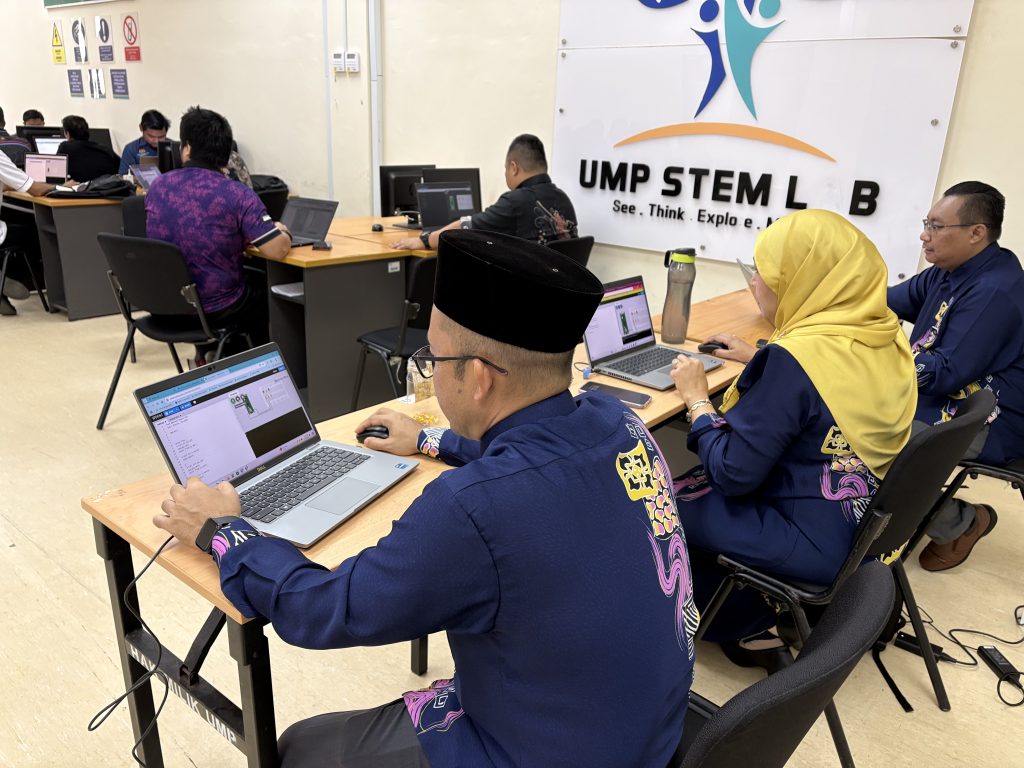
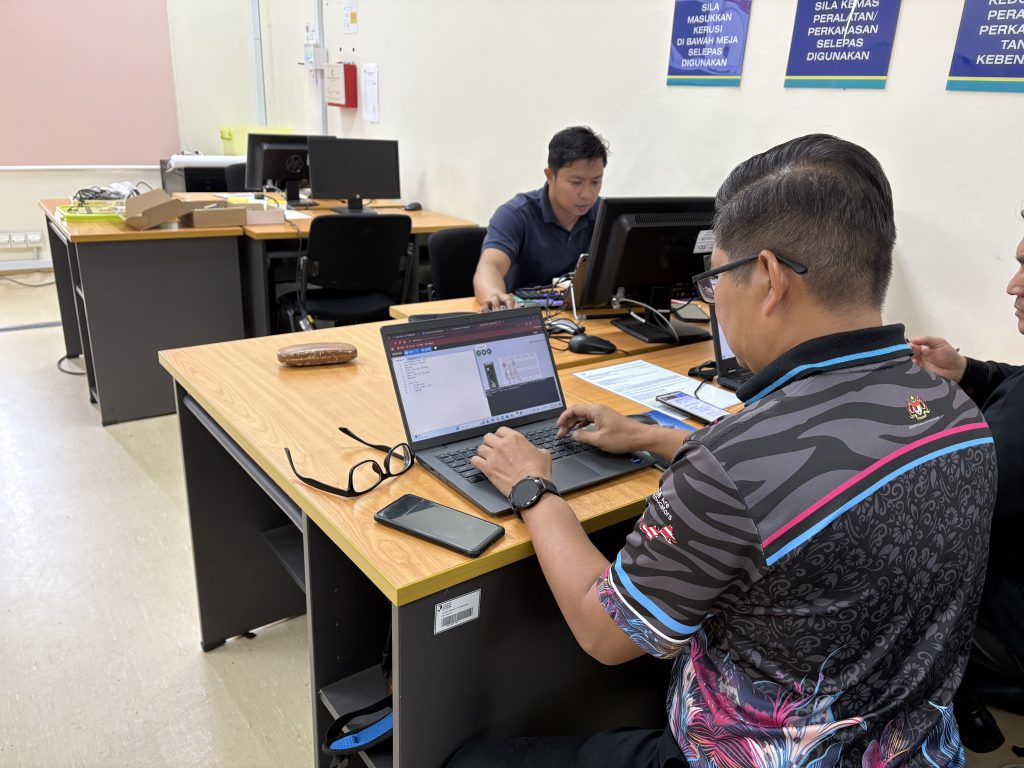
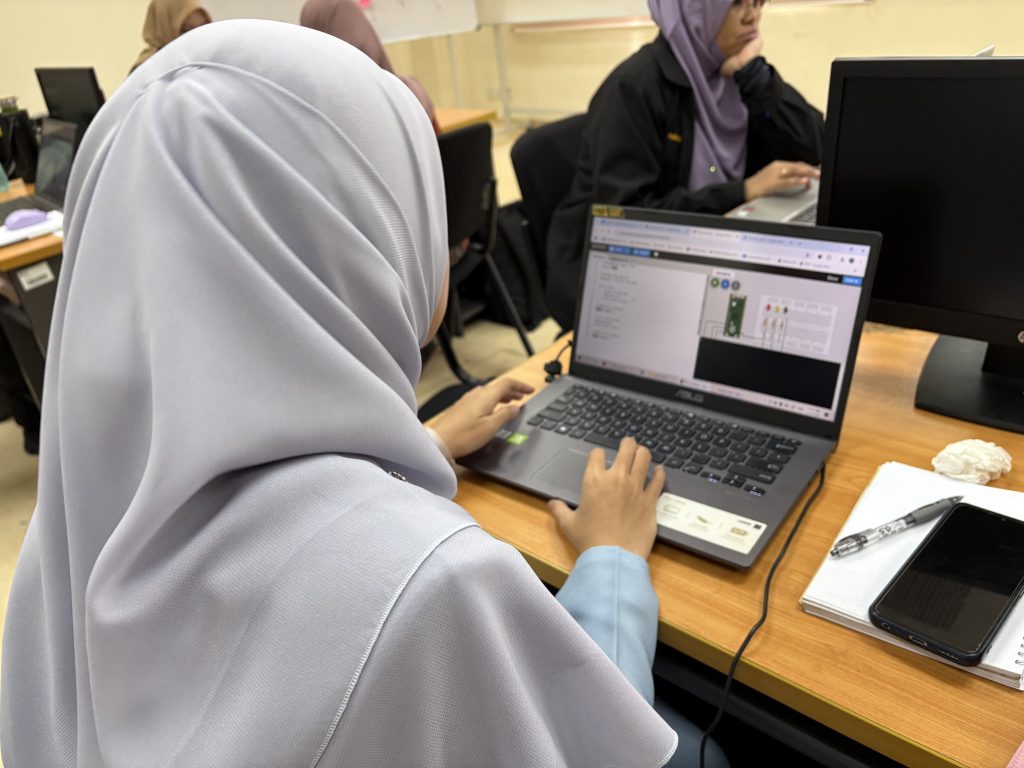
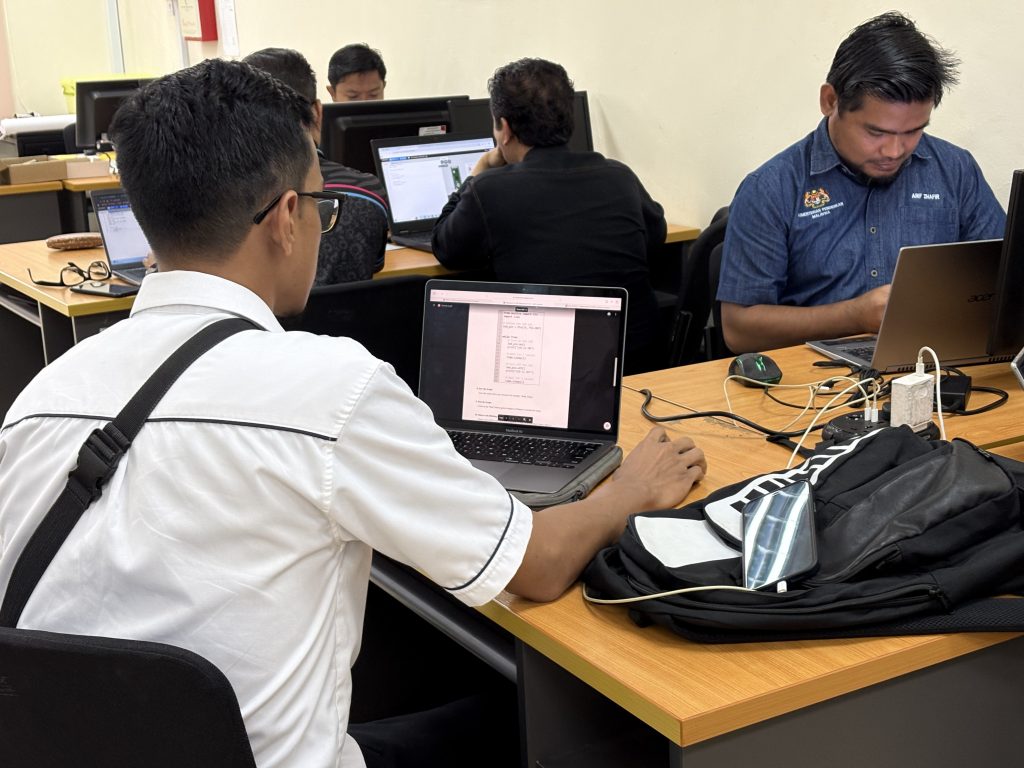
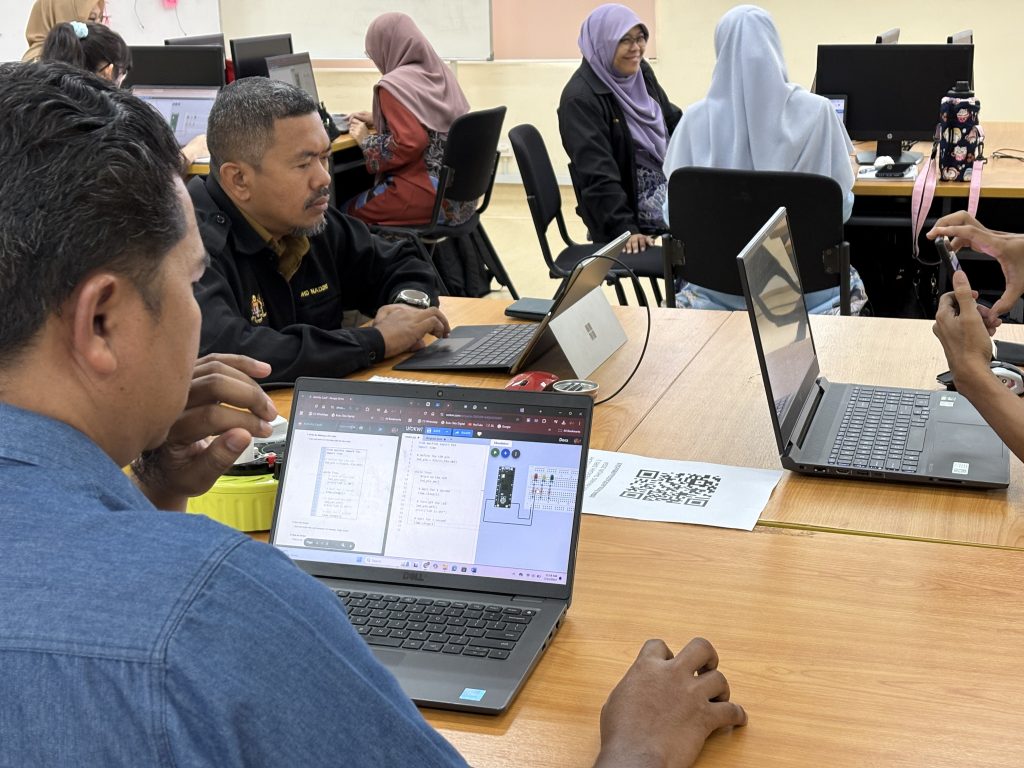
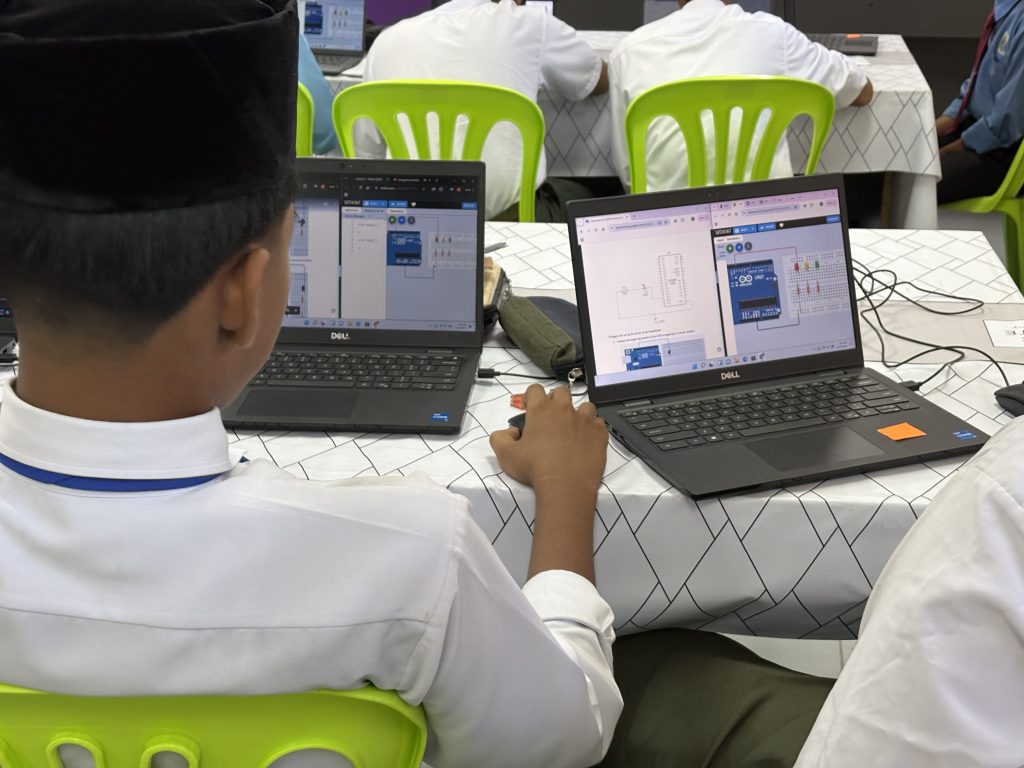
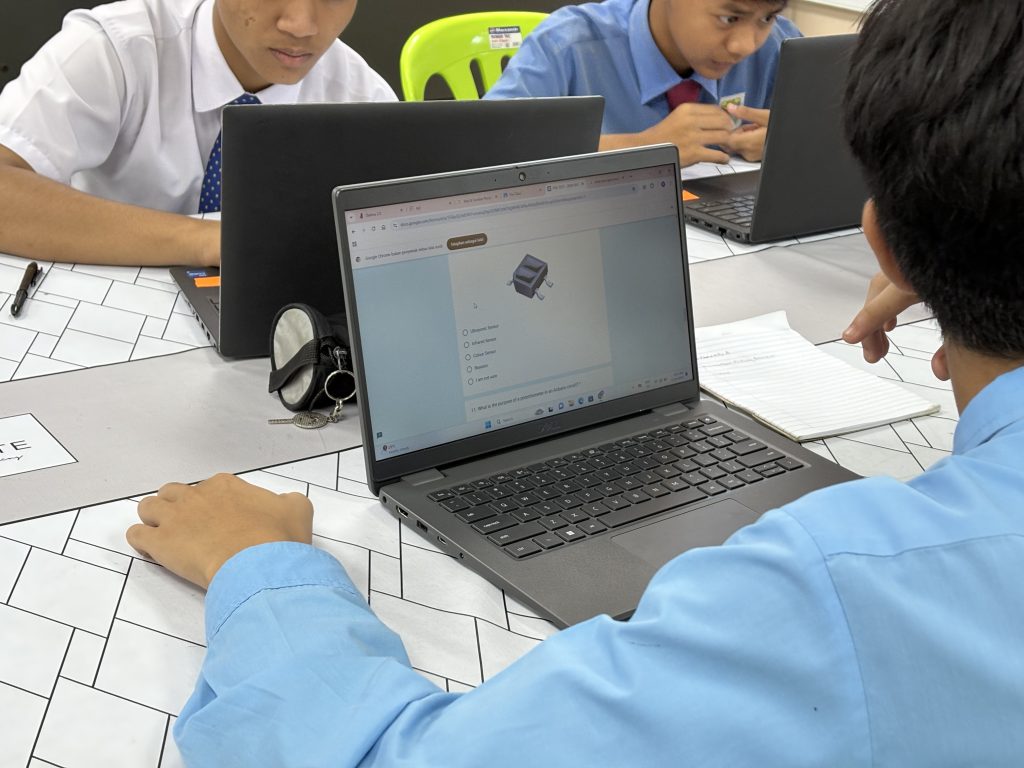
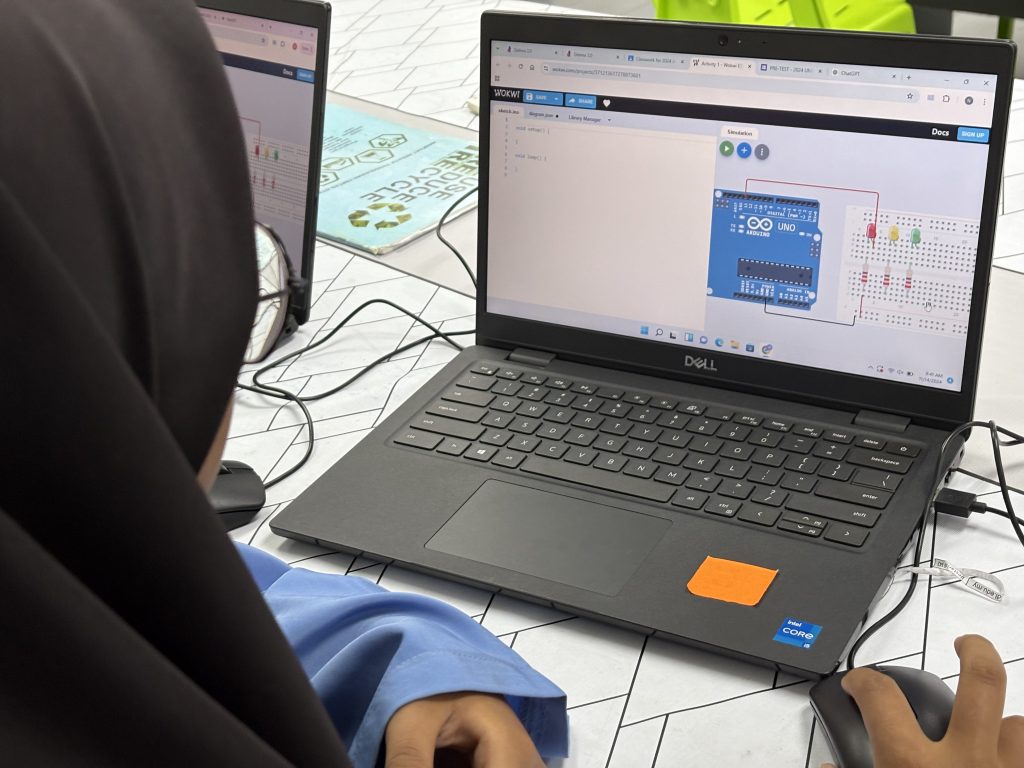
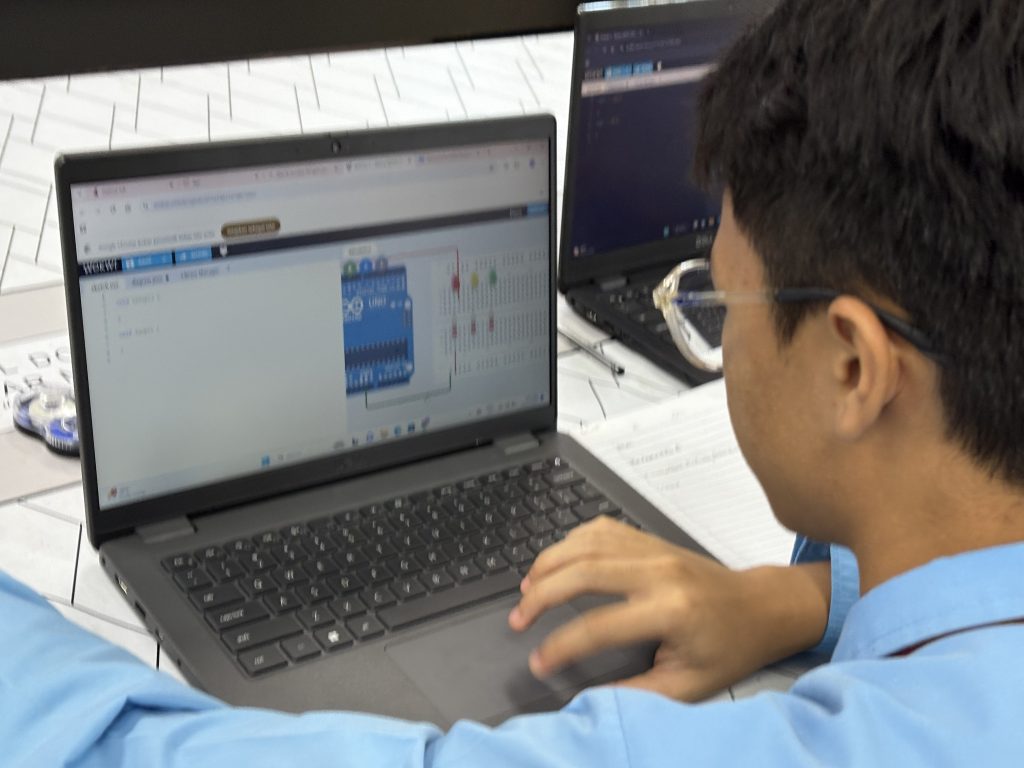
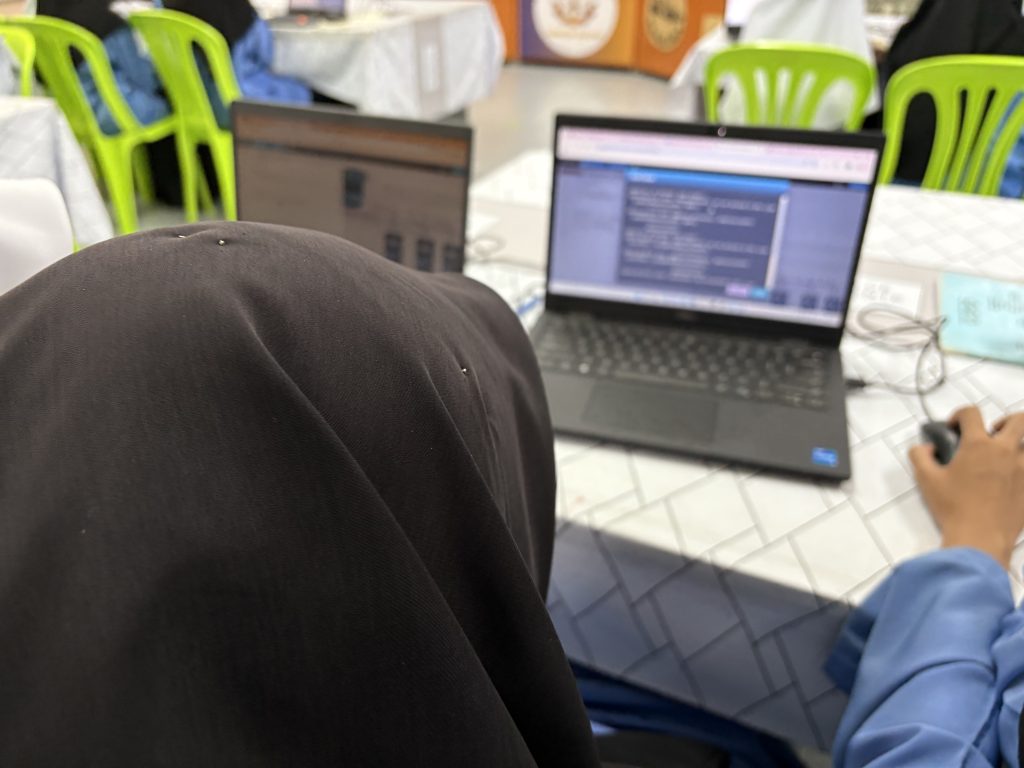
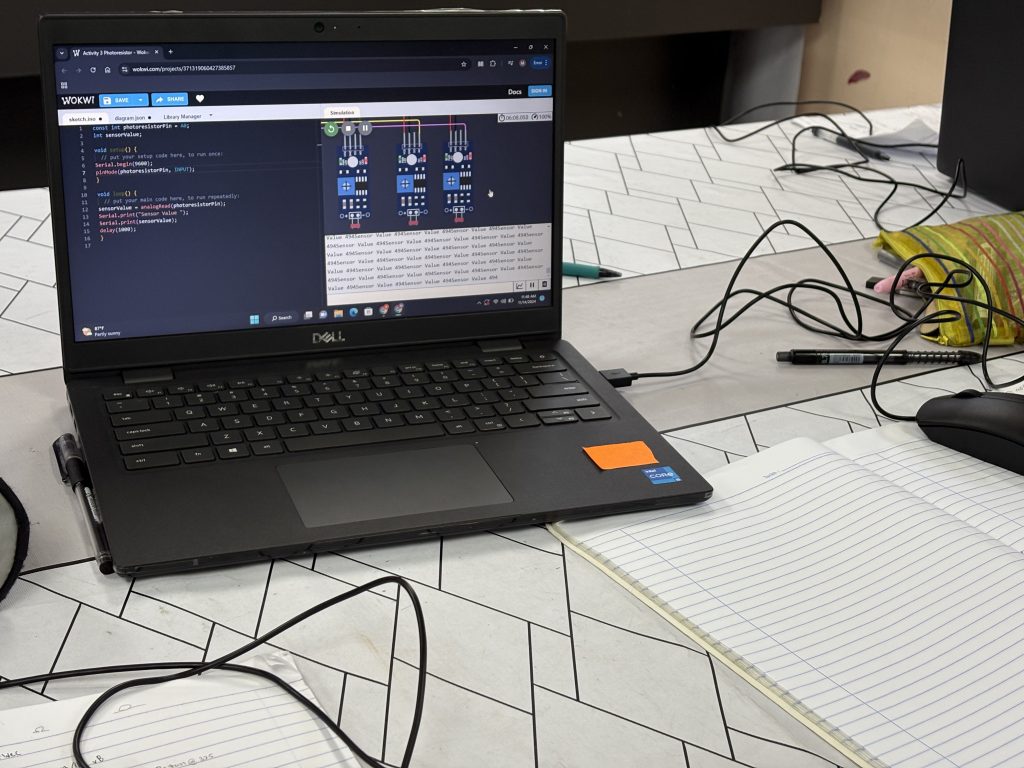
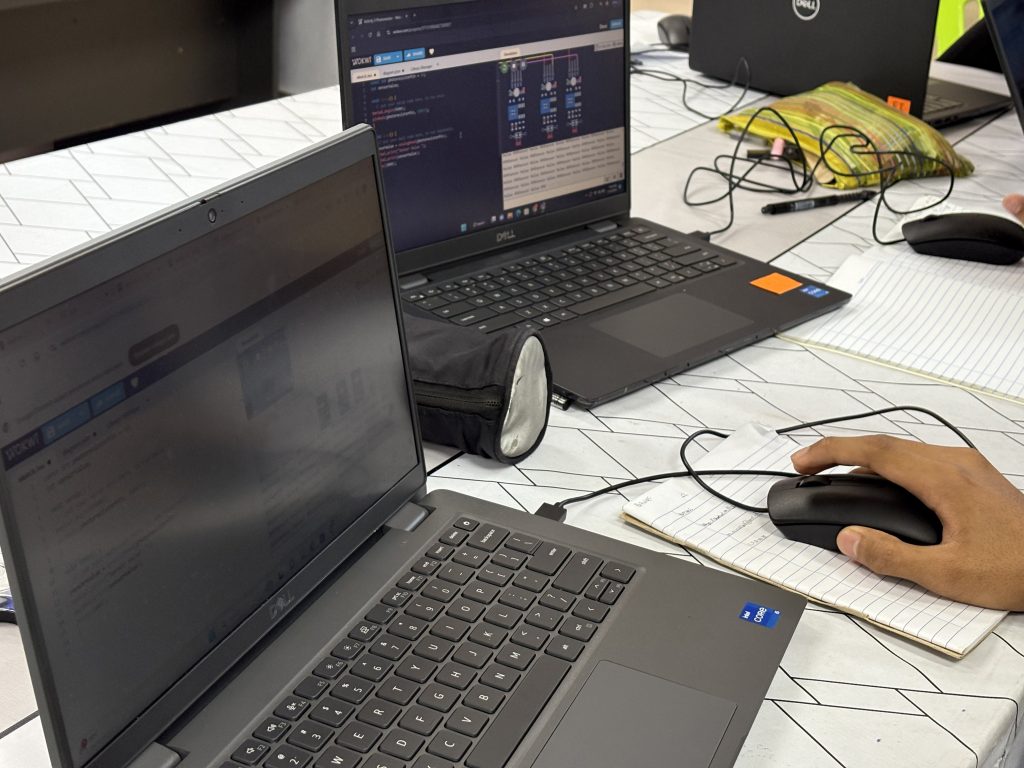
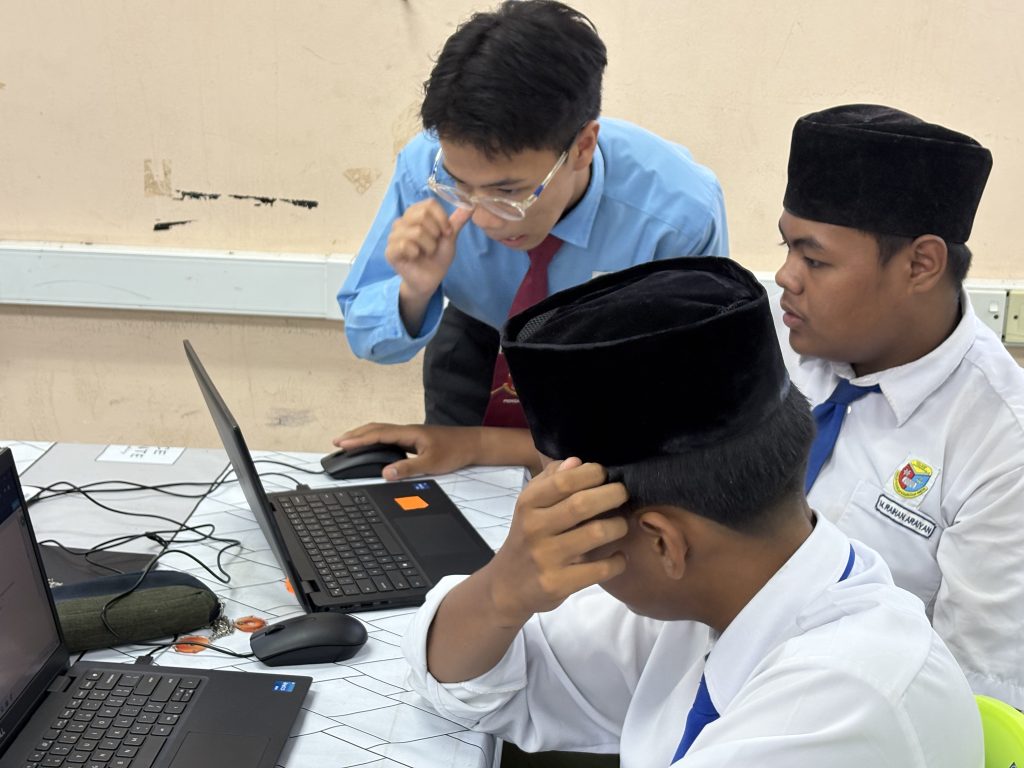
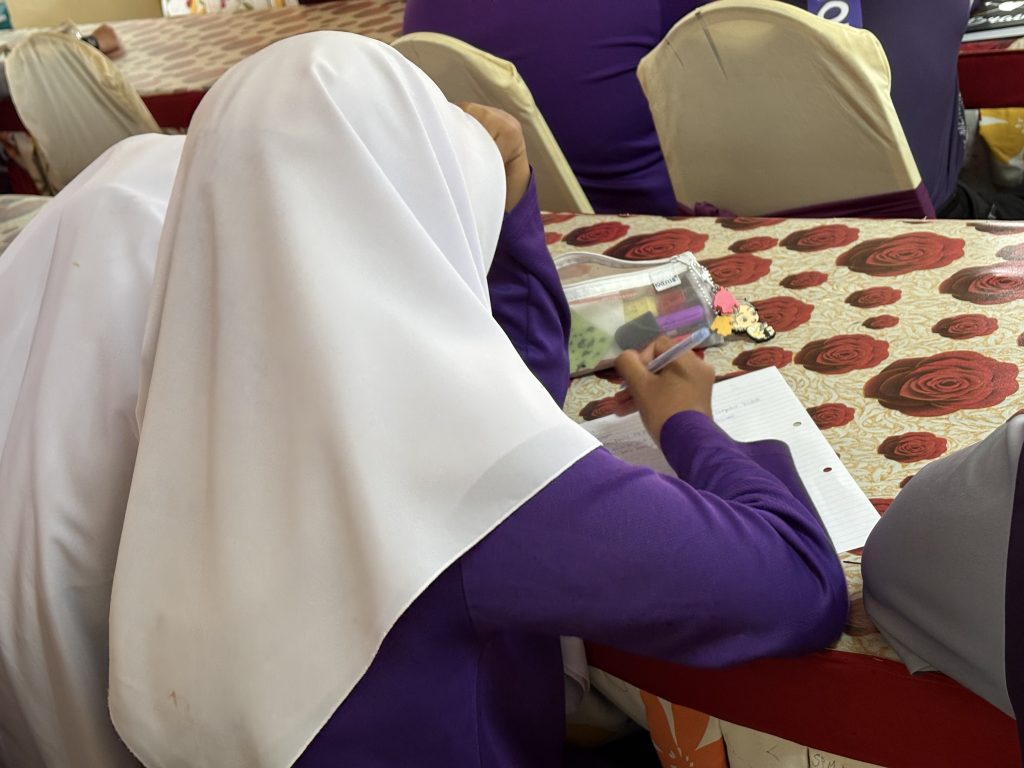
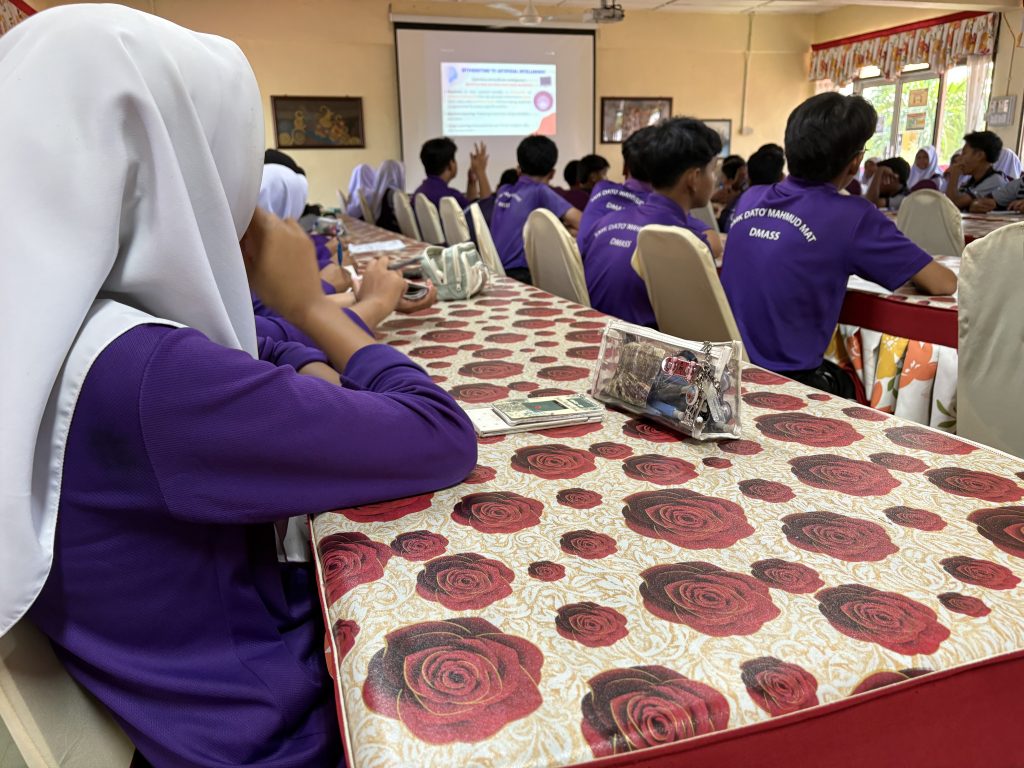
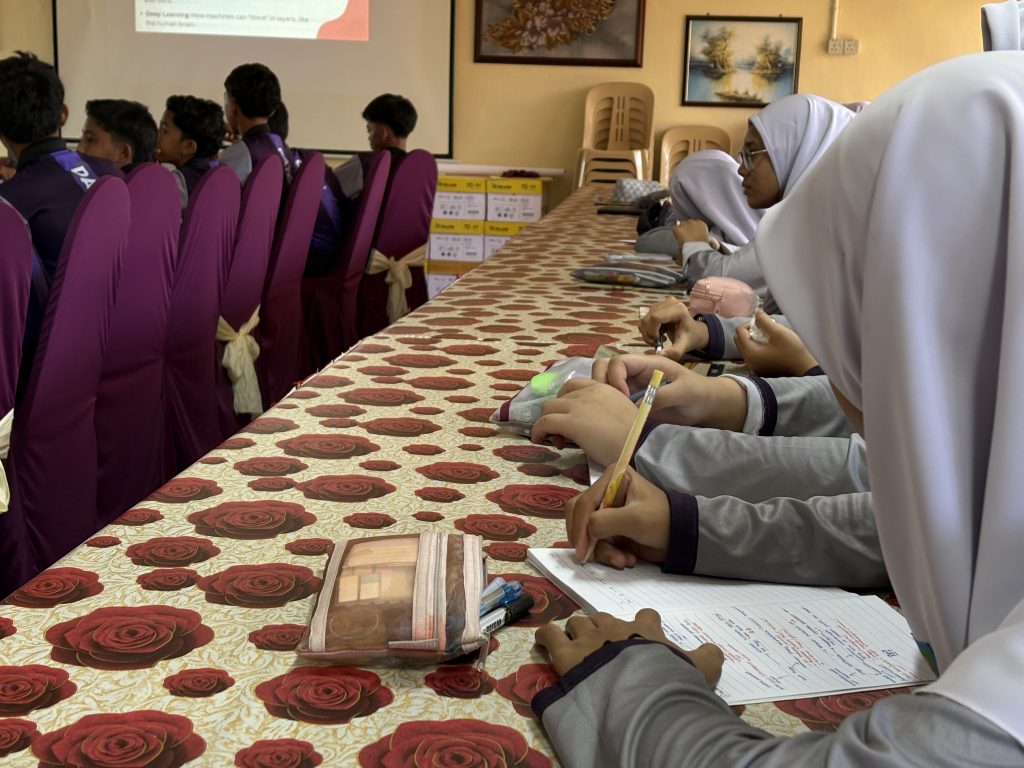
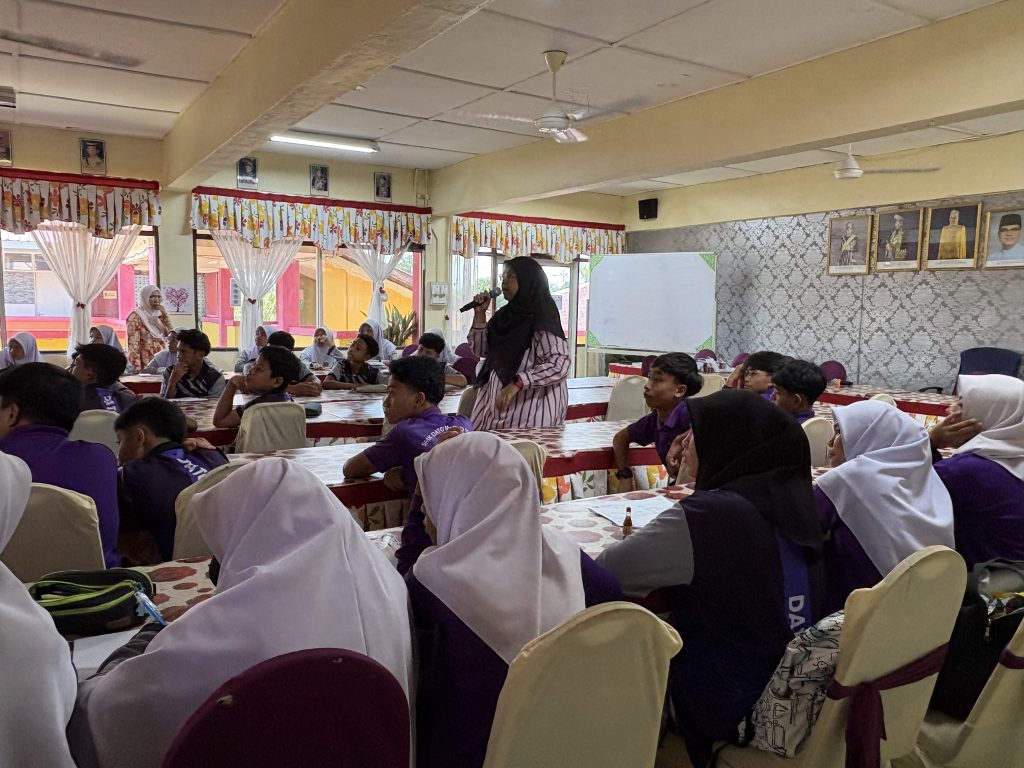
Throughout the course, 30 participants were introduced to the concepts of programming loops, conditional statements, and sequential execution. Activities include controlling multiple LEDs, understanding the concept of digital output, using a photoresistor to expand their understanding of sensor interfacing, integrating analog sensors with Arduino and controlling digital outputs based on sensor readings. Towards the end, participants visualize data and messages using an OLED display.
Thank you Cikgu Ghazali for coordinating the communication between UMP STEM Lab and the participants.






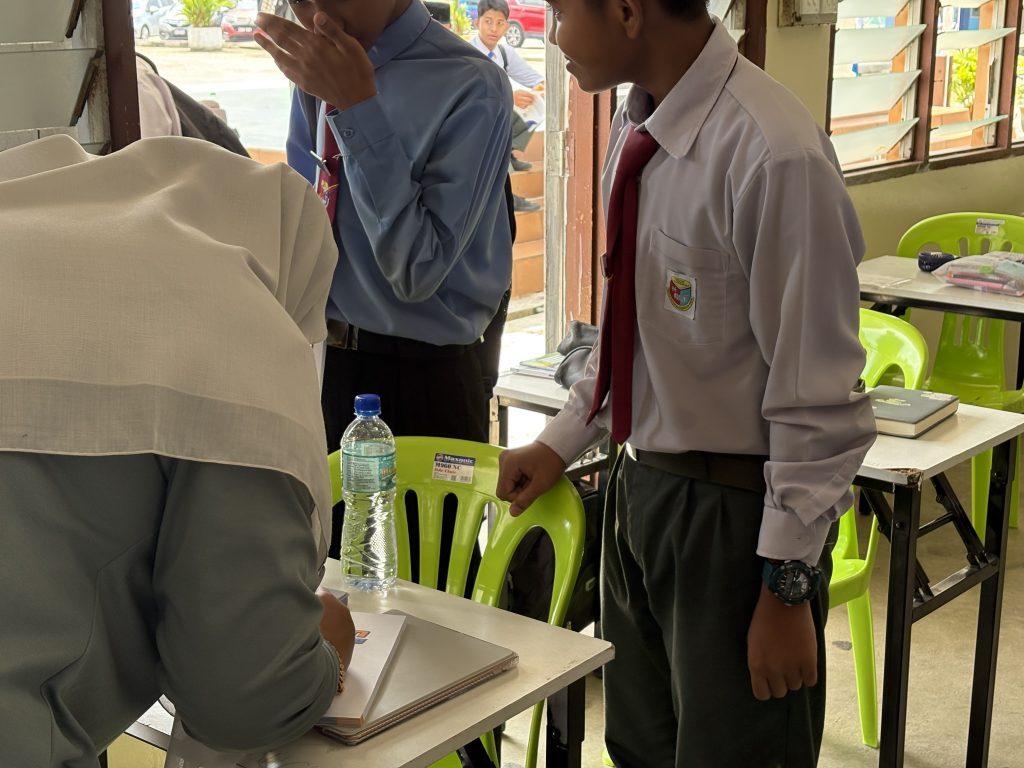
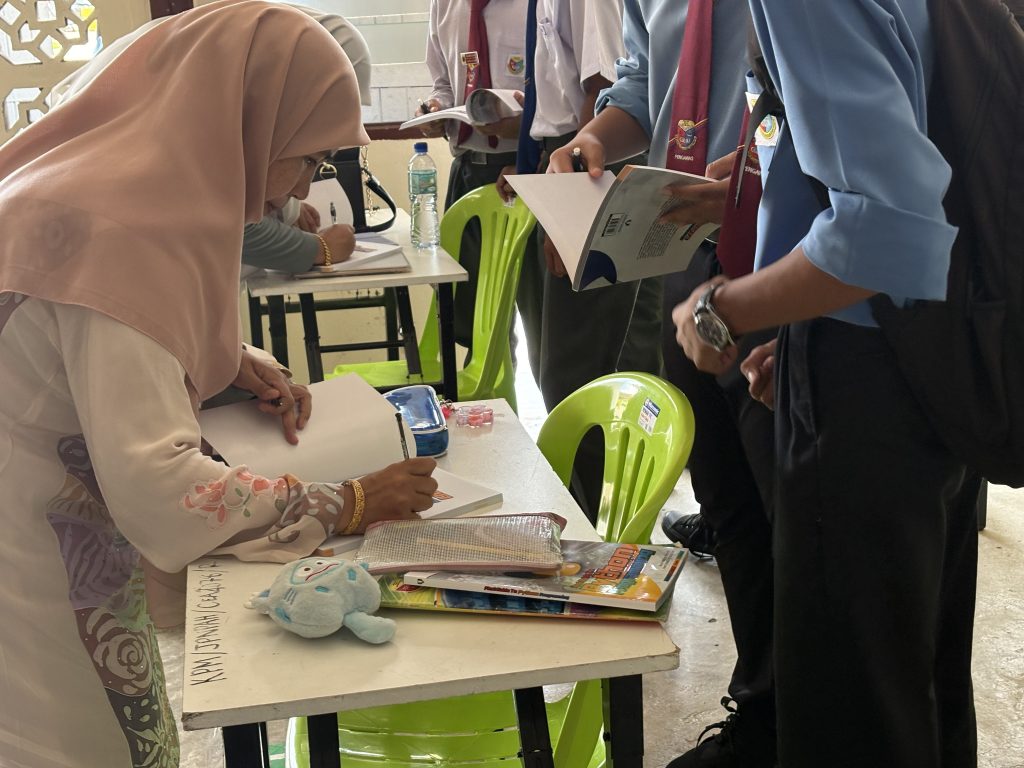
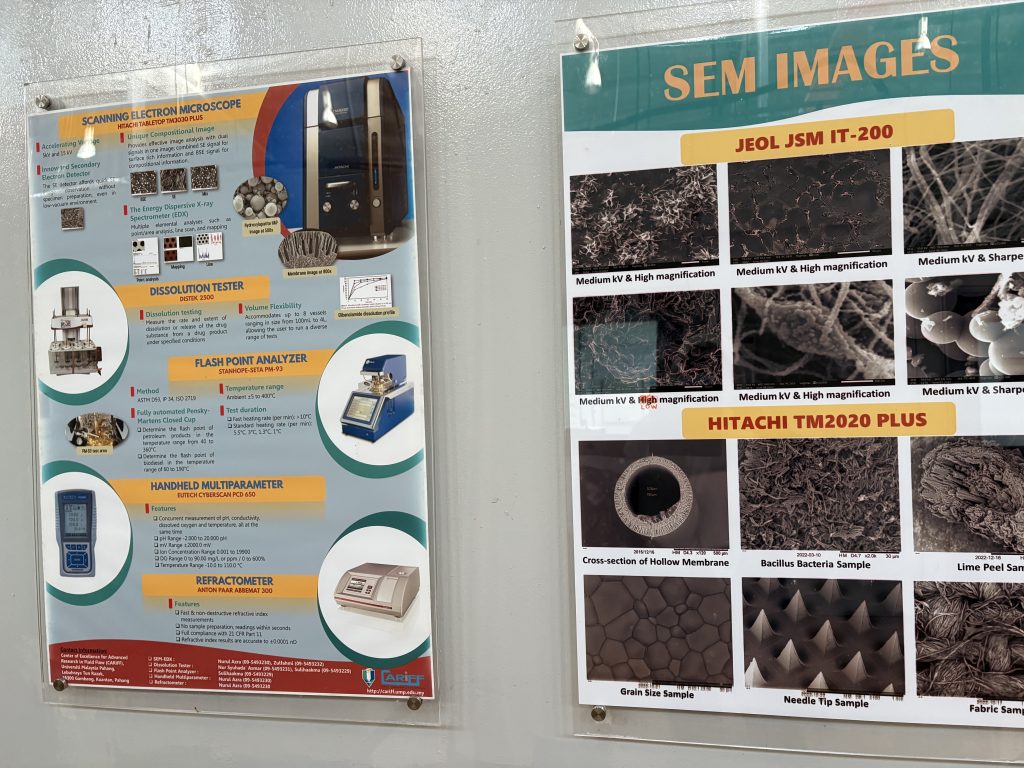
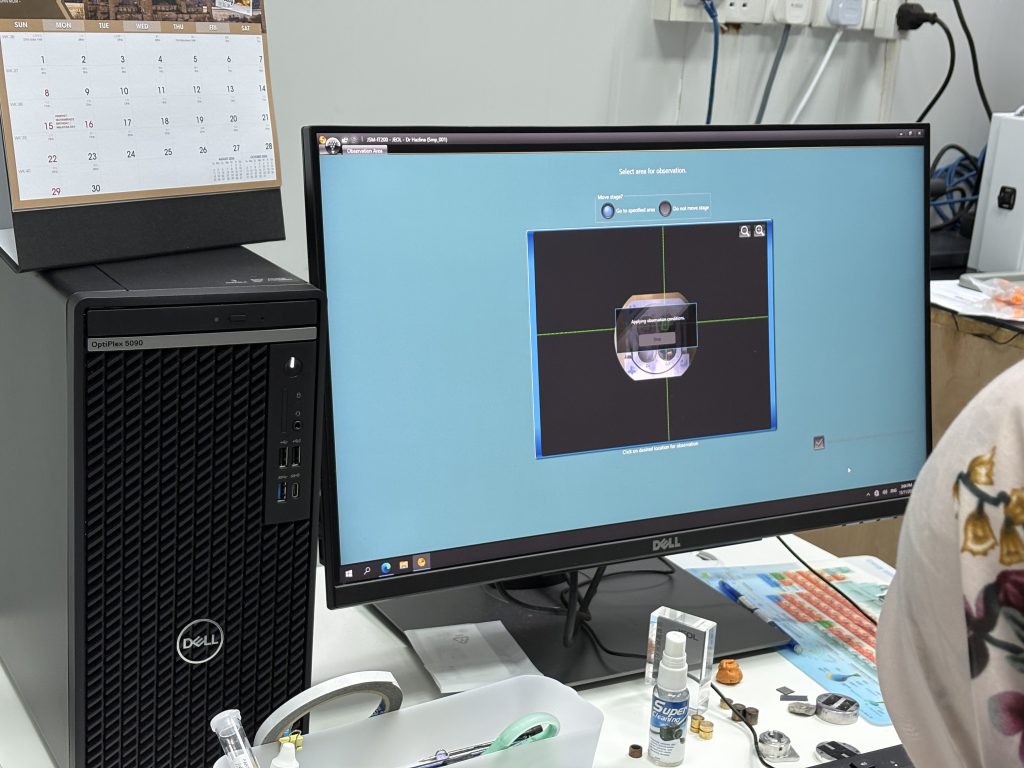
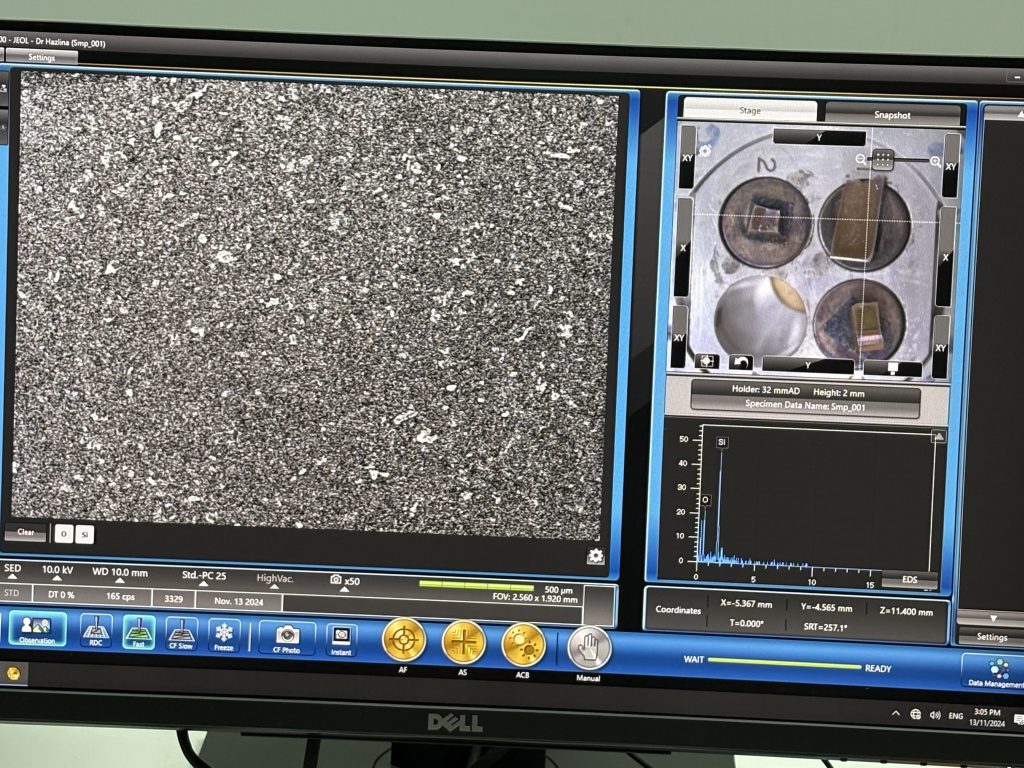
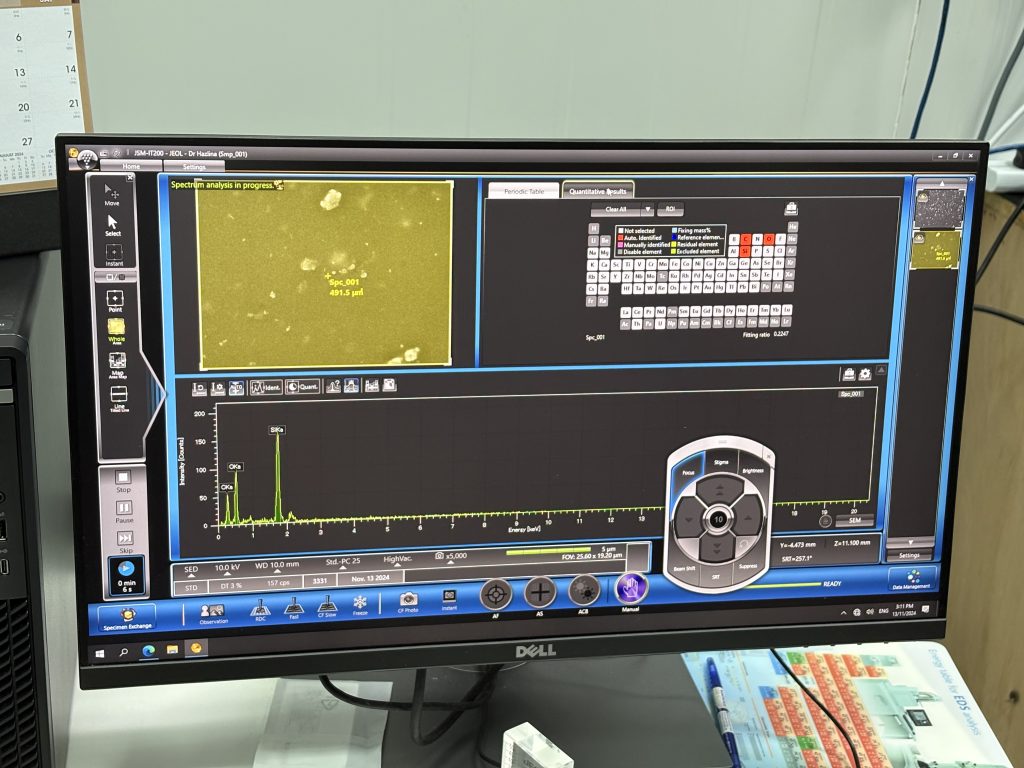
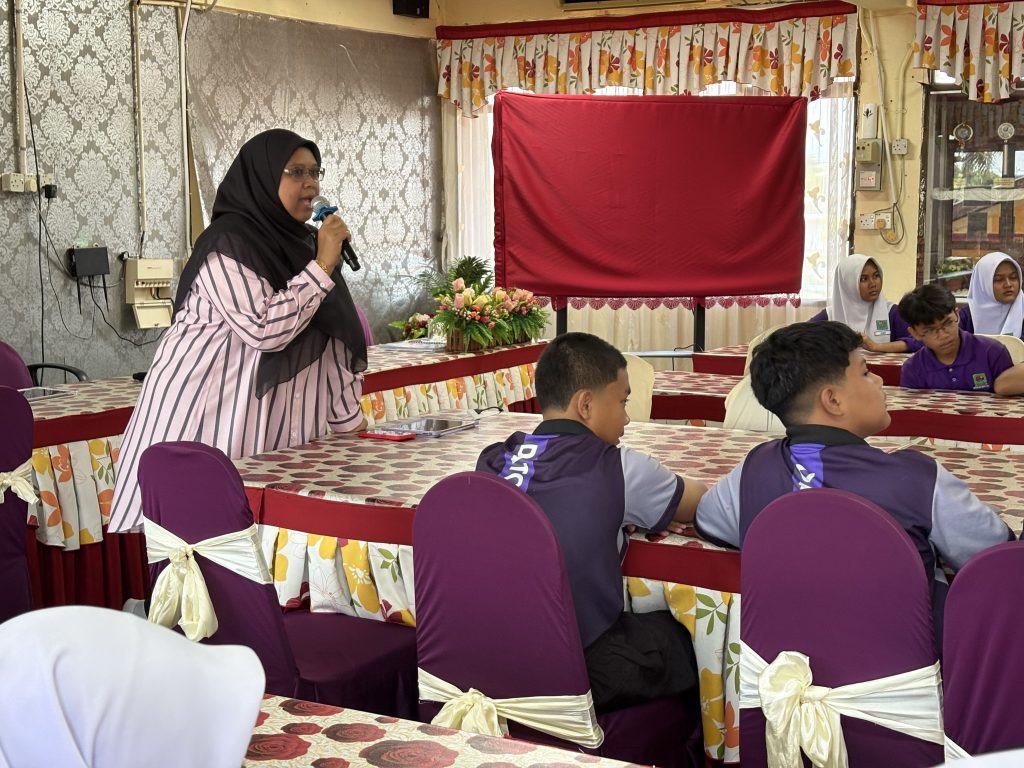
CCTO + PDMS Material Characterization in Cariff Laboratory UMPSA Gambang
CCTO + PDMS Material Characterization in Cariff Laboratory UMPSA Gambang




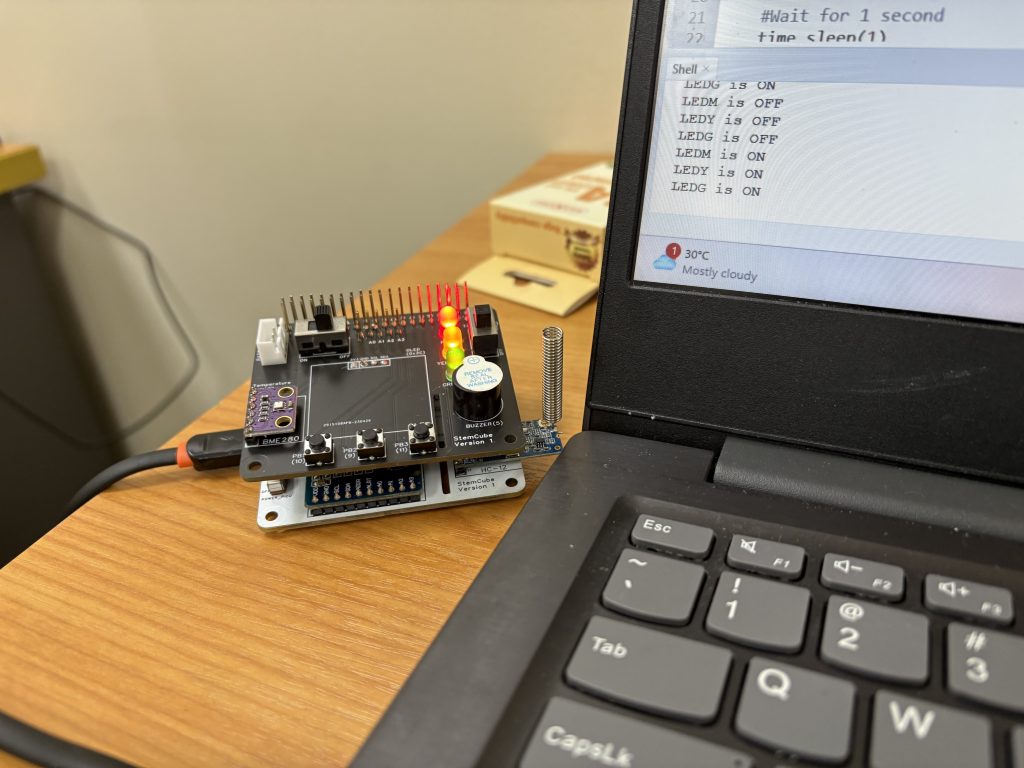
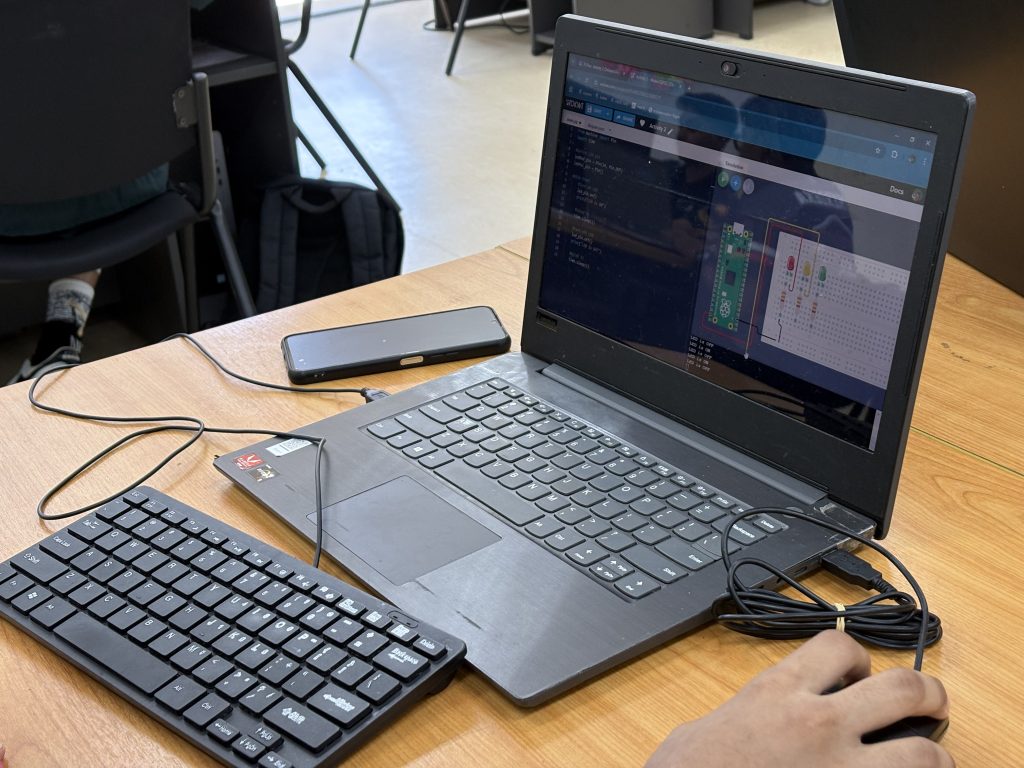
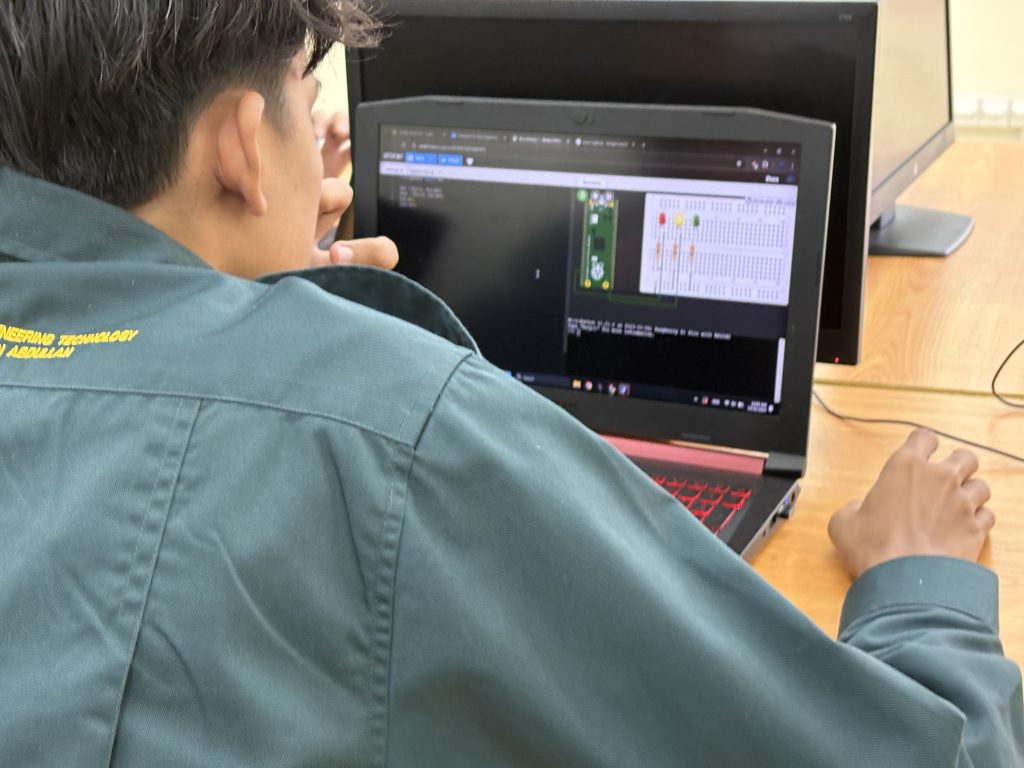
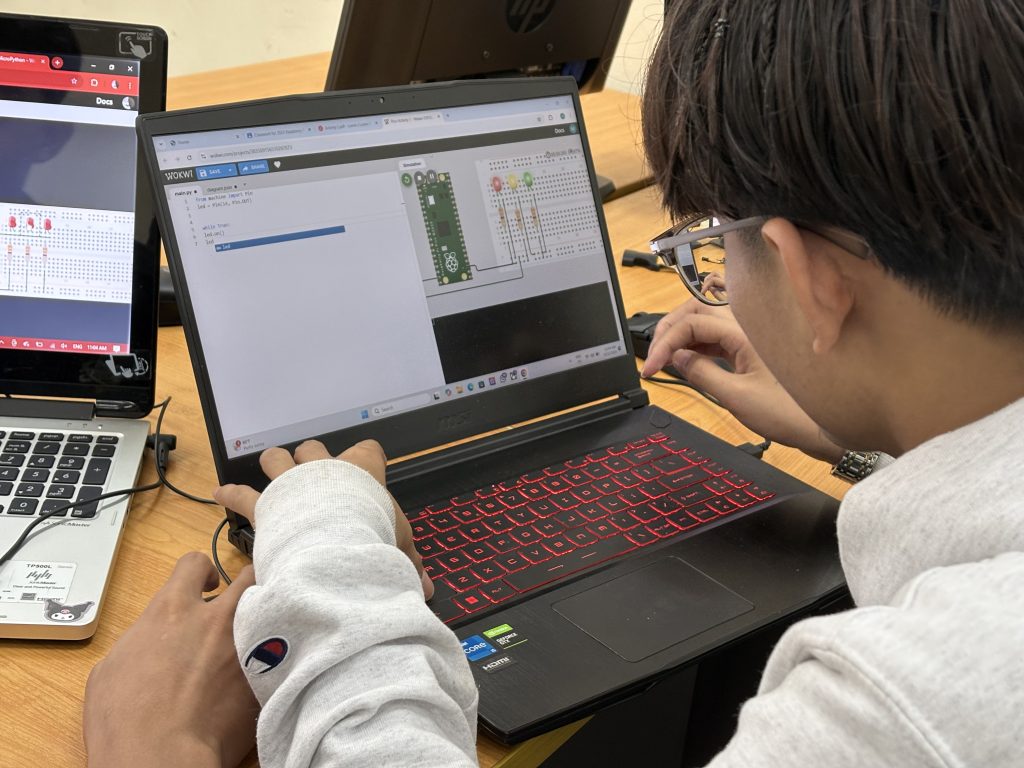
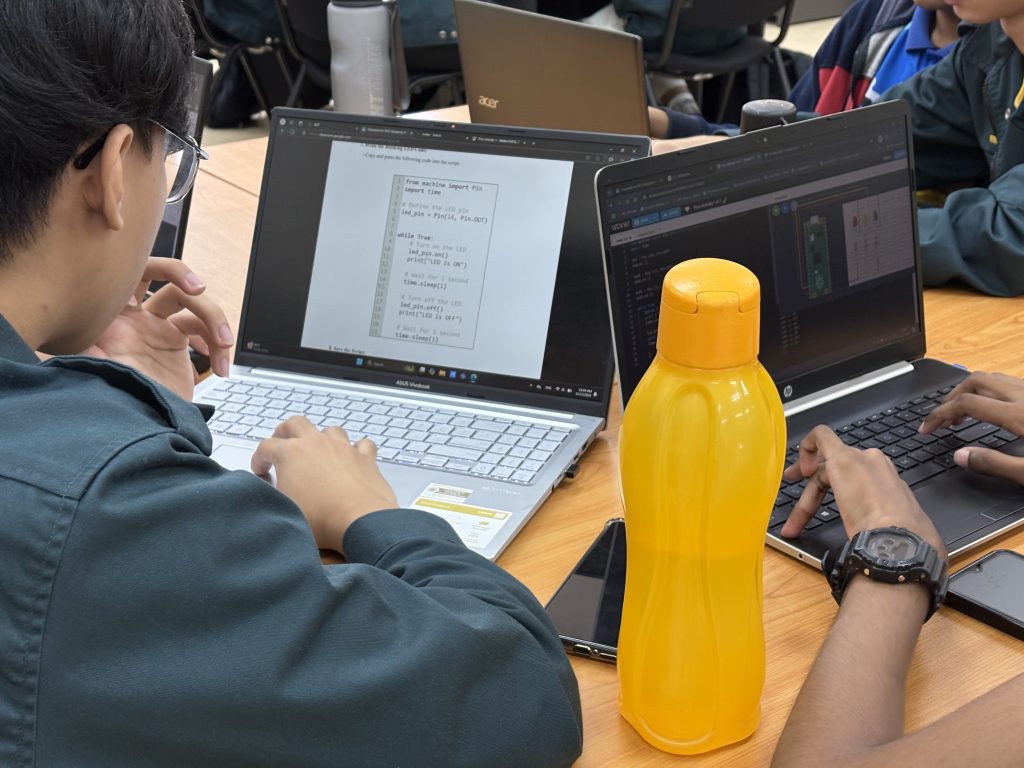
Today’s Raspberry Pi class focused on hands-on exercises using the UMPSA STEM Cube, a picosatellite powered by a Raspberry Pi Pico. Students completed Activities 1, 2, and 3, where they explored digital output and input by turning LEDs on and off, blinking them, and reading inputs from switches and sliders. The objective of these … Continue reading “BTE1522 DRE2213 – Week 6 Pi Pico – Digital Input Output”
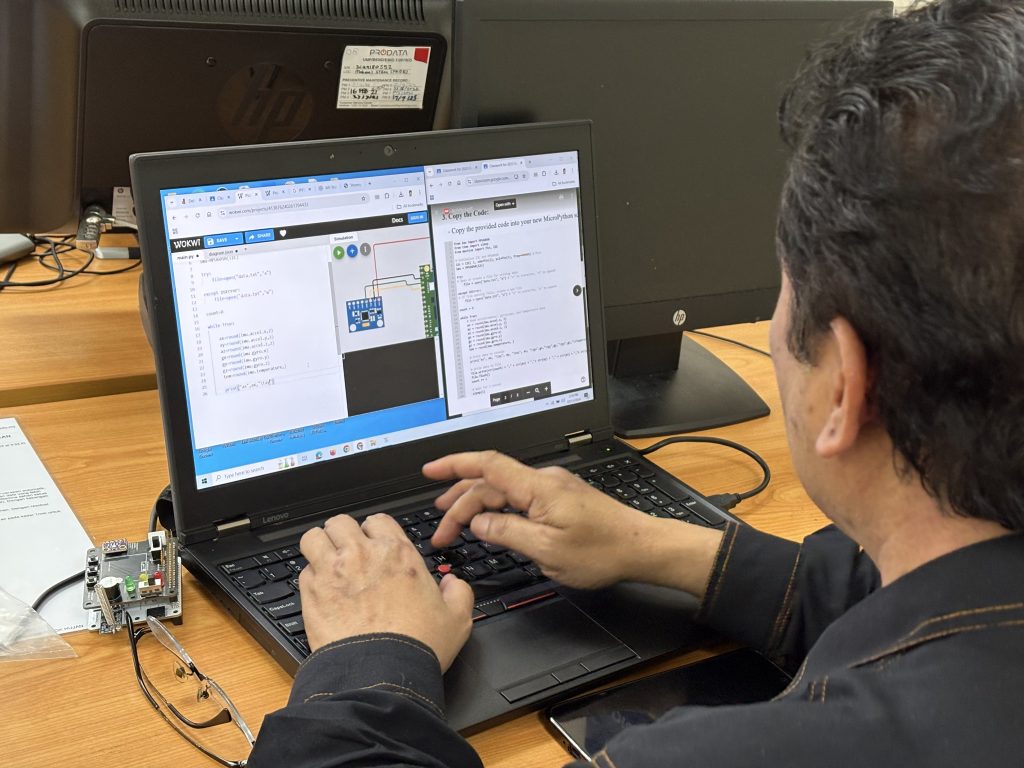
Today’s Raspberry Pi class focused on hands-on exercises using the UMPSA STEM Cube, a picosatellite powered by a Raspberry Pi Pico. Students completed Activities 1, 2, and 3, where they explored digital output and input by turning LEDs on and off, blinking them, and reading inputs from switches and sliders.
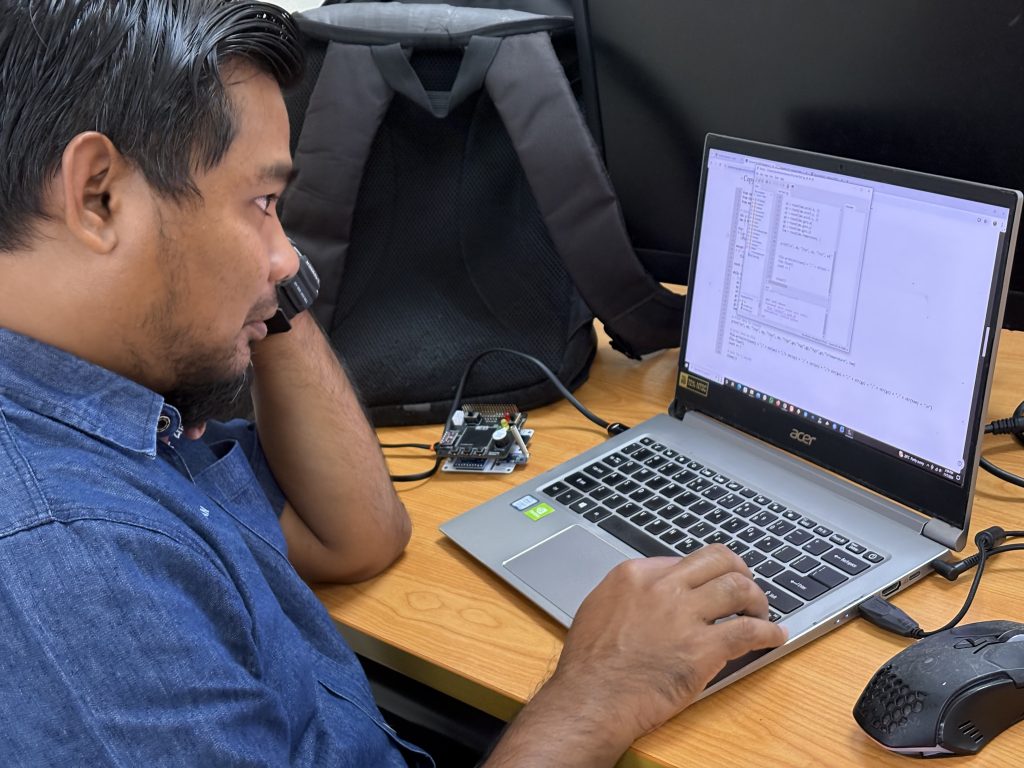
The objective of these activities is to transition students from learning Python in a simulated environment, where they developed a slider game, to implementing Python in physical computing. Through the exercises, students practiced applying delay functions, making circuit connections, and importing MicroPython libraries into the Thonny IDE. The UMPSA STEM Cube serves as an introductory picosatellite equipped with basic sensors, providing a practical platform for students to apply their knowledge in physical computing.
DRE2213


BTE1522
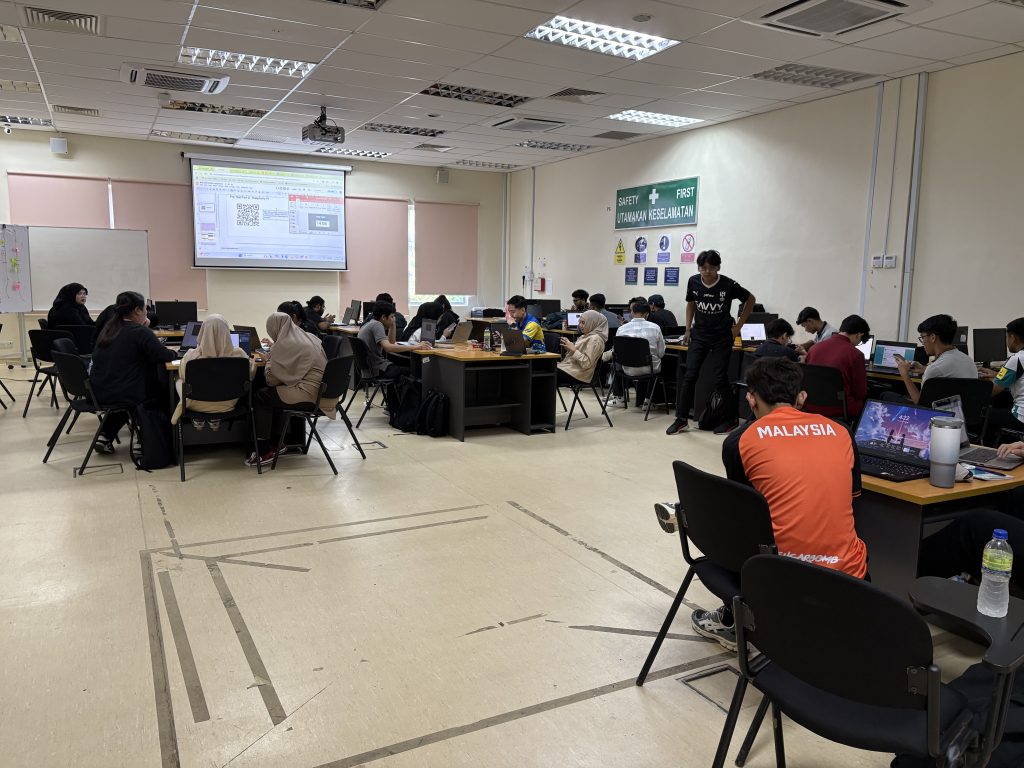
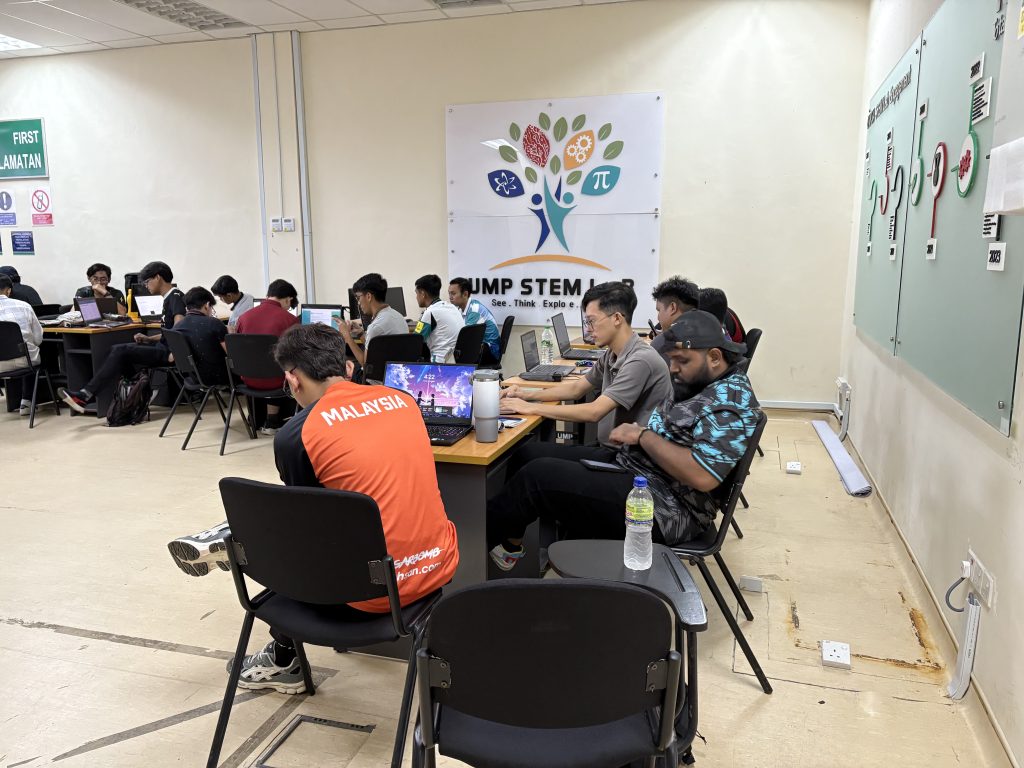
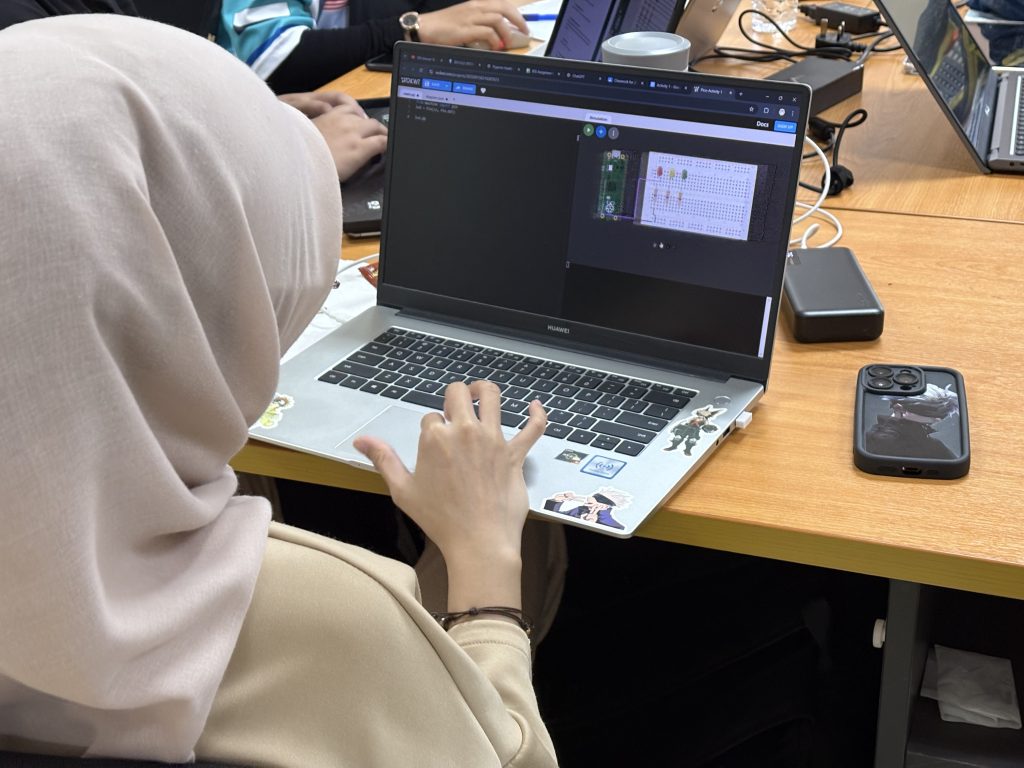
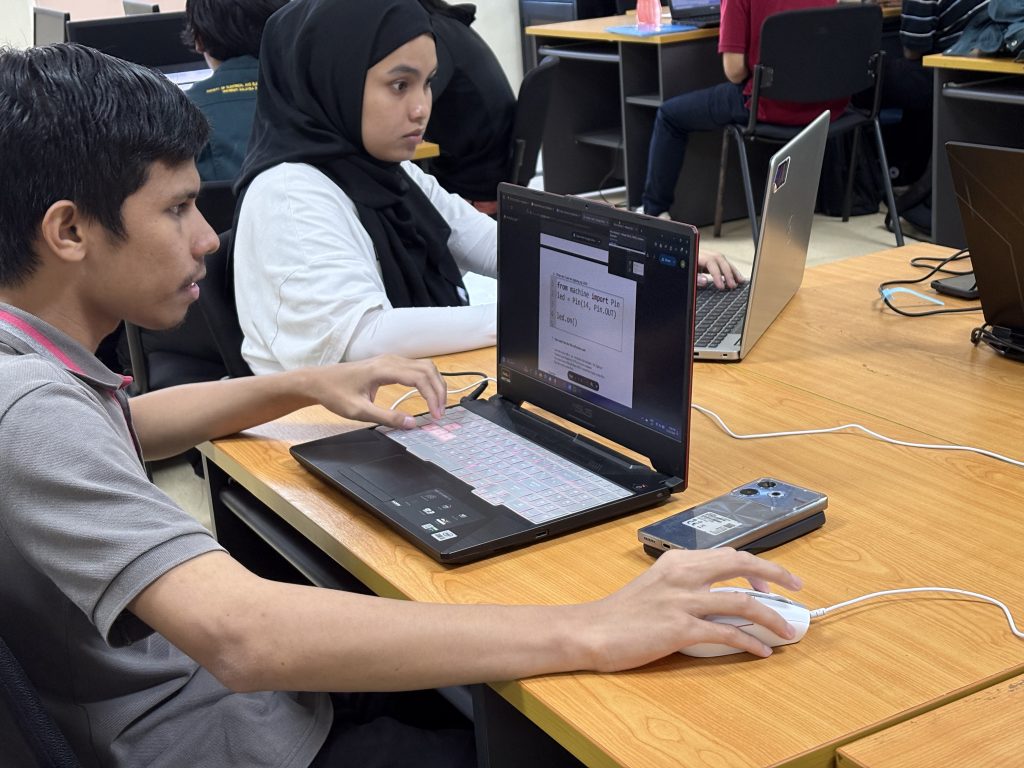
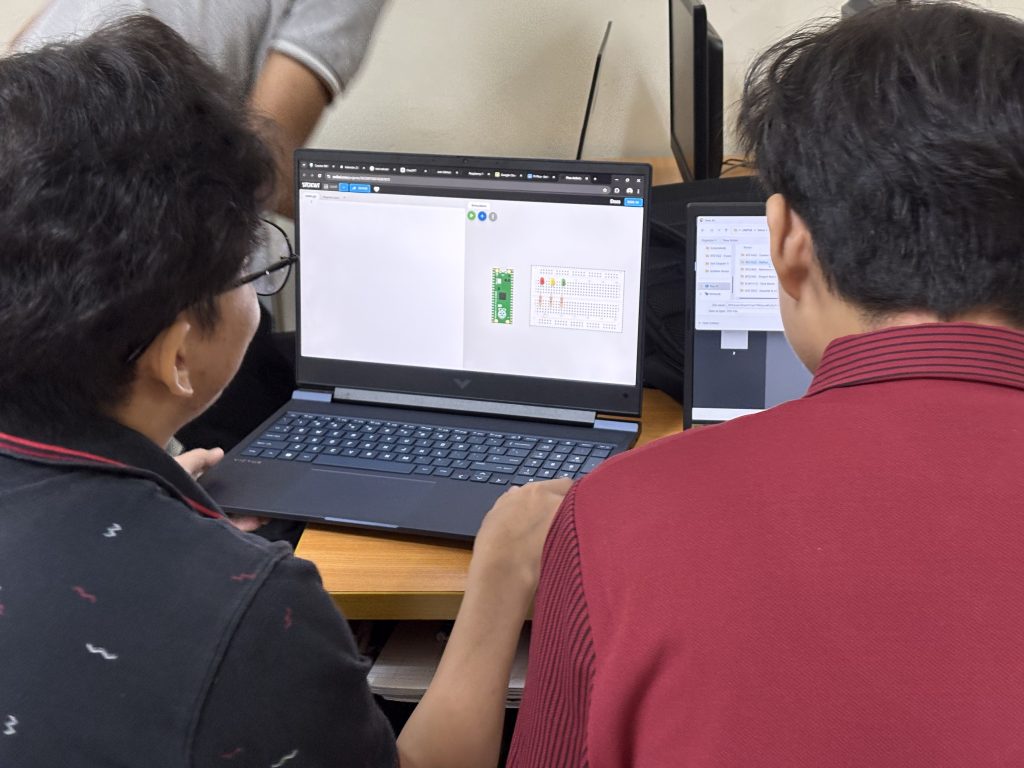
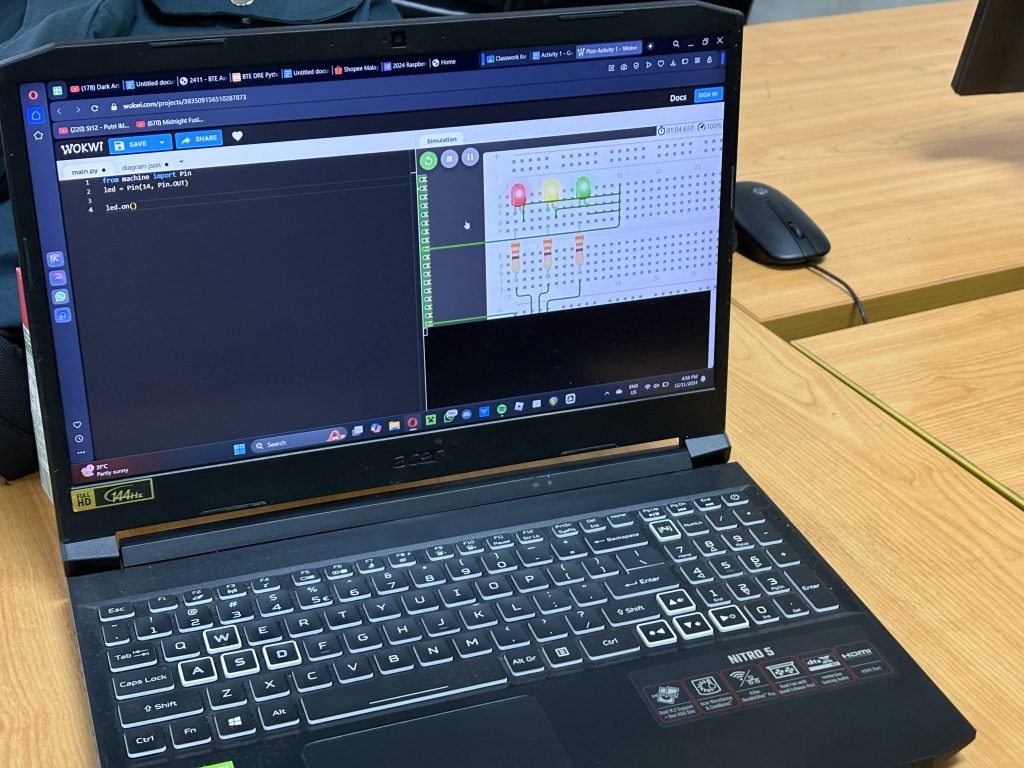
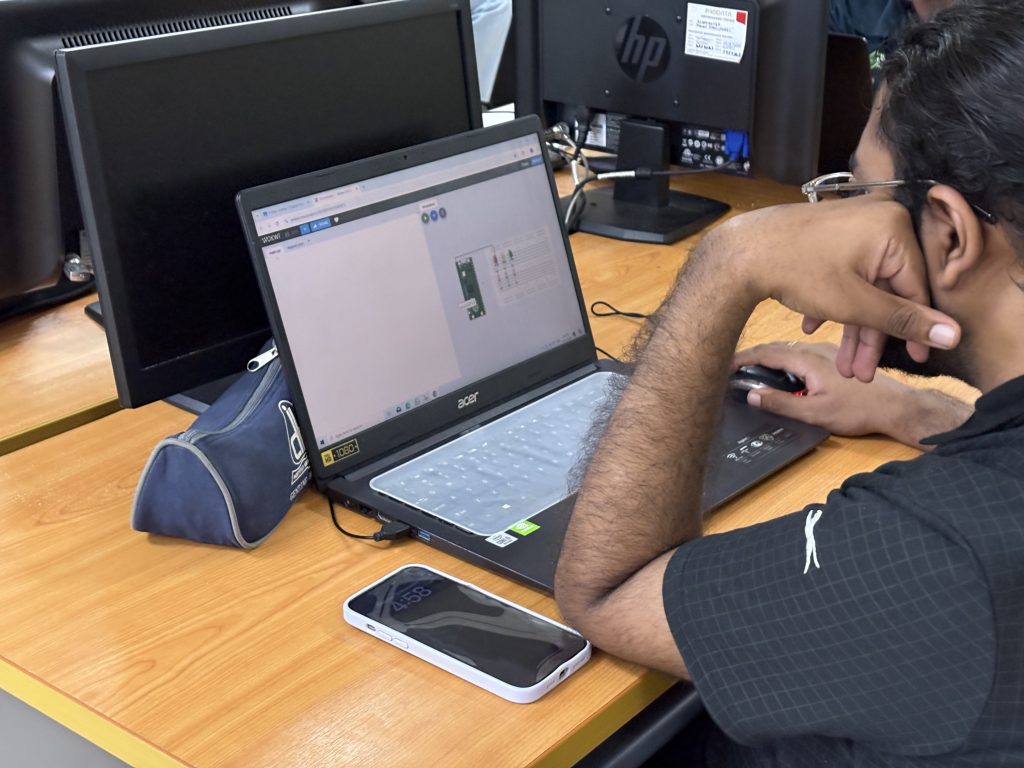
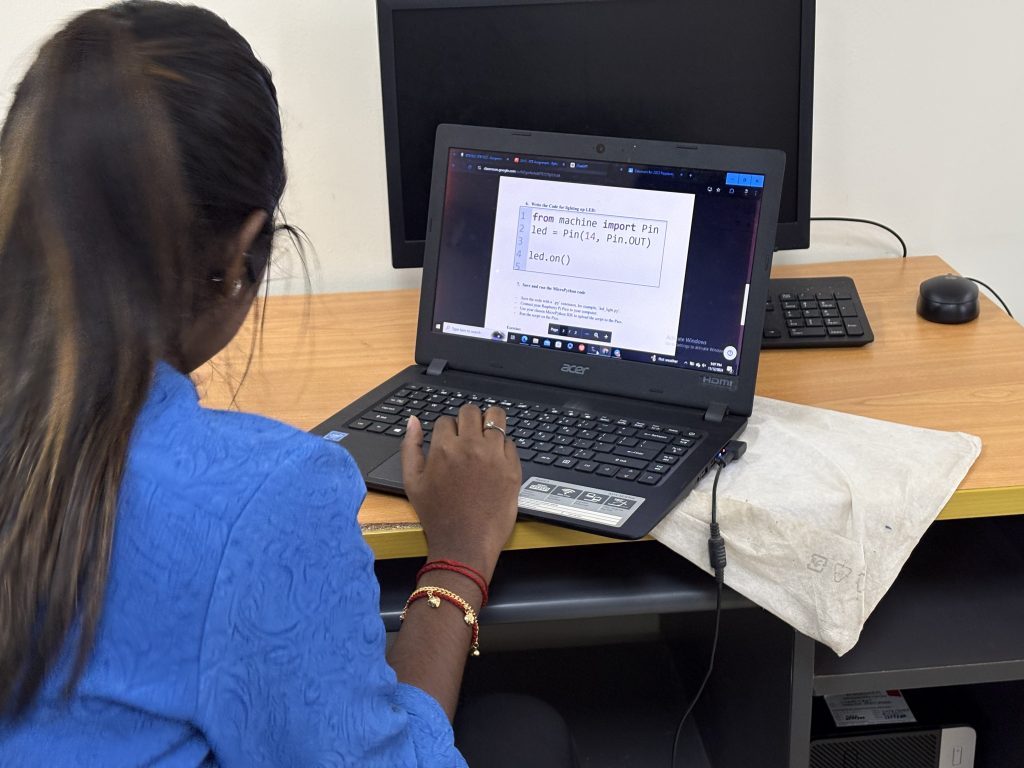
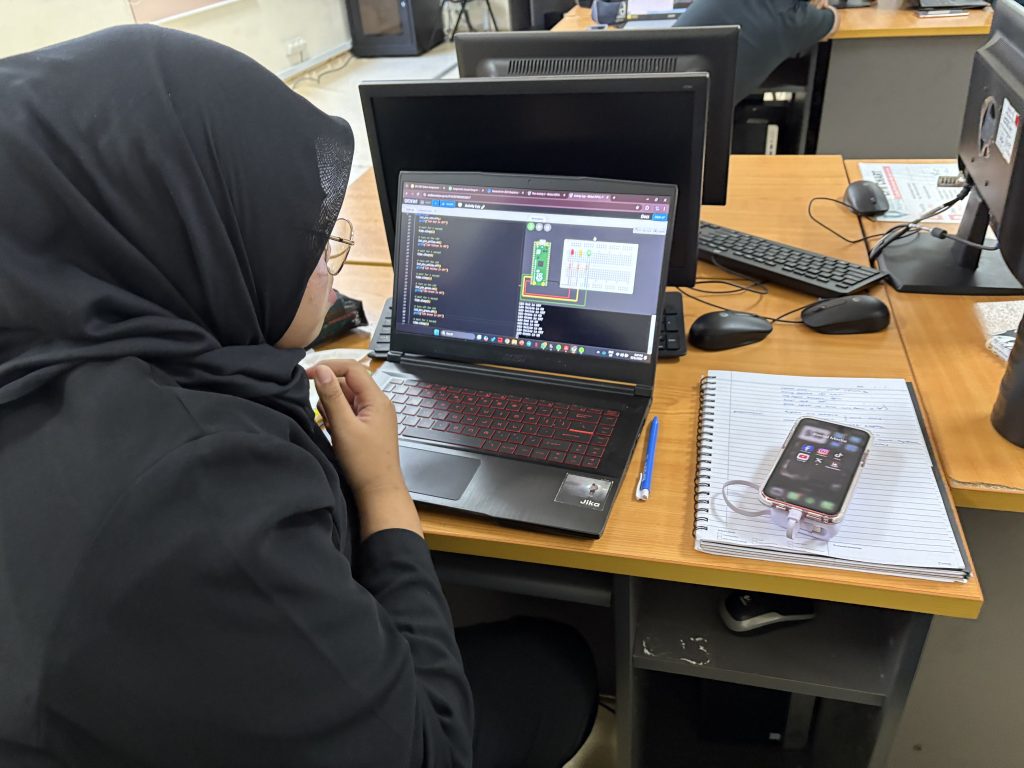
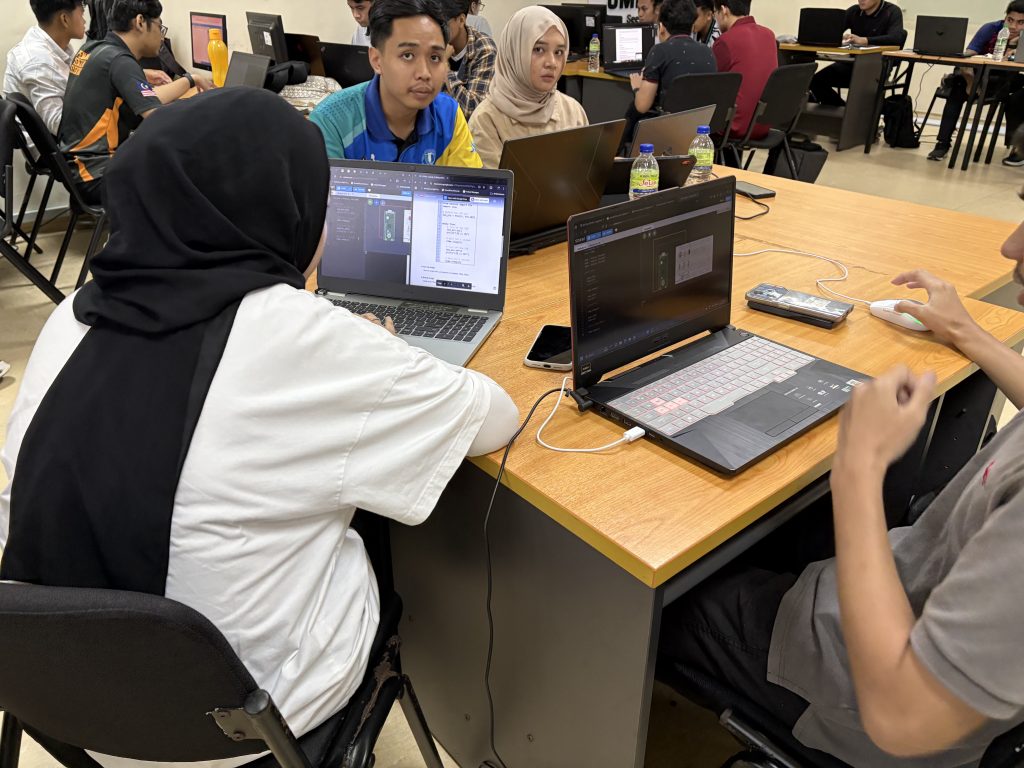
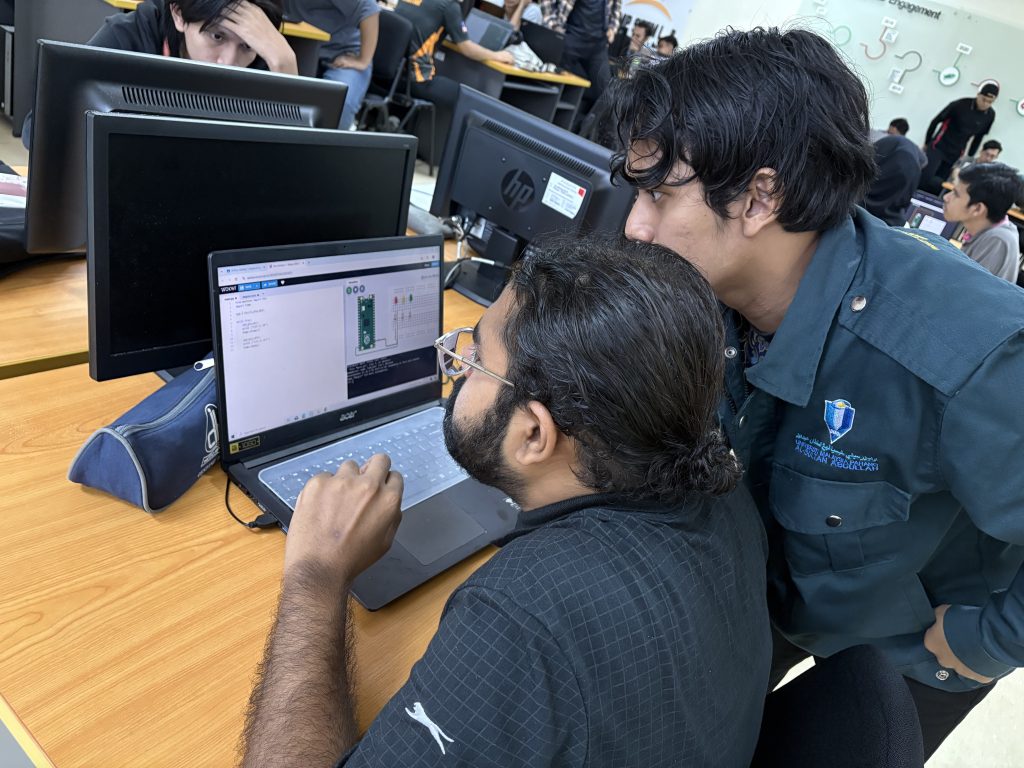
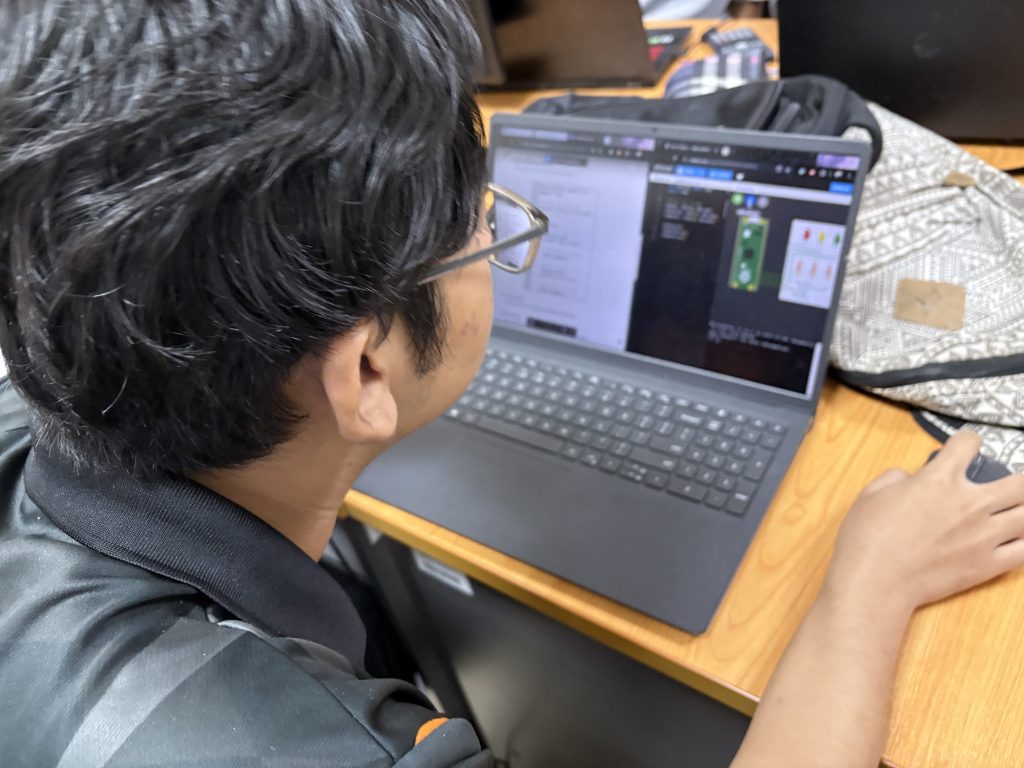
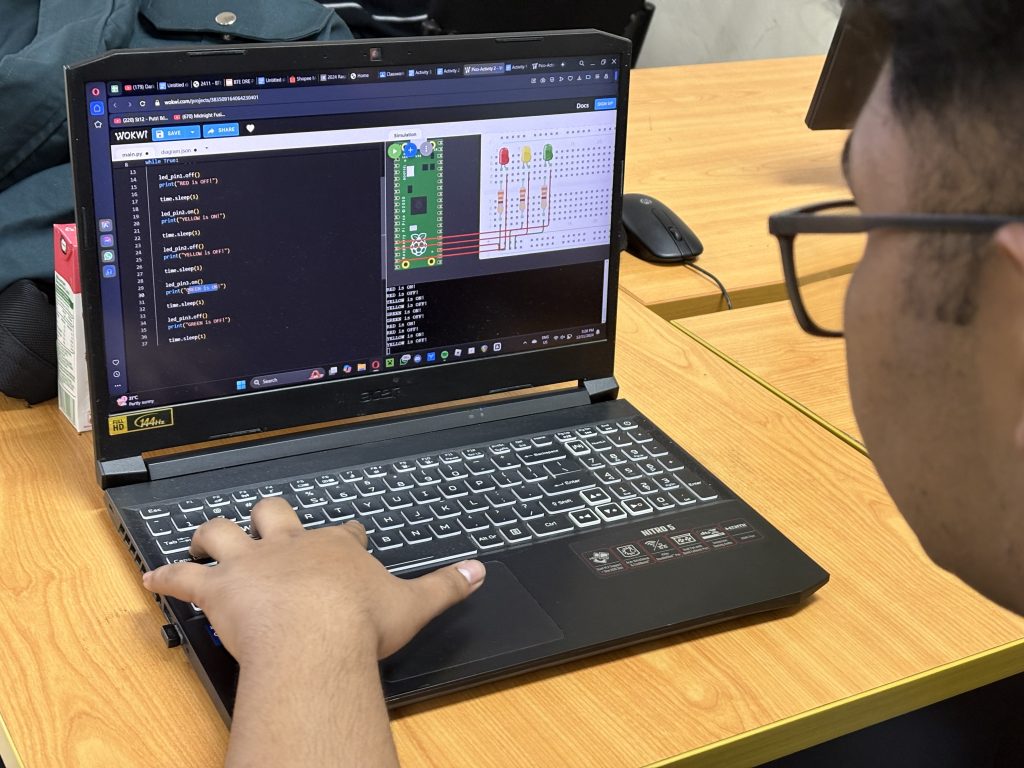
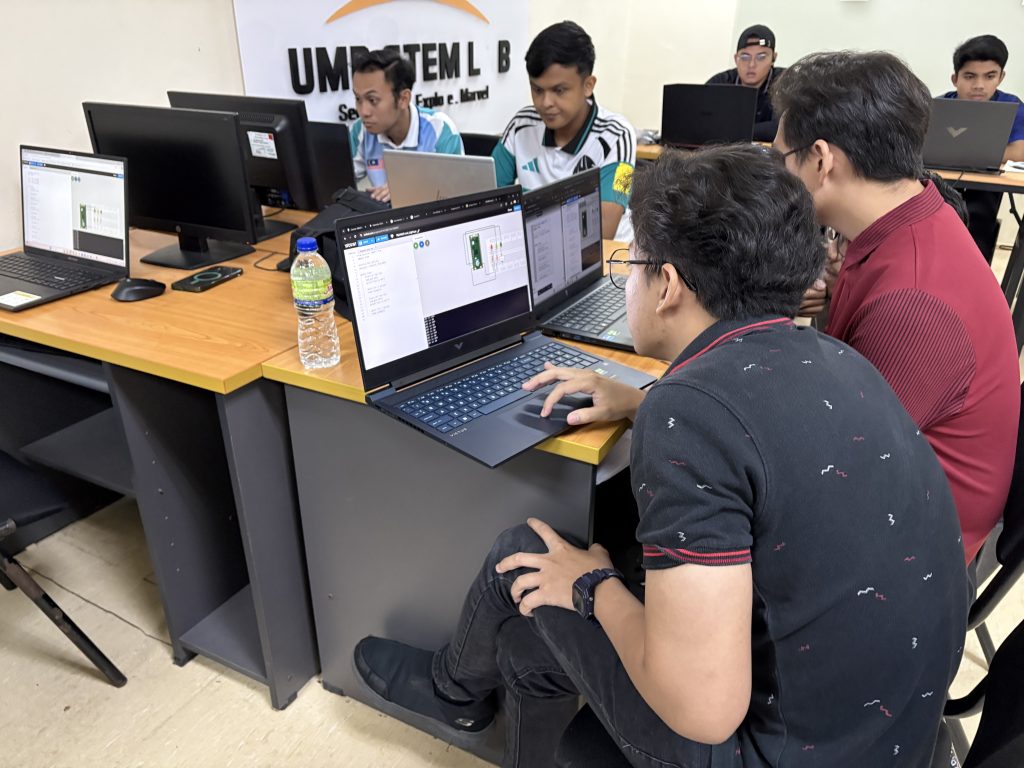
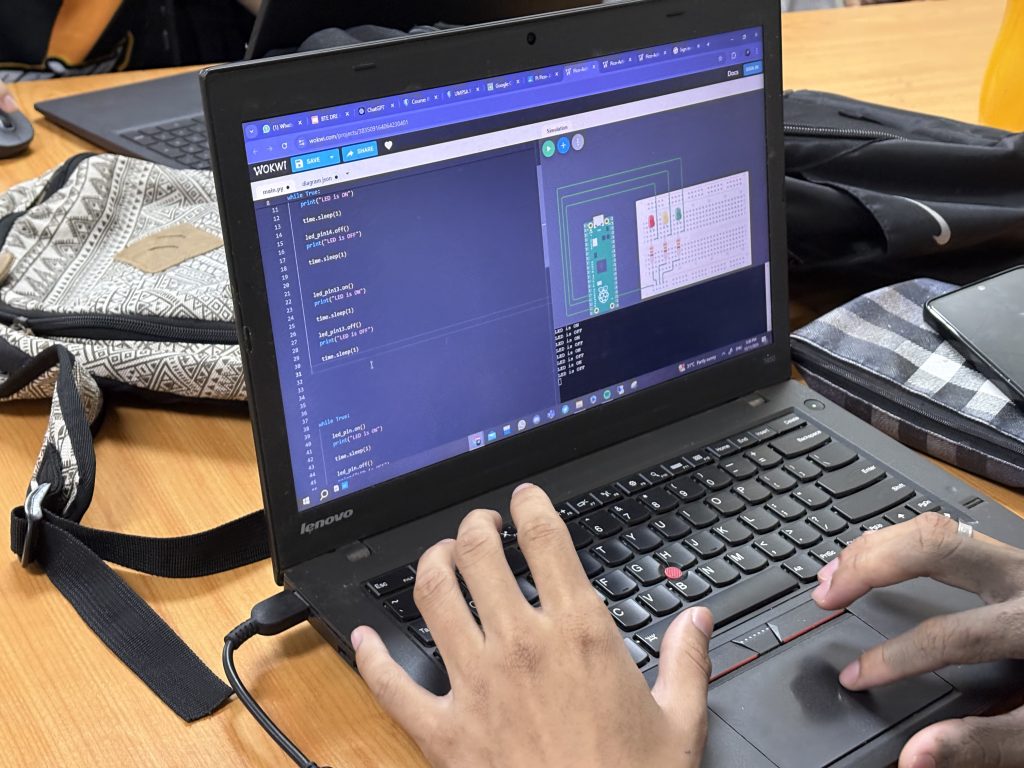
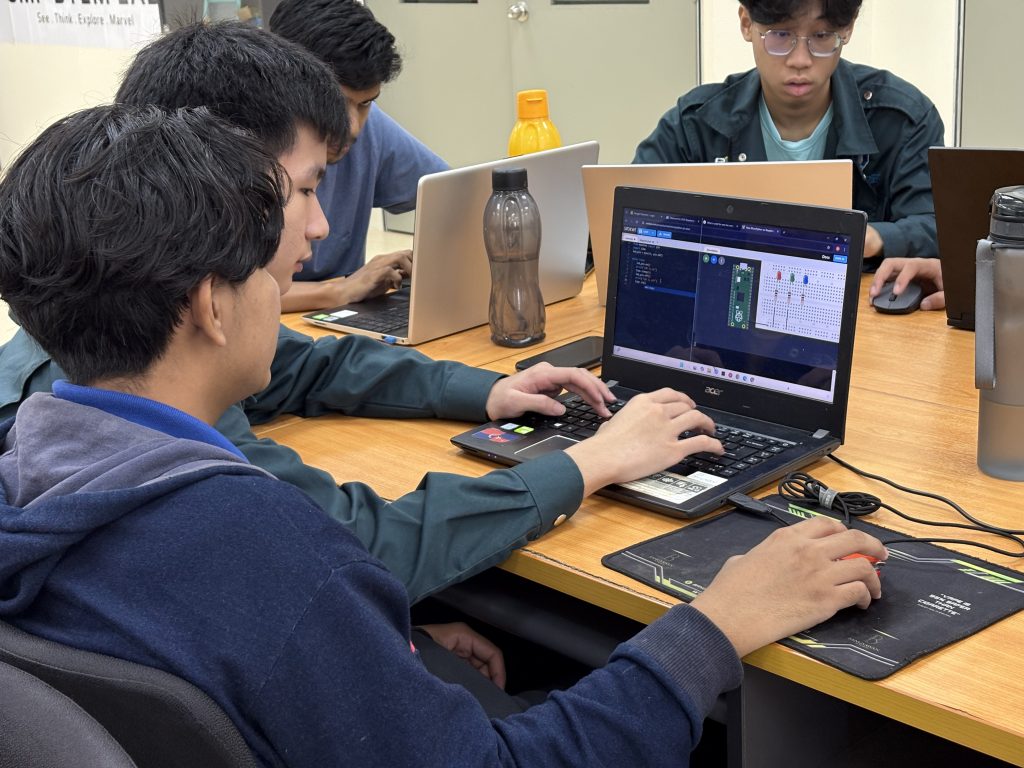
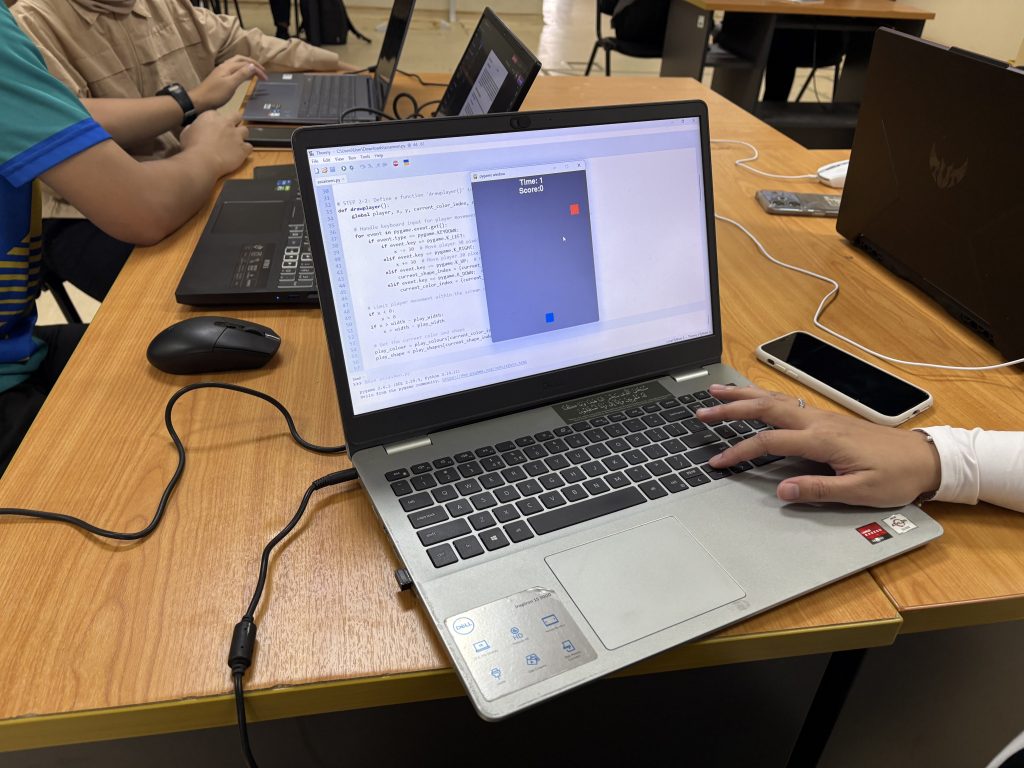
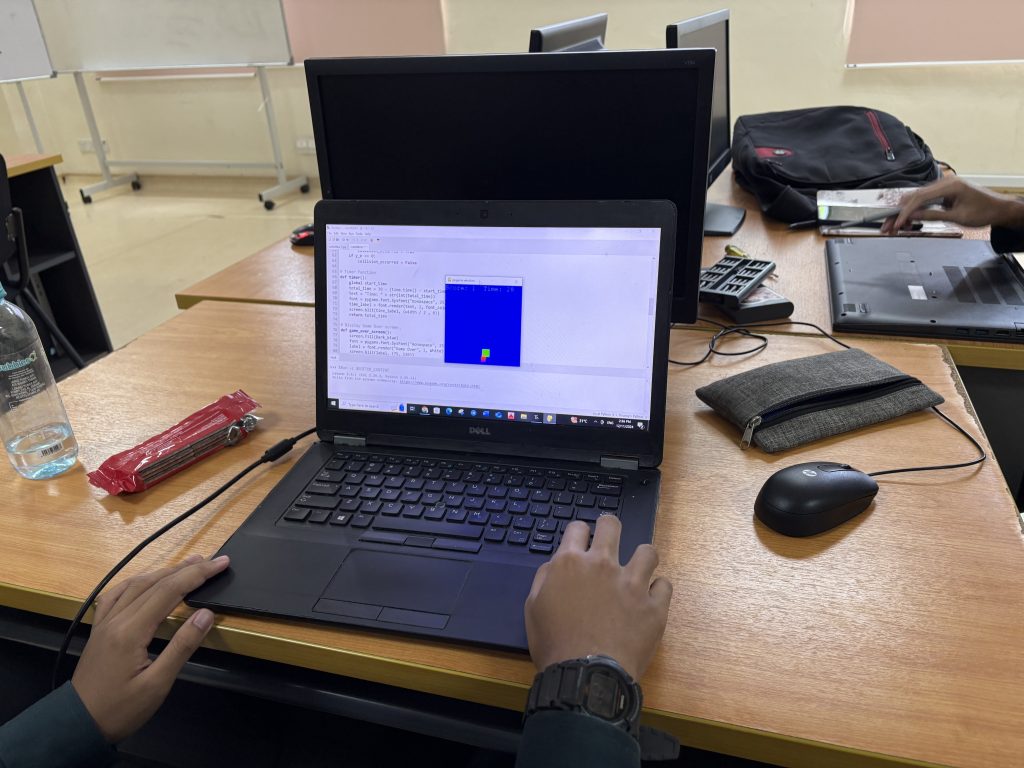
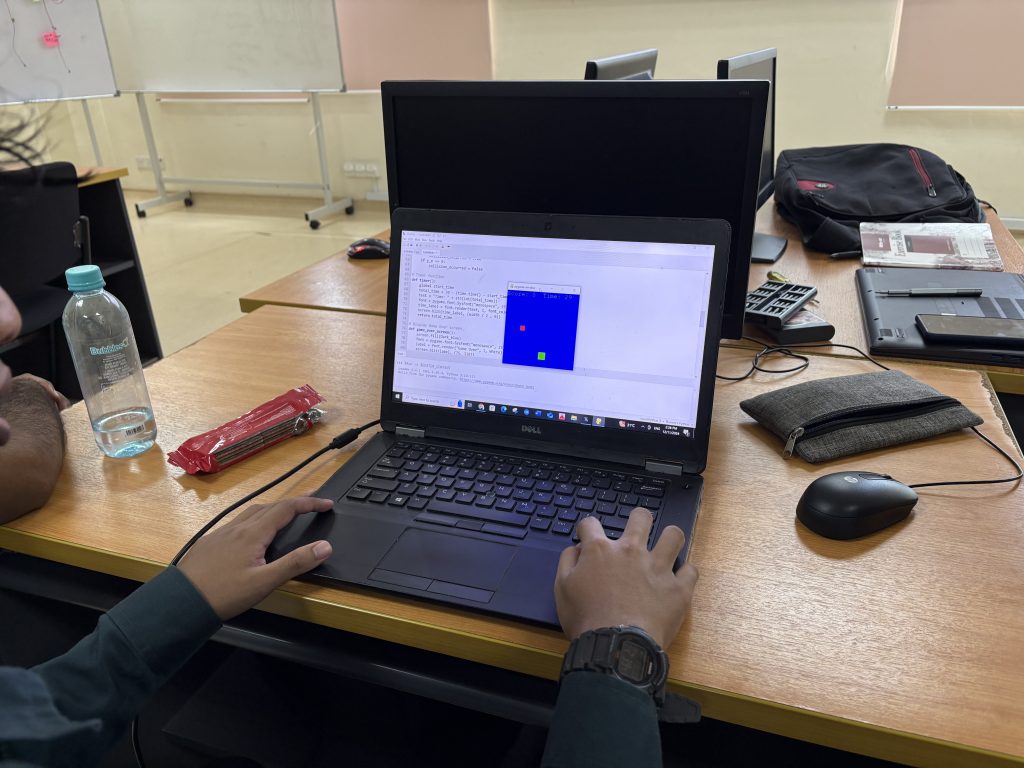
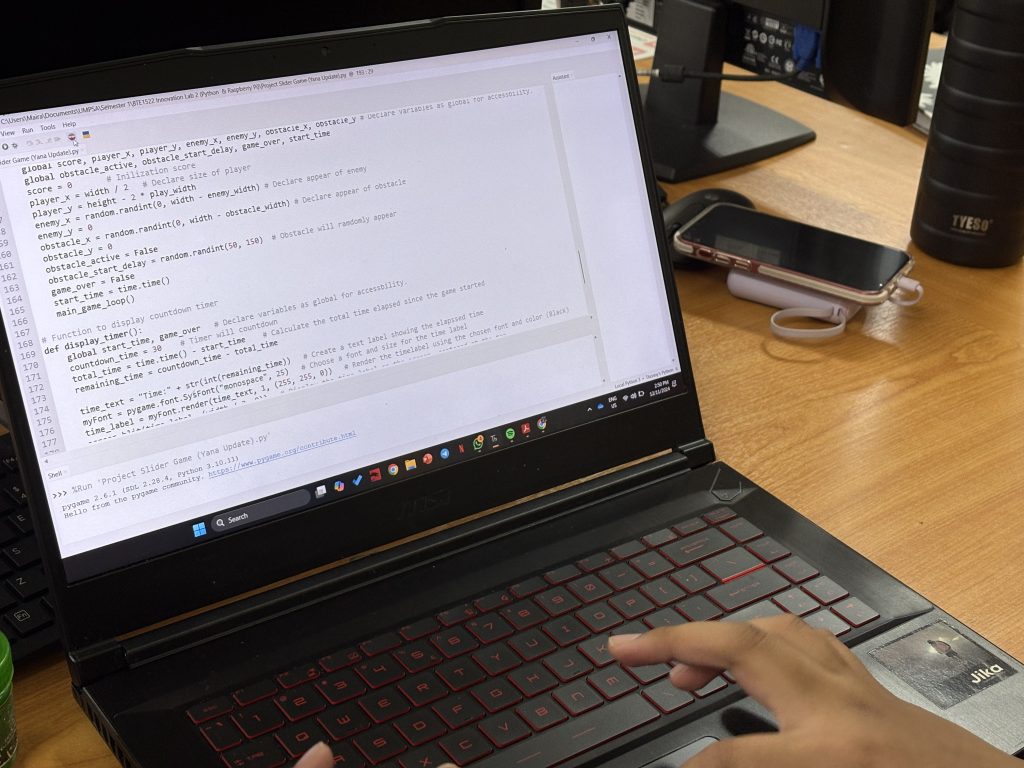
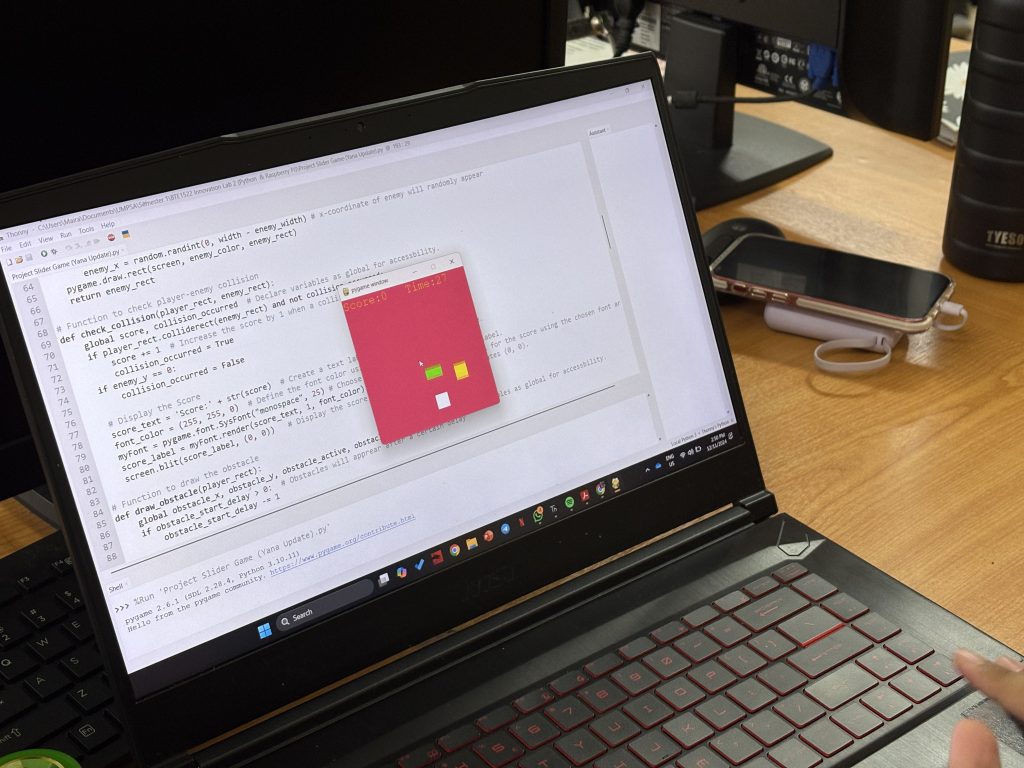
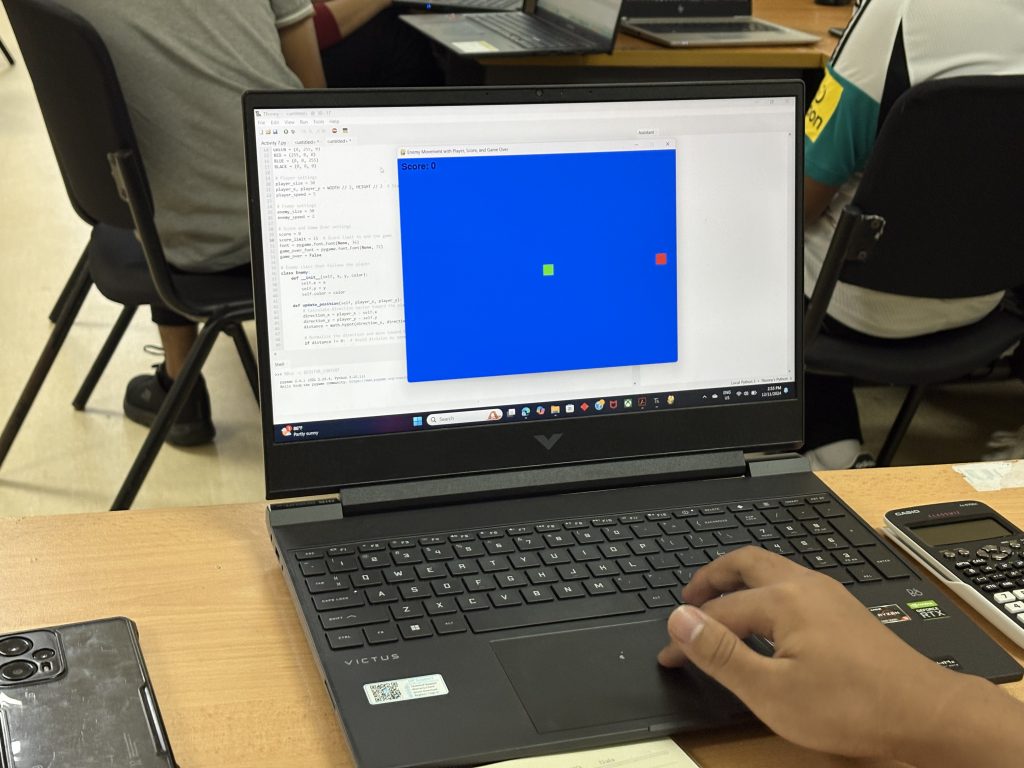
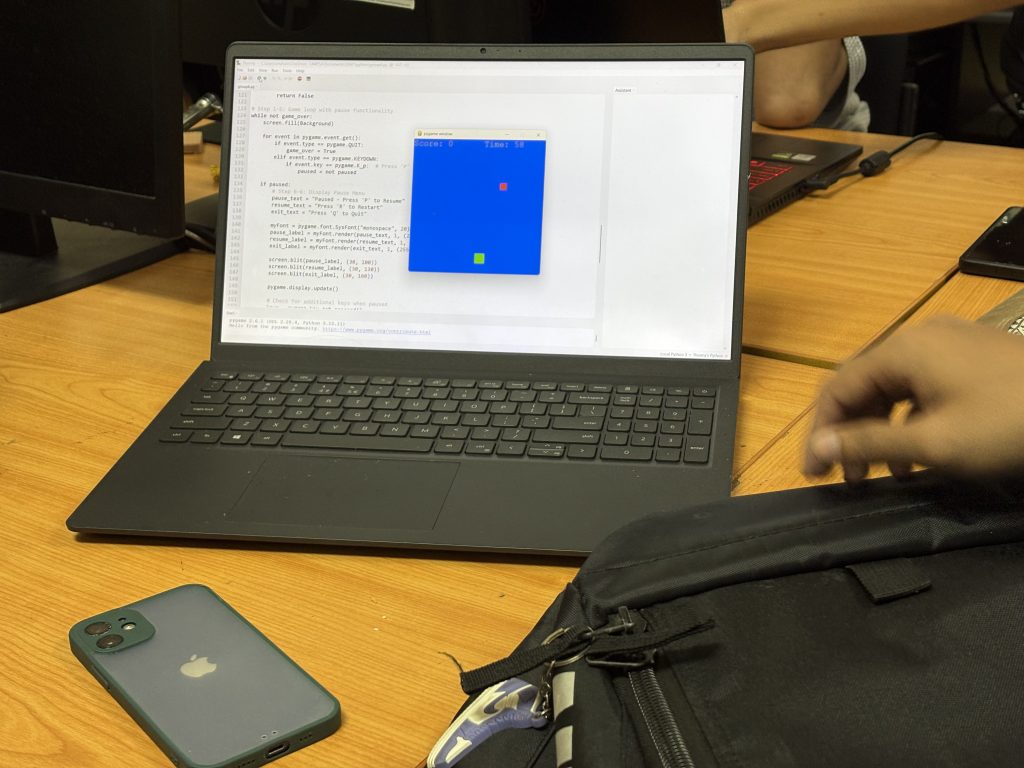
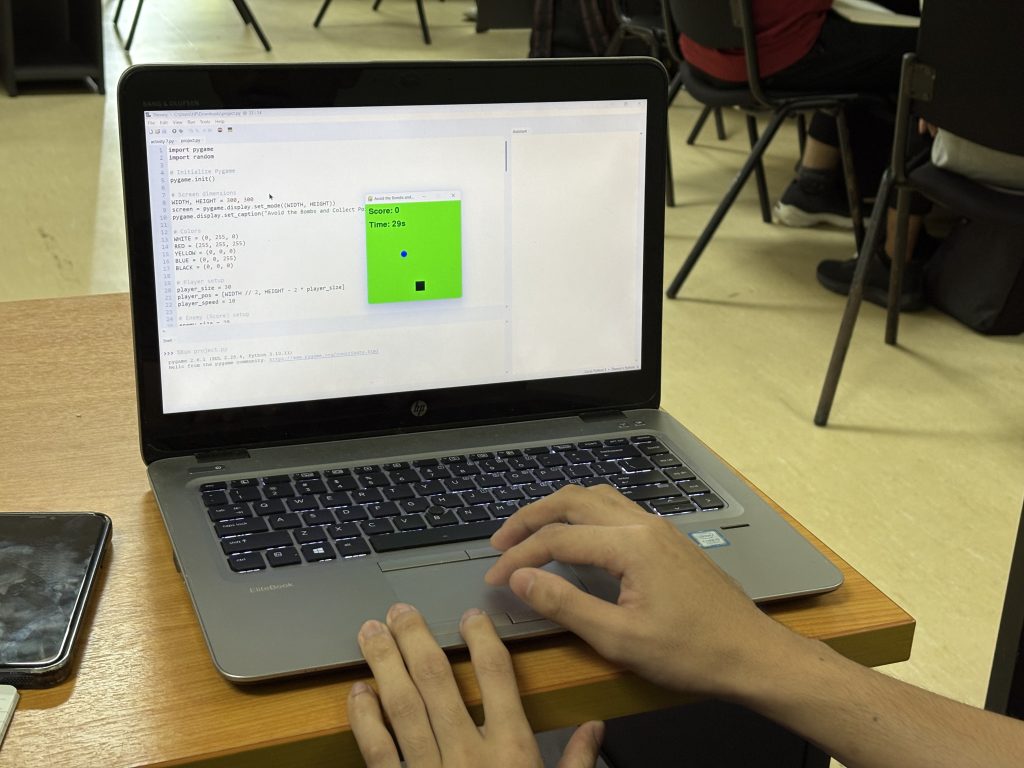
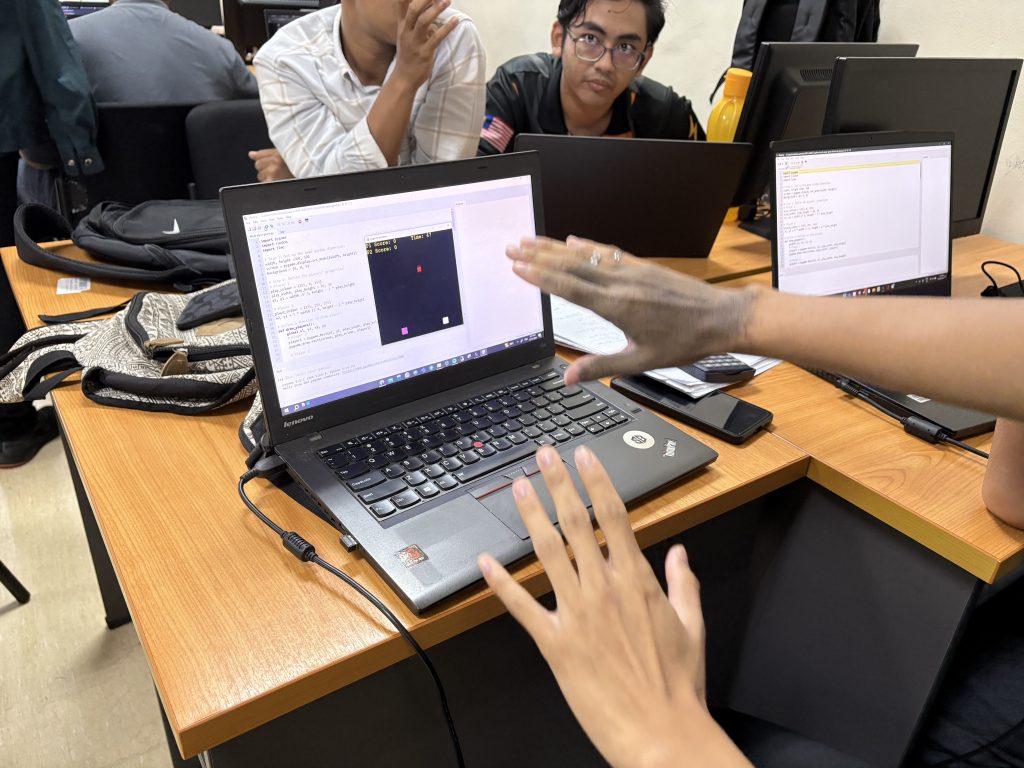
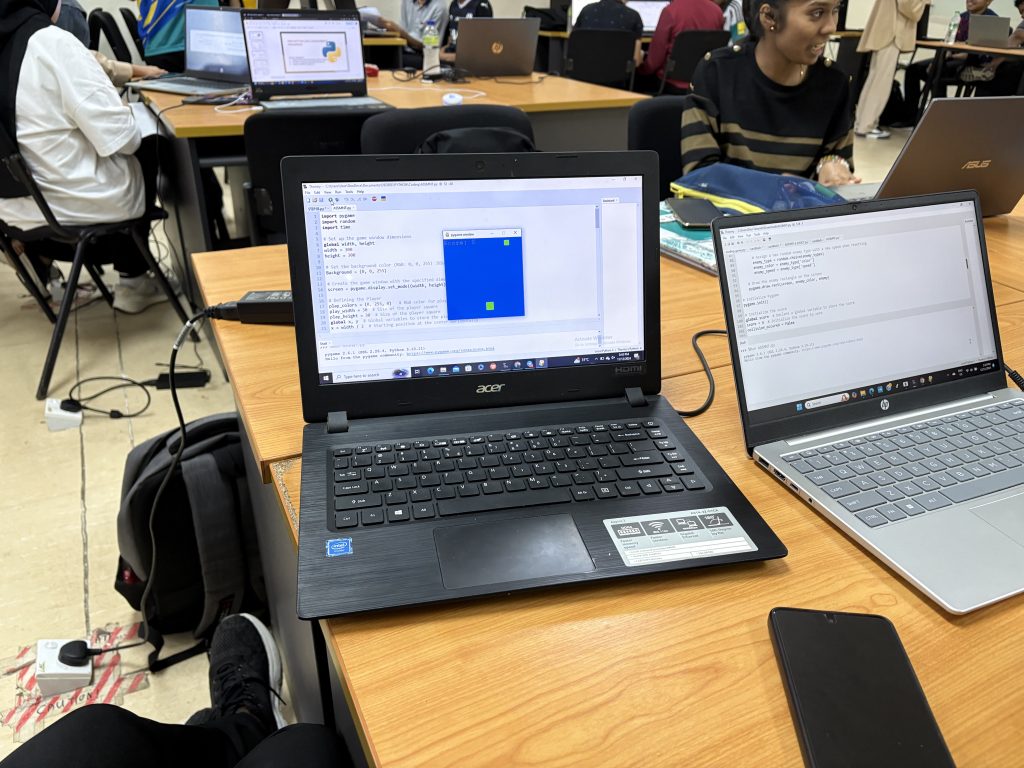
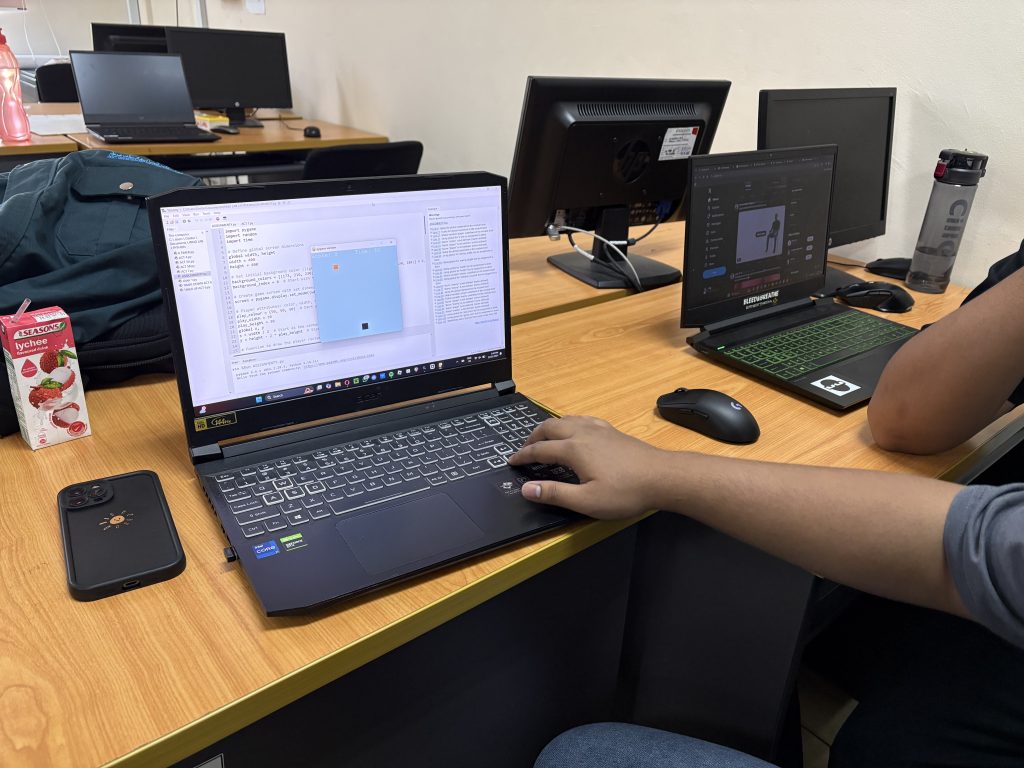
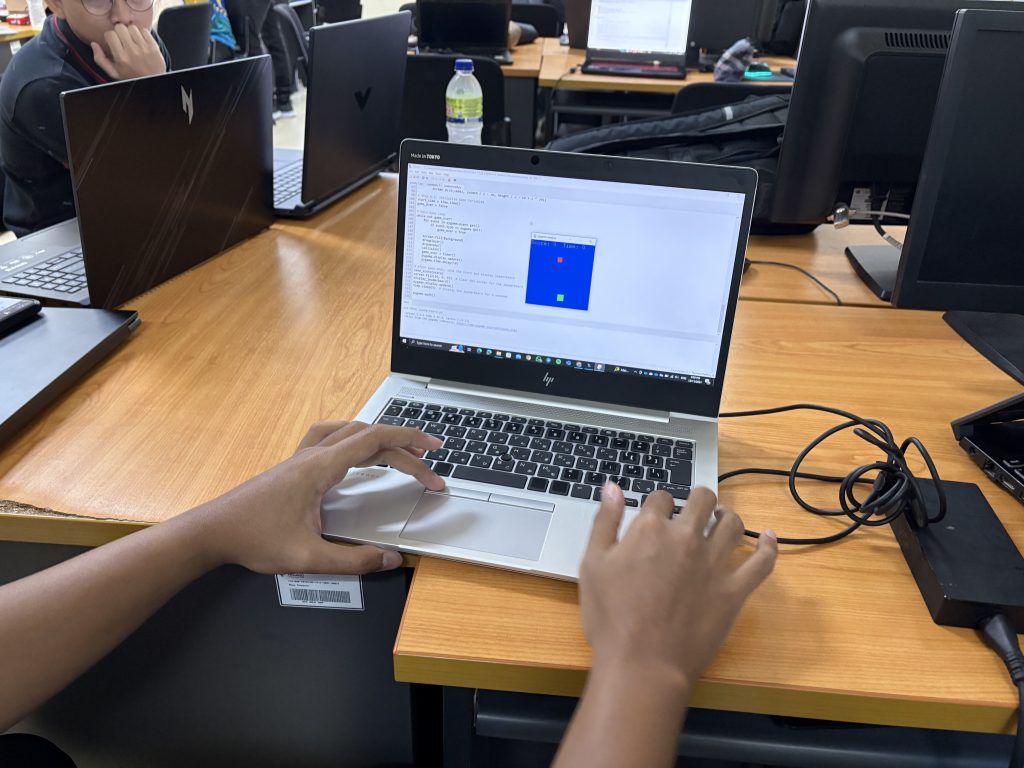
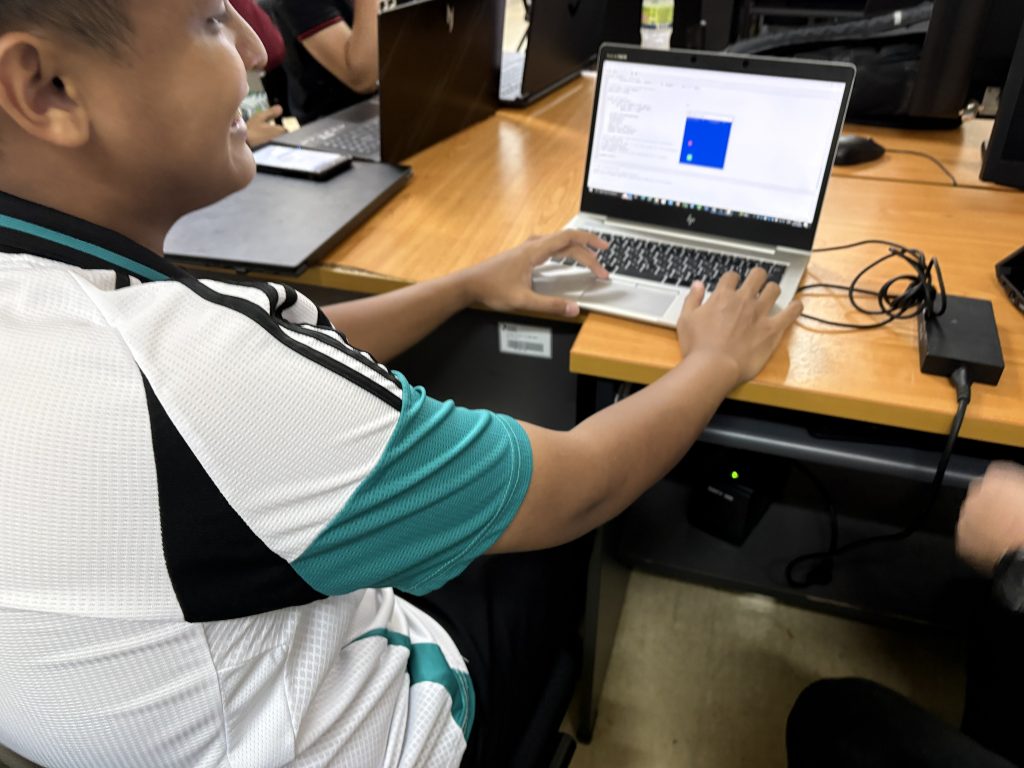
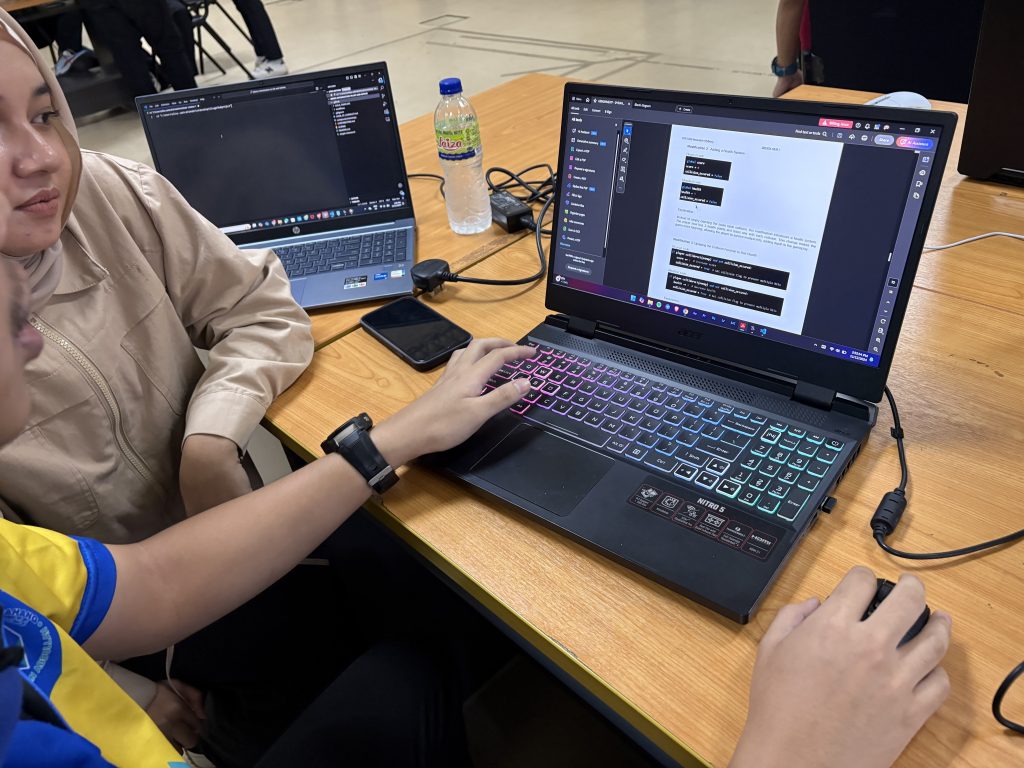
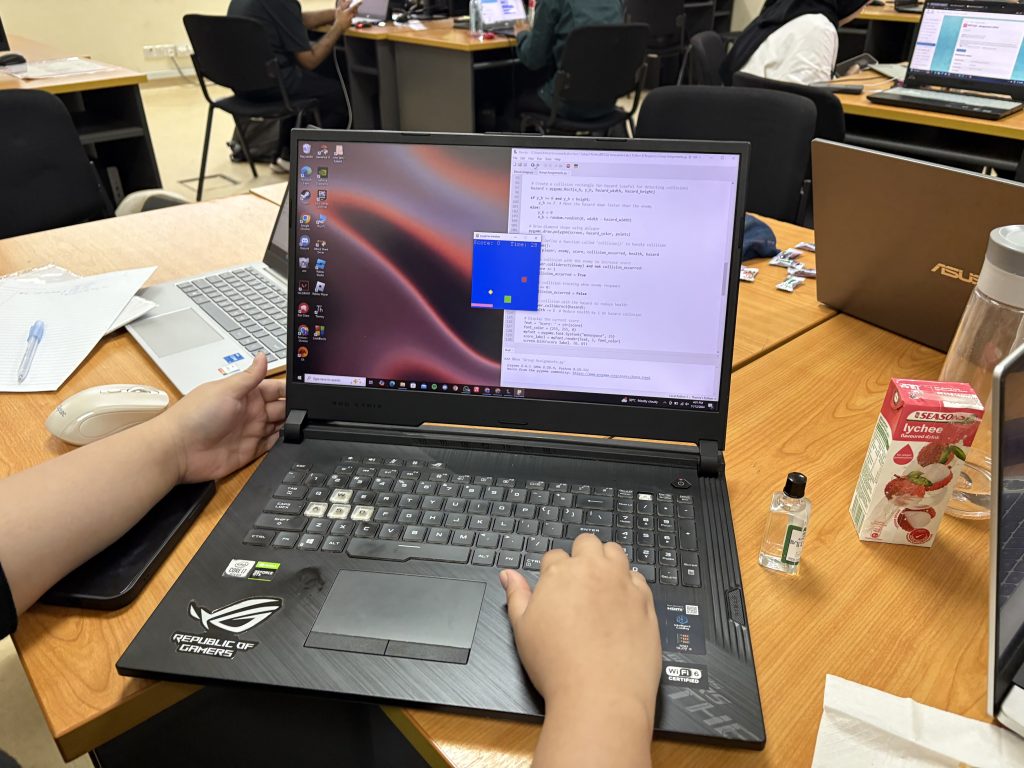
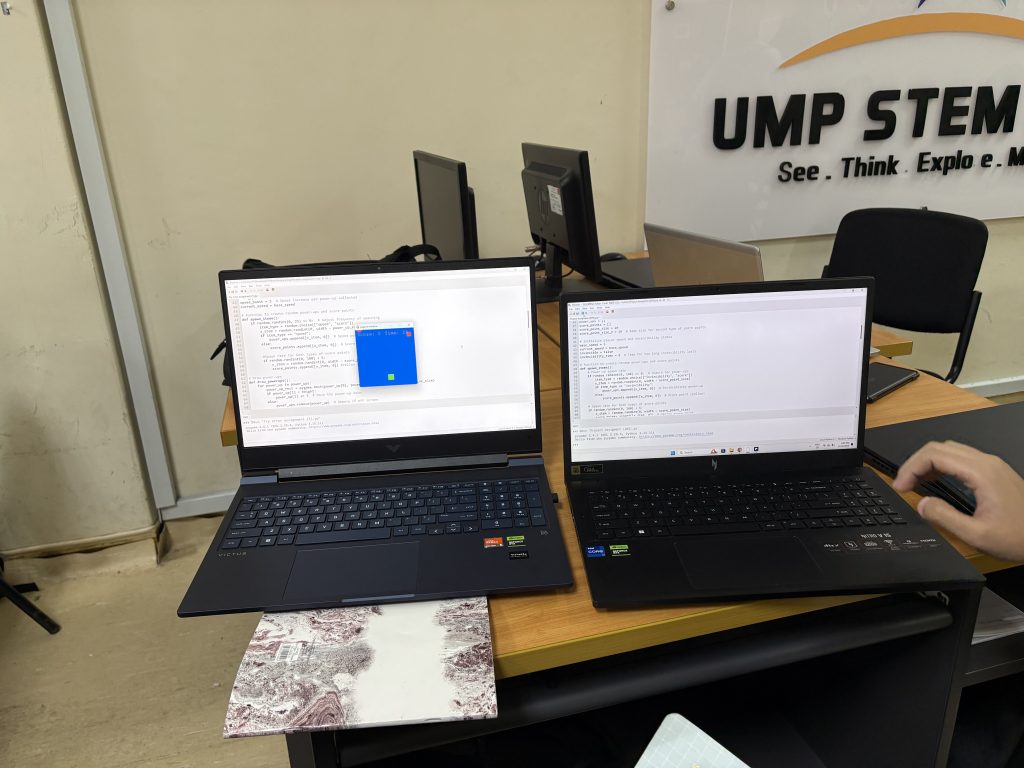
Well done everyone for your progress in completing your Assignment. Assignment Gallery Walk on Slider Game Modifications In today’s class, each group took part in a gallery walk where you showcased your progress on the assignment of modifying the slider game. This interactive session allowed each group to present their unique game modifications and learn … Continue reading “BTE1522 DRE2213 – Week 6 Assignment Progress”
Please submit your assignment report in KALAM. Upload the following:-
DRE2213
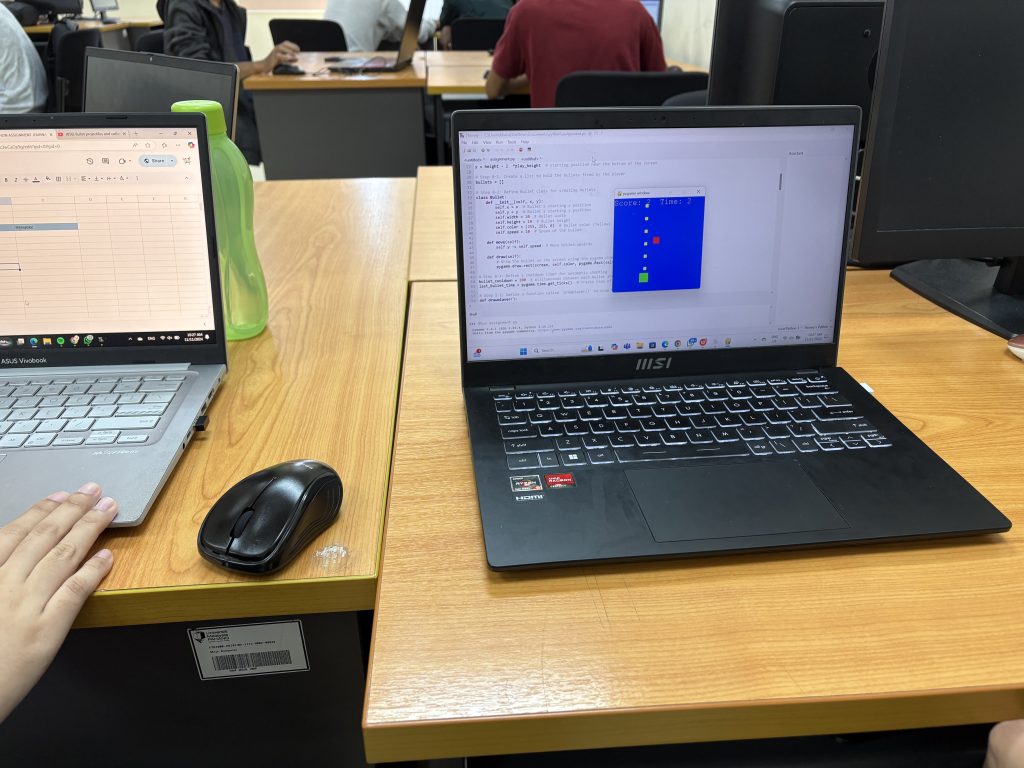
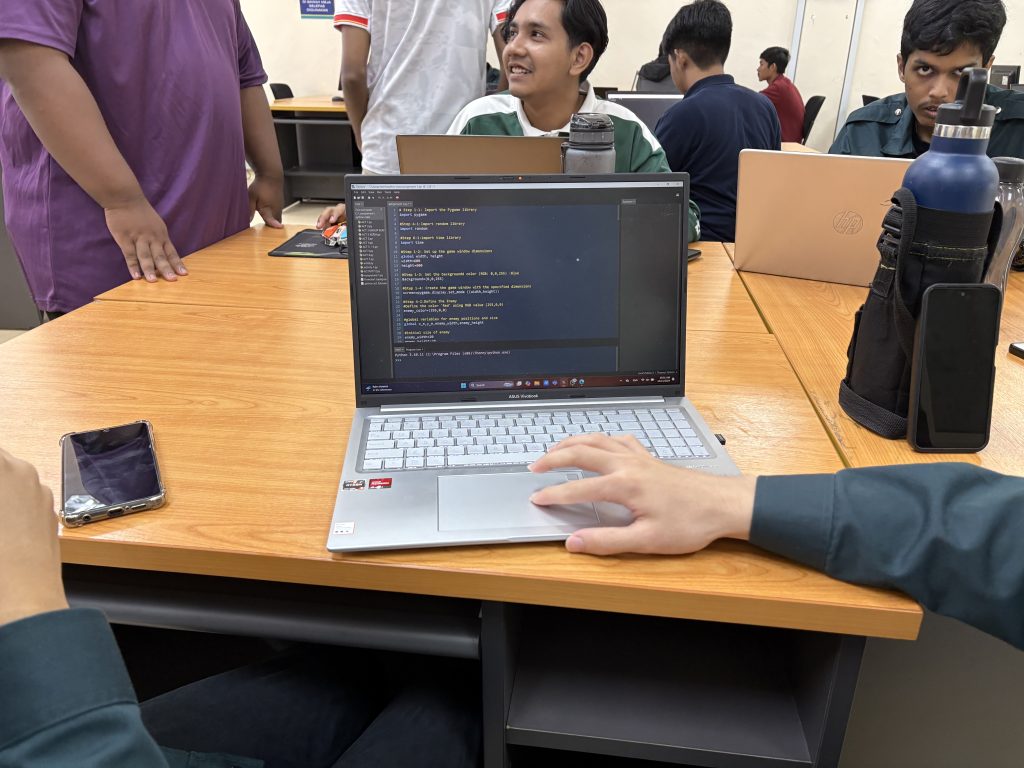
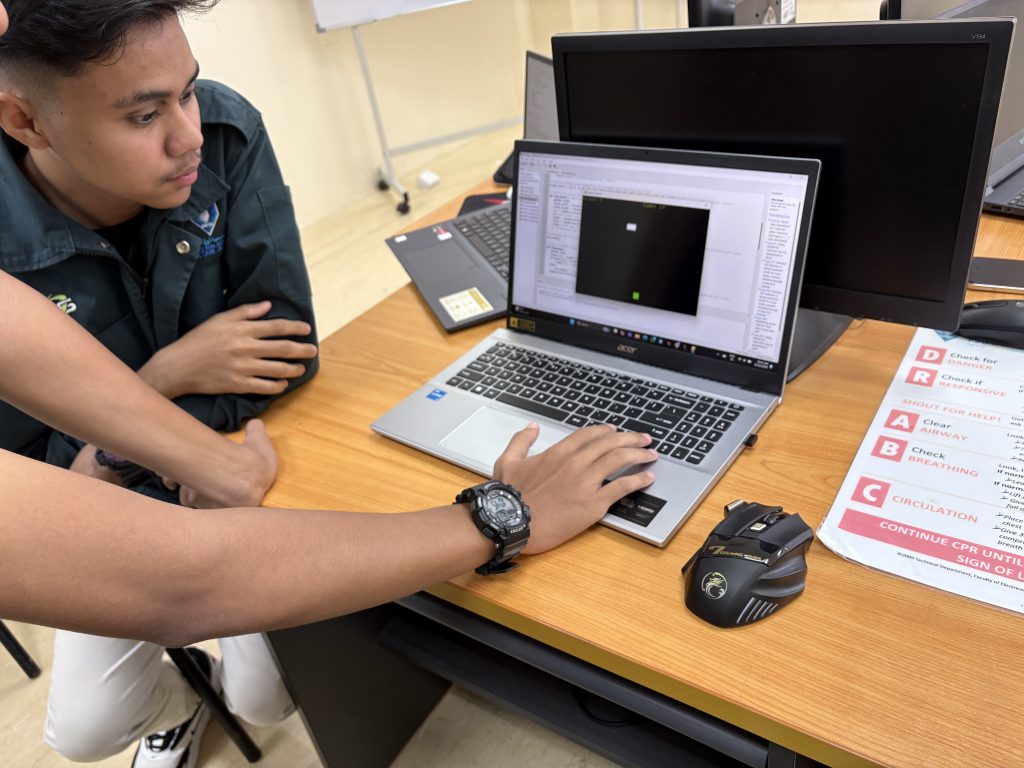
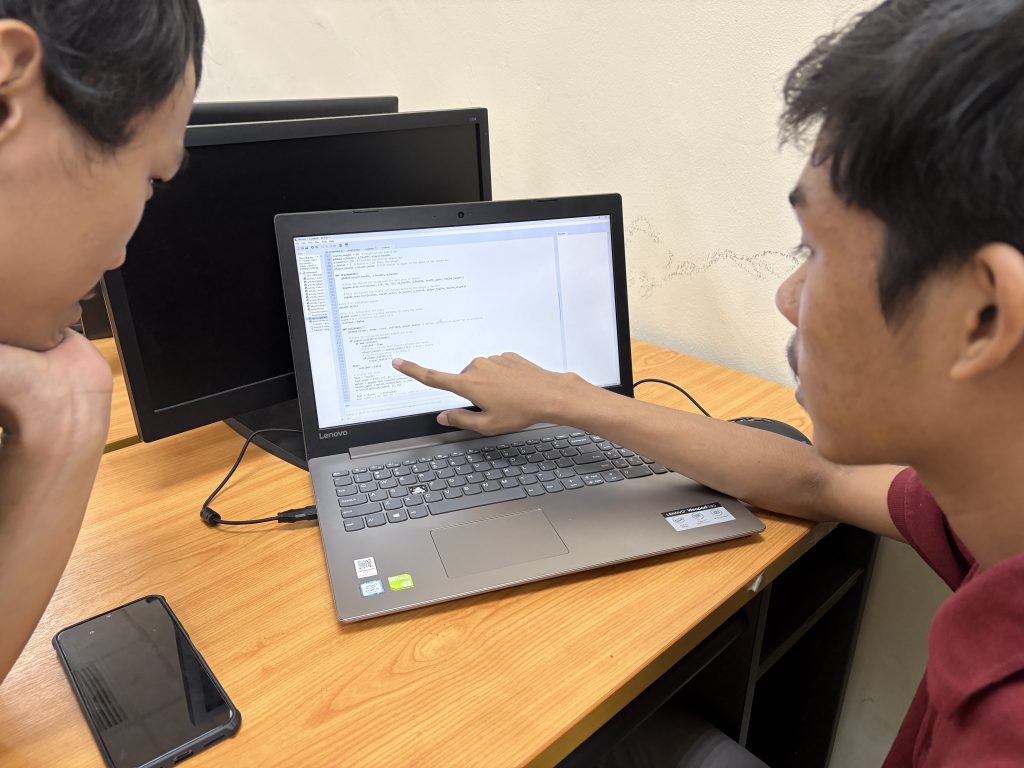
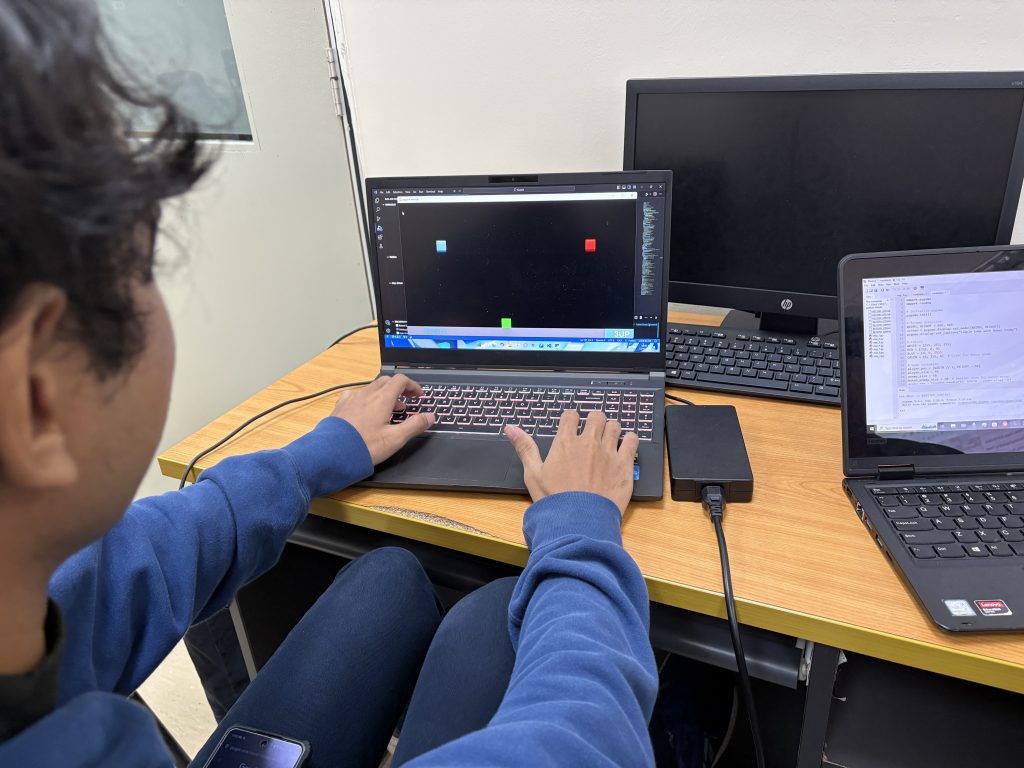

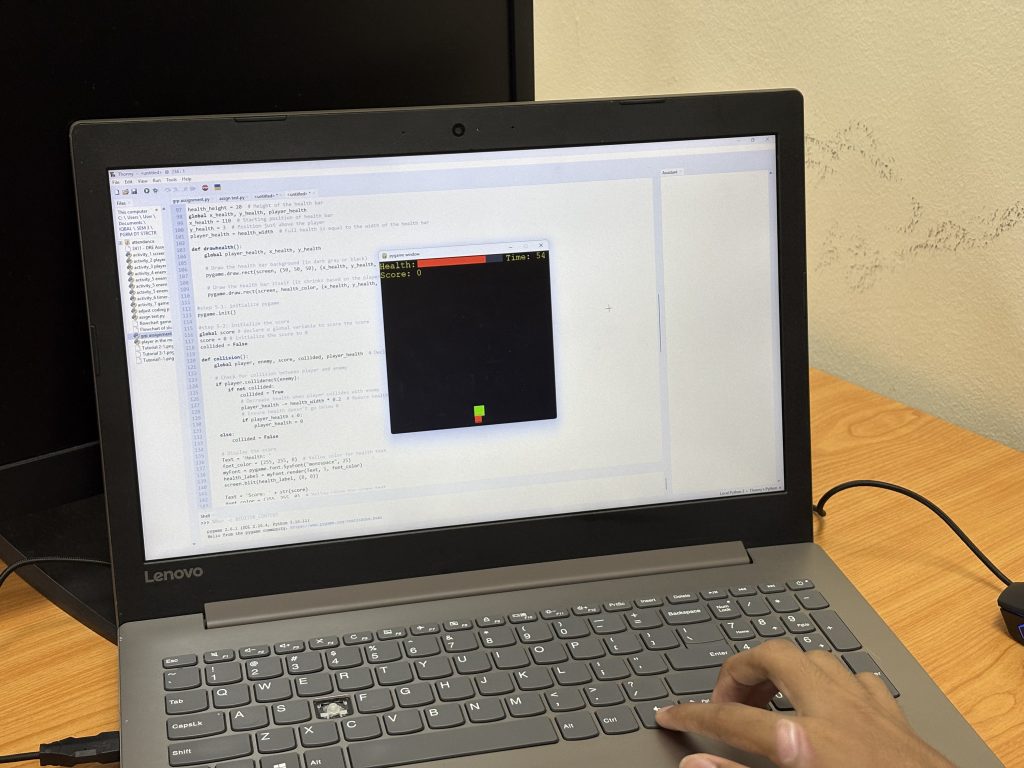
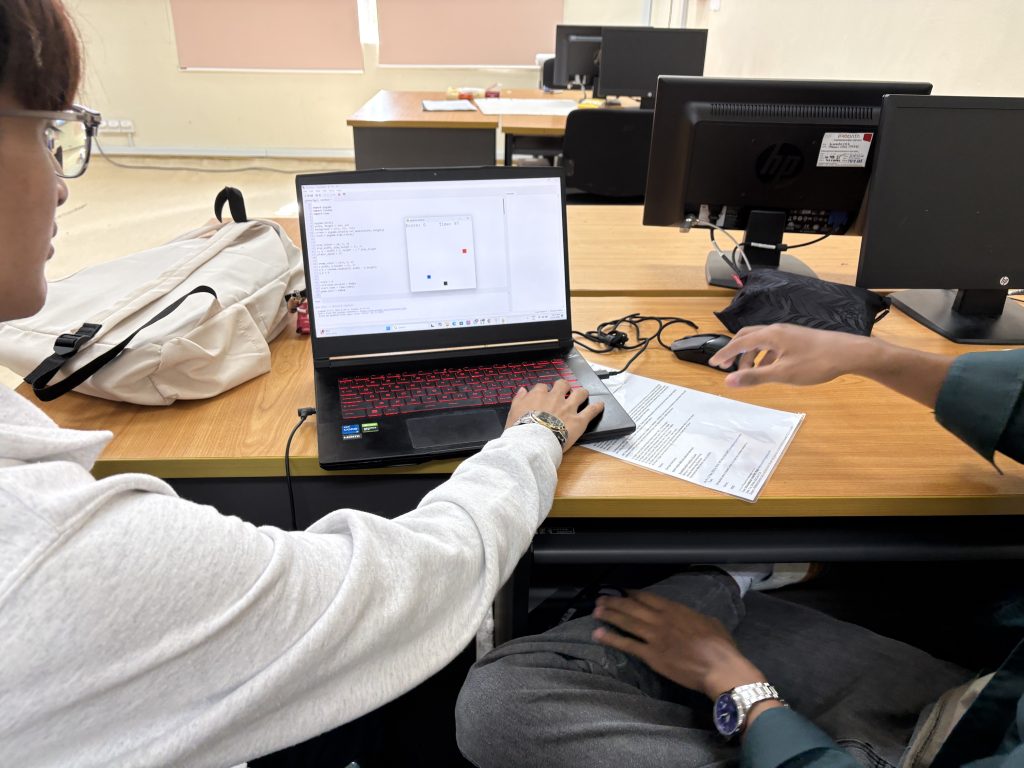
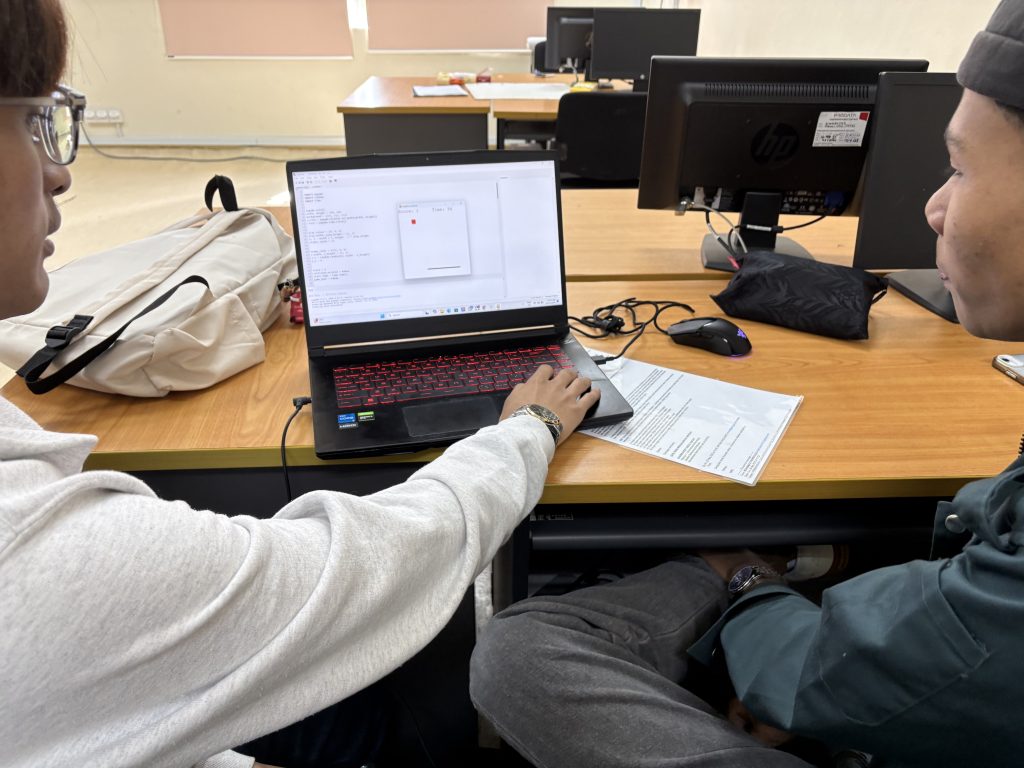


RAJA RE23313, SKANTHANESSH RE23028, ARIFF DANIEL RE22197

BTE1522

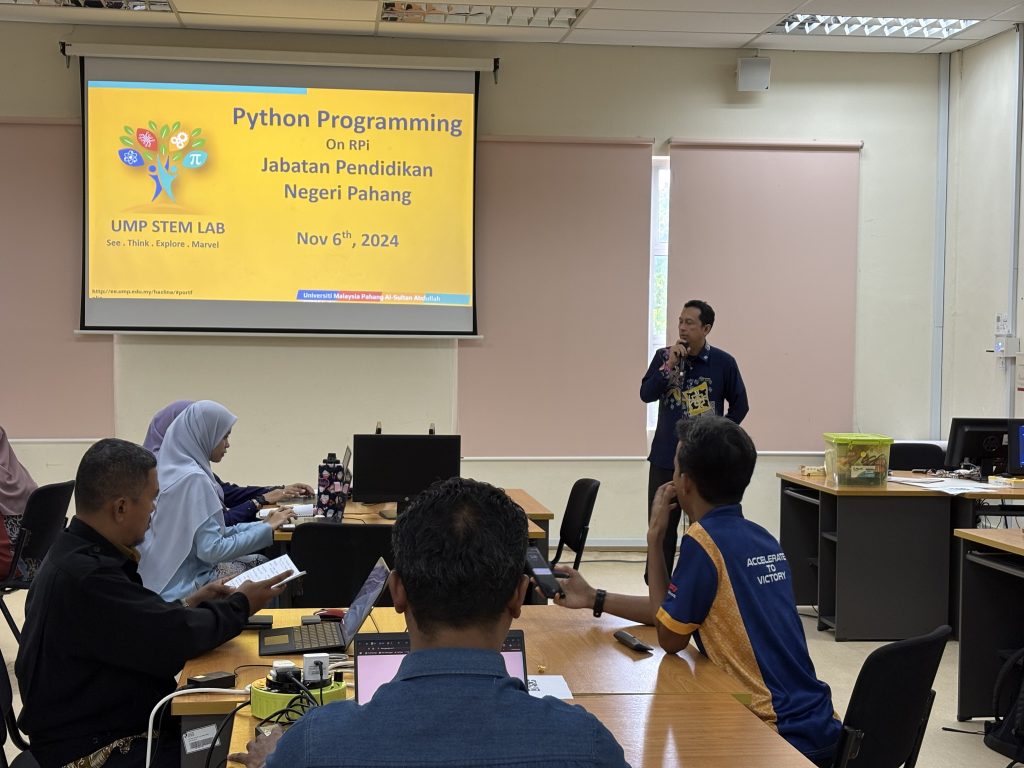
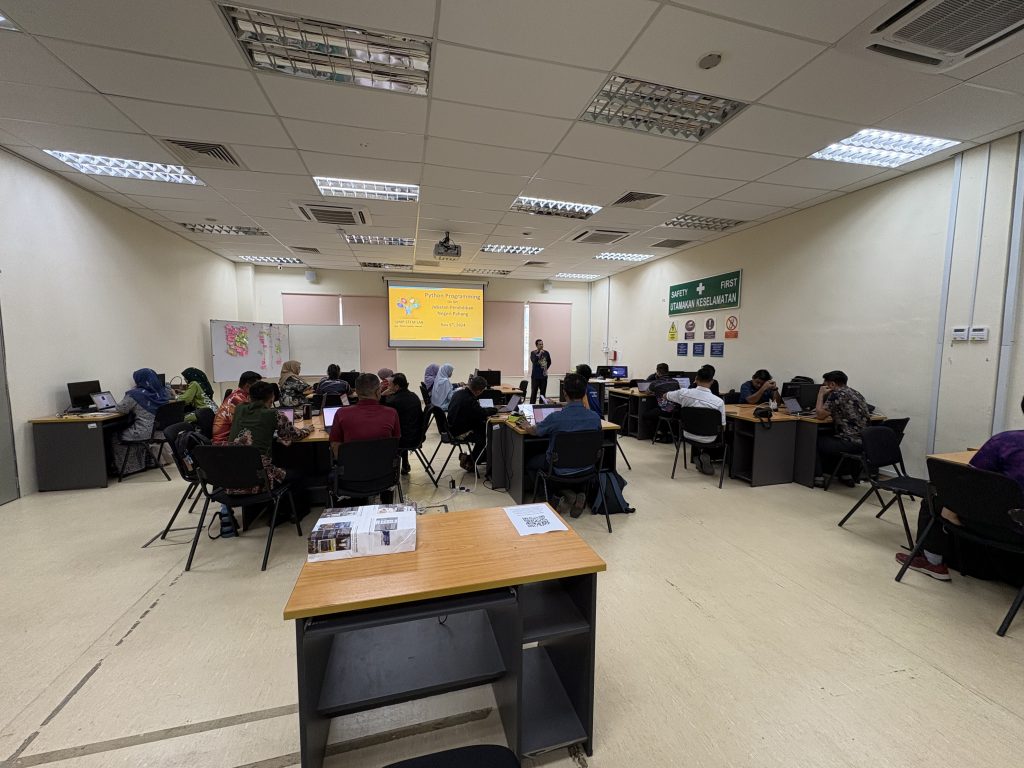
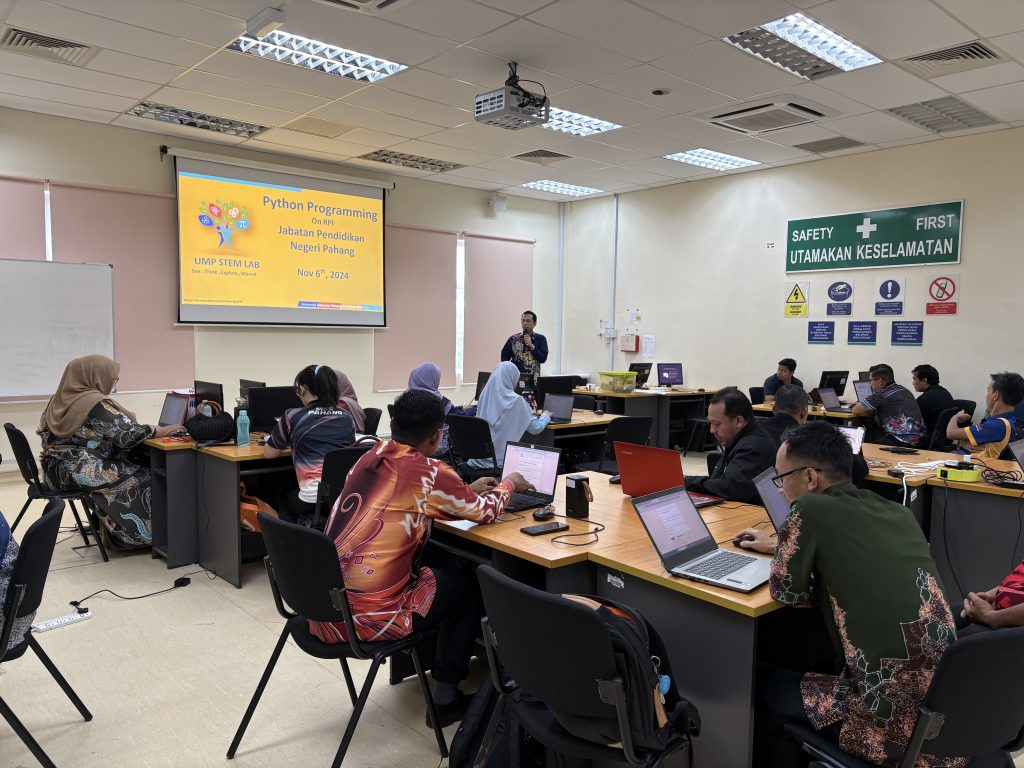
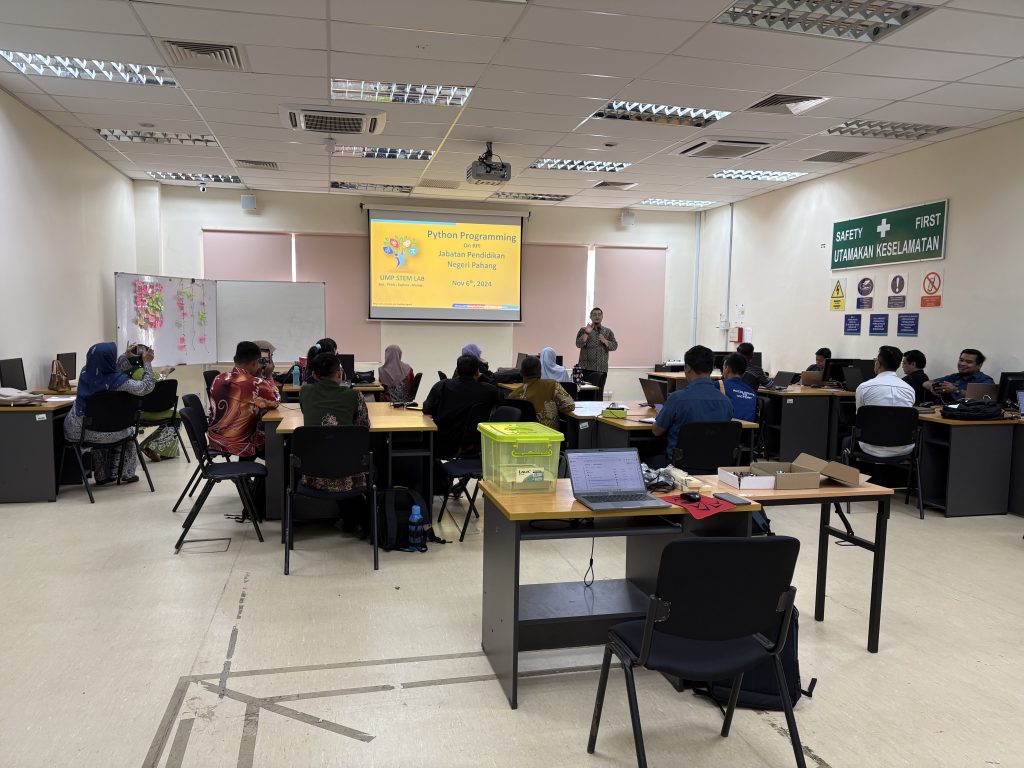
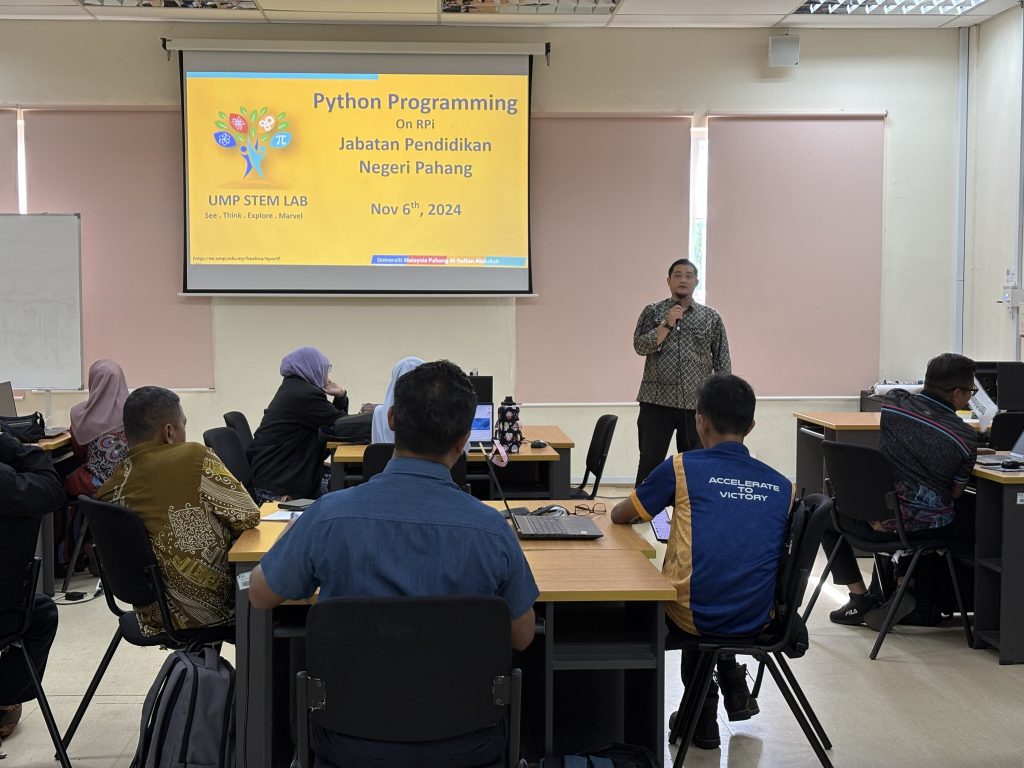
*UMPSA STEM Lab Raspberry Pi Programming Synopsis can be found here. In the Raspberry Pi IoT session, 32 teachers from Jabatan Pelajaran Negeri Pahang were introduced to the concept of the Internet of Things (IoT) using Raspberry Pi on the UMP STEM Cube, a pico-satellite learning kit specifically designed to facilitate engineering learning. The content covered basic digital … Continue reading “Raspberry Pi Programming 2024/6 – JPN Pahang 2”
*UMPSA STEM Lab Raspberry Pi Programming Synopsis can be found here.
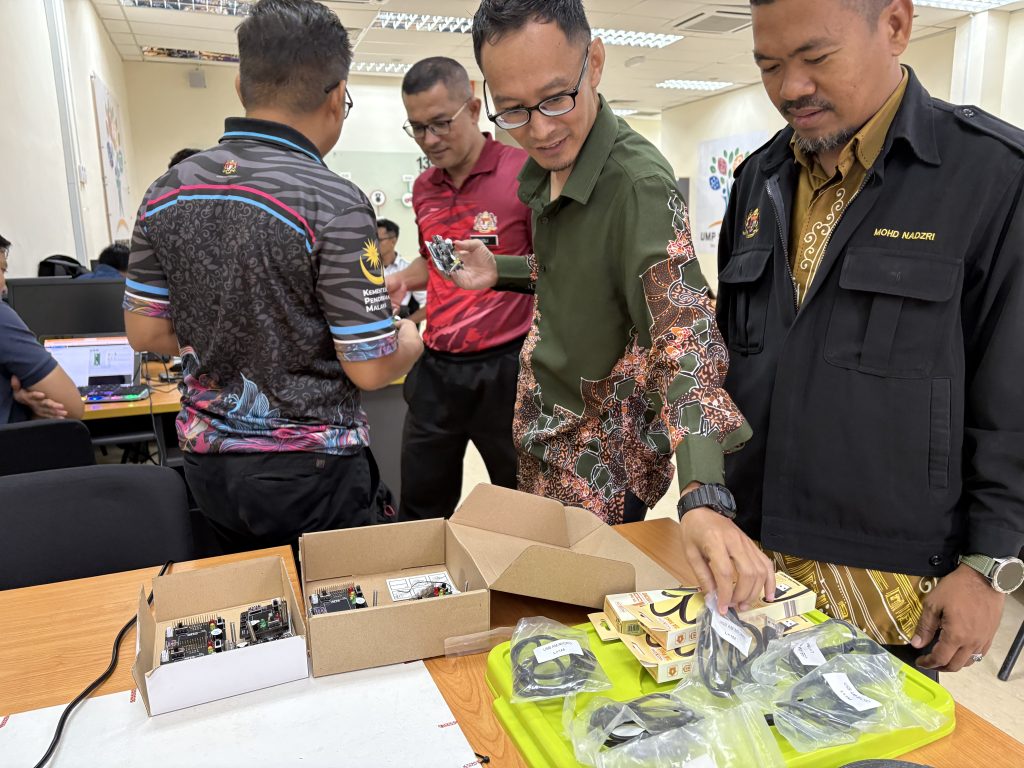
In the Raspberry Pi IoT session, 32 teachers from Jabatan Pelajaran Negeri Pahang were introduced to the concept of the Internet of Things (IoT) using Raspberry Pi on the UMP STEM Cube, a pico-satellite learning kit specifically designed to facilitate engineering learning.
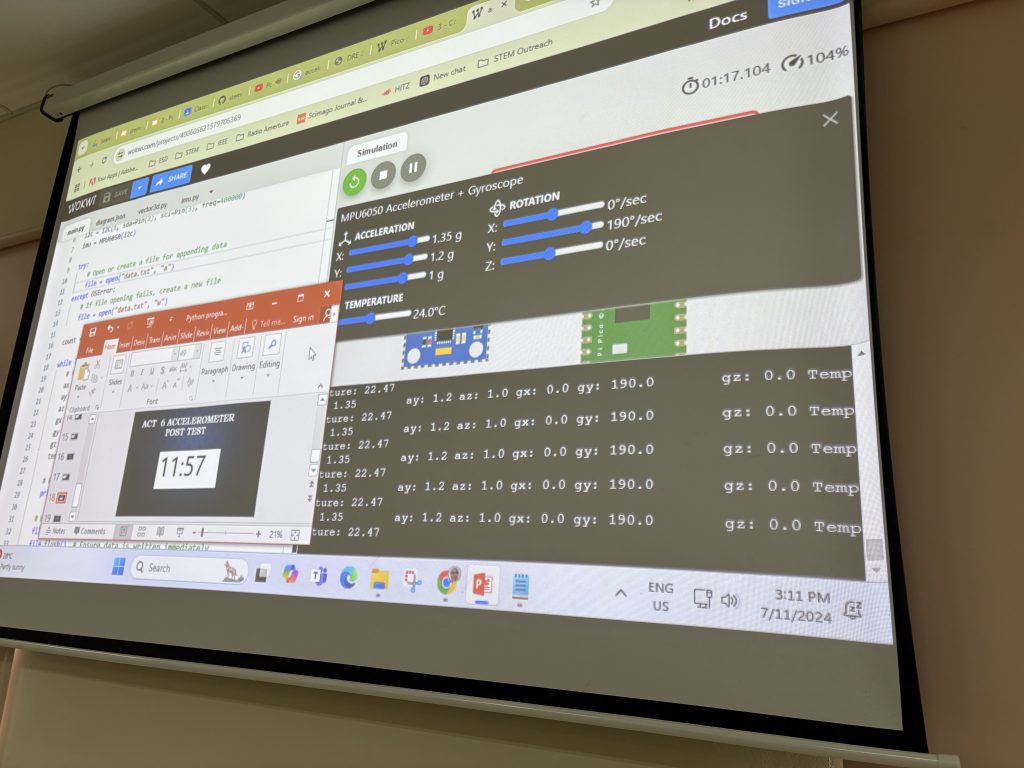
The content covered basic digital input/output operations on onboard LEDs, as well as topics such as dashboard design using gyro meter and BMU280 sensor data, including collecting and storing data in a cloud database. Participants learned to interface sensors with Raspberry Pi boards and develop IoT applications for real-world scenarios. The session provided students with valuable insights into IoT technology and its applications in various domains.
A special appreciation is extended to Tn Hj Bushra for coordination in facilitating communication between the participants and the UMPSA STEM Lab.
Nov 7th