The world is digital, but life is analog..
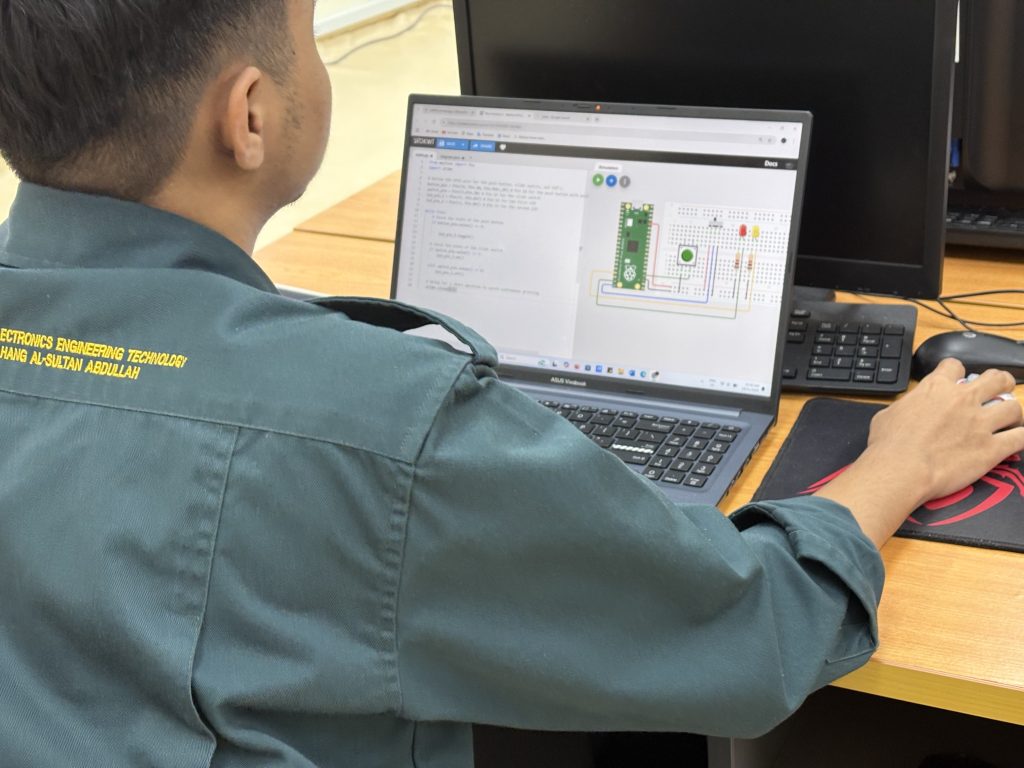
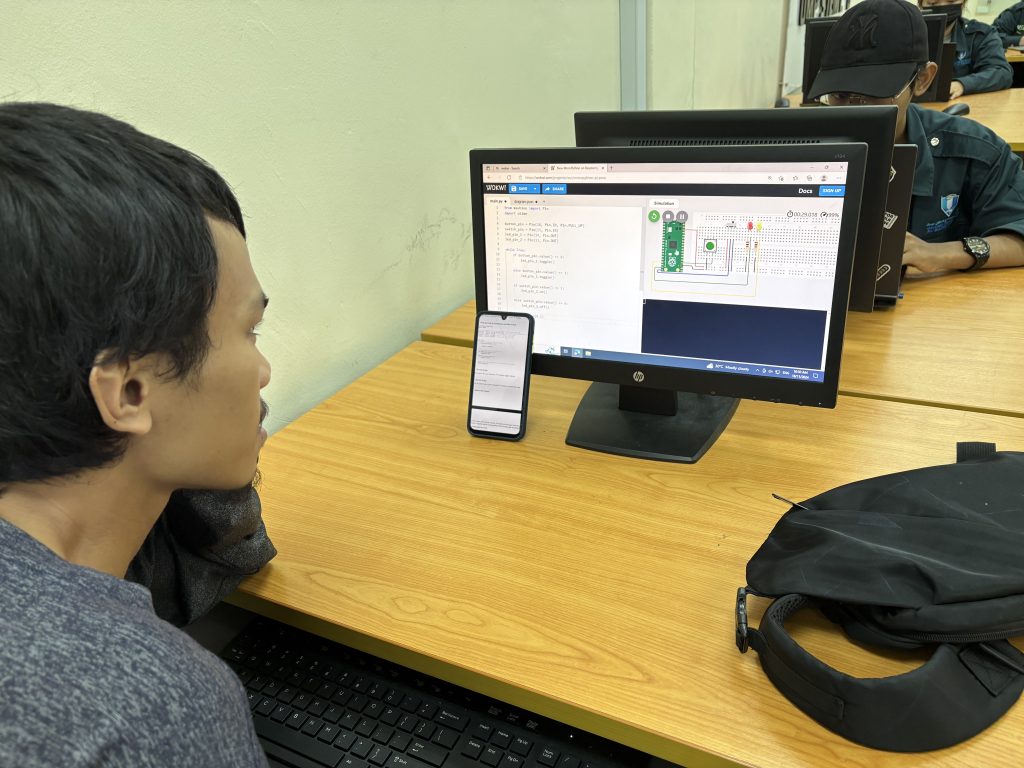
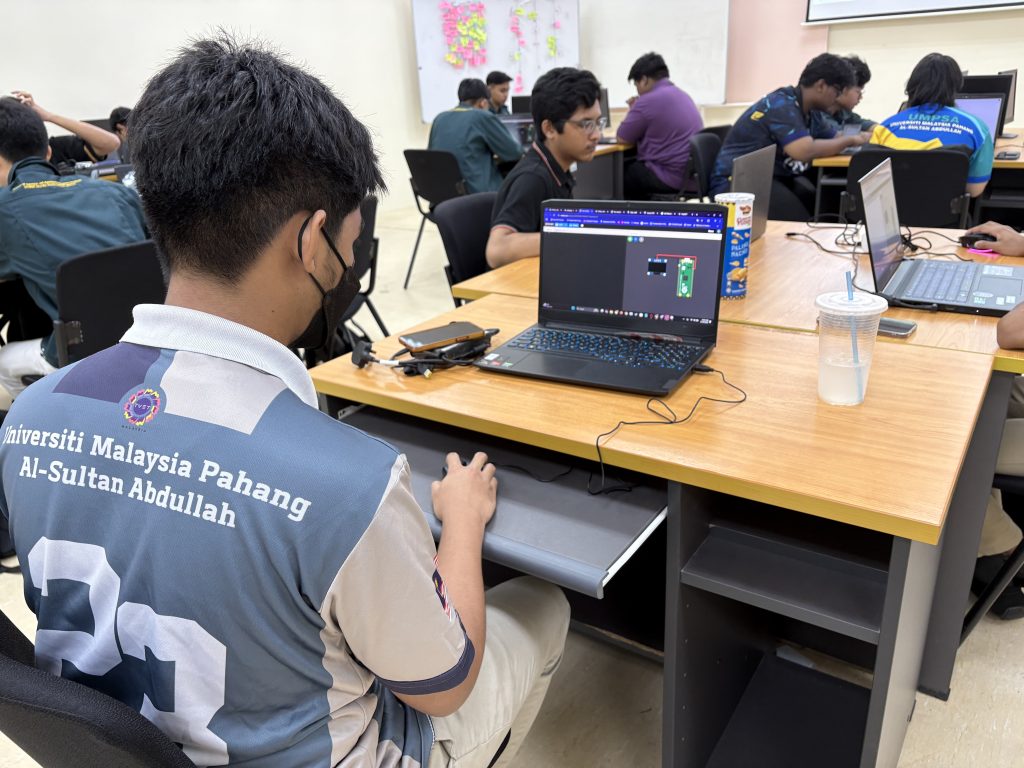
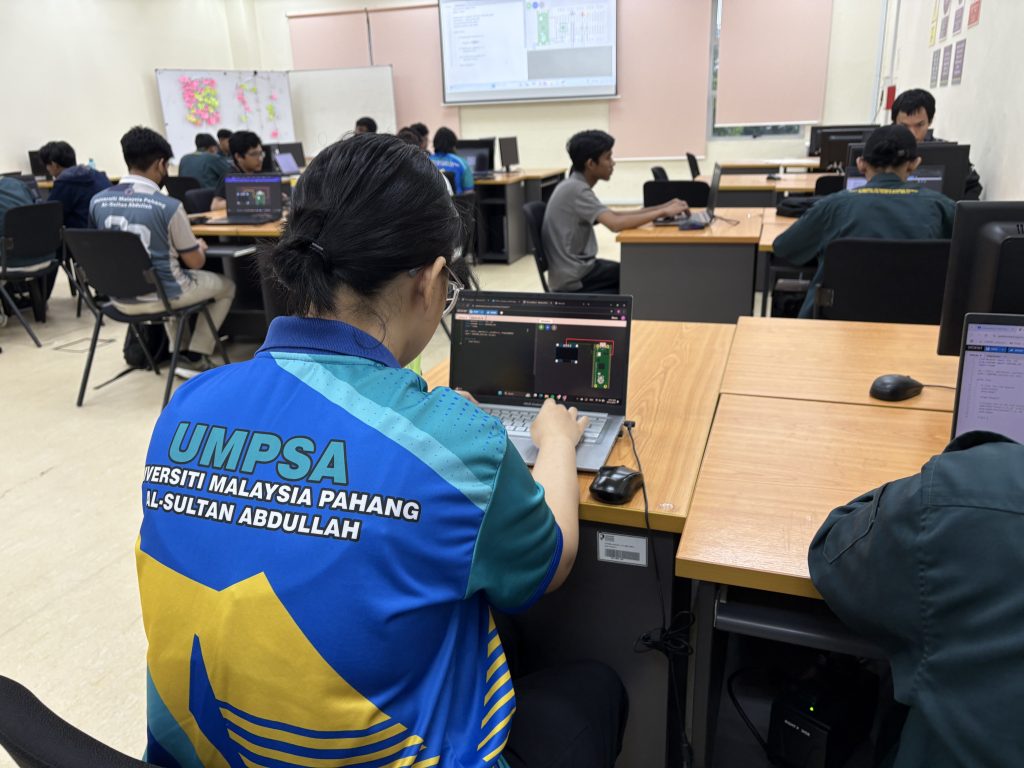
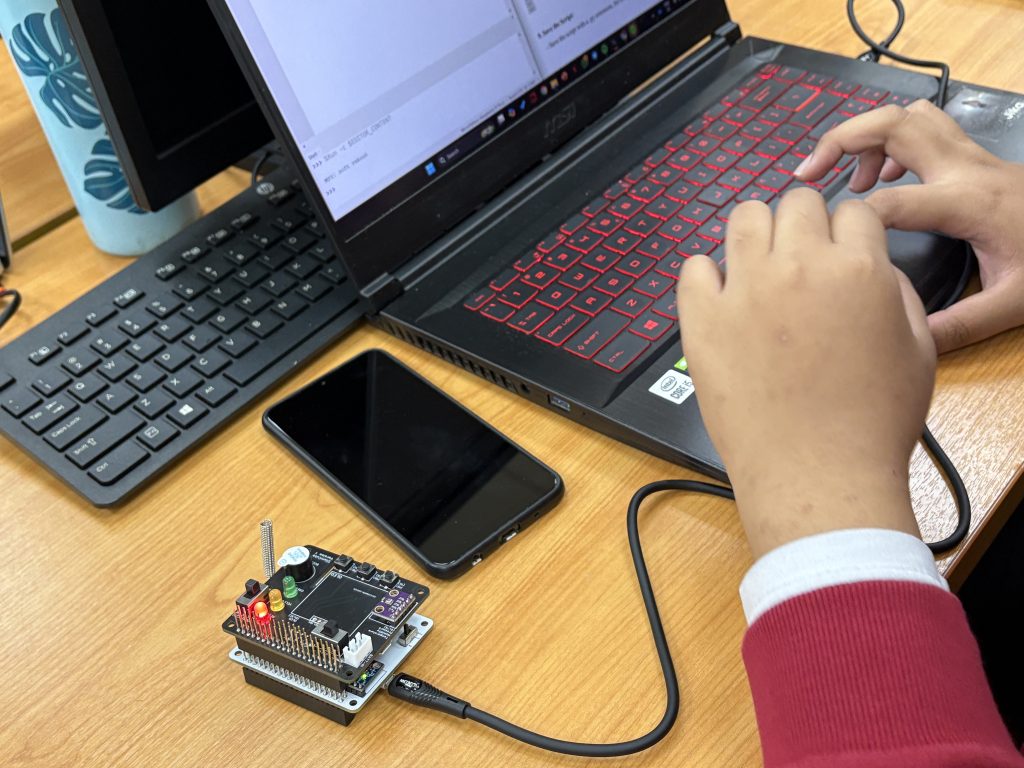
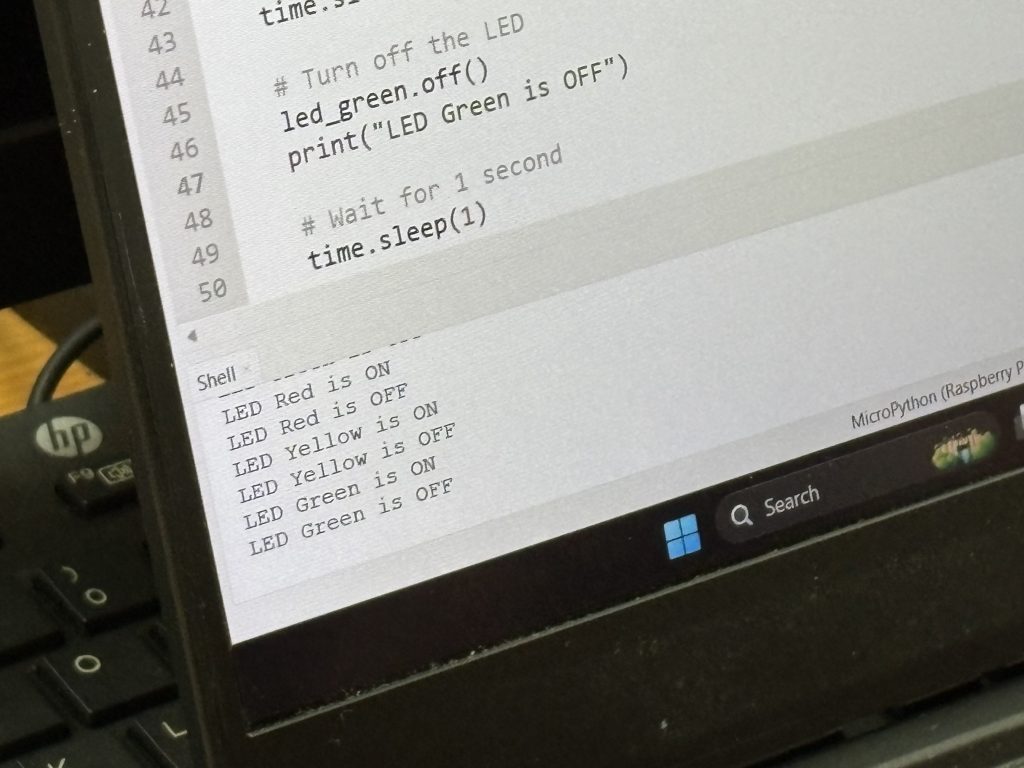
Today’s class introduced students to the versatile capabilities of the Raspberry Pi 4 as a single-board computer (SBC). The activities were structured in two sessions to progressively explore its features, bridging concepts from physical computing to data management. Session 1: Getting Started with GPIOs and Programming Tools The session began with an overview of the … Continue reading “BTE1522 DRE2213 – Week 8 Rasp Pi – GPIOs, Sensors, and Data Management”
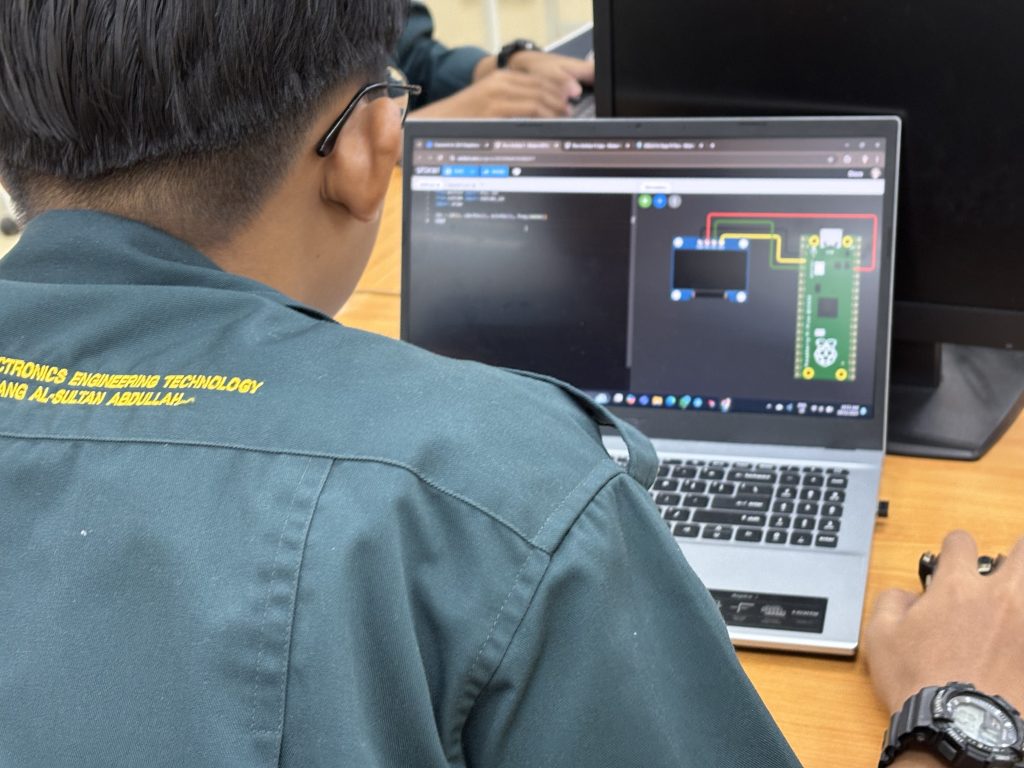
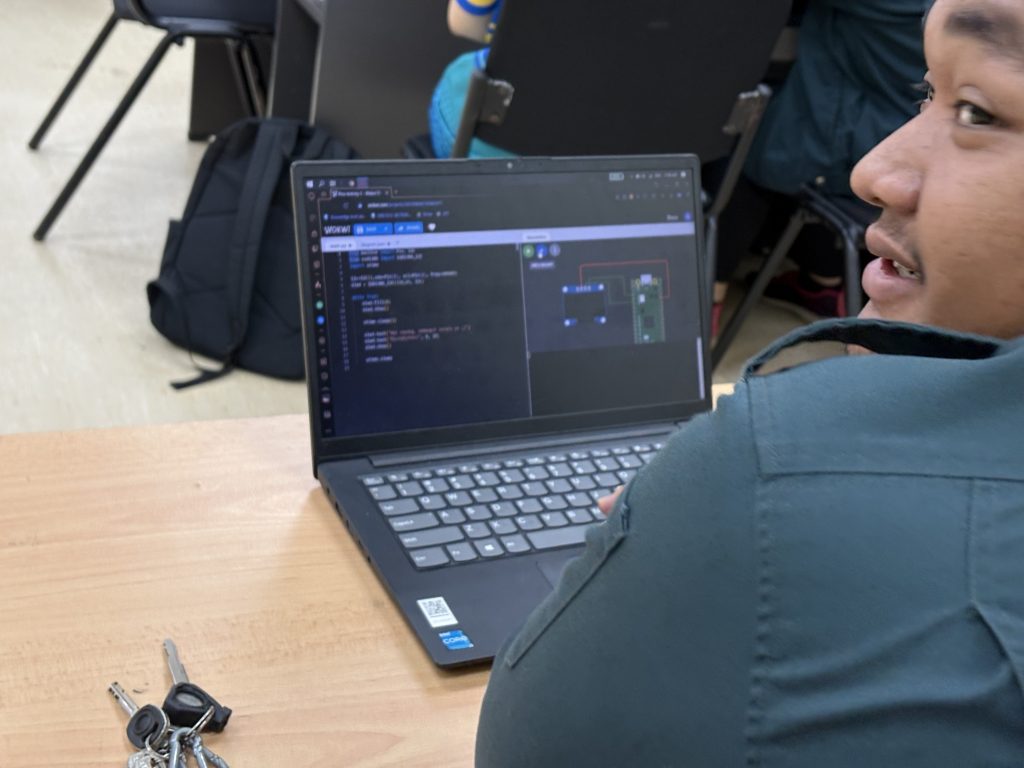
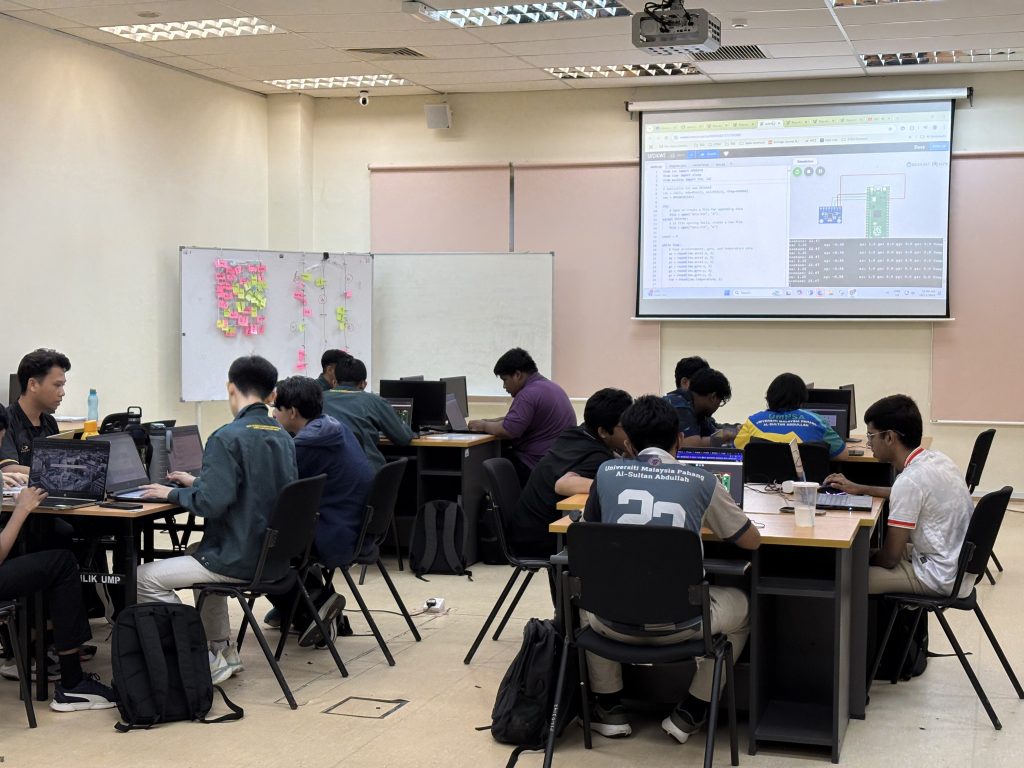
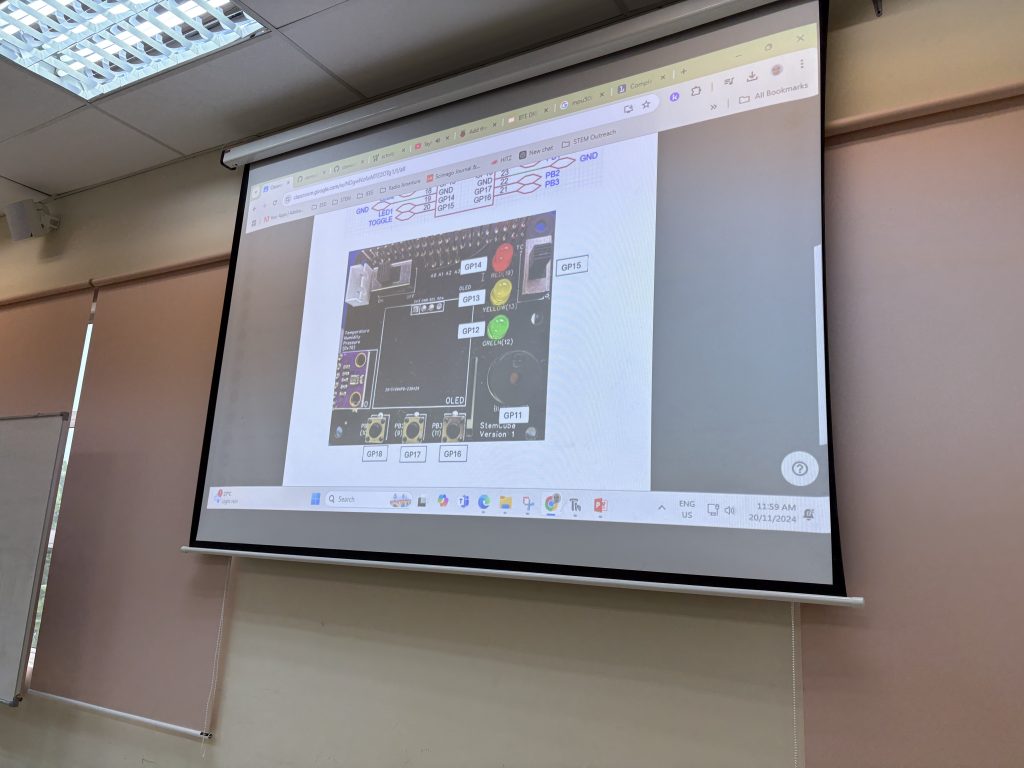
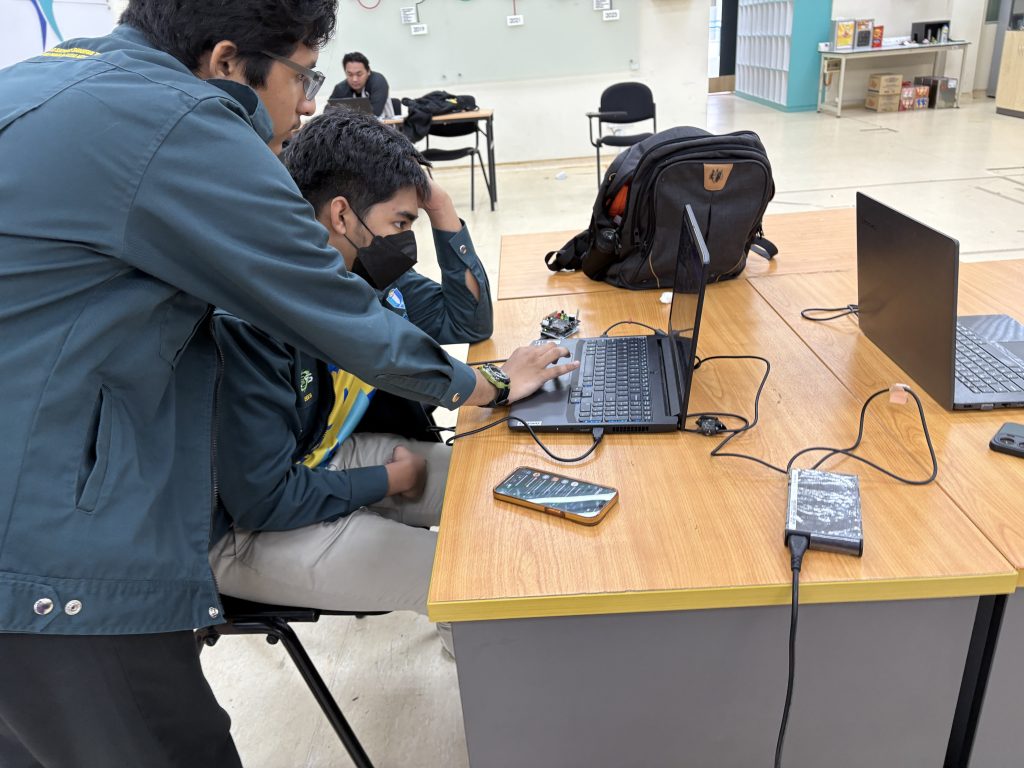
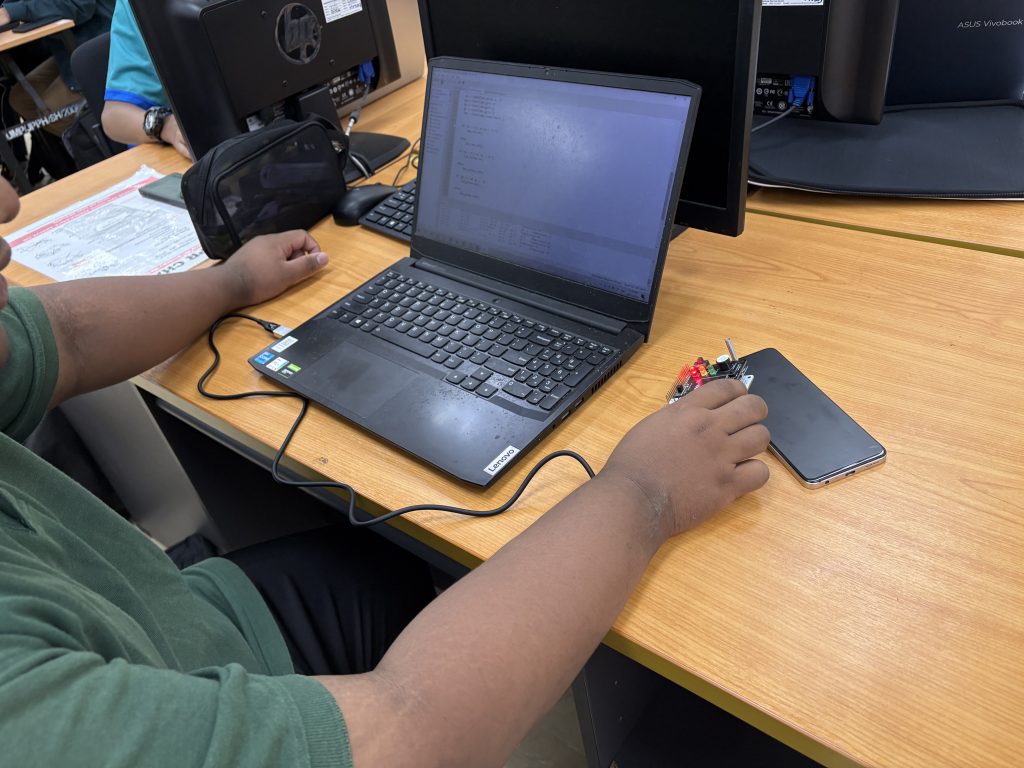
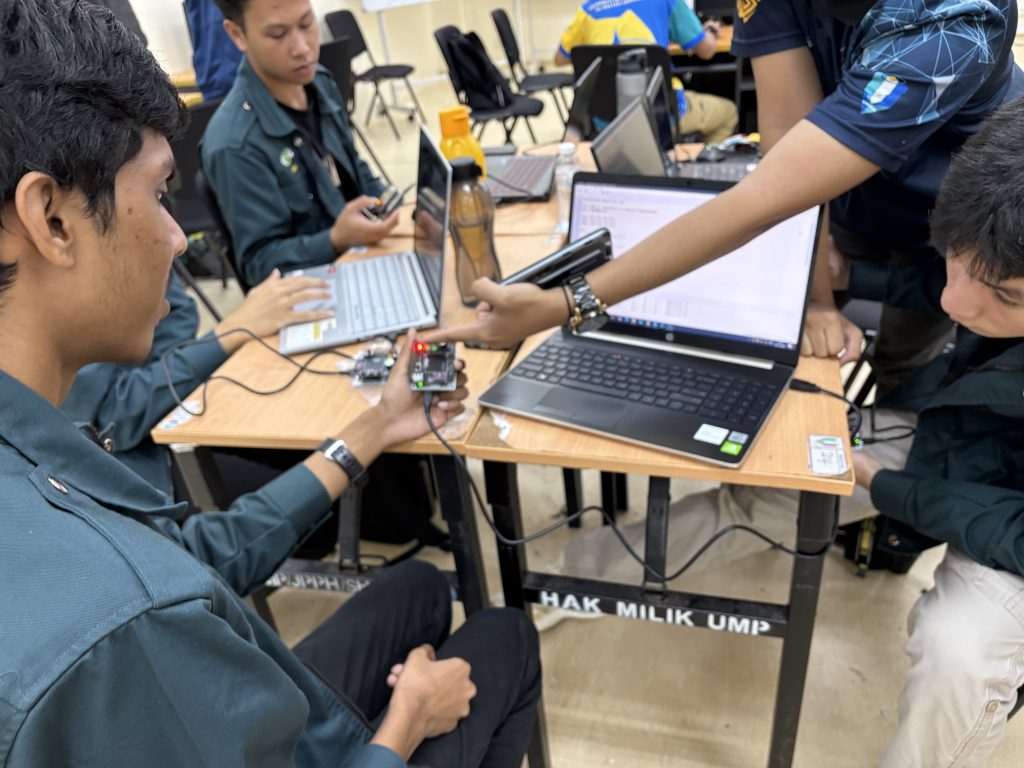
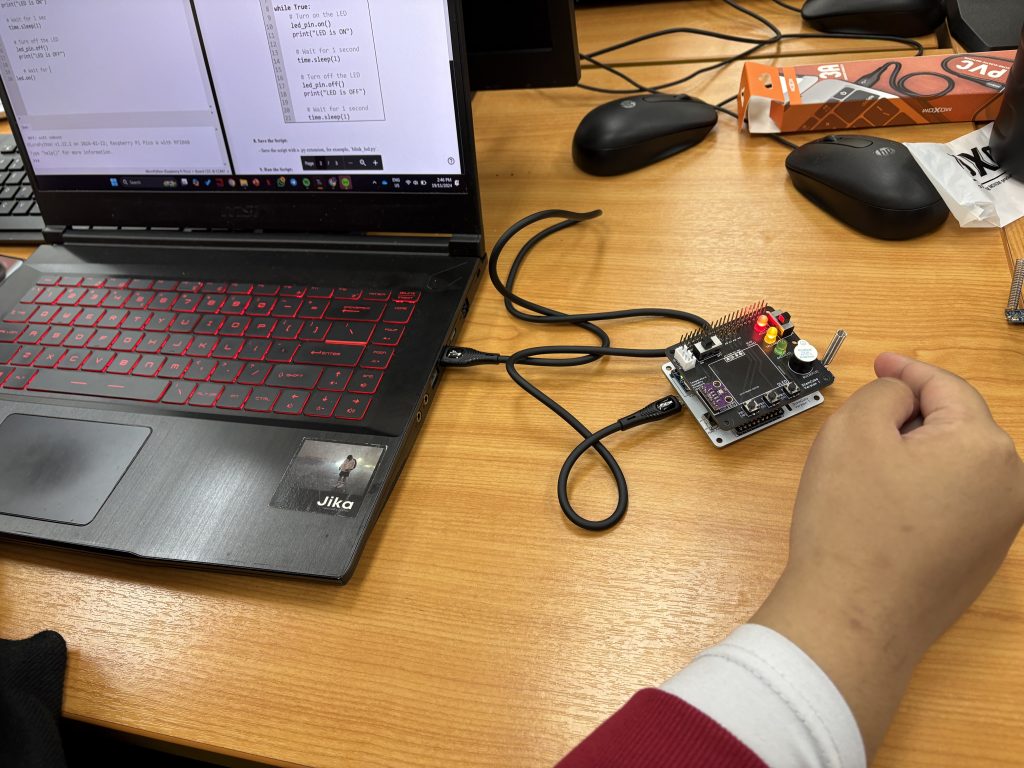
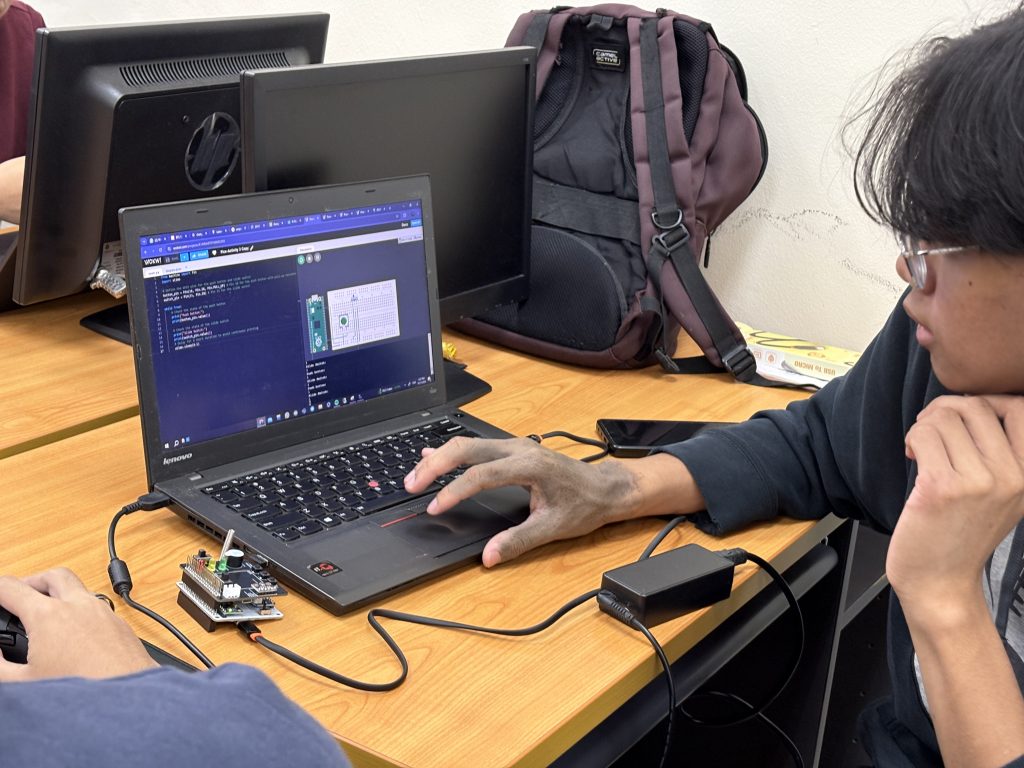
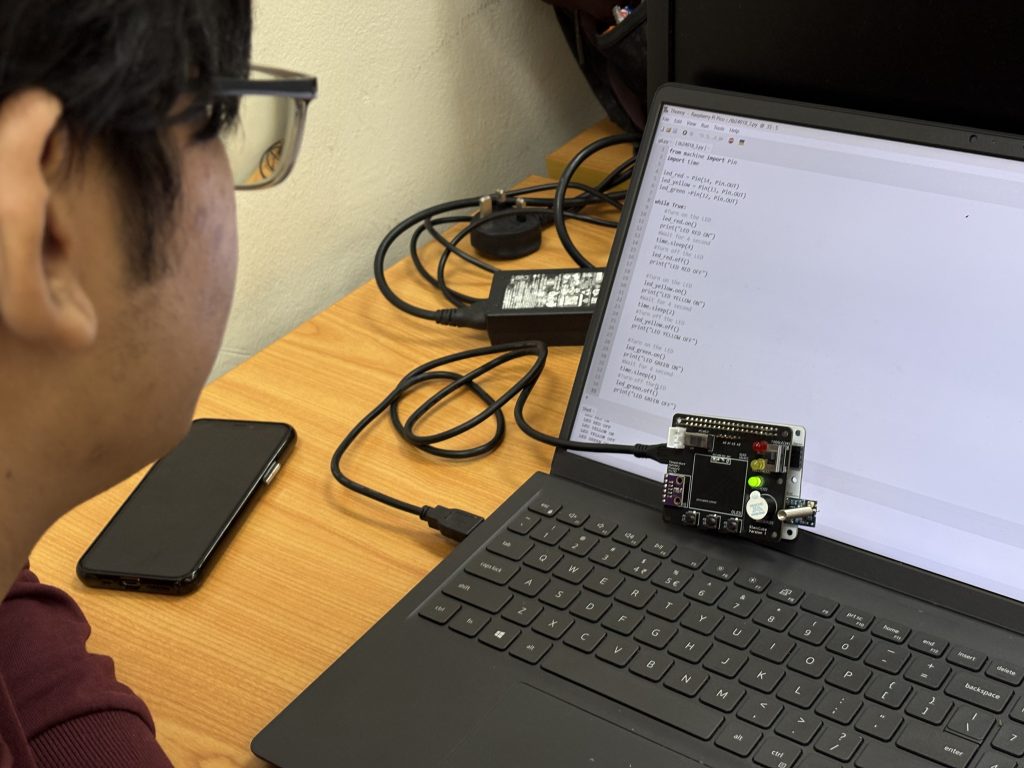
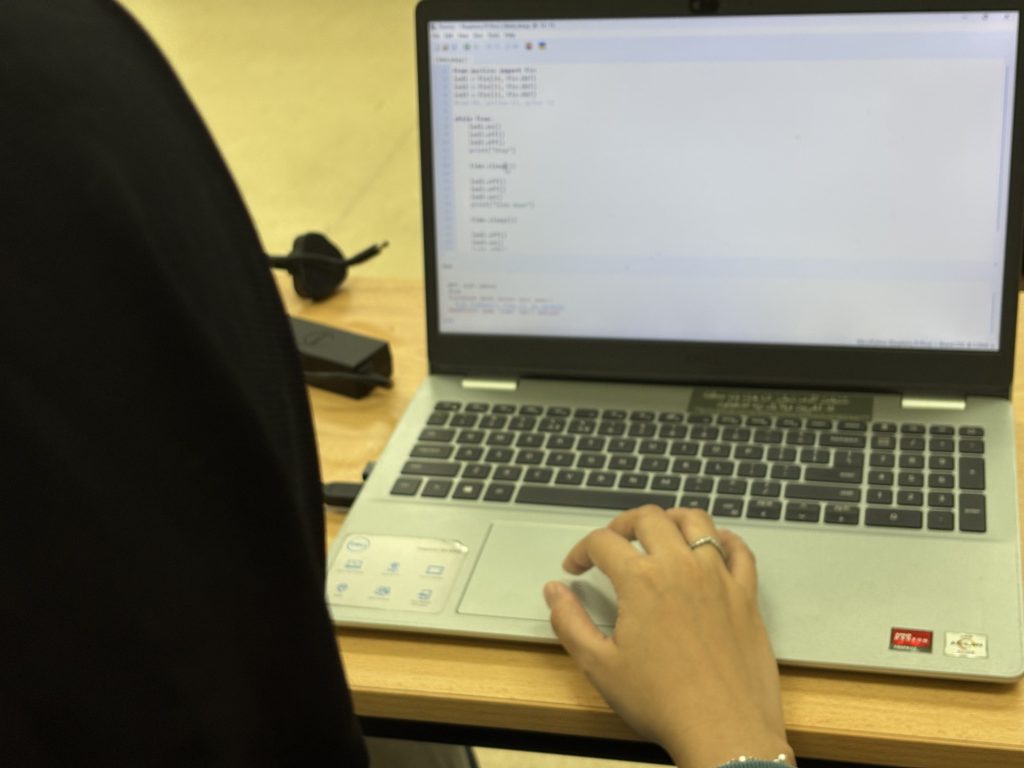
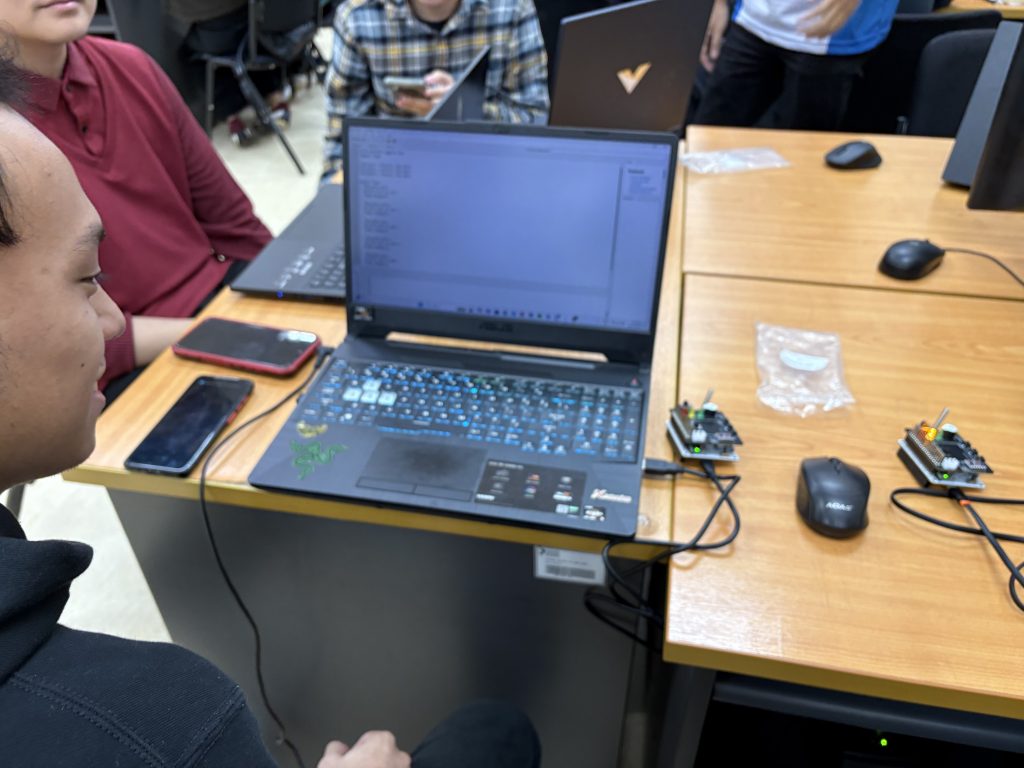
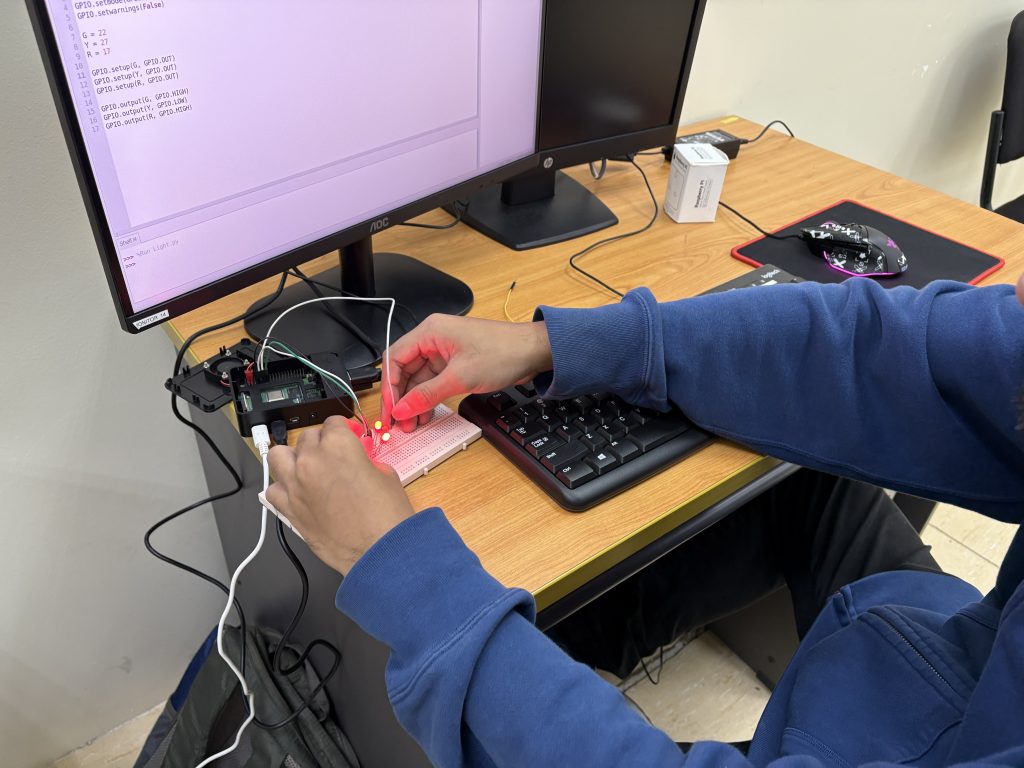
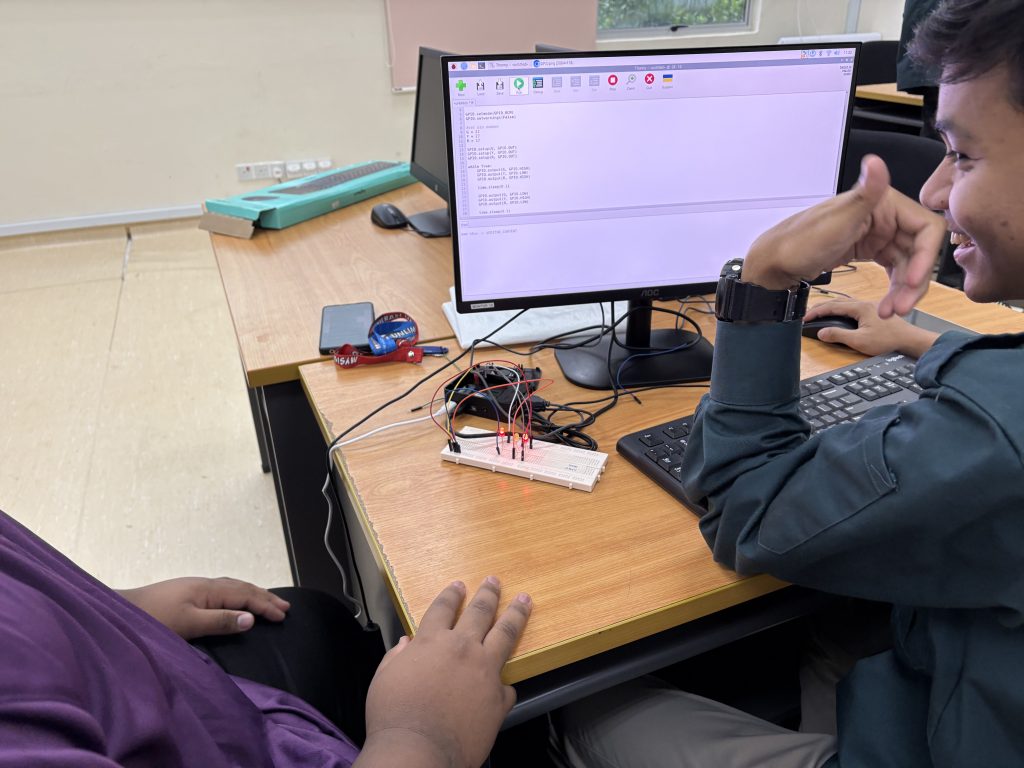
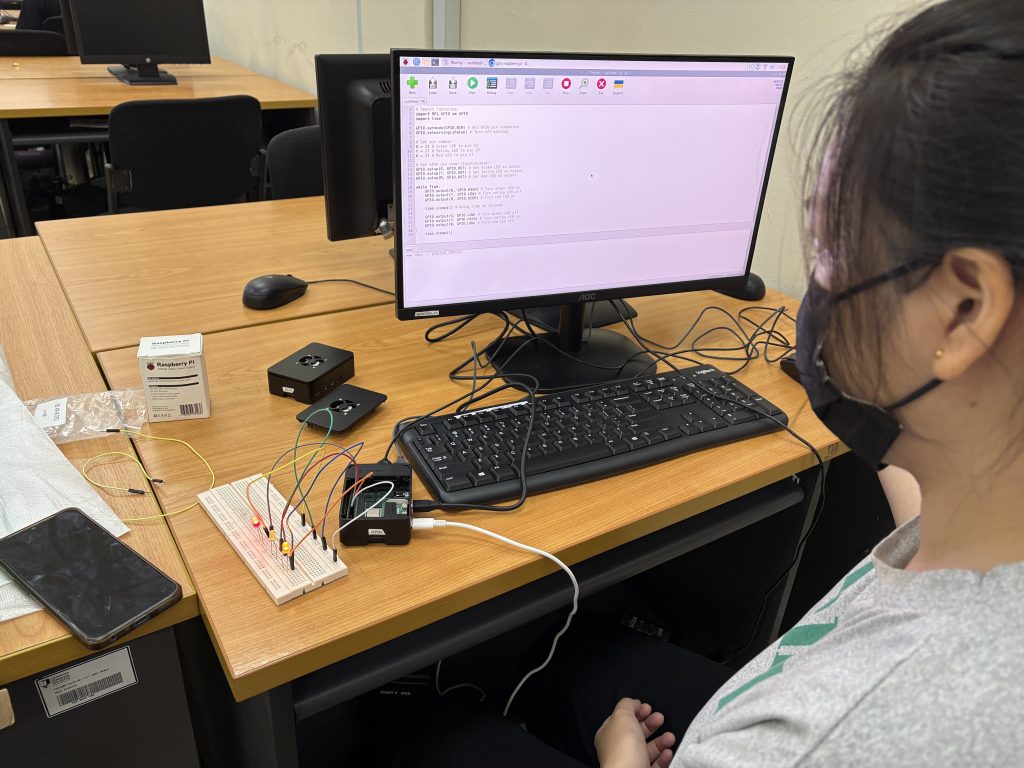
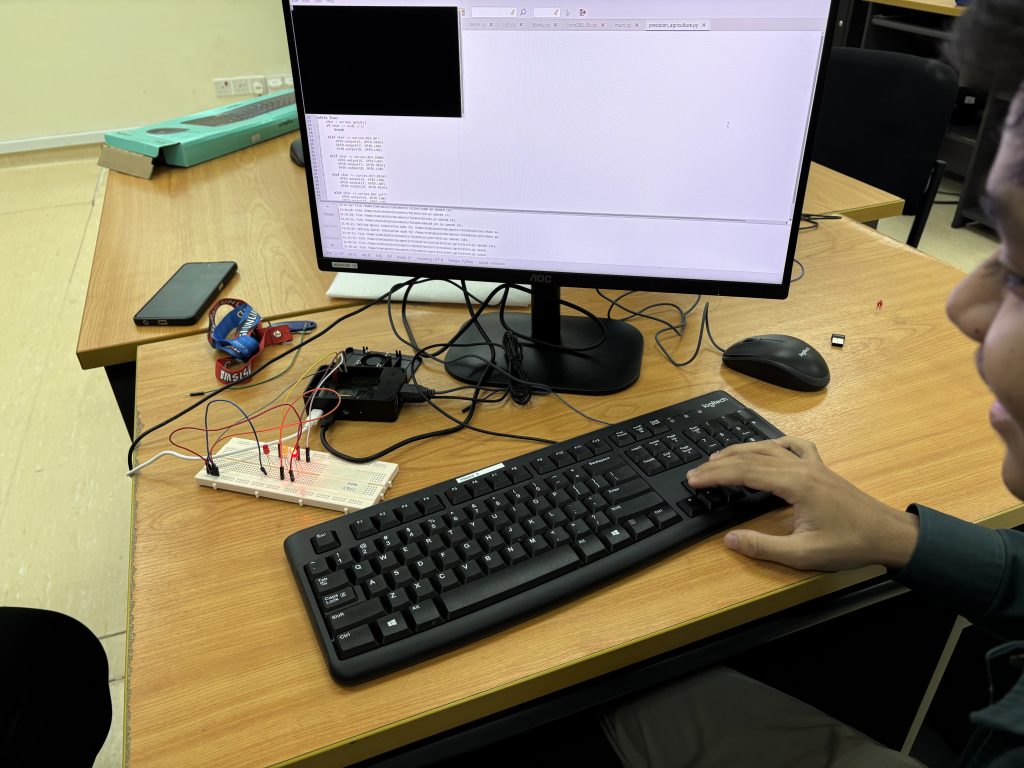
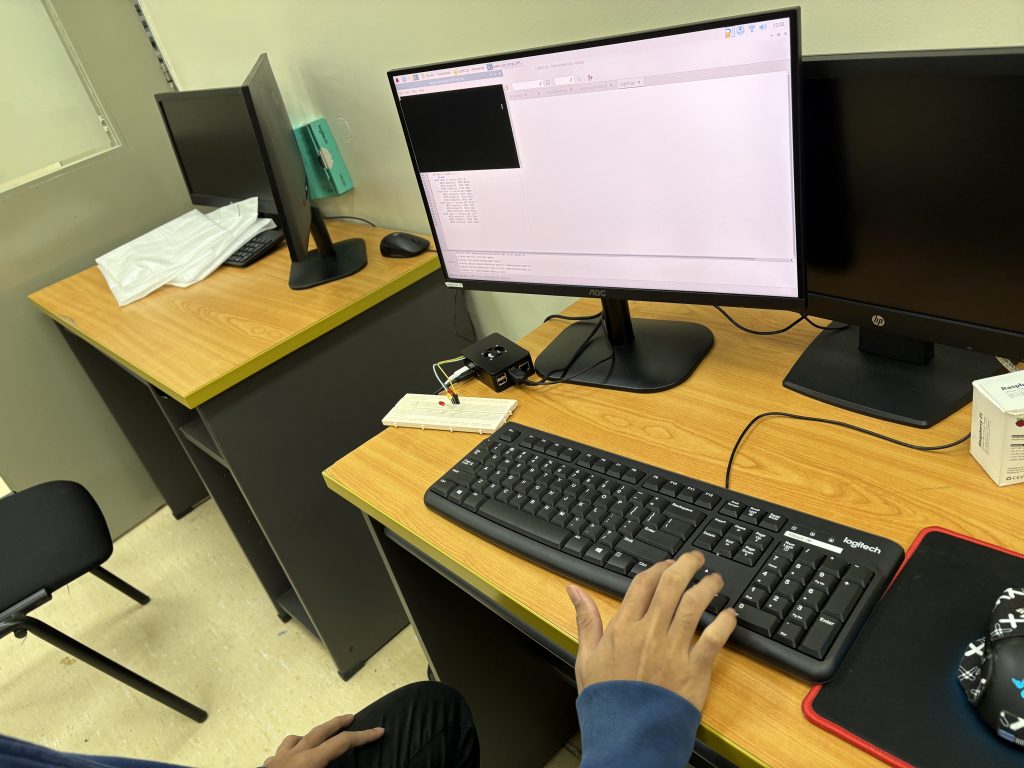
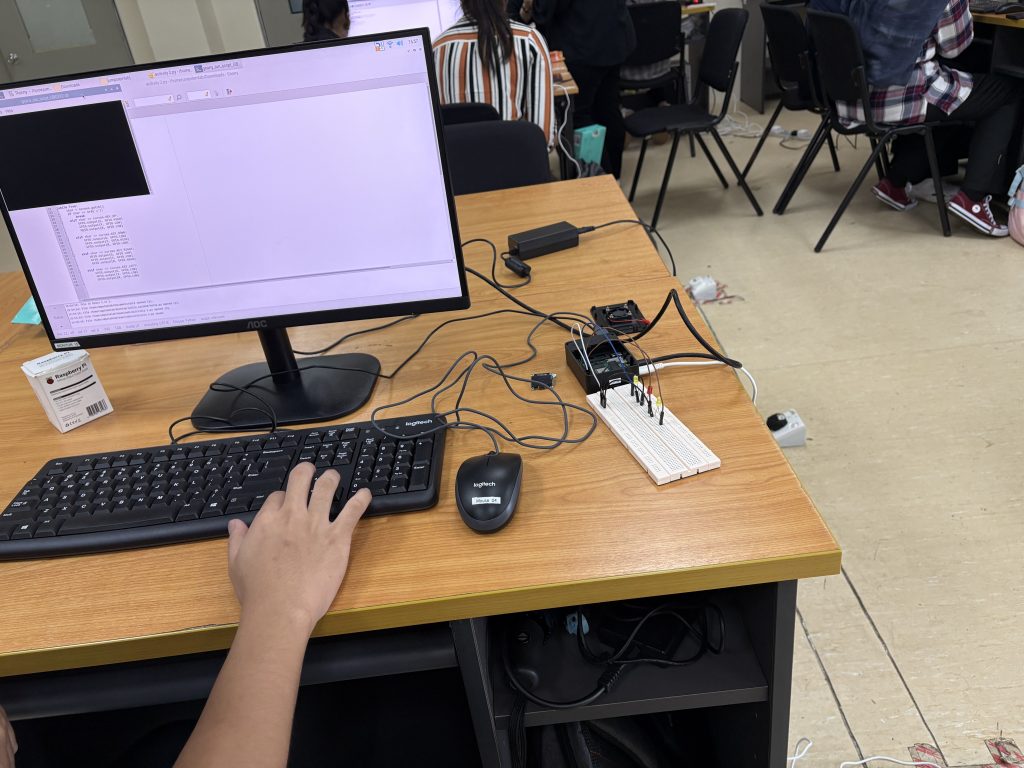
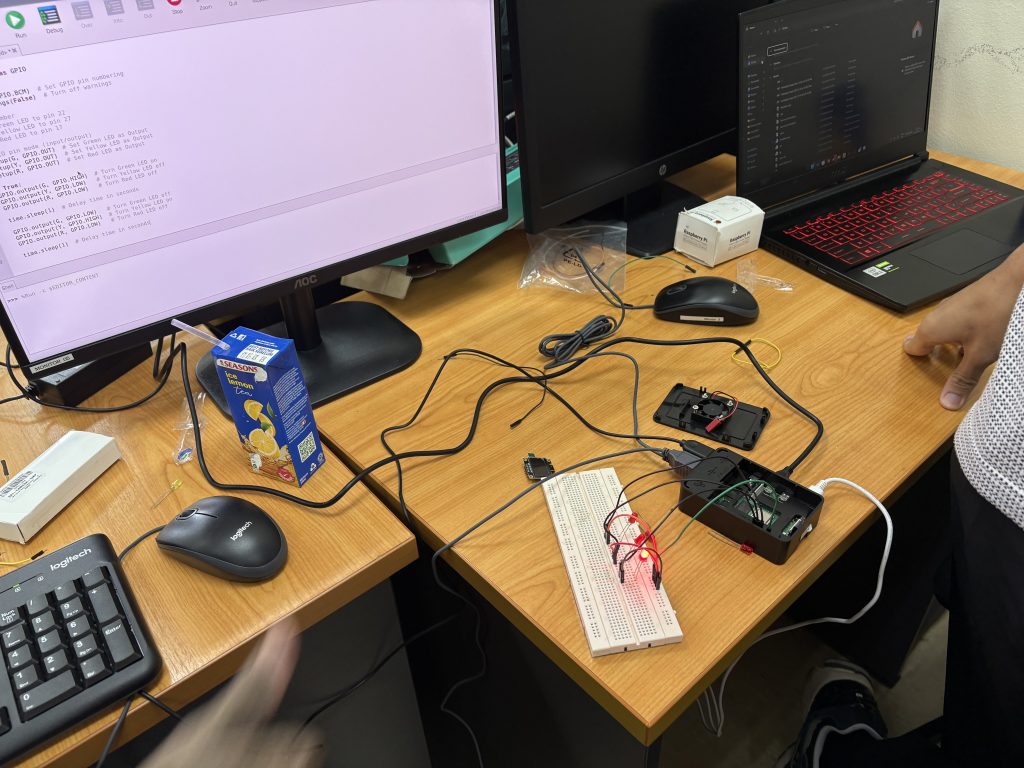
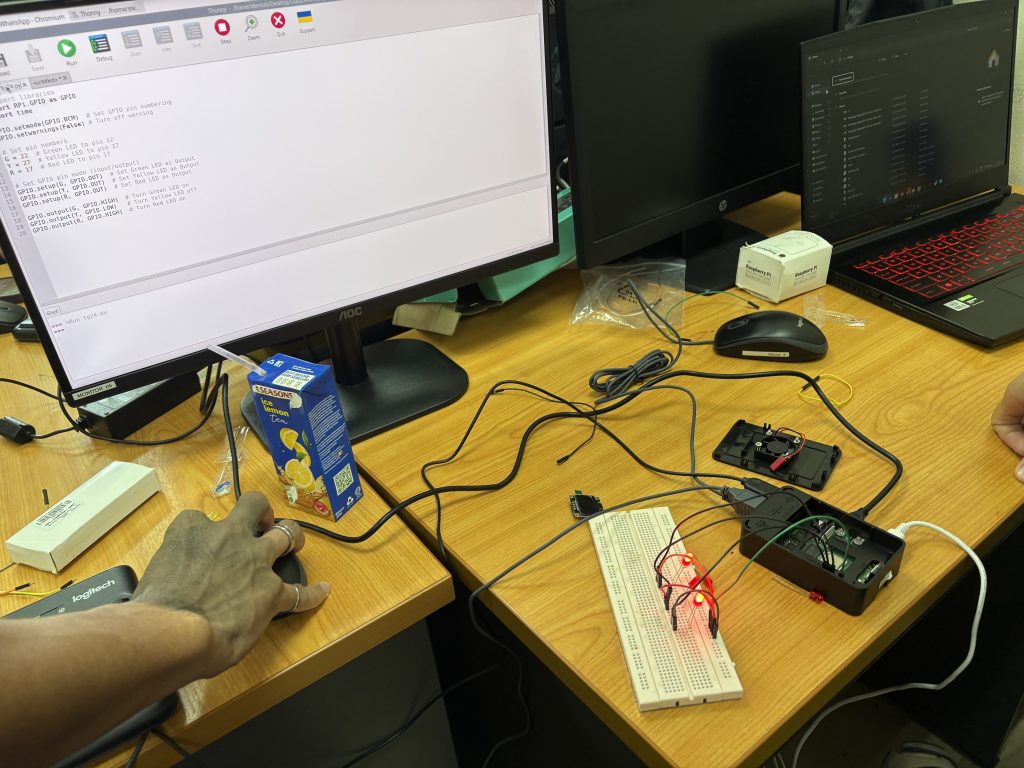
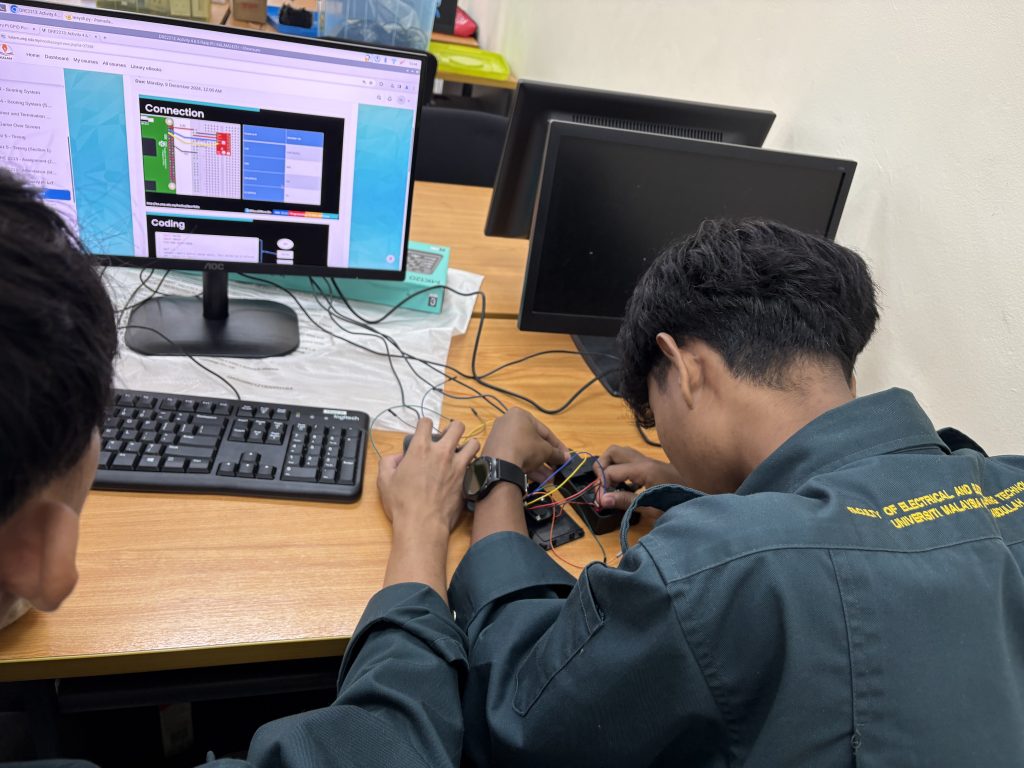
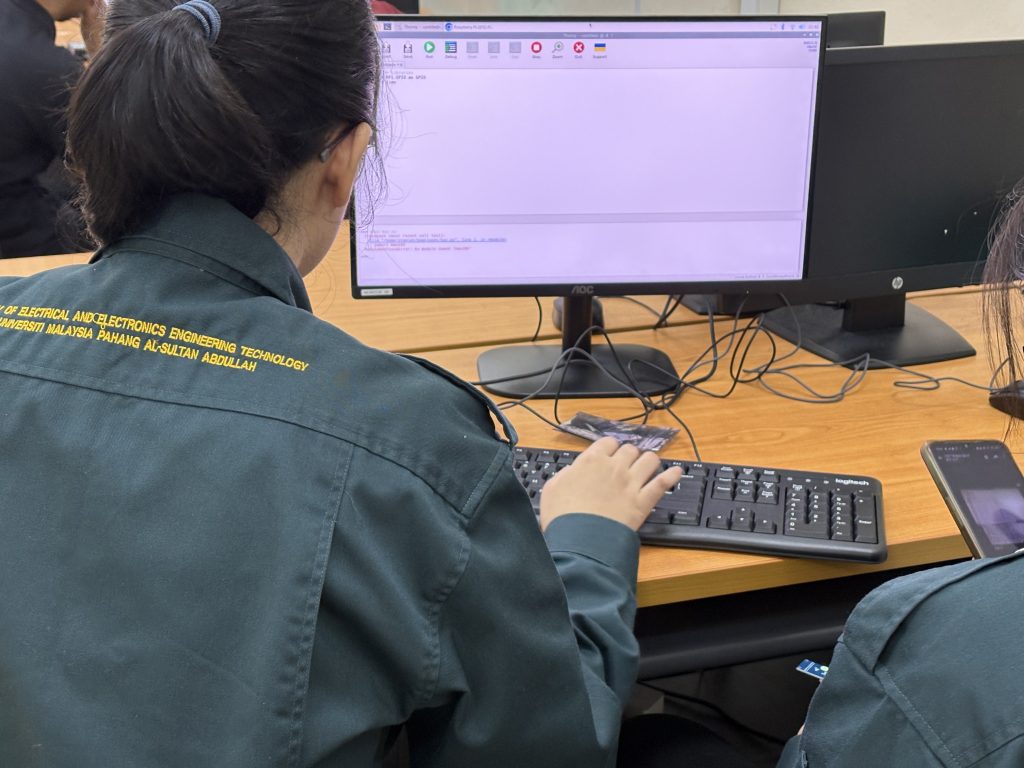
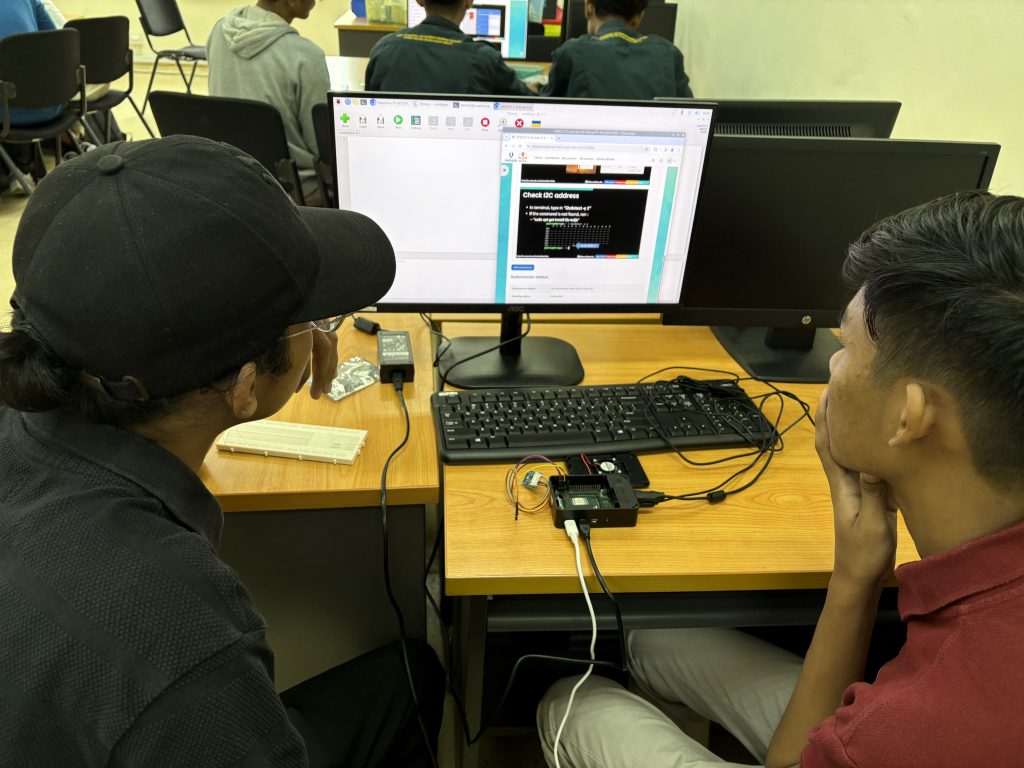
Today’s class introduced students to the versatile capabilities of the Raspberry Pi 4 as a single-board computer (SBC). The activities were structured in two sessions to progressively explore its features, bridging concepts from physical computing to data management.
Session 1: Getting Started with GPIOs and Programming Tools
The session began with an overview of the Raspberry Pi 4, highlighting the differences between an SBC and a microcontroller. While microcontrollers like the Raspberry Pi Pico are designed for running simple, specific tasks, SBCs like the Raspberry Pi 4 function as compact computers capable of multitasking, running a full Linux operating system, and supporting a wide range of applications.
Students set up their Raspberry Pi 4 devices, delving into the Linux-based desktop environment. They explored built-in programming tools such as Thonny IDE and Geany, experimenting with writing and running Python scripts.
Key activities included:
Session 2: Playing with Sensors and Managing Data
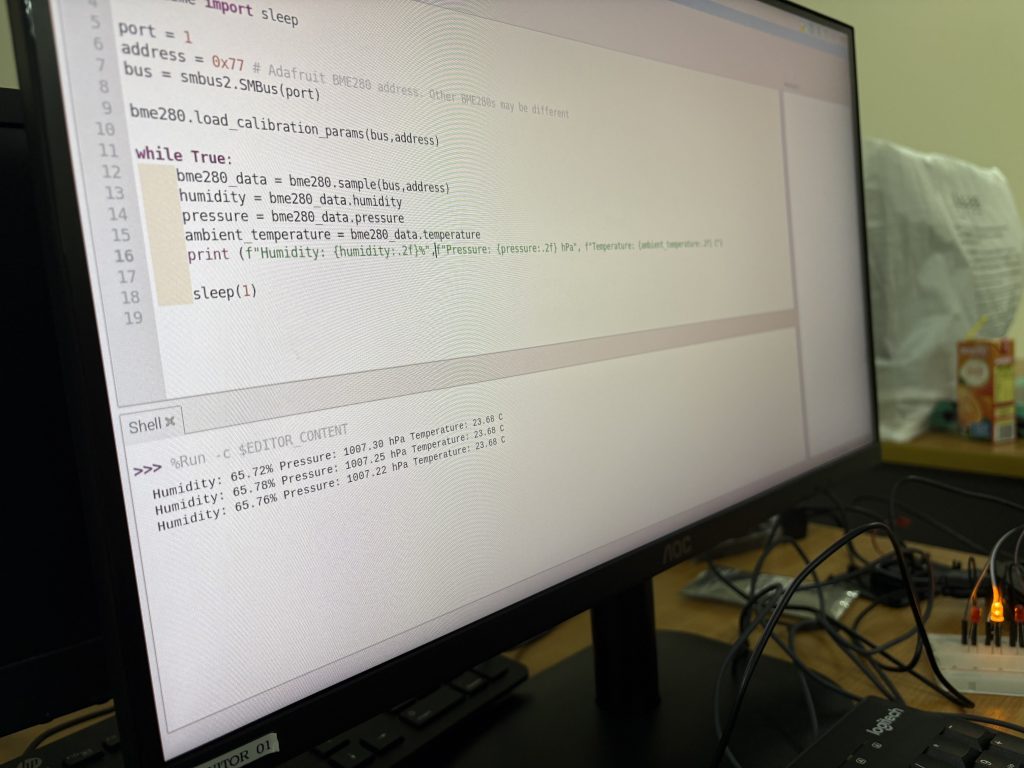
The second session focused on the BME280 sensor, an I2C component capable of measuring temperature, pressure, and humidity. Students connected the sensor to the Raspberry Pi, read data from it, and explored ways to handle this information.
The main objectives included:
Crafting the Learning Journey
This week’s exercises were designed to expose students to the diverse features of the Raspberry Pi 4, an exposure in both hardware and software aspects. By the end of the session, students gained hands-on experience in programming, sensor integration, and data management.
Next week, students will build on these concepts by designing a real-time dashboard using Python, incorporating the skills acquired in today’s class to visualize and interact with data. Stay tuned as we continue our journey into the world of Raspberry Pi and digital making!





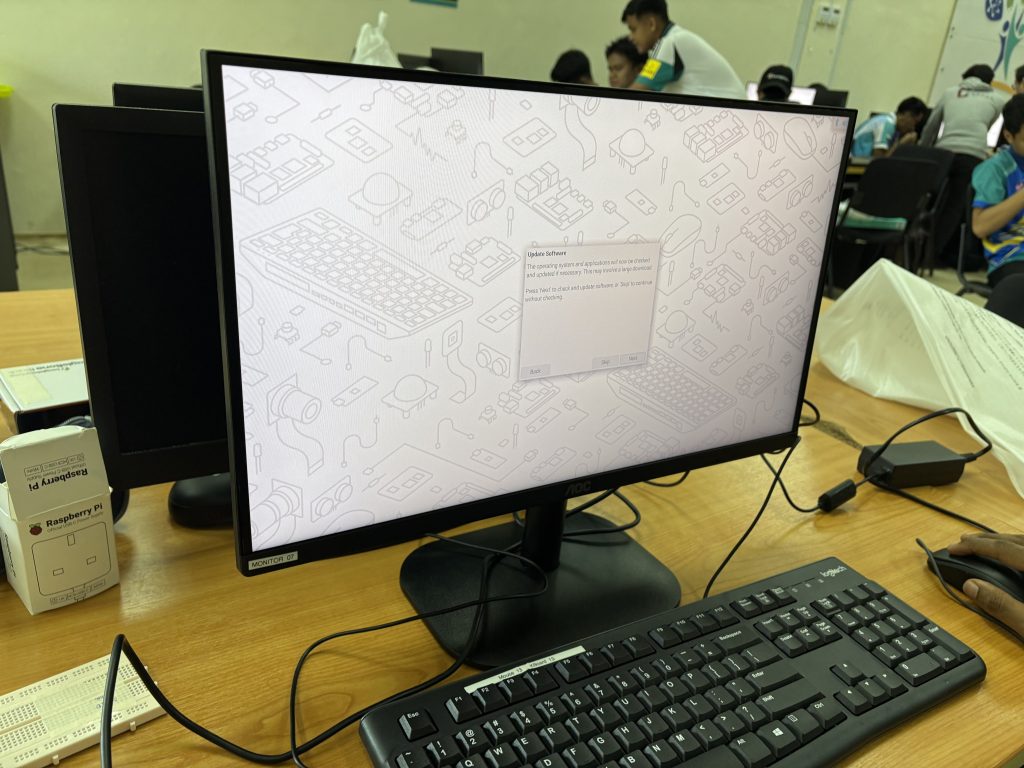


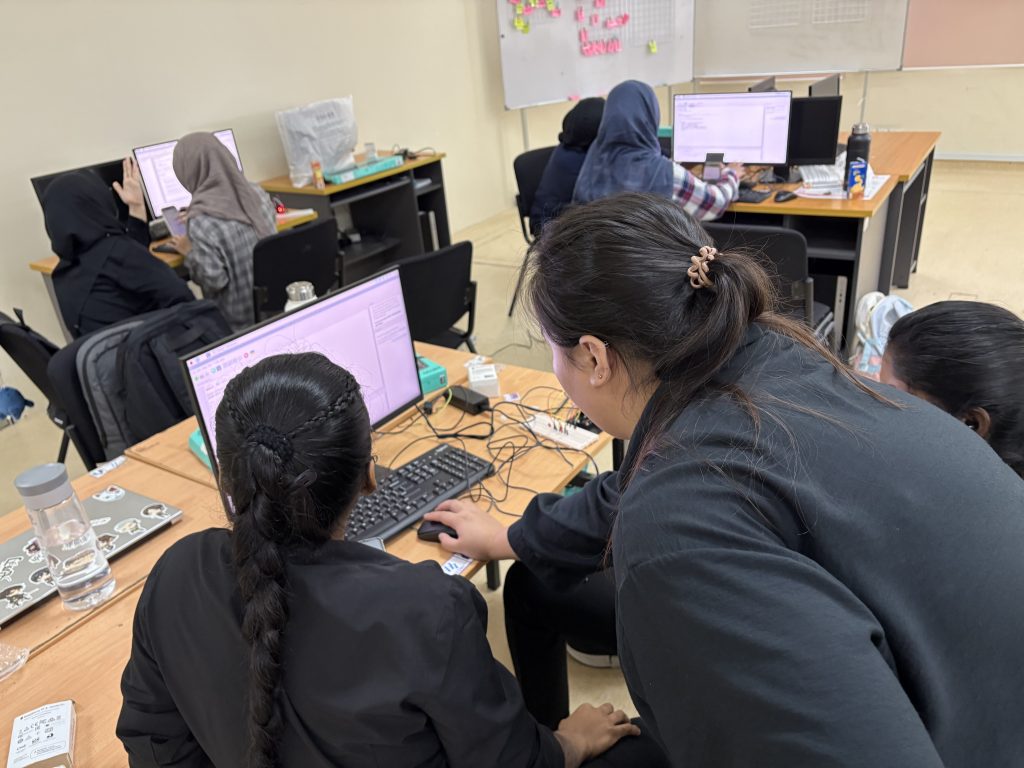
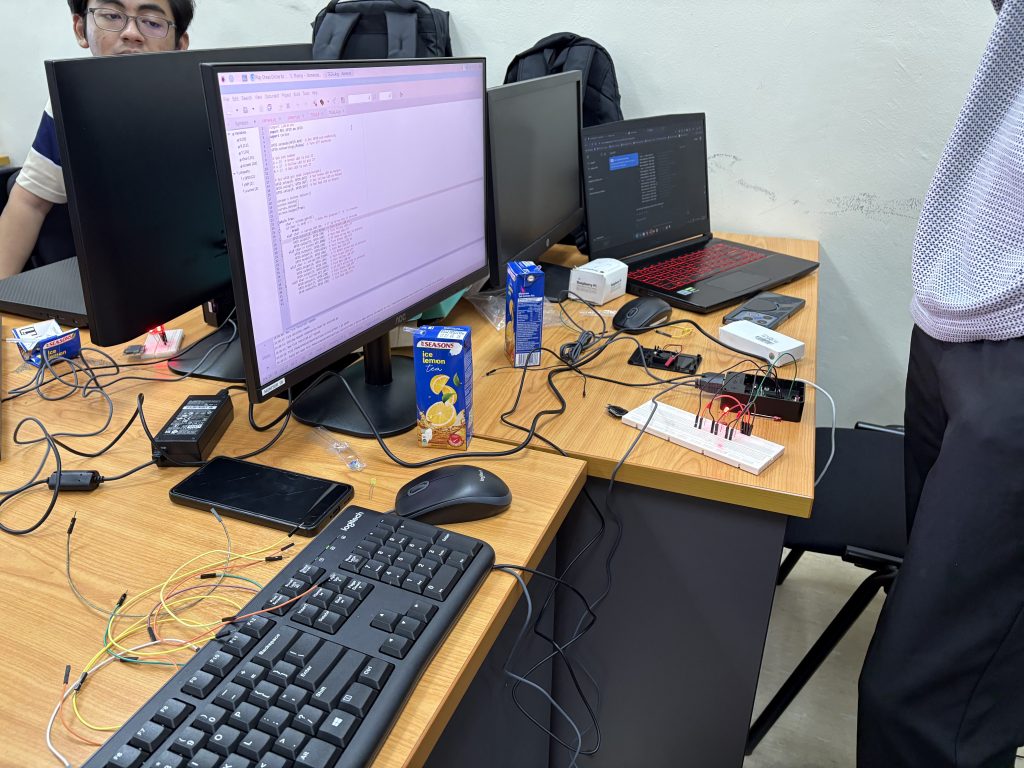
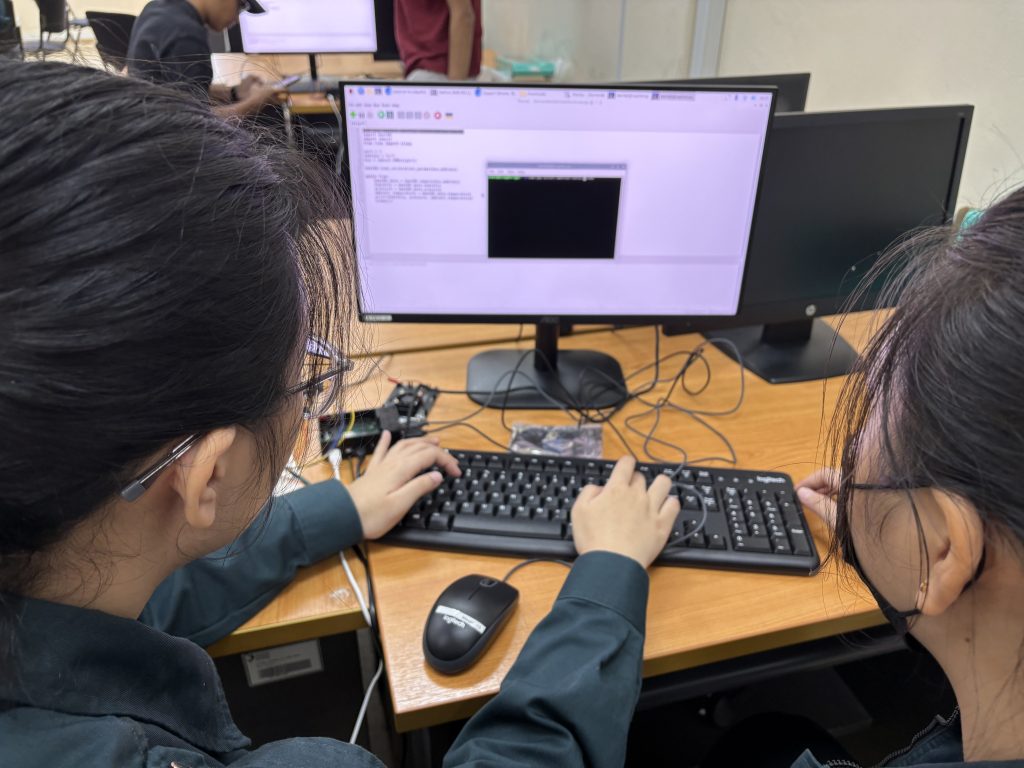














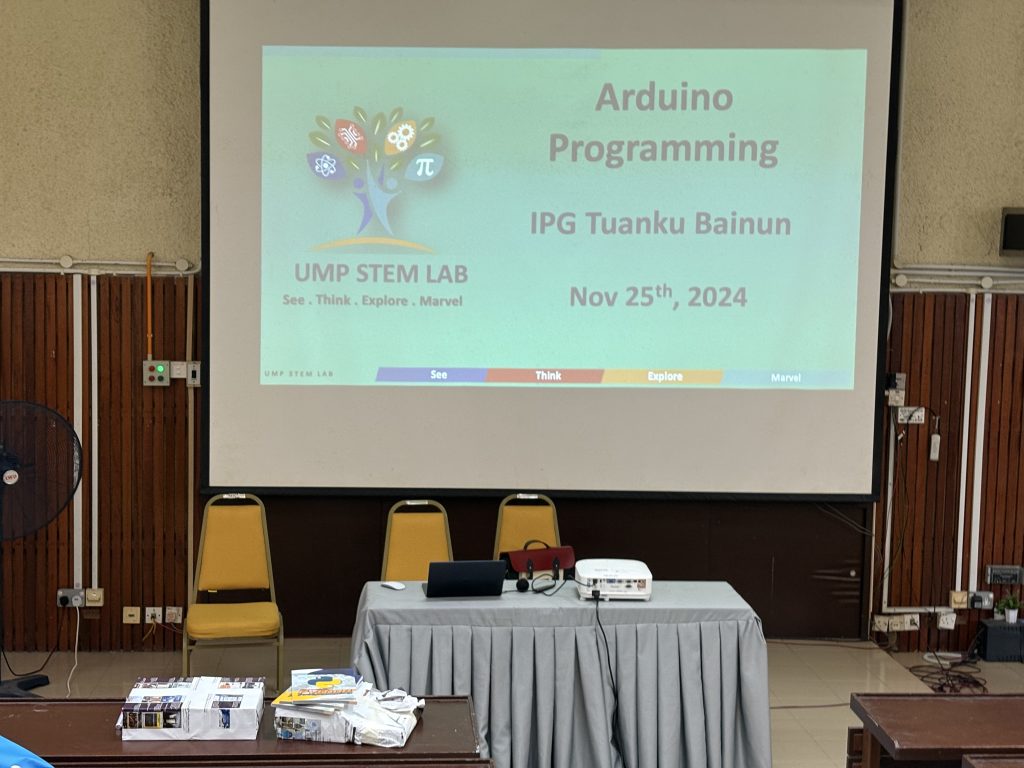
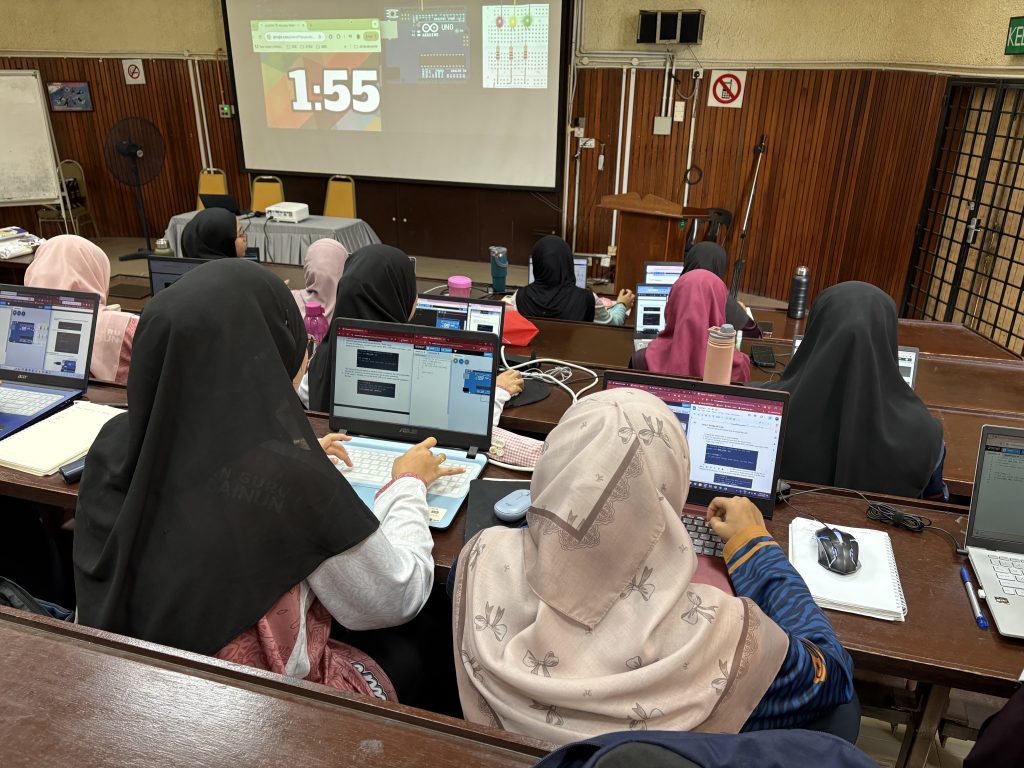
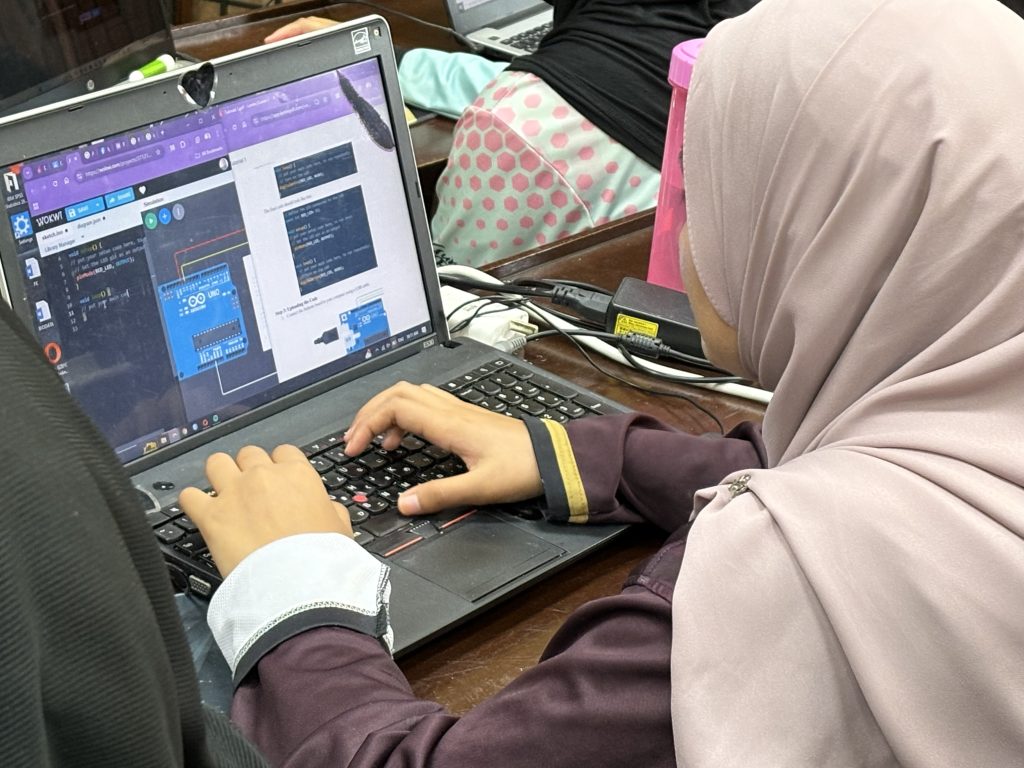
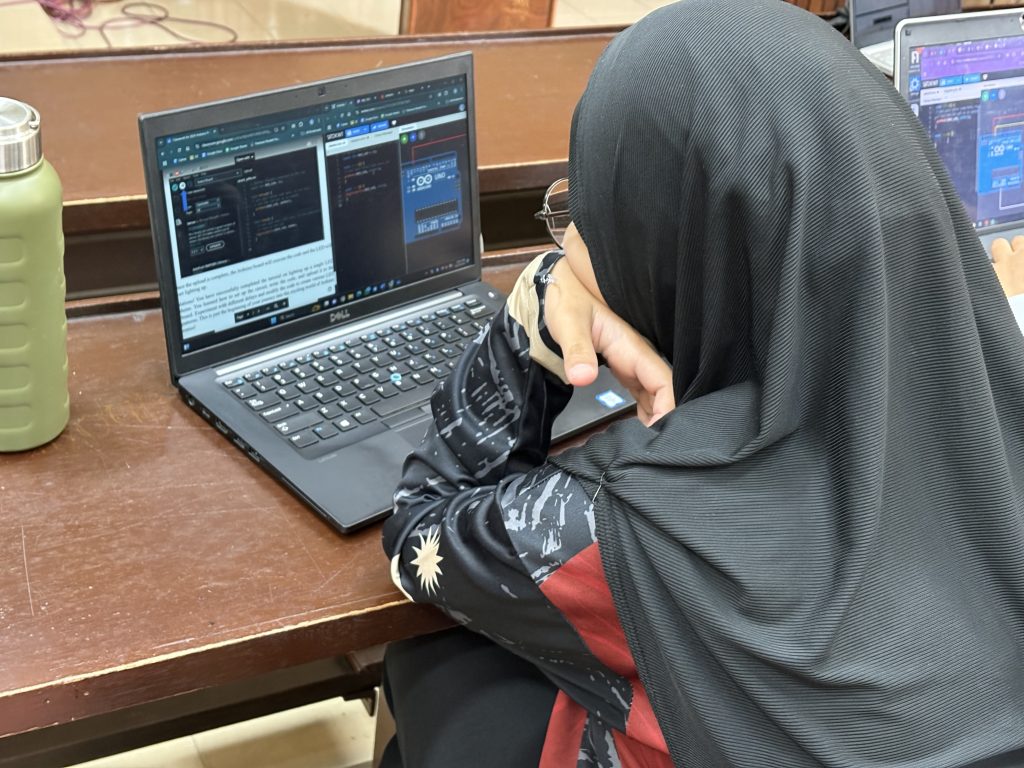
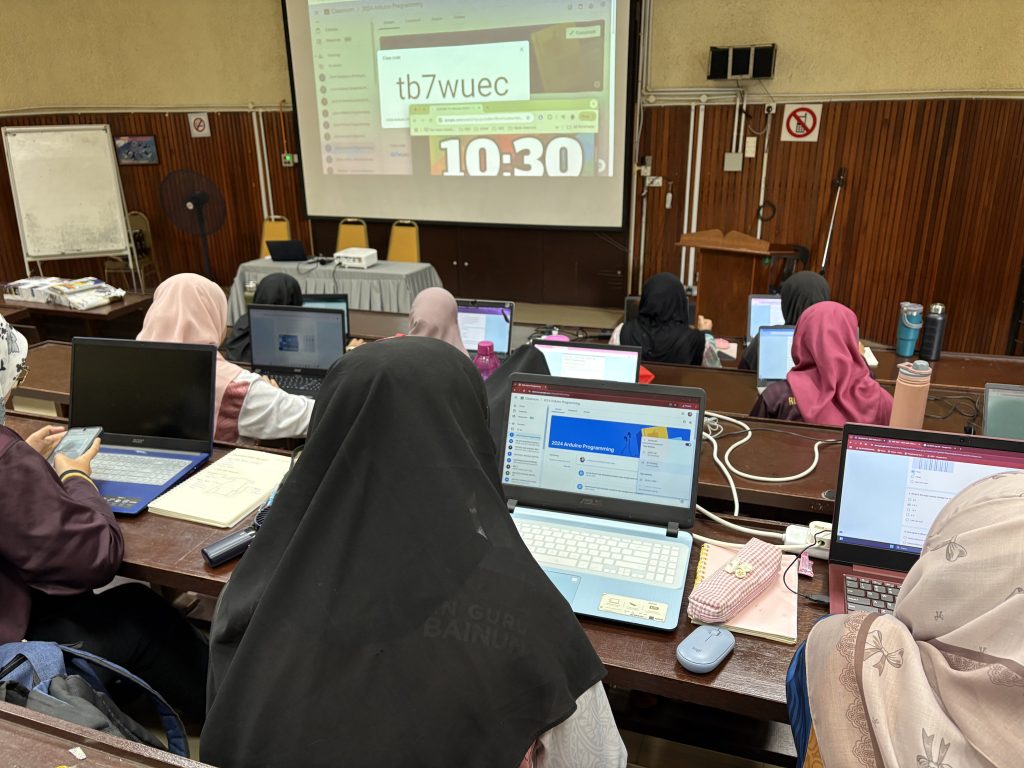
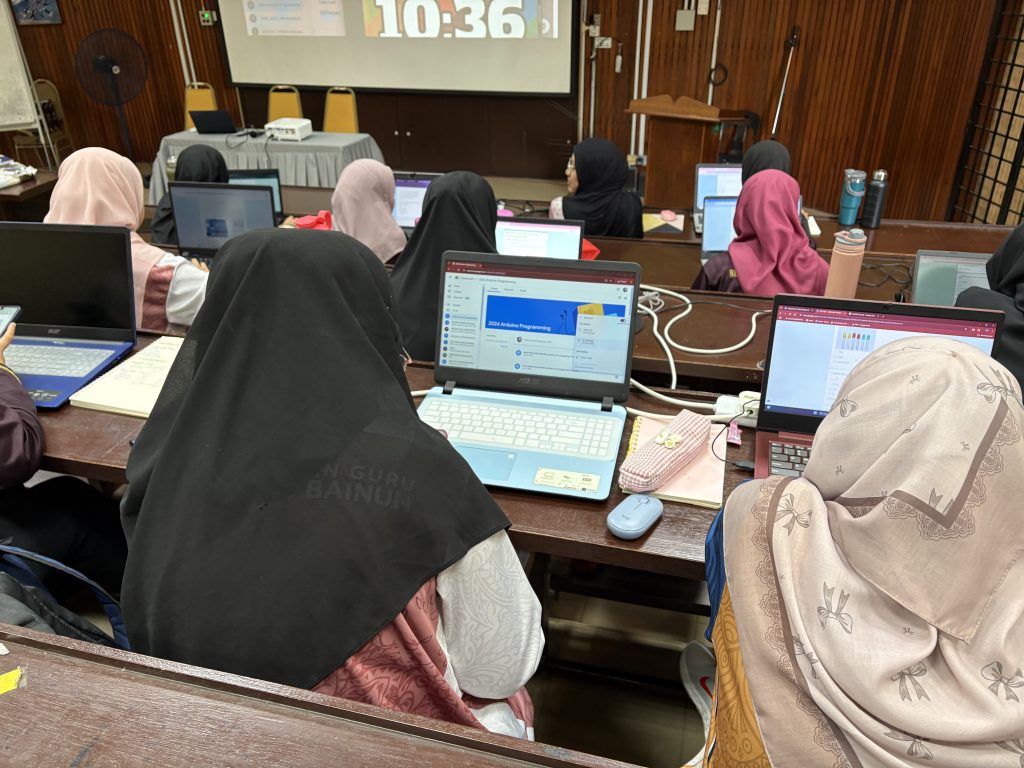
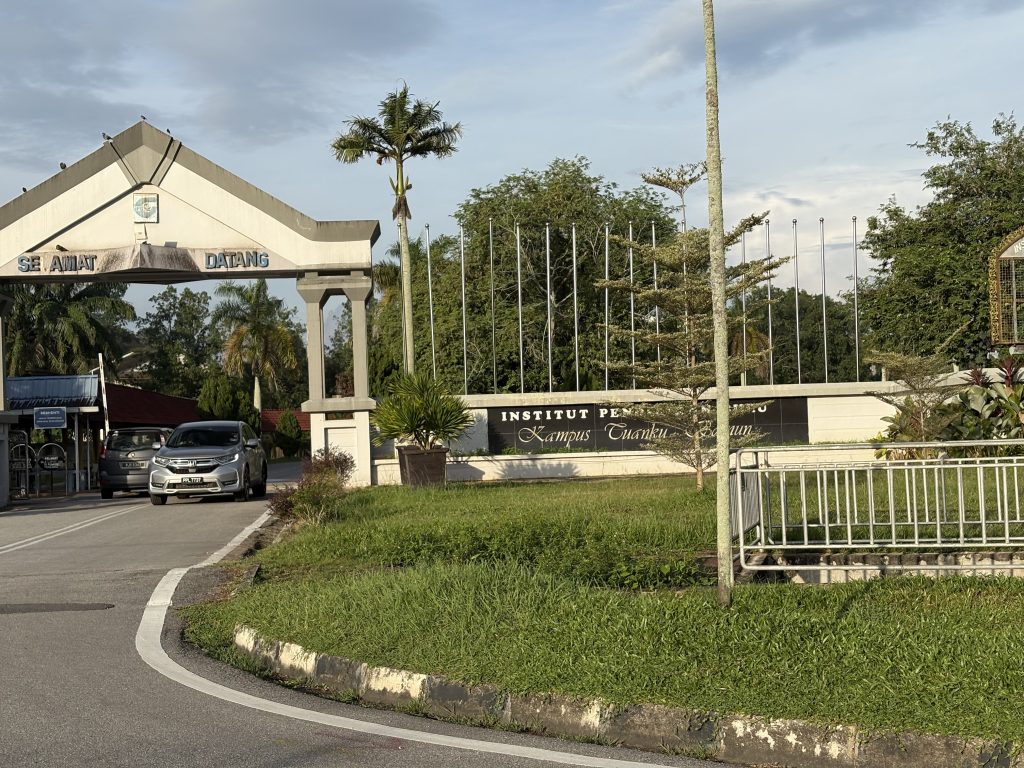
UMPSA STEM Lab Arduino Programming can be found here. Throughout the course, 35 participants were introduced to the concepts of programming loops, conditional statements, and sequential execution. Activities include controlling multiple LEDs, understanding the concept of digital output, using a photoresistor to expand their understanding of sensor interfacing, integrating analog sensors with Arduino and controlling … Continue reading “Arduino Programming 2024/11 – IPG Tuanku Bainun”
UMPSA STEM Lab Arduino Programming can be found here.
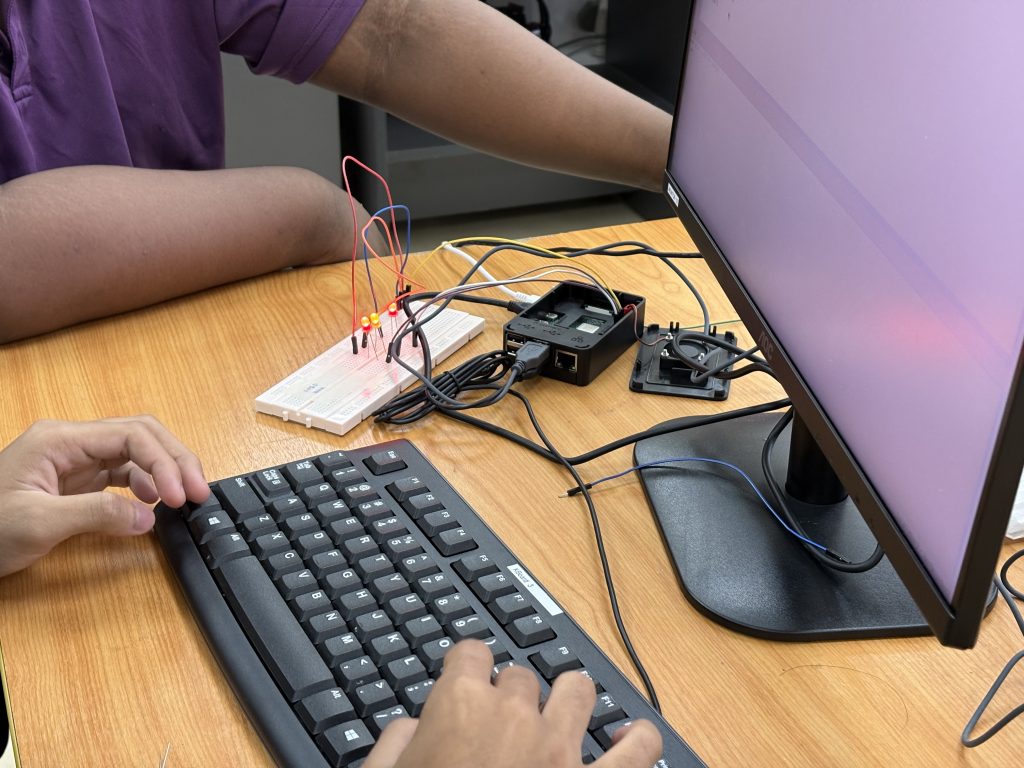
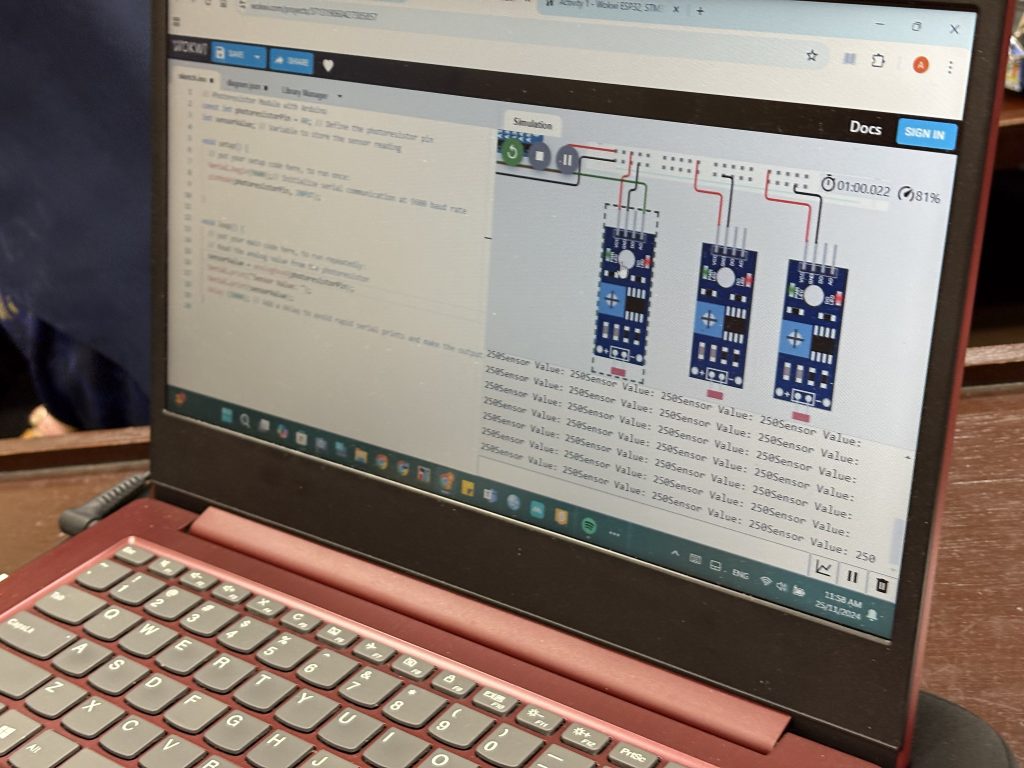
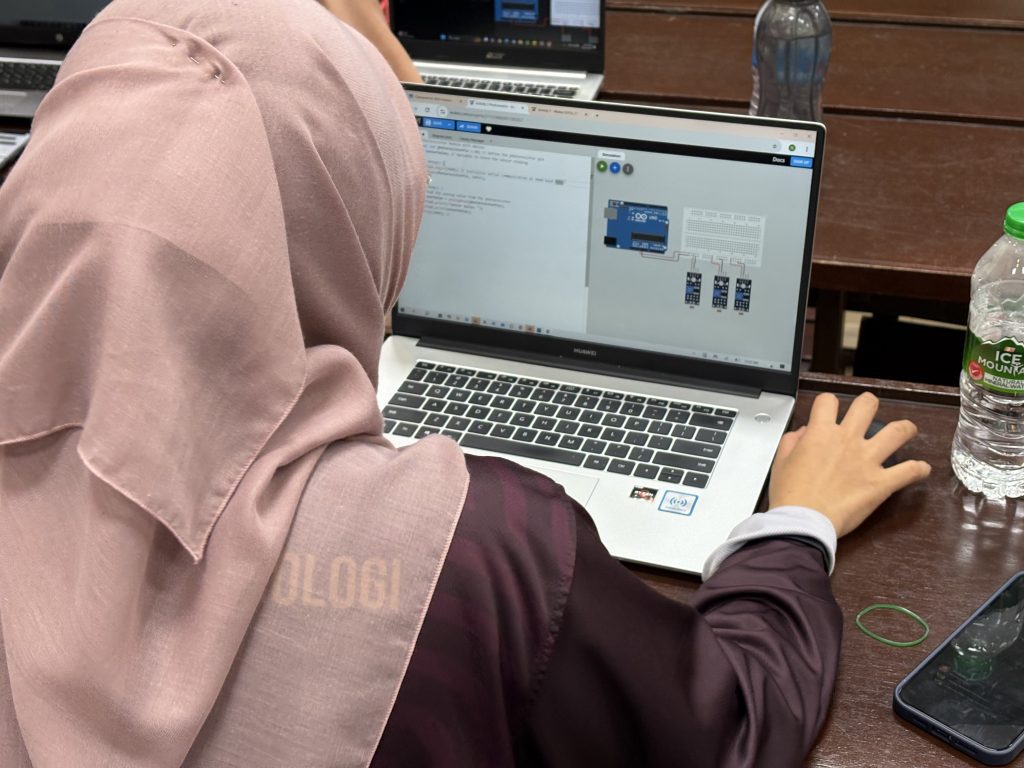
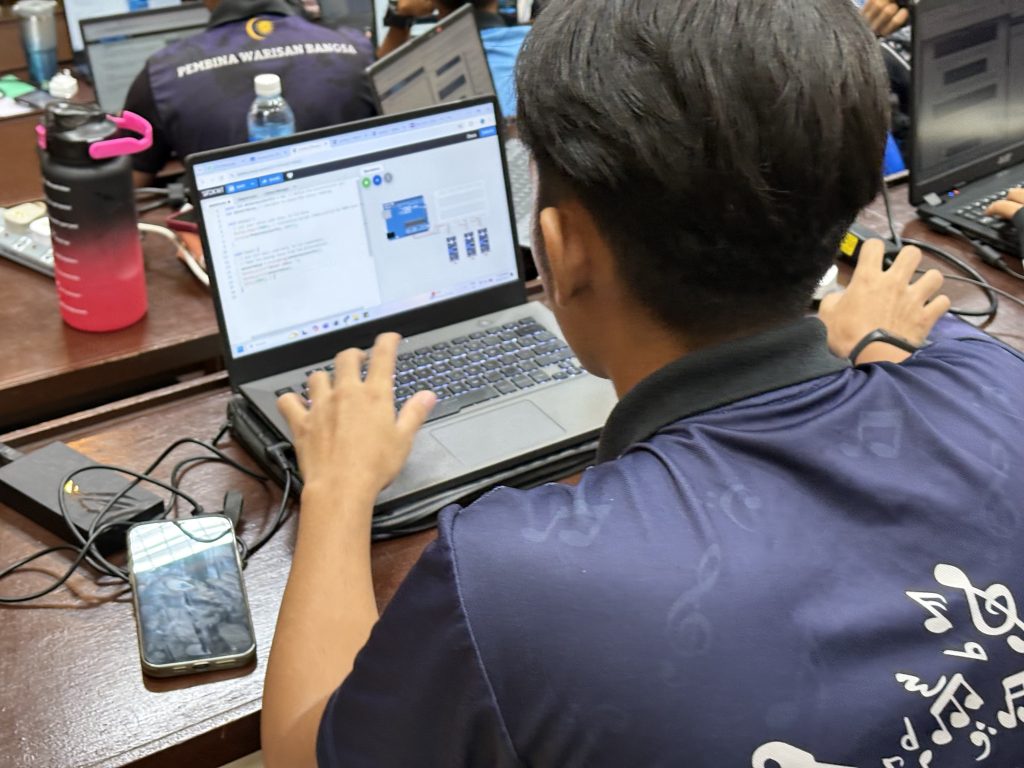
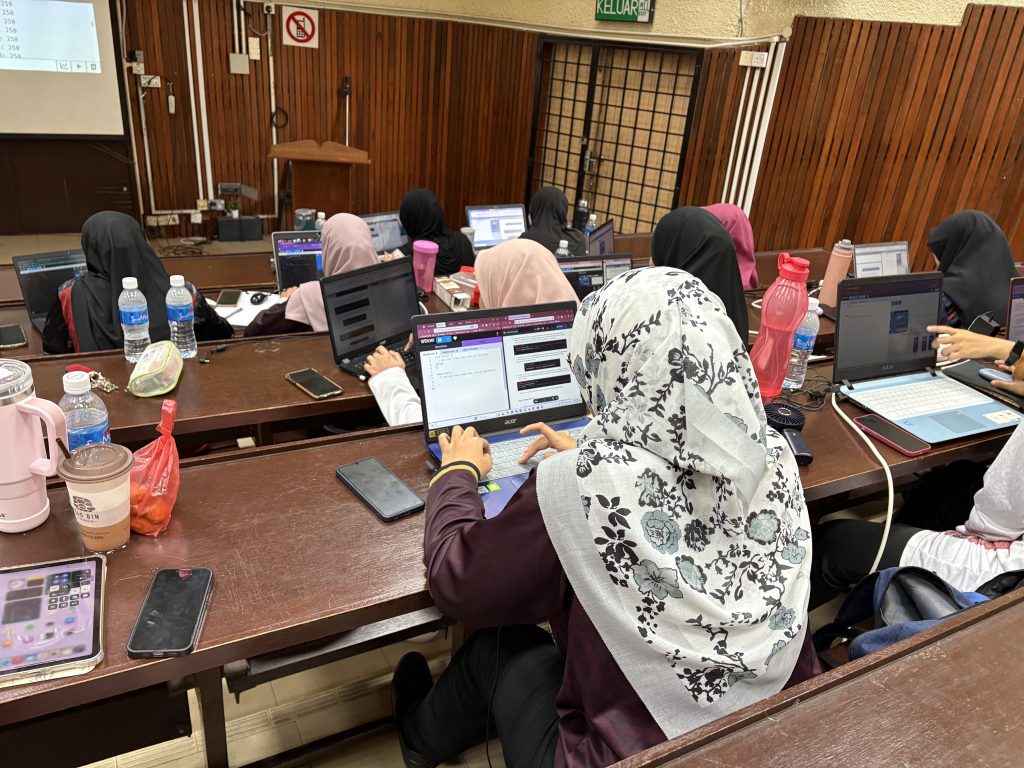
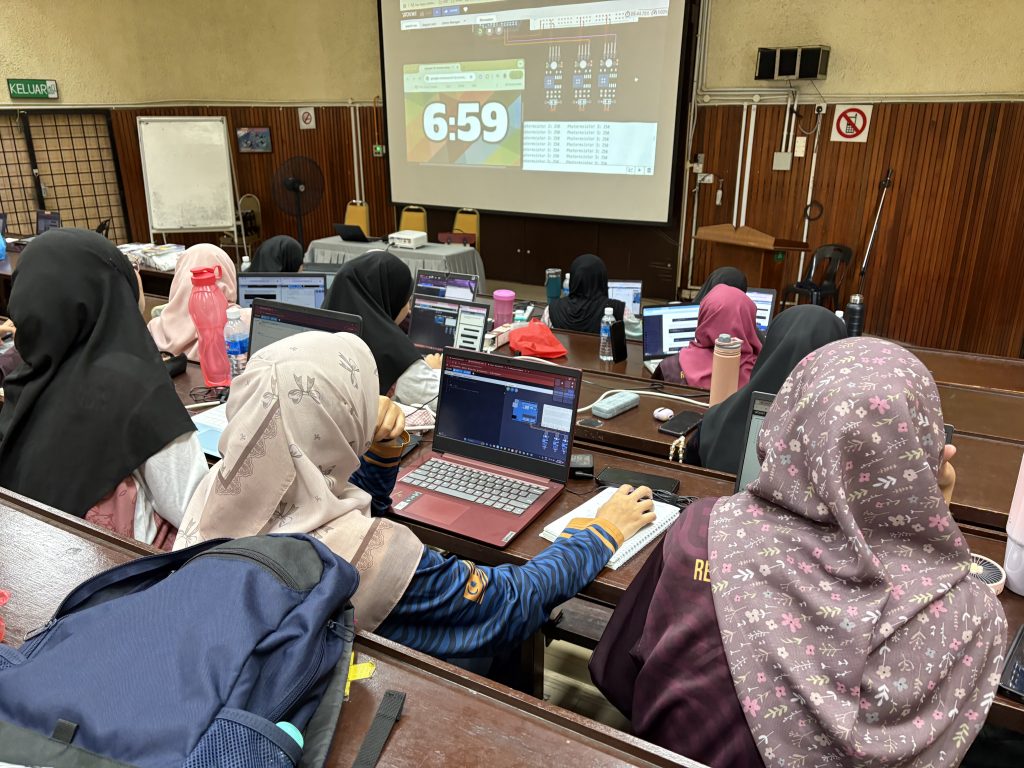
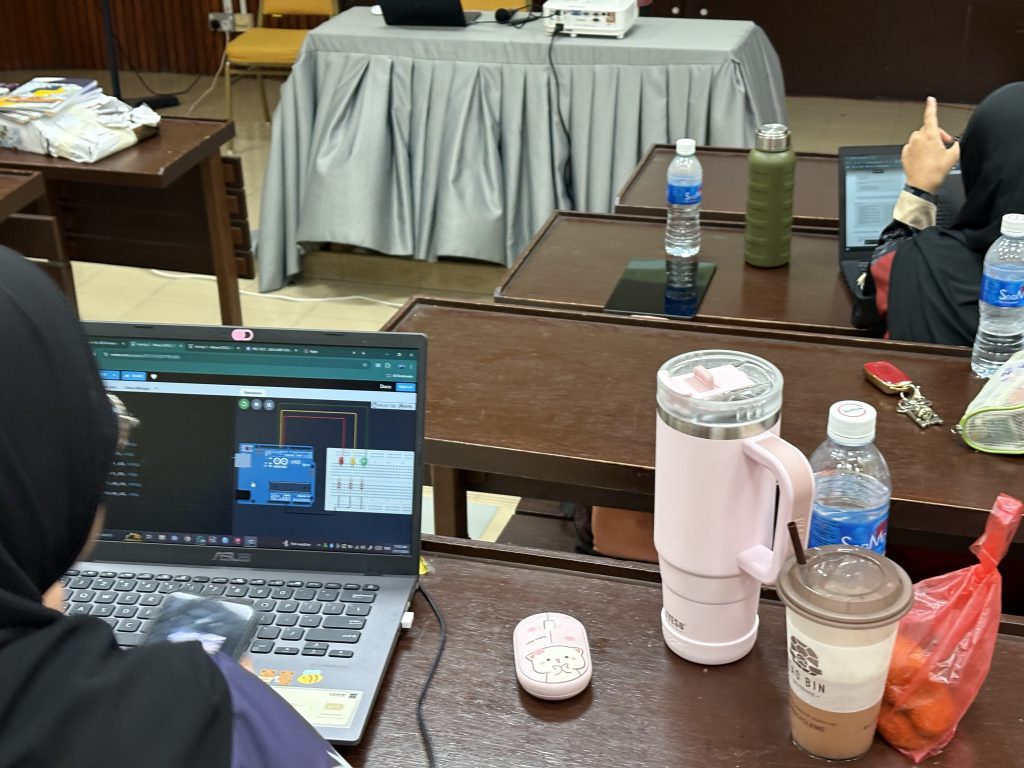
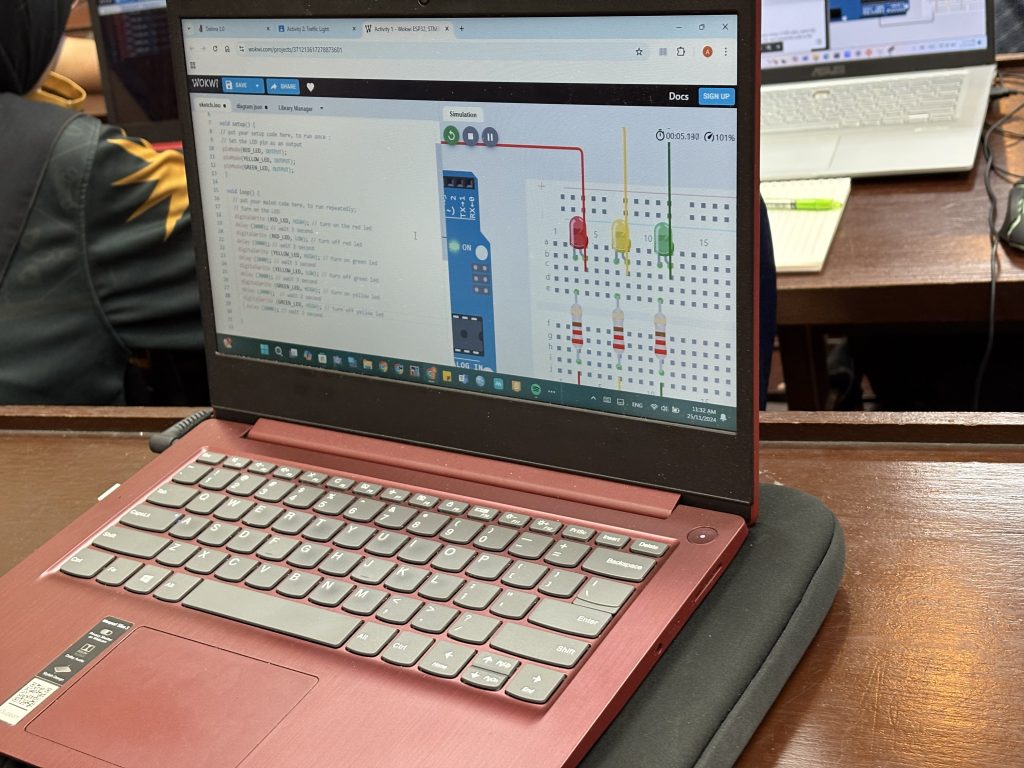
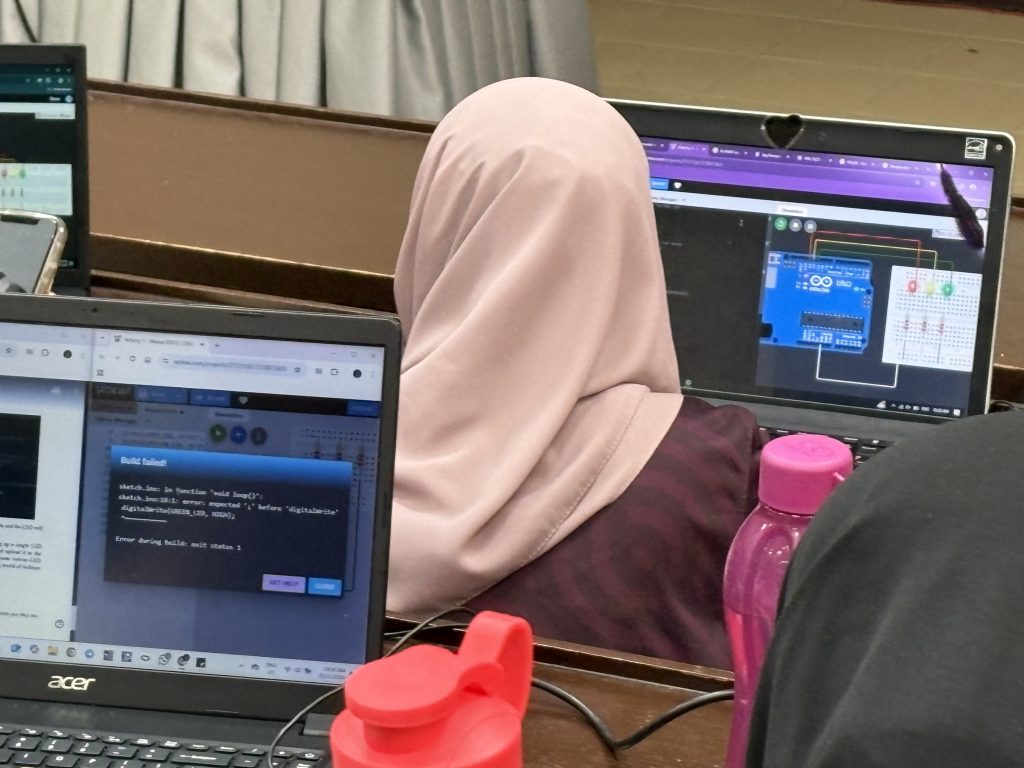
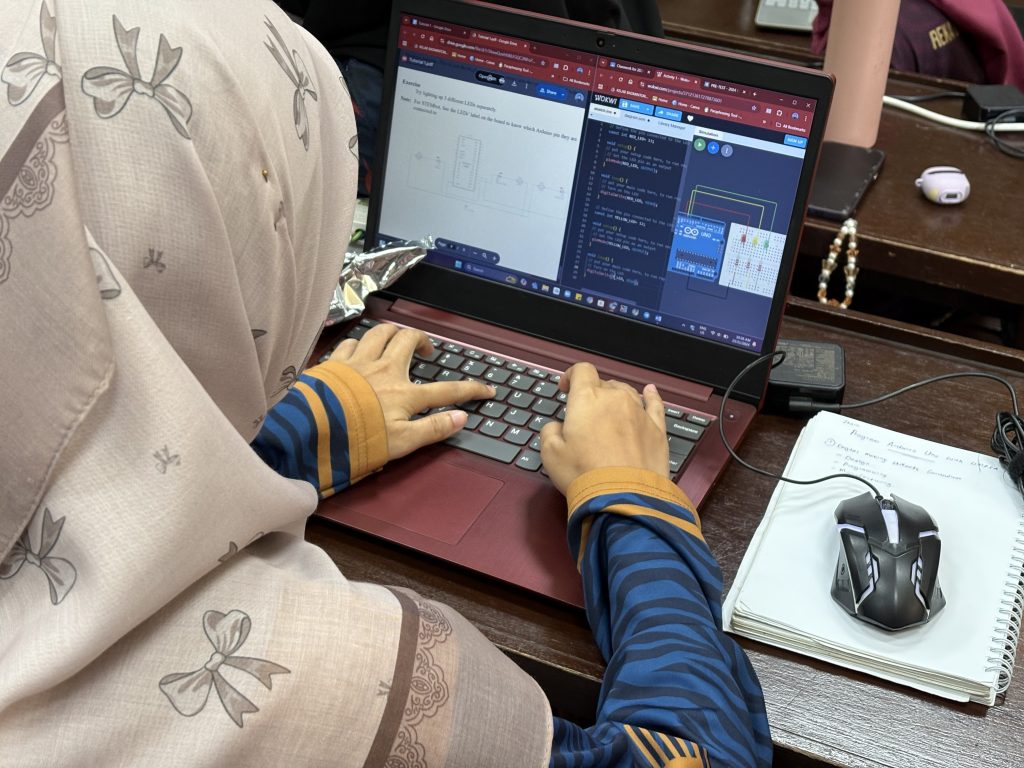
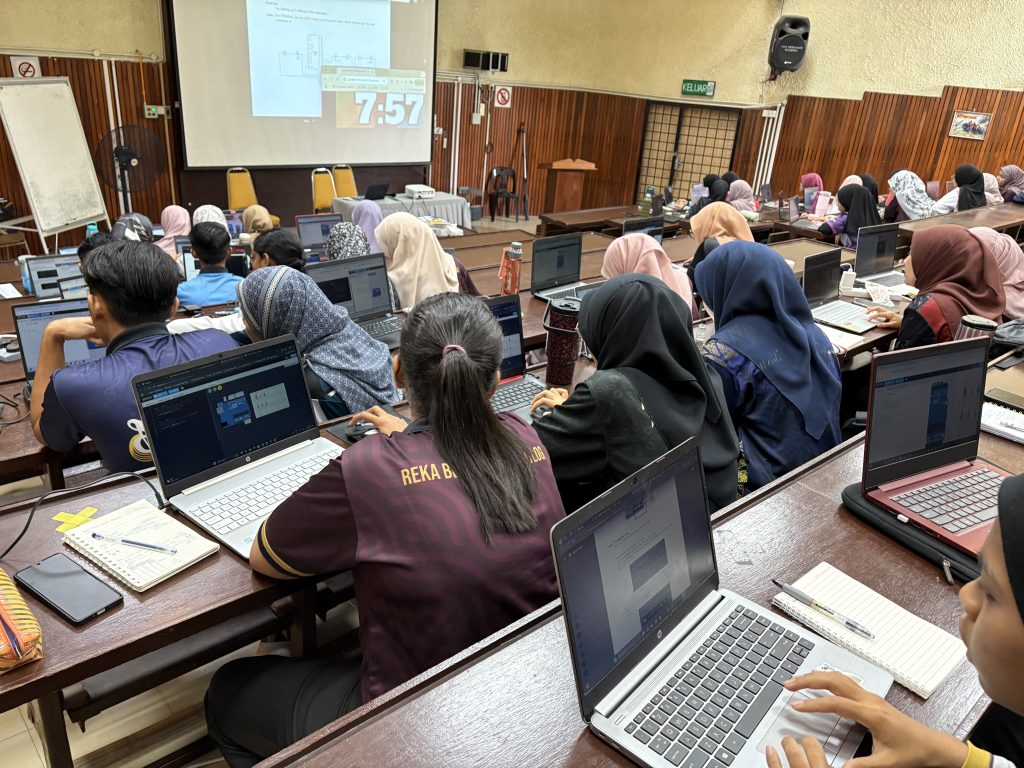
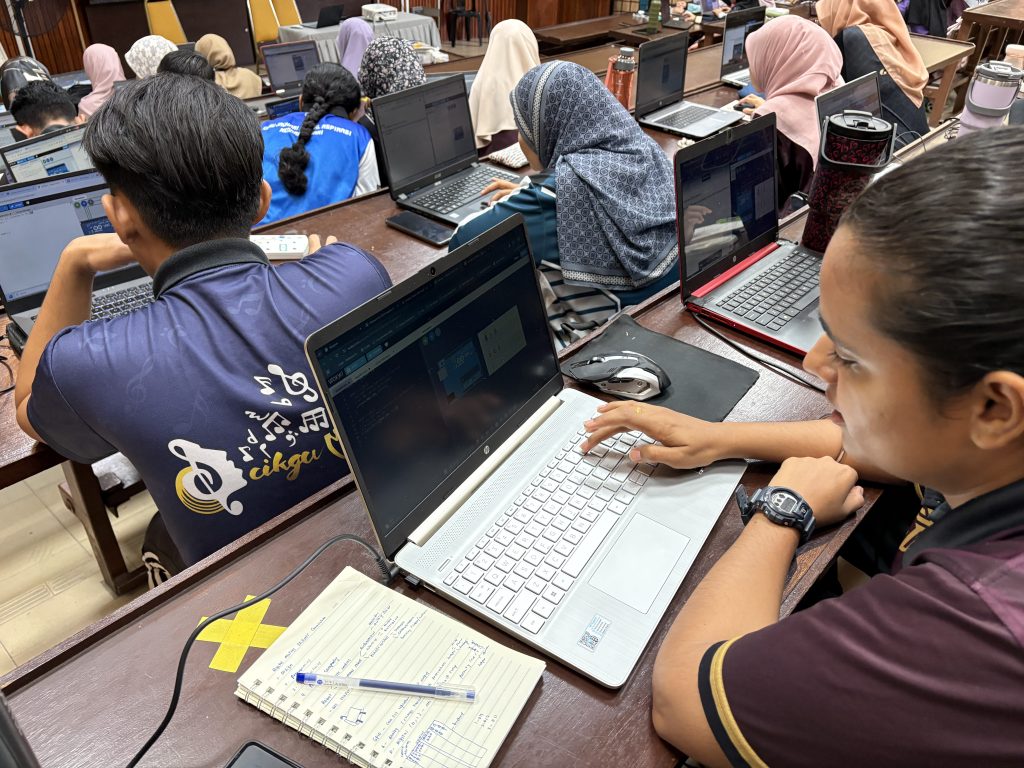
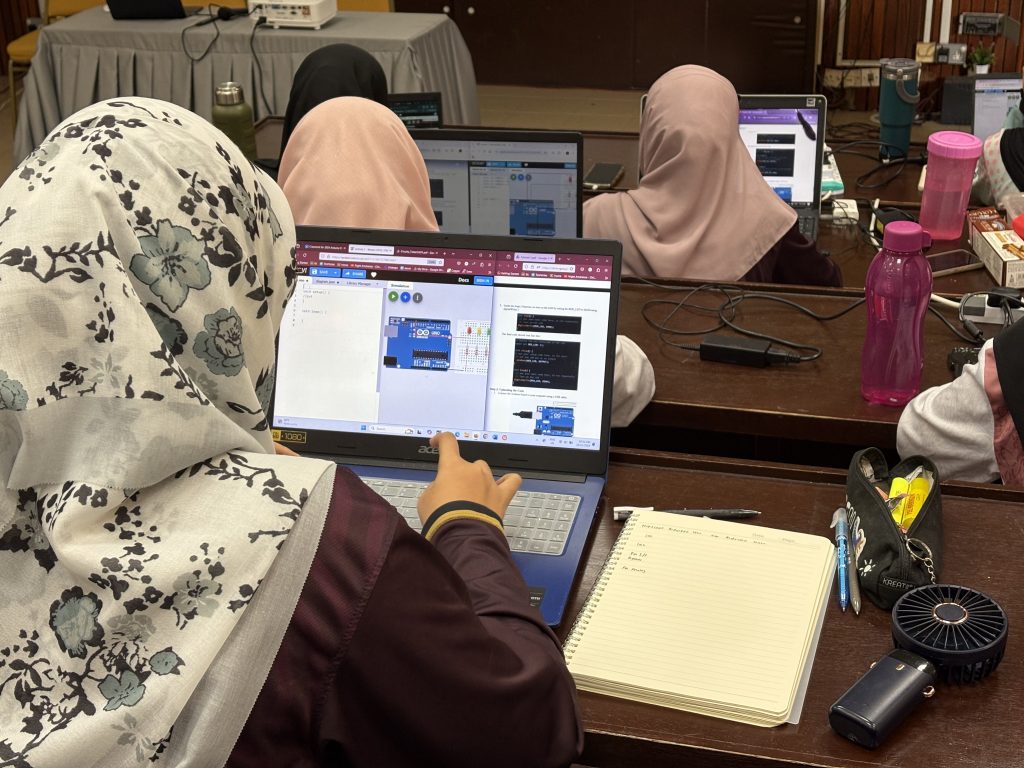
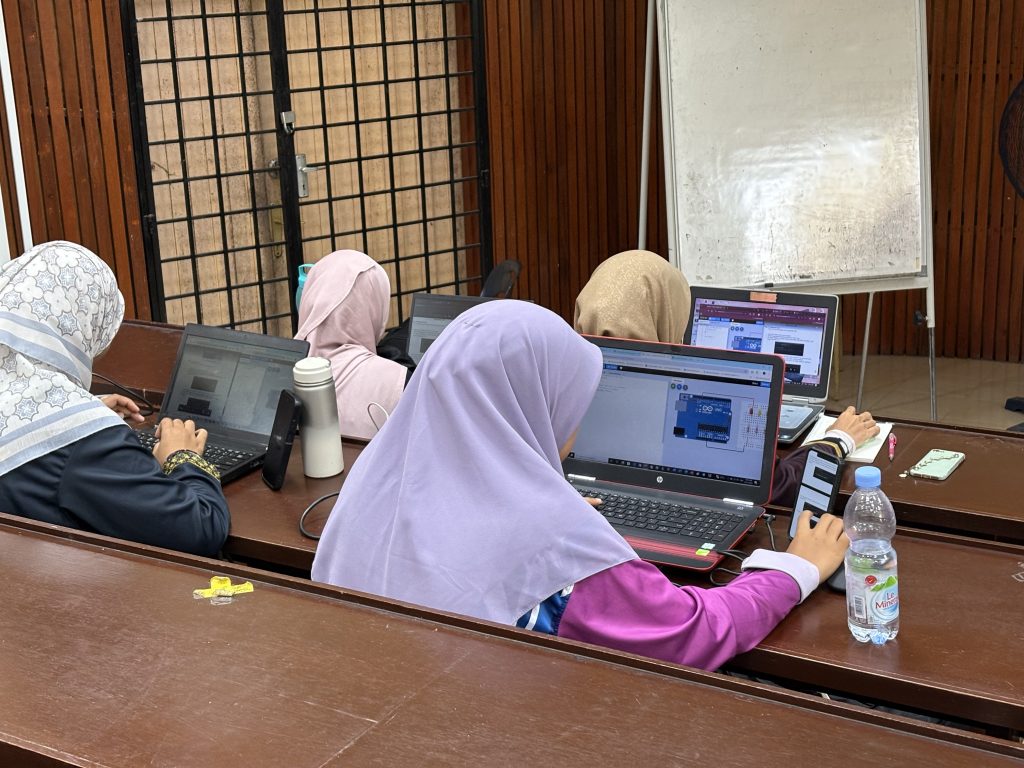
Throughout the course, 35 participants were introduced to the concepts of programming loops, conditional statements, and sequential execution. Activities include controlling multiple LEDs, understanding the concept of digital output, using a photoresistor to expand their understanding of sensor interfacing, integrating analog sensors with Arduino and controlling digital outputs based on sensor readings. Towards the end, participants visualize data and messages using an OLED display.
Thank you Tn Ts Zaki for coordinating the communication between UMPSA STEM Lab and the participants.
Nov 25th
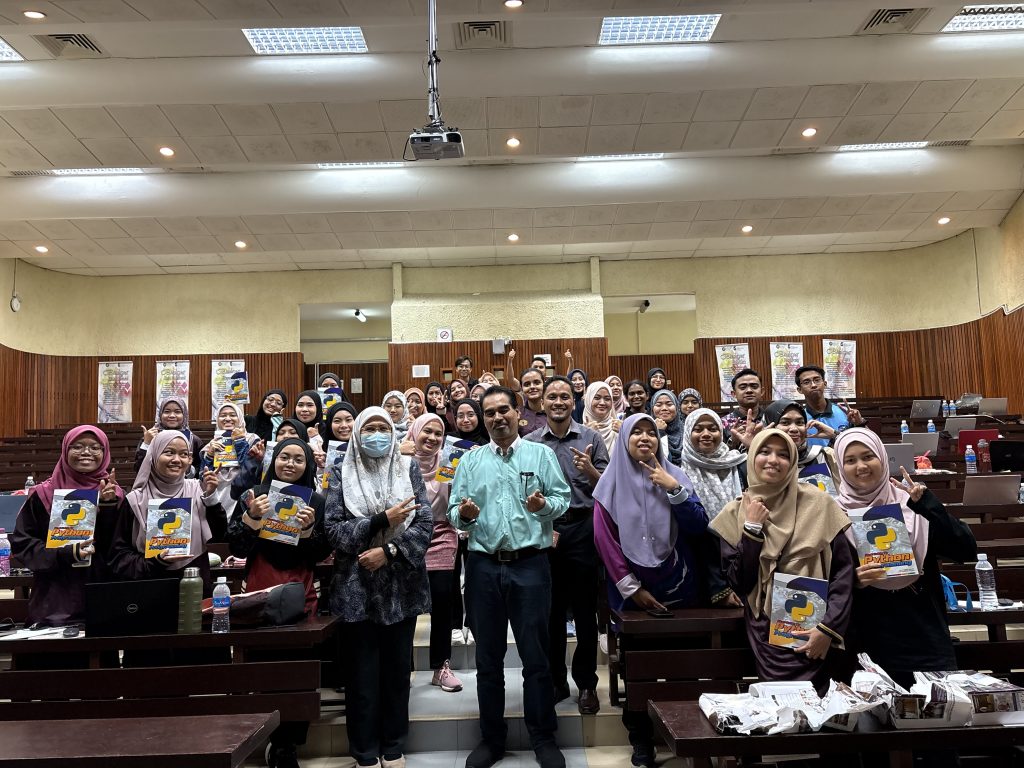



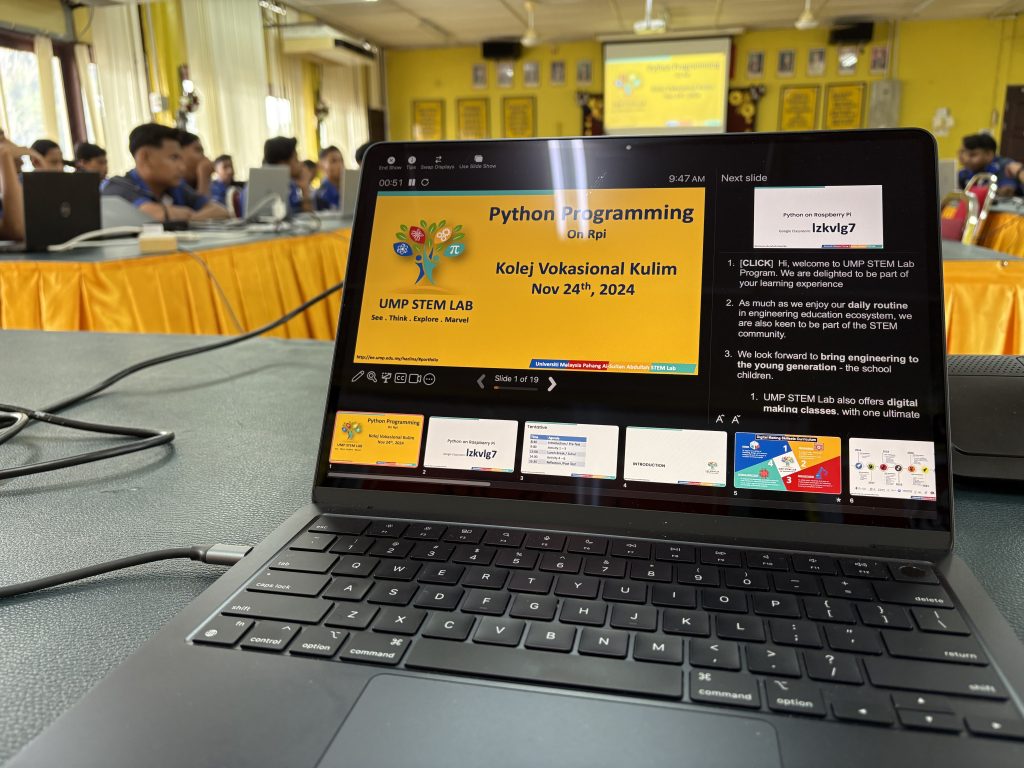
*UMPSA STEM Lab Raspberry Pi Programming Synopsis can be found here. In the Raspberry Pi IoT session, 90 students from SMK Mentok were introduced to the concept of the Internet of Things (IoT) using Raspberry Pi on the UMP STEM Cube, a pico-satellite learning kit specifically designed to facilitate engineering learning. The content covered basic digital input/output … Continue reading “Raspberry Pi Programming 2024/8 – KV Kulim, Kedah”
*UMPSA STEM Lab Raspberry Pi Programming Synopsis can be found here.
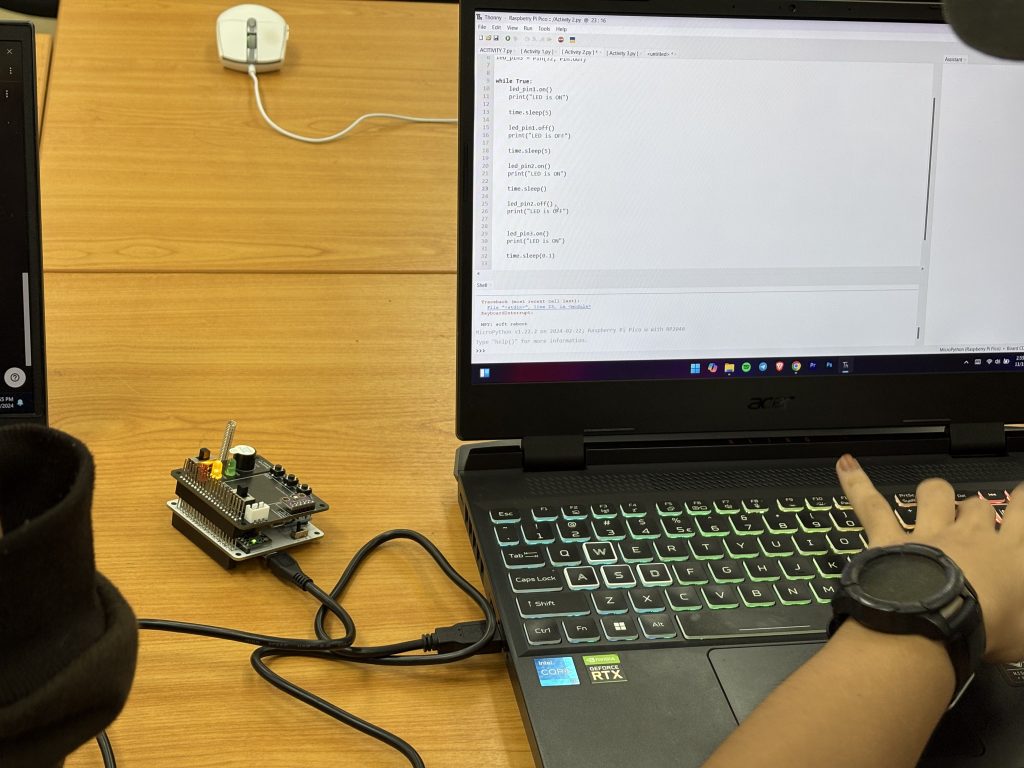
In the Raspberry Pi IoT session, 90 students from SMK Mentok were introduced to the concept of the Internet of Things (IoT) using Raspberry Pi on the UMP STEM Cube, a pico-satellite learning kit specifically designed to facilitate engineering learning.
The content covered basic digital input/output operations on onboard LEDs, as well as topics such as dashboard design using gyro meter and BMU280 sensor data, including collecting and storing data in a cloud database. Participants learned to interface sensors with Raspberry Pi boards and develop IoT applications for real-world scenarios. The session provided students with valuable insights into IoT technology and its applications in various domains.
A special appreciation is extended to Puan Linda & Puan Huraiah for coordination in facilitating communication between the participants and the UMPSA STEM Lab :).
Nov 24th
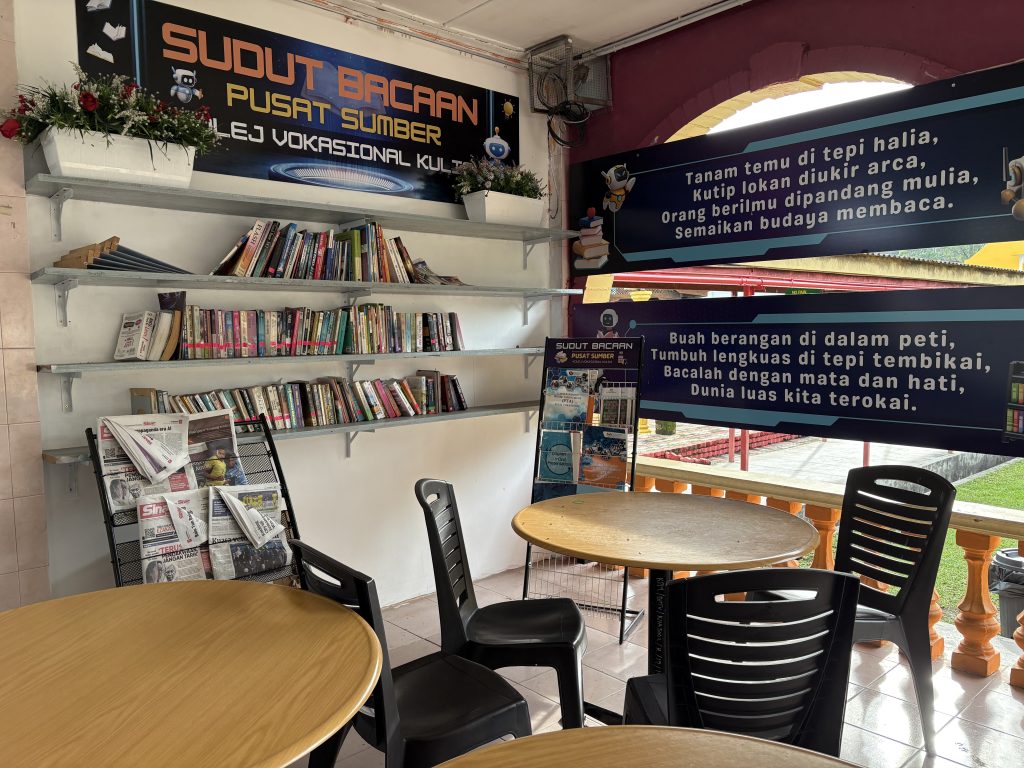
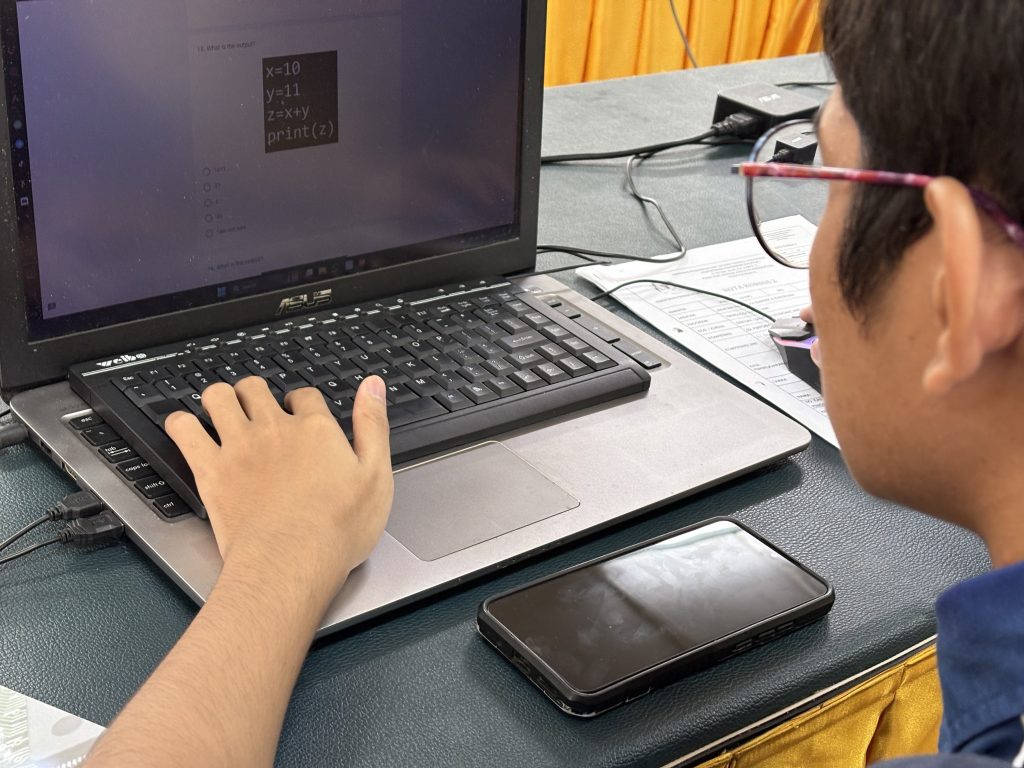
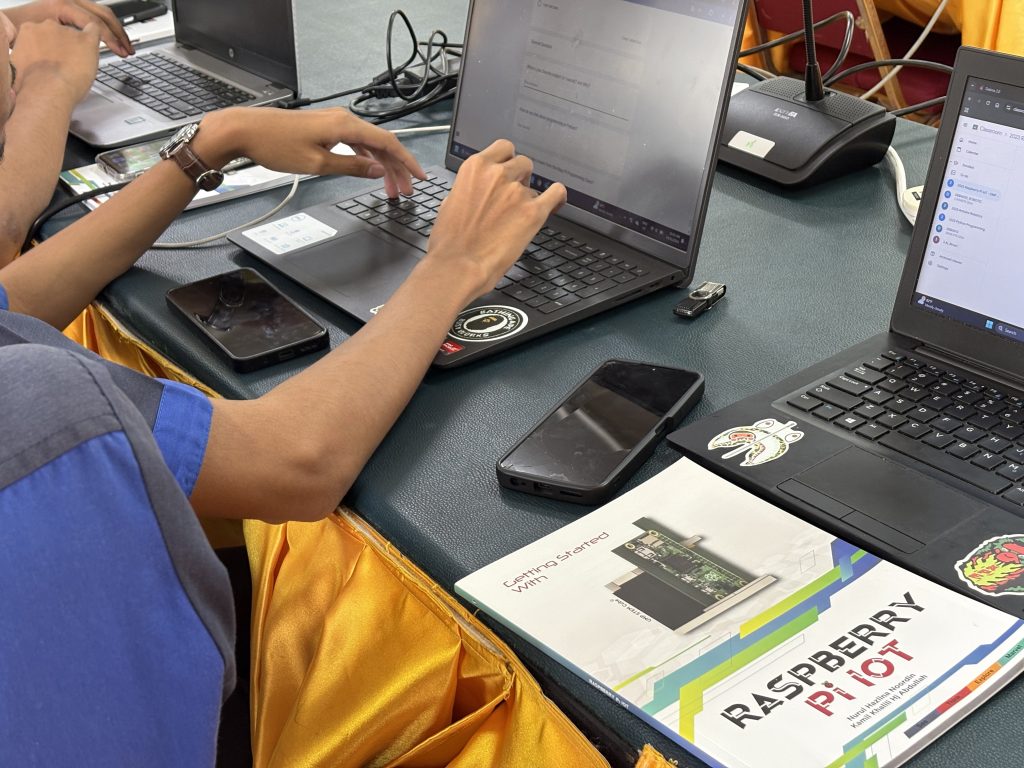
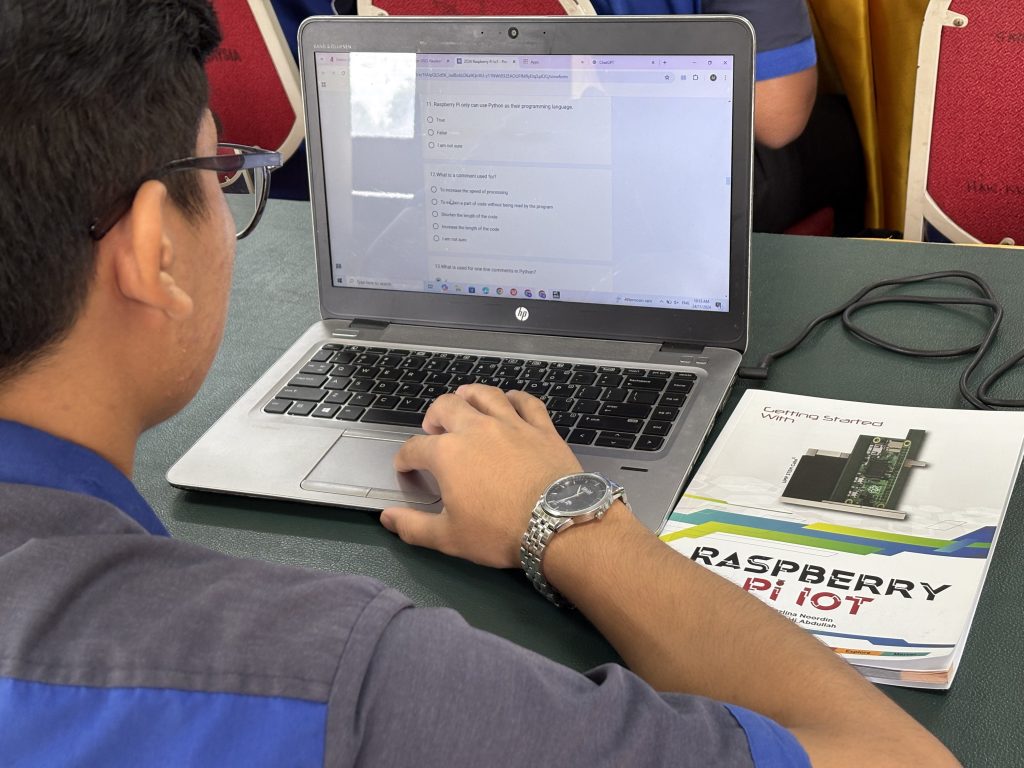
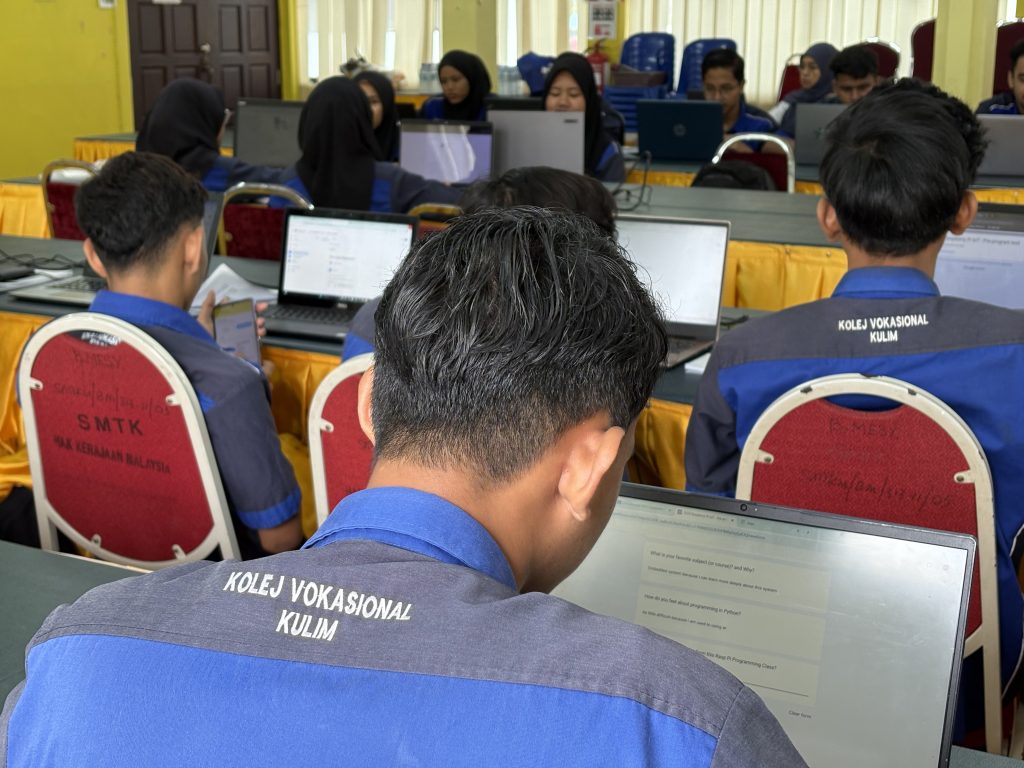
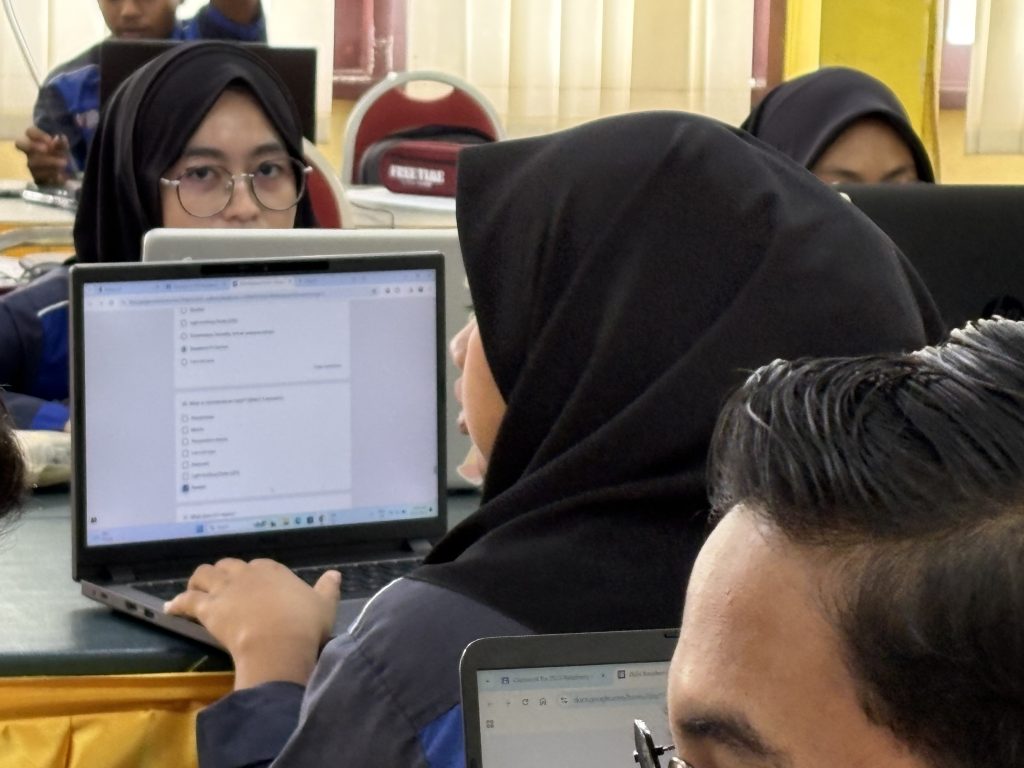
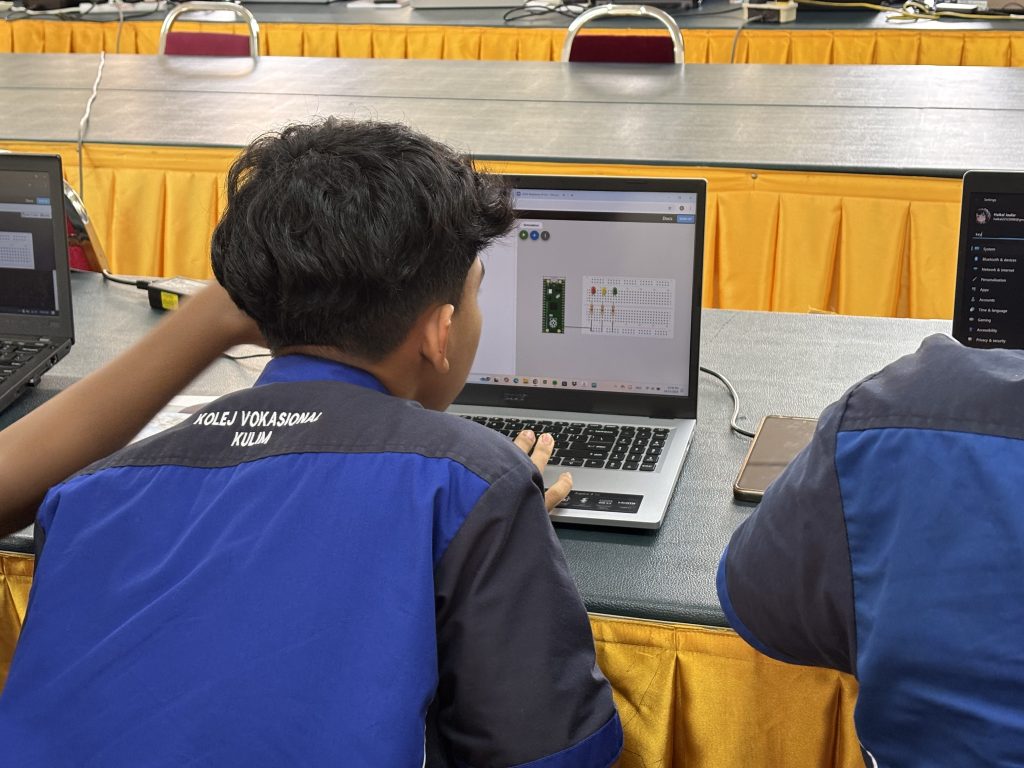
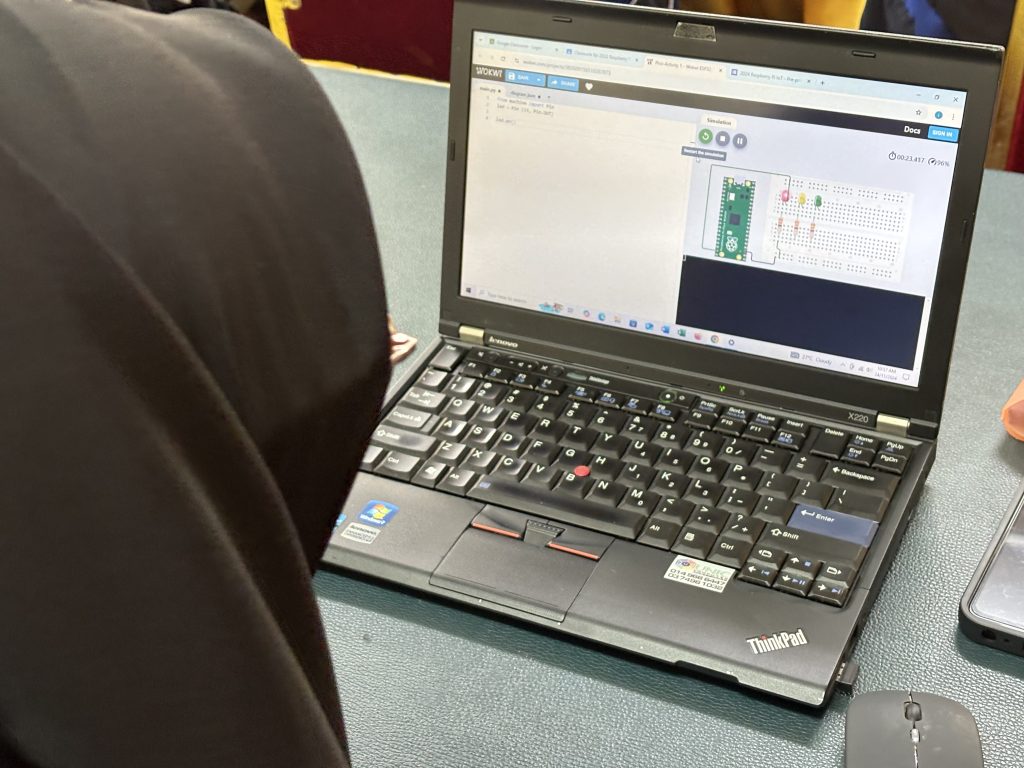
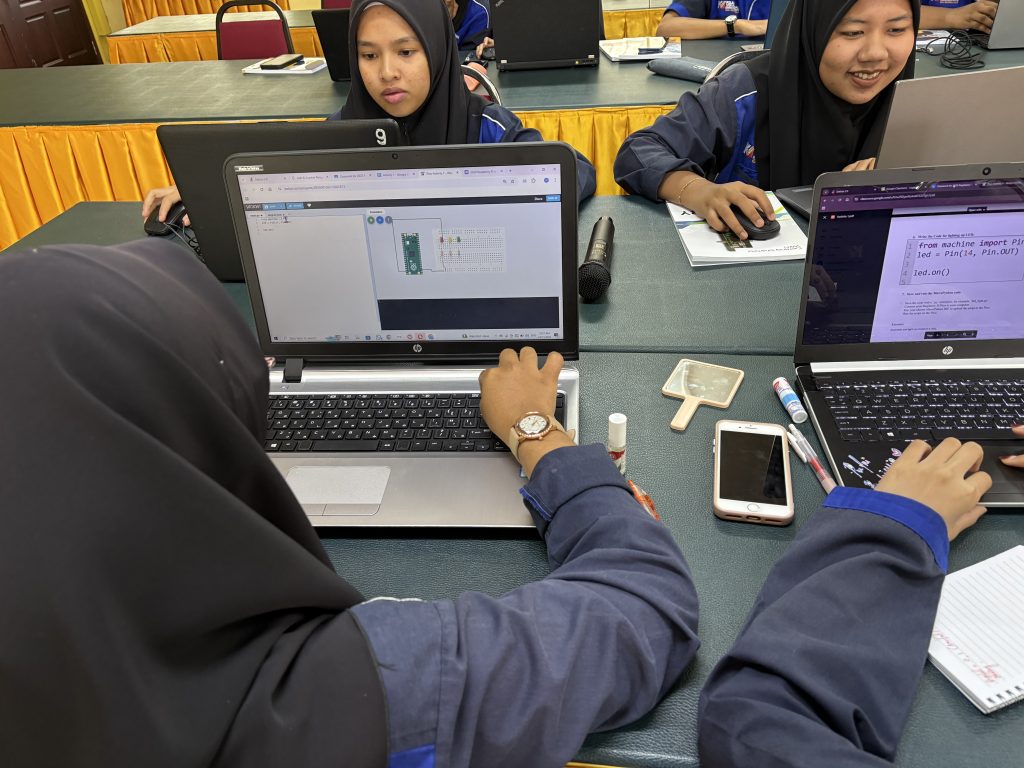
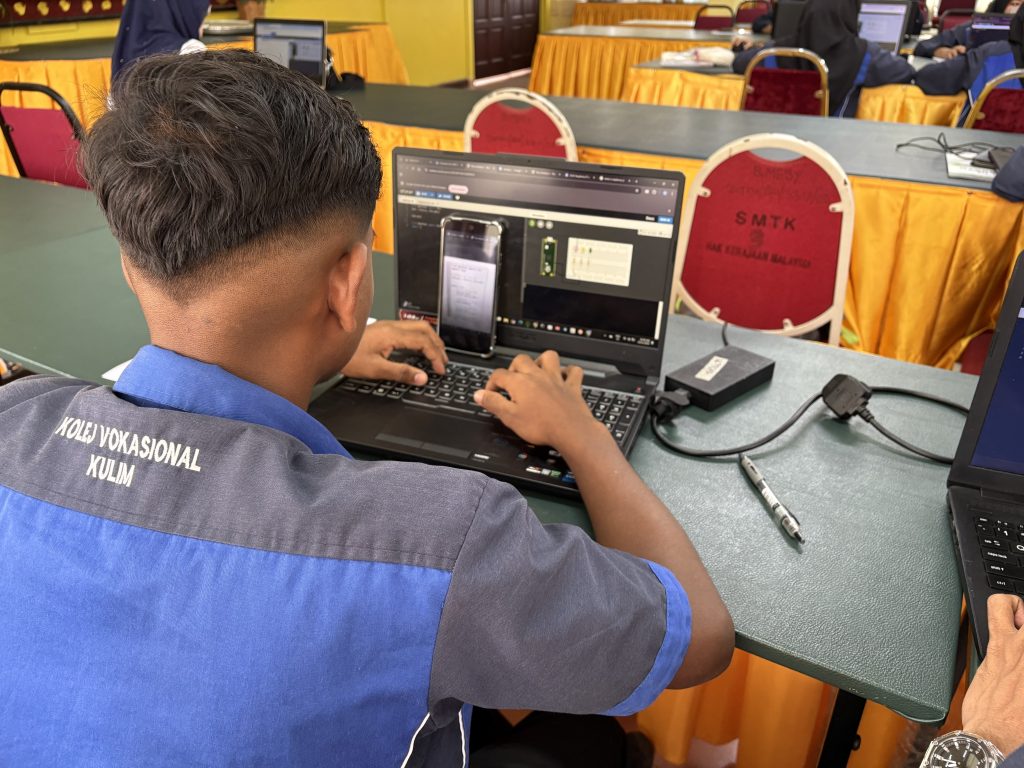
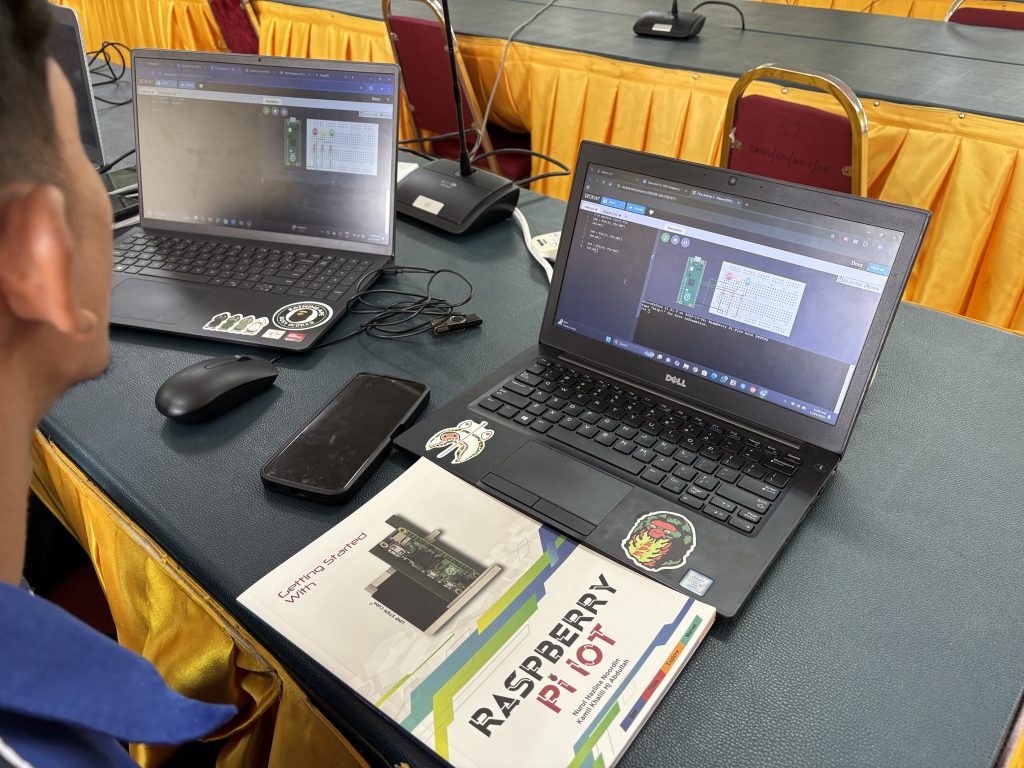
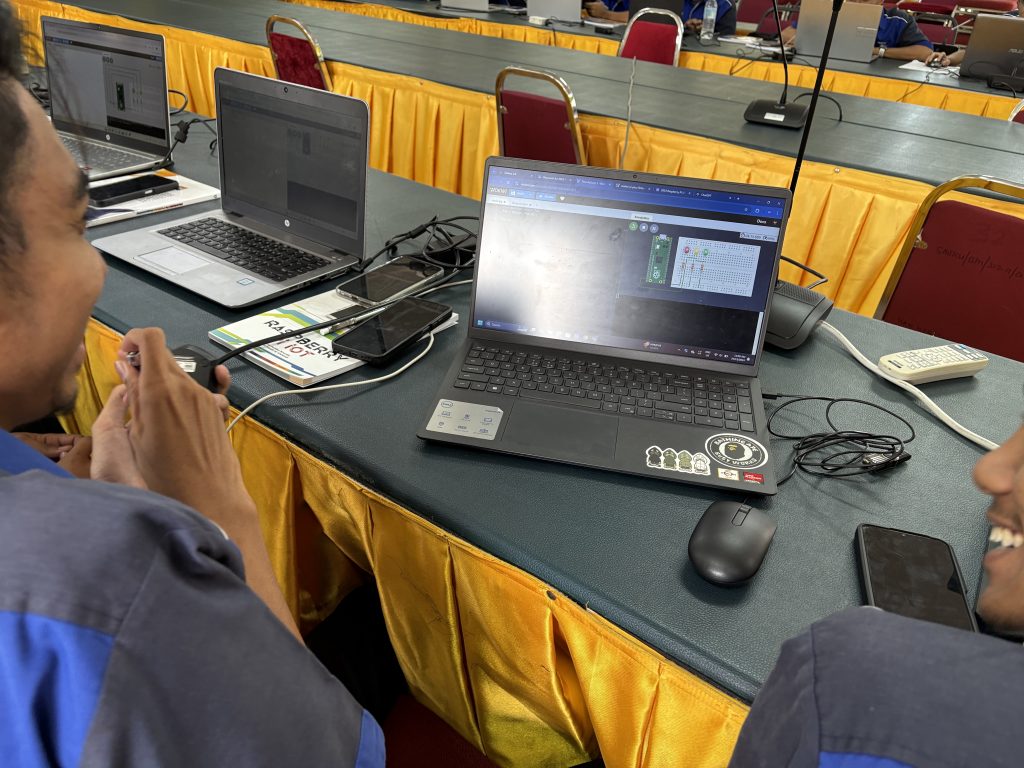
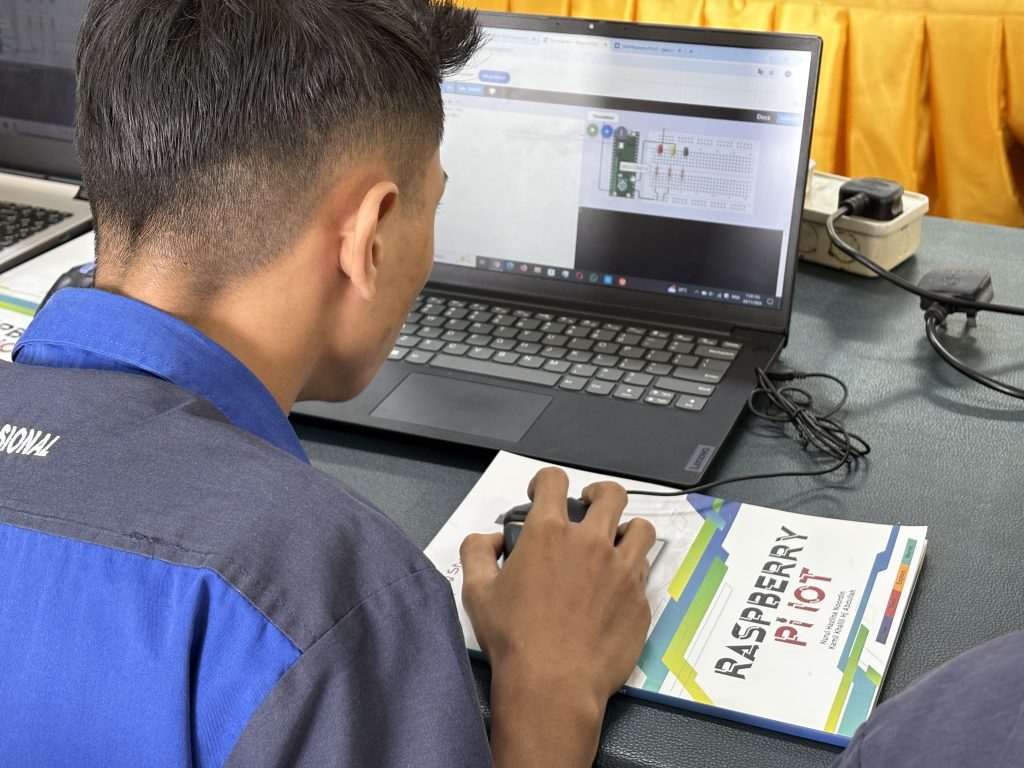
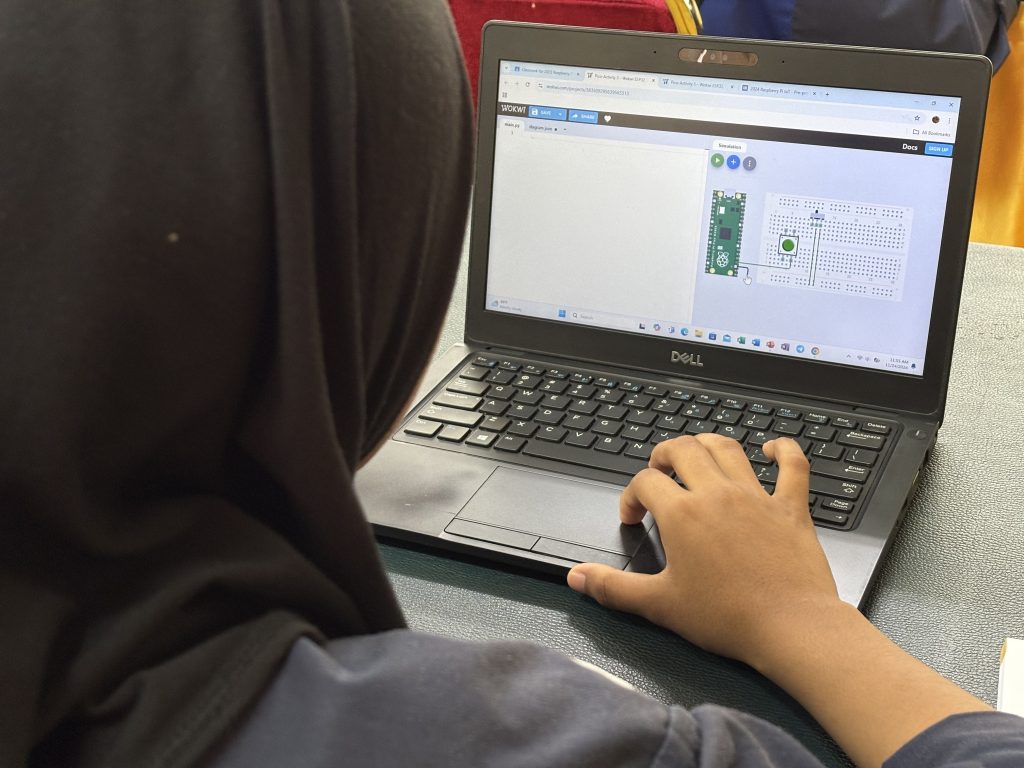
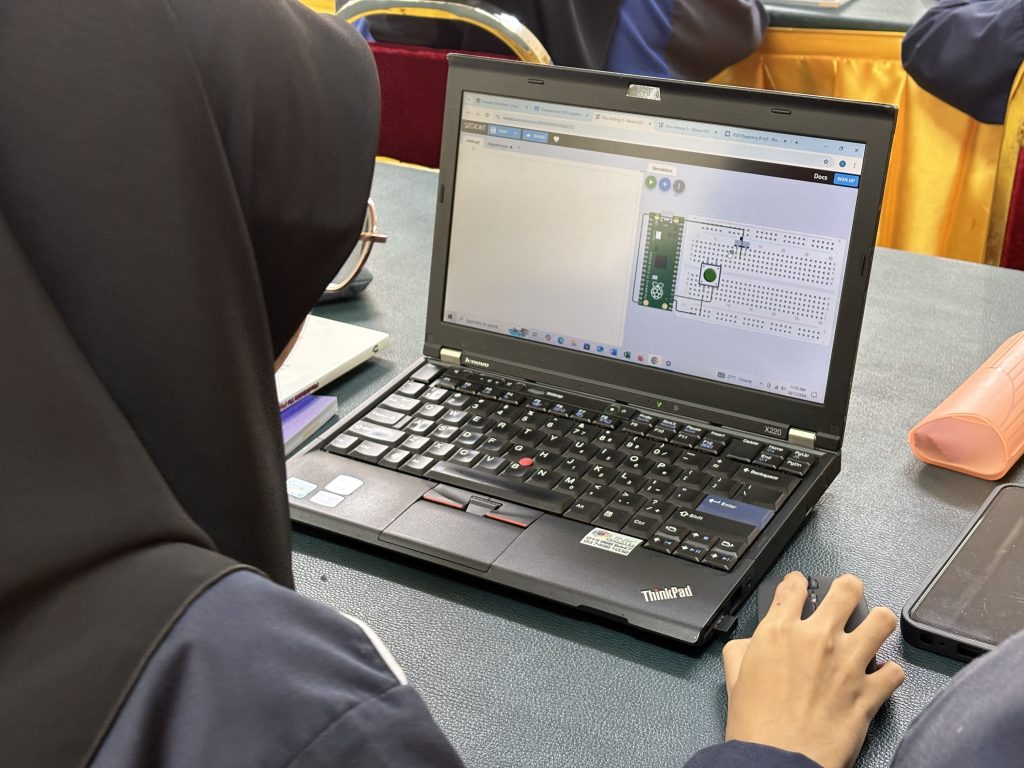
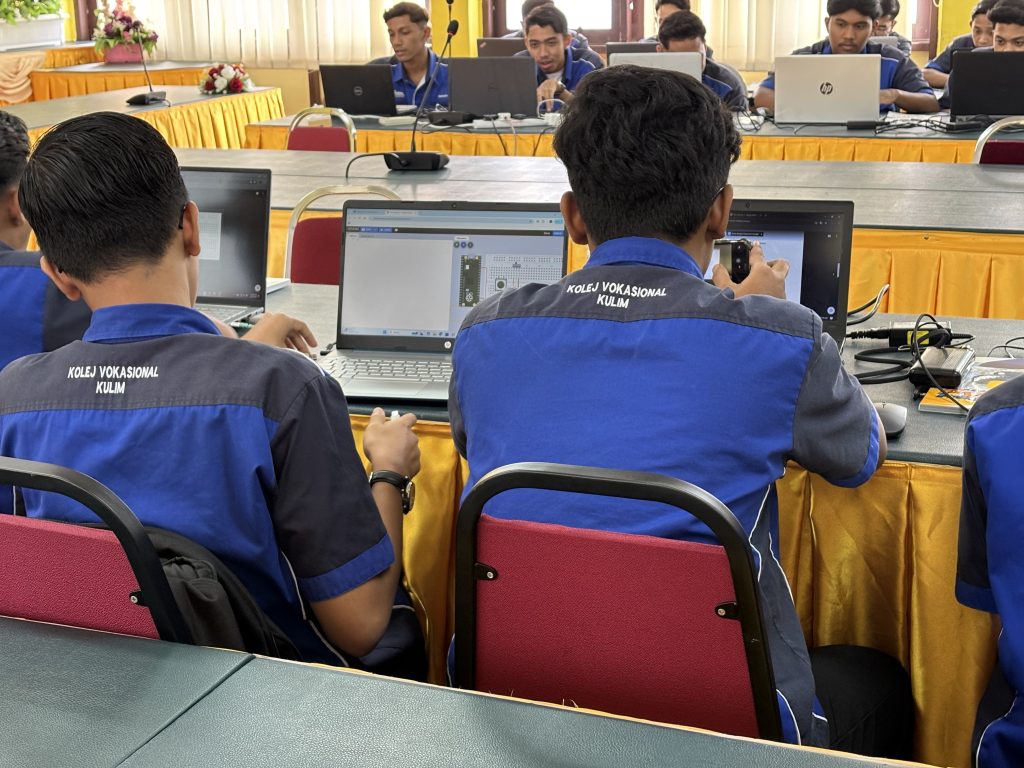
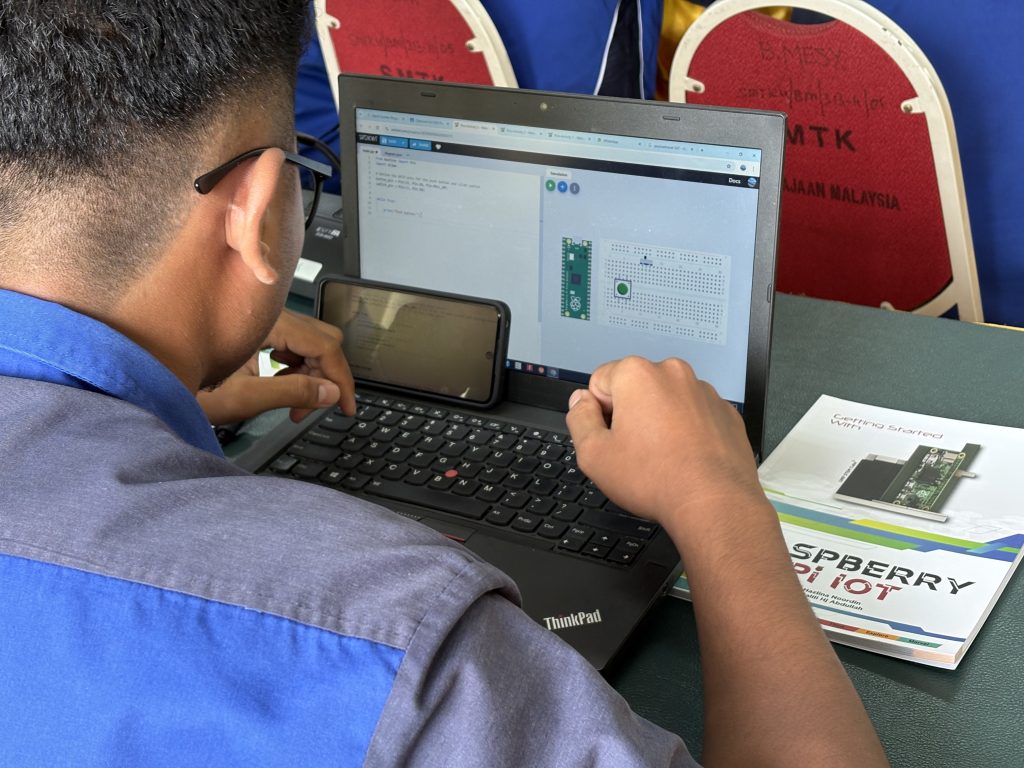
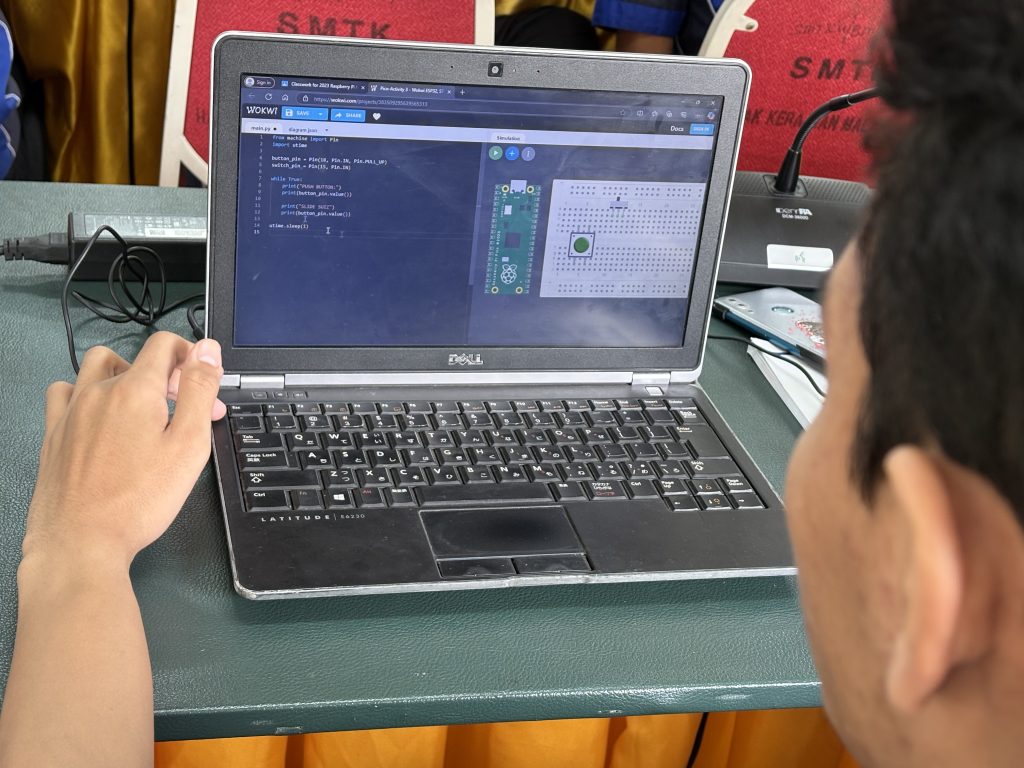
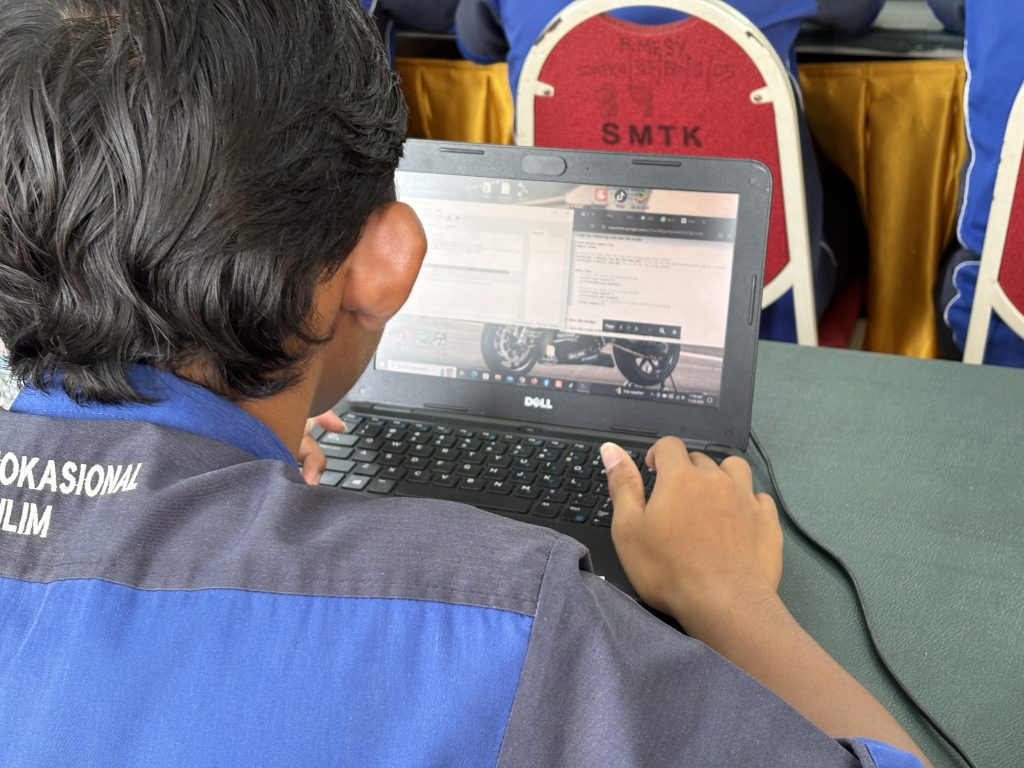
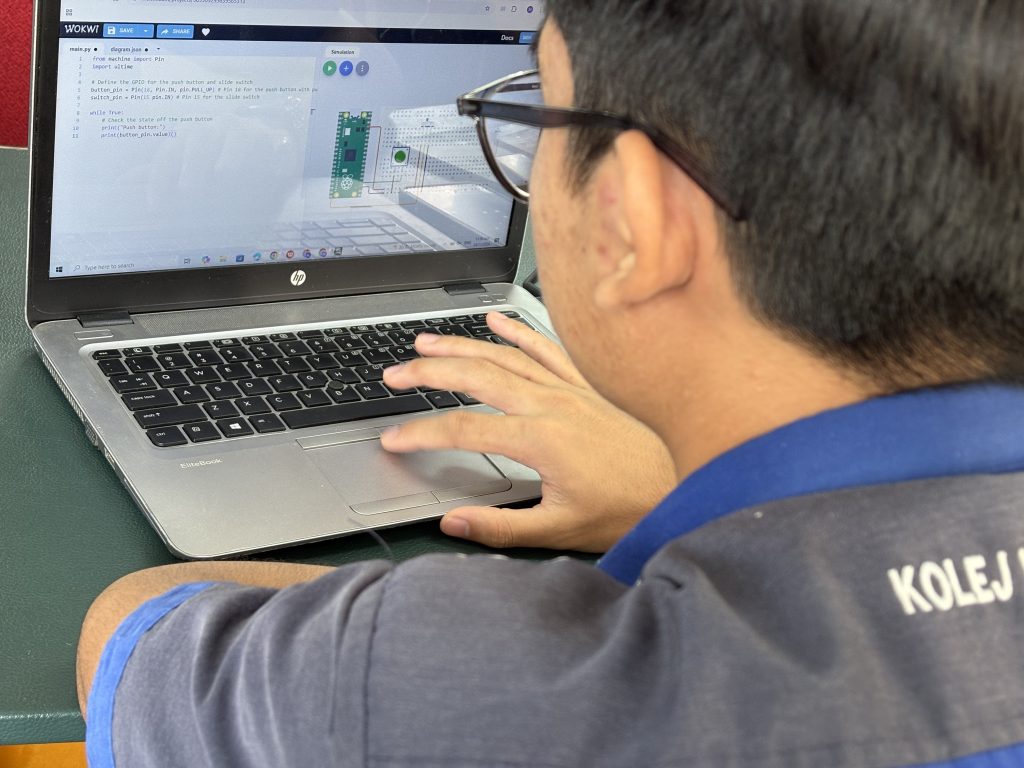
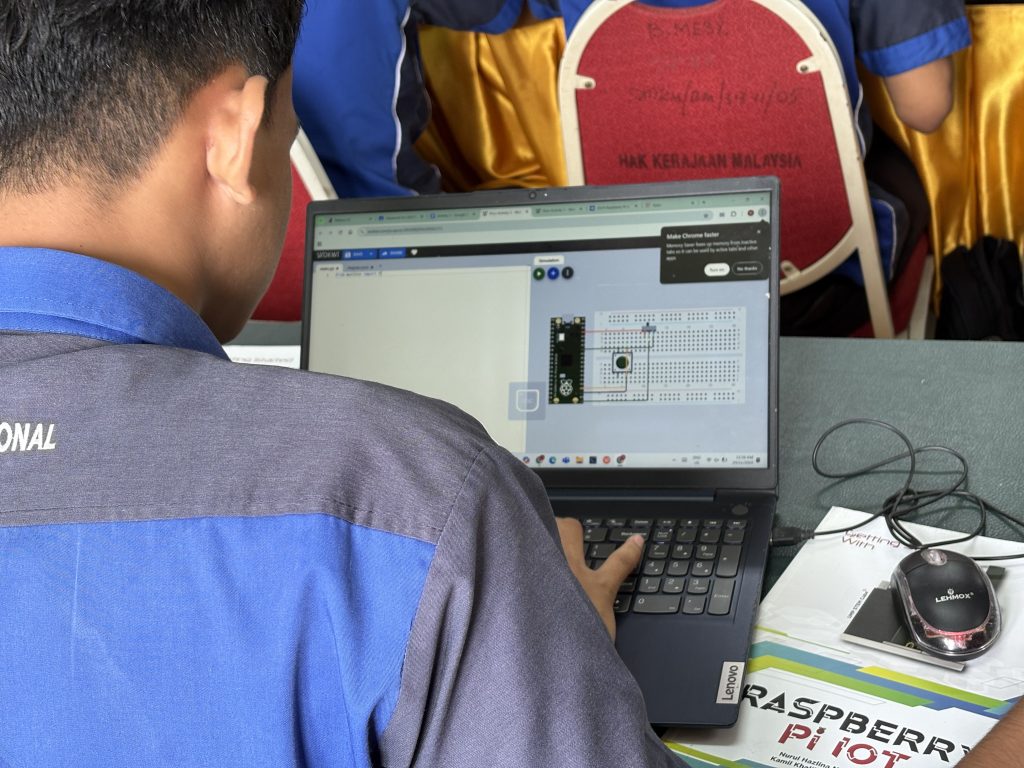
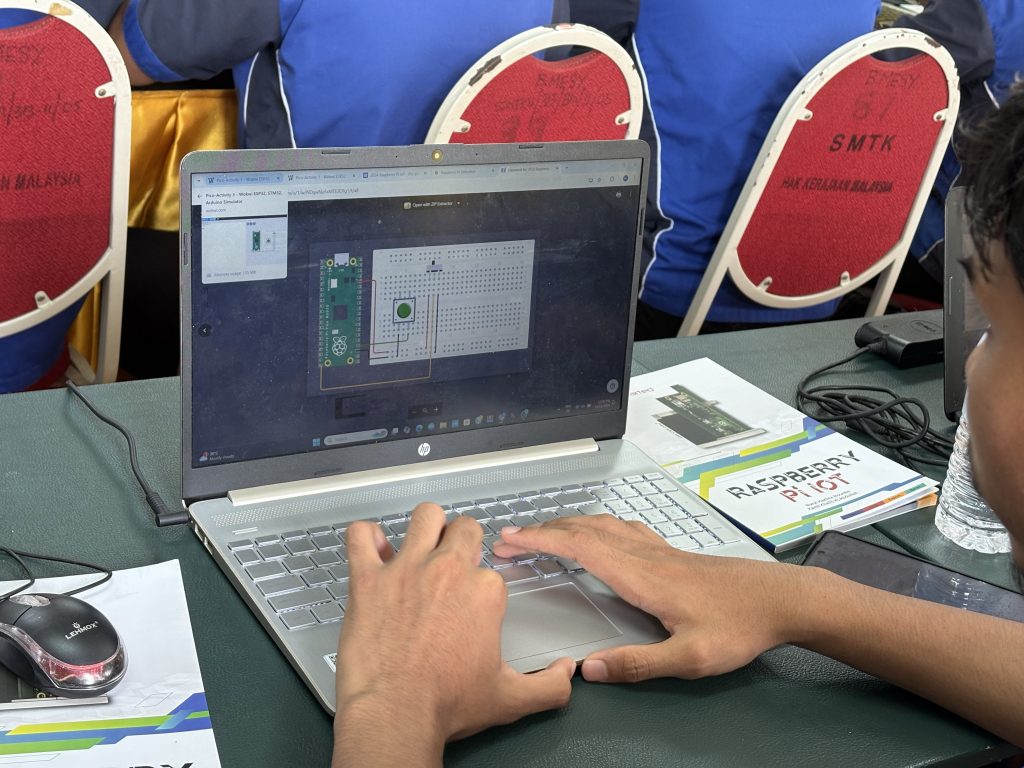
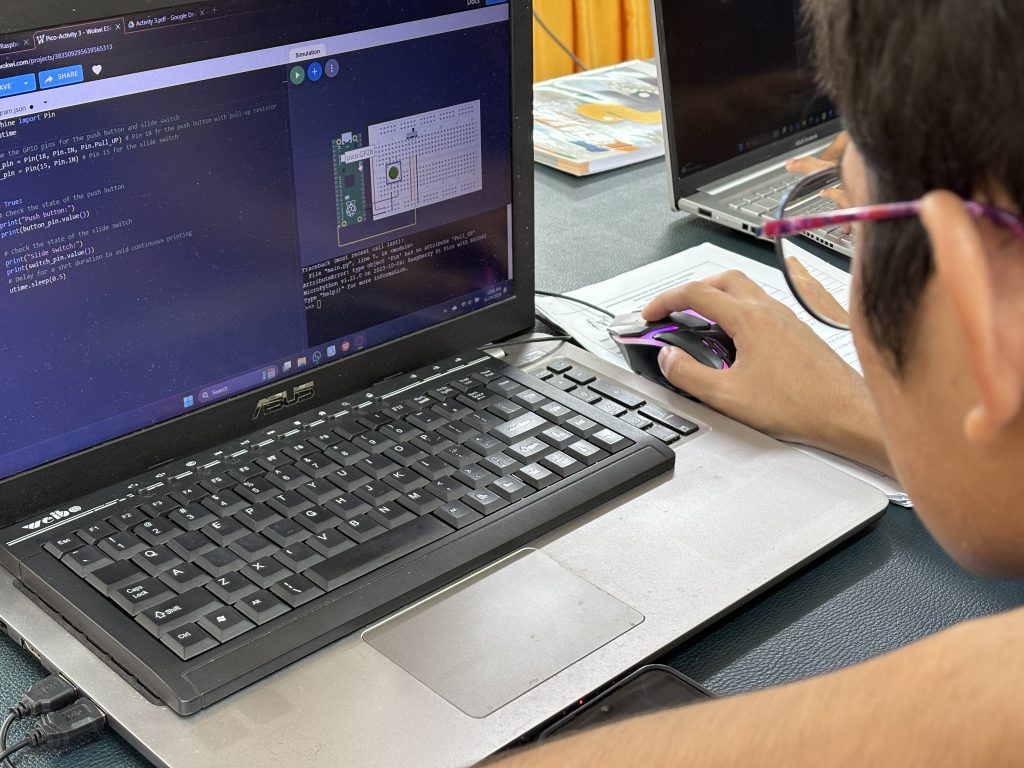
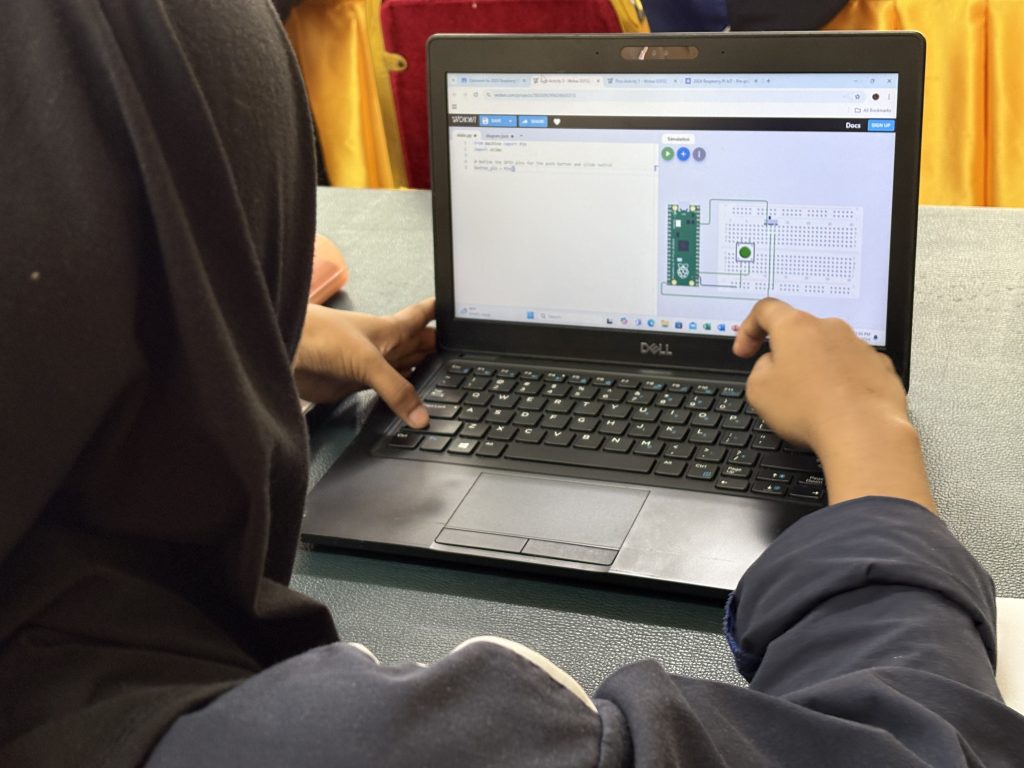
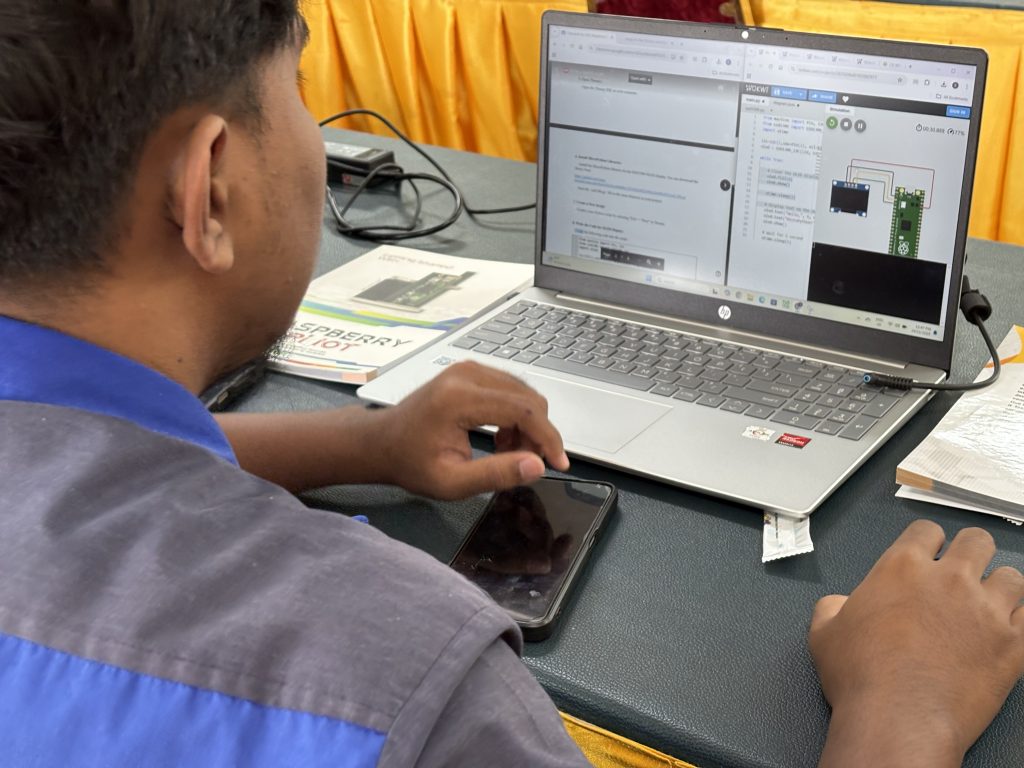
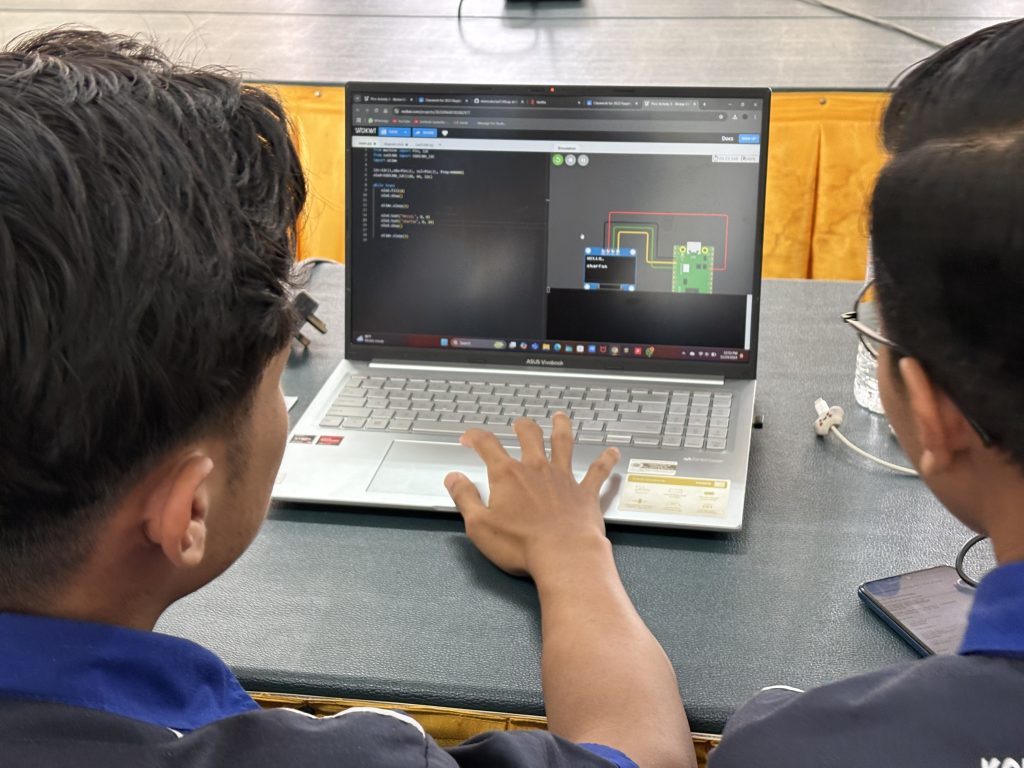
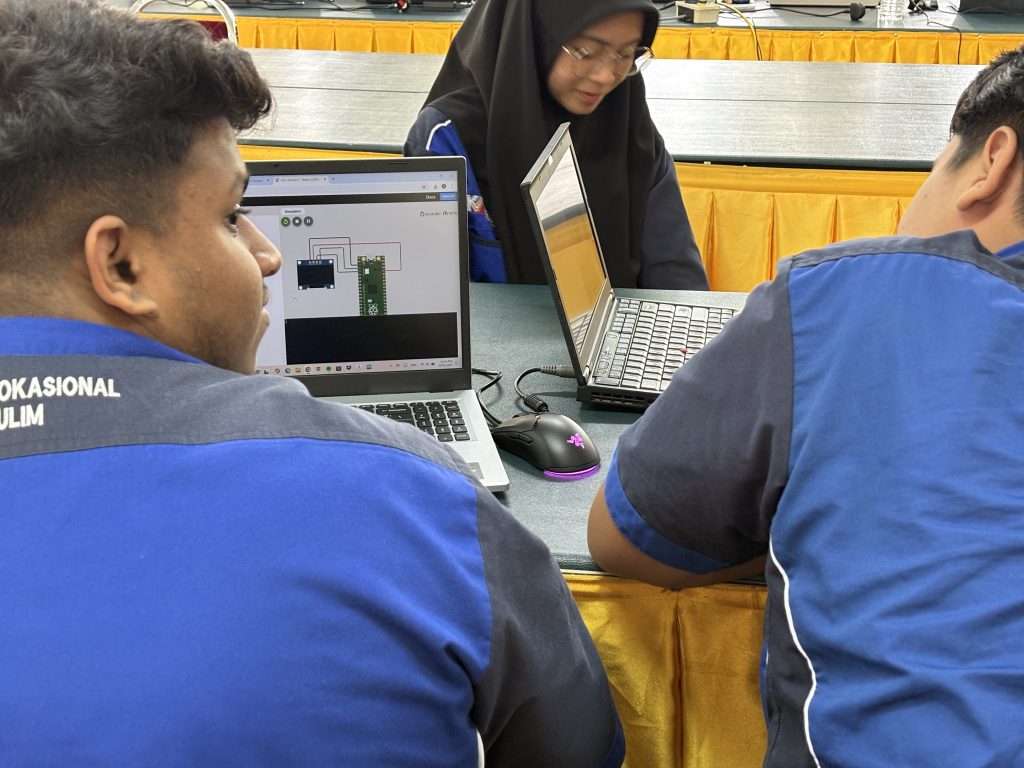
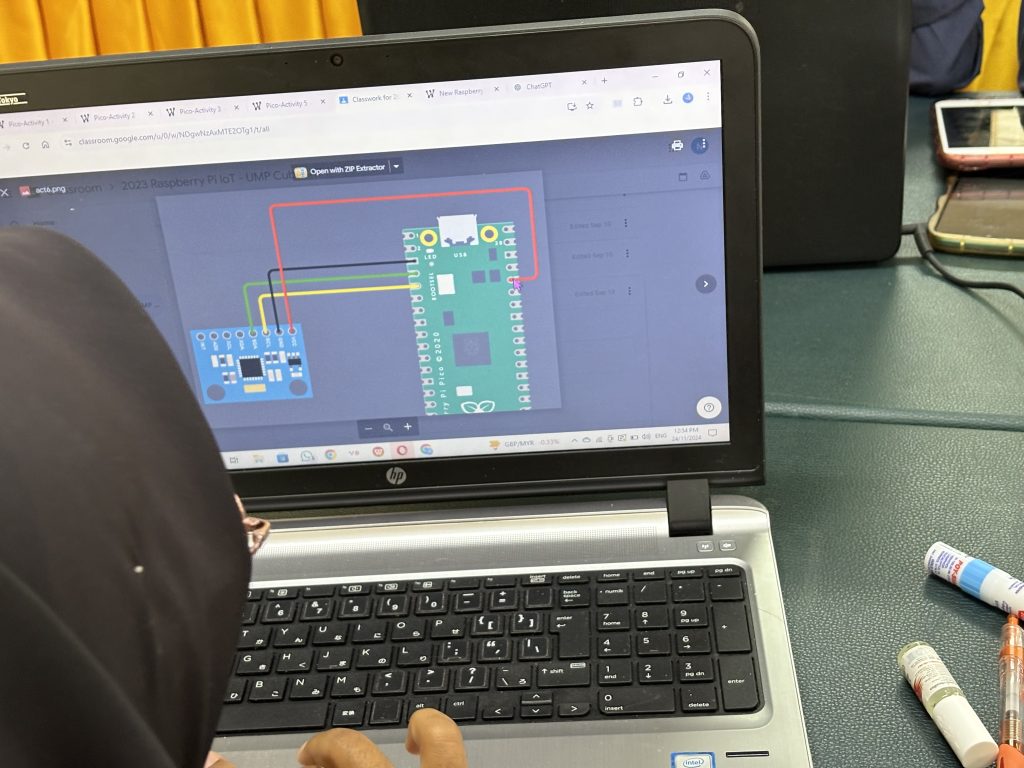
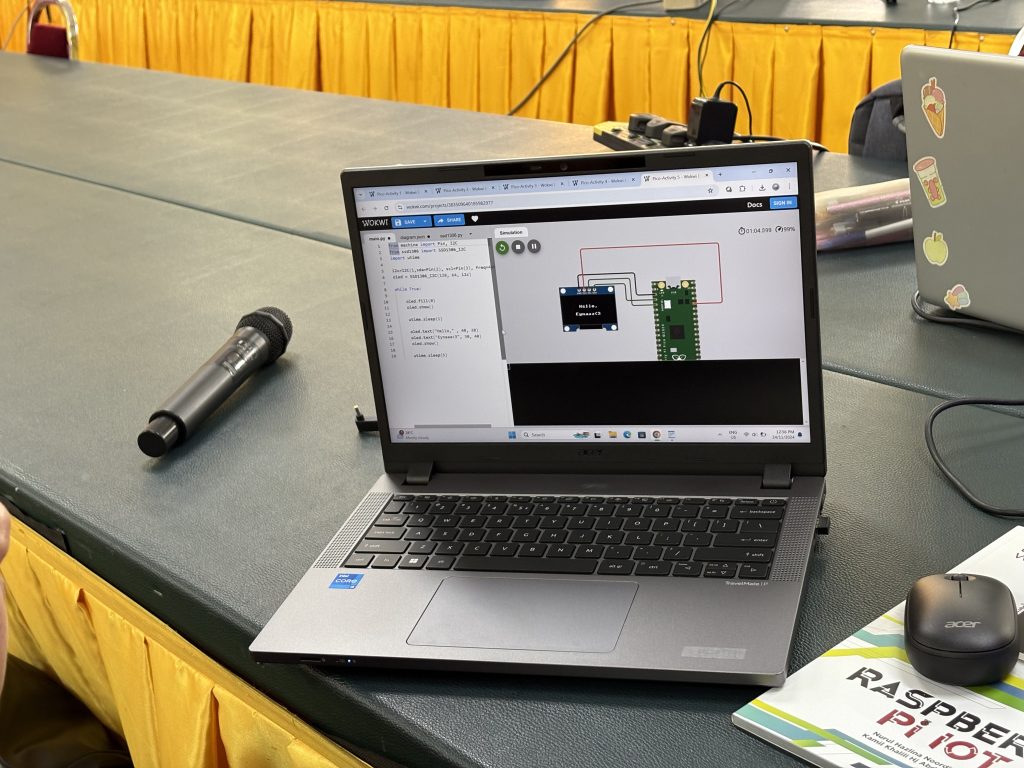
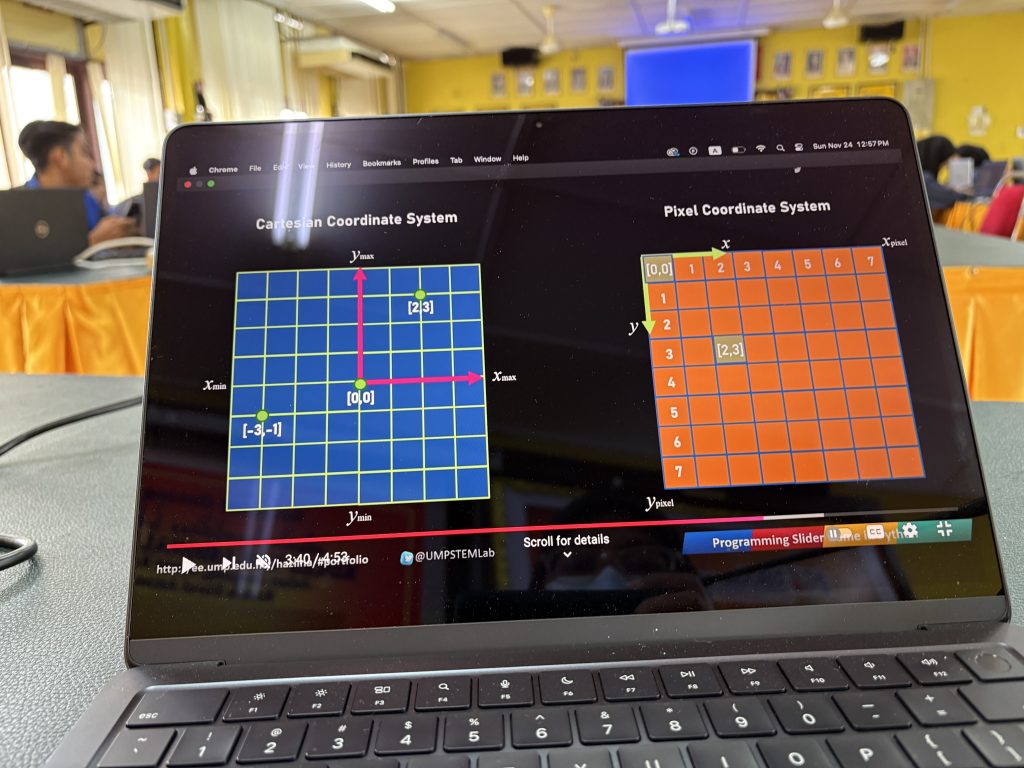
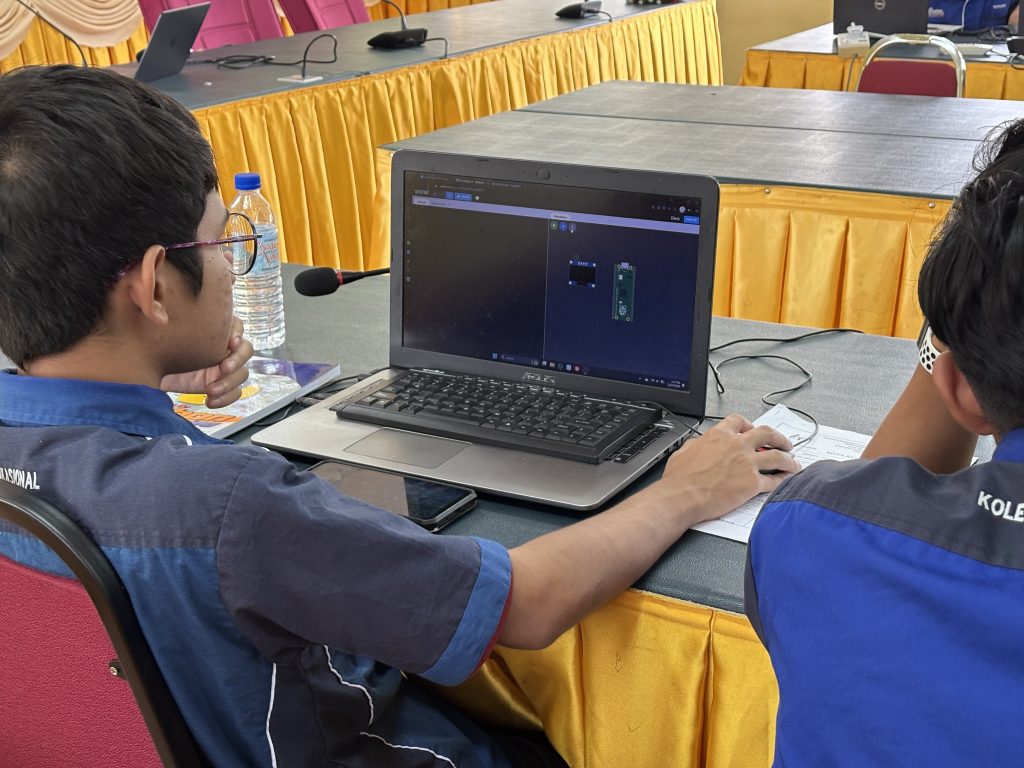
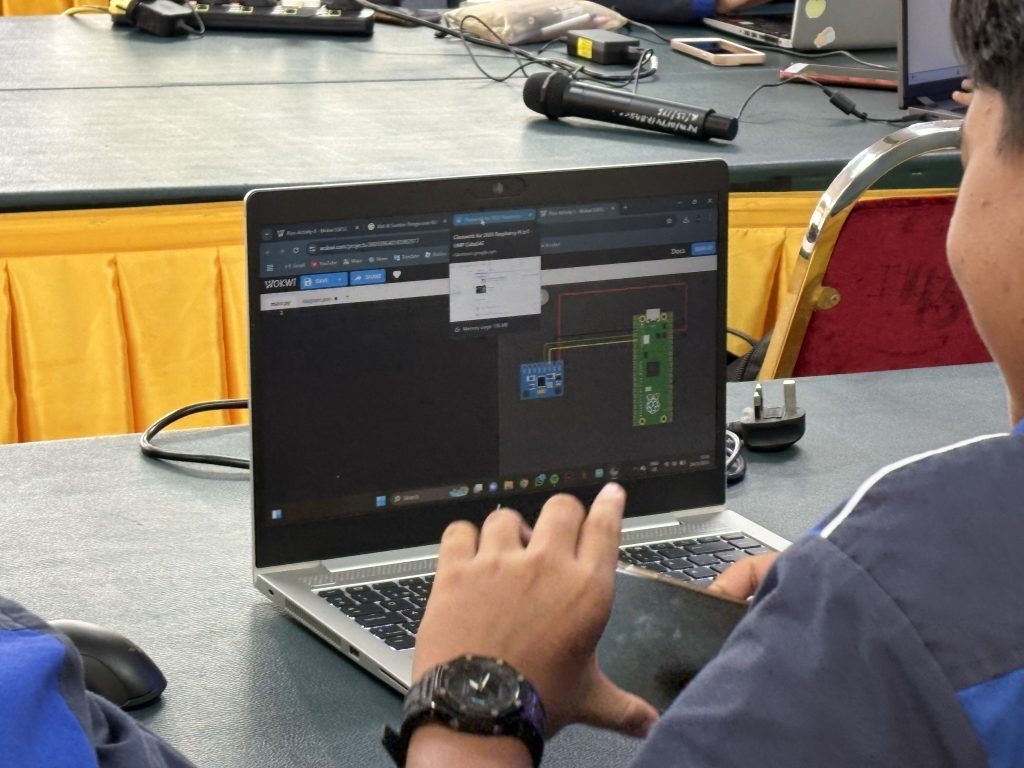
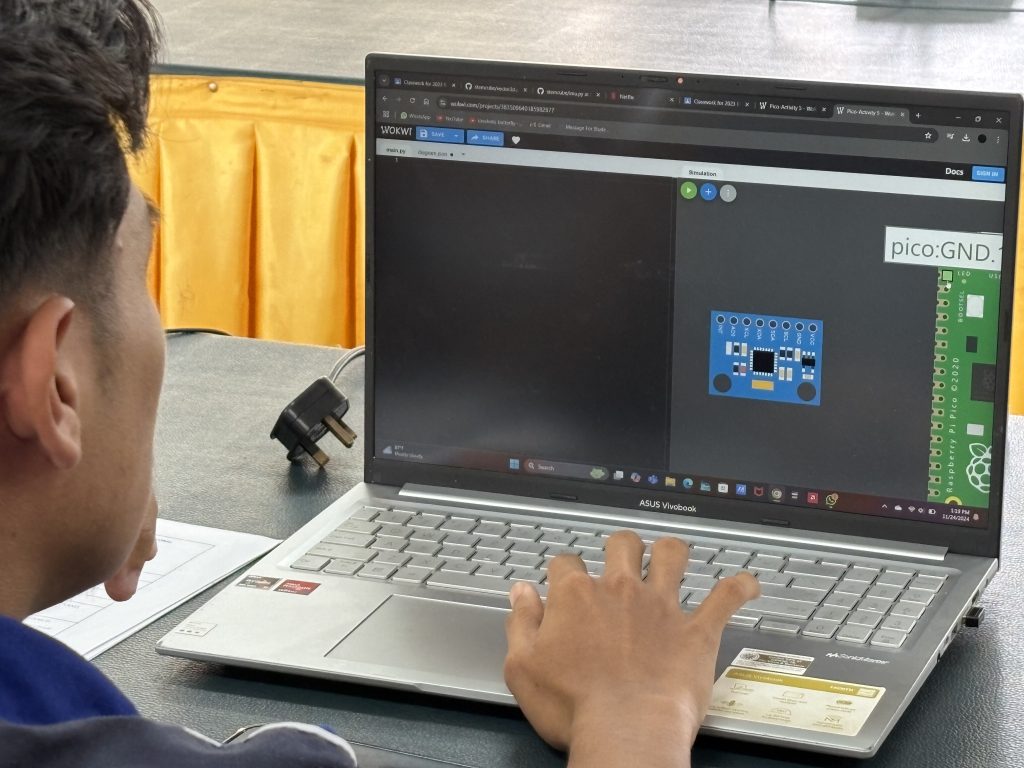
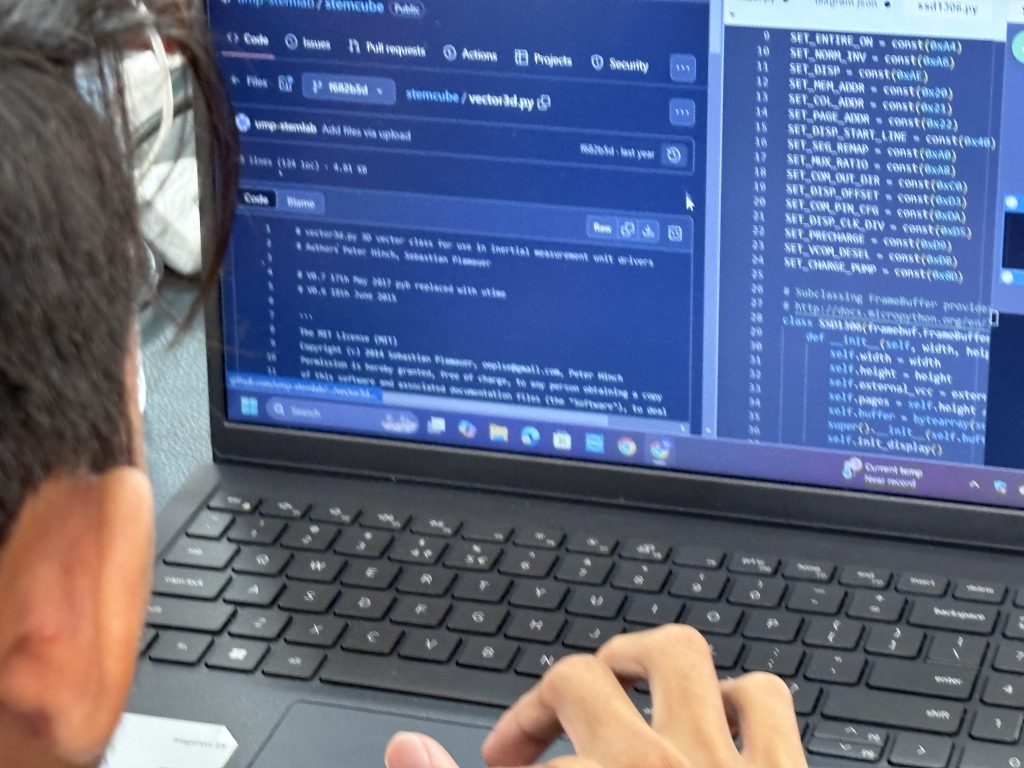
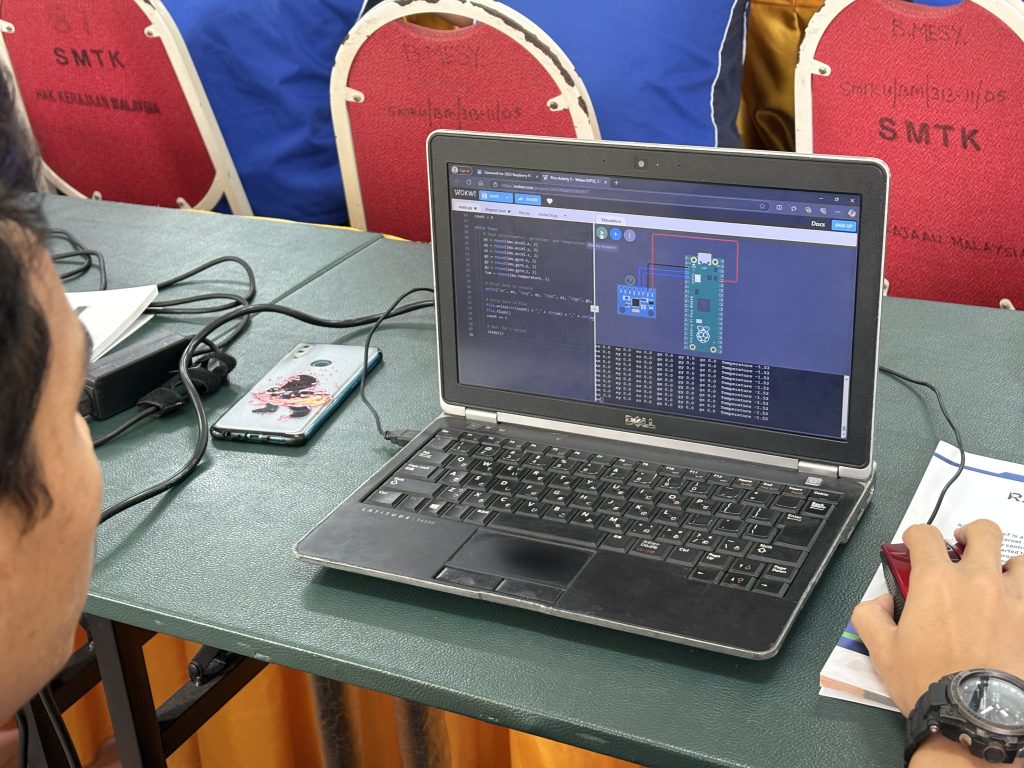
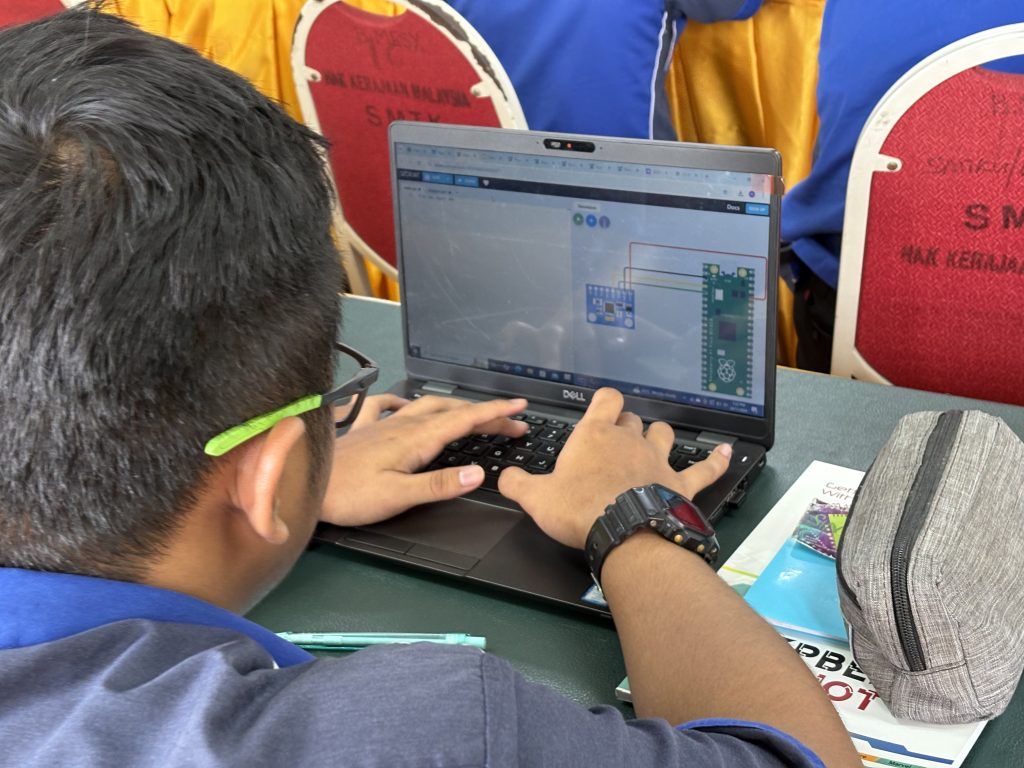
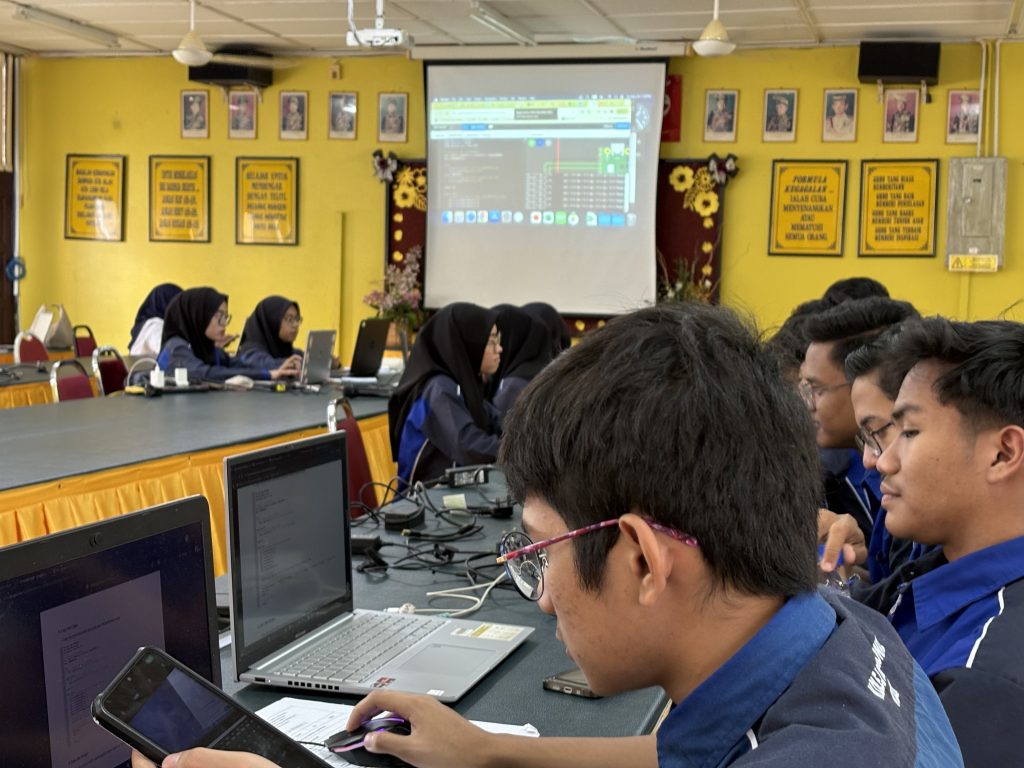
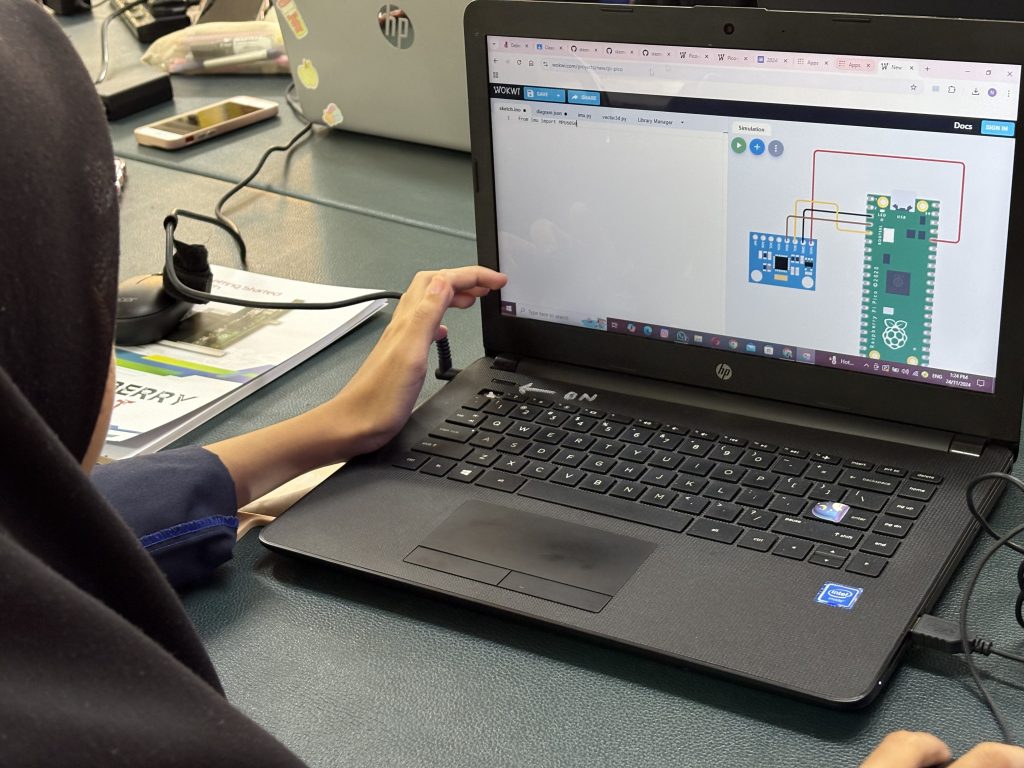


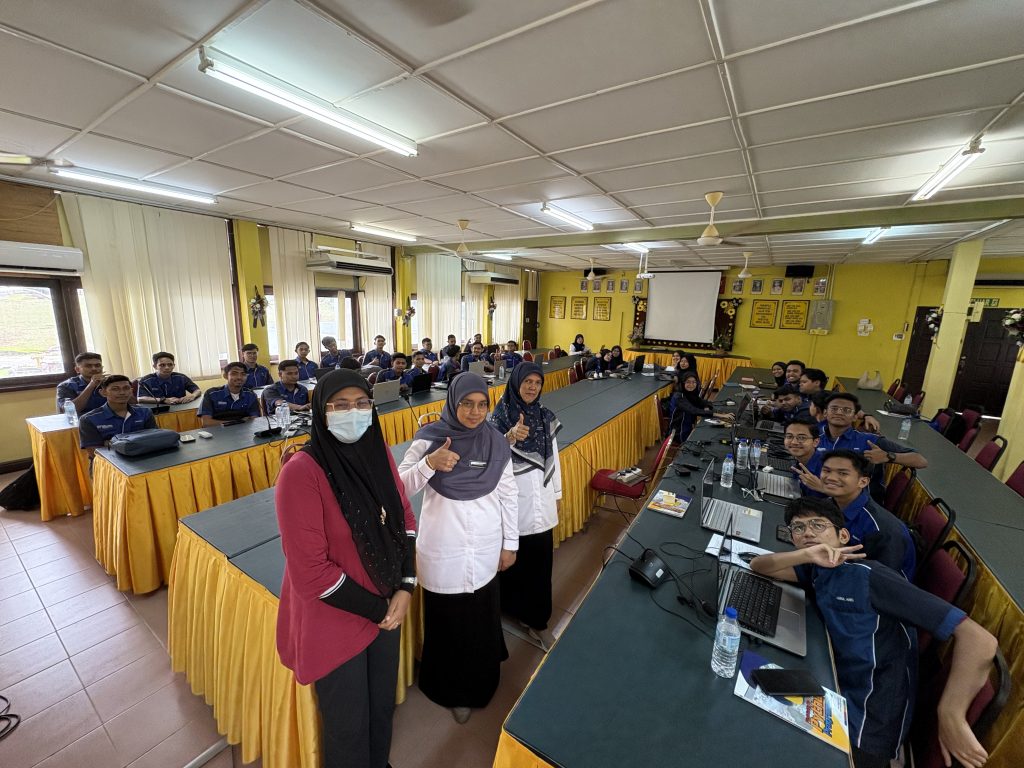
*UMPSA STEM Lab Raspberry Pi Programming Synopsis can be found here. In the Raspberry Pi IoT session, 90 students from SMK Mentok were introduced to the concept of the Internet of Things (IoT) using Raspberry Pi on the UMP STEM Cube, a pico-satellite learning kit specifically designed to facilitate engineering learning. The content covered basic digital input/output … Continue reading “Raspberry Pi Programming 2024/7 – SMK Bukit Mentok”
*UMPSA STEM Lab Raspberry Pi Programming Synopsis can be found here.
In the Raspberry Pi IoT session, 90 students from SMK Mentok were introduced to the concept of the Internet of Things (IoT) using Raspberry Pi on the UMP STEM Cube, a pico-satellite learning kit specifically designed to facilitate engineering learning.
The content covered basic digital input/output operations on onboard LEDs, as well as topics such as dashboard design using gyro meter and BMU280 sensor data, including collecting and storing data in a cloud database. Participants learned to interface sensors with Raspberry Pi boards and develop IoT applications for real-world scenarios. The session provided students with valuable insights into IoT technology and its applications in various domains.
A special appreciation is extended to Cikgu Farah for coordination in facilitating communication between the participants and the UMPSA STEM Lab :).
Nov 21st


DRE2213 IMG_0274 BTE1522