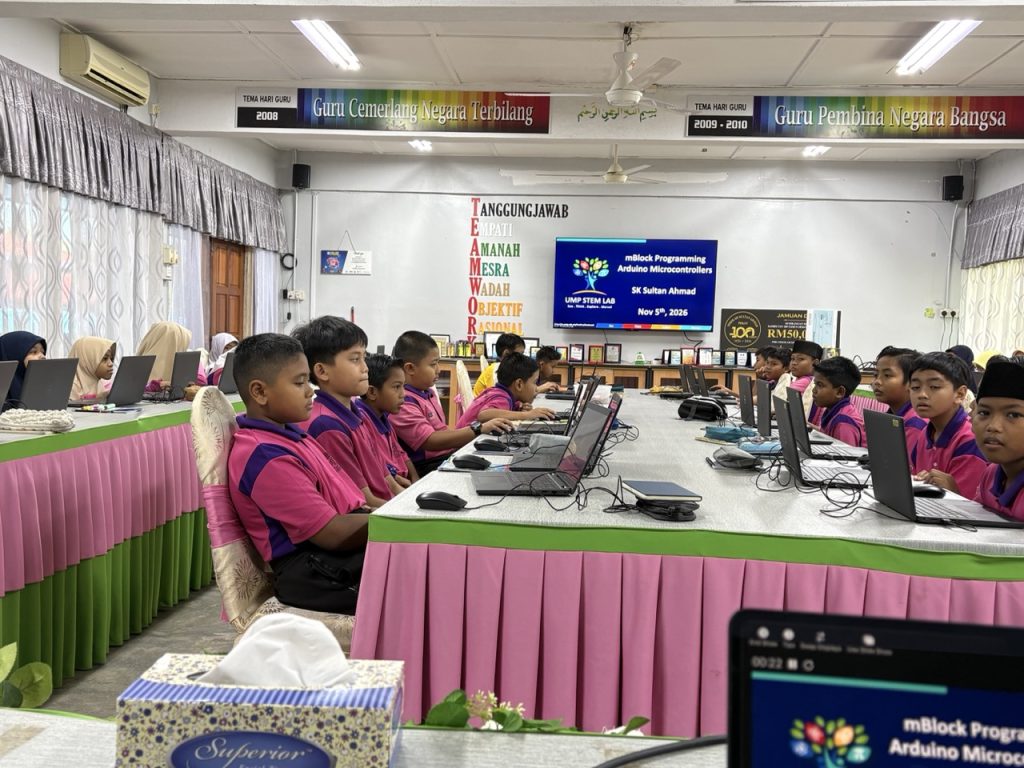
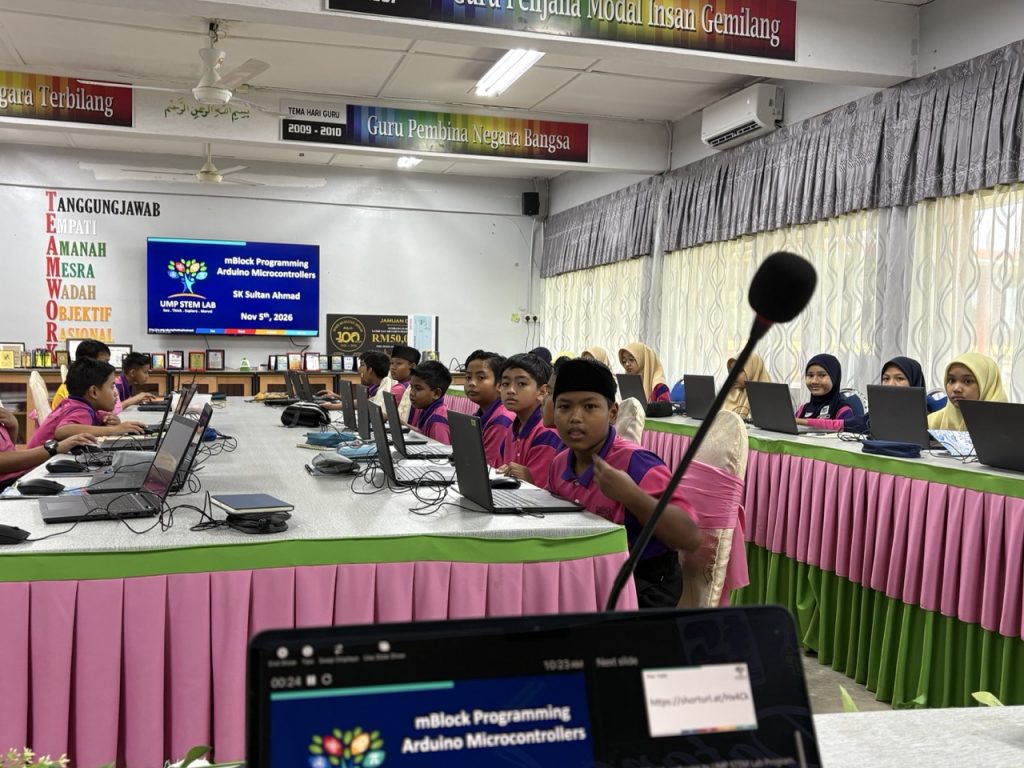
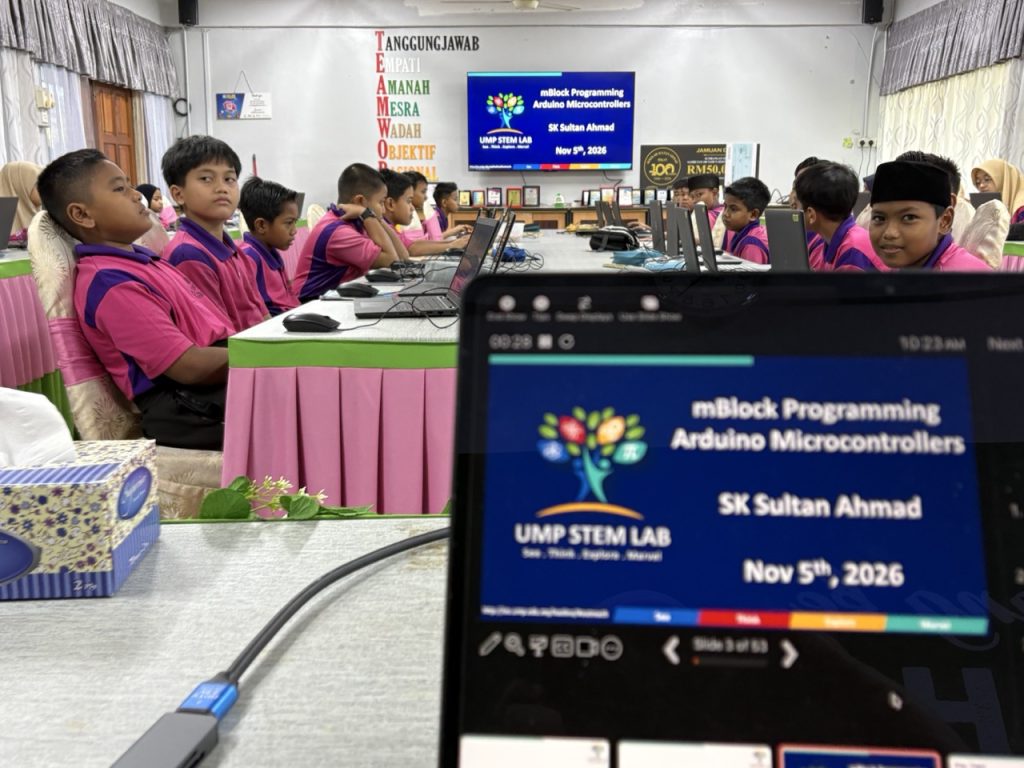
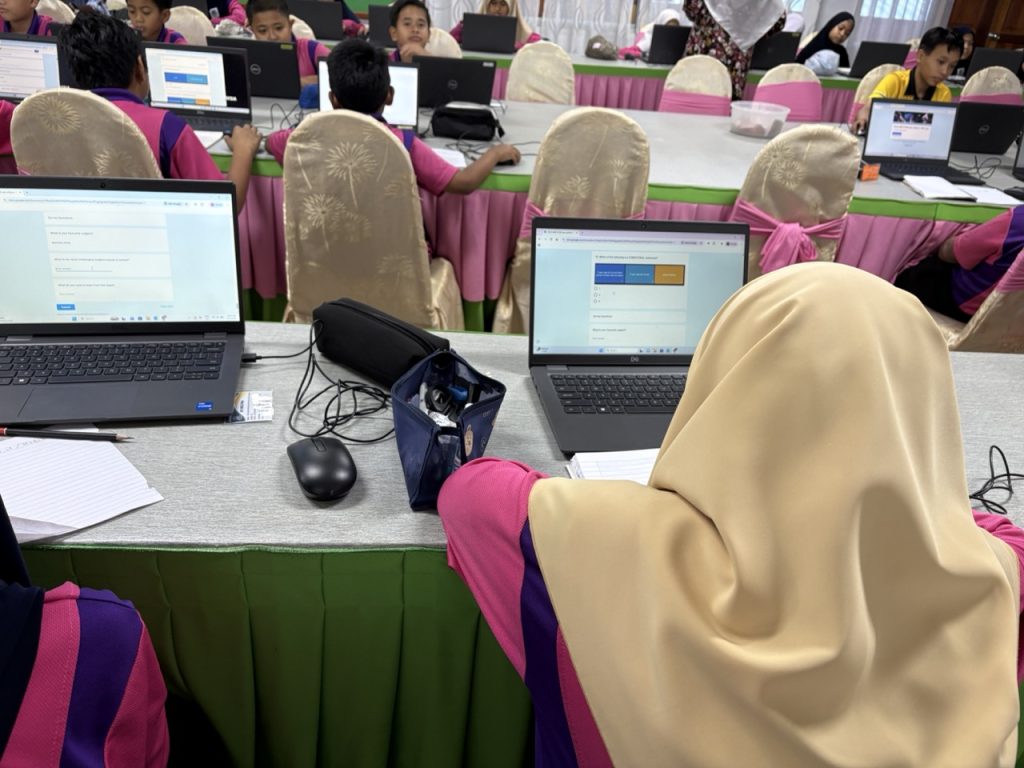
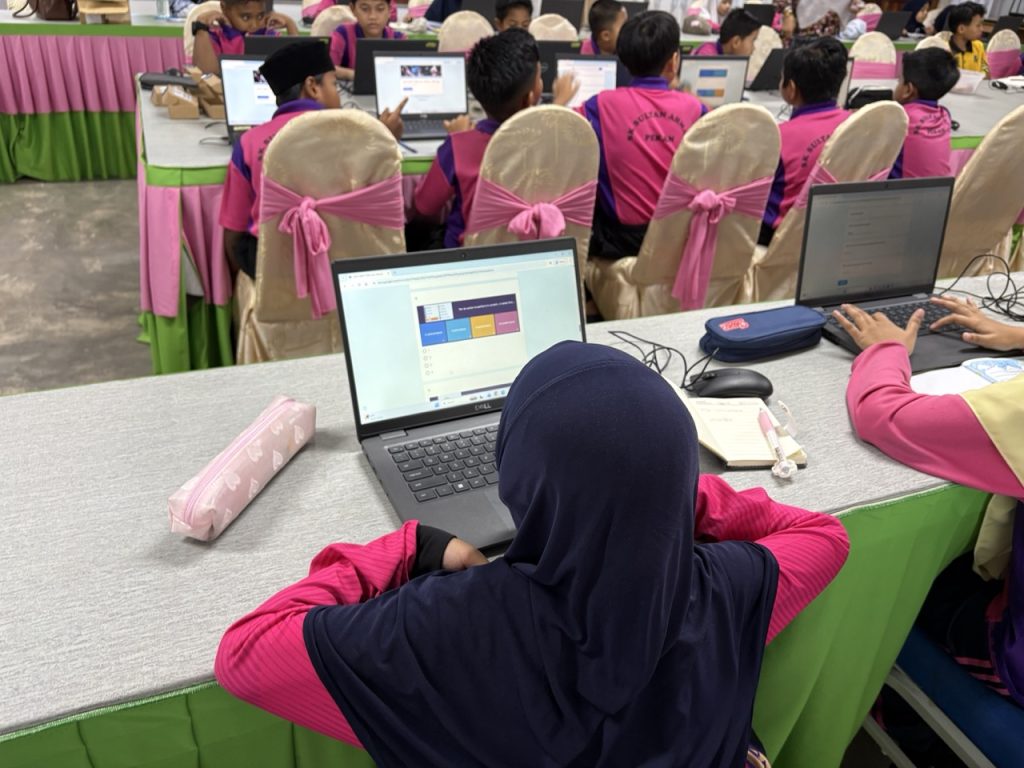
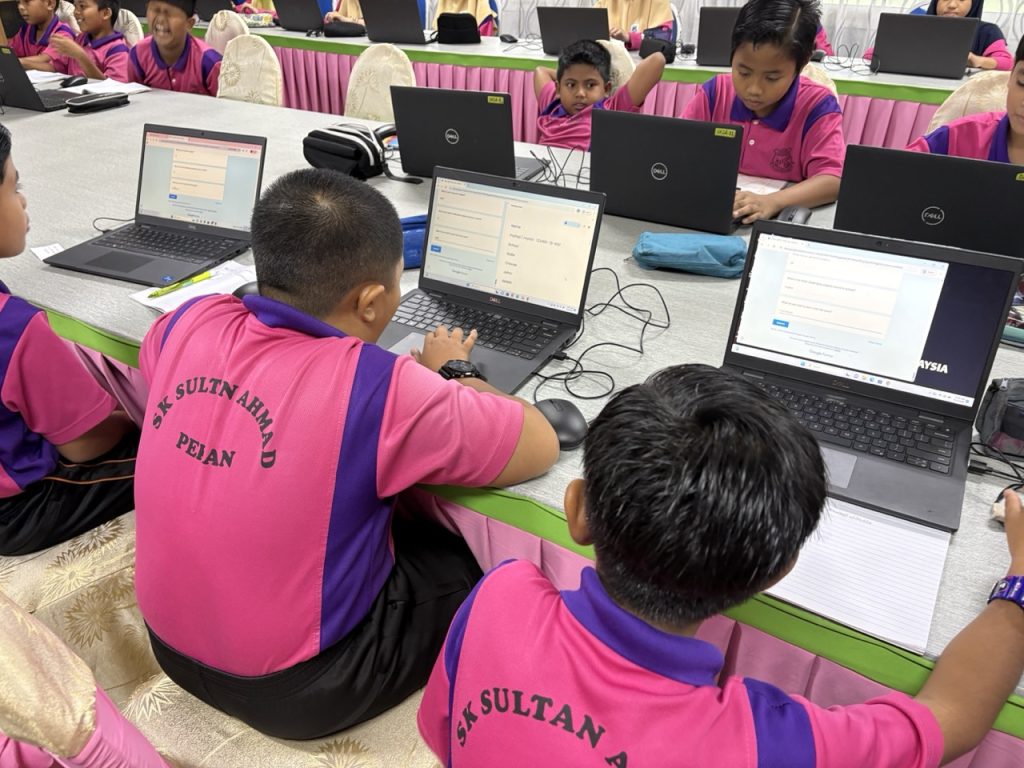
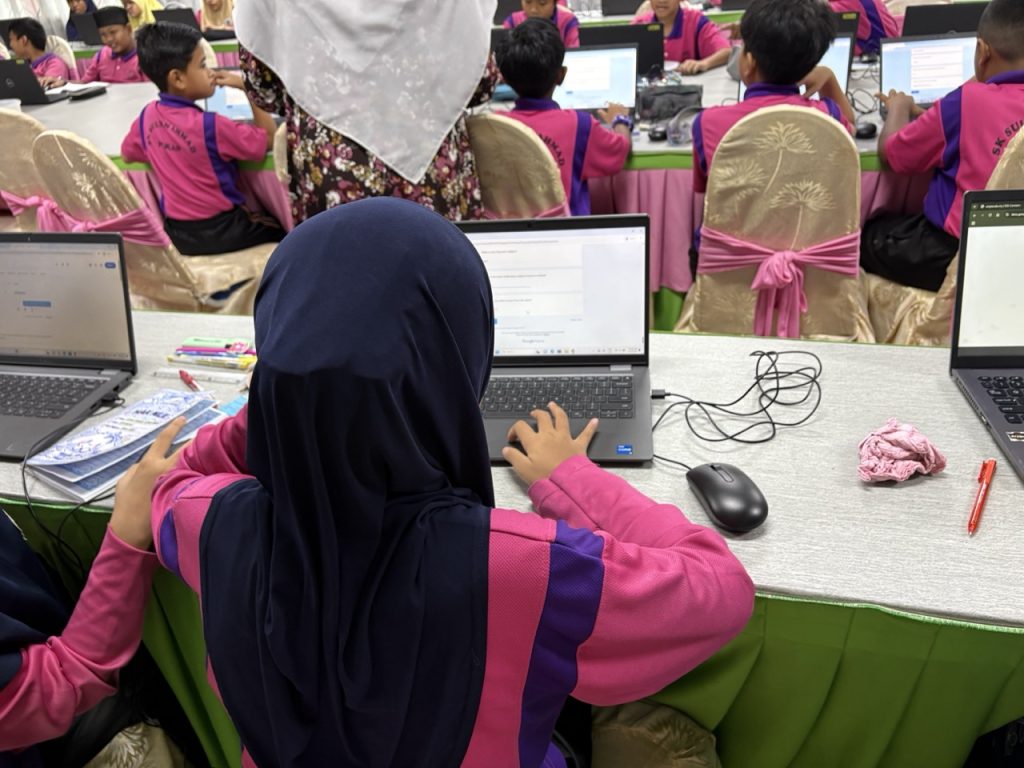
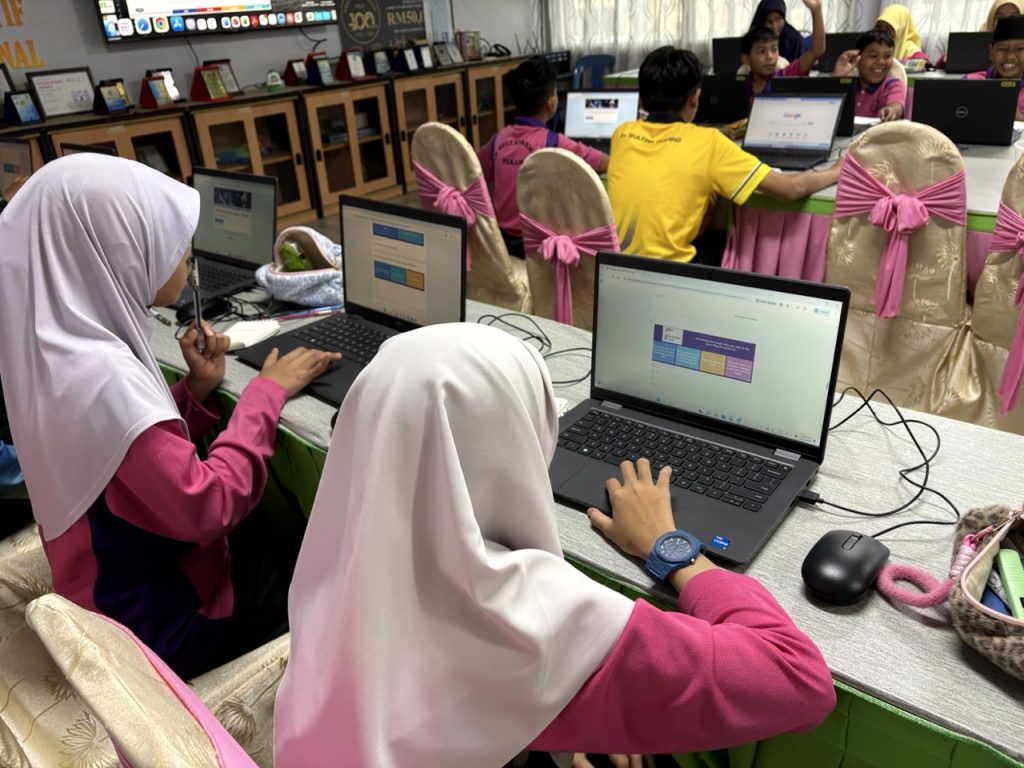
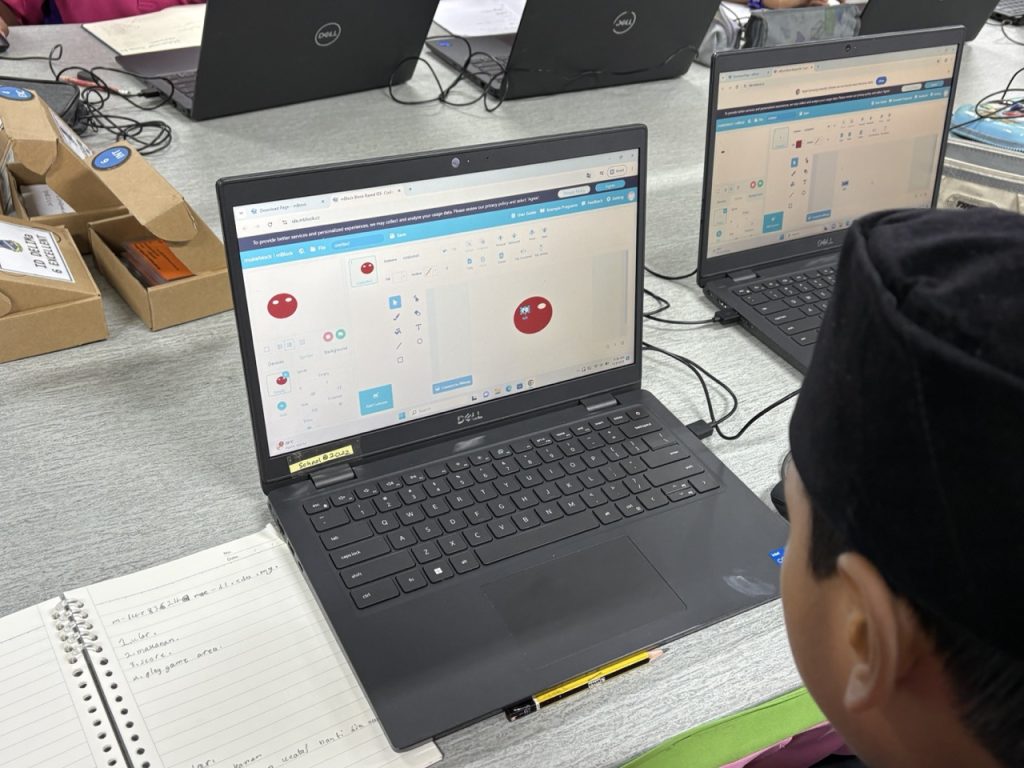
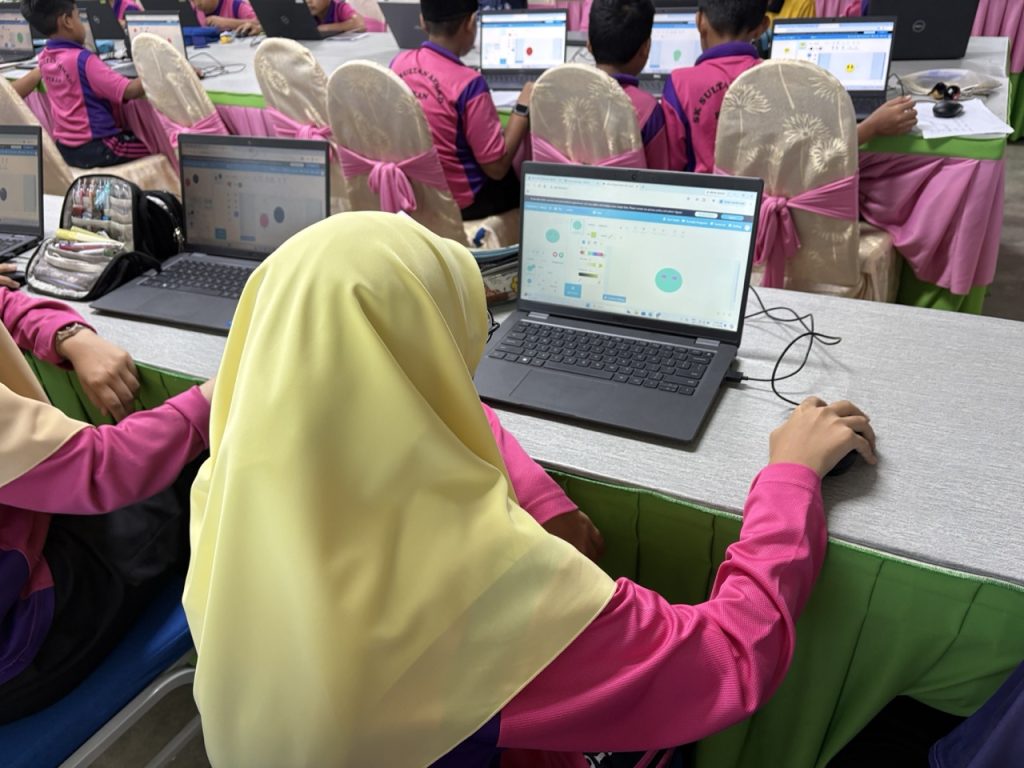
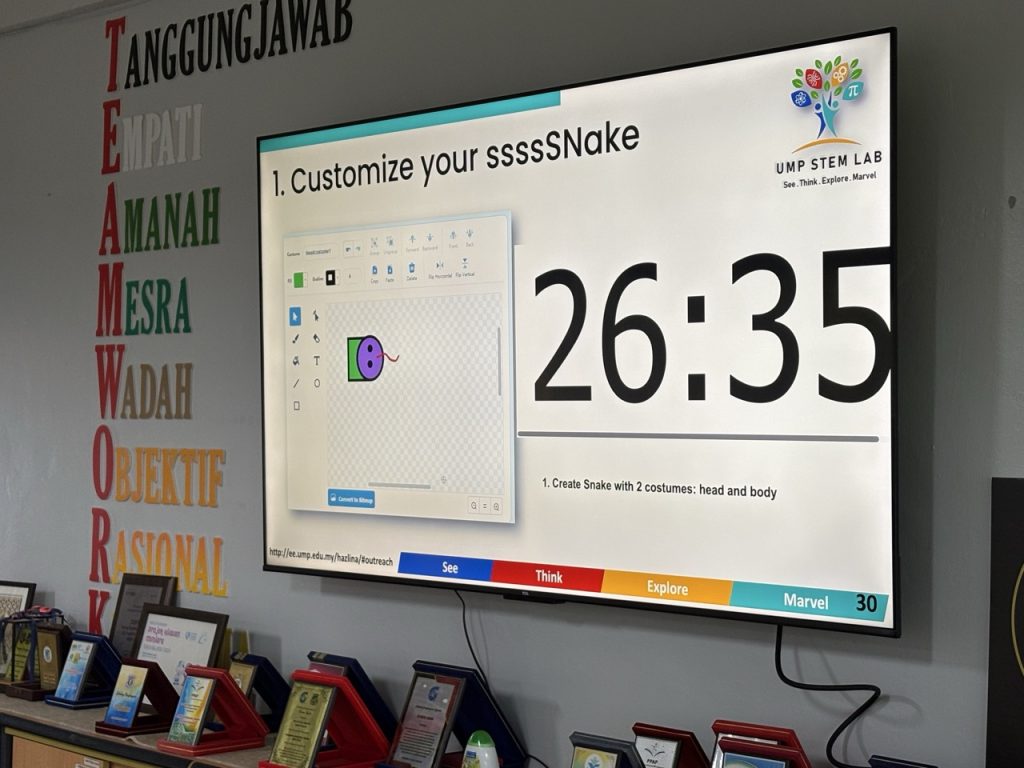
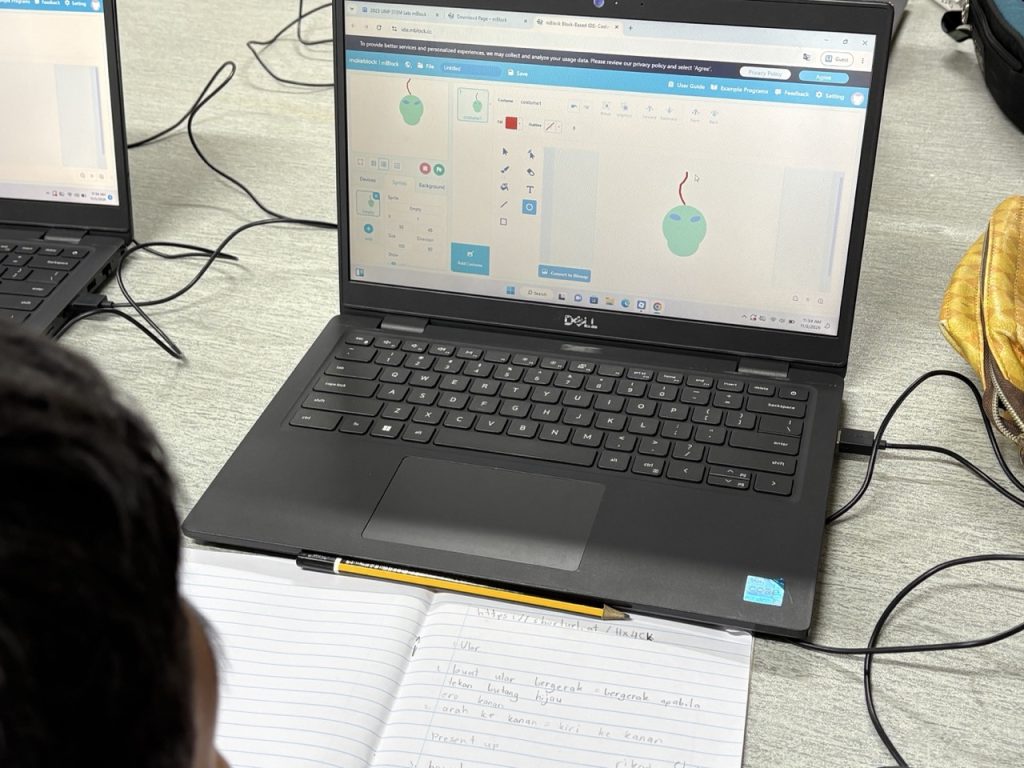
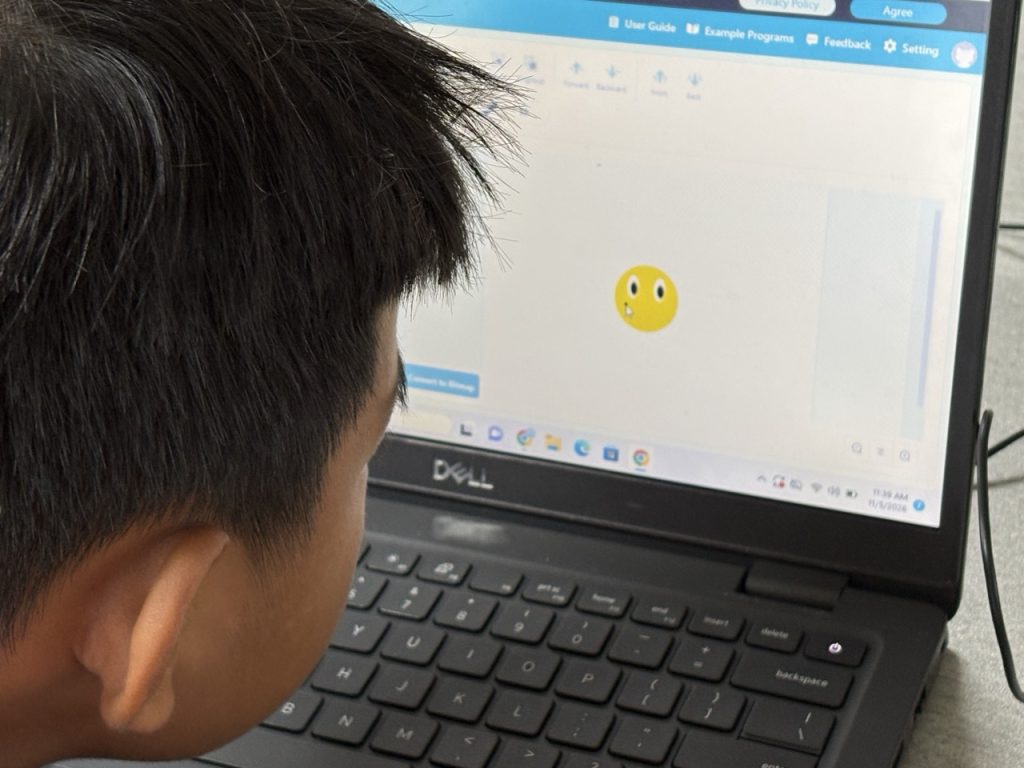
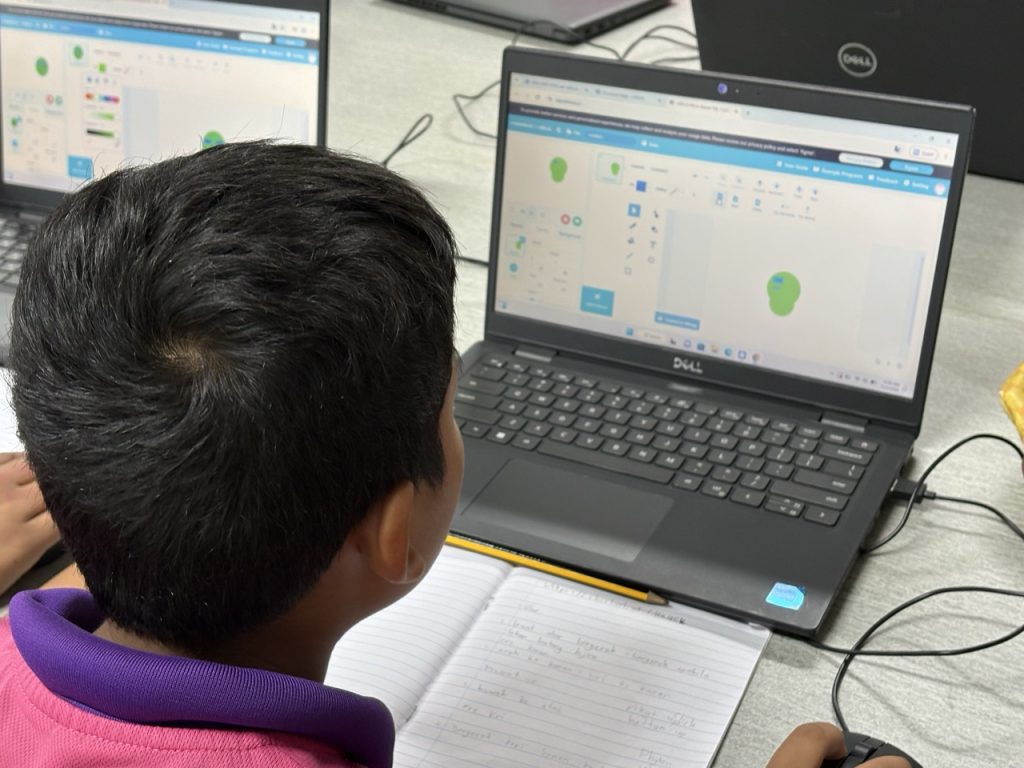
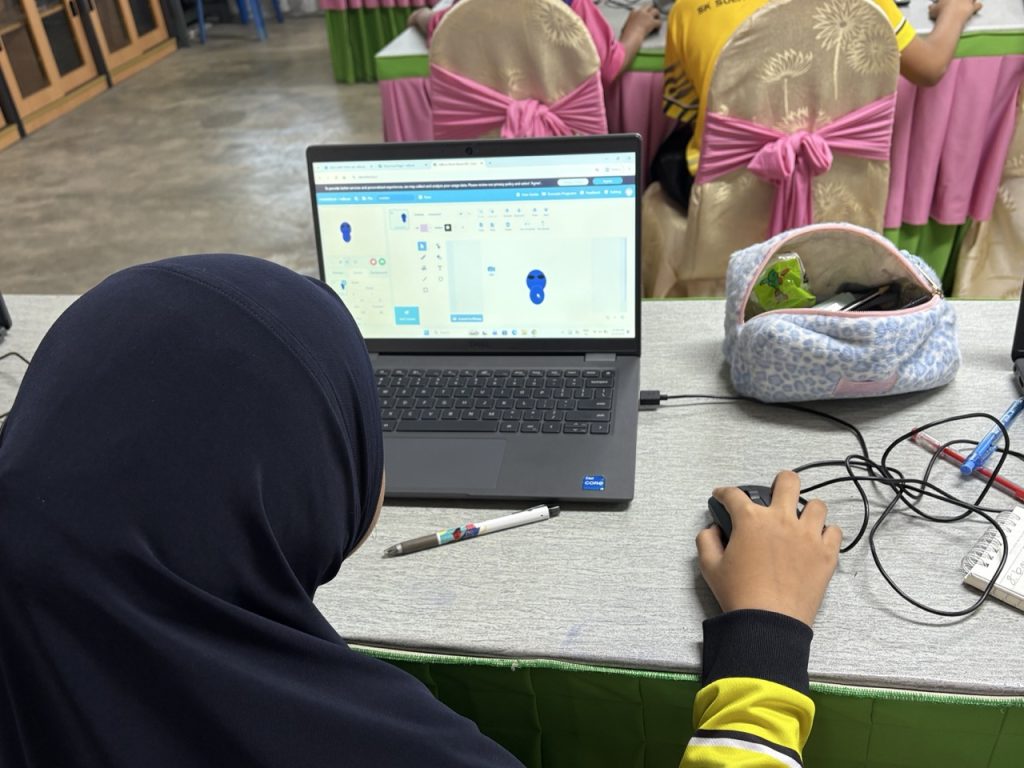
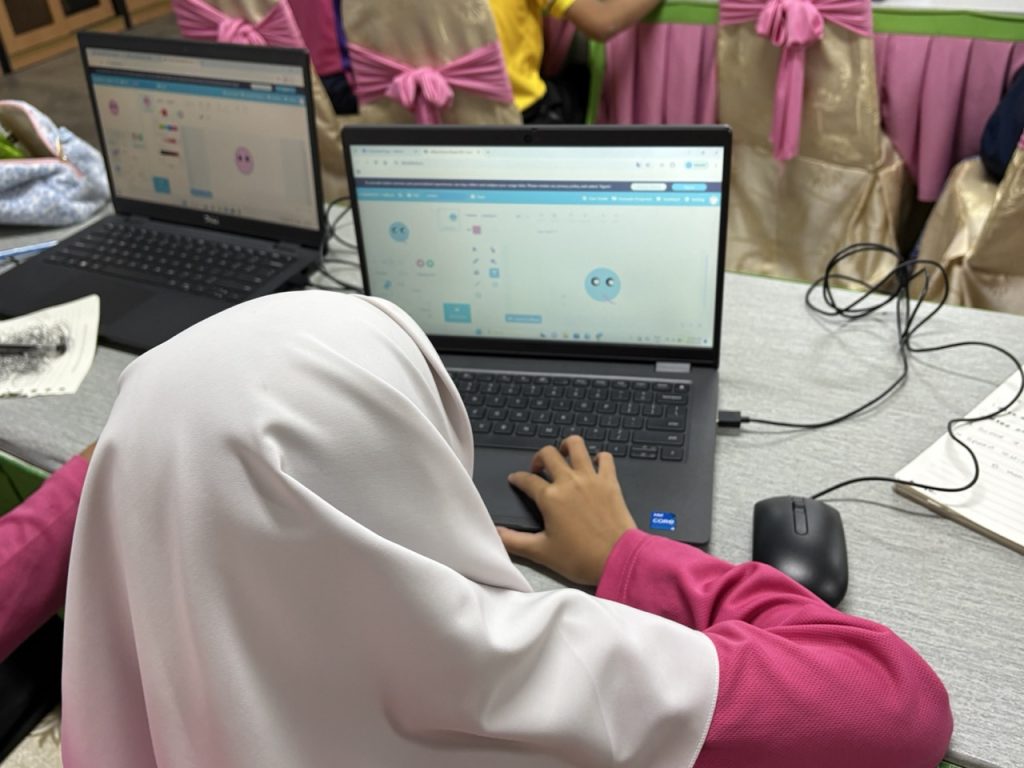
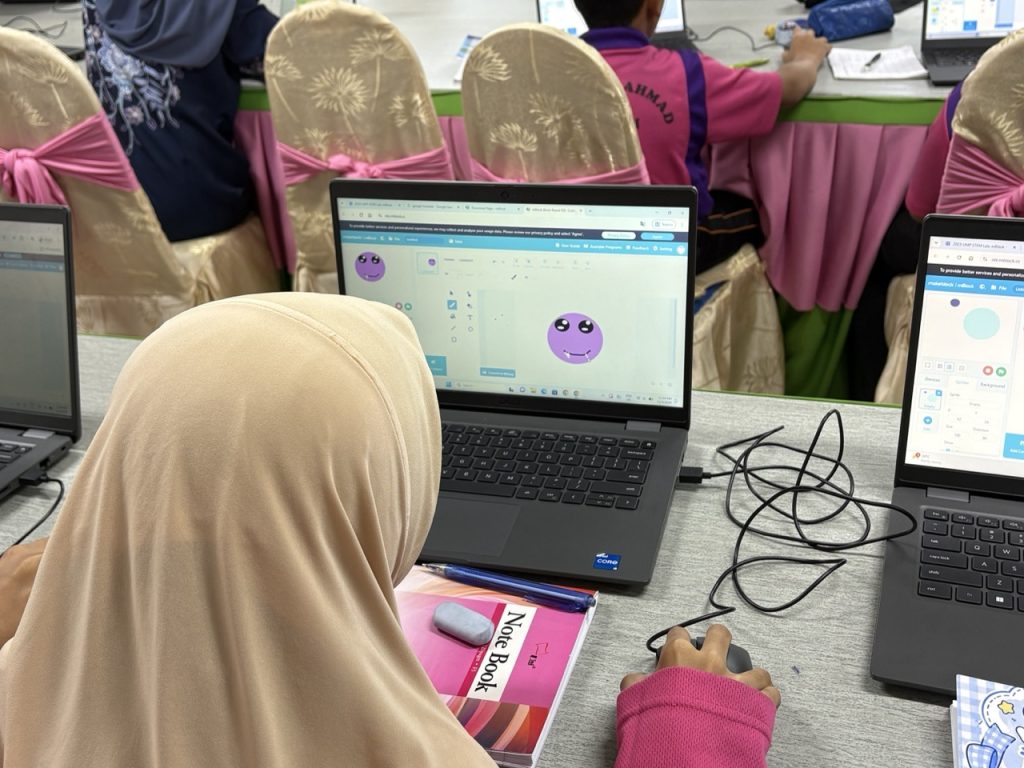
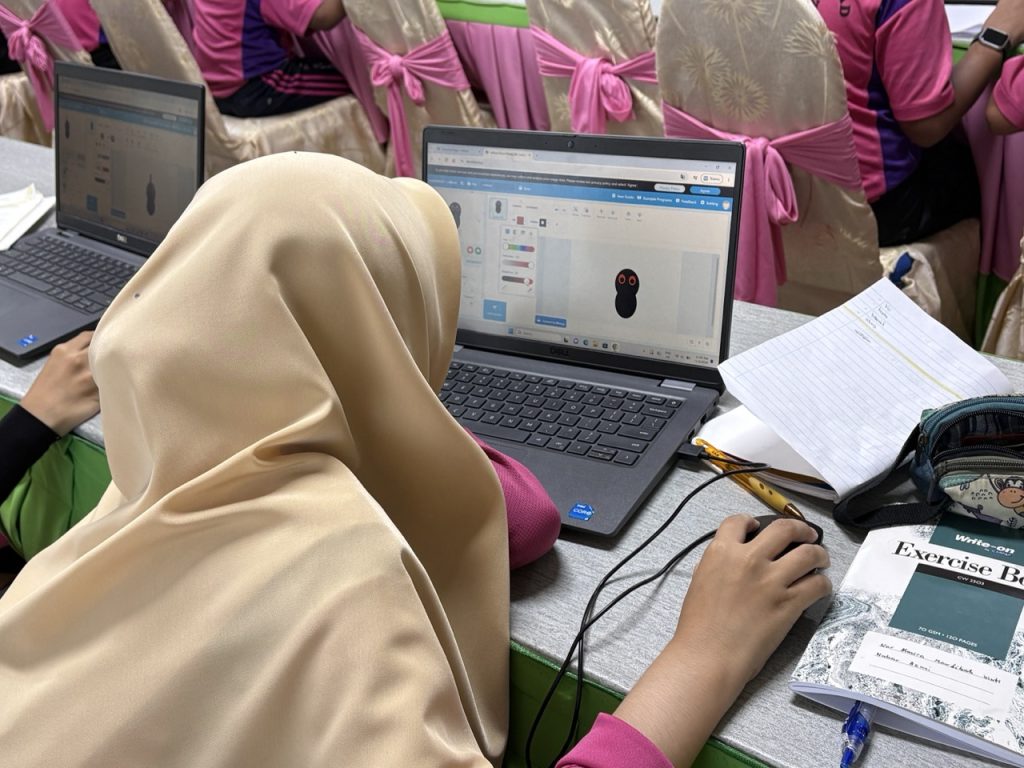
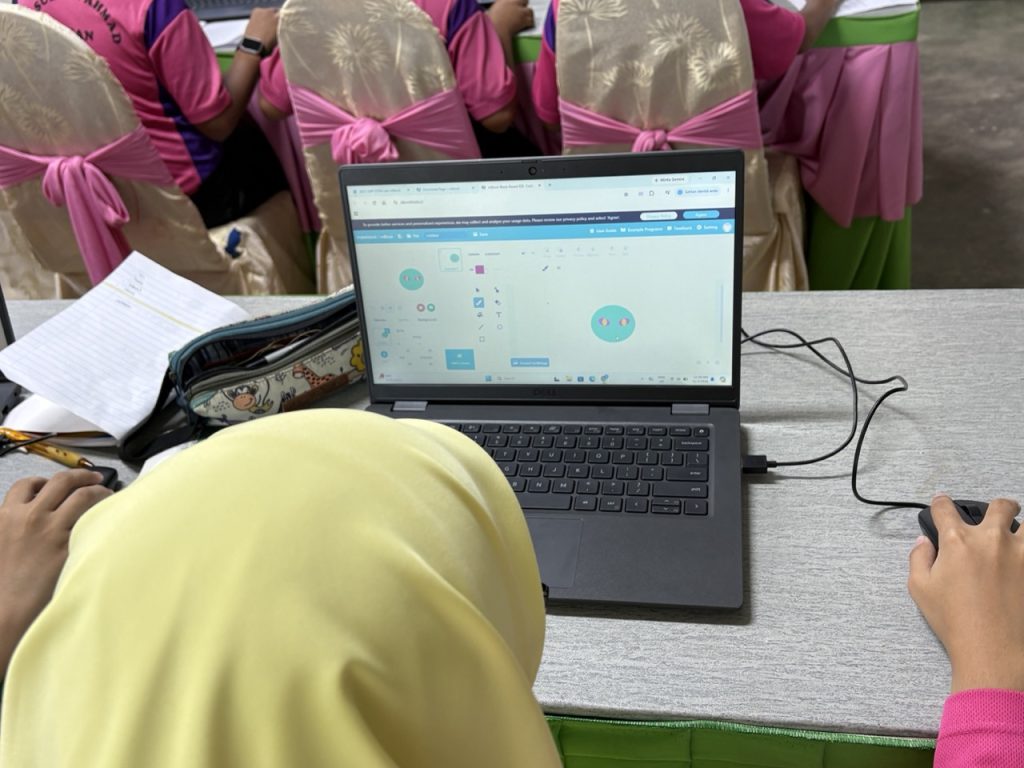
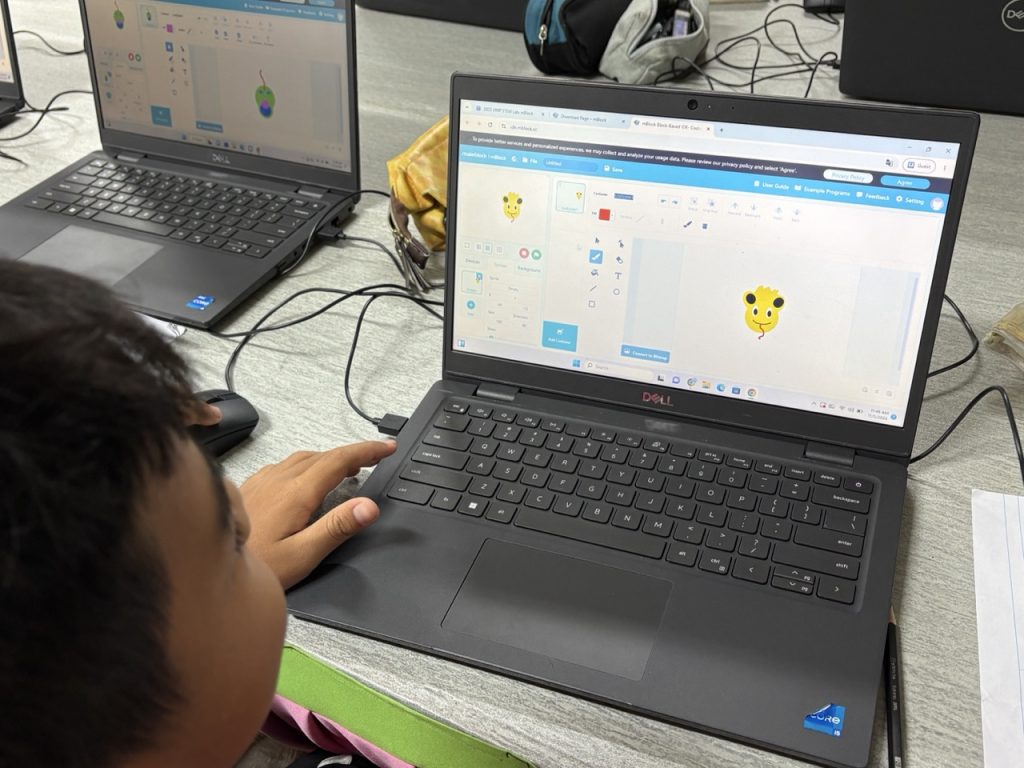
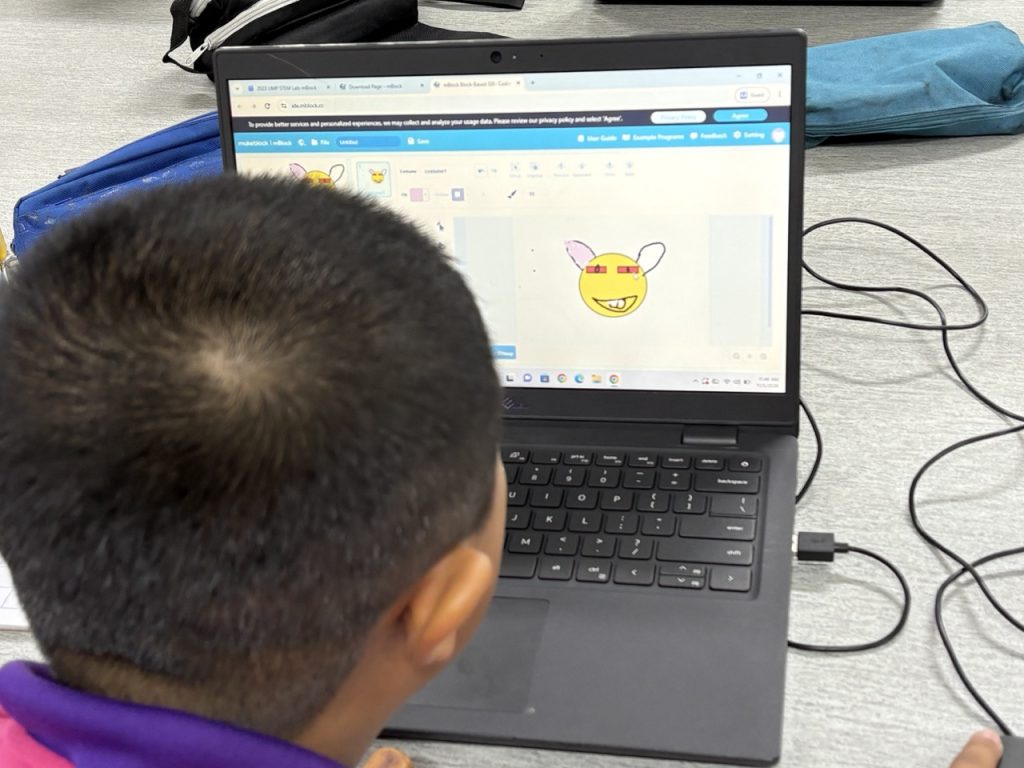
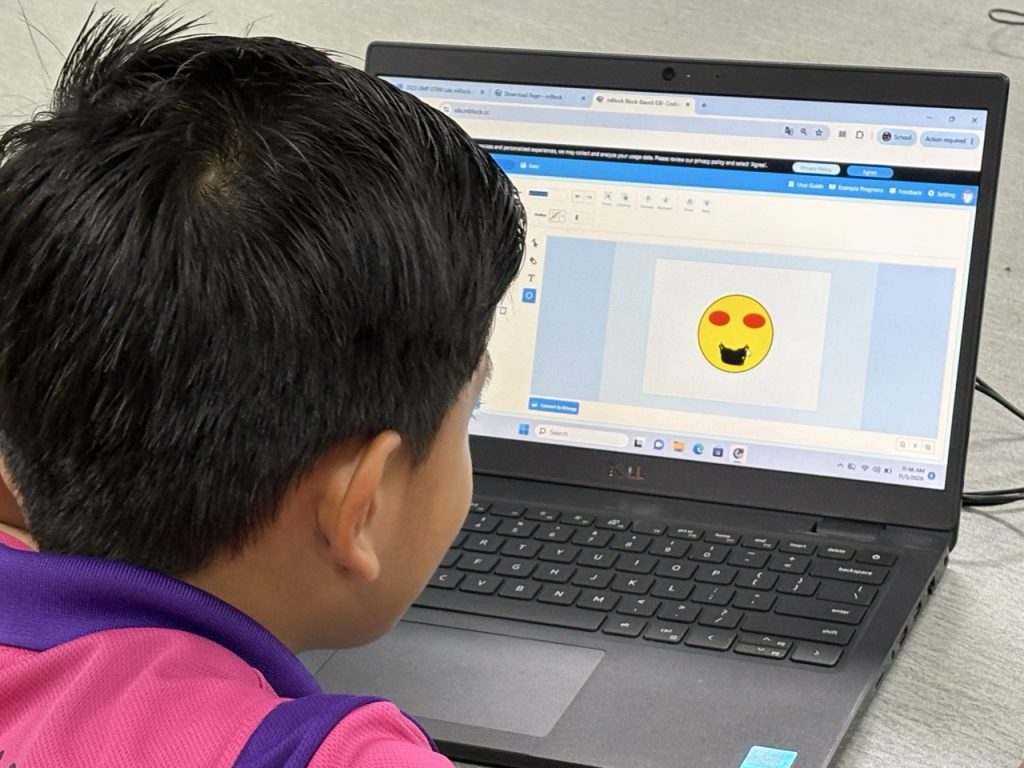
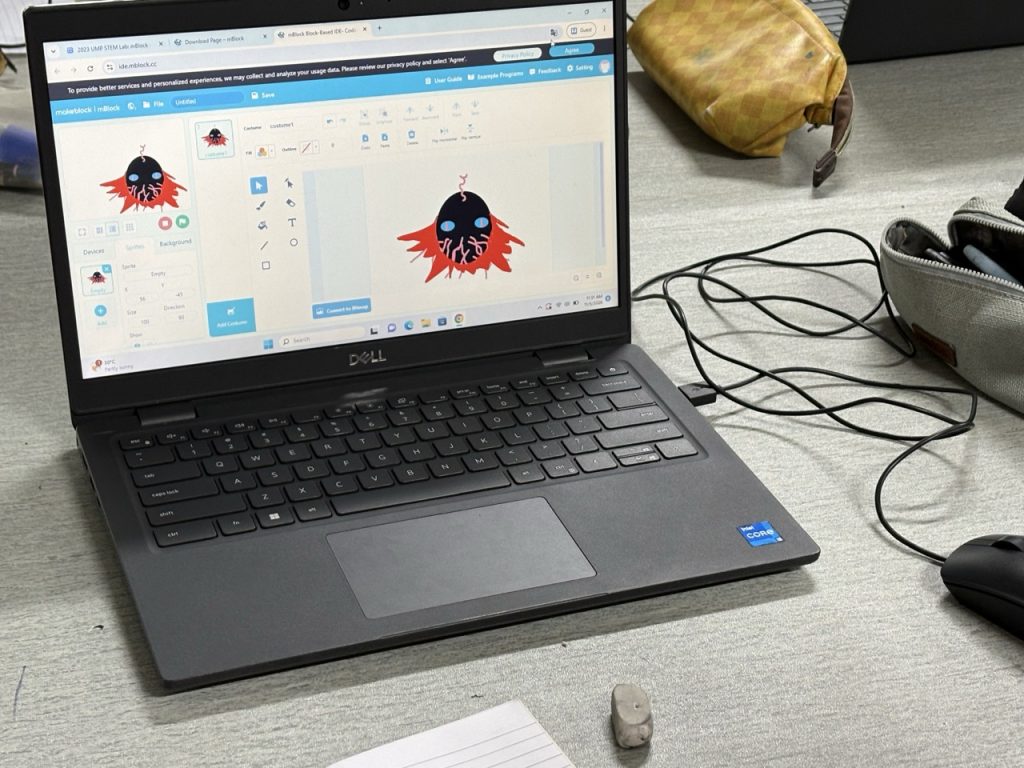
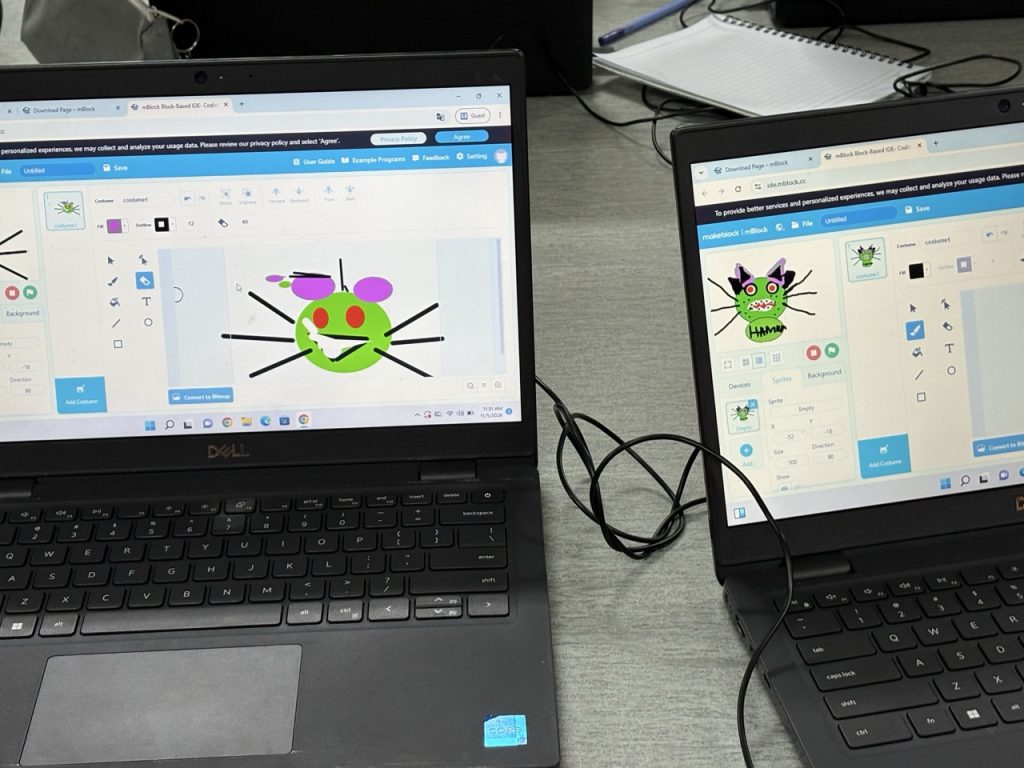
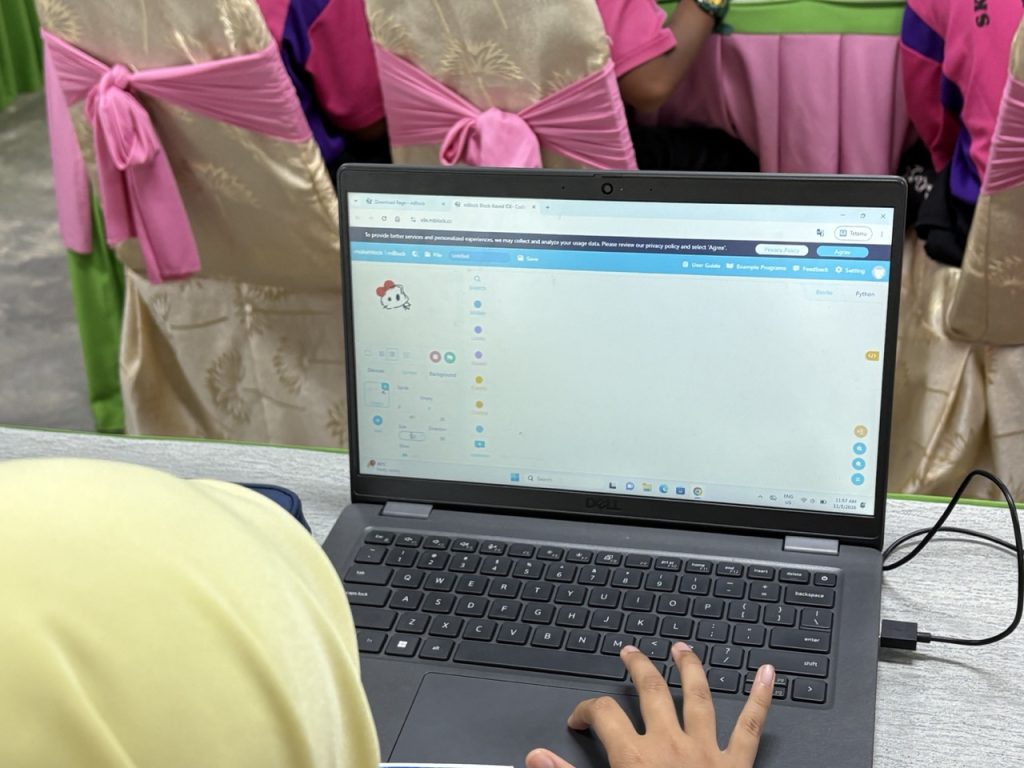
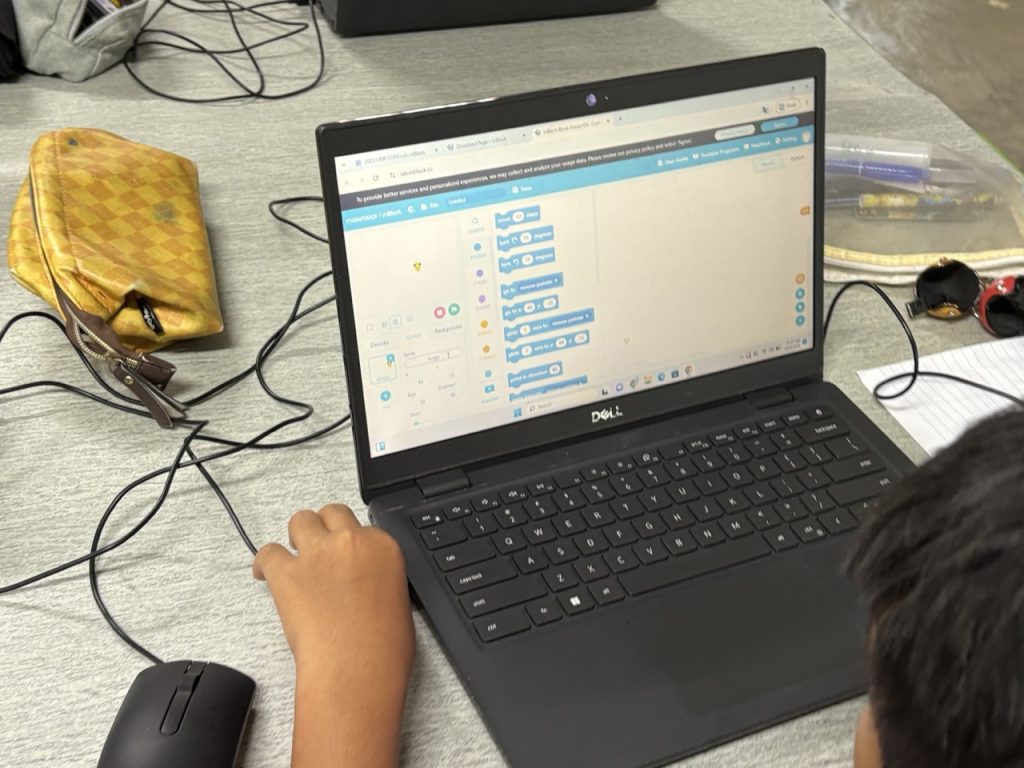
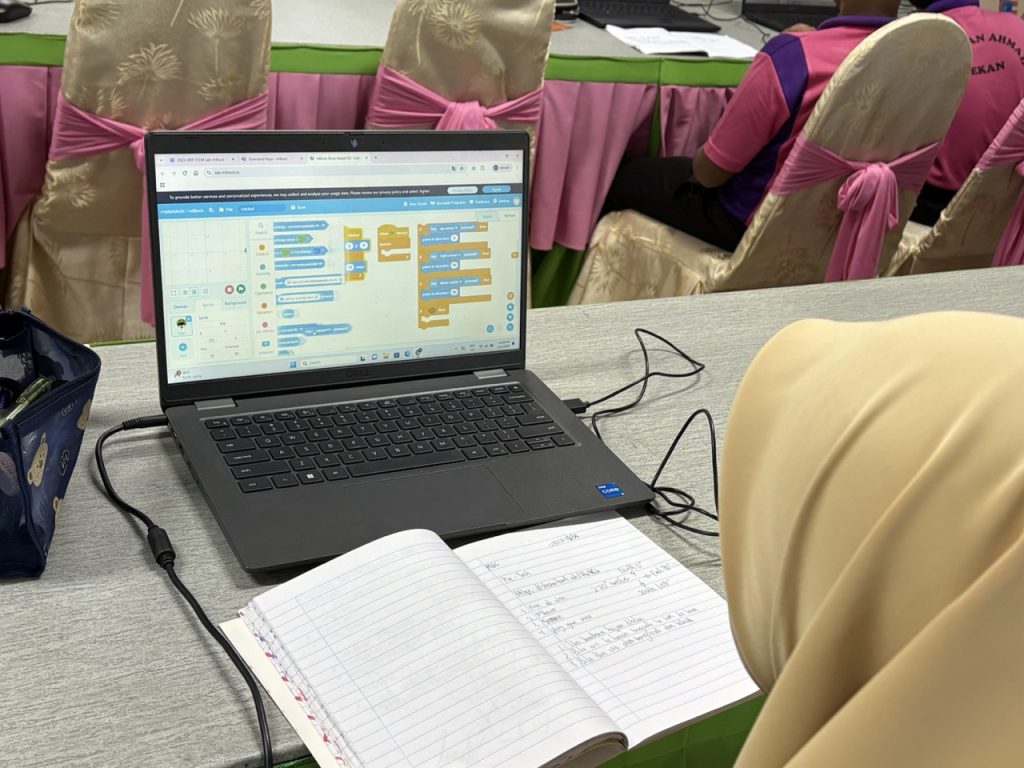
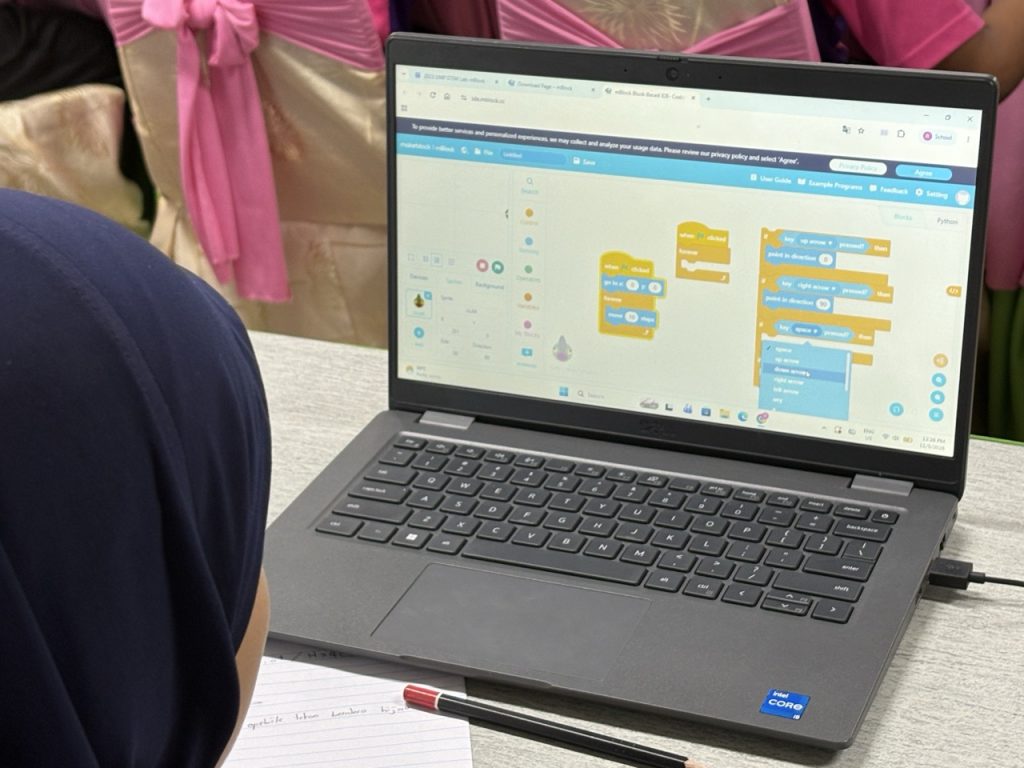
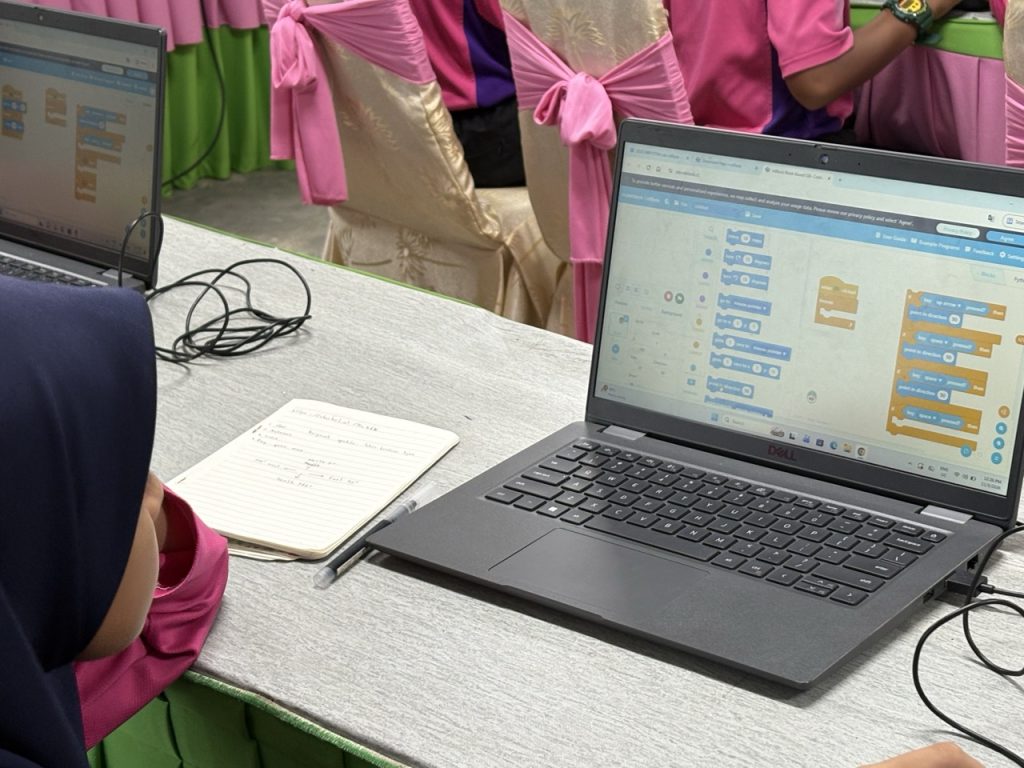
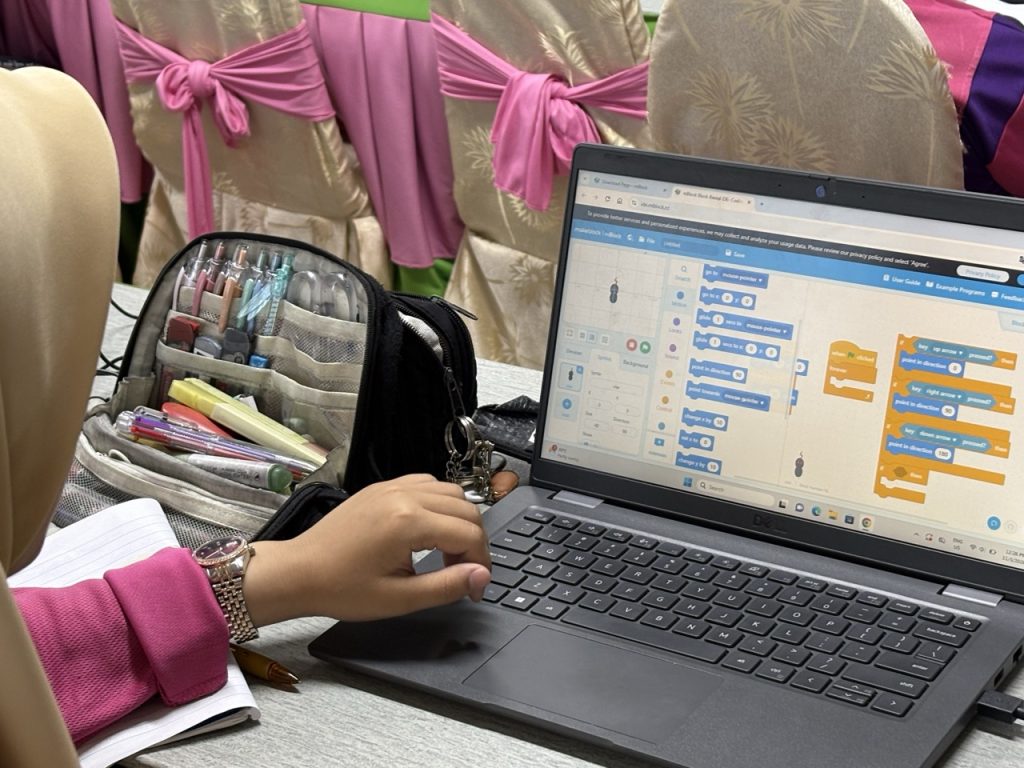
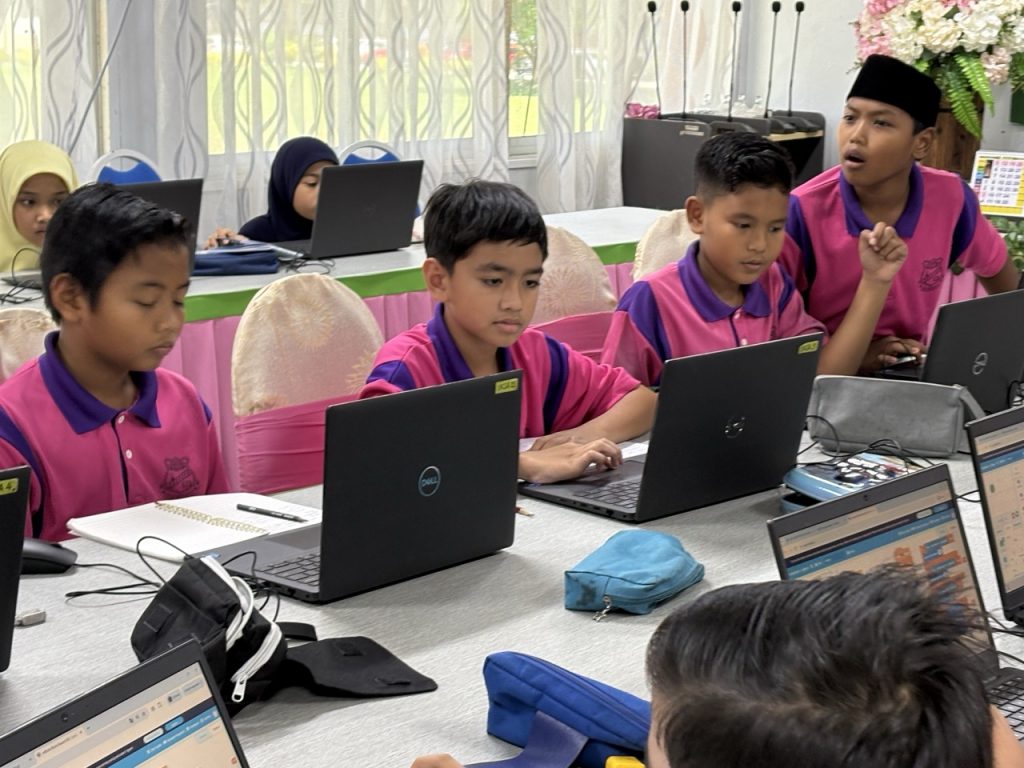
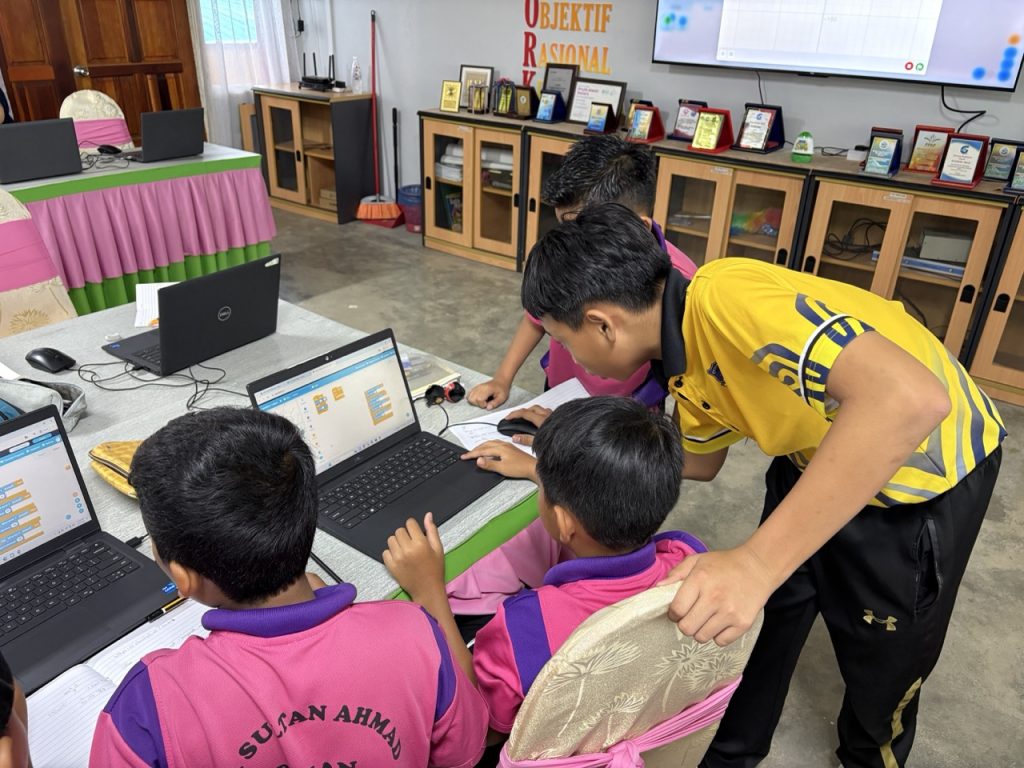
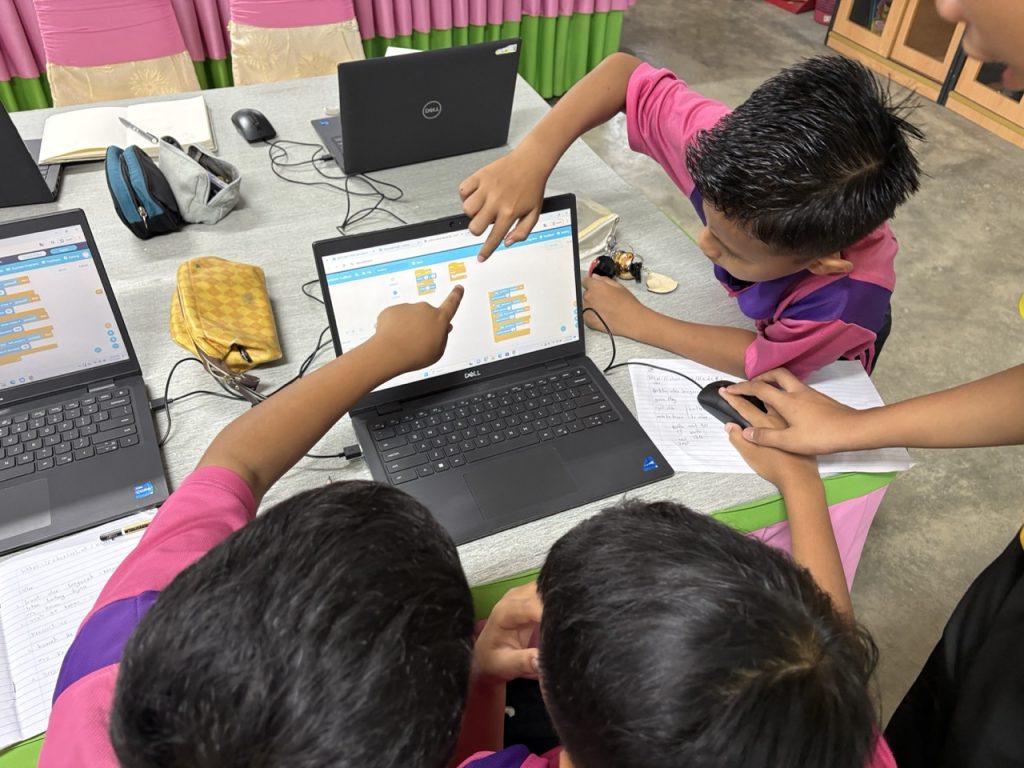
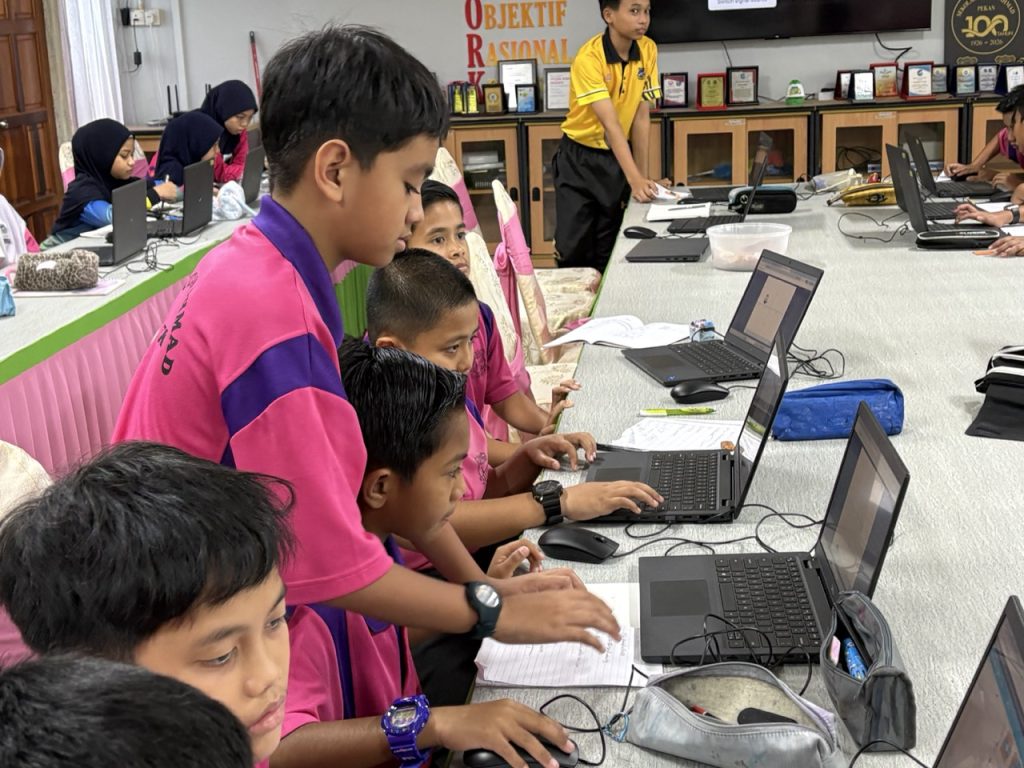
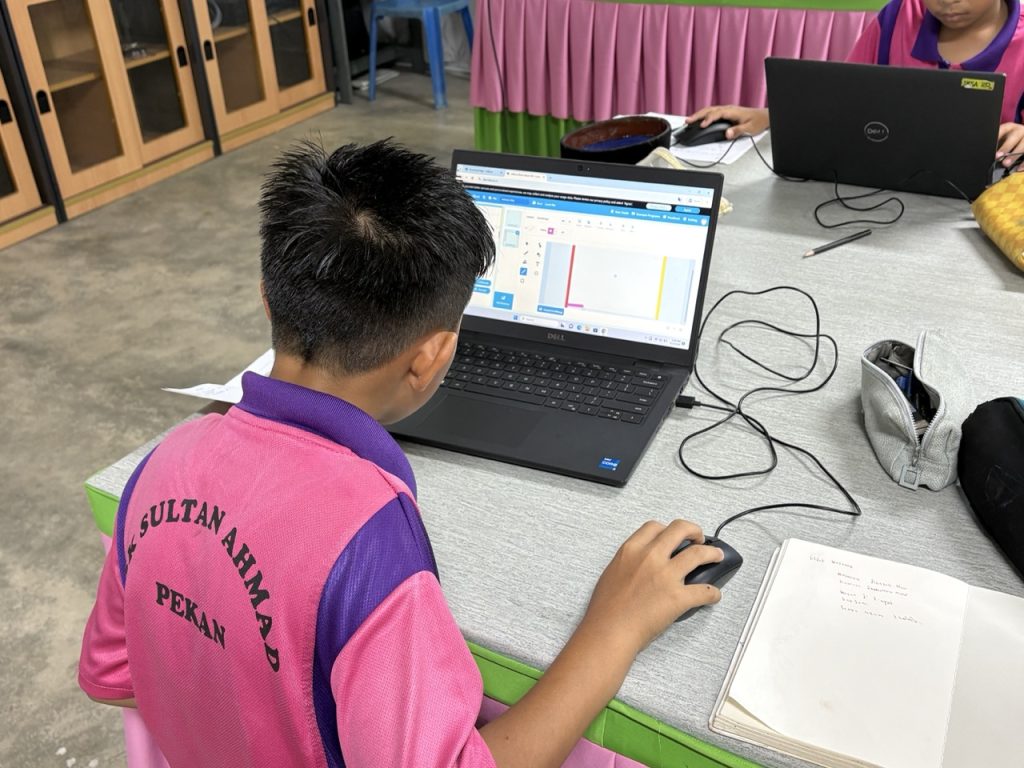
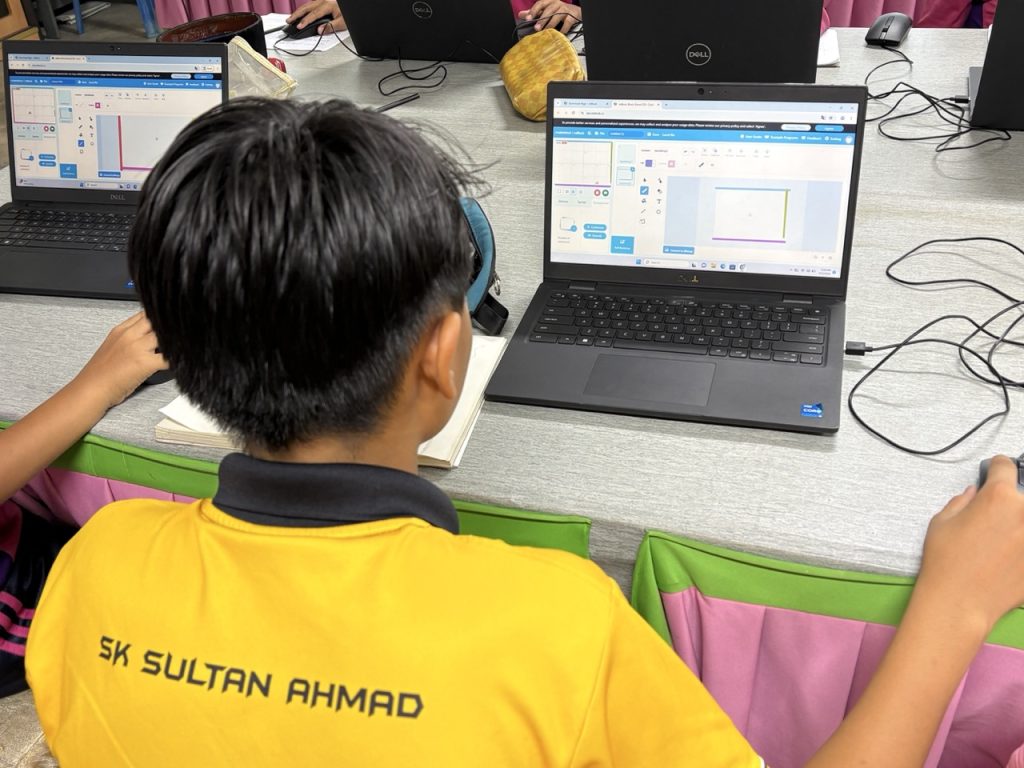
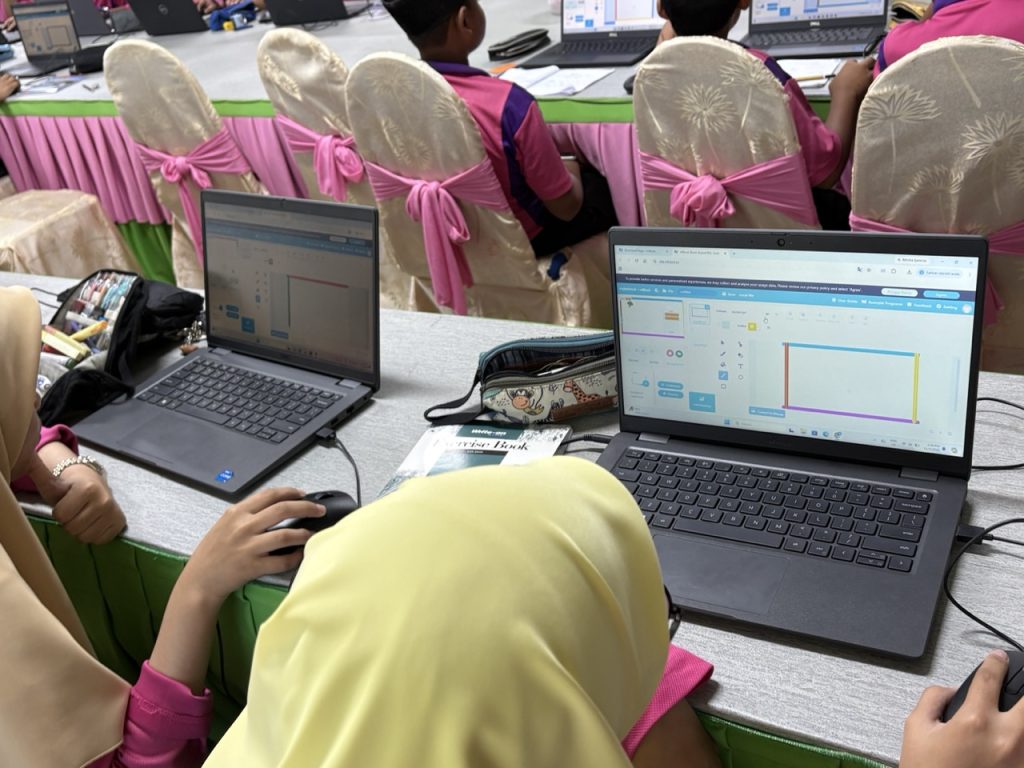
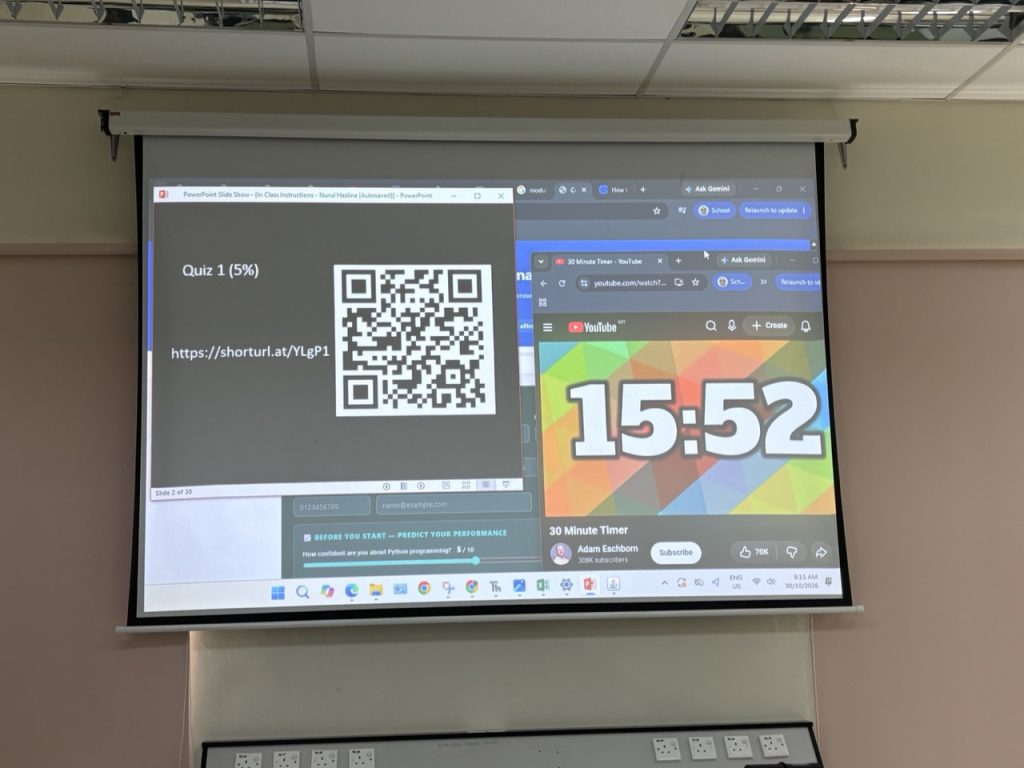
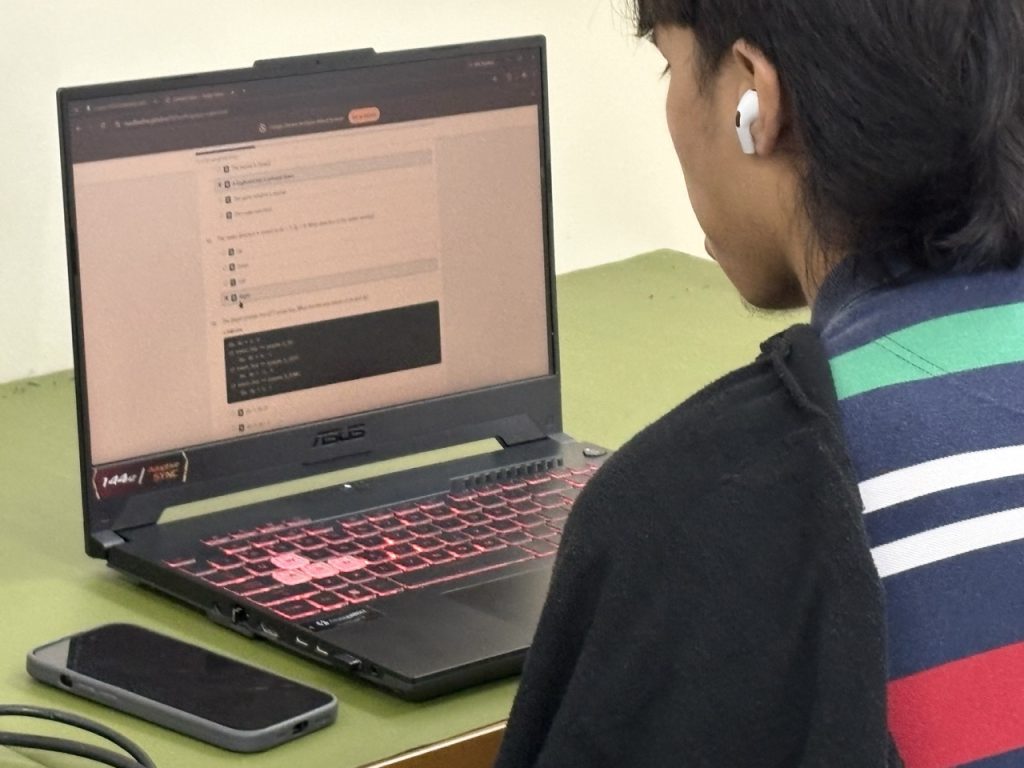
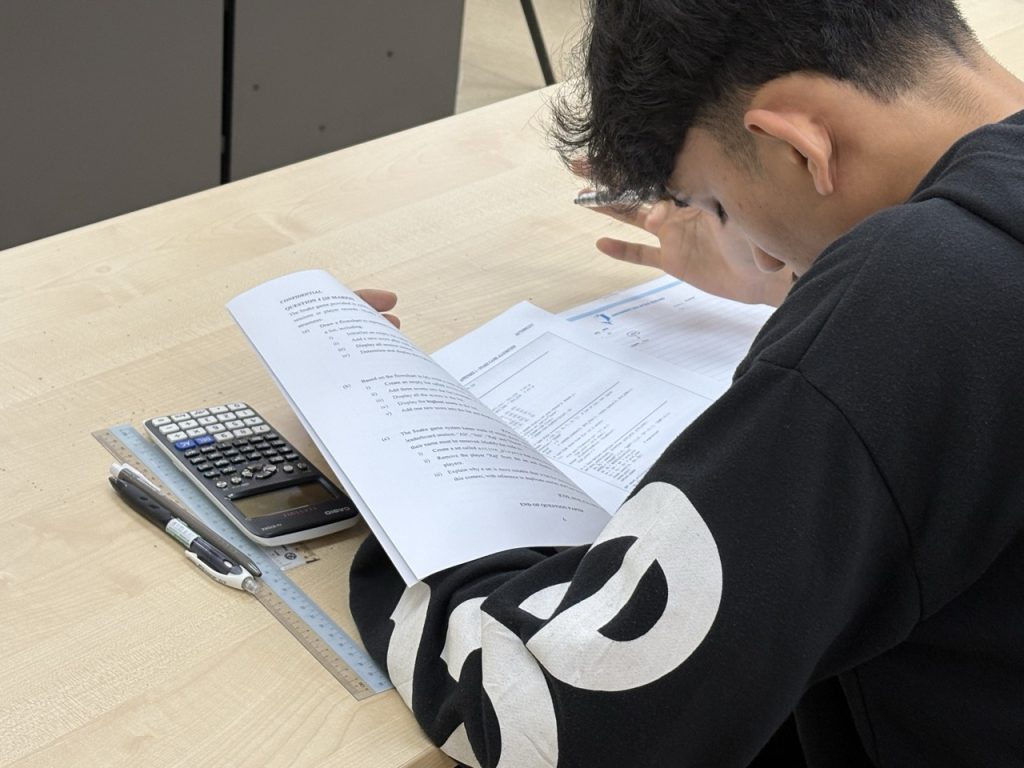
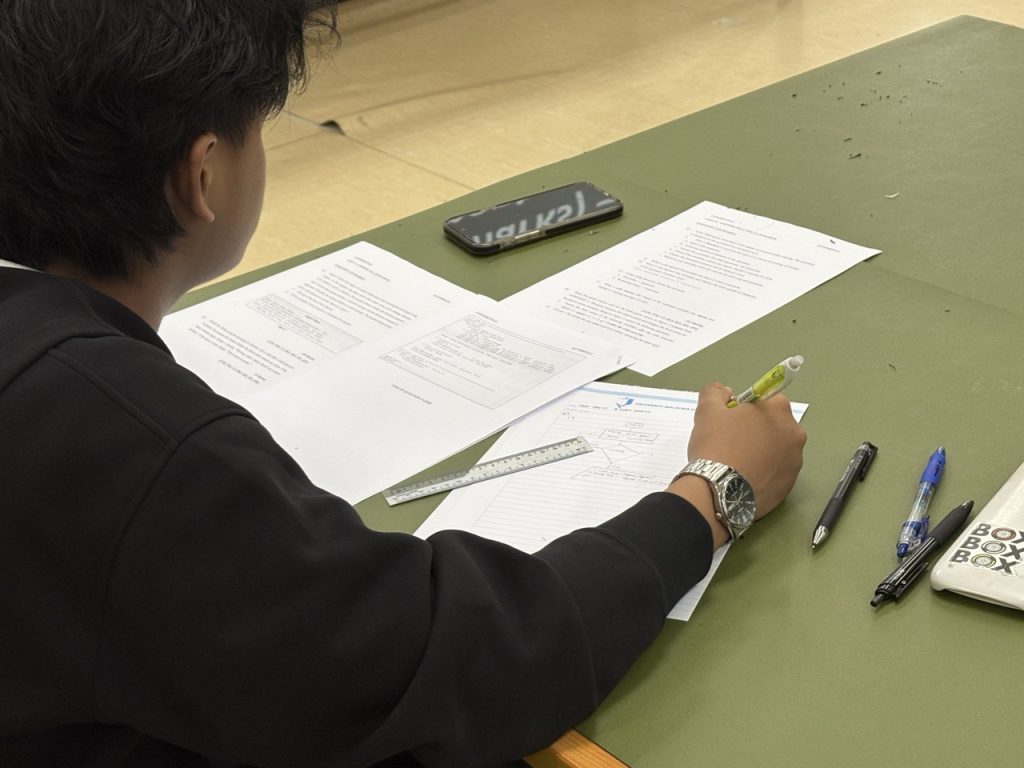
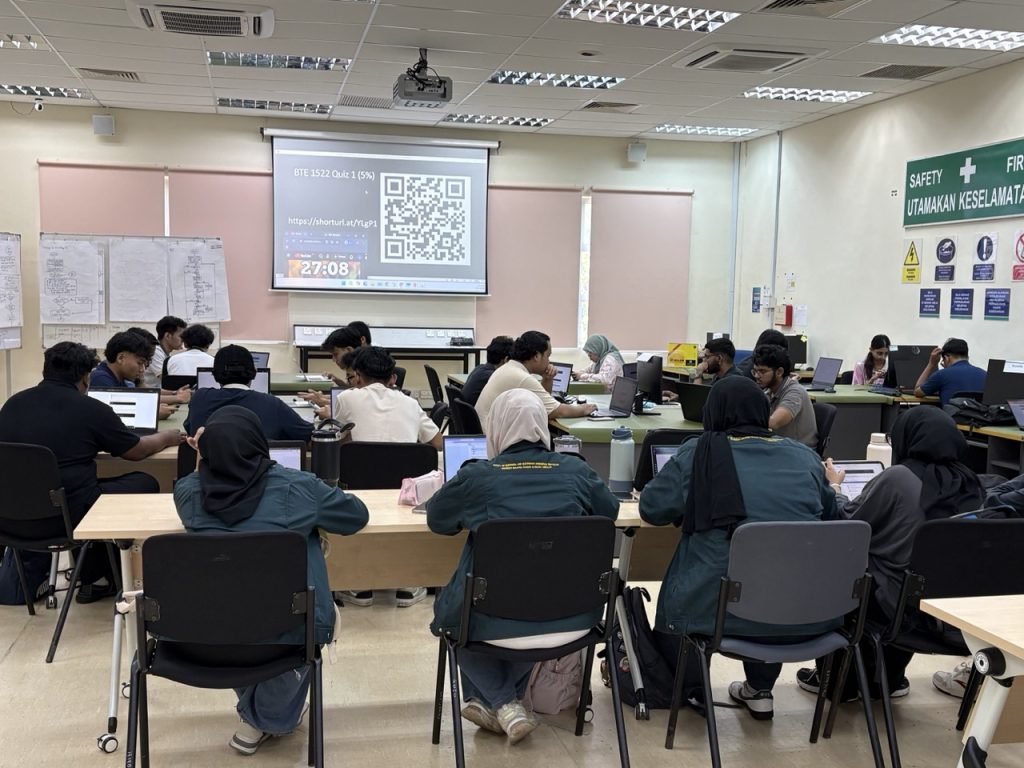
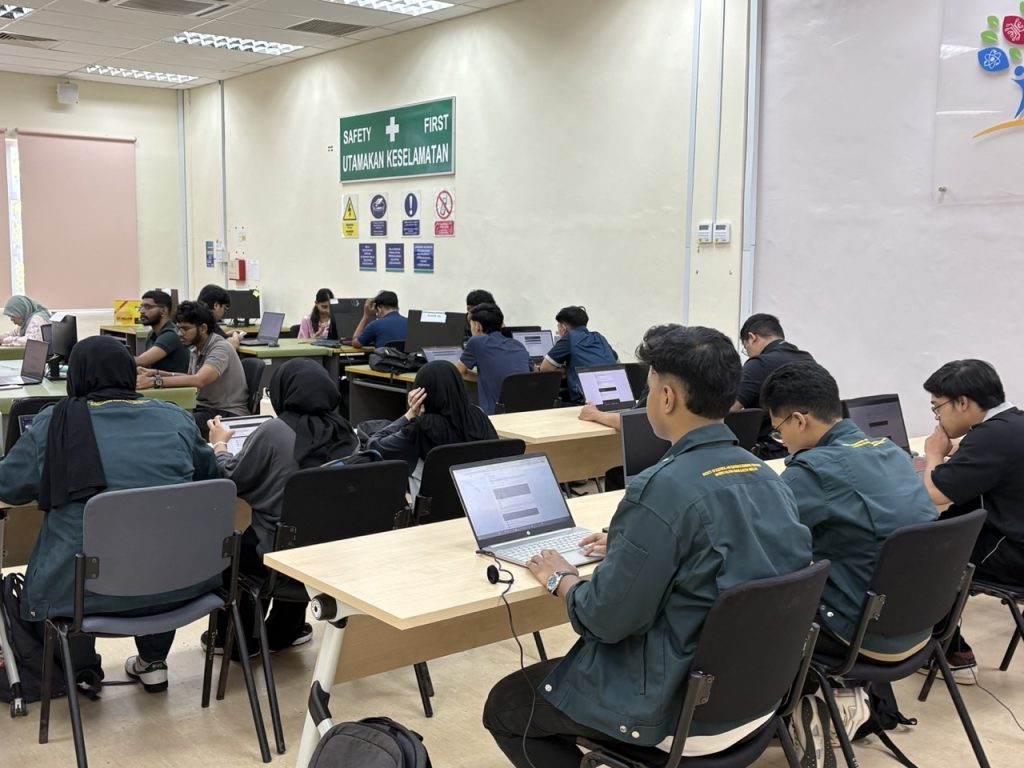
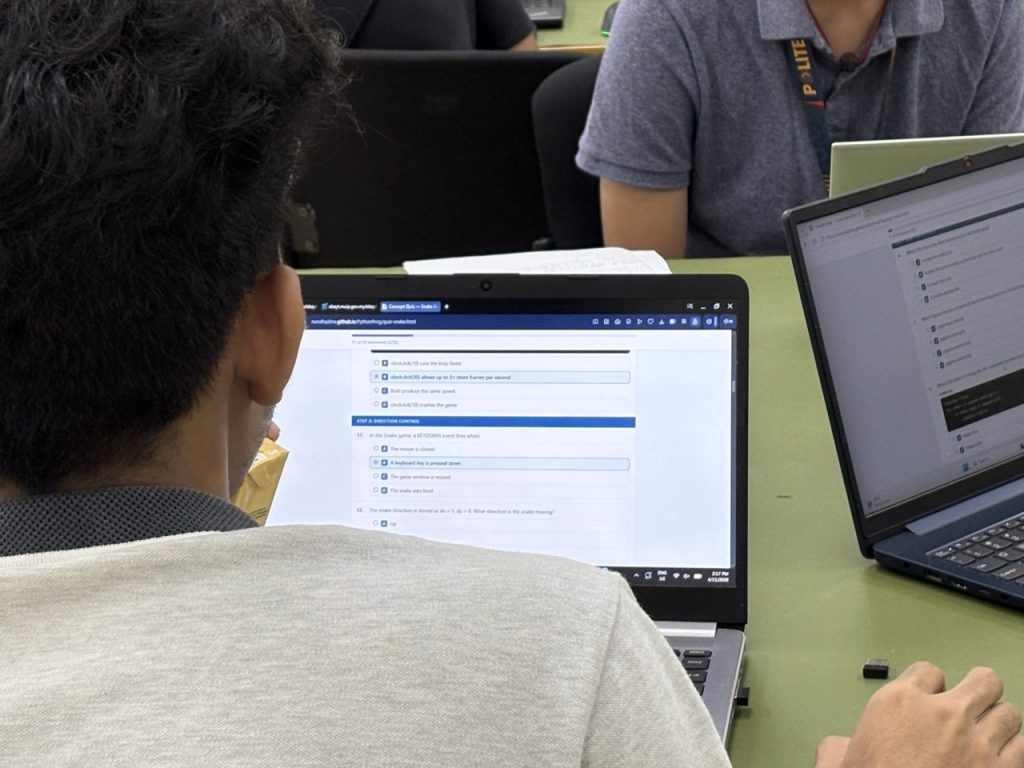
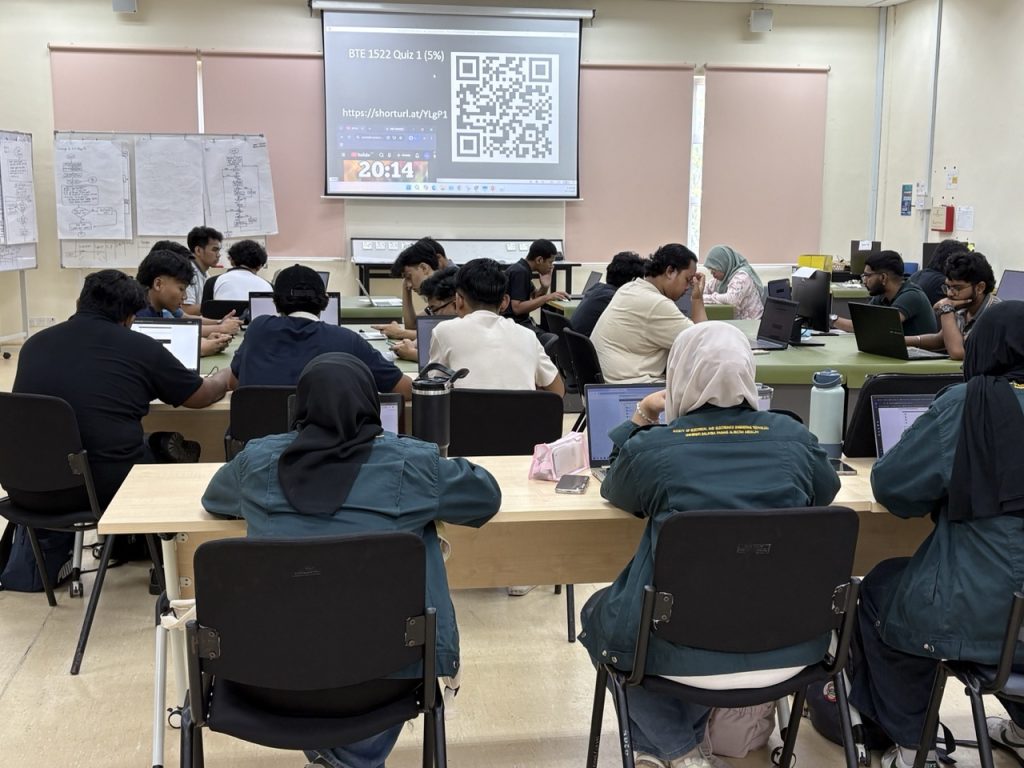
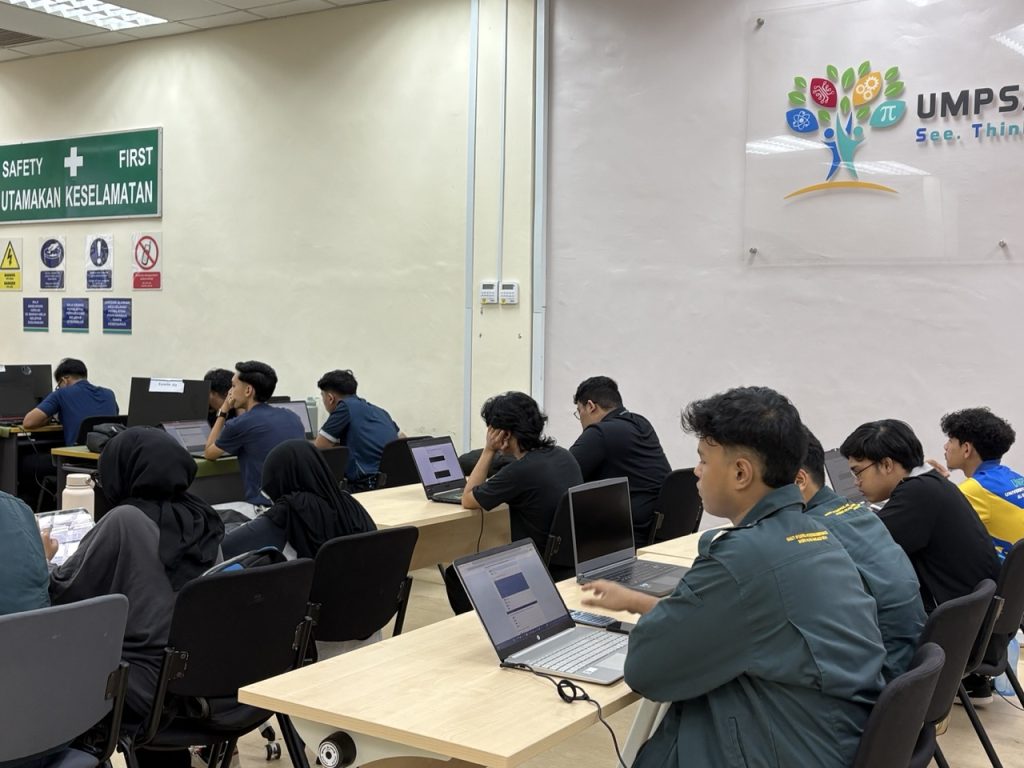
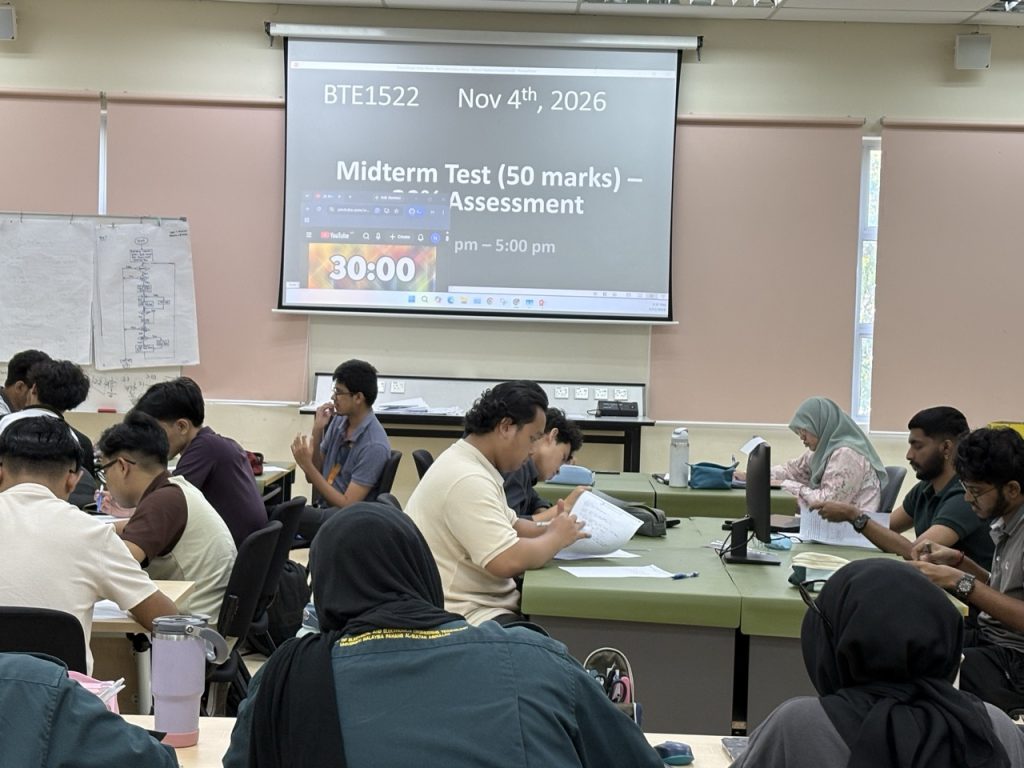
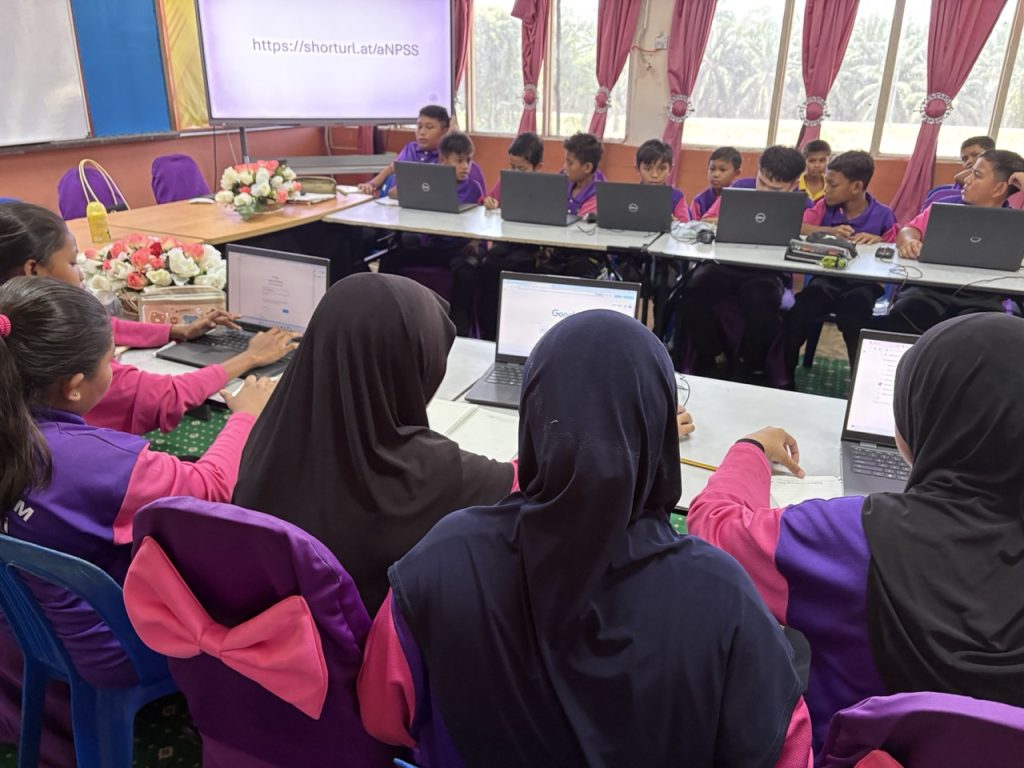
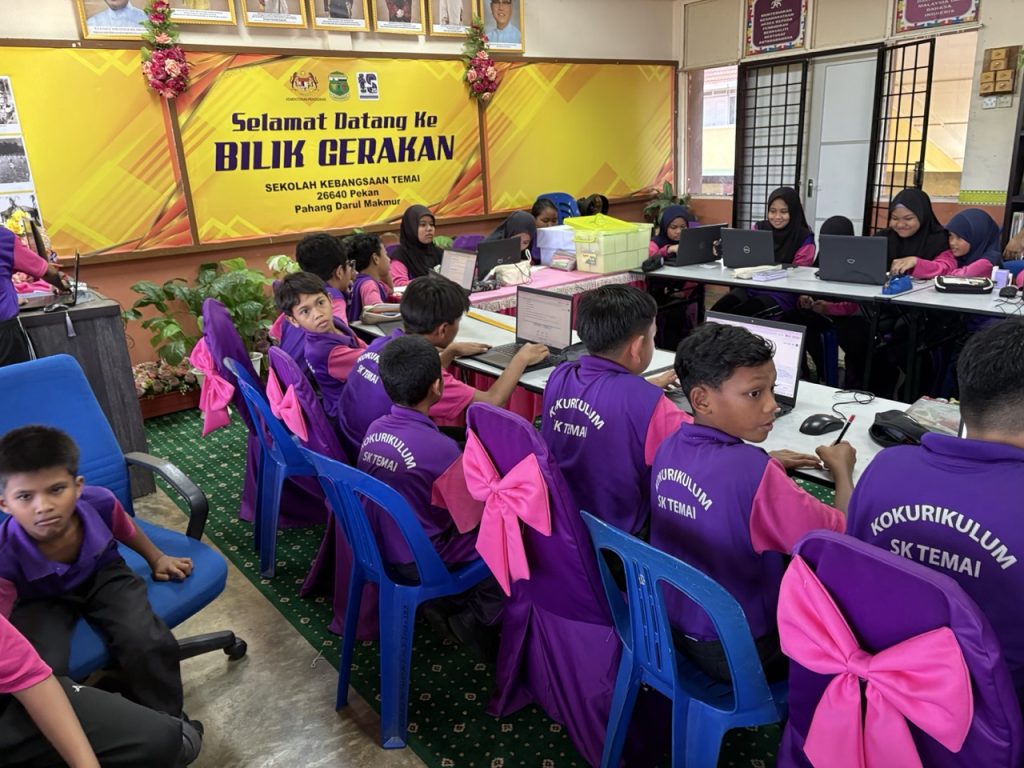
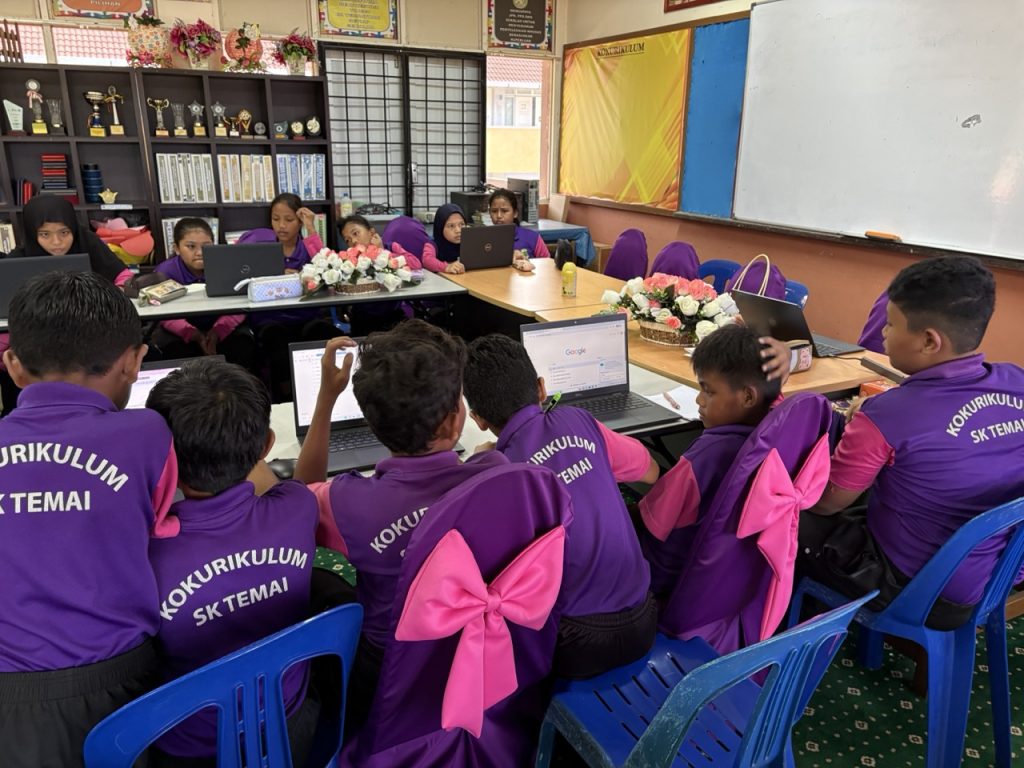
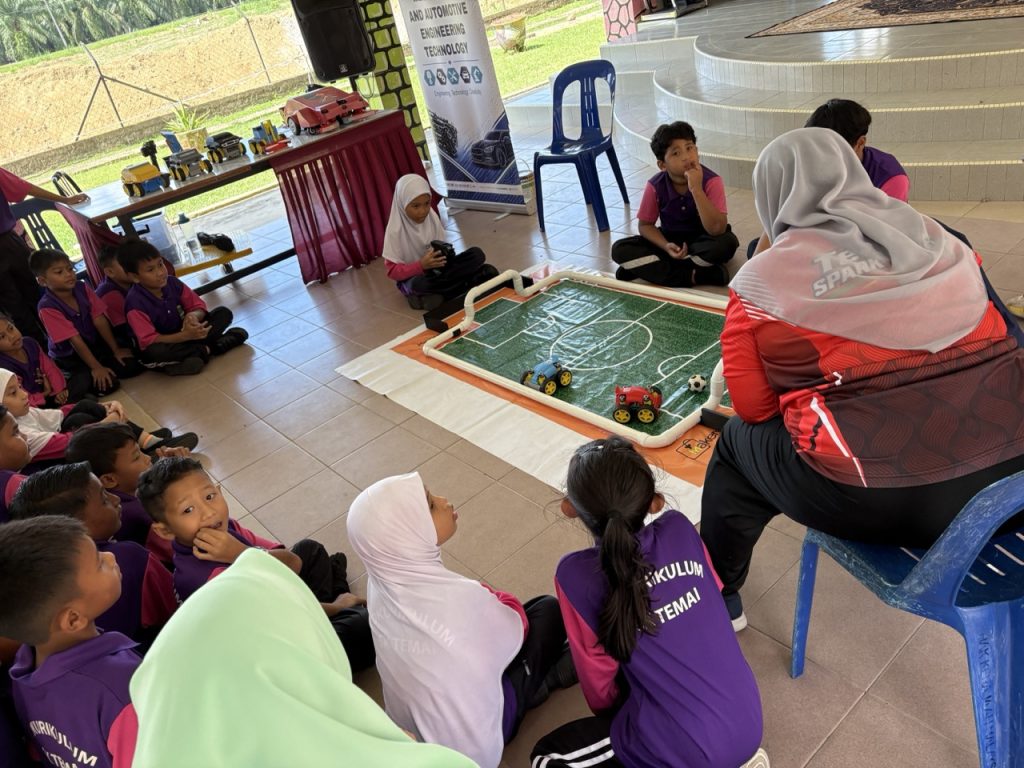
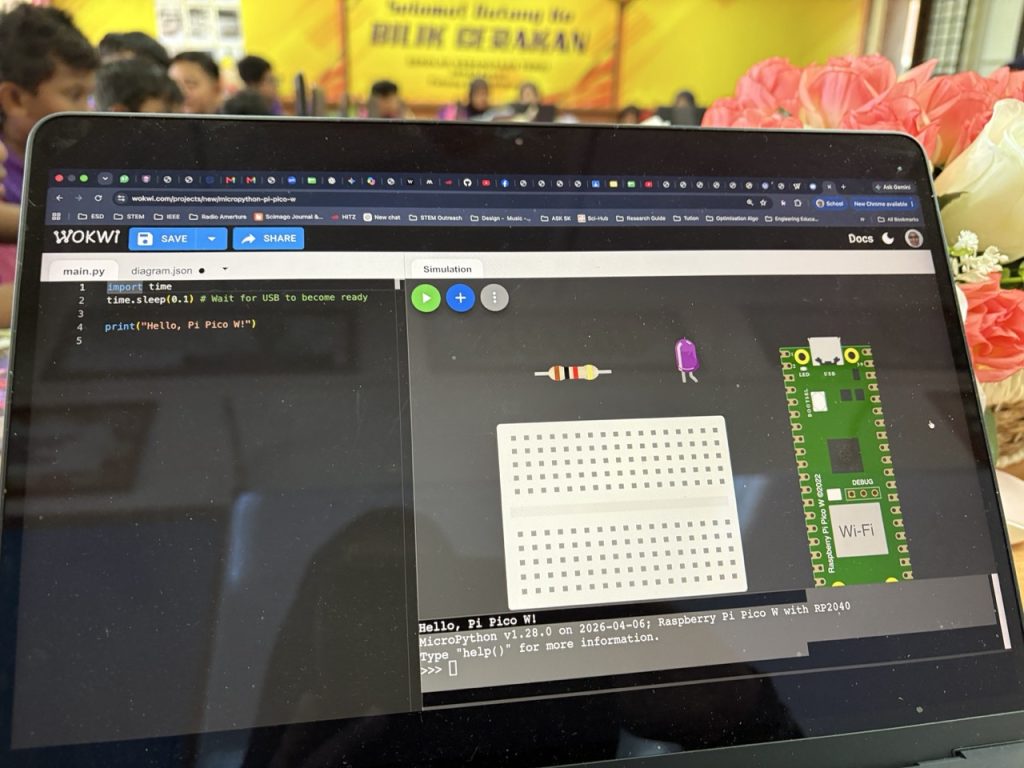
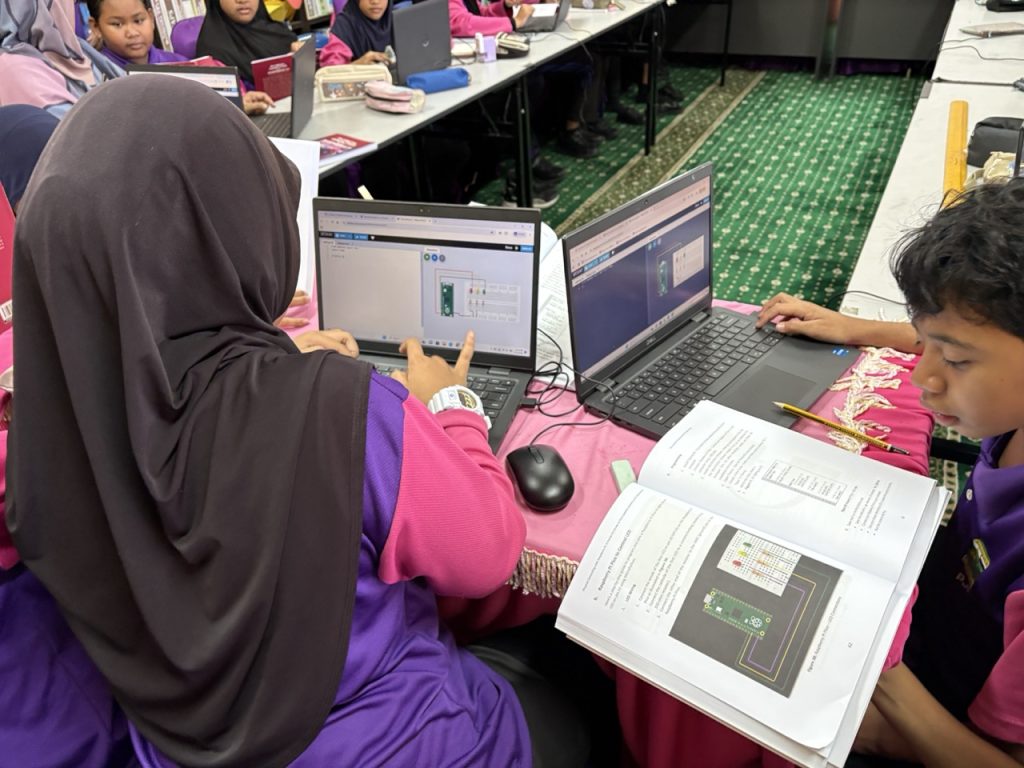
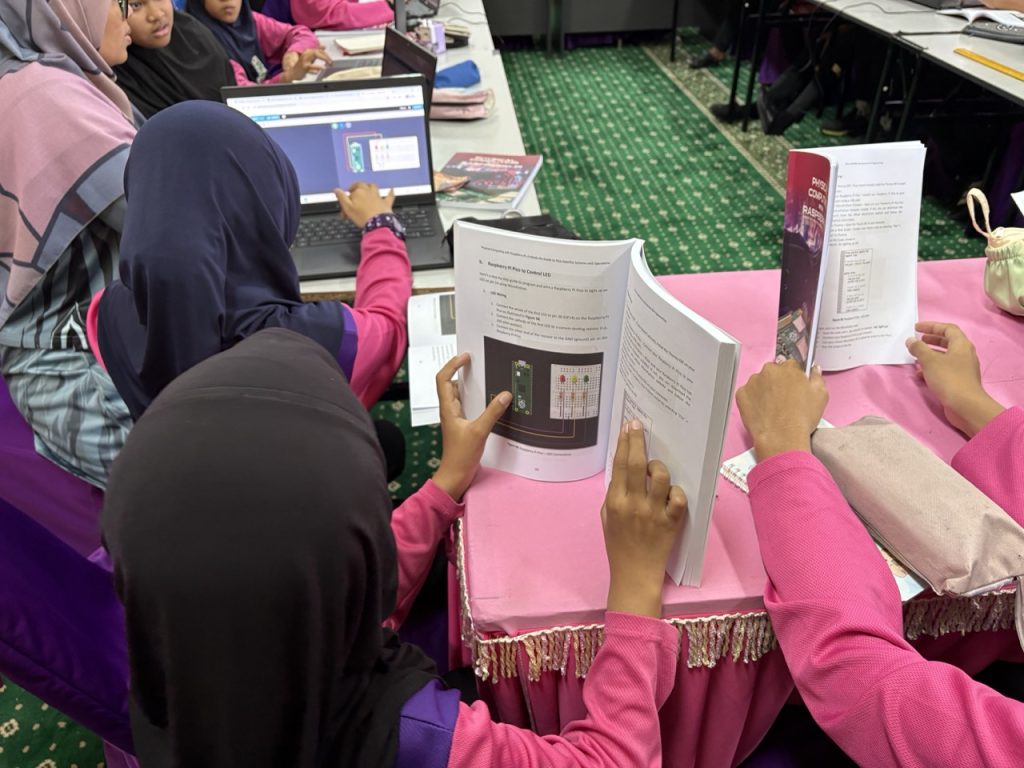
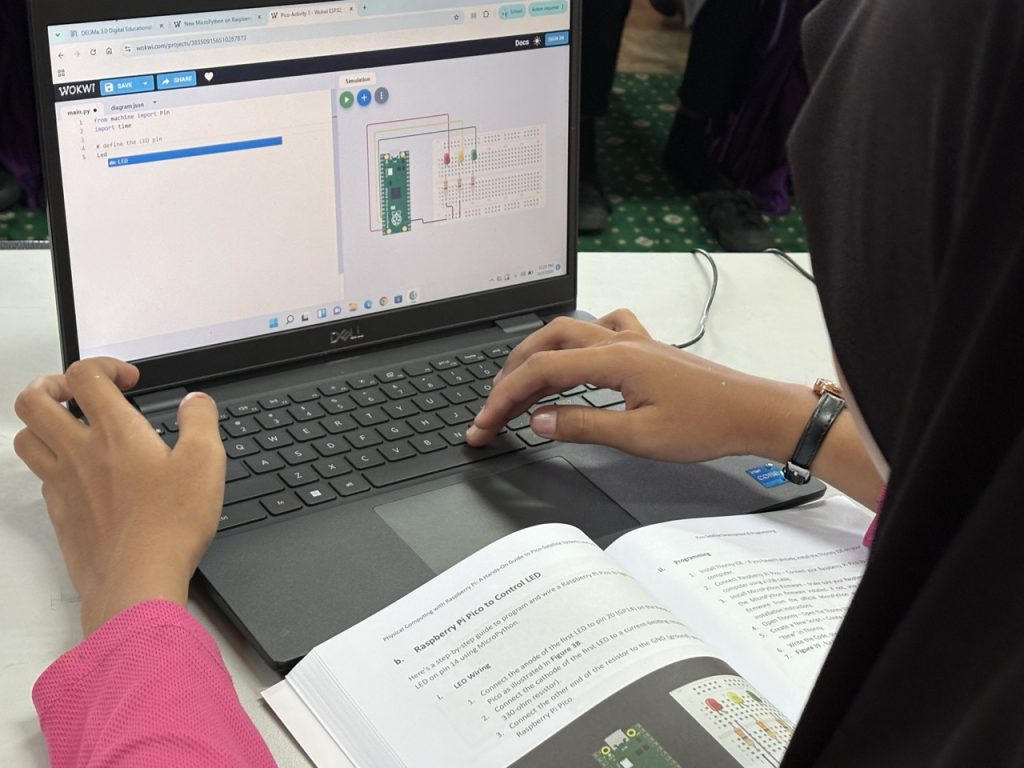
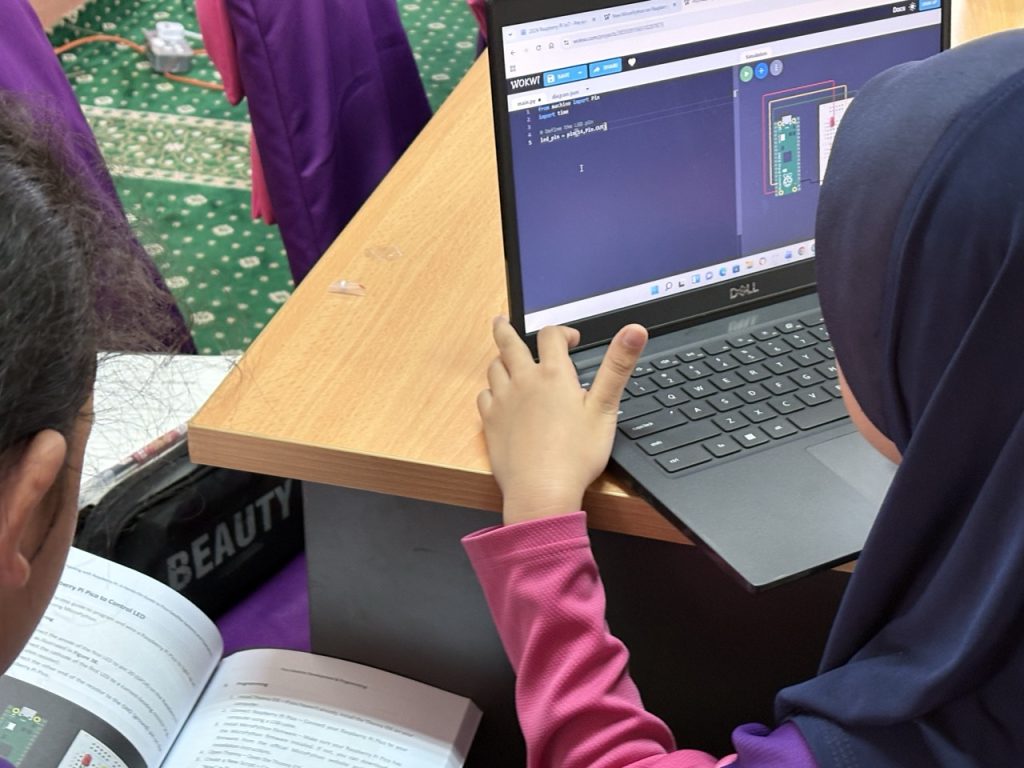
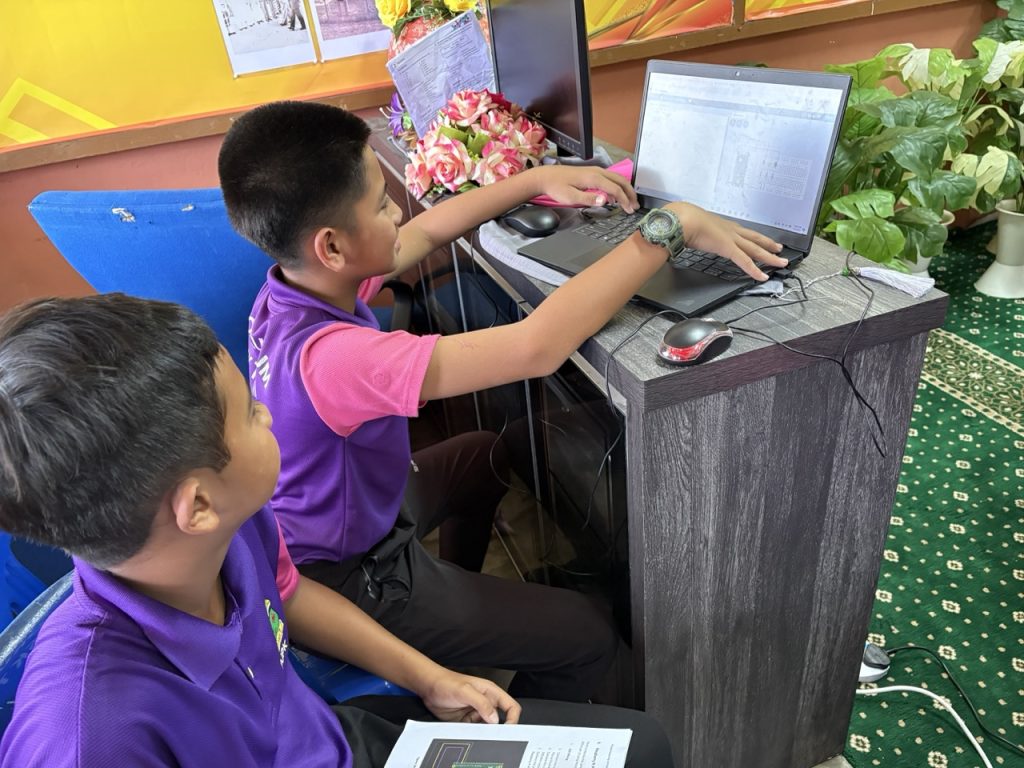
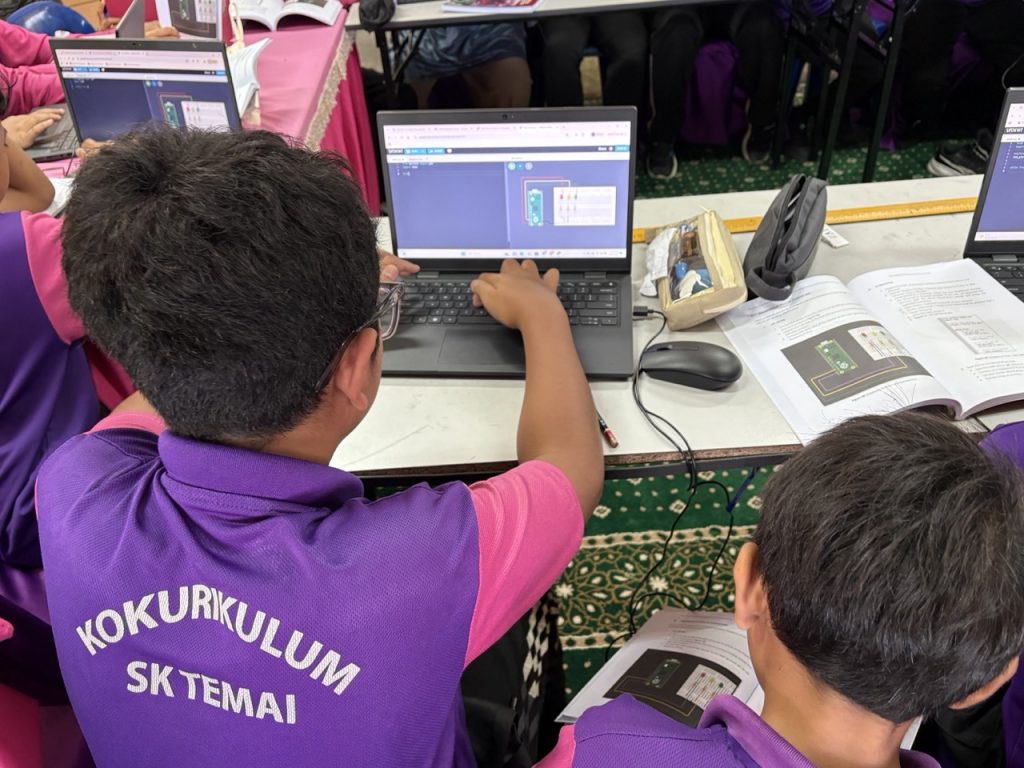
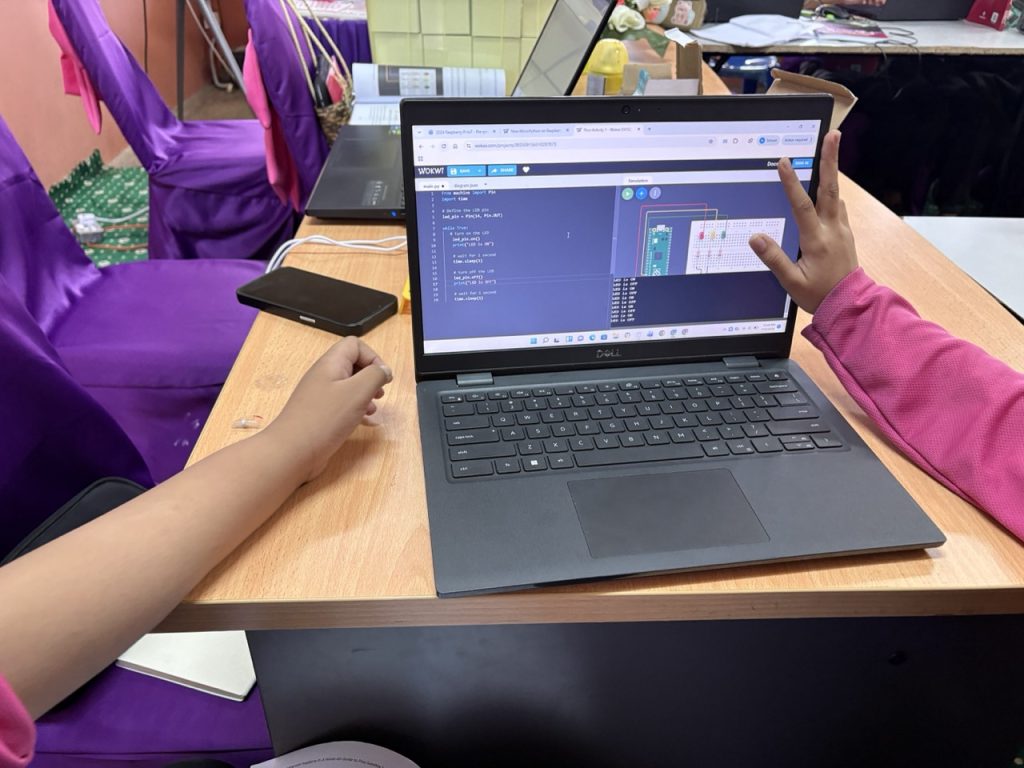
The UMPSA STEM Lab MyMachine Learning Module is astarting point on the AI Adventure, a beginner-friendly journey through the ideas that power modern artificial intelligence. Whether you are a student, educator, or curious explorer, this module breaks down Machine Learning into clear, approachable ideas so you can understand how computers learn from experience, make predictions, and solve real-world problems.
What is Machine Learning?
Machine Learning (ML) is a branch of Artificial Intelligence in which a computer program improves its performance on a task by learning from data, rather than following rules written explicitly by a programmer. The core idea is elegant: instead of coding every decision, you feed the system examples and let it discover the patterns itself.
Three things make ML possible: data (the examples the system learns from), an algorithm (the method it uses to find patterns), and a model (the set of rules or parameters produced by training, which is then used to make predictions on new, unseen data).

Types of Machine Learning
Supervised Learning is the most common type. Each input is paired with a label (the correct answer) and the model learns to map inputs to outputs. Classic examples: spam filters and house price prediction.
Unsupervised Learning works without labels. The algorithm discovers hidden groupings or patterns in raw data — used for customer segmentation and anomaly detection.
Reinforcement Learning trains an agent to maximise a reward signal through trial and error — the technique behind game-playing AI such as AlphaGo and robotic control systems.
| Type | Labelled data? | Learns from | Example use |
|---|---|---|---|
| Supervised | Yes | Input–output pairs | Image classification |
| Unsupervised | No | Raw patterns in data | Customer segmentation |
| Reinforcement | No | Reward signals | Game-playing agents |

Key ML Concepts
Features are the measurable inputs a model uses — for a house model: floor area, rooms, location.
Labels are the correct answers the model learns to predict. In supervised learning, every training example carries one.
Training adjusts a model’s parameters to minimise prediction error on the training data.
Overfitting vs Underfitting — overfitting memorises training data but fails on new examples; underfitting is too simple to capture patterns. The goal is a model that generalises.
Evaluation measures performance on a held-out test set using metrics such as accuracy, mean squared error or F1-score.
Hyperparameters are settings chosen before training — such as learning rate or network depth — tuned by the practitioner, not learned from data.

The ML Pipeline
Building a real ML system follows a repeatable sequence of steps, often called the ML pipeline. Each stage feeds the next.
-
-
-
- Define the problem — What to predict and who will use the model.
- Collect and label data — Quality matters far more than quantity.
- Explore and clean — Spot distributions, missing values and errors (EDA).
- Engineer features — Transform raw inputs into informative signals.
- Choose and train a model — Pick an algorithm and tune hyperparameters.
- Evaluate — Measure performance on a held-out test set.
- Deploy — Serve predictions via an API, app or embedded device.
- Monitor and retrain — Watch for data drift and retrain periodically.
-
-
A Friendly Tour of Common Algorithms
| Algorithm | Type | Good when |
|---|---|---|
| Linear Regression | Supervised | Predicting continuous numbers |
| Logistic Regression | Supervised | Binary or multi-class classification |
| Decision Tree | Supervised | Interpretability matters |
| Random Forest | Supervised | Tabular data, good accuracy needed |
| SVM | Supervised | High-dimensional, medium-sized datasets |
| K-Means | Unsupervised | Grouping unlabelled data |
| Neural Network | Supervised / Unsupervised | Images, text, audio, complex patterns |

Real-World Applications of Machine Learning
Healthcare — ML models analyse medical images to detect tumours earlier than human radiologists, predict patient deterioration in intensive care, and accelerate drug discovery by screening millions of molecular candidates.
Education — Adaptive learning platforms tailor exercises to each student’s strengths and gaps.
Natural Language Processing (NLP) — Translation services, grammar checkers, chatbots and voice assistants all rely on ML models trained on vast text corpora.
Computer Vision — Facial recognition, autonomous vehicle perception, quality inspection on factory lines, and satellite image analysis for agriculture and disaster response all depend on deep learning applied to images.
Finance — Fraud detection systems flag unusual transactions in milliseconds.
Recommendation Systems — Every time a streaming service suggests a show or a retailer recommends a product, a collaborative filtering or content-based ML model is at work, learning your preferences from past behaviour.
Climate and Environment — ML accelerates weather forecasting, optimises the dispatch of renewable energy on the grid, and monitors deforestation through satellite imagery.

What’s Next on the AI Adventure?
The MyMachine Learning Module is one stop on a longer journey. As you continue through the AI Adventure, future modules will take you deeper into topics such as:
- Deep Learning — building and training neural networks with many layers
- Natural Language Processing — teaching machines to read, write and converse
- Computer Vision — making sense of images and video
- Responsible AI — understanding bias, fairness, explainability and the ethics of ML systems
- Hands-on Projects — applying what you have learned to real datasets using Python and popular libraries such as scikit-learn, TensorFlow and PyTorch
ML is not magic — it is mathematics, data, and careful engineering. But its power to find patterns in complexity, to learn from experience, and to generalise to new situations is genuinely extraordinary. The best time to start exploring it is now.
Keep exploring. Keep asking questions. The adventure is just beginning.
Nurul
UMPSA STEM Lab