


The world is digital, but life is analog..
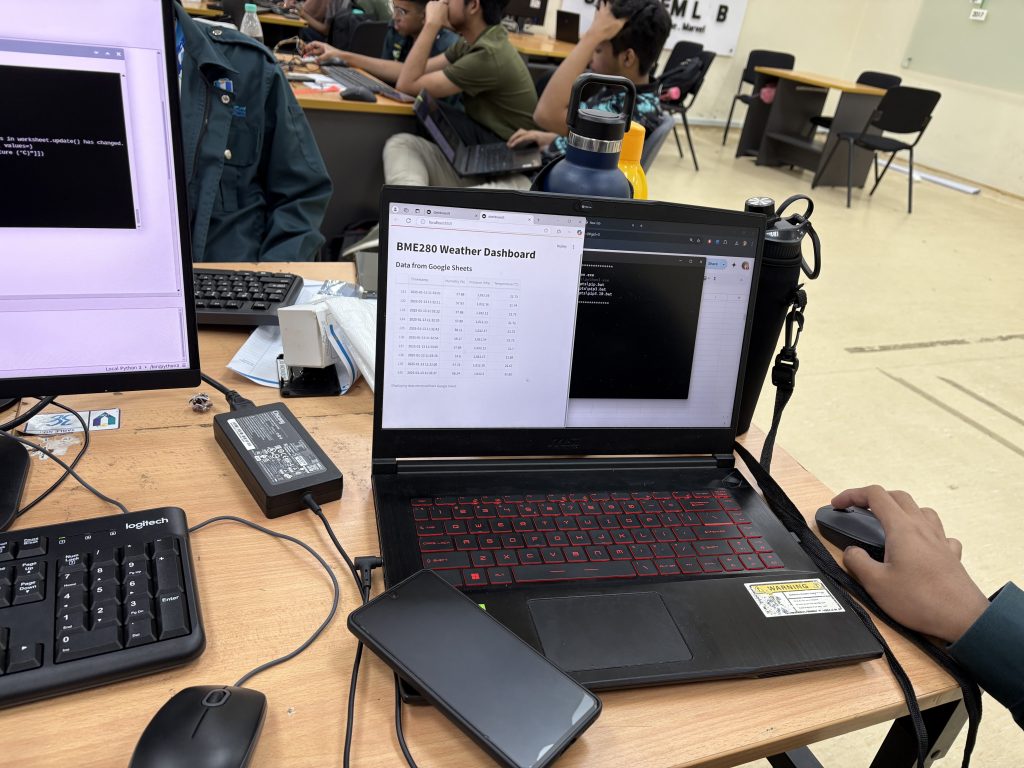
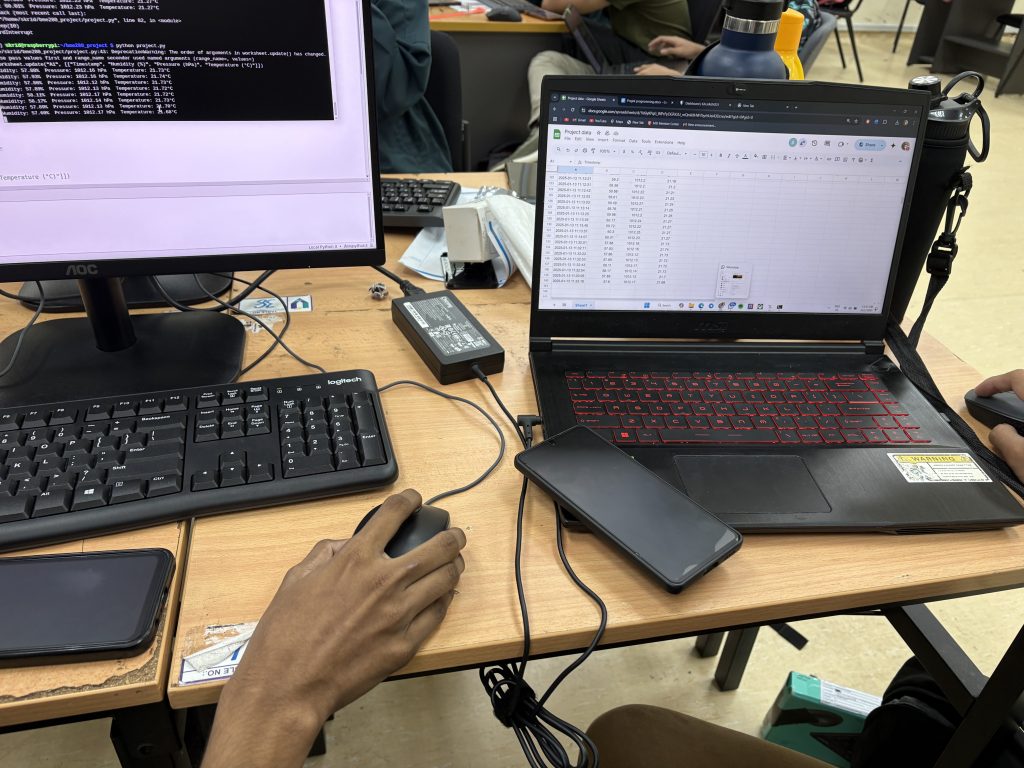
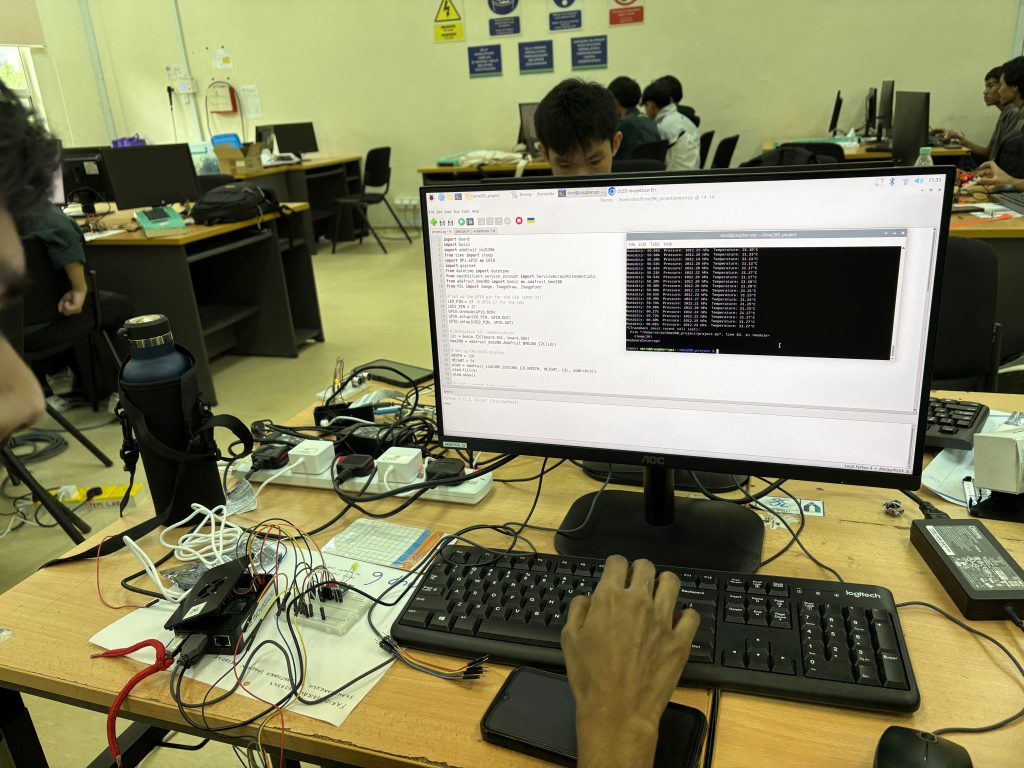
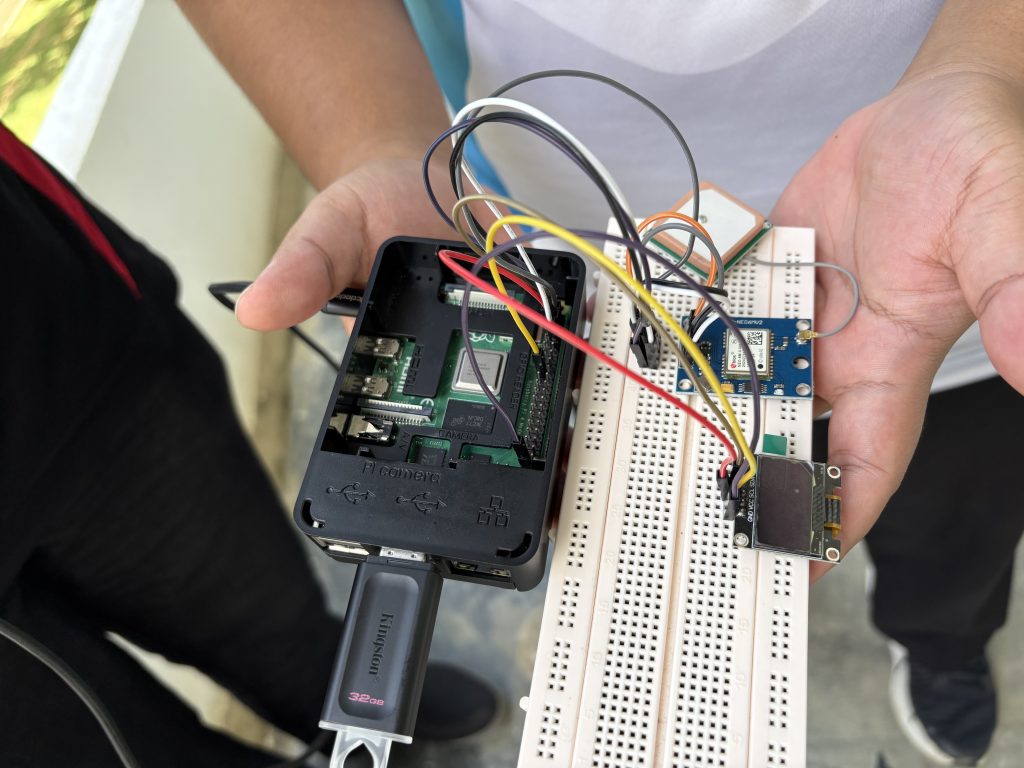
This week at the UMPSA STEM Lab, it’s a celebration weeks of effort, creativity, and learning as students from BTE1522 and DRE2323 showcased their project progress during their Week 13 presentations :), very well done. The project list for this semester This session marked a critical checkpoint in the Project-Based Learning (PBL) approach, where students … Continue reading “BTE1522 DRE2323 – Week 13 Project Progress Presentation”
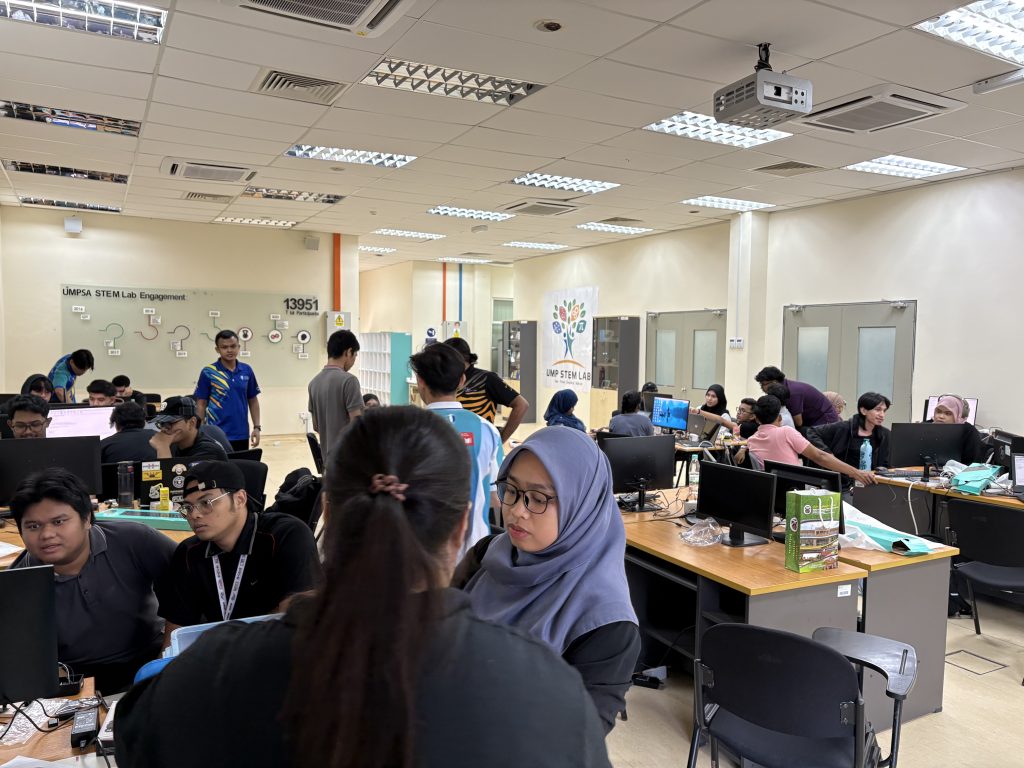
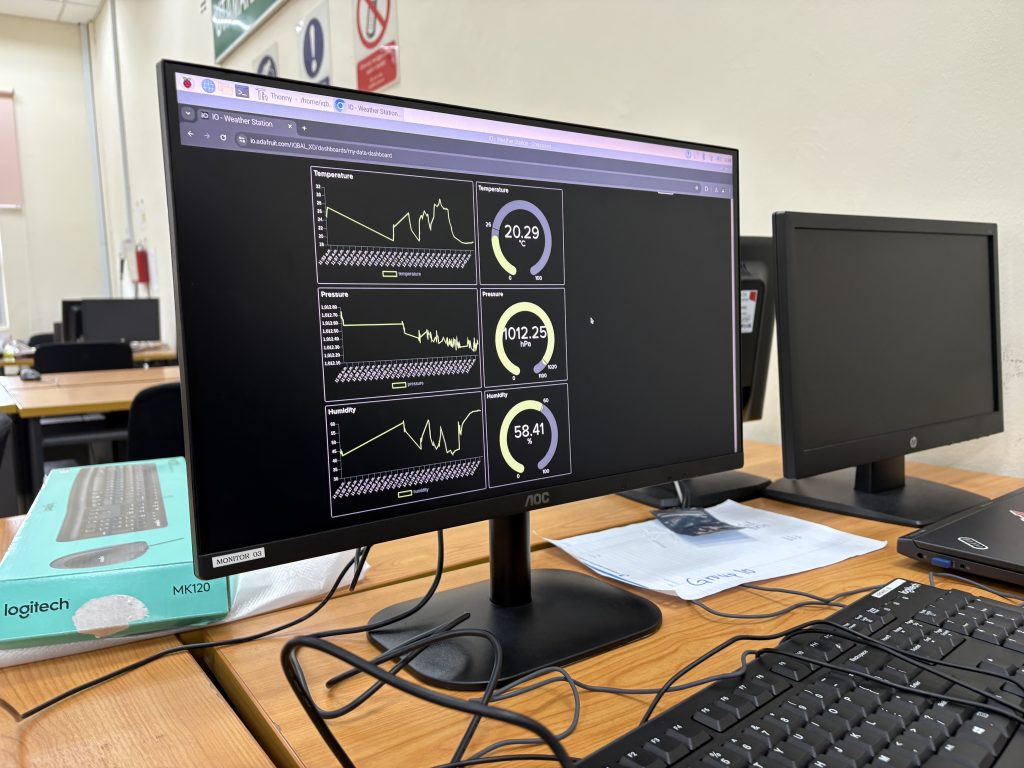
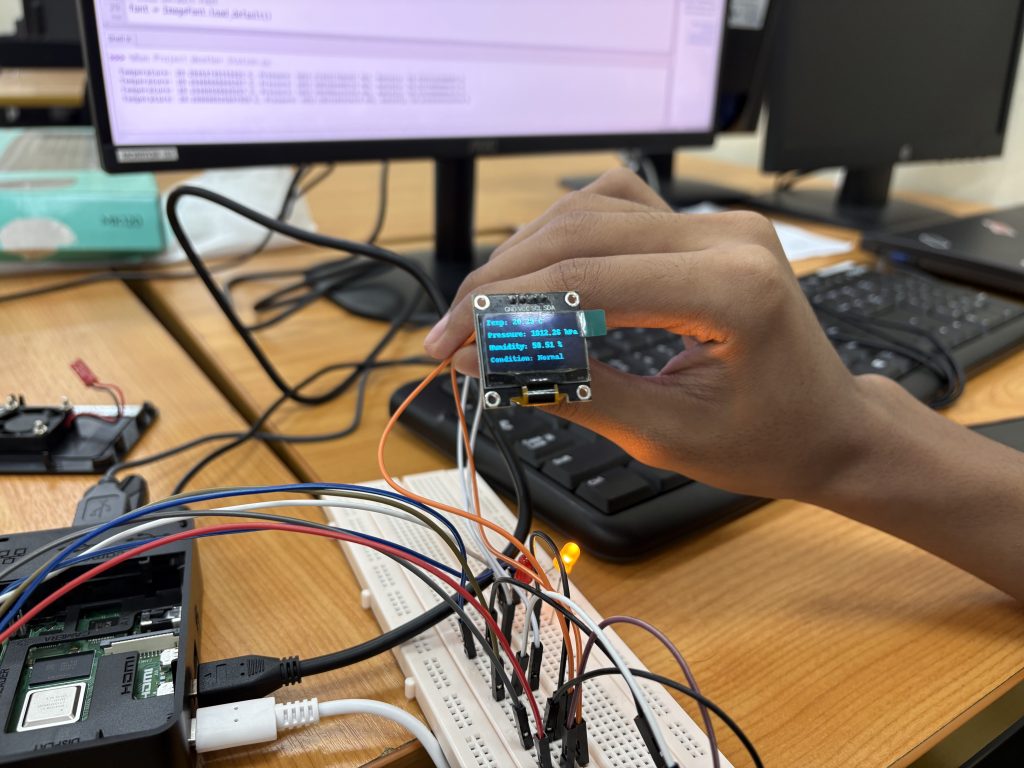
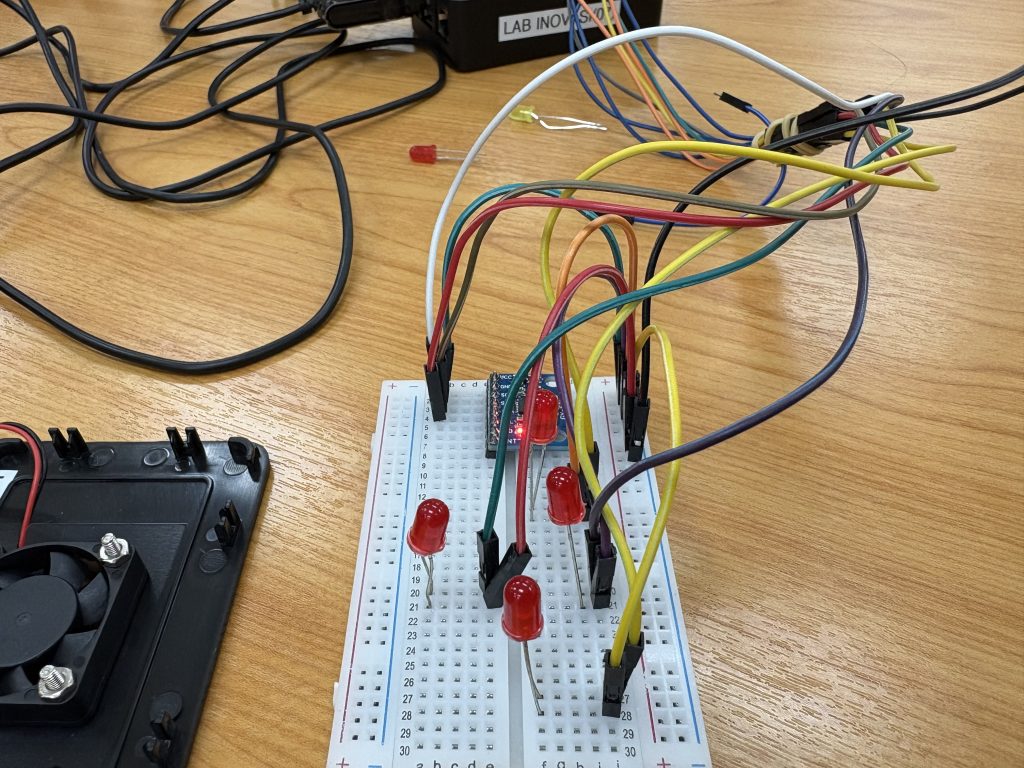
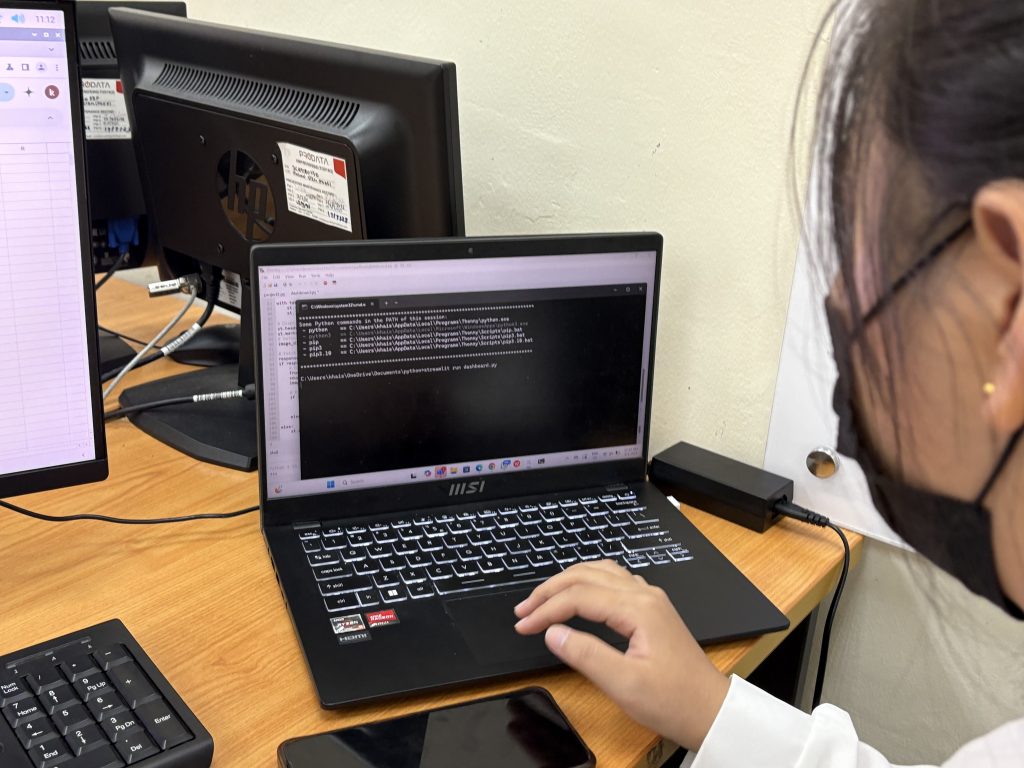
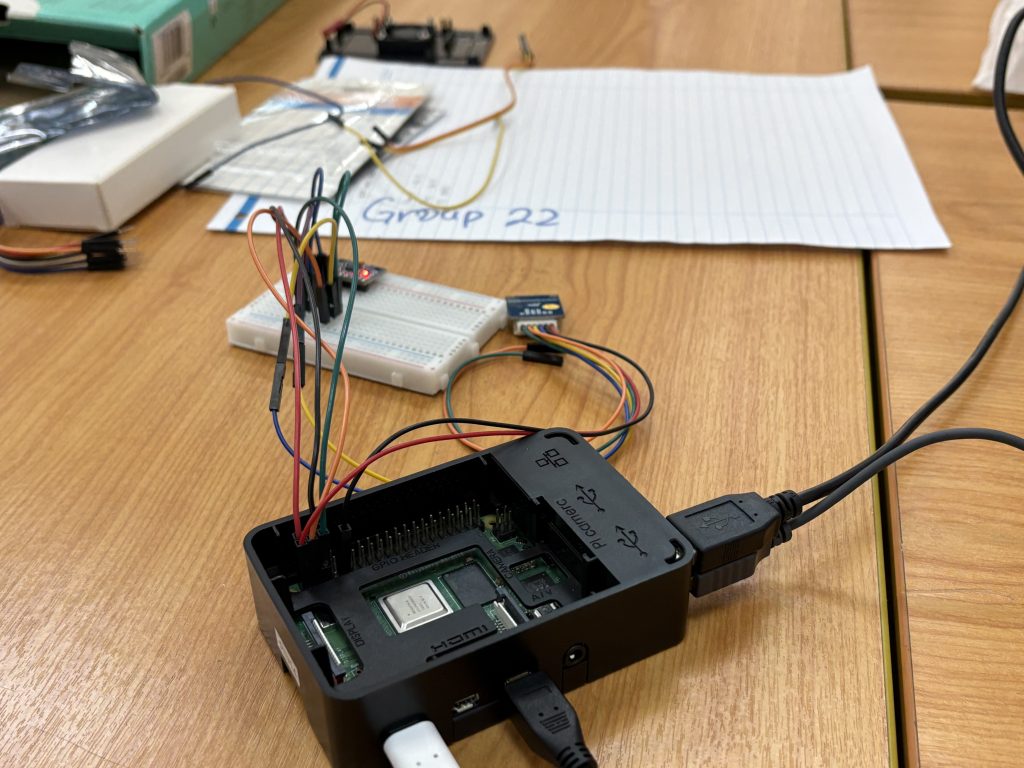
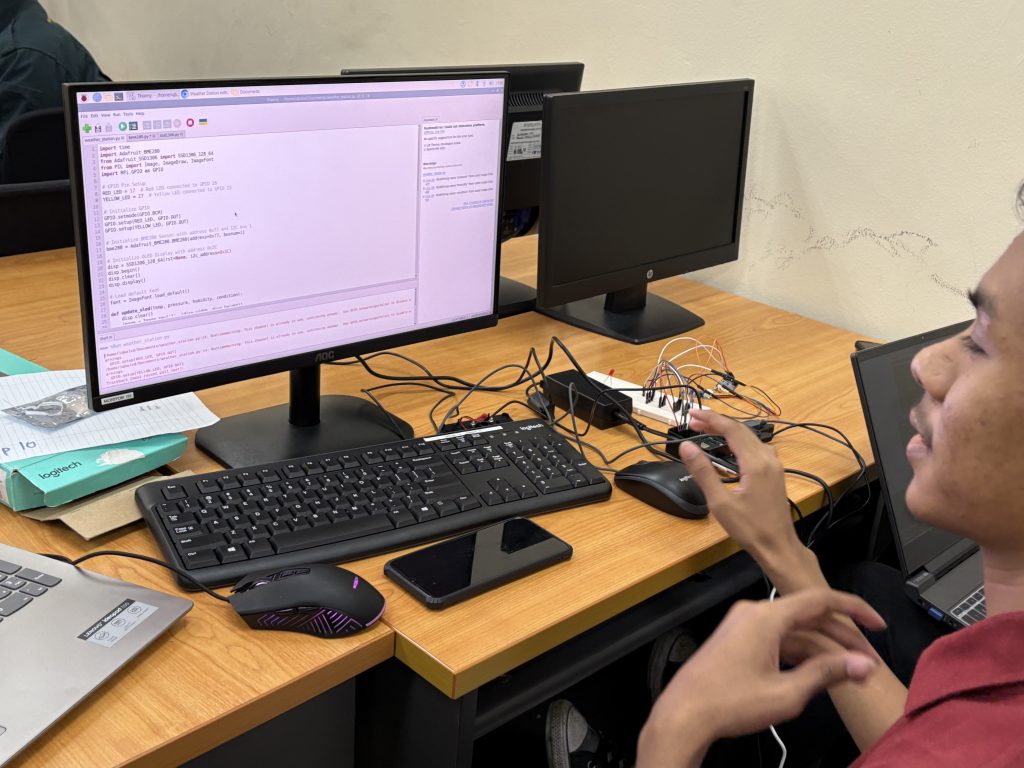
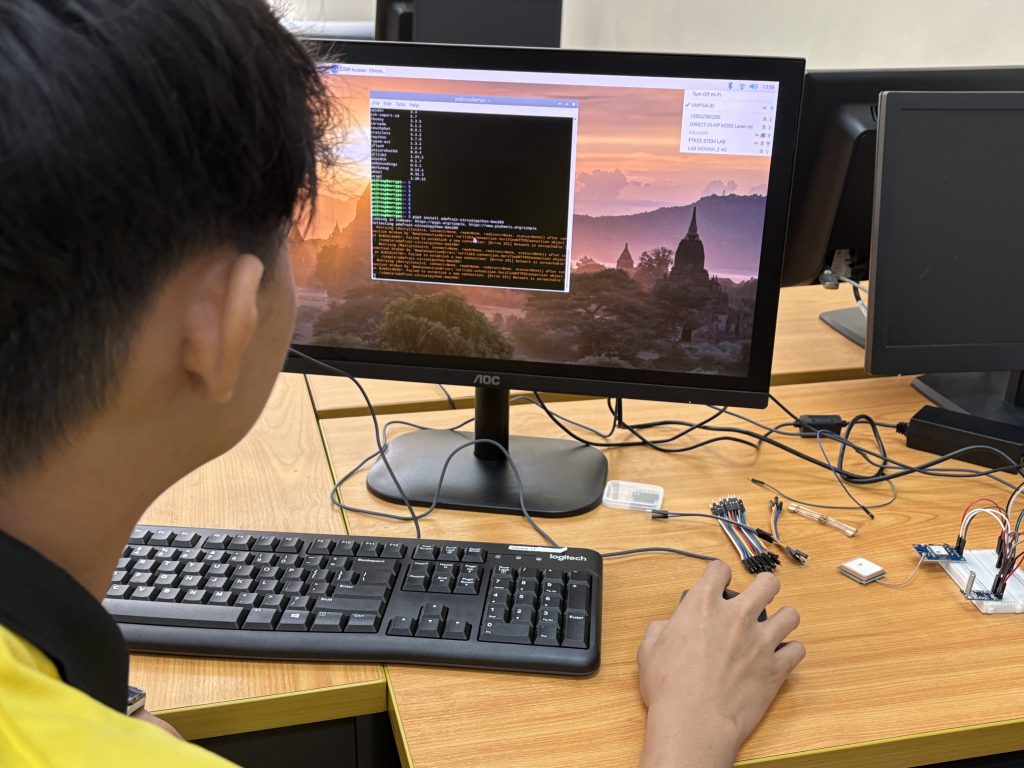
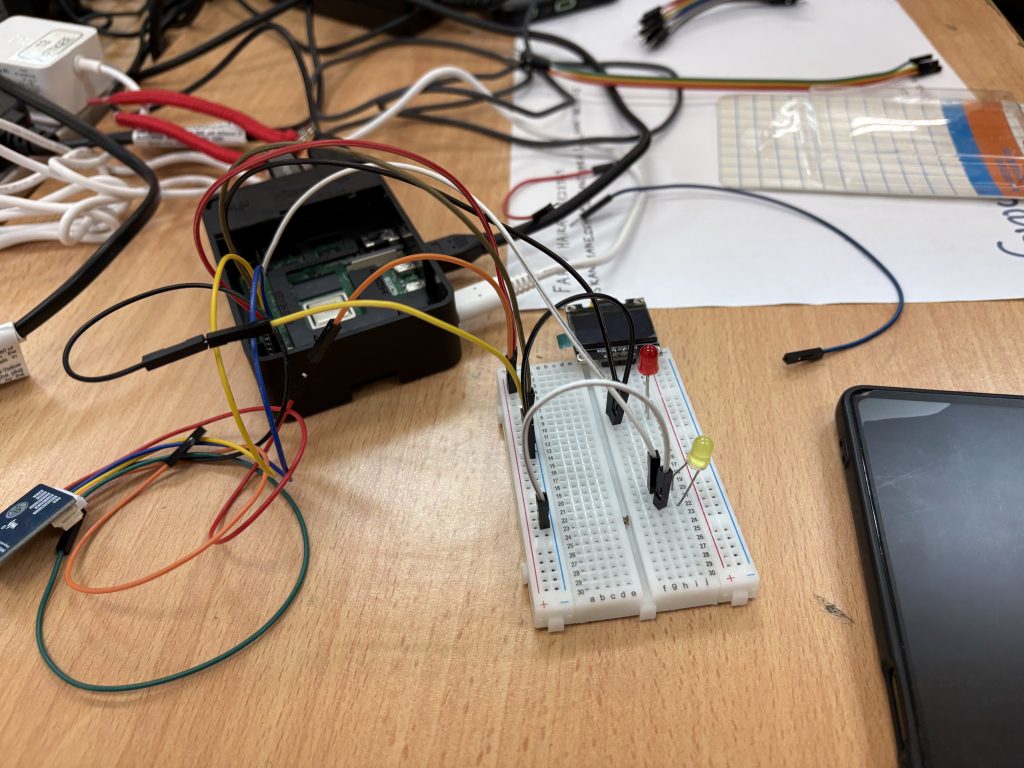
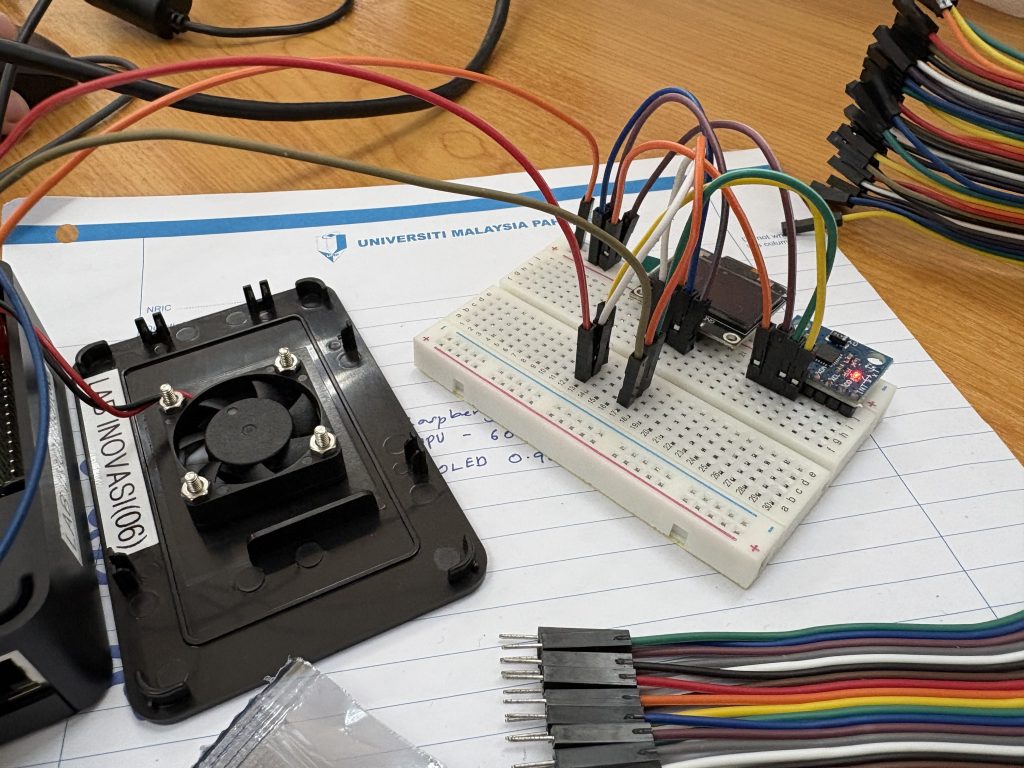
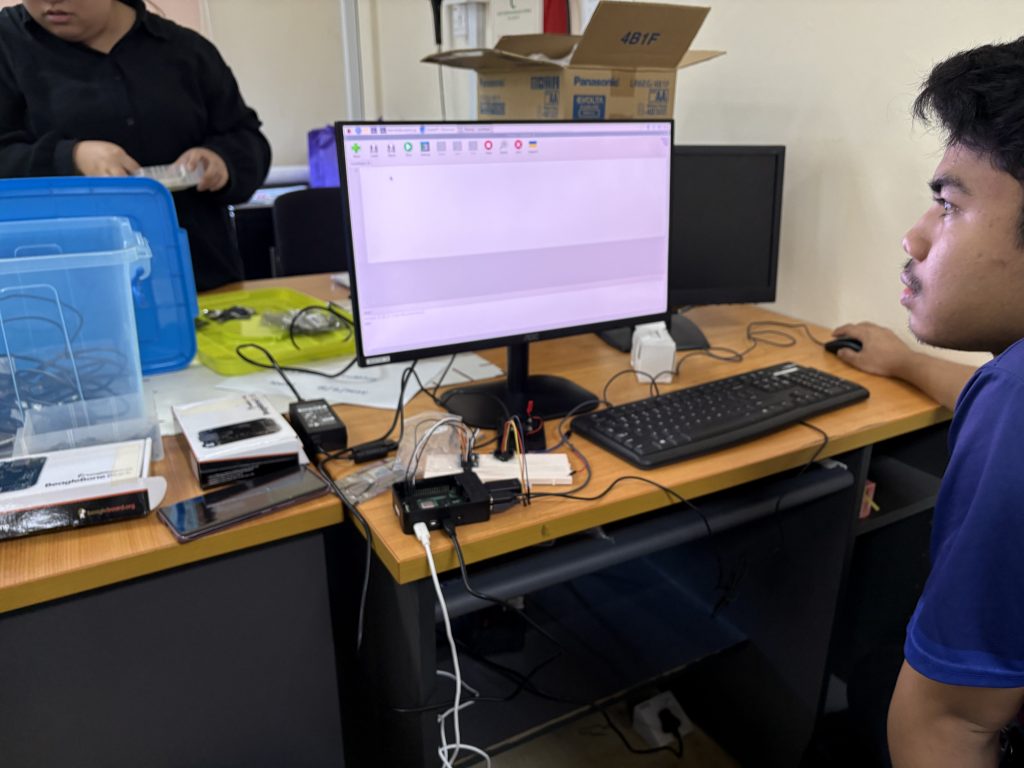
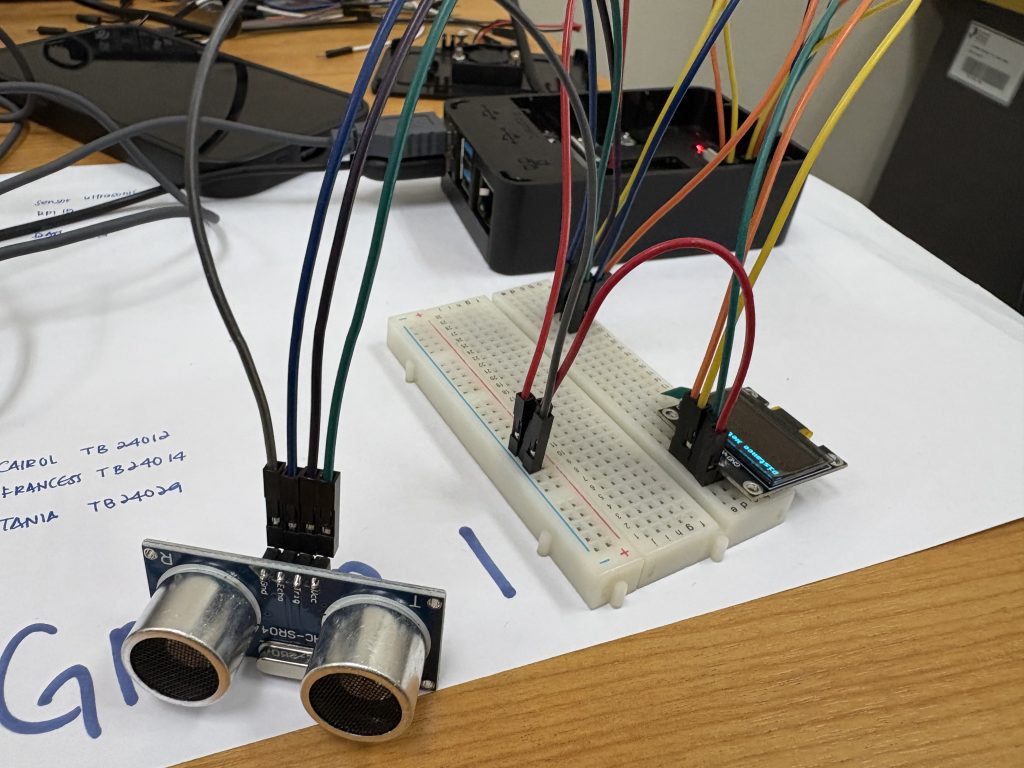
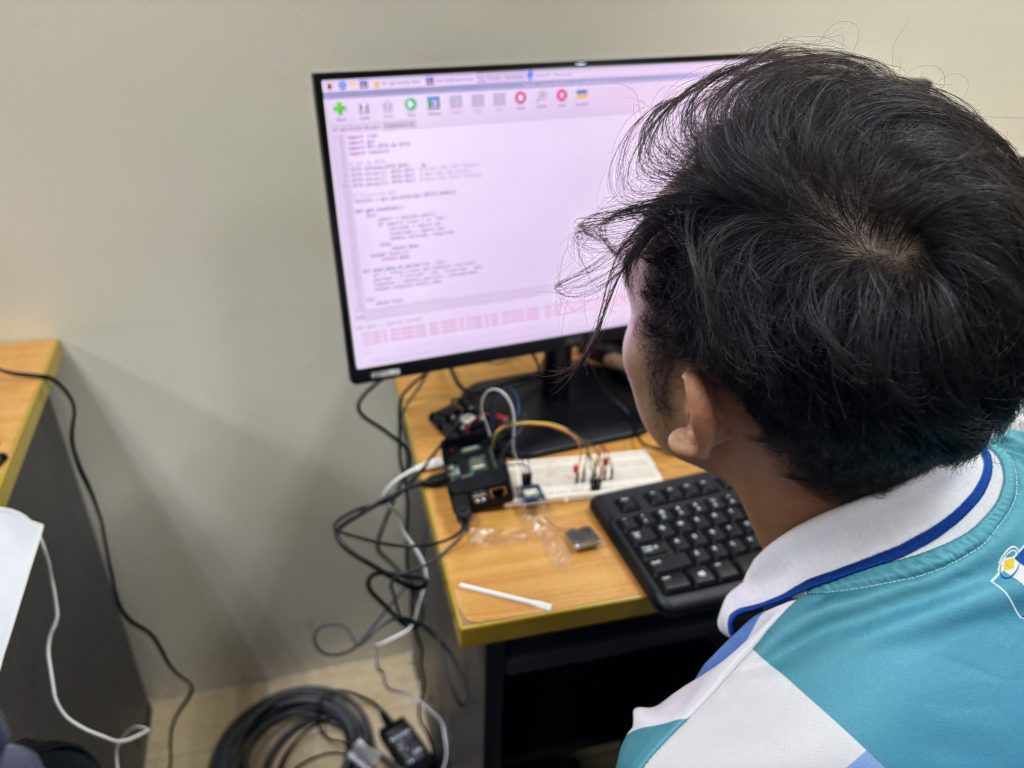
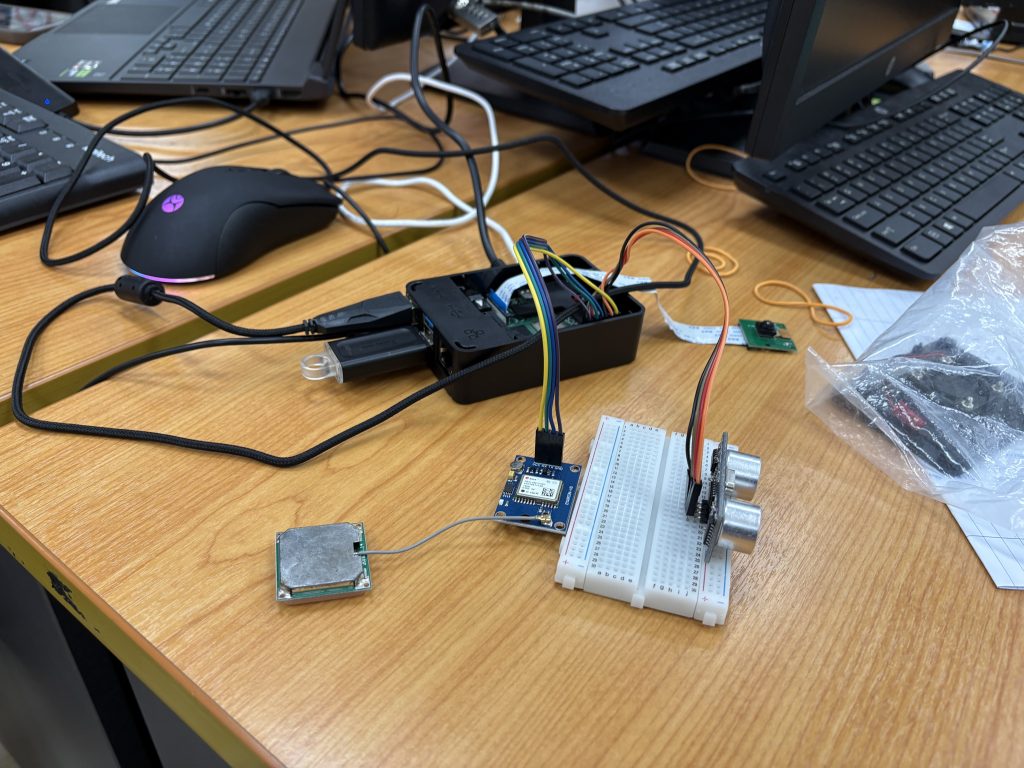
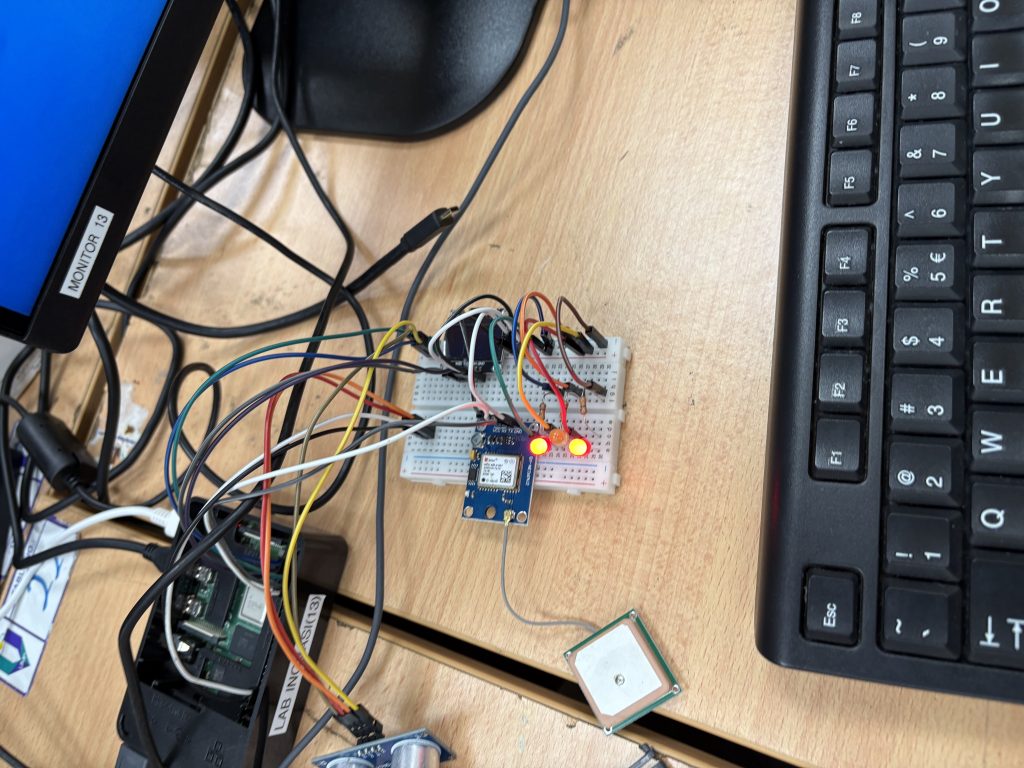
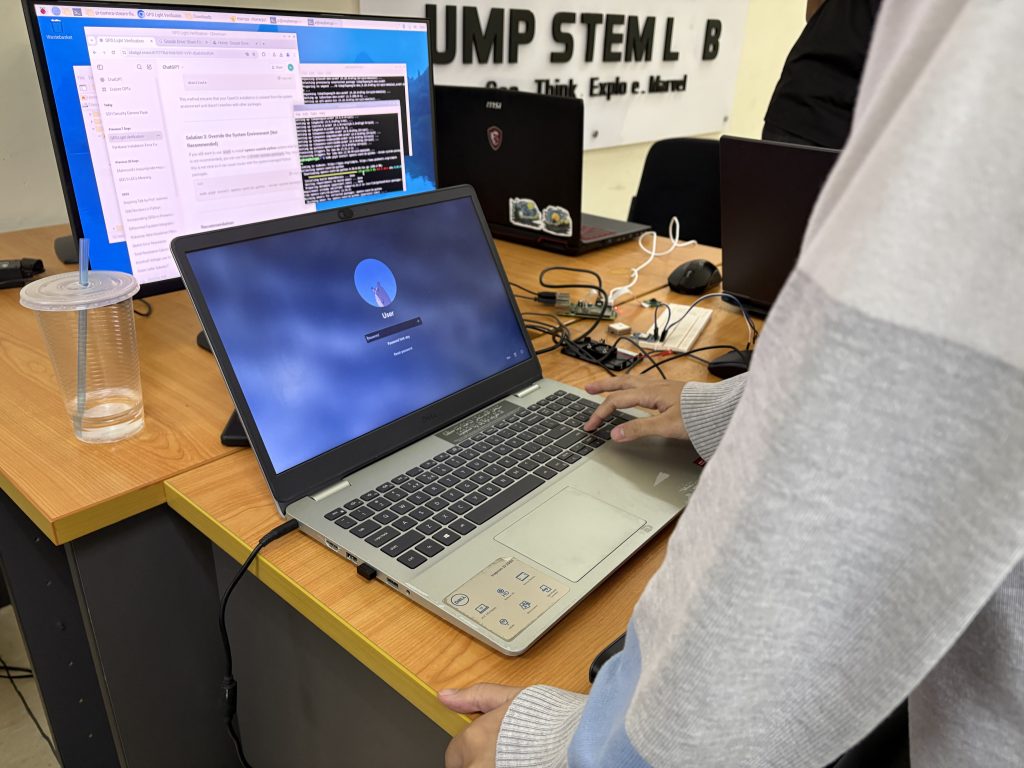
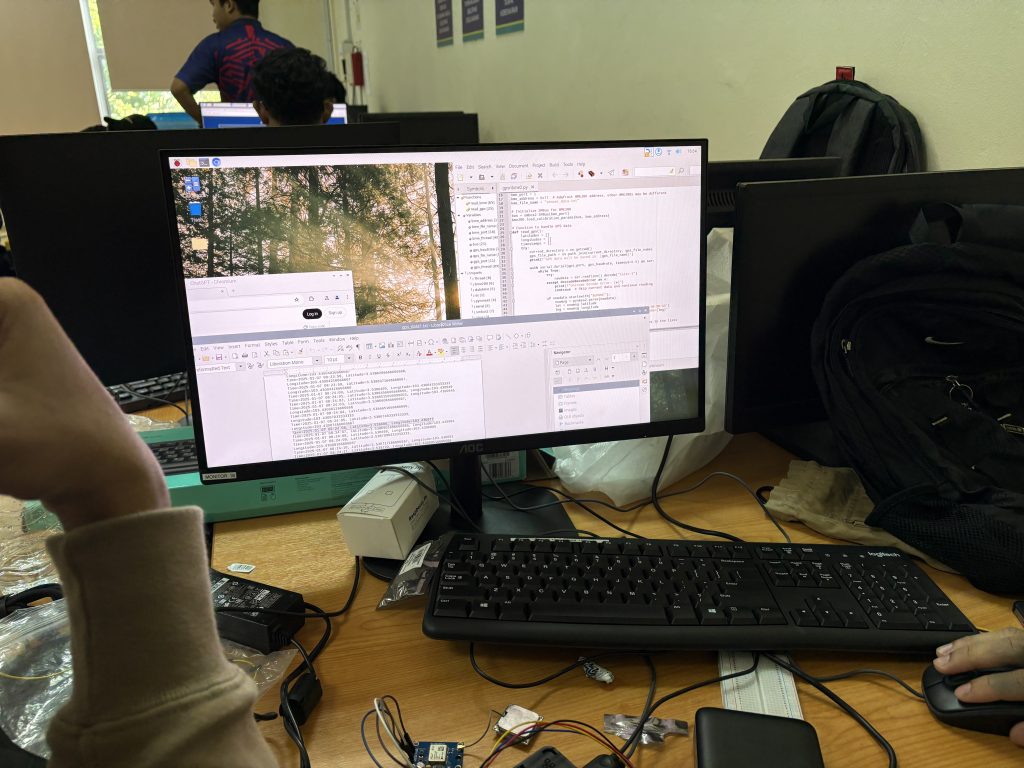
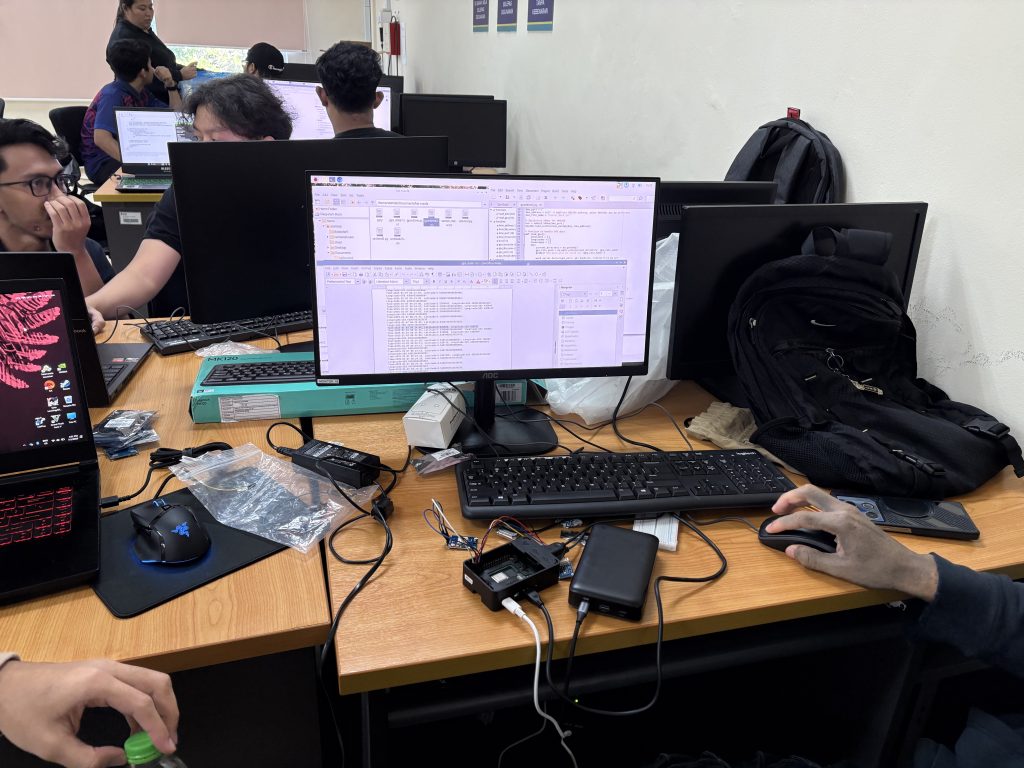
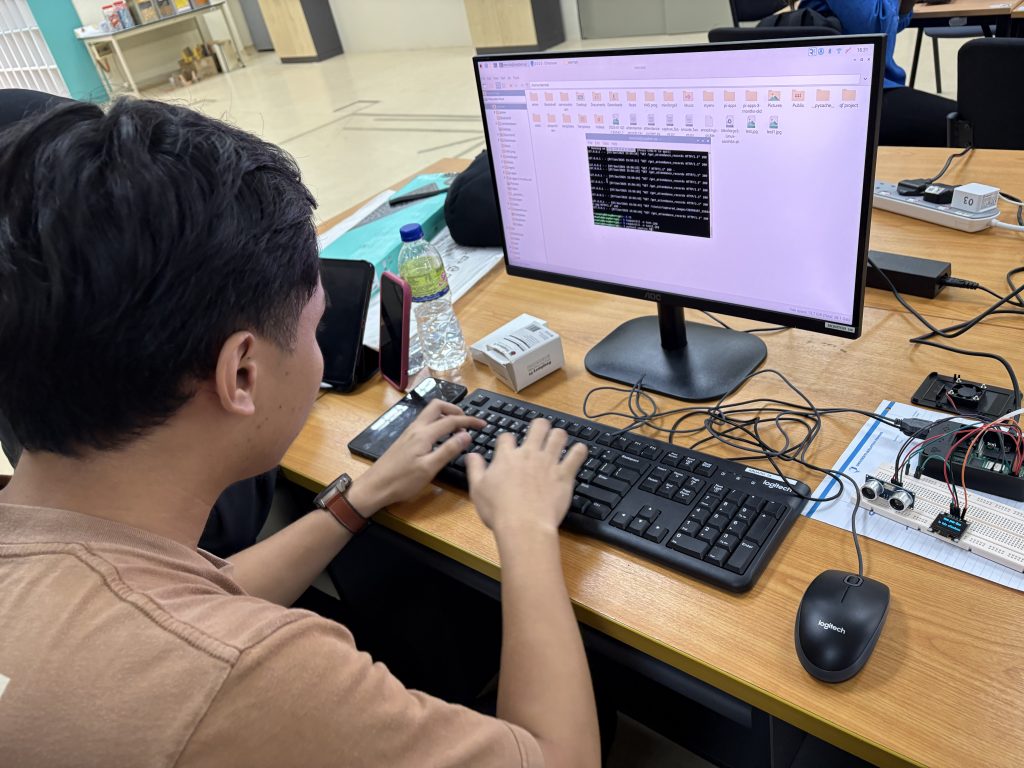
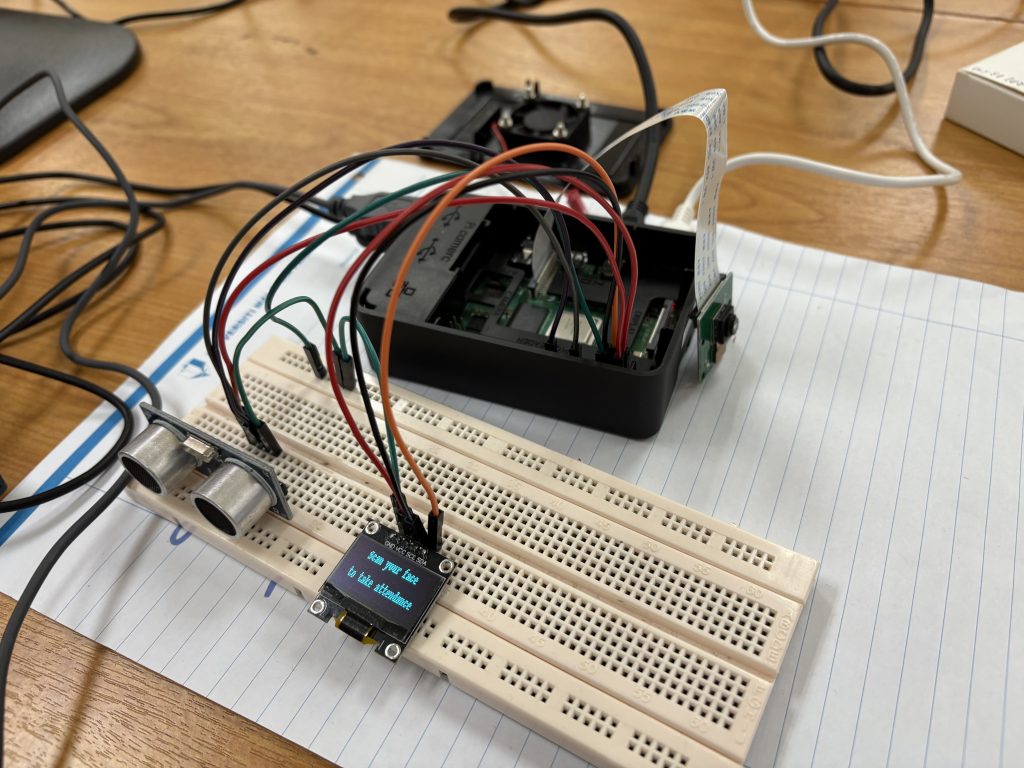
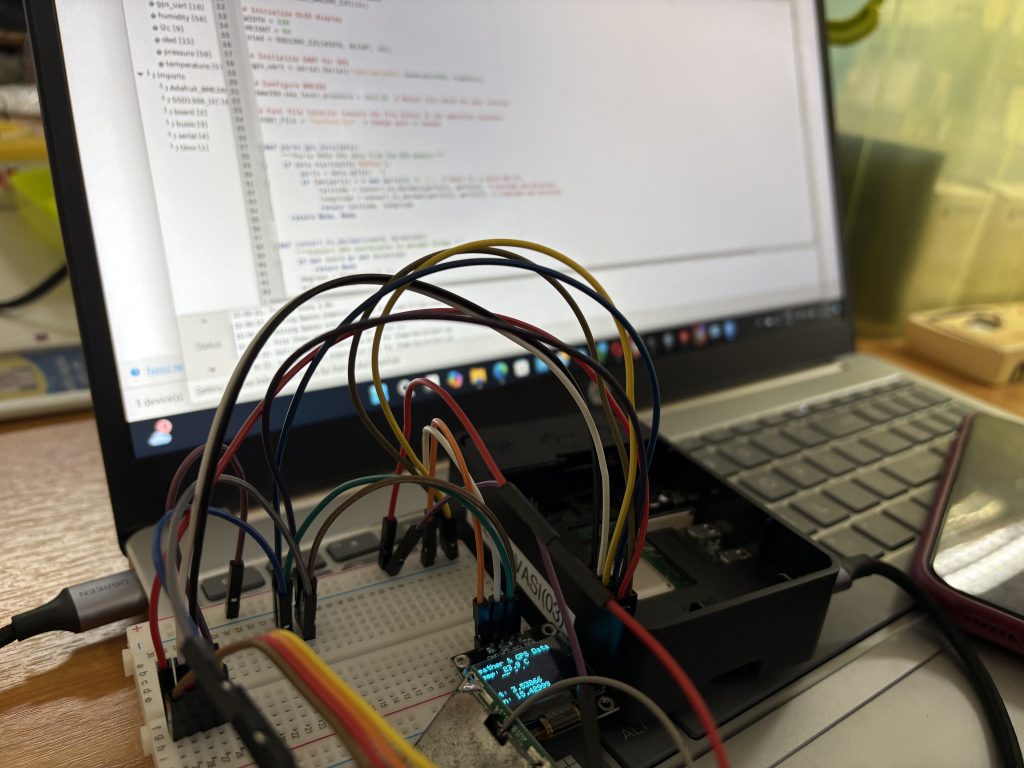
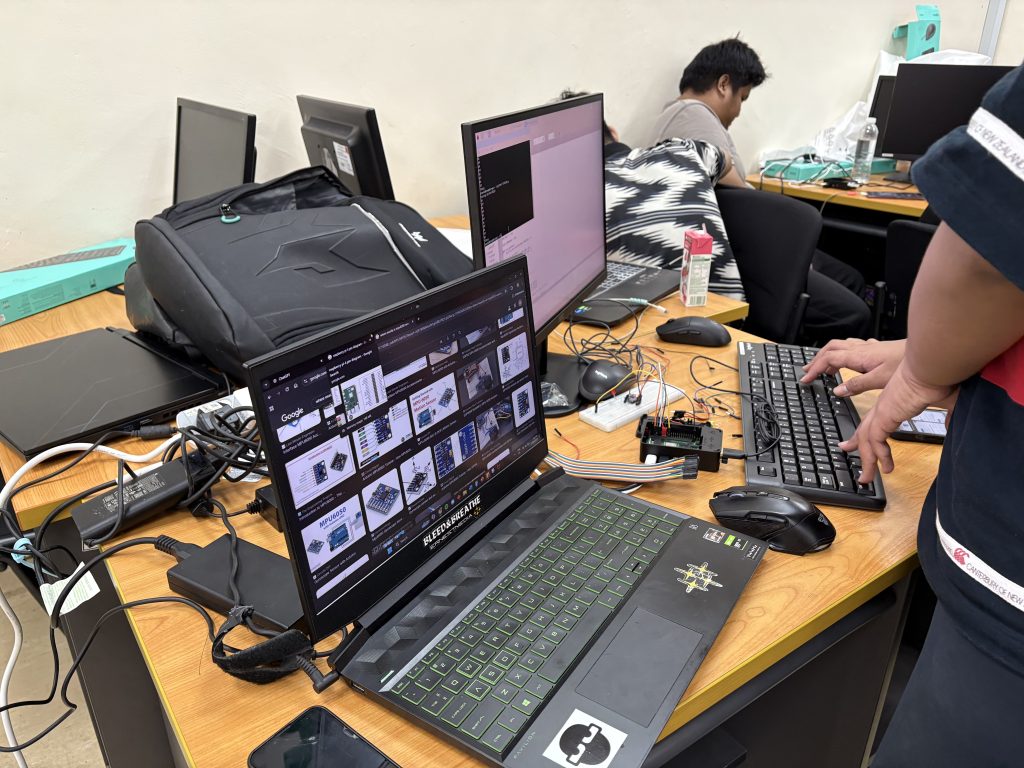
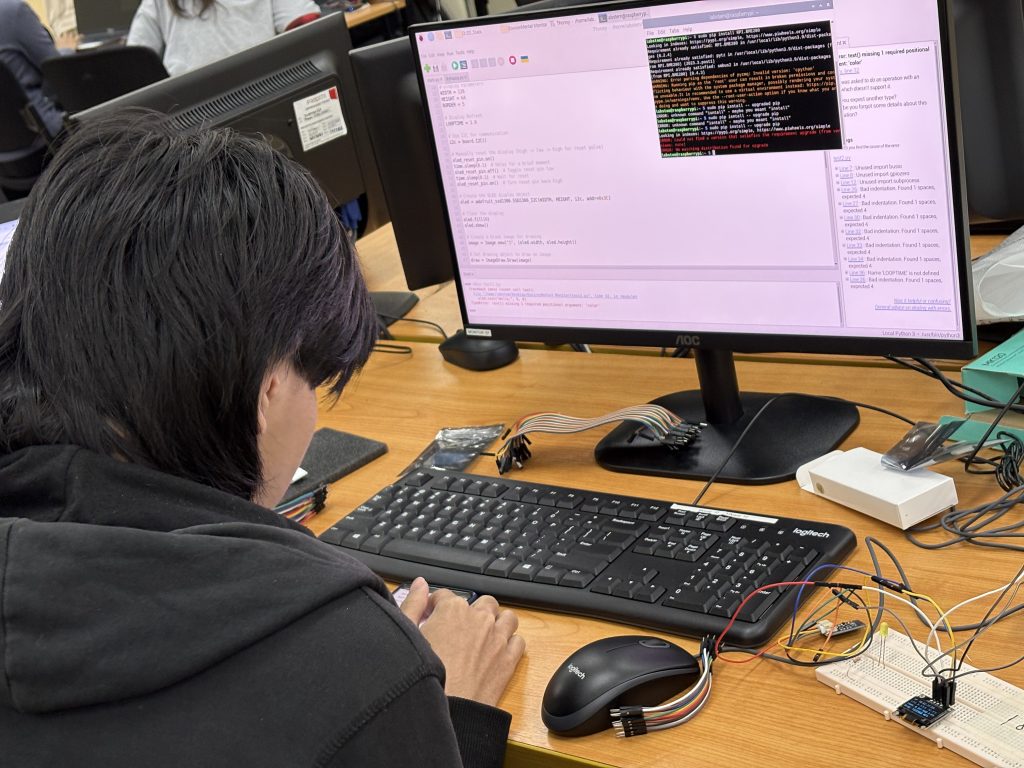
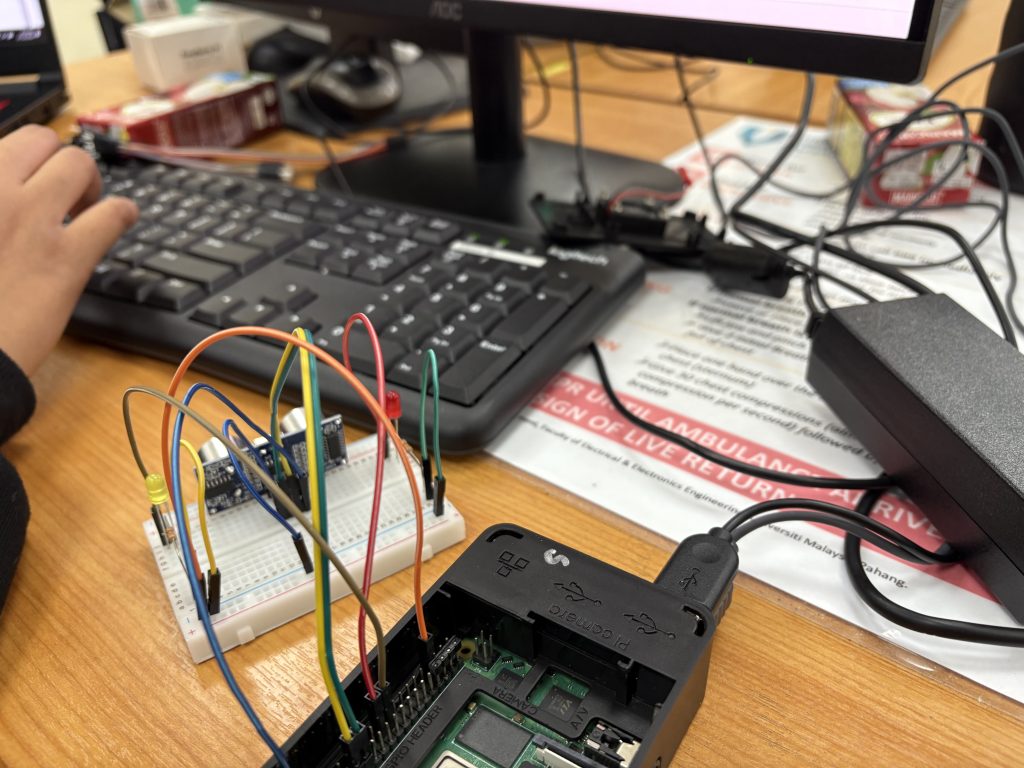
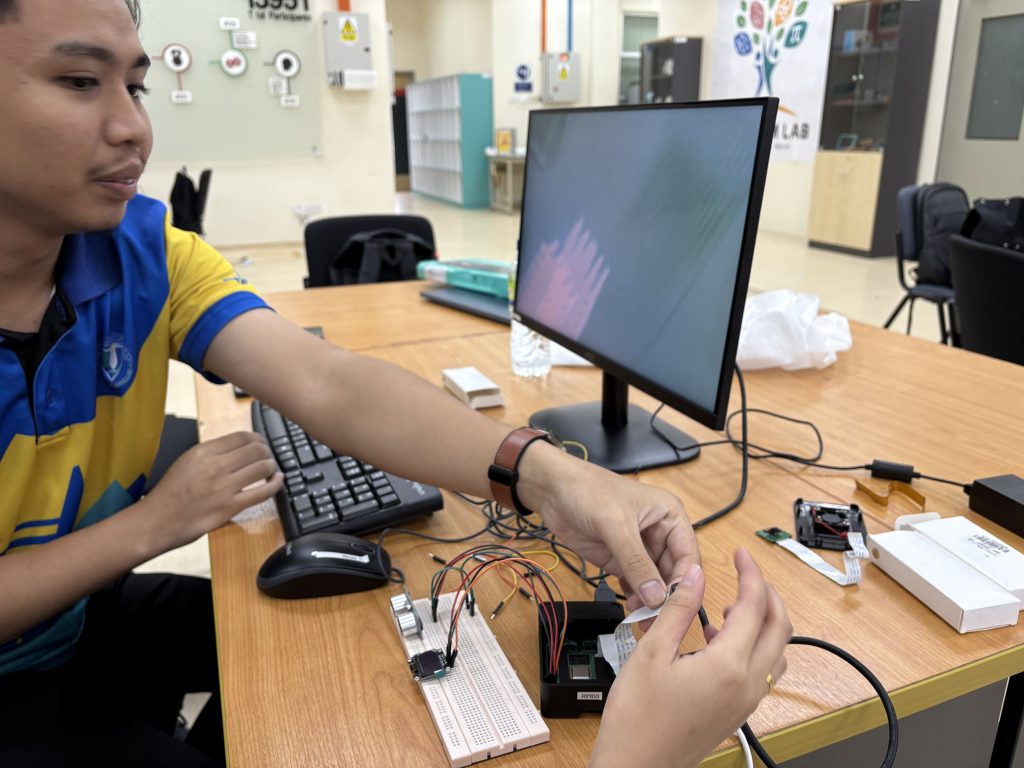
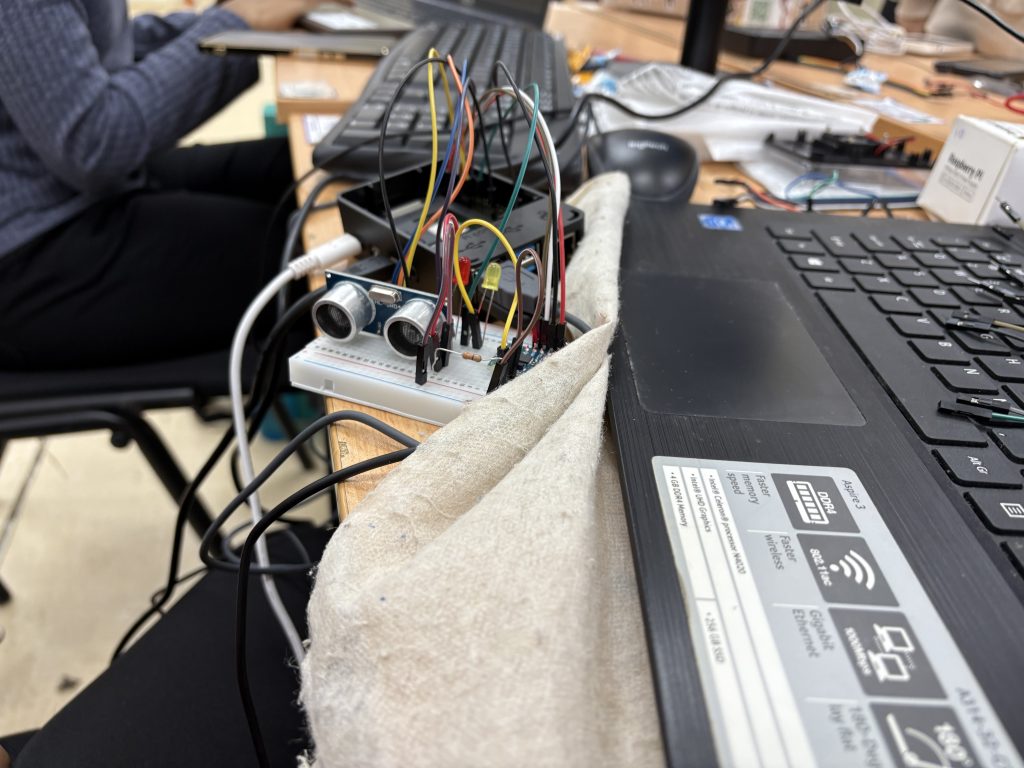
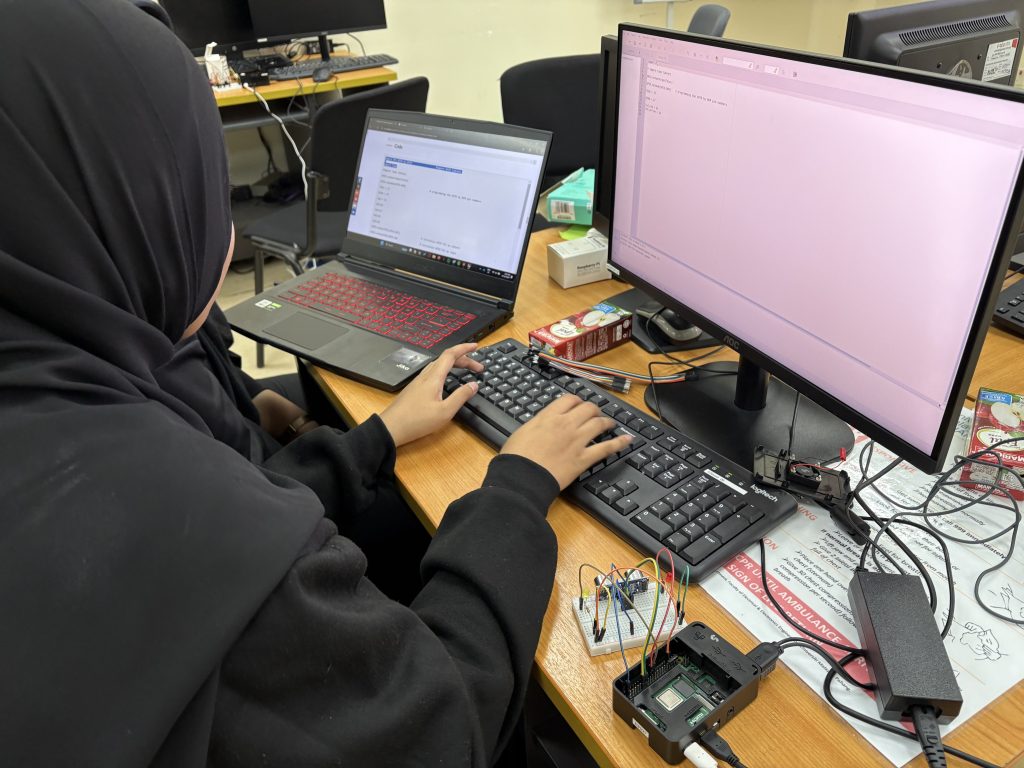
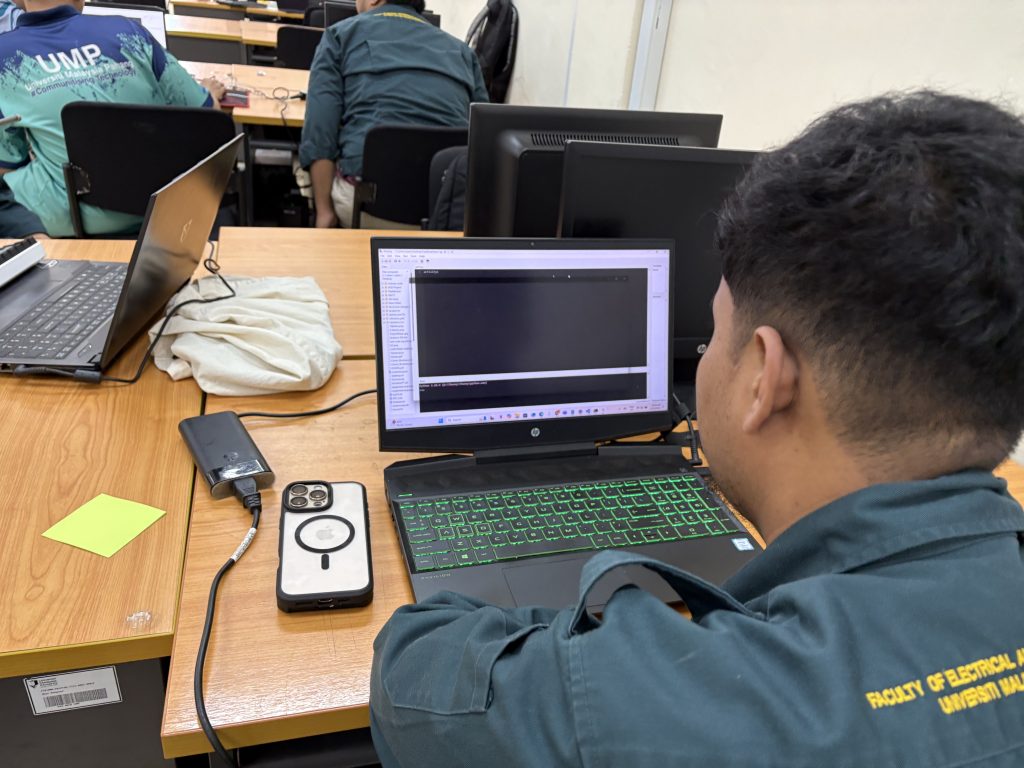
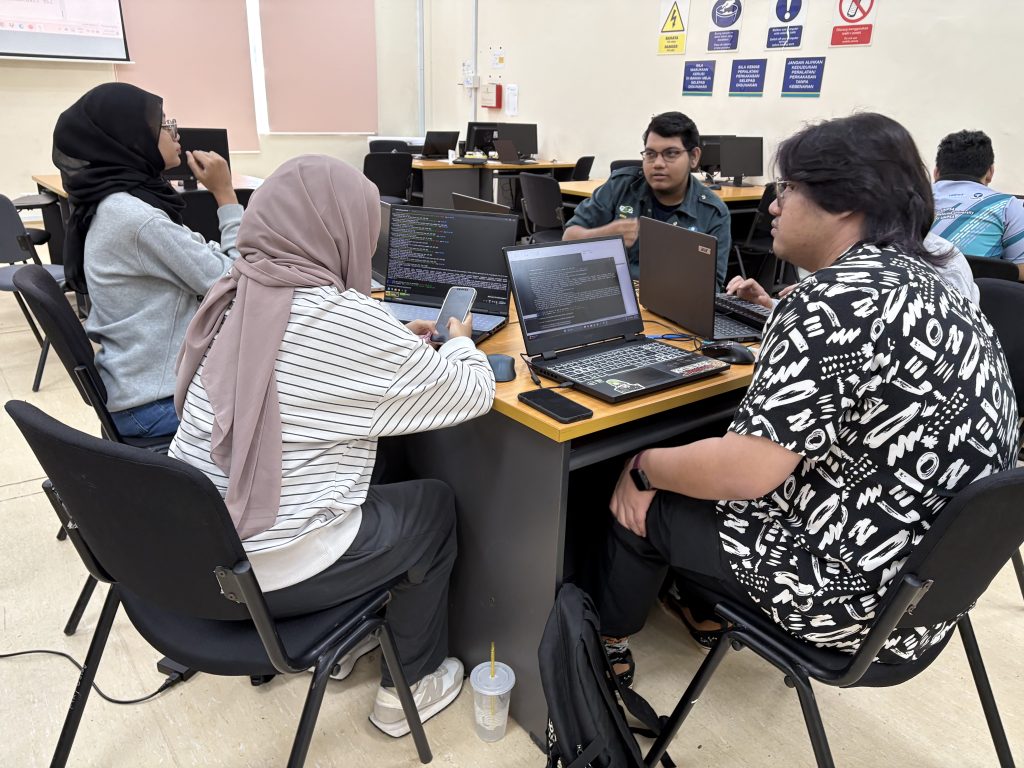
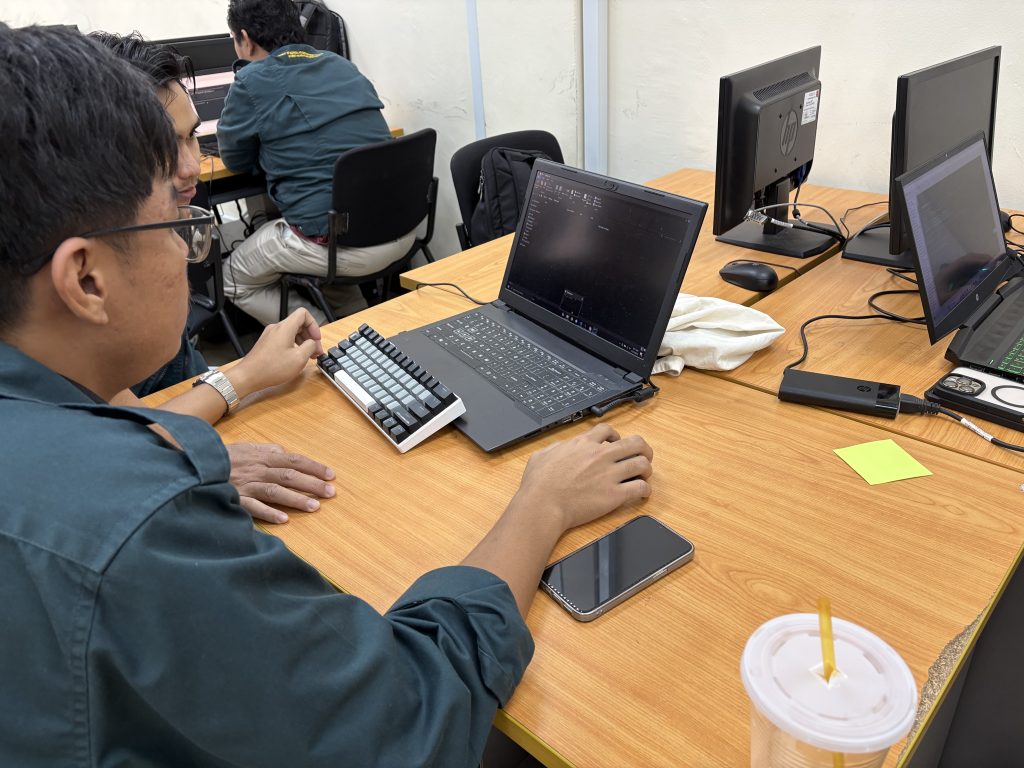
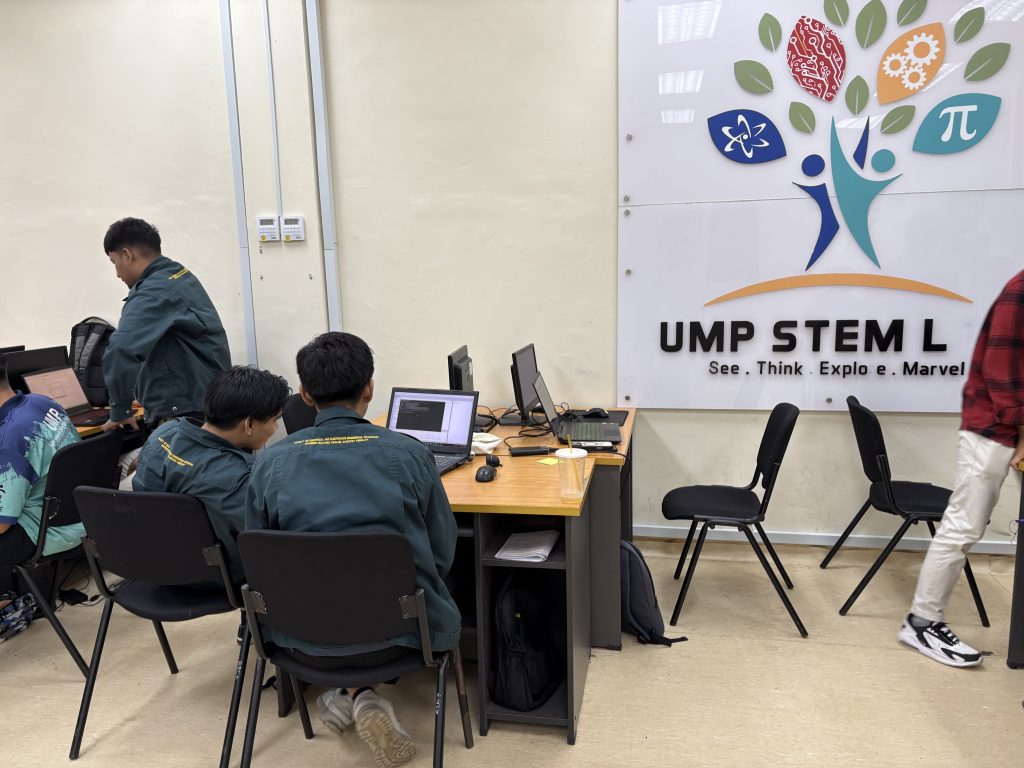
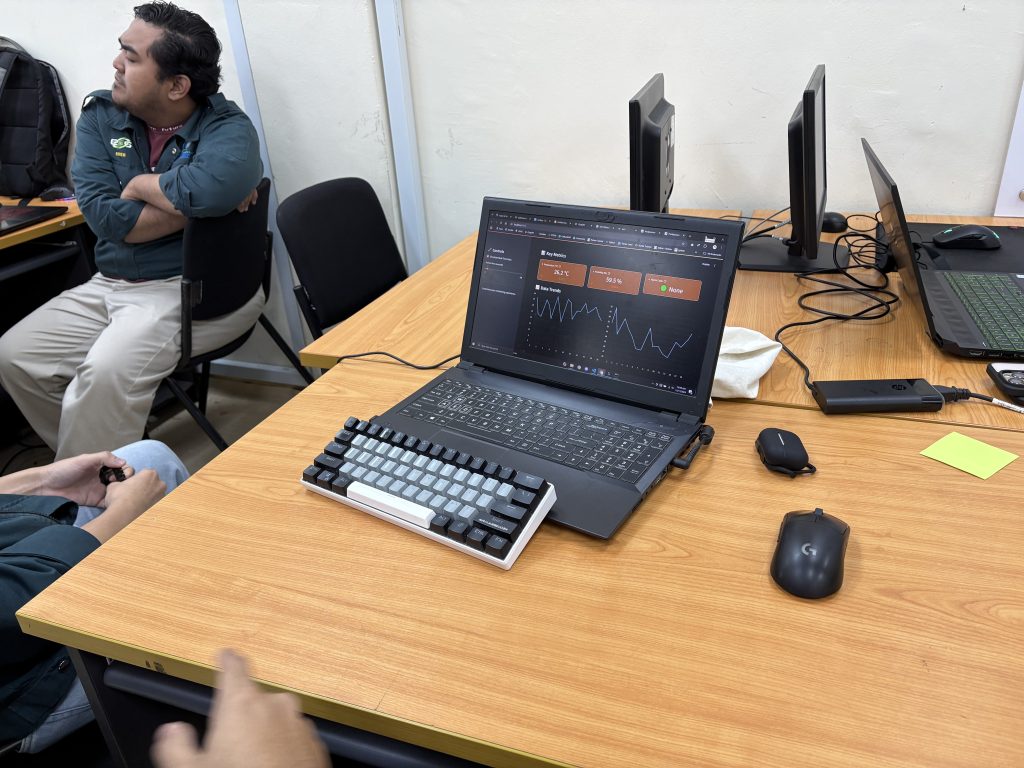
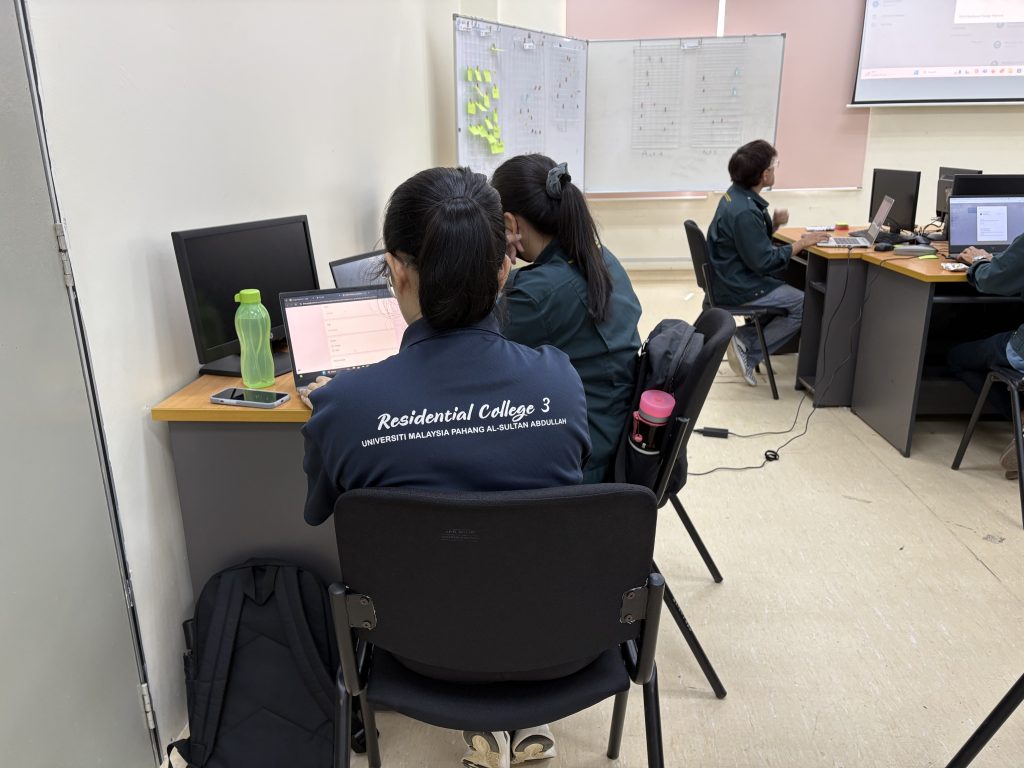
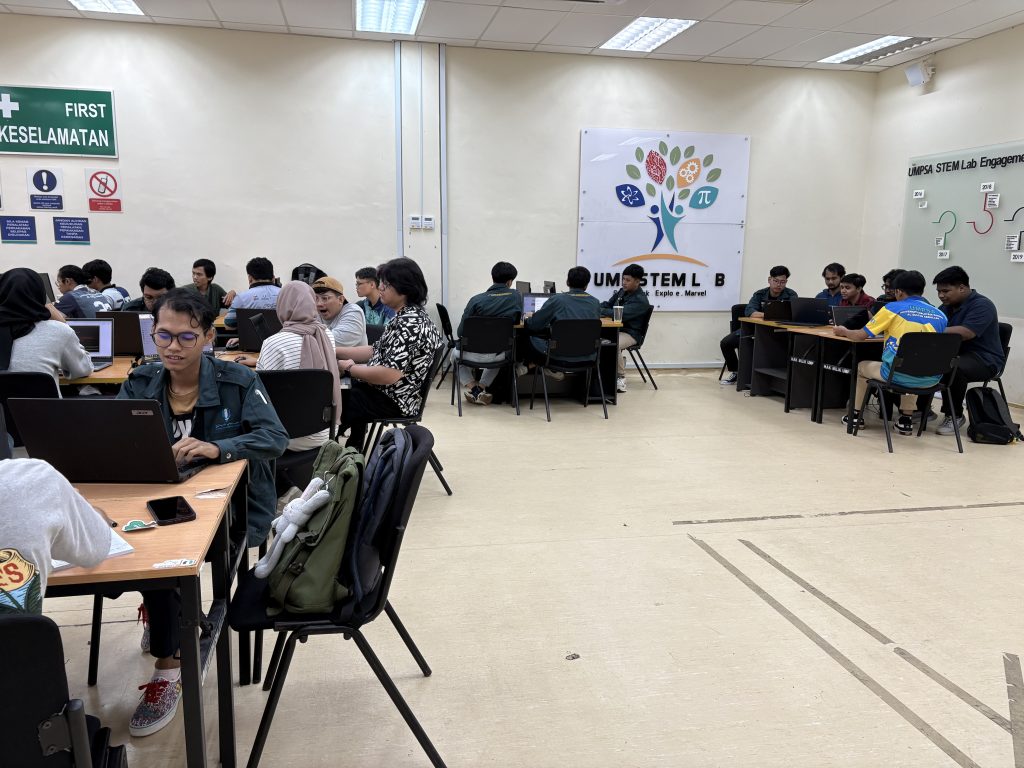
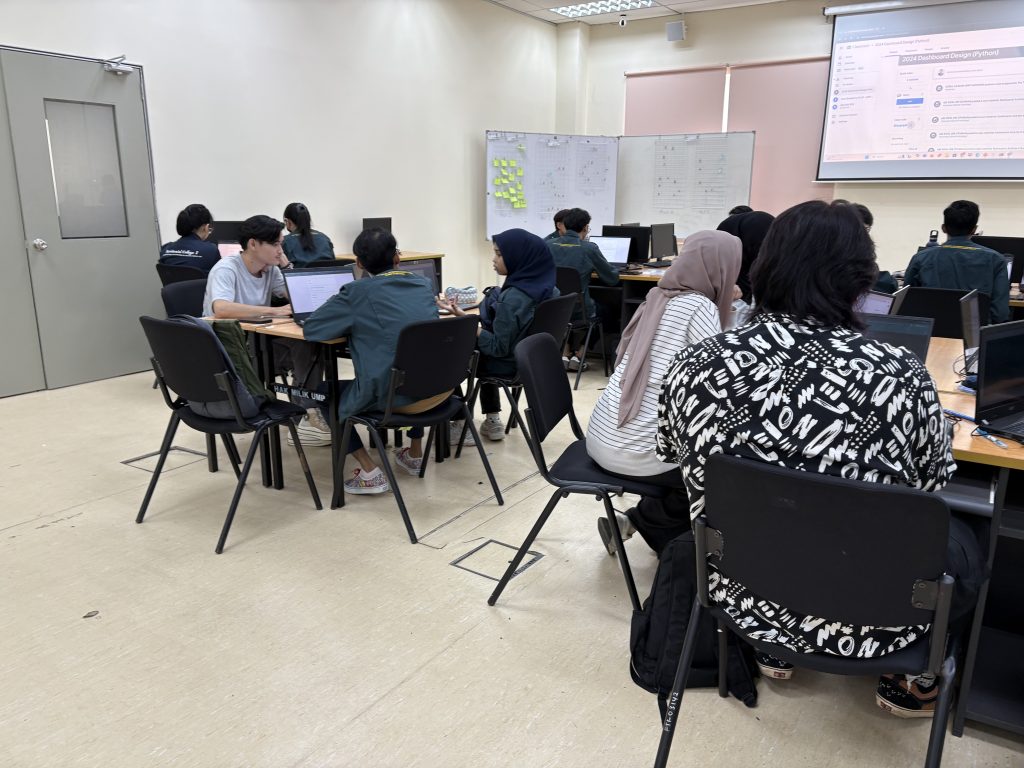
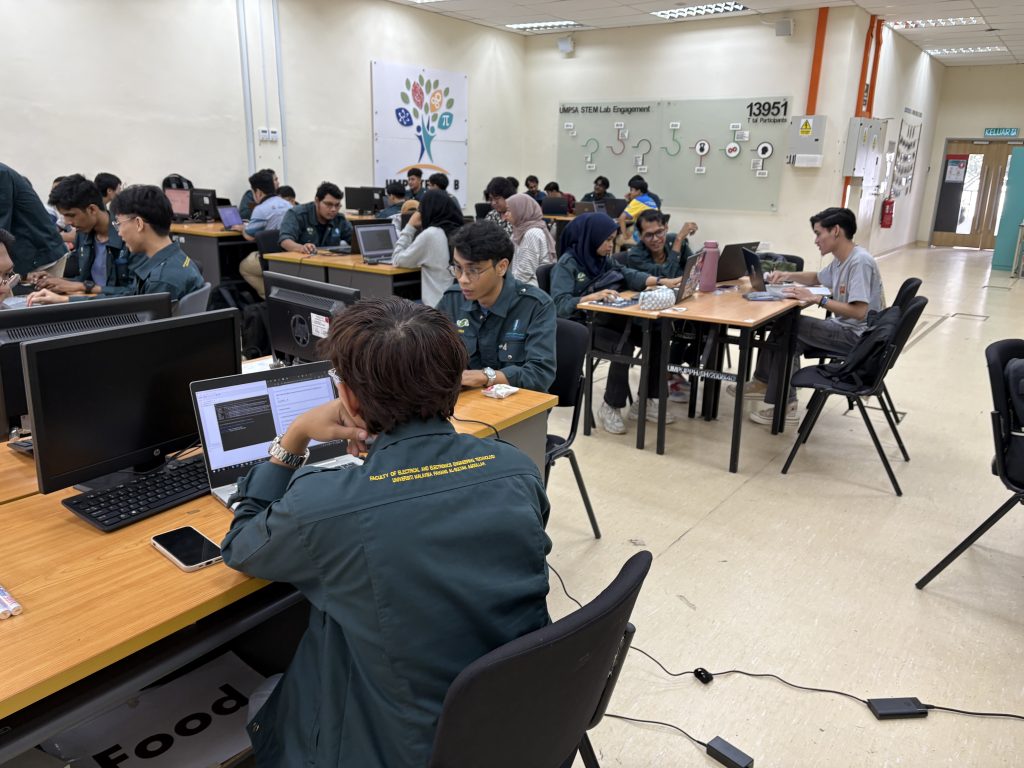
This week at the UMPSA STEM Lab, it’s a celebration weeks of effort, creativity, and learning as students from BTE1522 and DRE2323 showcased their project progress during their Week 13 presentations :), very well done.
The project list for this semester
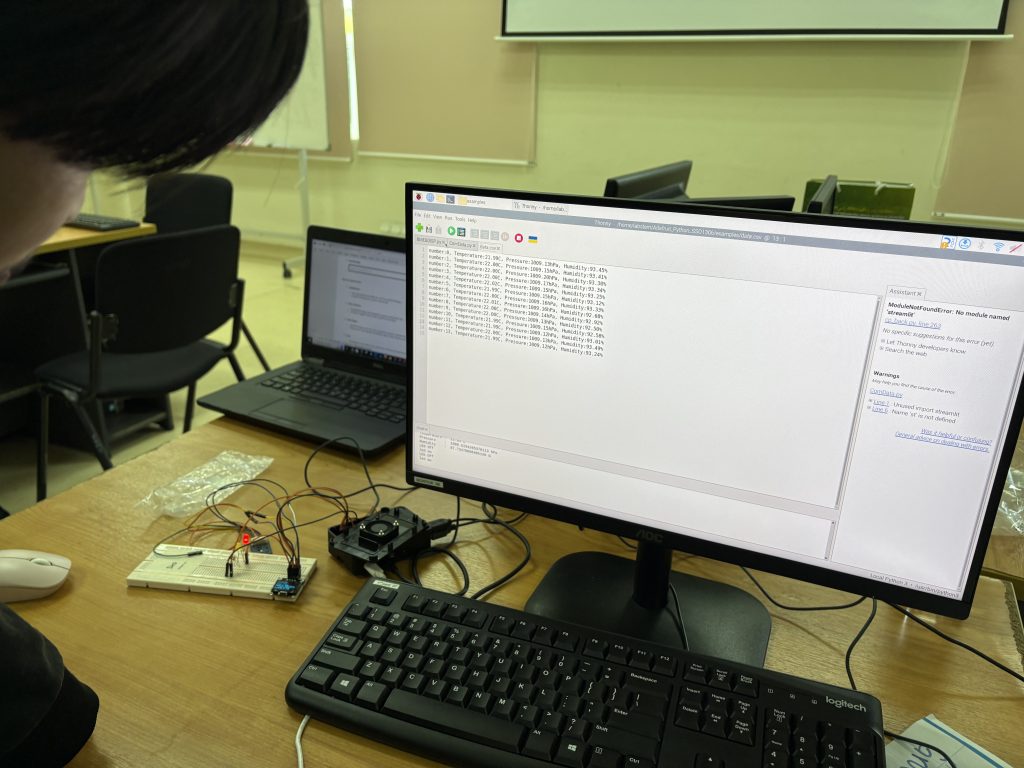
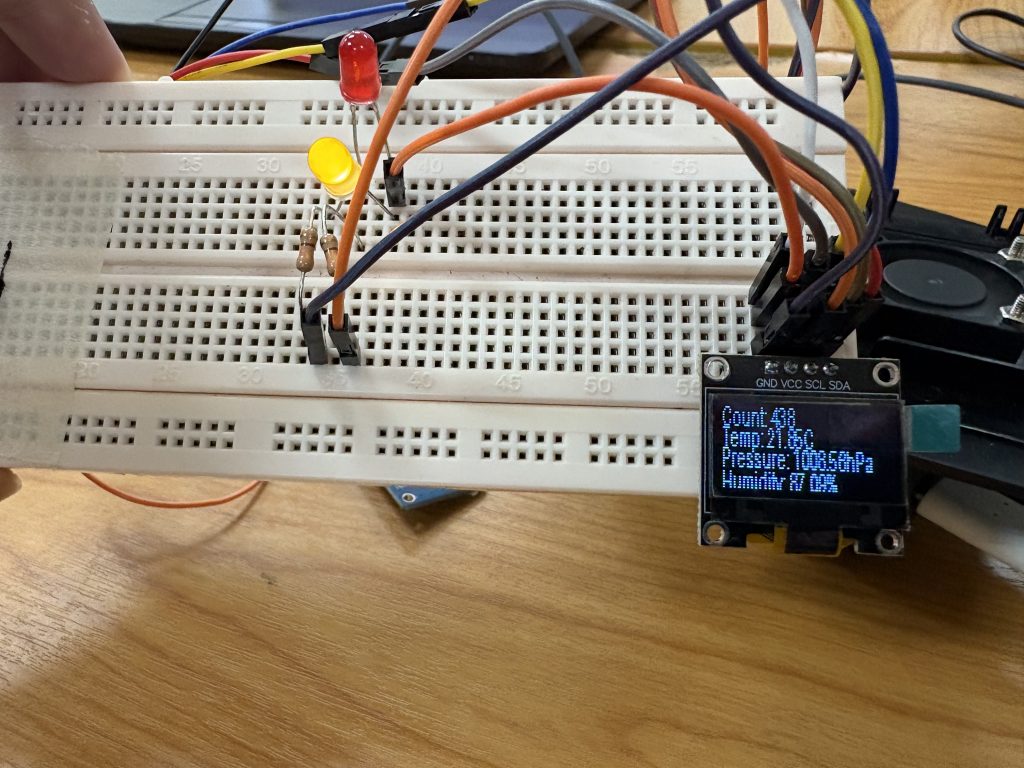
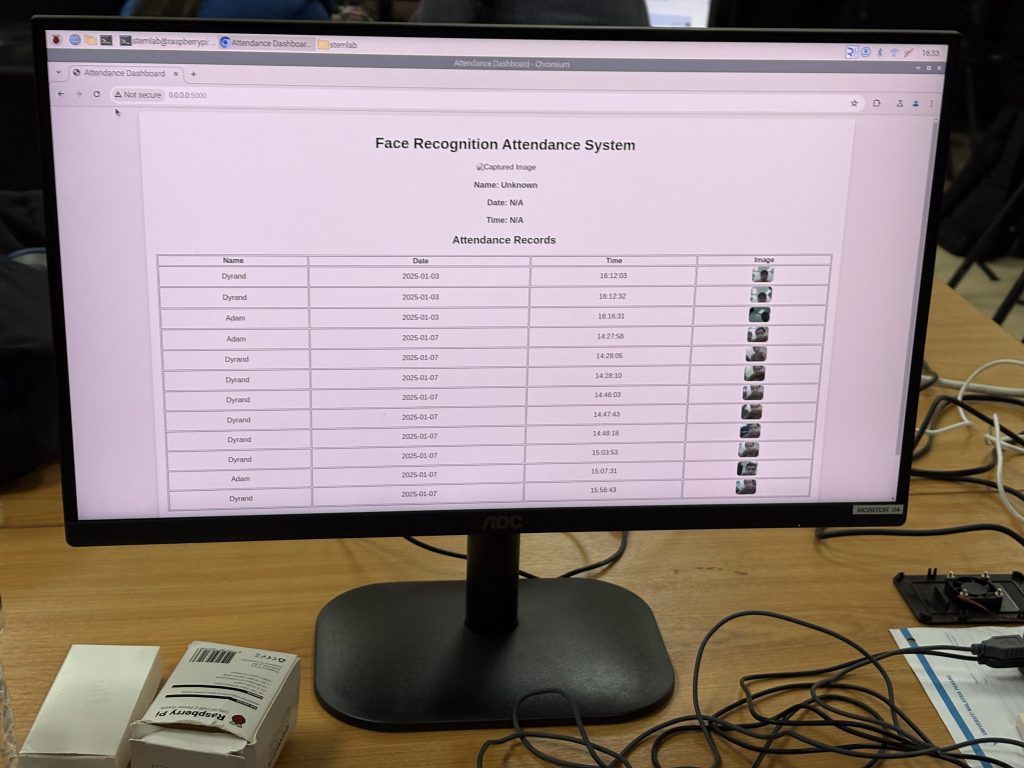
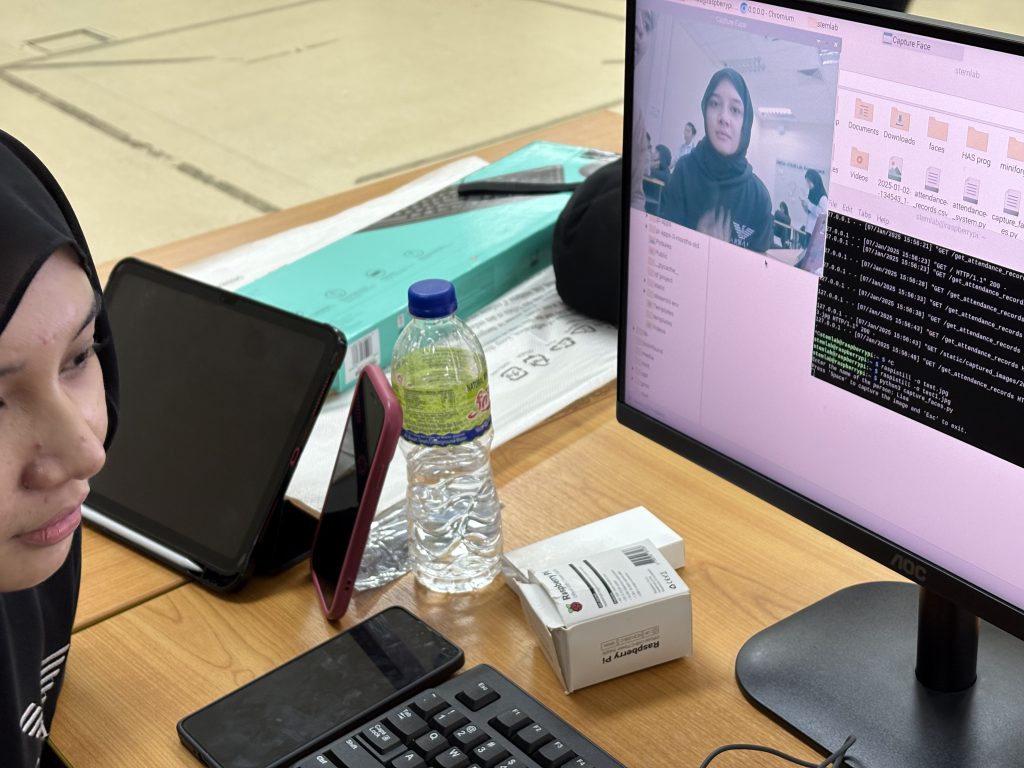
This session marked a critical checkpoint in the Project-Based Learning (PBL) approach, where students demonstrated their understanding of concepts learned from Week 1 to Week 8.
The Essence of Project-Based Learning
Project-Based Learning is more than just a teaching method—it’s a transformative approach to mastering coding and physical computing. Through hands-on activities, students delve into real-world challenges, integrating knowledge from various topics and applying it to create meaningful projects.
In the case of BTE1522 and DRE2323, this journey began with developing Python-based games and culminated in complex physical computing projects using Raspberry Pi and microcontrollers like the Pi Pico. By “learning through doing,” students gained practical skills in coding, troubleshooting, debugging, and tinkering—key competencies for future engineers and technologists.
The Week 13 Presentations
Students from both classes, DRE2213 and BTE1522 built on their foundational Python programming knowledge by creating interactive games in the early weeks, such as slider games and arcade-style challenges. These games taught them the core principles of programming, including variables, loops, and control structures.
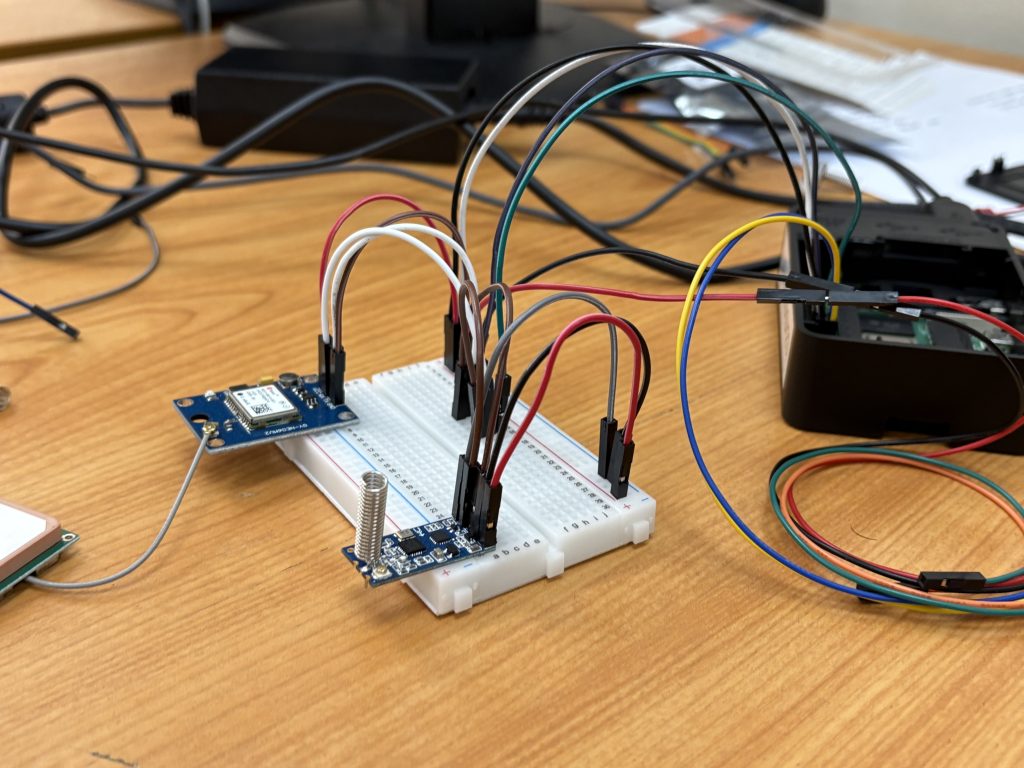
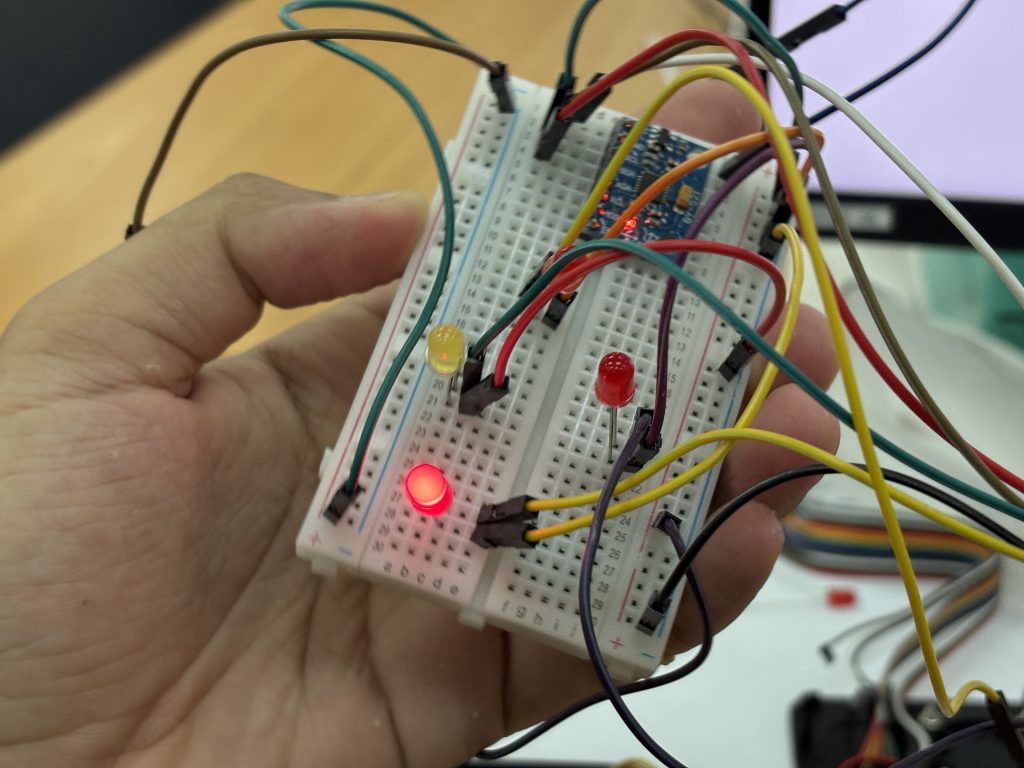
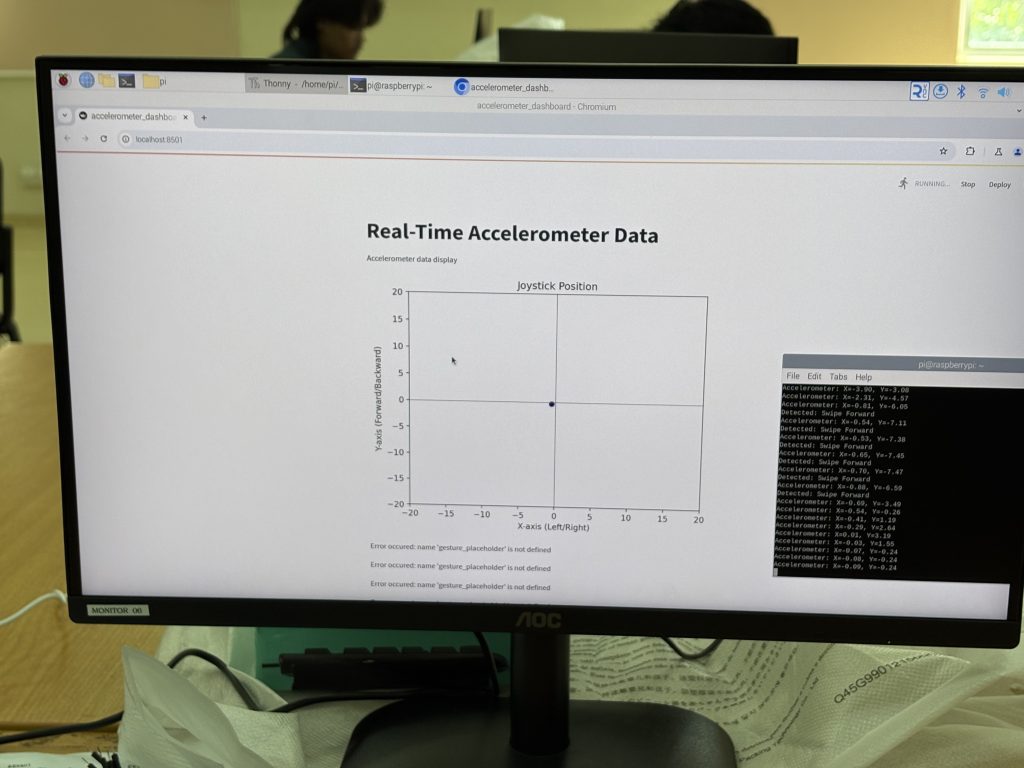
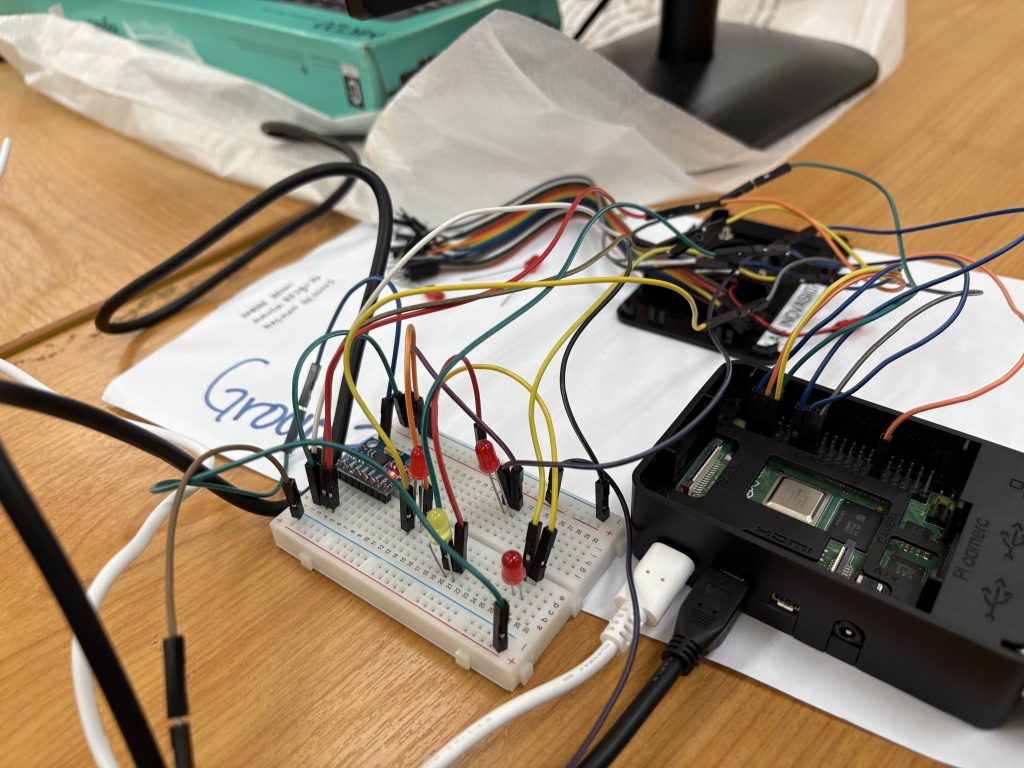
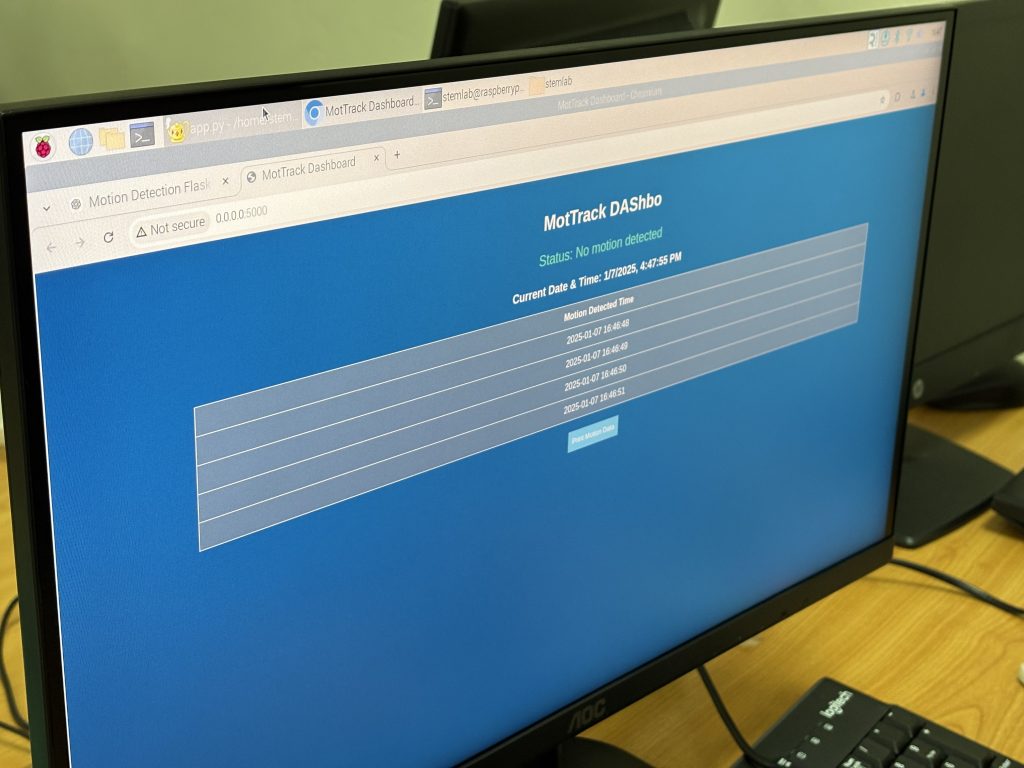
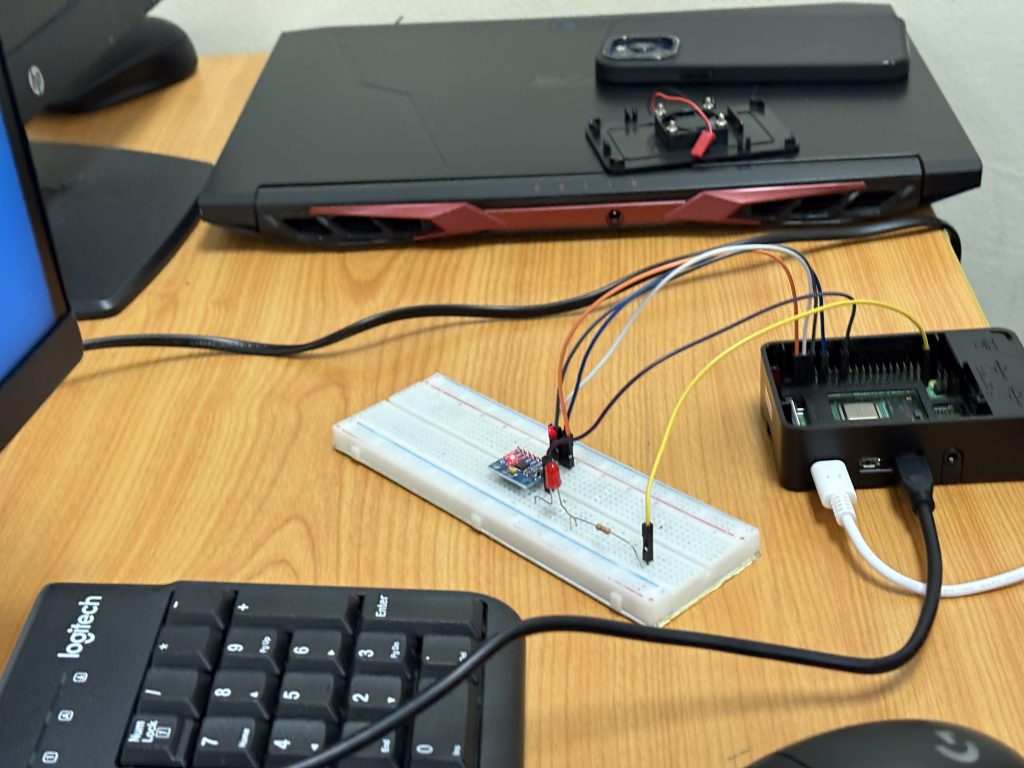
For their projects, they transitioned to physical computing, integrating Raspberry Pi with sensors and hardware to develop innovative systems. Projects included:
They then focused on blending Python programming with hardware integration. Their projects reflected their grasp of advanced concepts like data acquisition, cloud integration, and system automation. Some notable projects included:
Learning Through Challenges
The journey from Week 9 to Week 13 was filled with challenges that tested the students’ knowledge and resilience. Key lessons included:
Why Project-Based Learning Works
Coding is best learned by doing, and PBL offers a structured yet flexible framework to foster active learning. By working on tangible projects, students not only consolidate theoretical knowledge but also develop critical thinking, creativity, and problem-solving skills.
Looking Ahead
The Week 13 presentations are not the end but a milestone in the students’ journey. The feedback received during the session will guide them as they refine their projects in the coming weeks. The final showcase will demonstrate not just their technical expertise but also their growth as innovators and problem solvers.
Well done everyone!






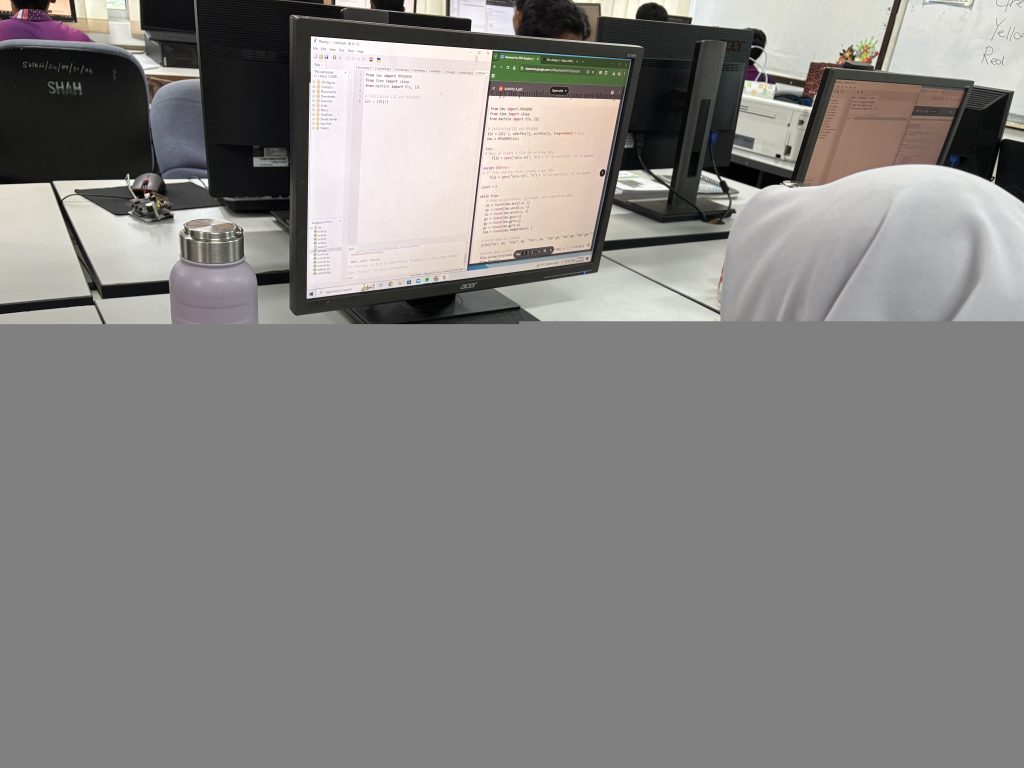
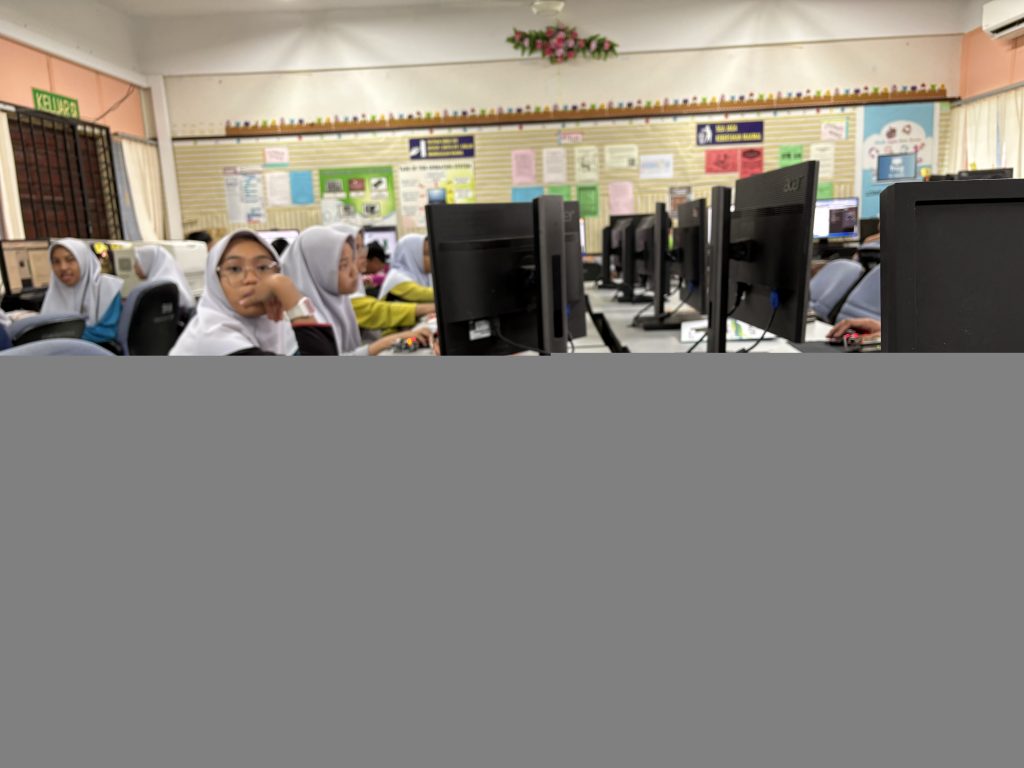
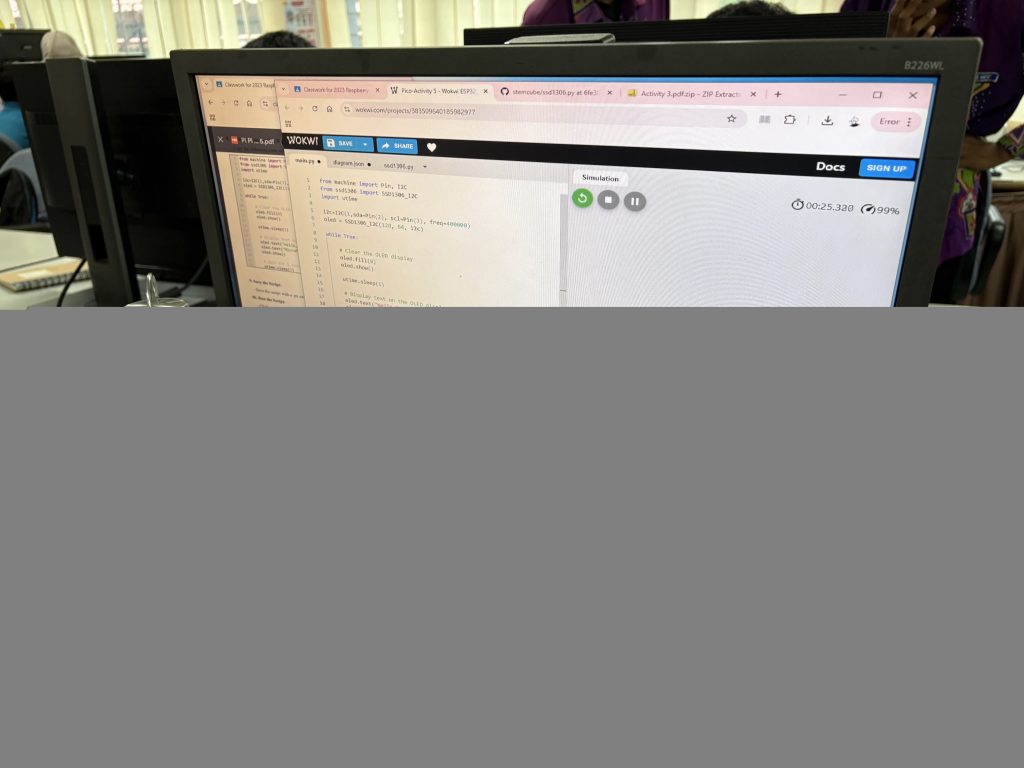
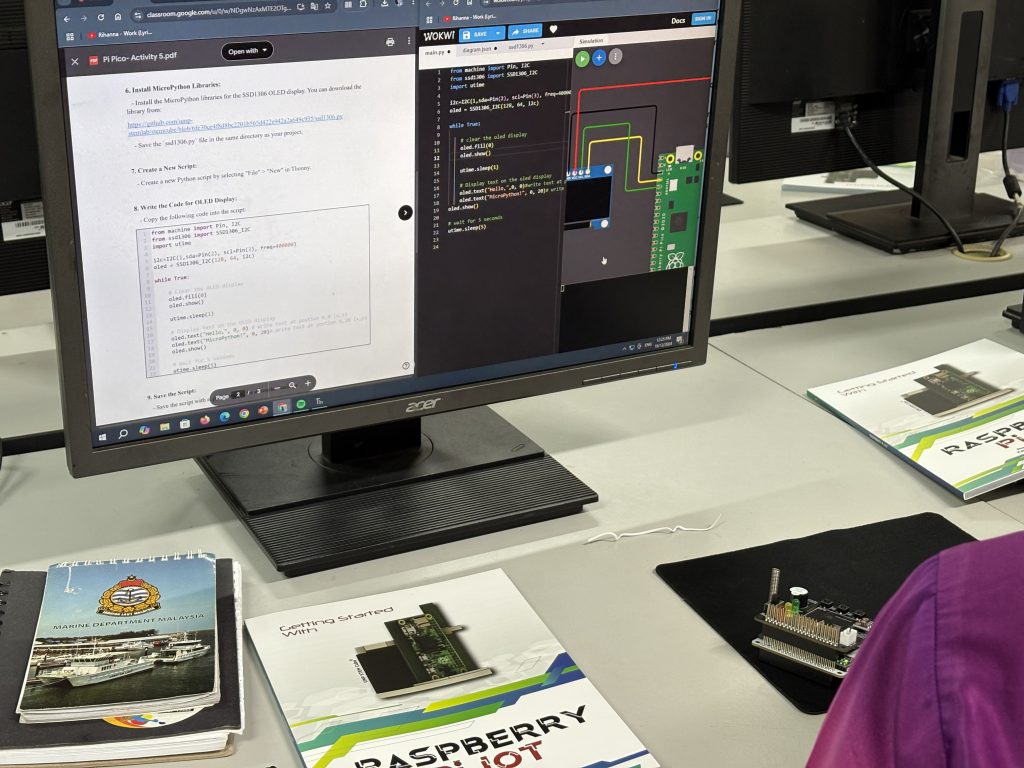
*UMPSA STEM Lab Raspberry Pi Programming Synopsis can be found here. In the Raspberry Pi IoT session, 30 students from SHAH Pekan were introduced to the concept of the Internet of Things (IoT) using Raspberry Pi on the UMP STEM Cube, a pico-satellite learning kit specifically designed to facilitate engineering learning. The content covered basic digital … Continue reading “Raspberry Pi Programming 2024/11 – SHAH Pekan”
*UMPSA STEM Lab Raspberry Pi Programming Synopsis can be found here.
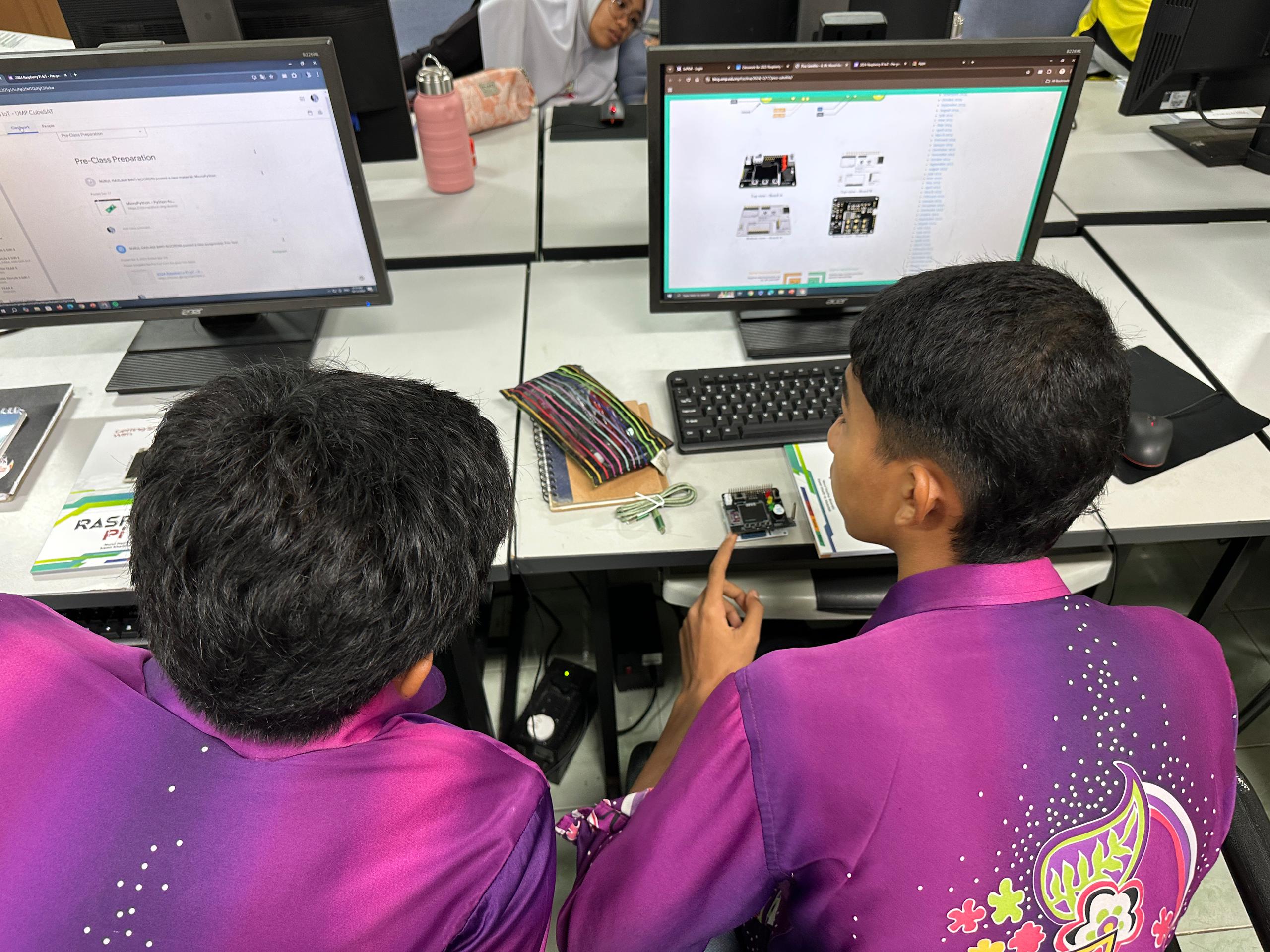
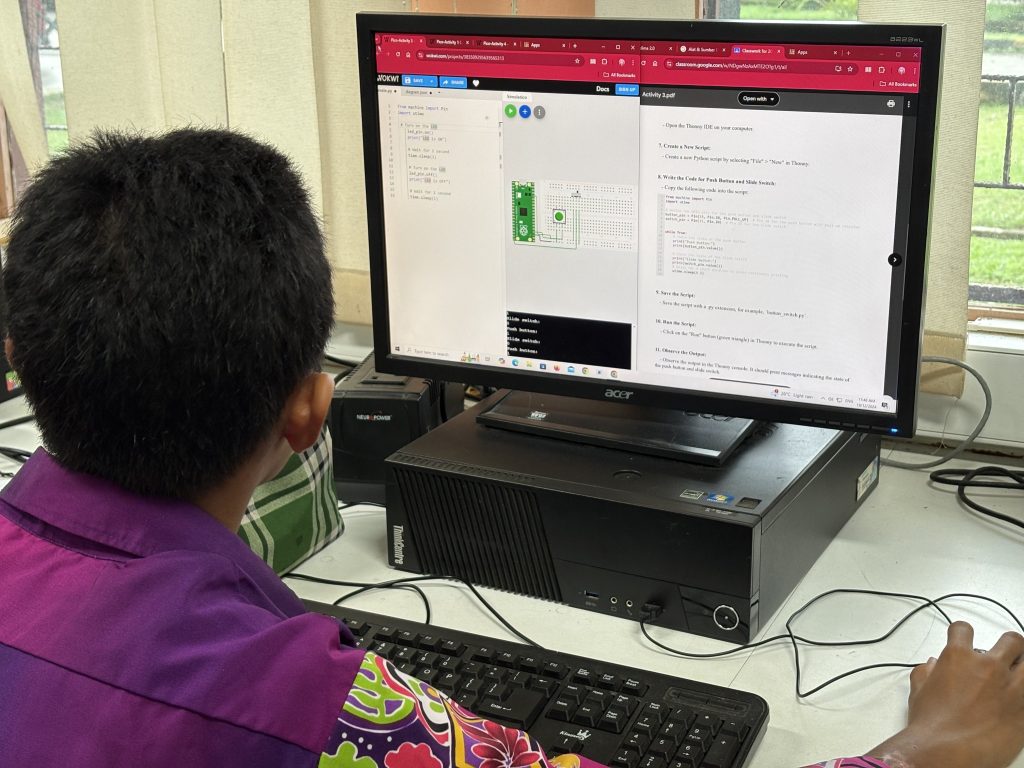
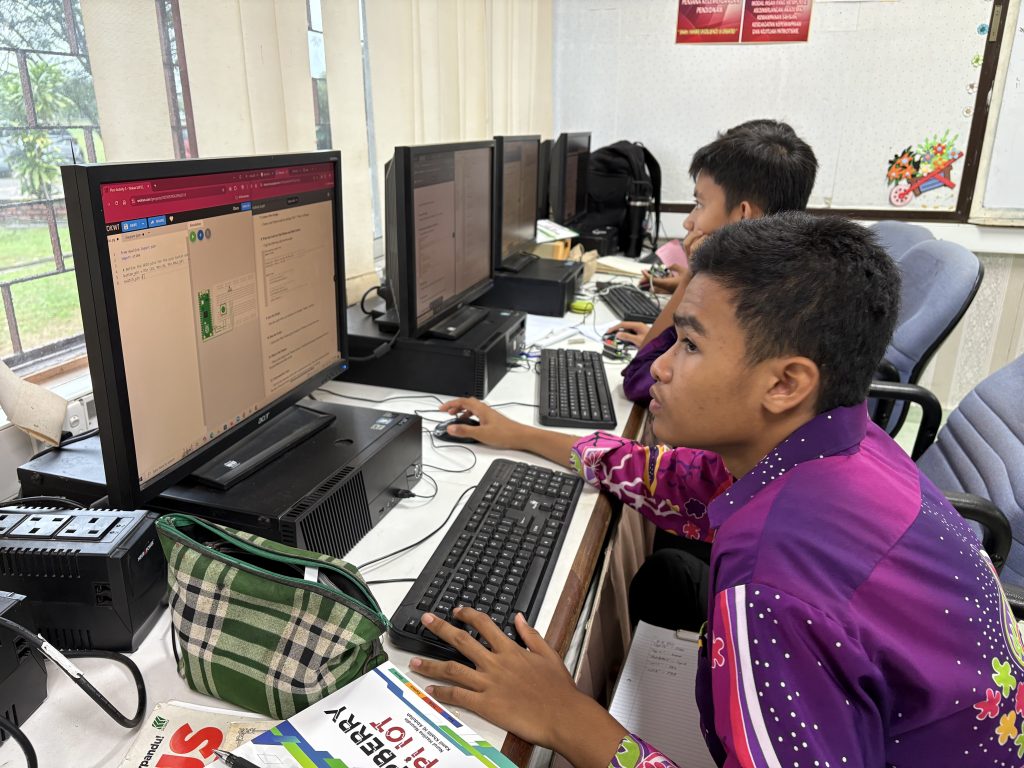
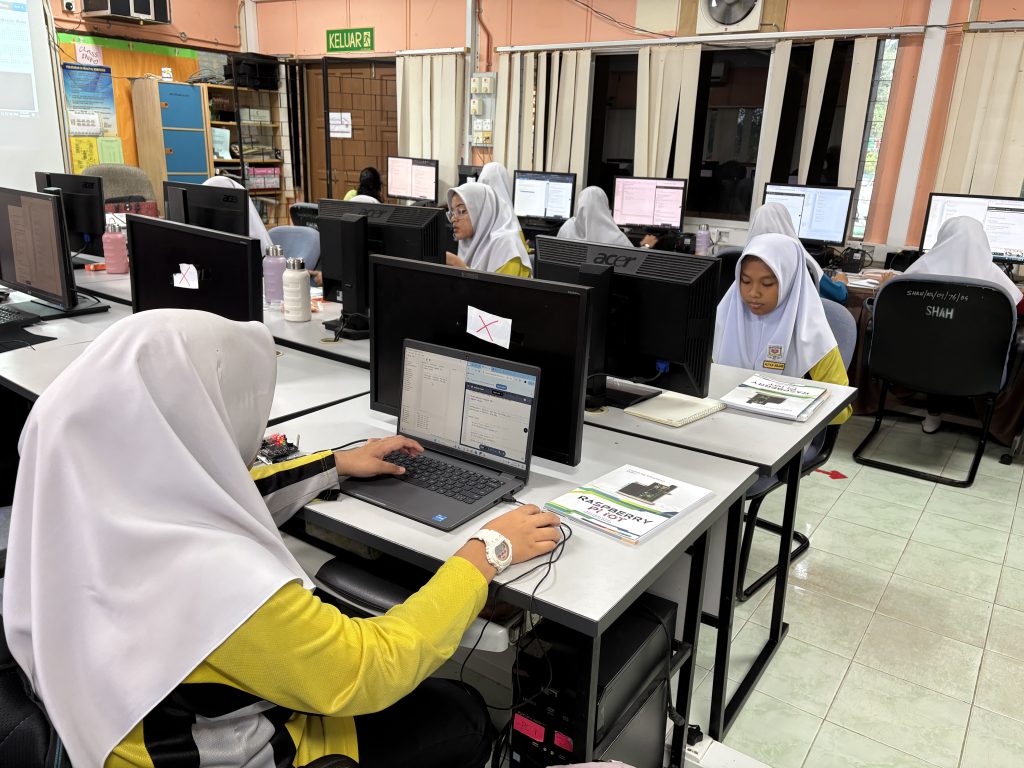
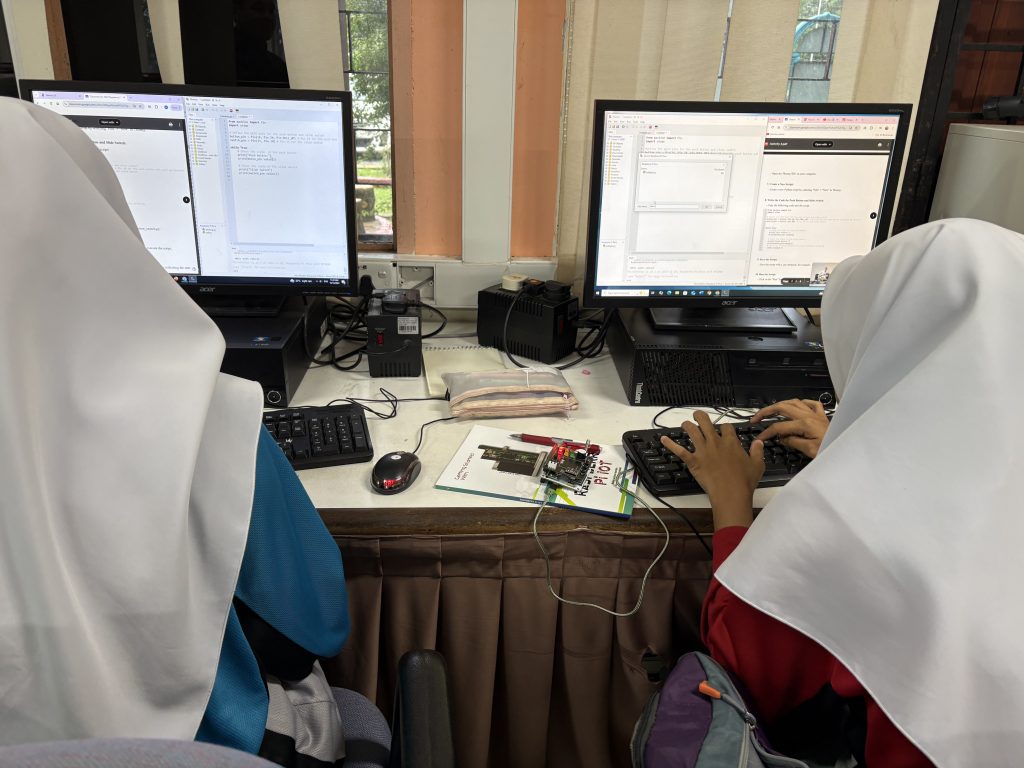
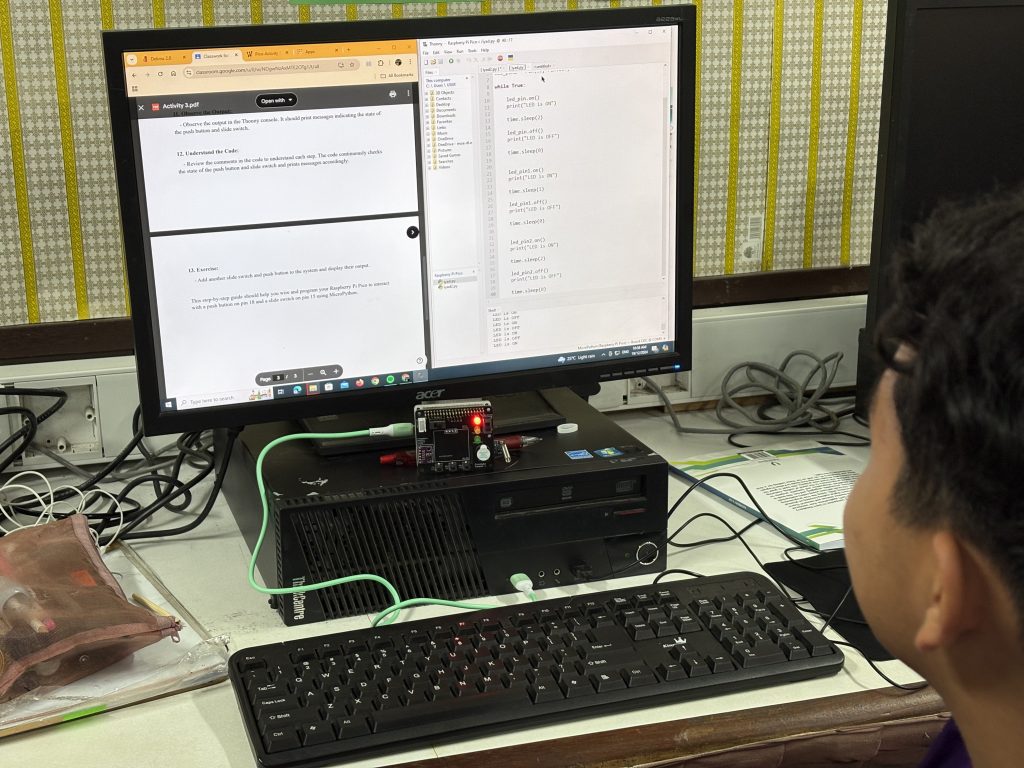
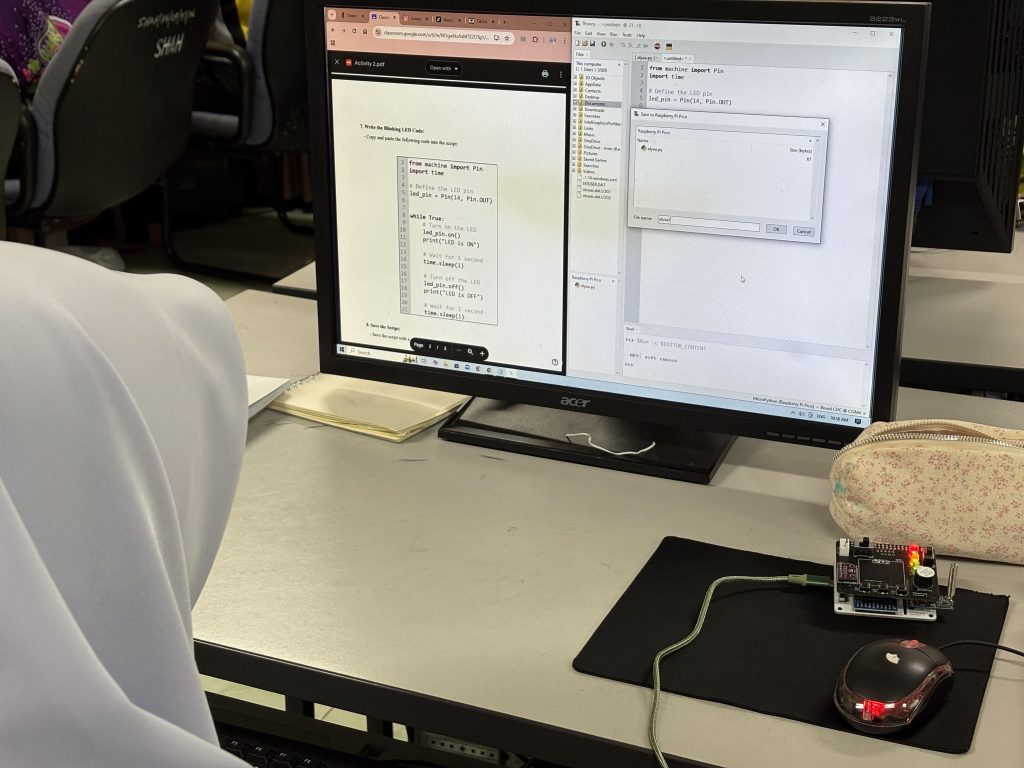
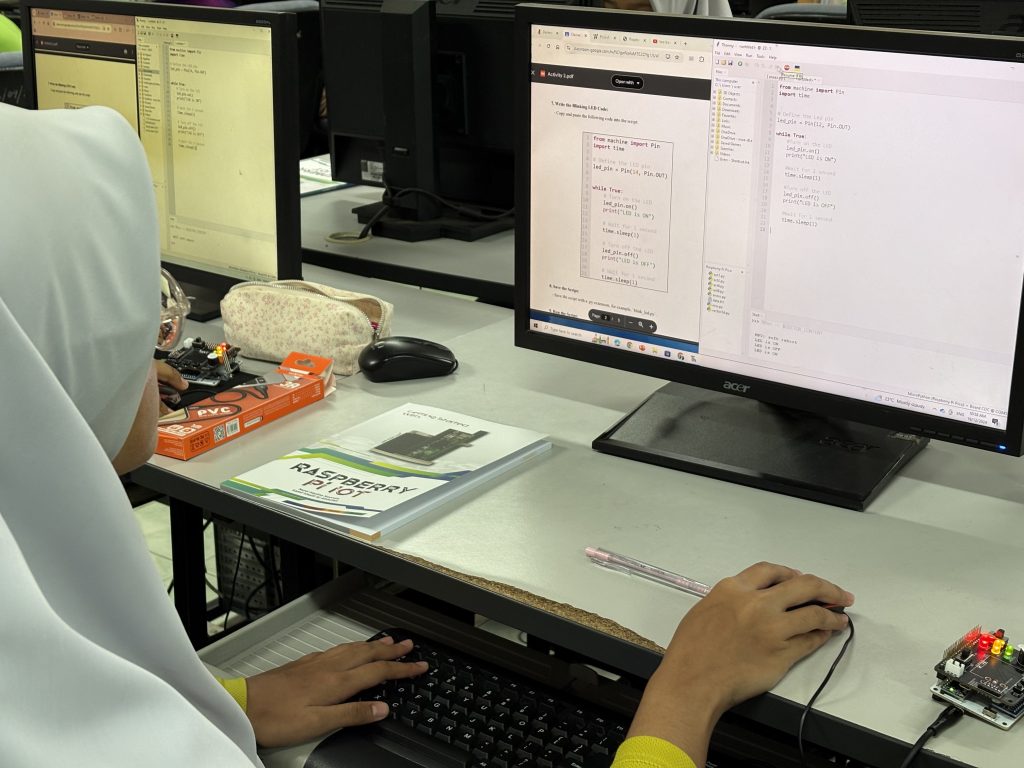
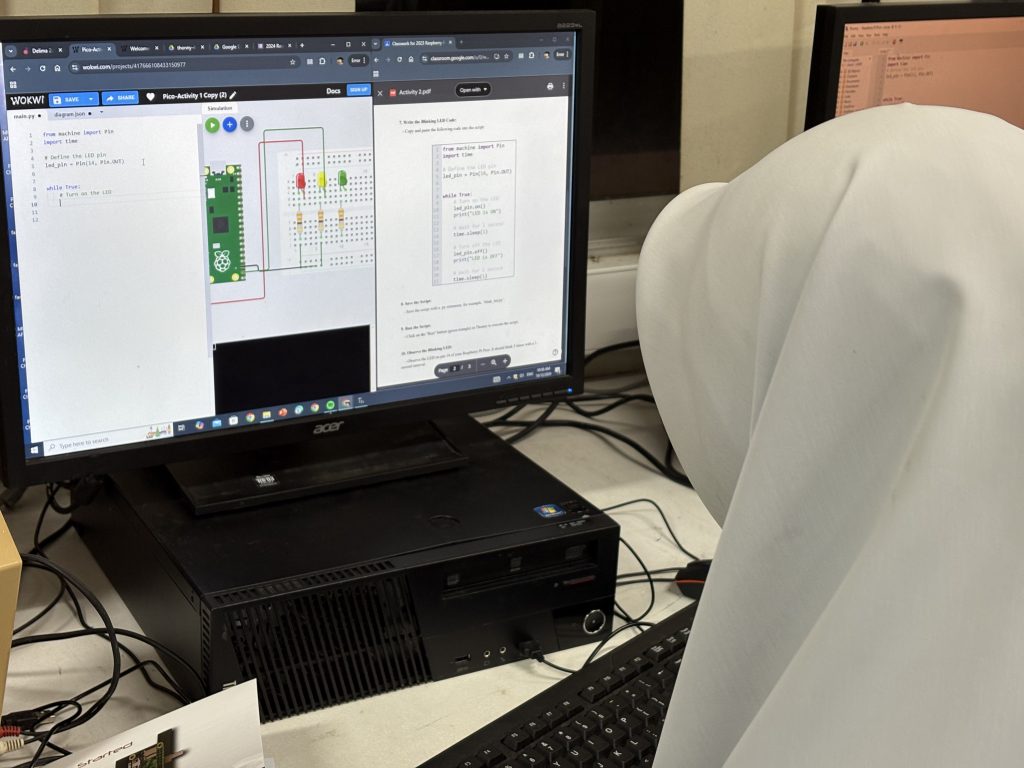
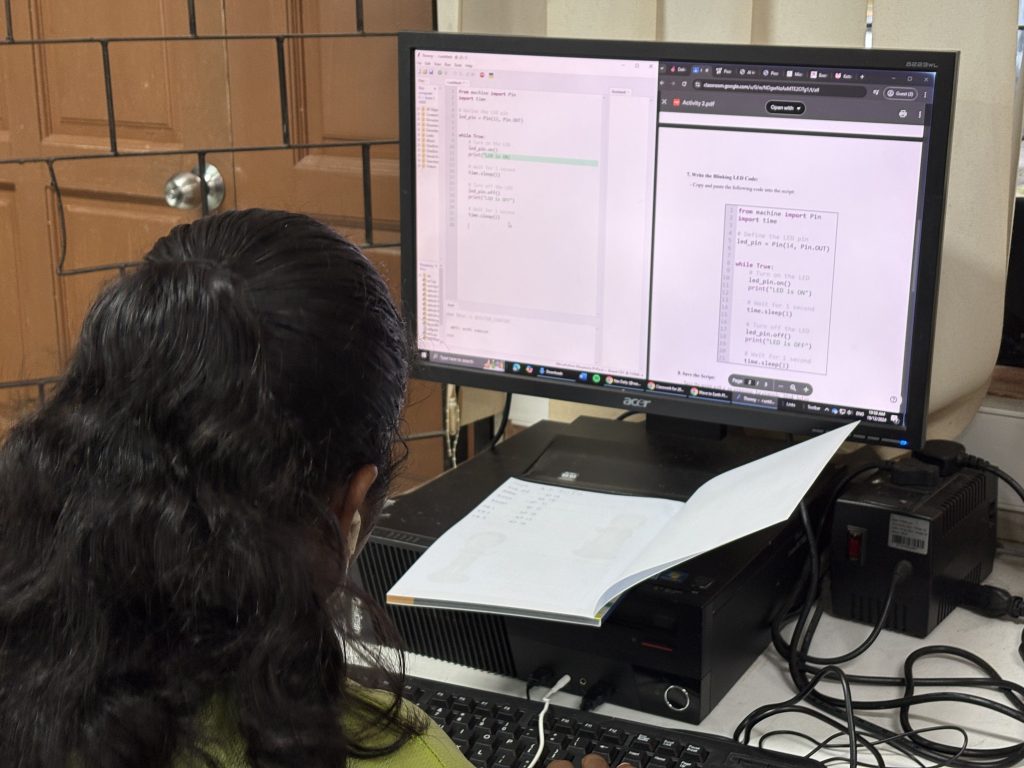
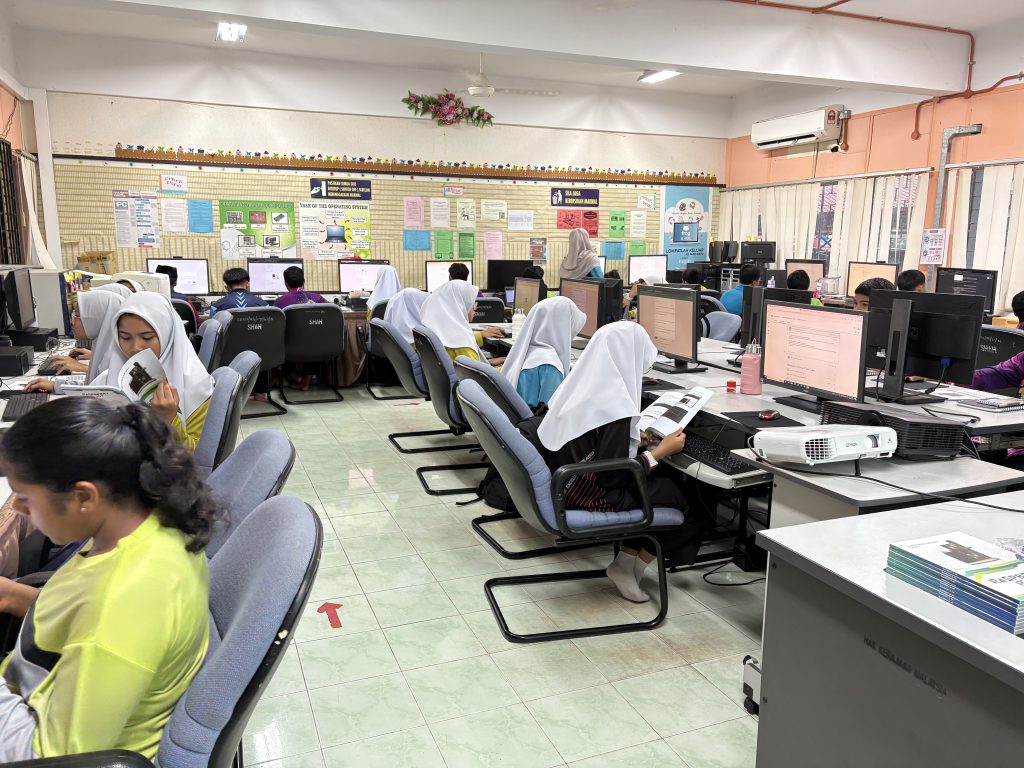
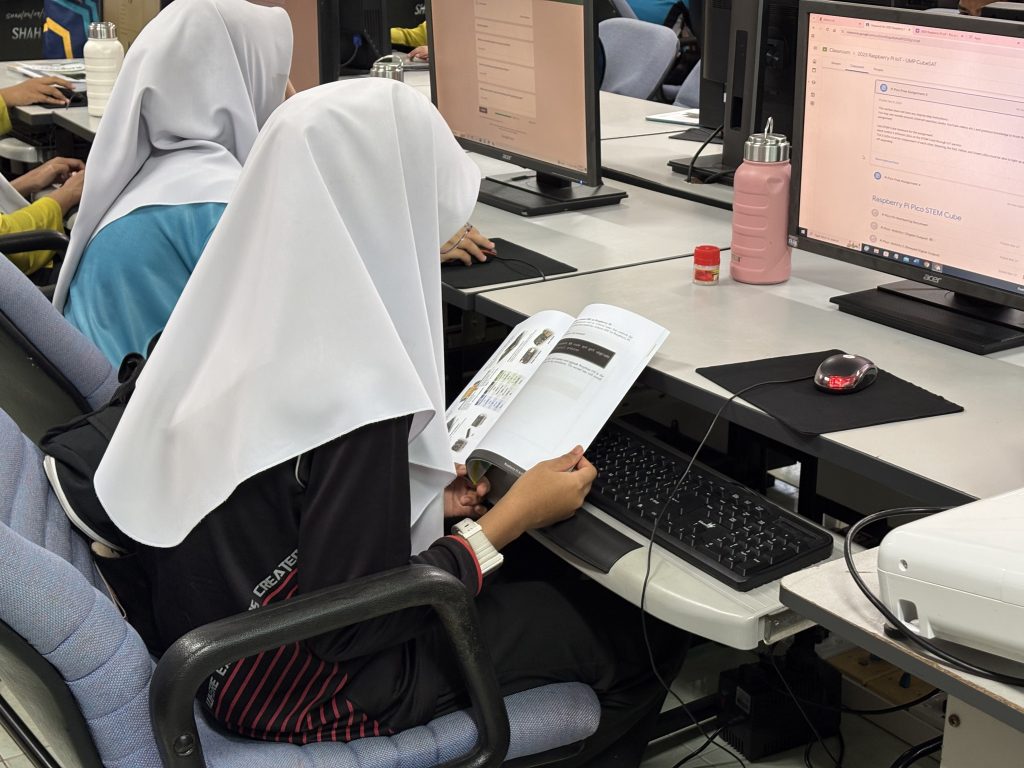
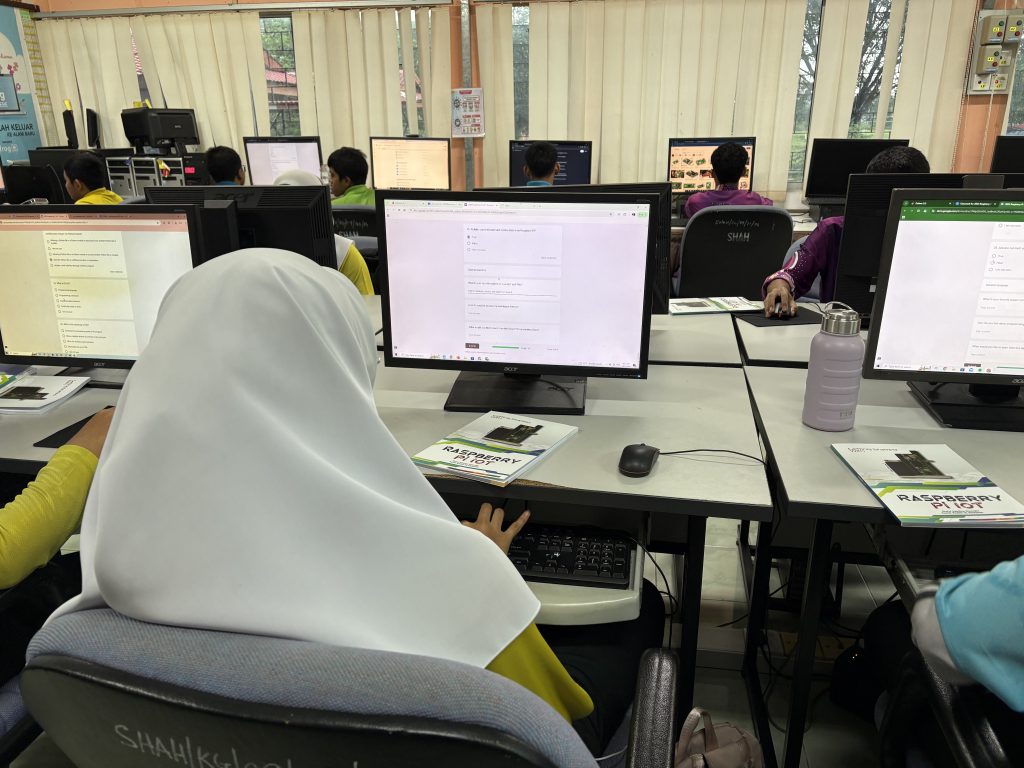
In the Raspberry Pi IoT session, 30 students from SHAH Pekan were introduced to the concept of the Internet of Things (IoT) using Raspberry Pi on the UMP STEM Cube, a pico-satellite learning kit specifically designed to facilitate engineering learning.
The content covered basic digital input/output operations on onboard LEDs, as well as topics such as dashboard design using gyro meter and BMU280 sensor data, including collecting and storing data in a cloud database. Participants learned to interface sensors with Raspberry Pi boards and develop IoT applications for real-world scenarios. The session provided students with valuable insights into IoT technology and its applications in various domains.
A special appreciation is extended to Cikgu Syakir and Cikgu Rita from SHAH Pekan for coordination in facilitating communication between the participants and the UMPSA STEM Lab :).
Dec 19th




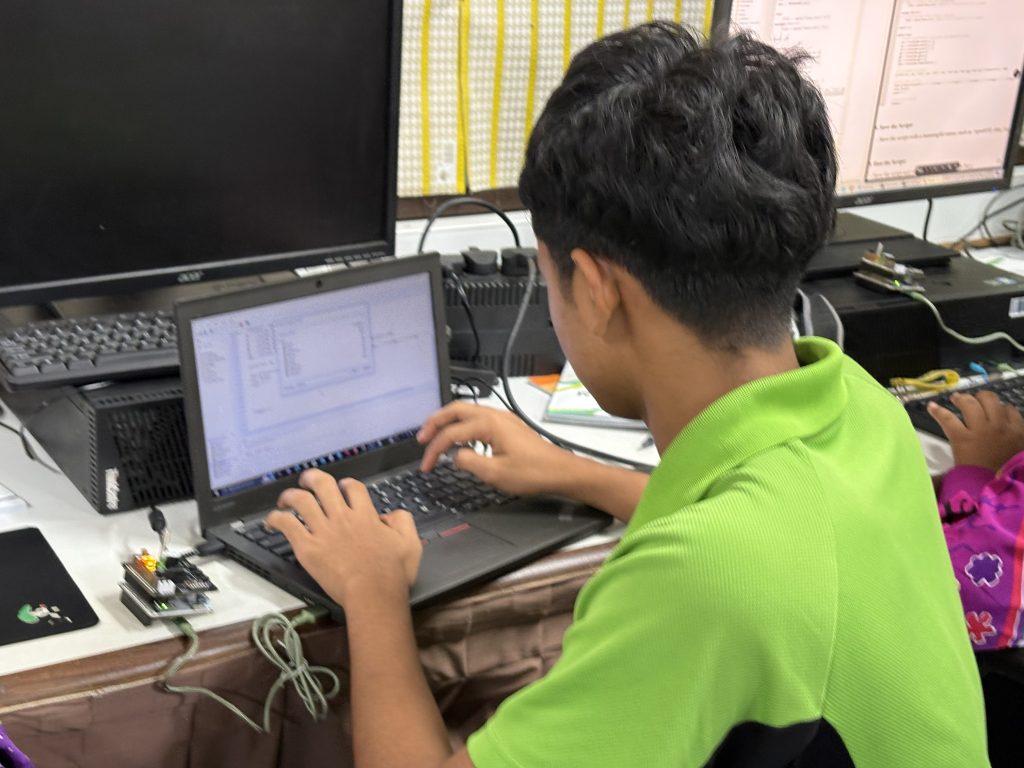
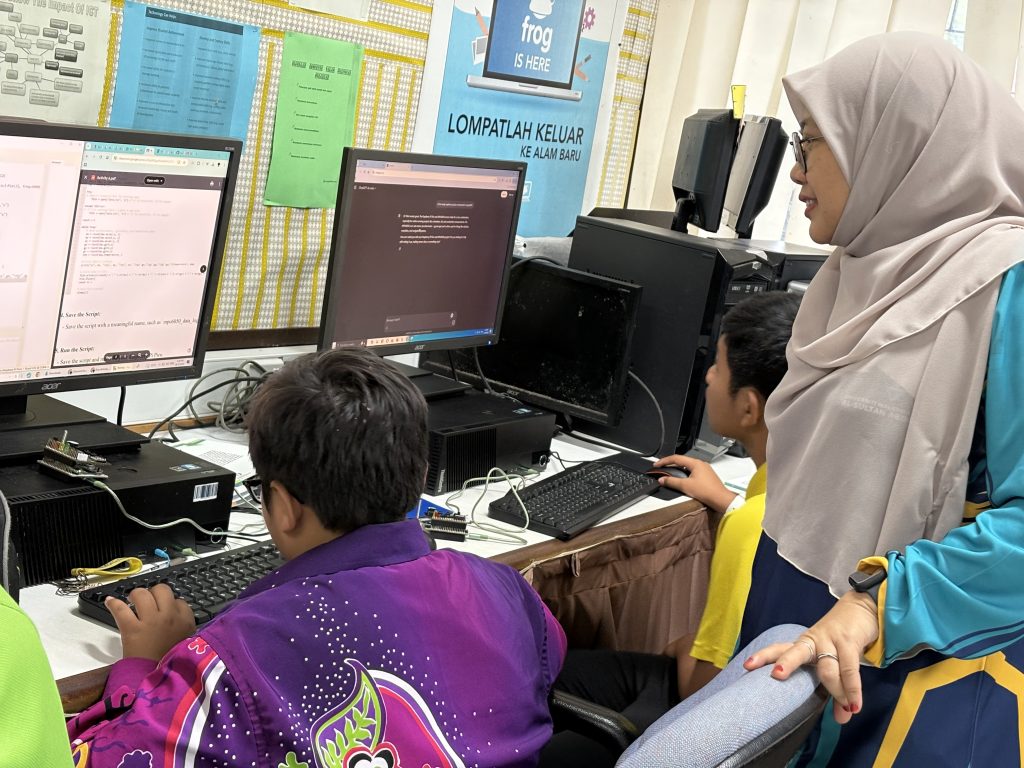
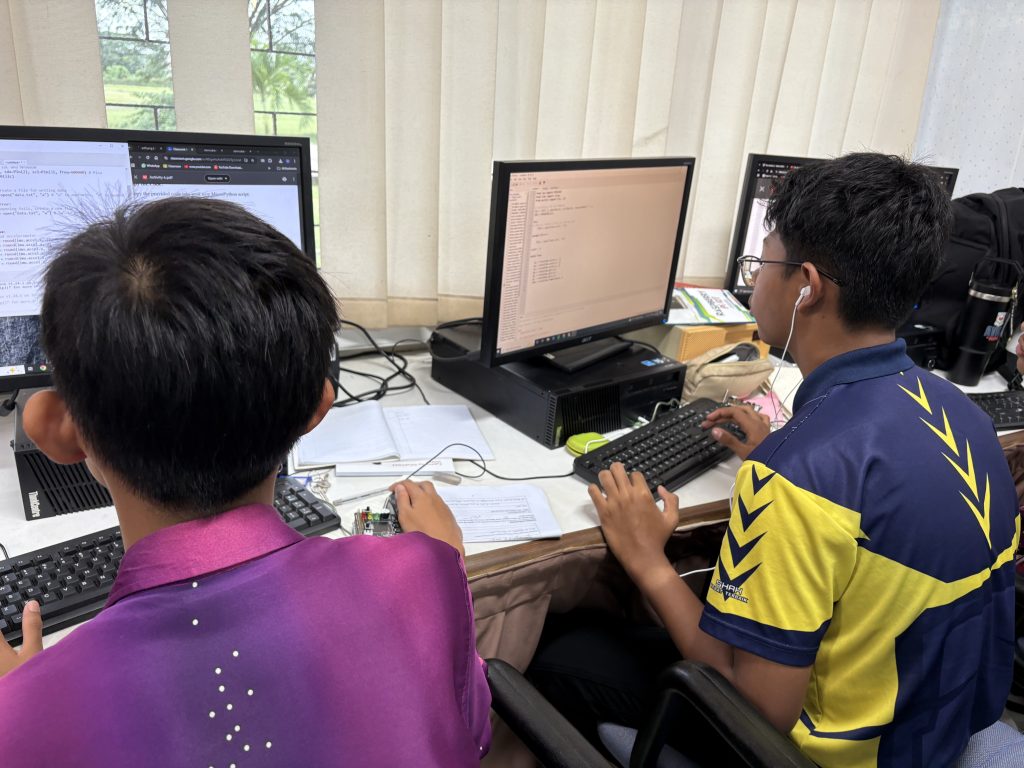
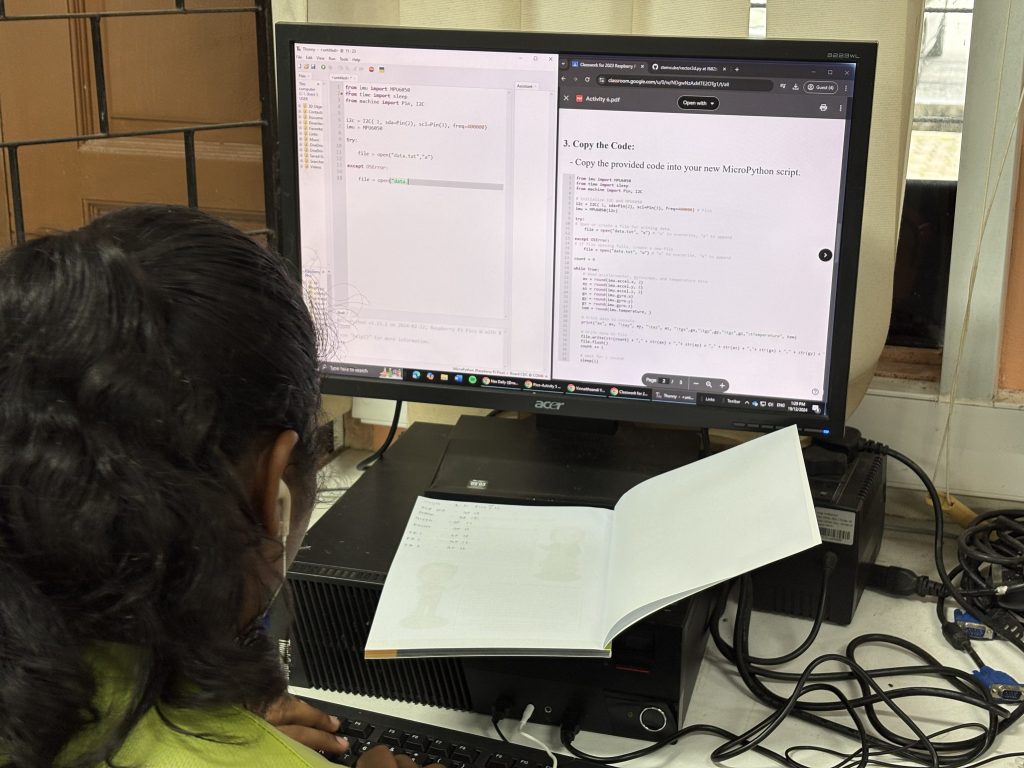
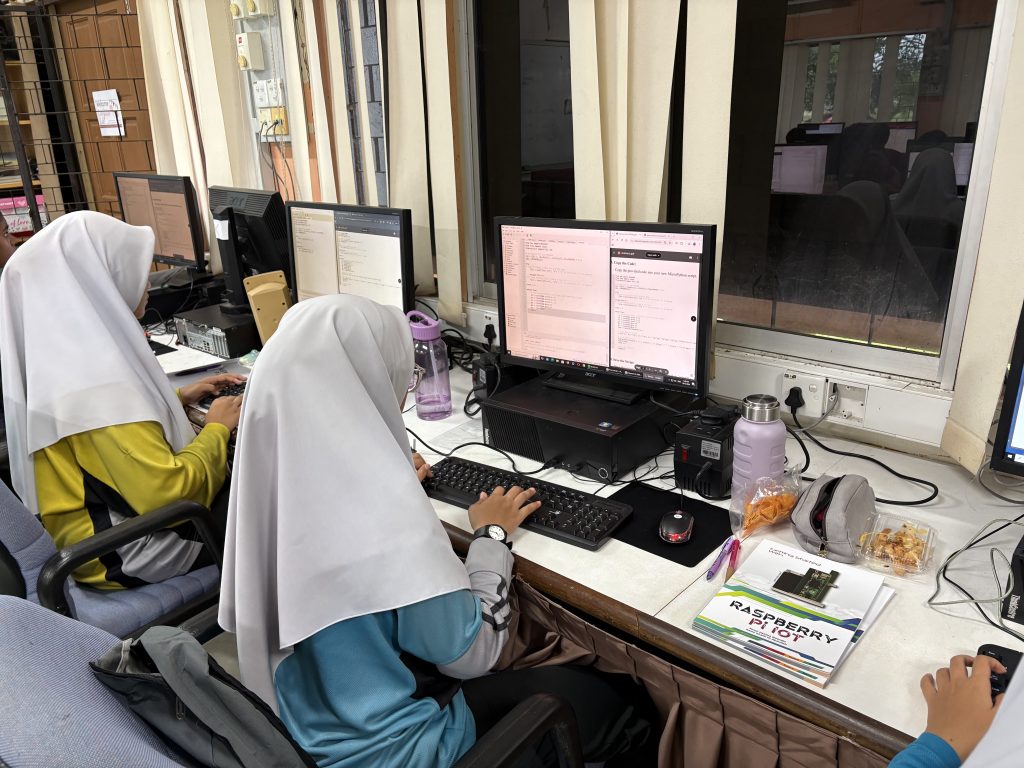

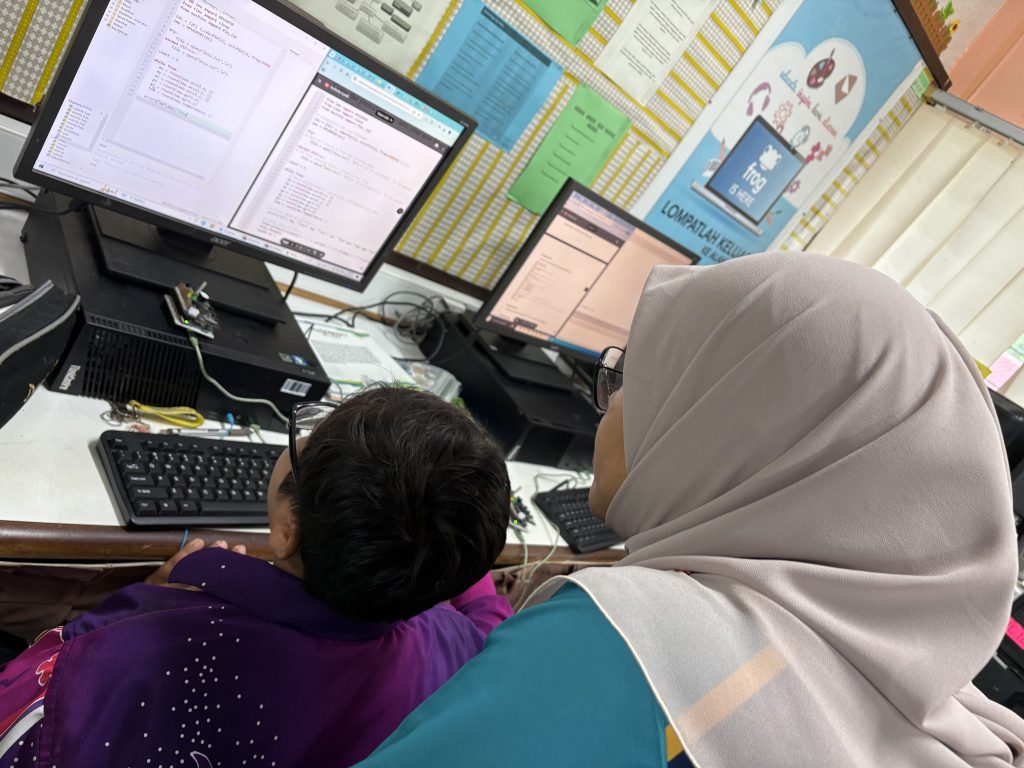


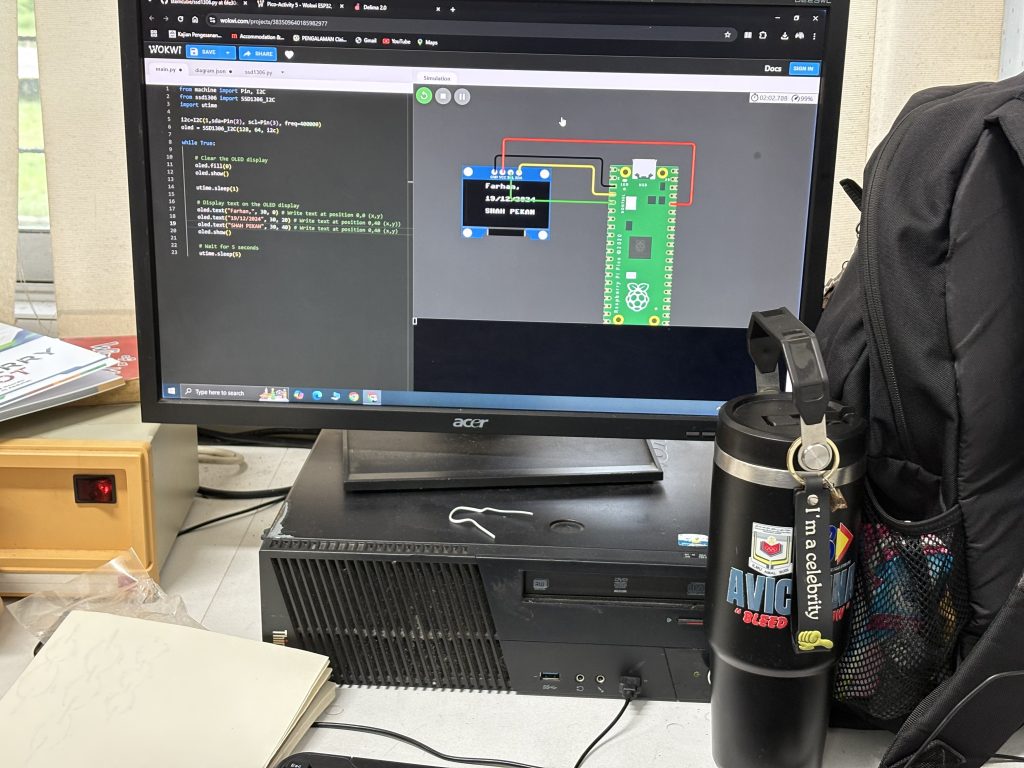
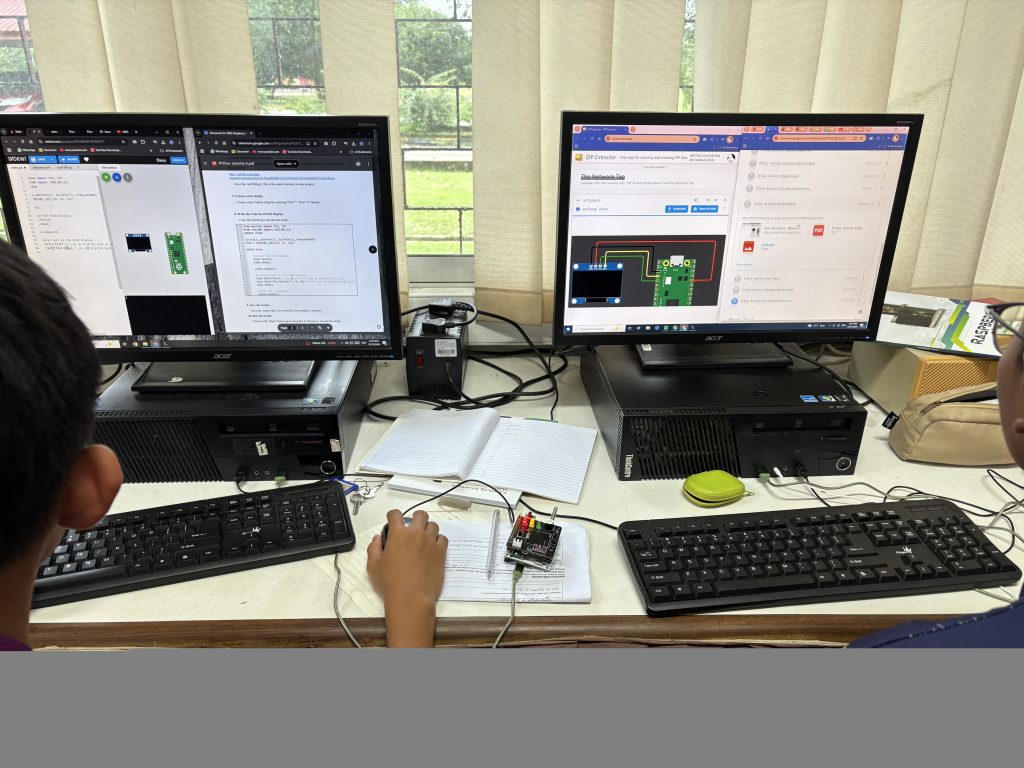
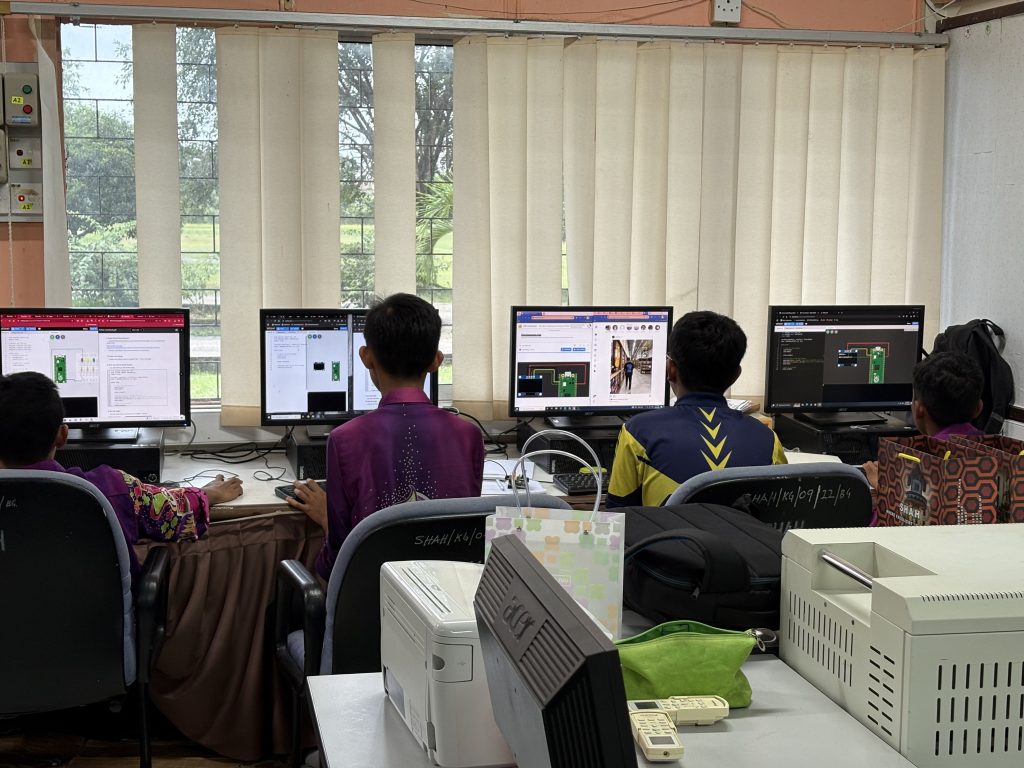
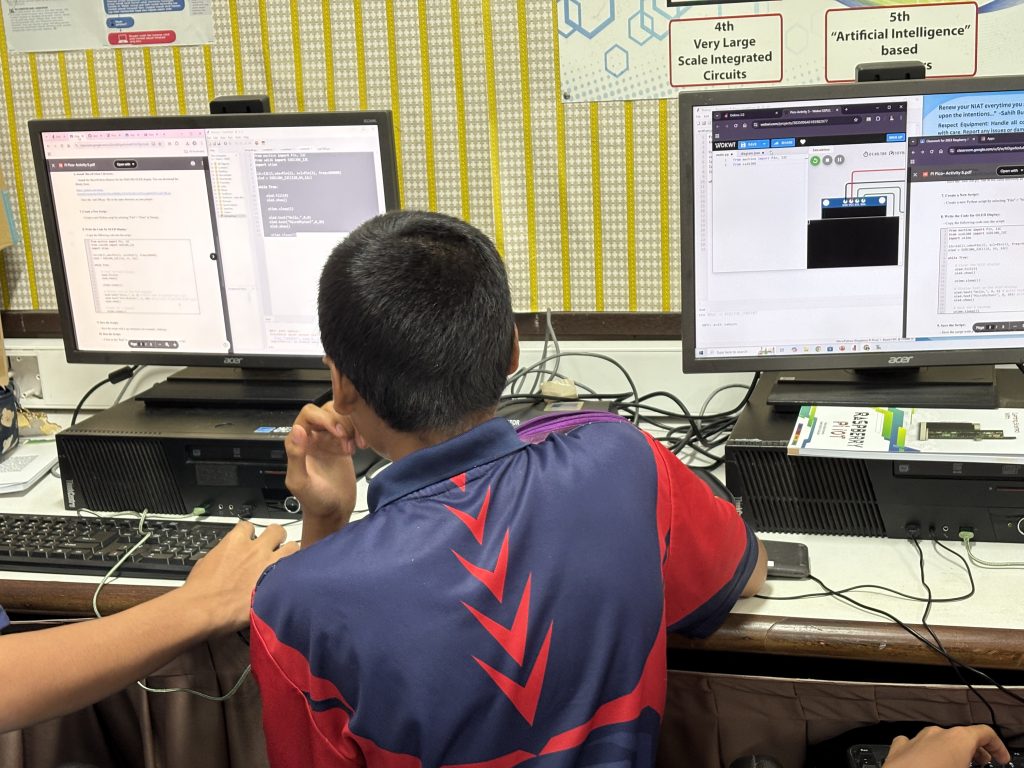
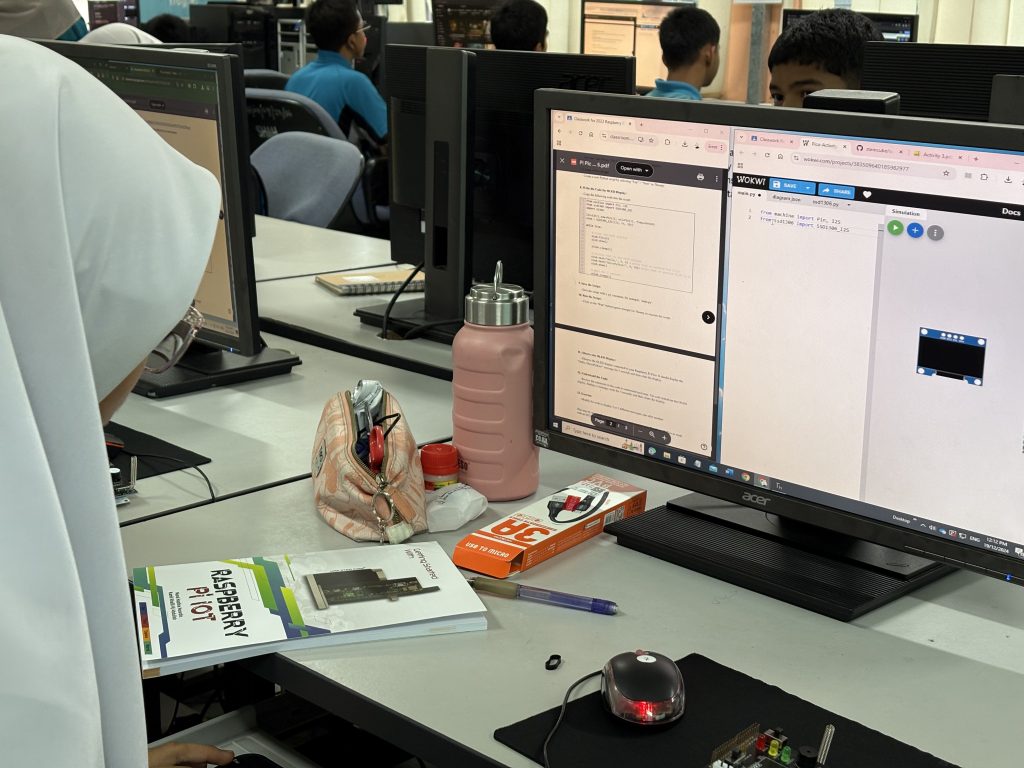
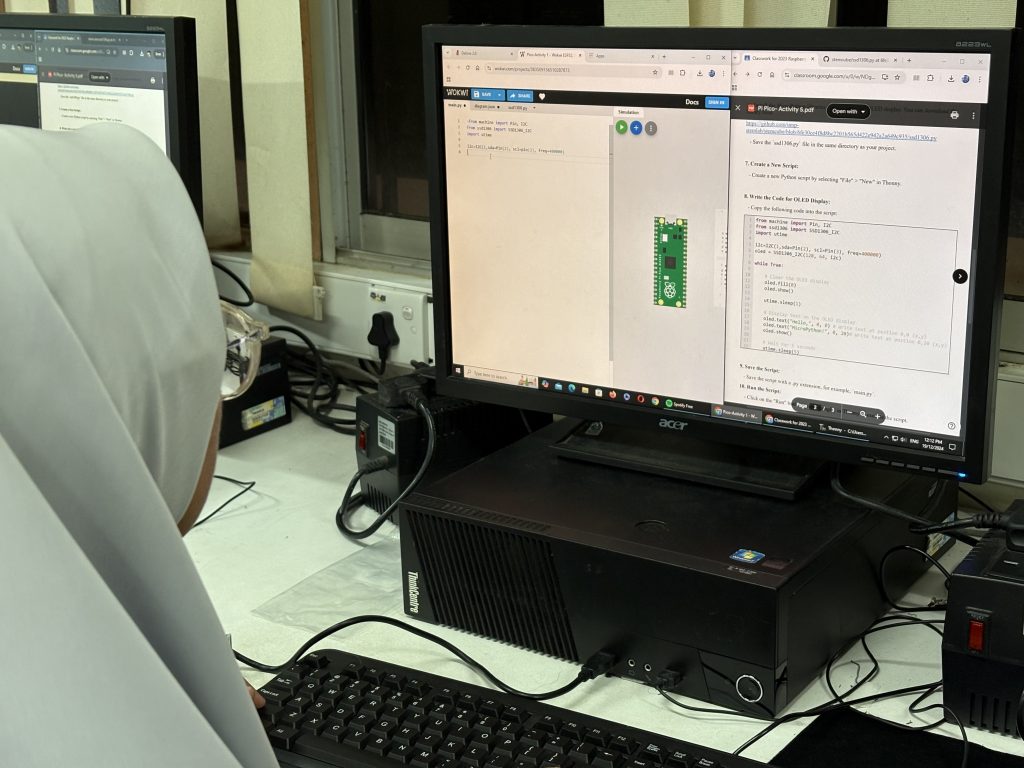
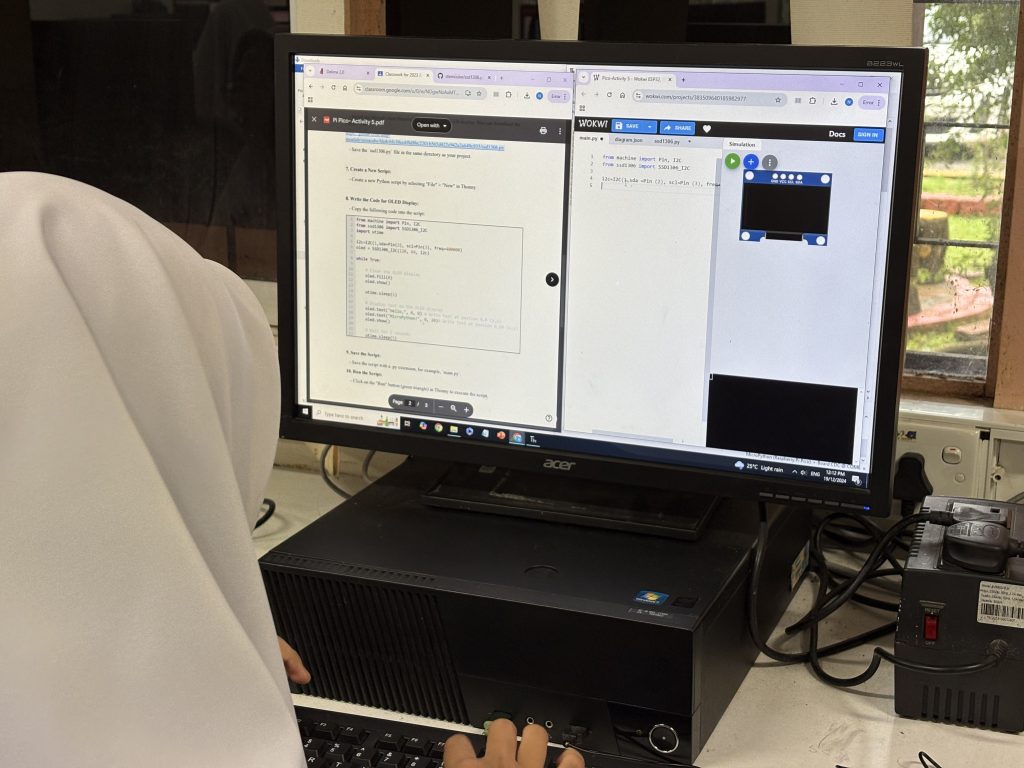
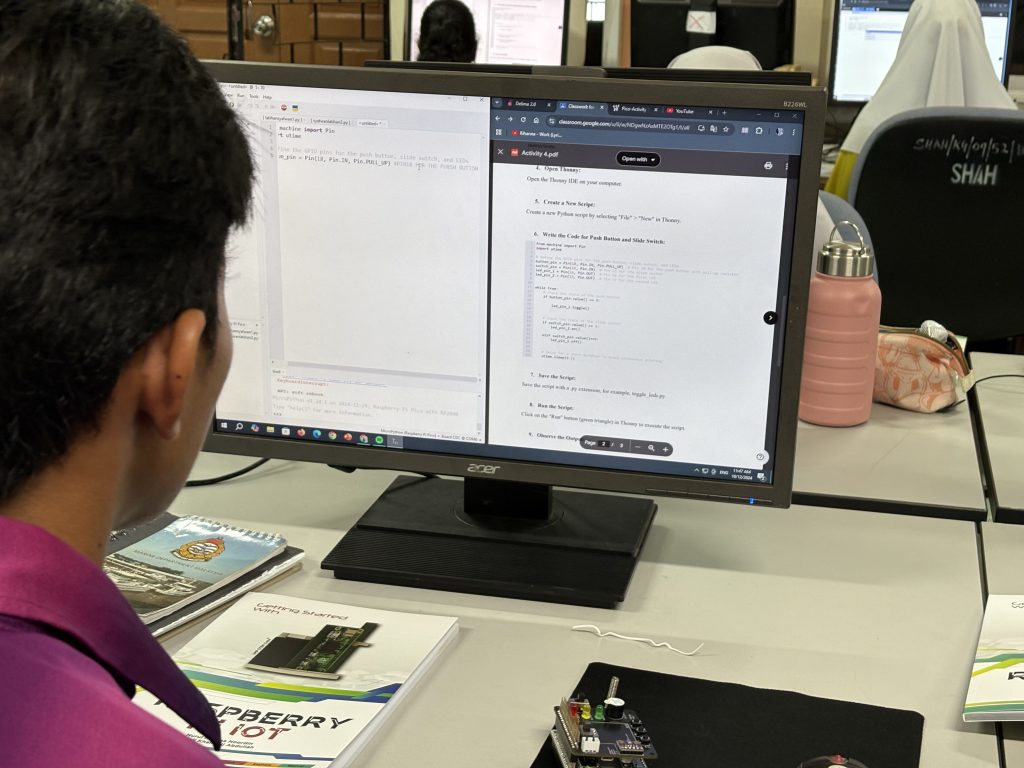

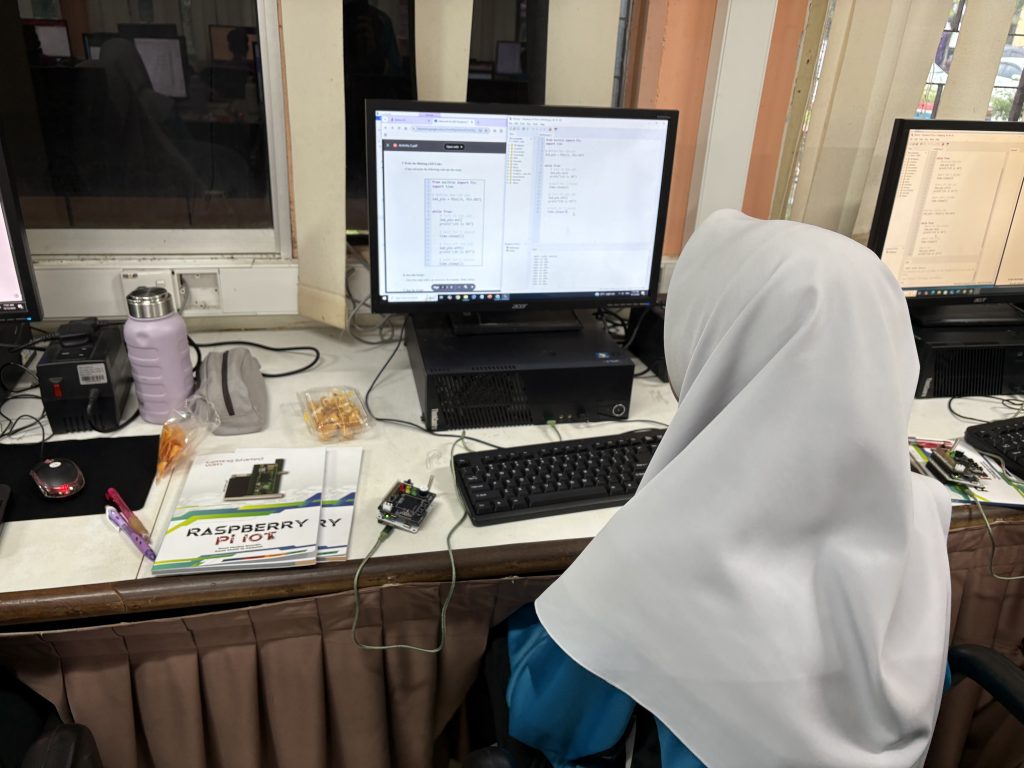
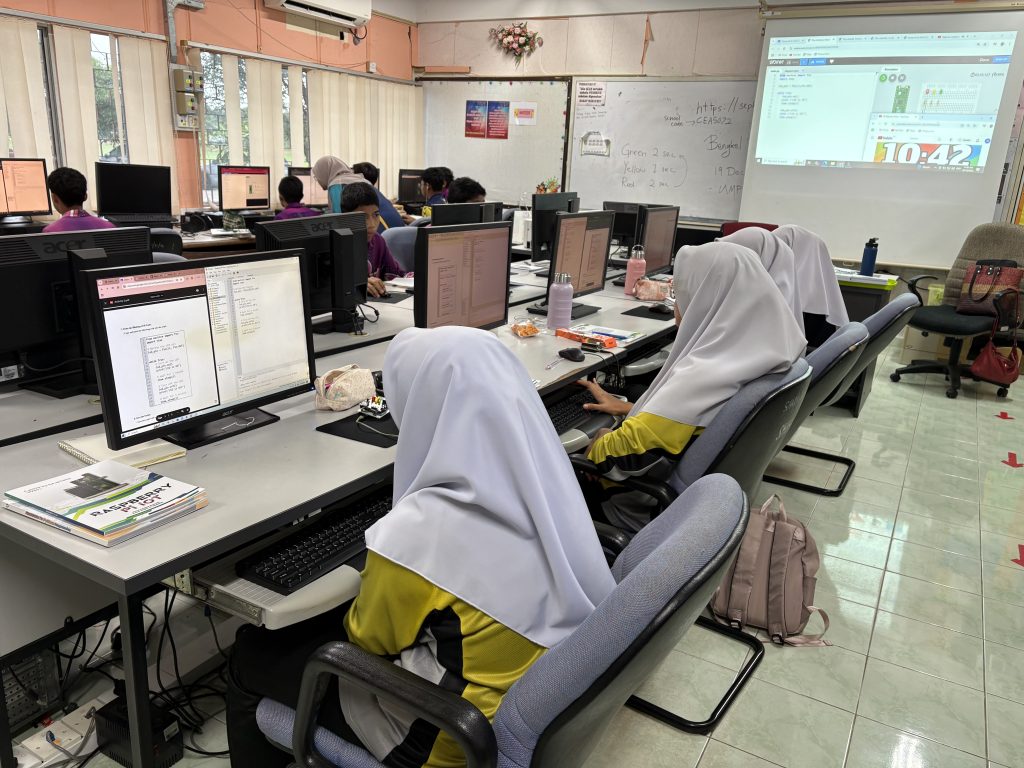
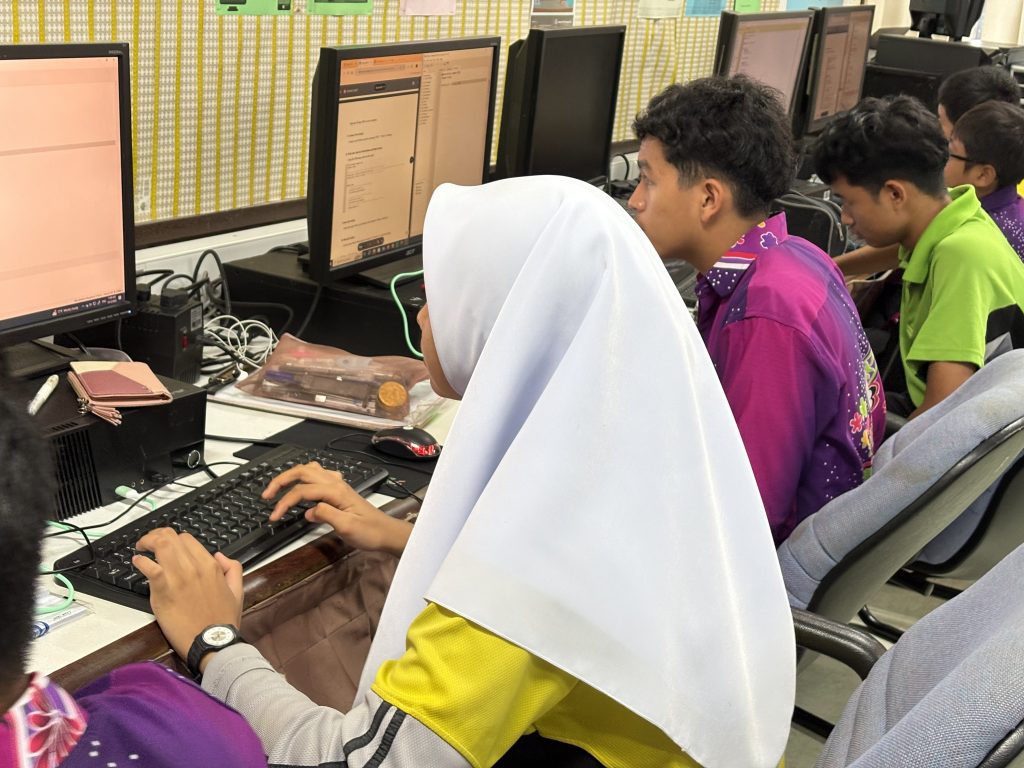
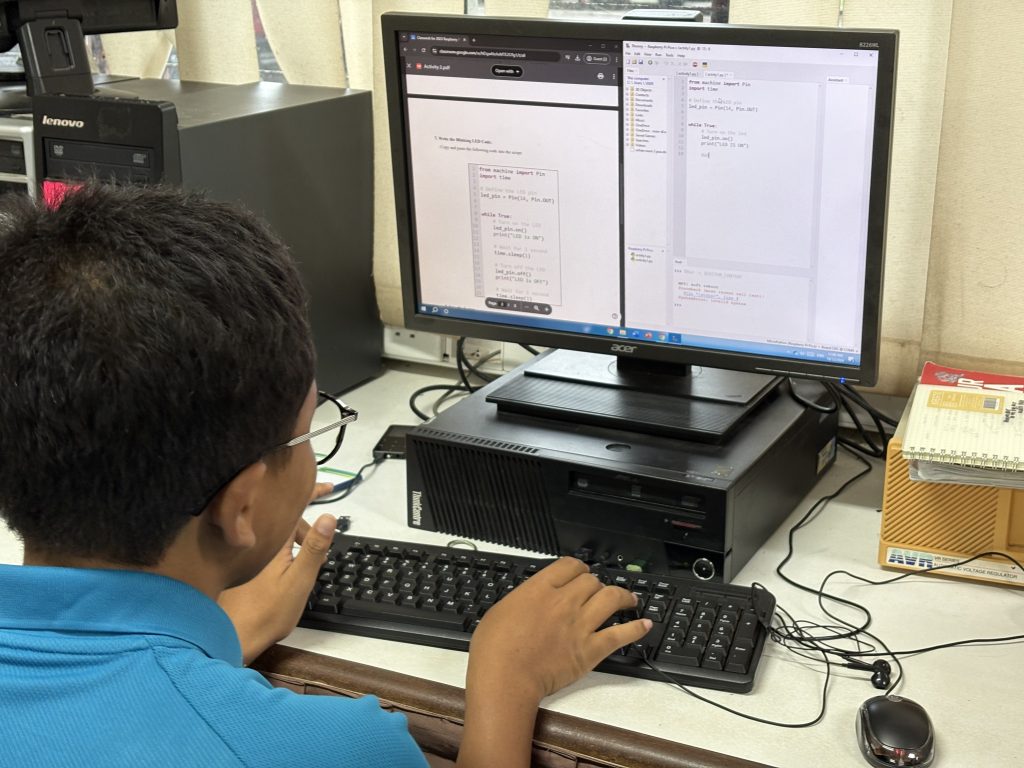
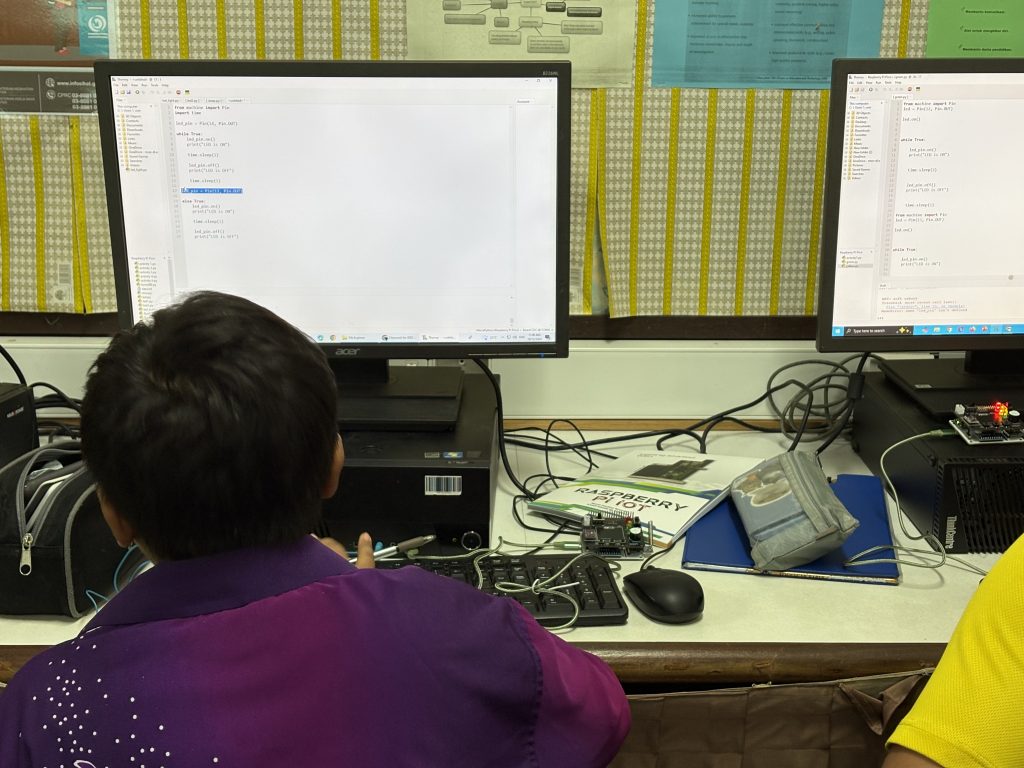
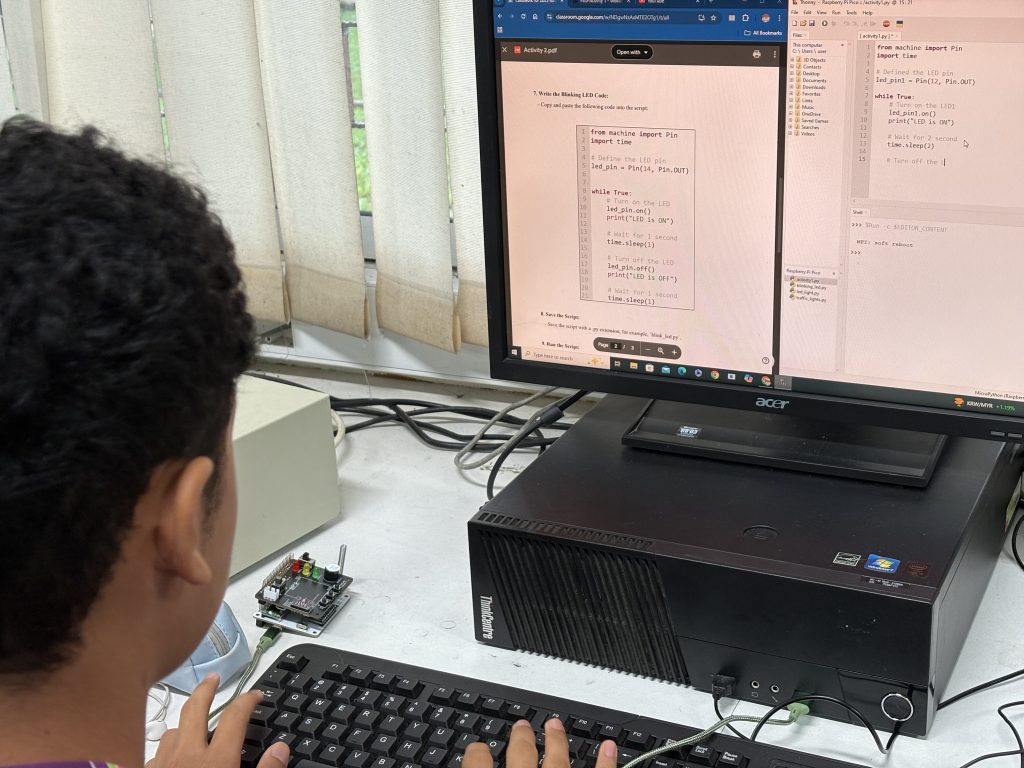
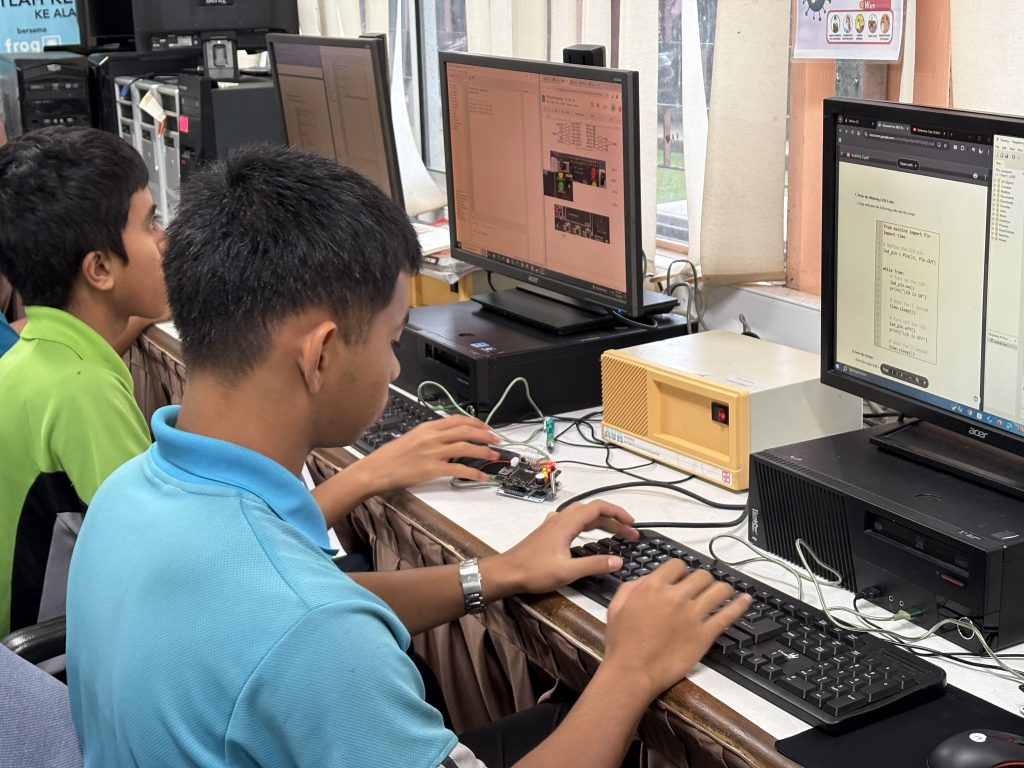
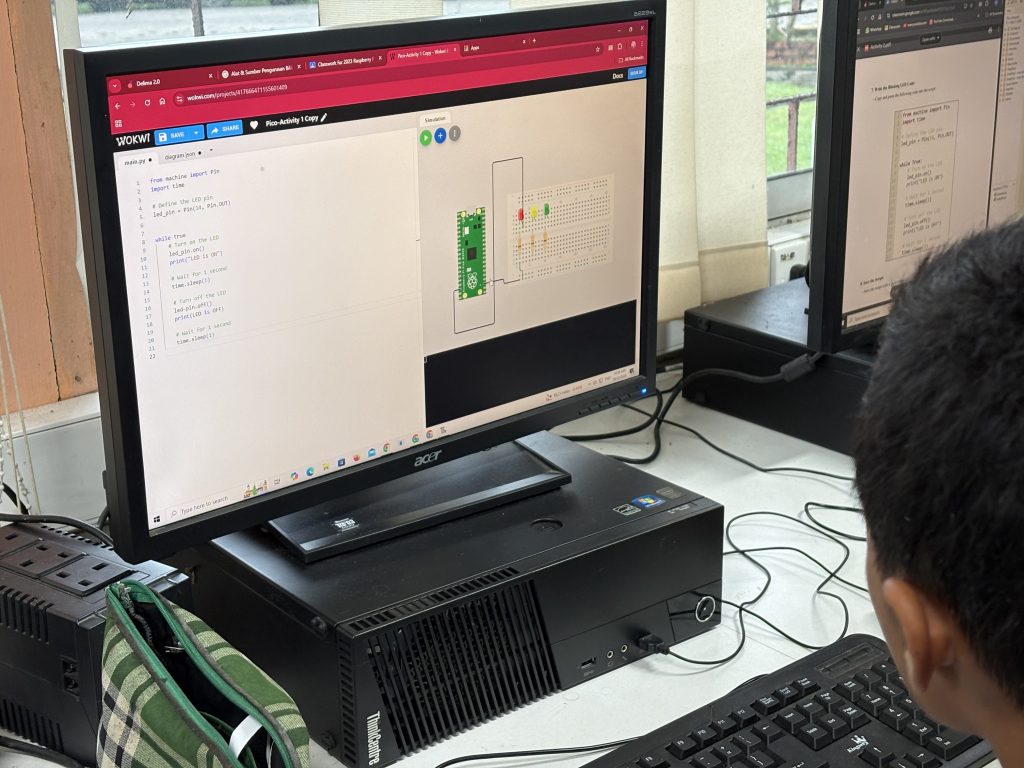

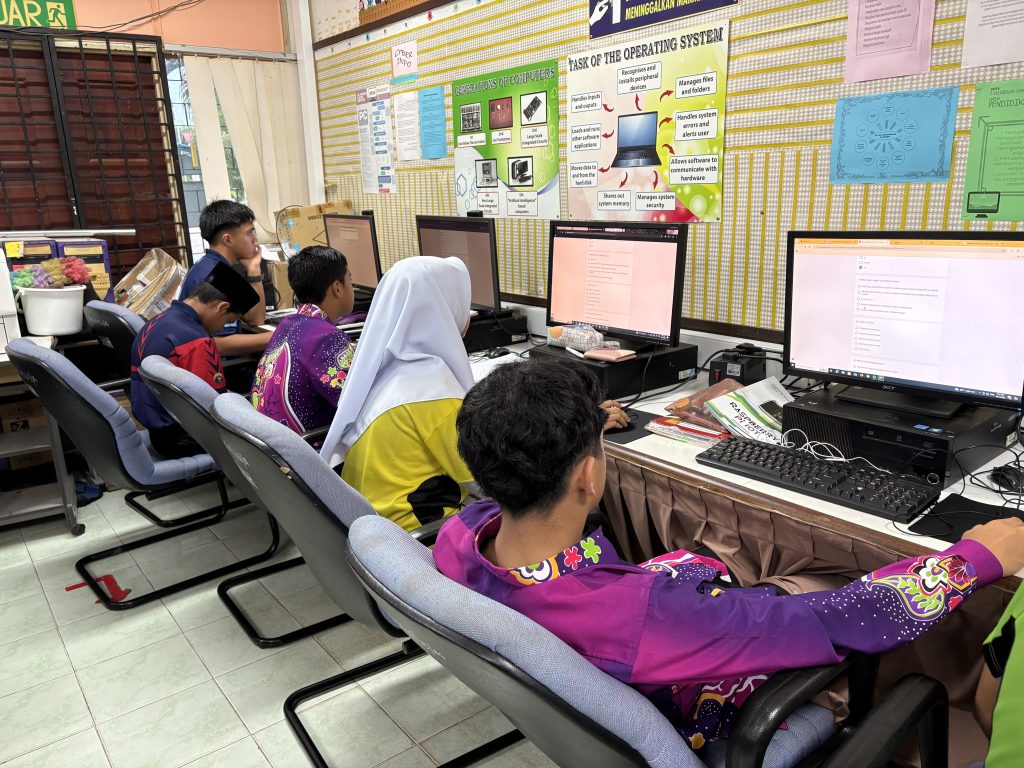
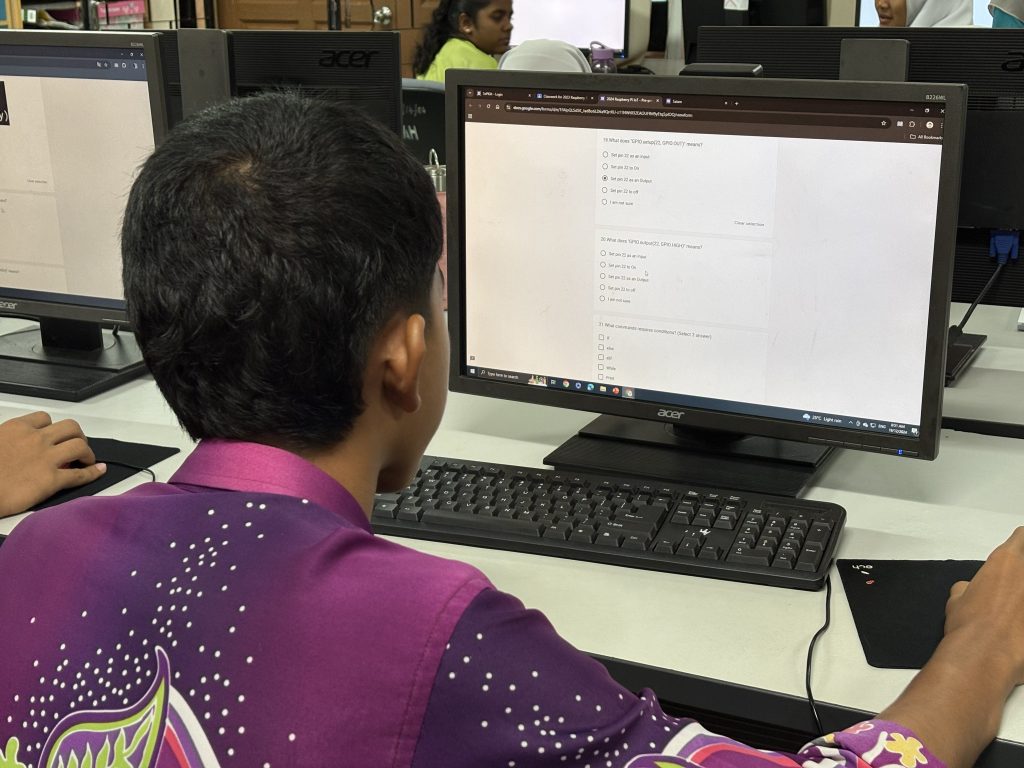
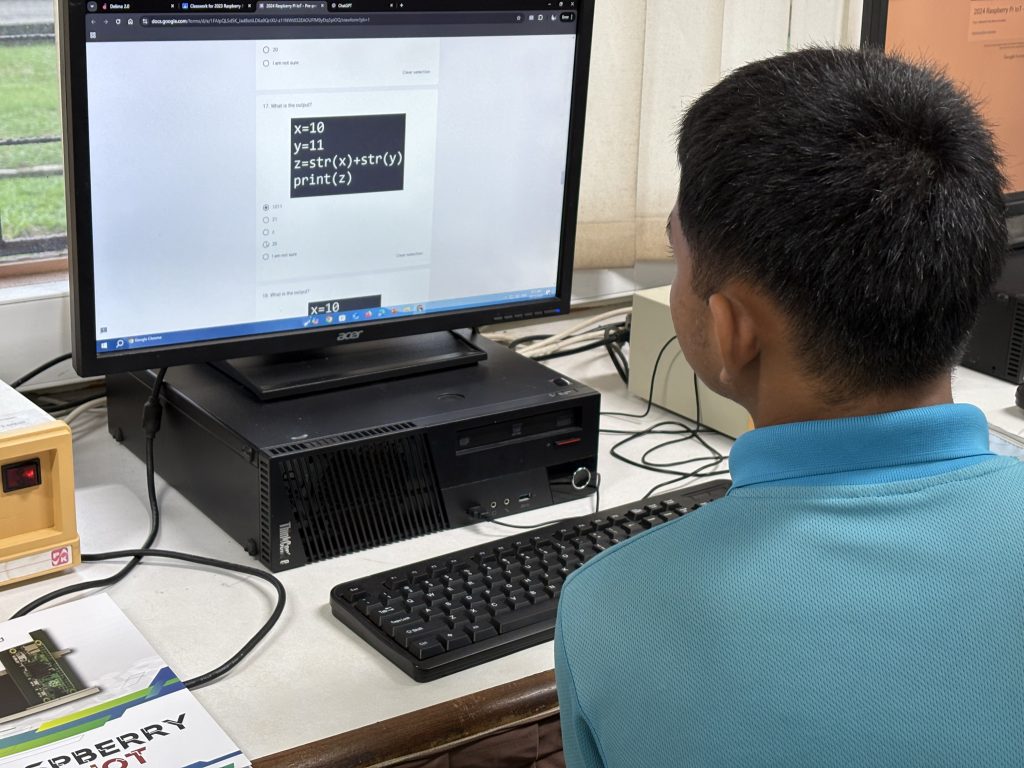
21 titles are offered this semester. Both DRE2213 and BTE1522 students are divided into 3 person per group and 1 title per group. This is part of project based learning activities embedded in the class. so what is project based learning? and why learning via making project would be beneficial for such project? 🙂
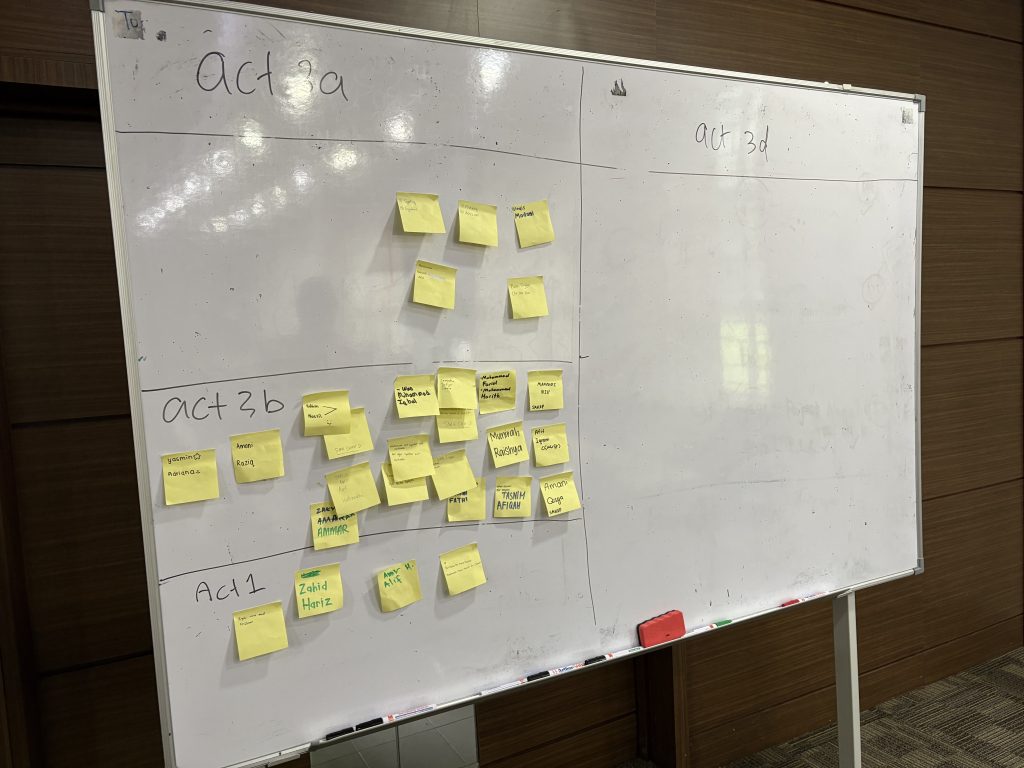
21 titles are offered this semester. Both DRE2213 and BTE1522 students are divided into 3 person per group and 1 title per group. This is part of project based learning activities embedded in the class.
so what is project based learning? and why learning via making project would be beneficial for such project? 🙂
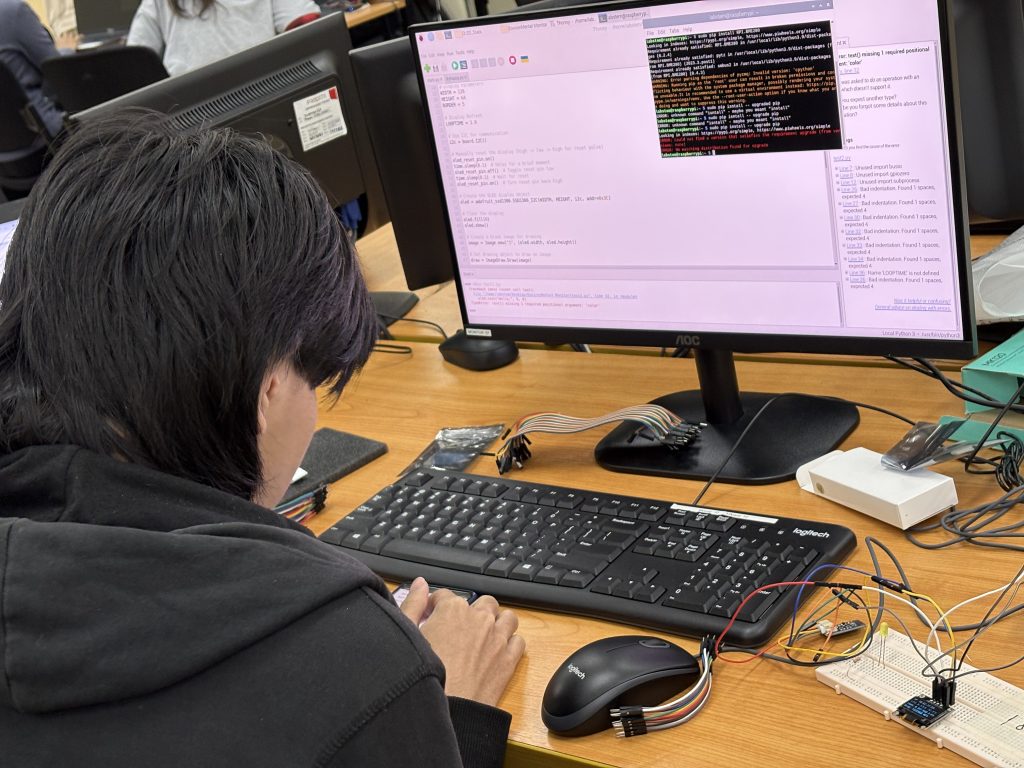

In the IoT Dashboard Design session, 100 students from Pekan District explored the fundamentals of creating real-time dashboards for IoT applications using the UMP STEM Cube, a pico-satellite learning kit designed to enhance engineering education. The session covered essential topics such as sensor integration, data visualization, and cloud-based data management. Students utilized gyrometer and BMU280 … Continue reading “IoT Dashboard 2024/2– PPD Pekan”
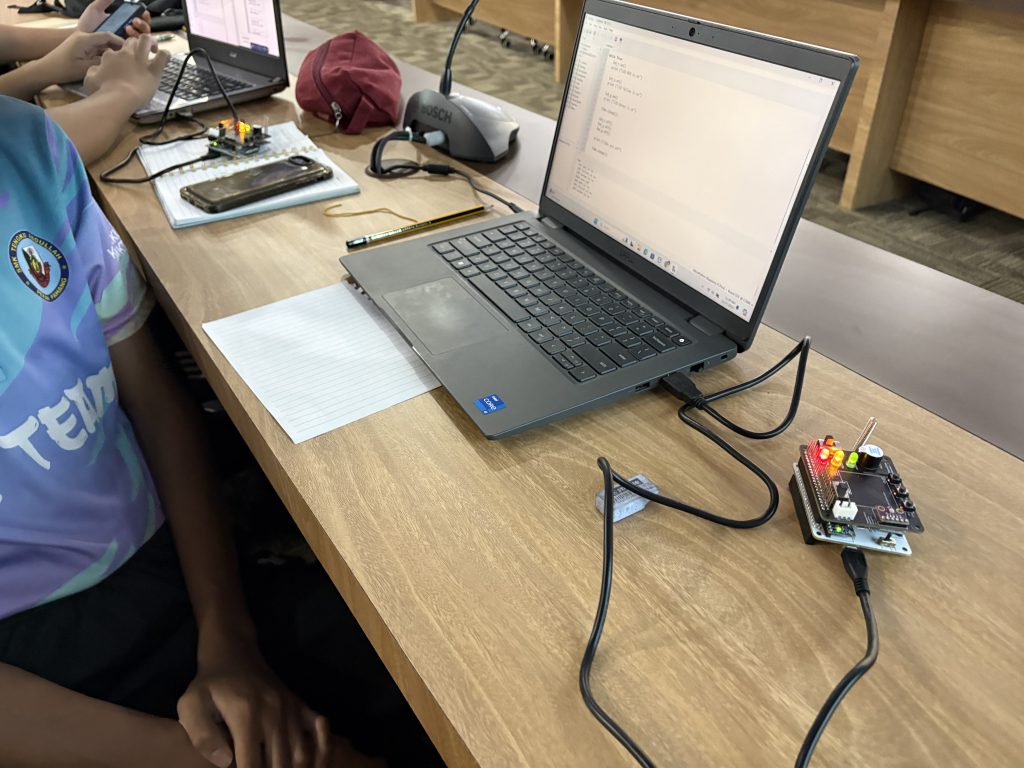
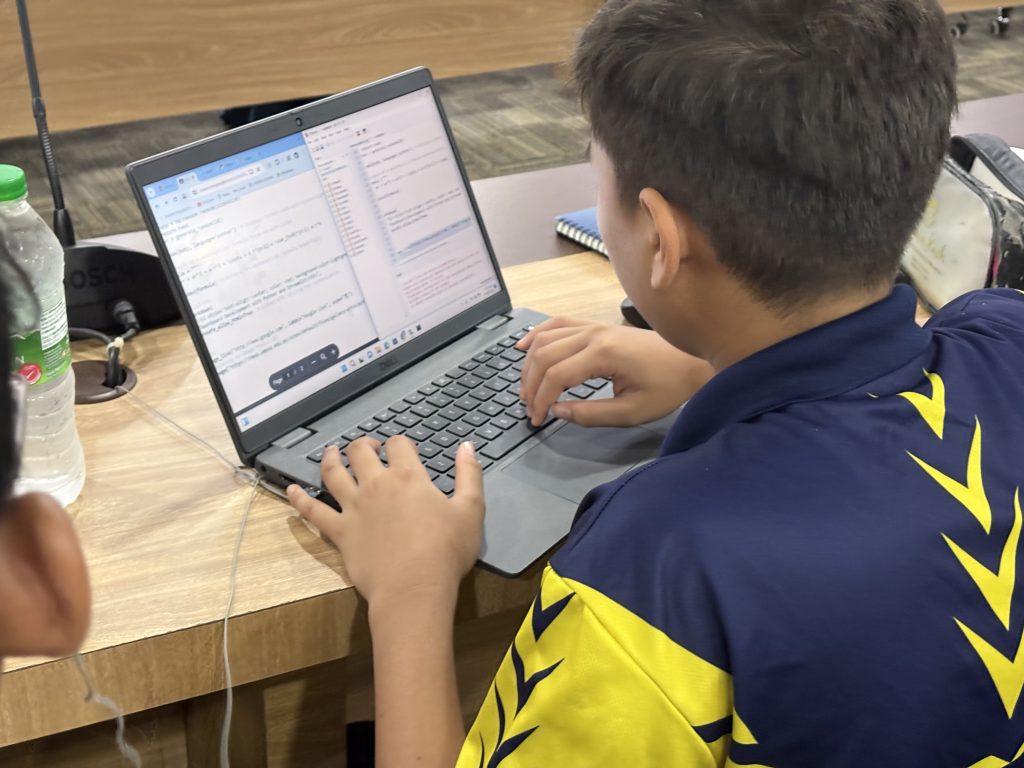
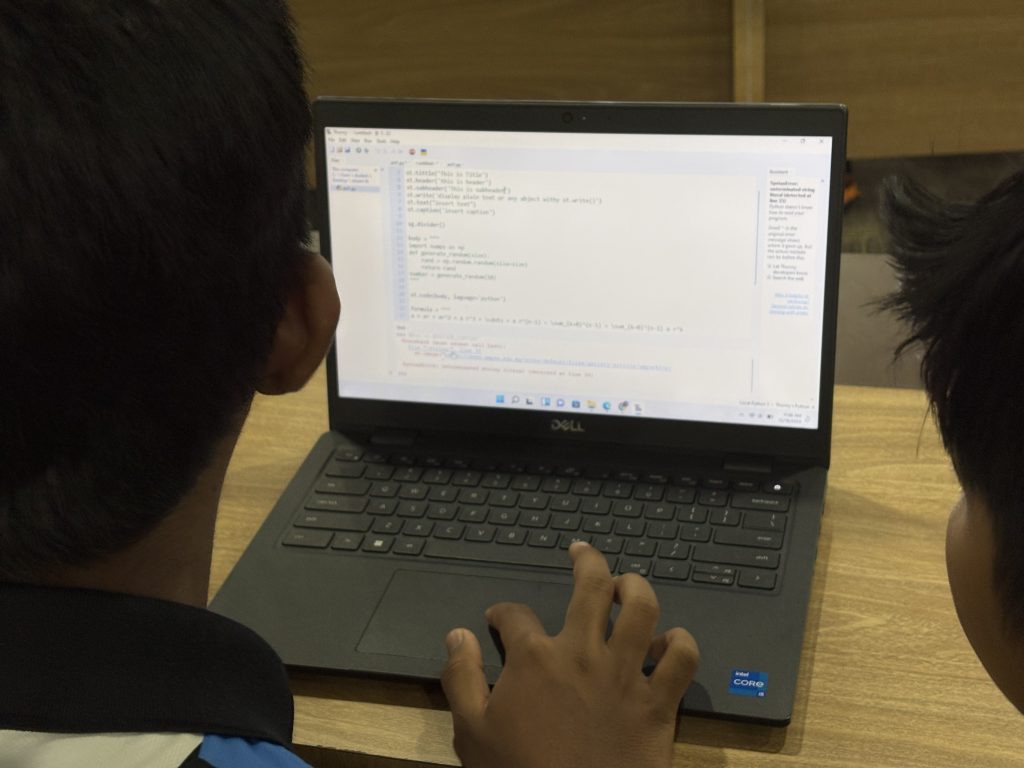
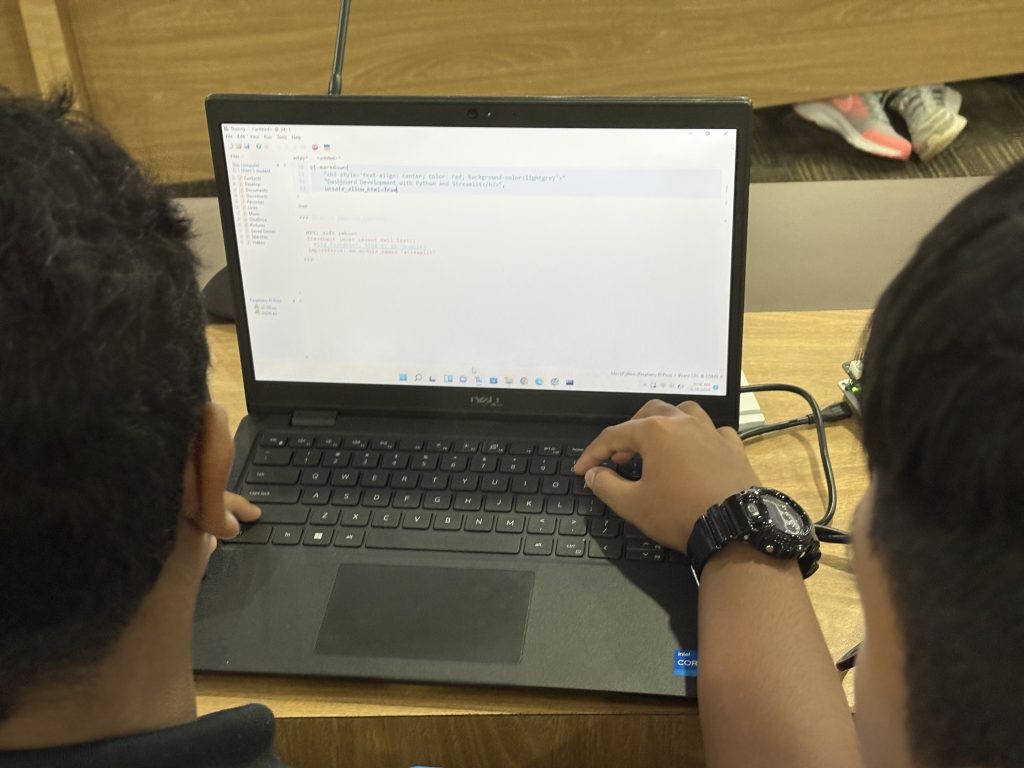
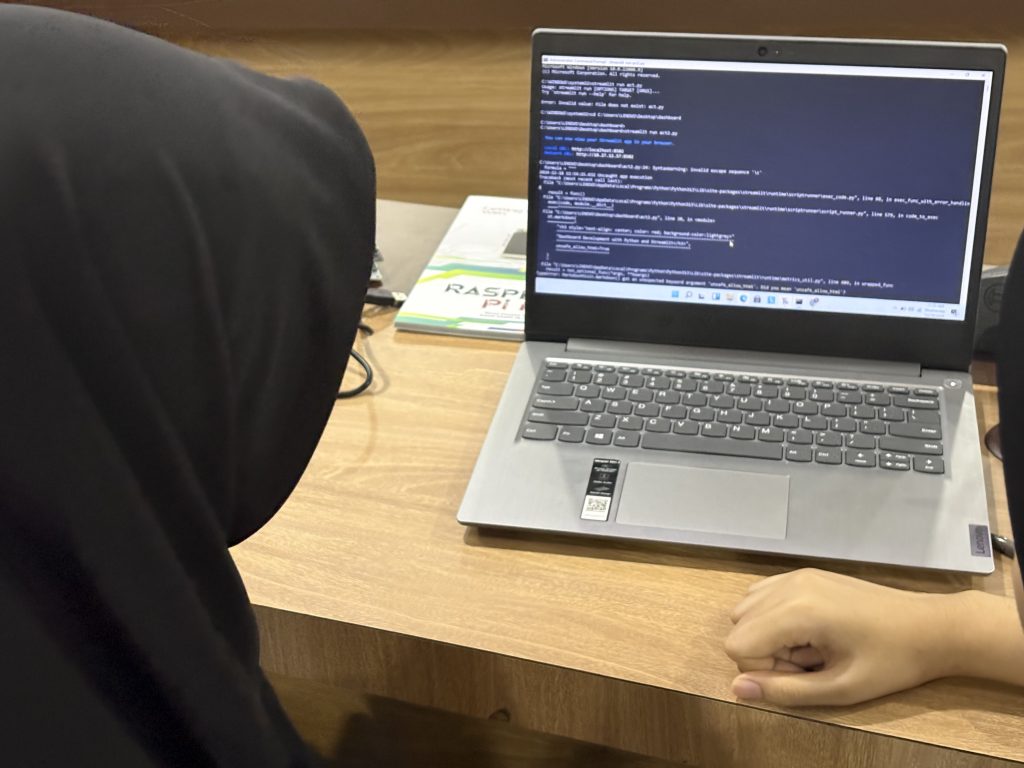
In the IoT Dashboard Design session, 100 students from Pekan District explored the fundamentals of creating real-time dashboards for IoT applications using the UMP STEM Cube, a pico-satellite learning kit designed to enhance engineering education.
The session covered essential topics such as sensor integration, data visualization, and cloud-based data management. Students utilized gyrometer and BMU280 sensor data to design interactive dashboards using Streamlit, a powerful Python framework for building real-time web applications. They also learned how to collect, process, and display data effectively, gaining hands-on experience in dashboard development for IoT systems.
The importance of dashboards in satellite systems was also emphasized, as they play a crucial role in monitoring and visualizing critical data such as altitude, orientation, and environmental conditions. Dashboards enable real-time decision-making, ensuring optimal performance and reliability of satellite operations.
Special appreciation goes to Tn Khairul for coordinating and facilitating smooth communication between the participants and the UMPSA STEM Lab team.
Dec 17th.


*UMPSA STEM Lab Raspberry Pi Programming Synopsis can be found here. In the Raspberry Pi IoT session, 100 students from Pekan District Schools were introduced to the concept of the Internet of Things (IoT) using Raspberry Pi on the UMP STEM Cube, a pico-satellite learning kit specifically designed to facilitate engineering learning. The content covered basic … Continue reading “Raspberry Pi Programming 2024/10 – PPD Pekan”
*UMPSA STEM Lab Raspberry Pi Programming Synopsis can be found here.
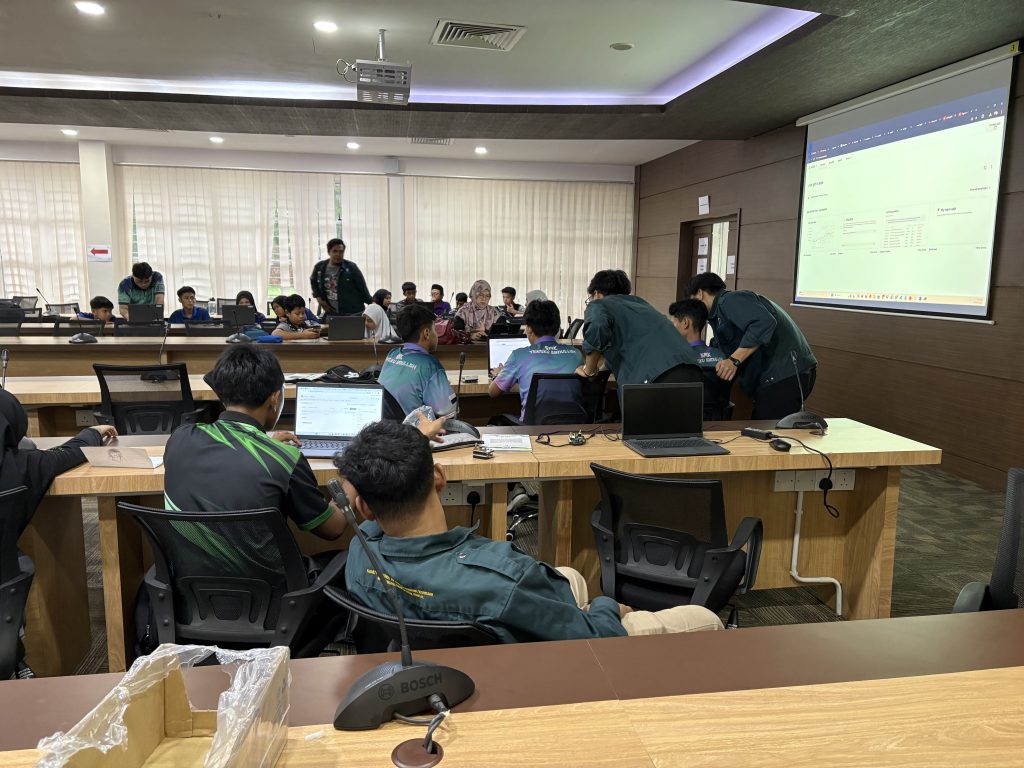
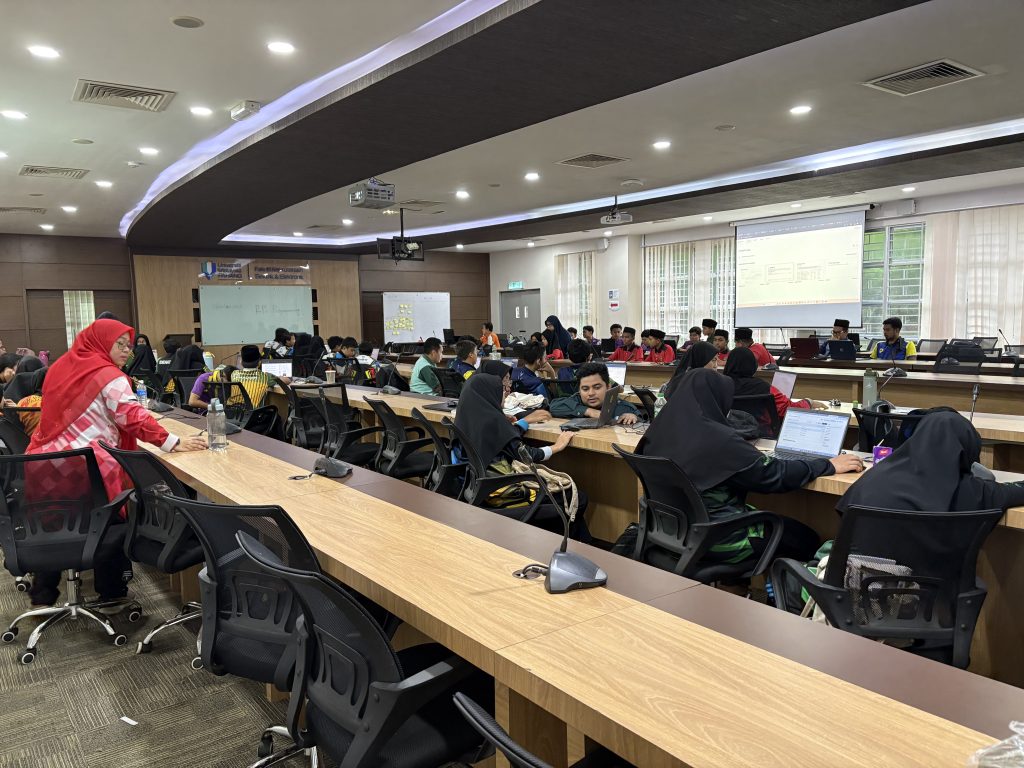
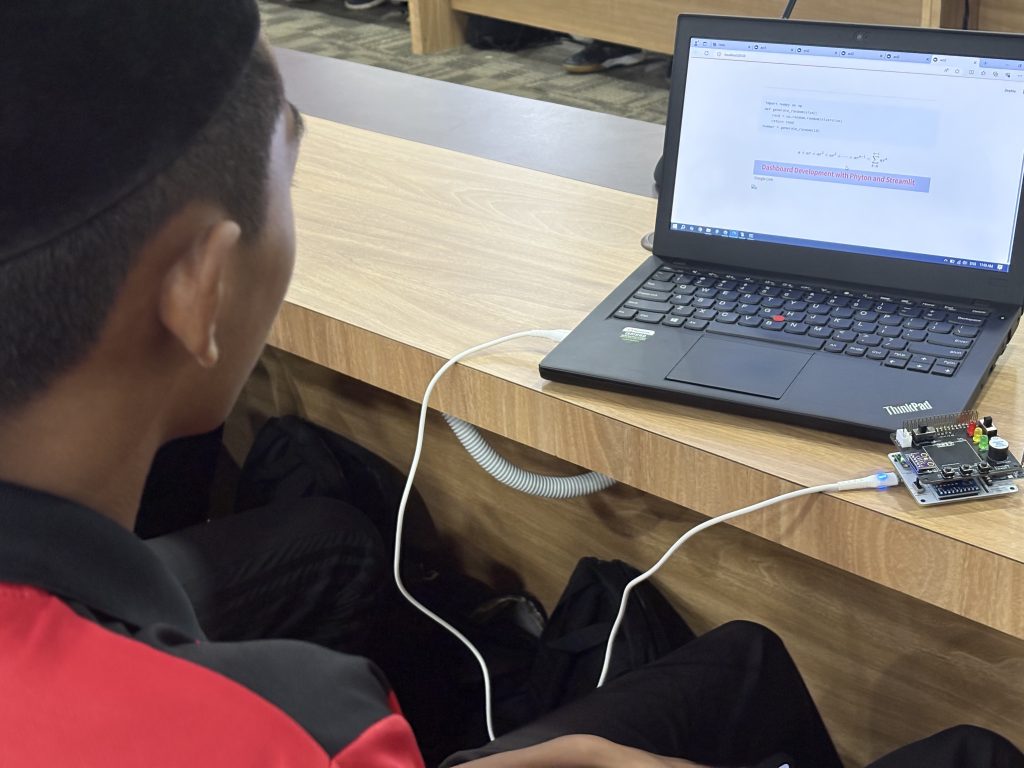
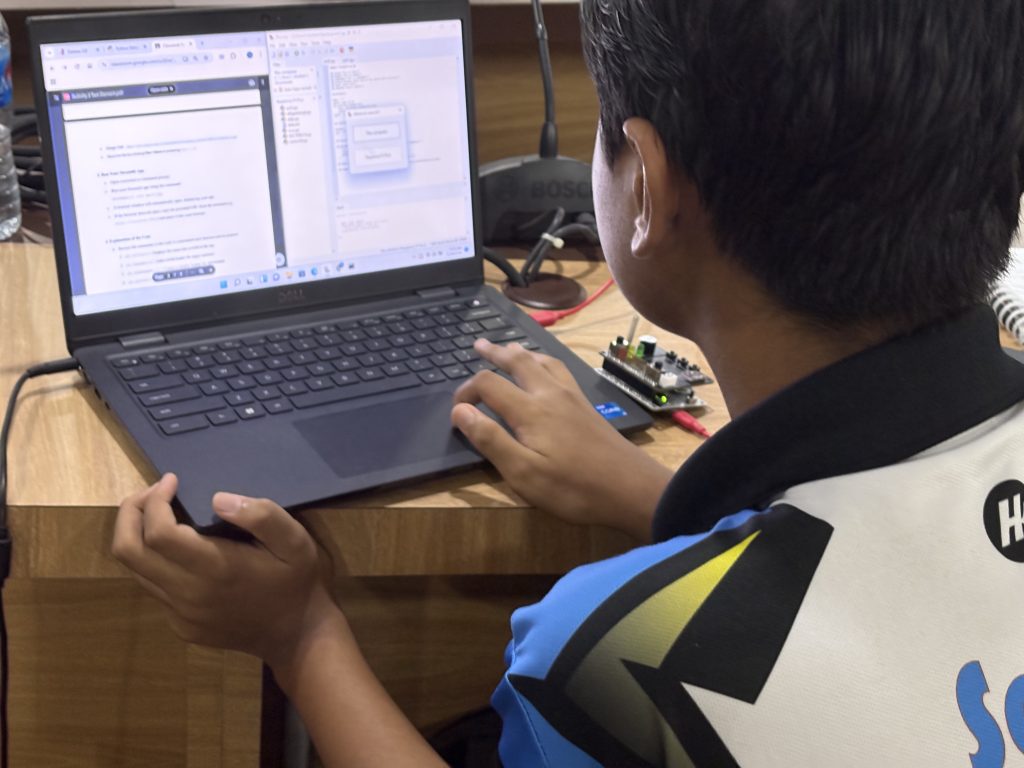
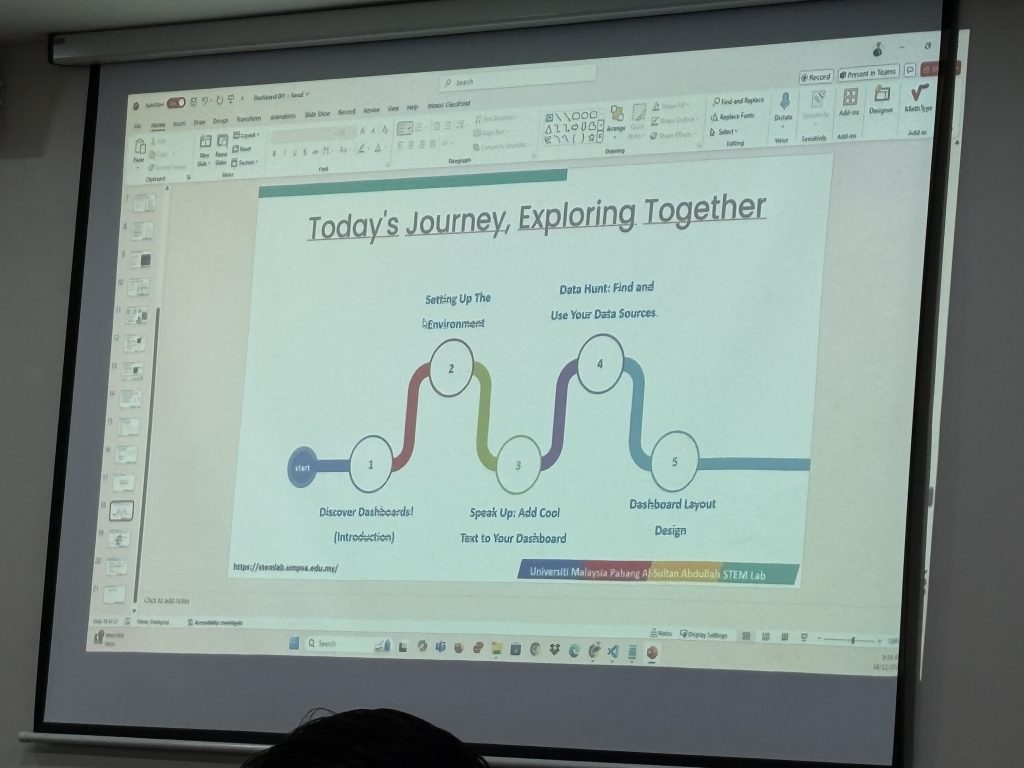
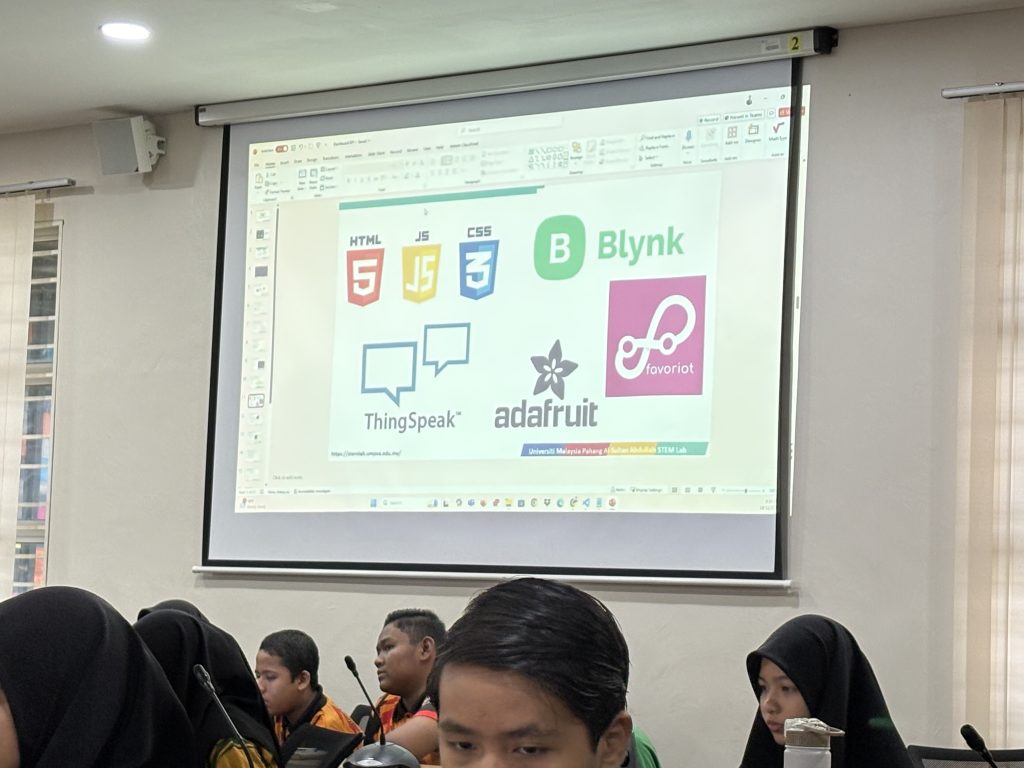
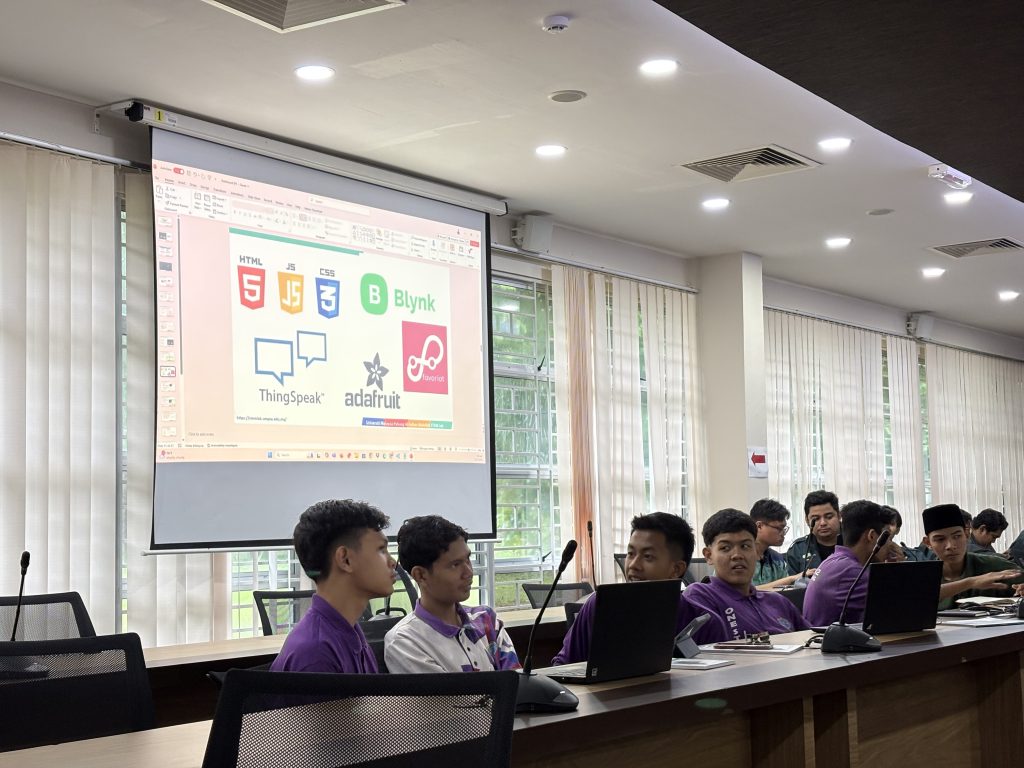
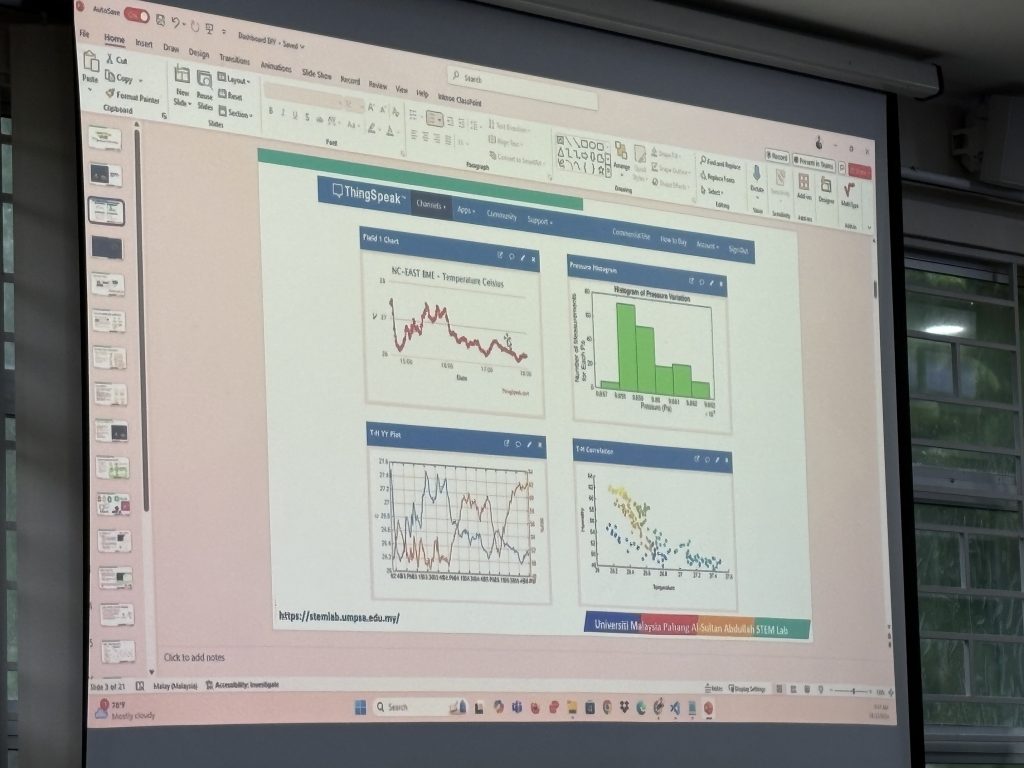
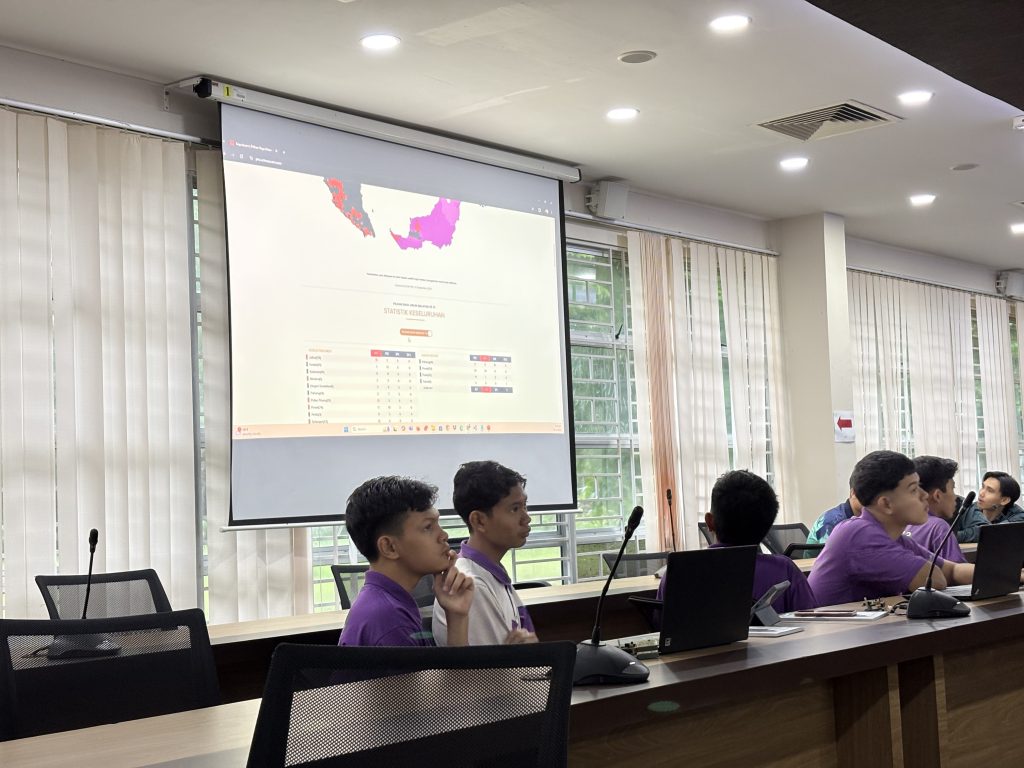
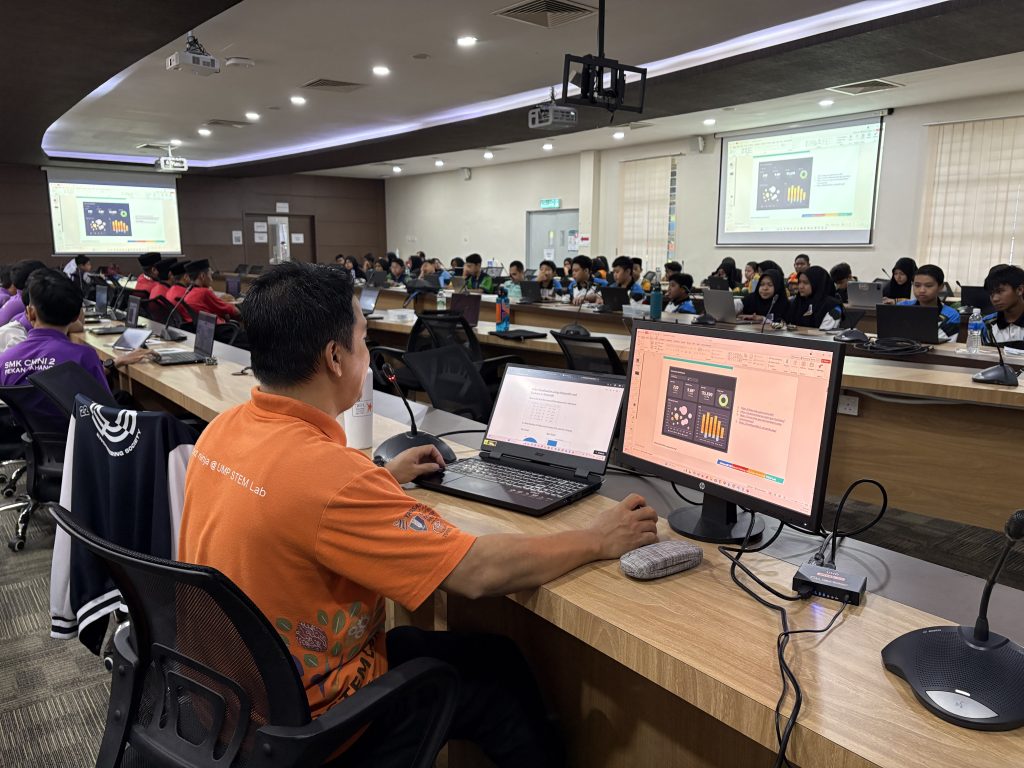
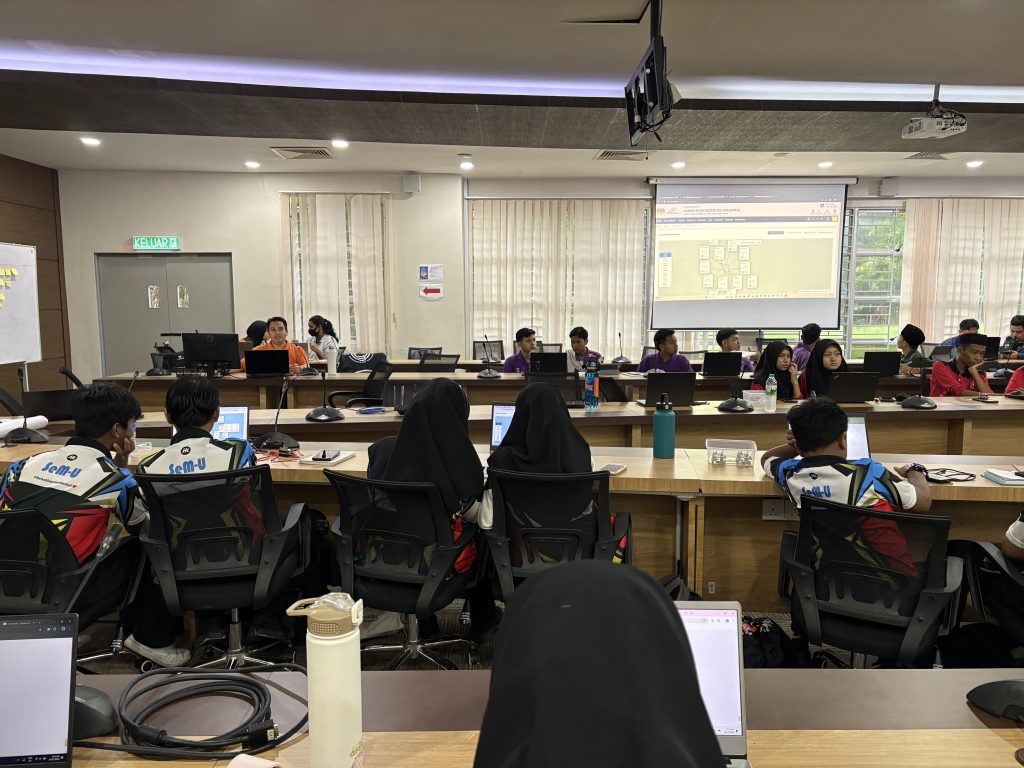
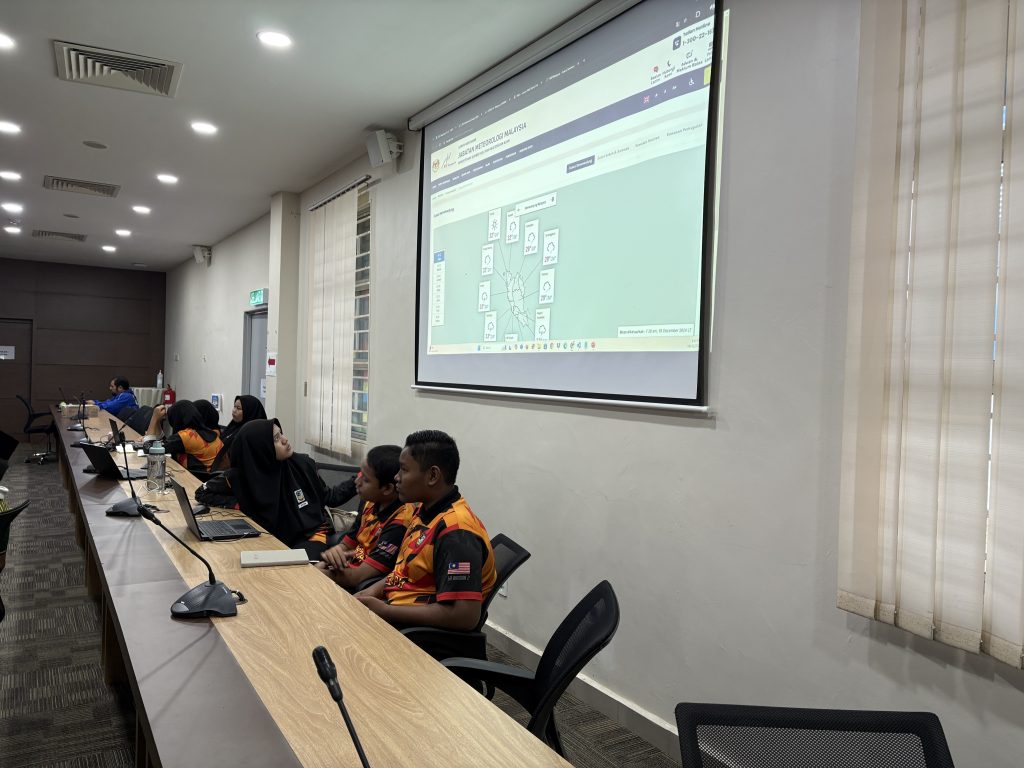
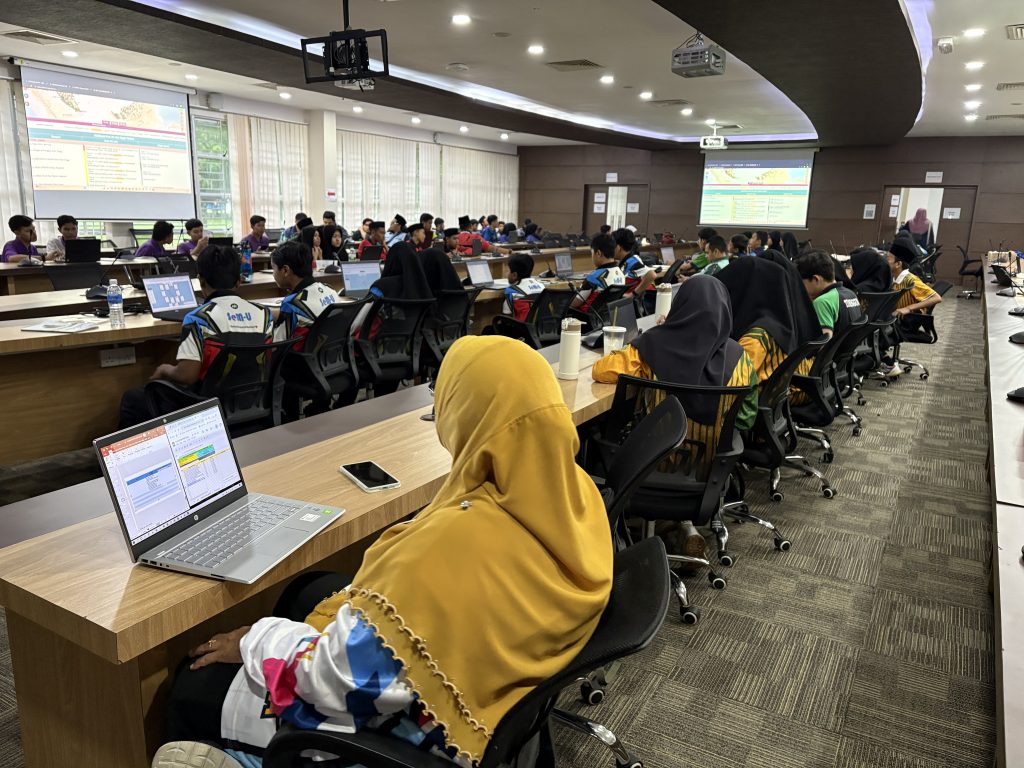
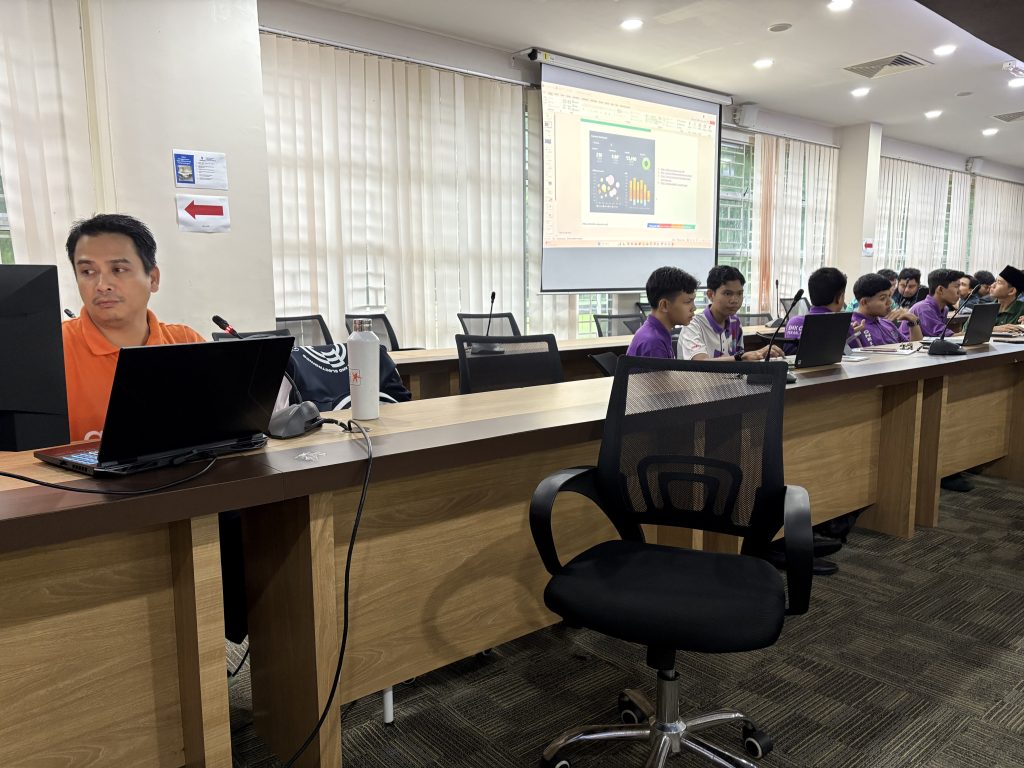
In the Raspberry Pi IoT session, 100 students from Pekan District Schools were introduced to the concept of the Internet of Things (IoT) using Raspberry Pi on the UMP STEM Cube, a pico-satellite learning kit specifically designed to facilitate engineering learning.
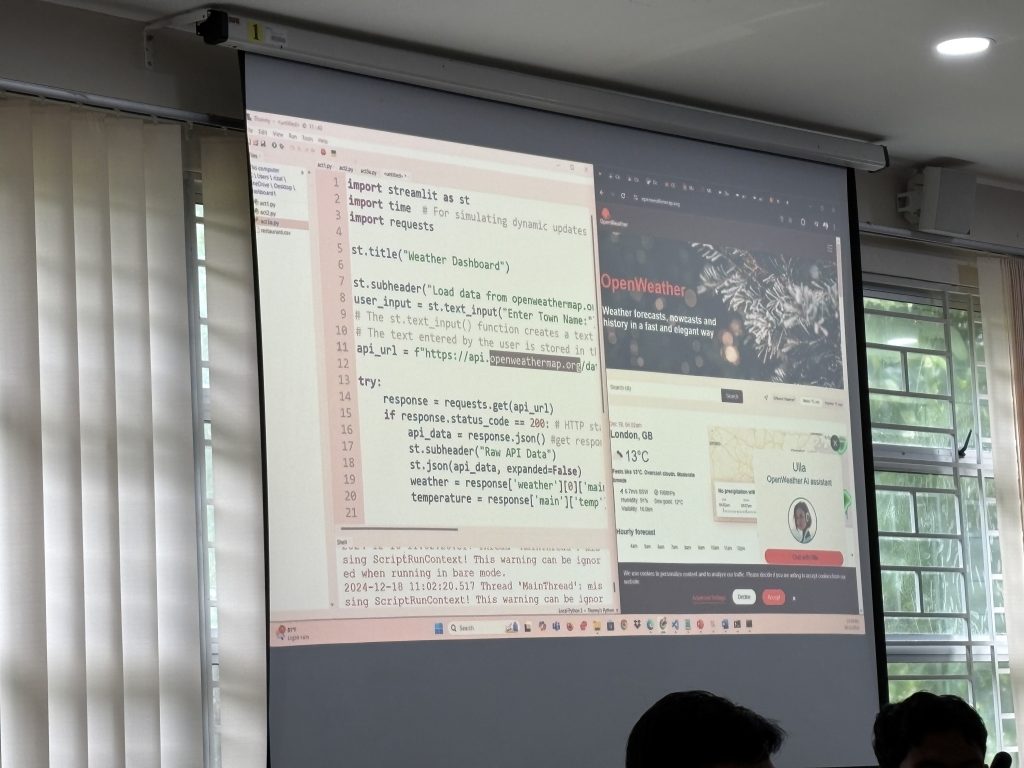
The content covered basic digital input/output operations on onboard LEDs, as well as topics such as dashboard design using gyro meter and BMU280 sensor data, including collecting and storing data in a cloud database. Participants learned to interface sensors with Raspberry Pi boards and develop IoT applications for real-world scenarios. The session provided students with valuable insights into IoT technology and its applications in various domains.
A special appreciation is extended to En Khairul from PPD Pekan for coordination in facilitating communication between the participants and the UMPSA STEM Lab :).
Dec 17th




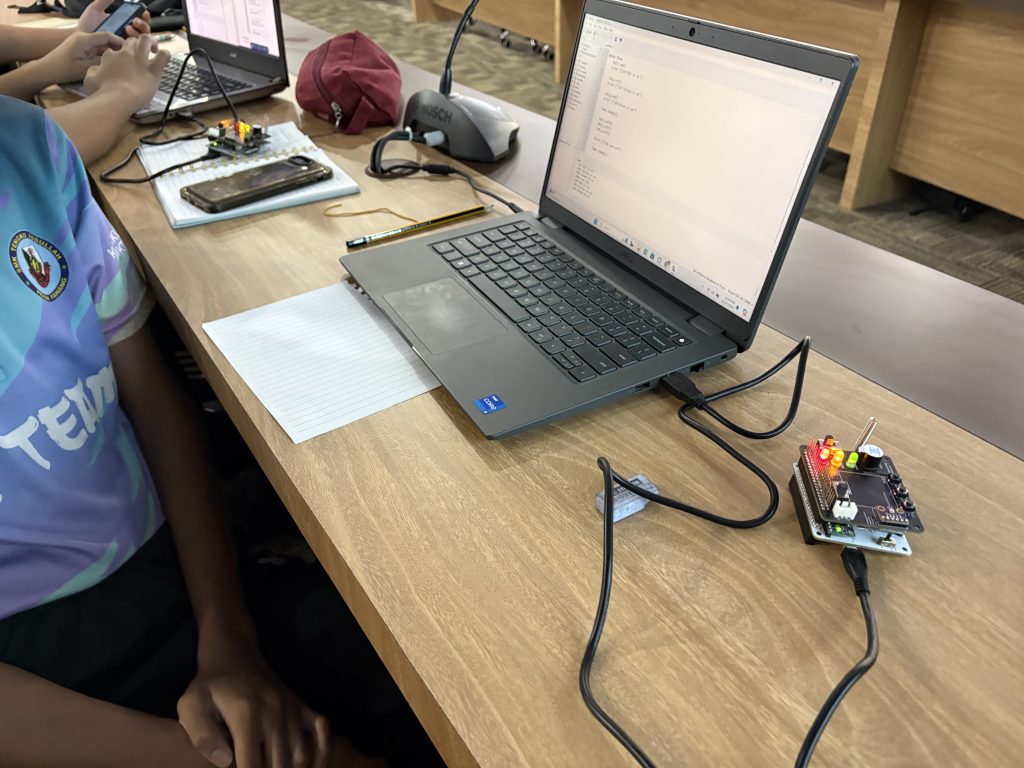
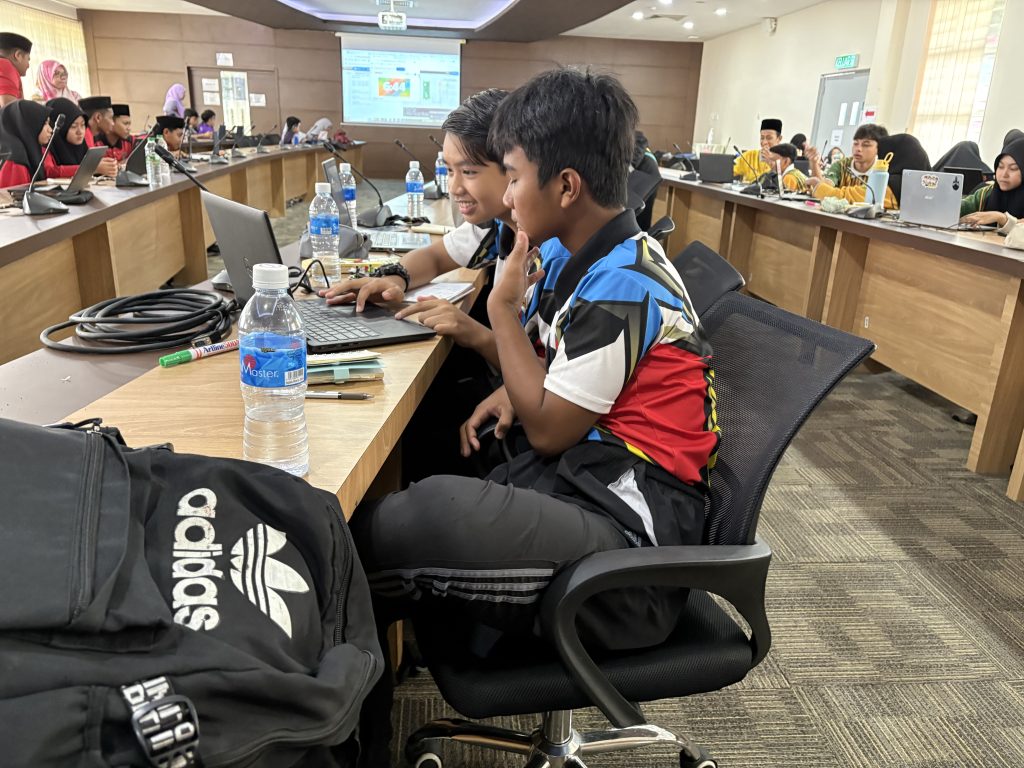
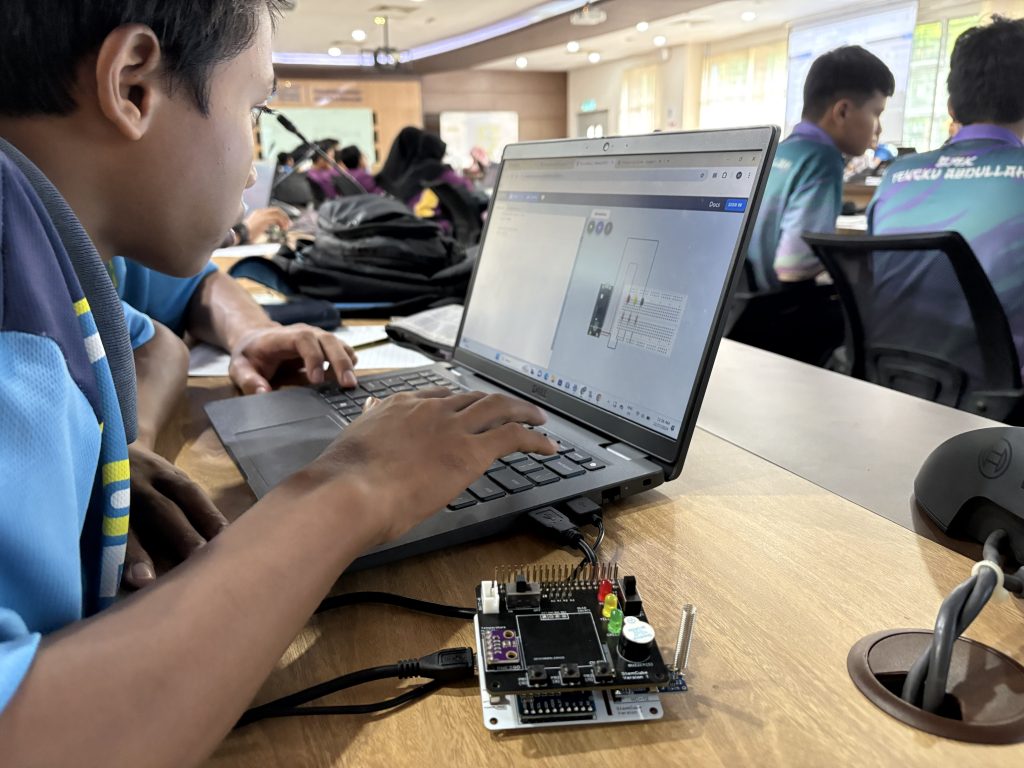

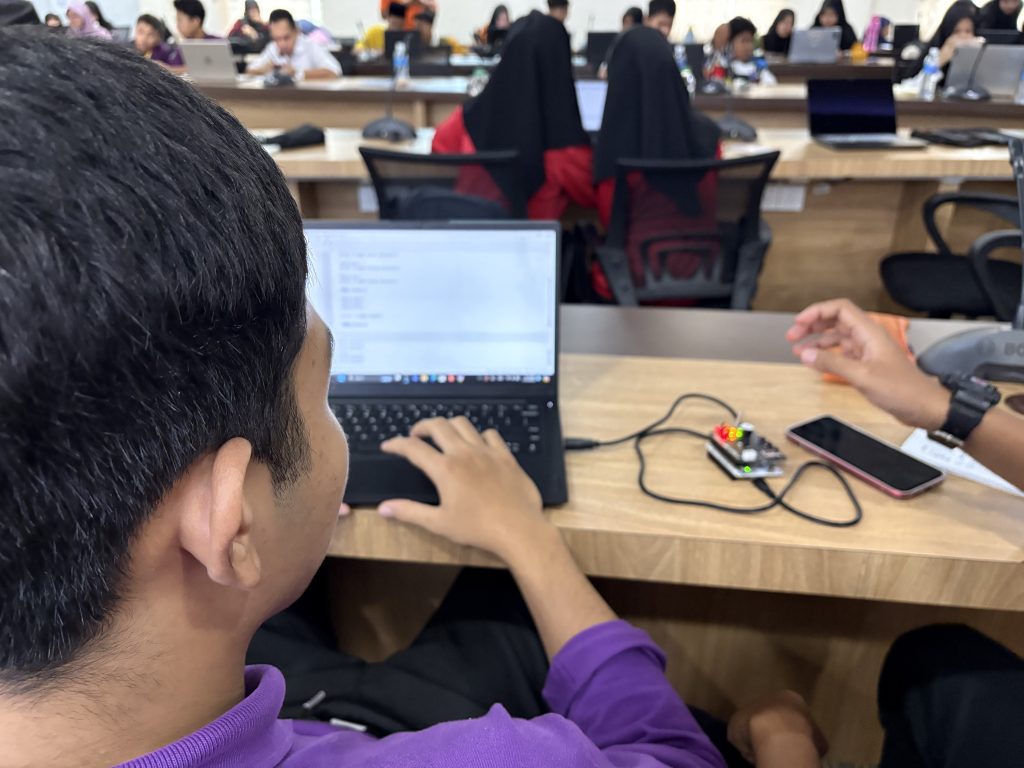
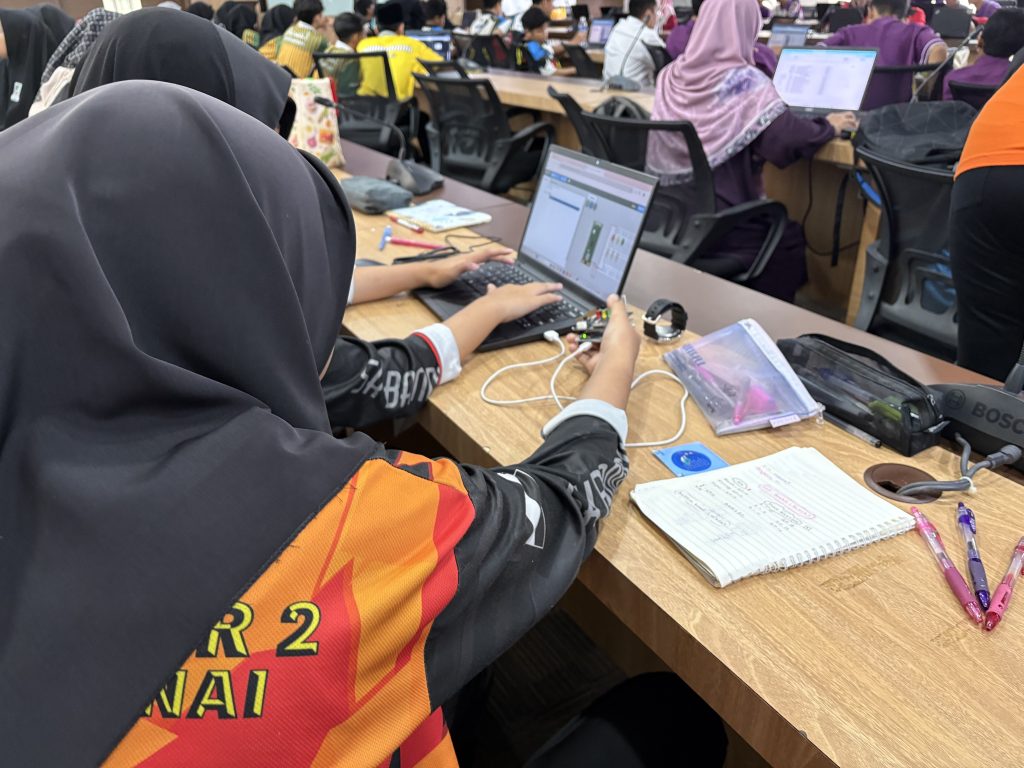
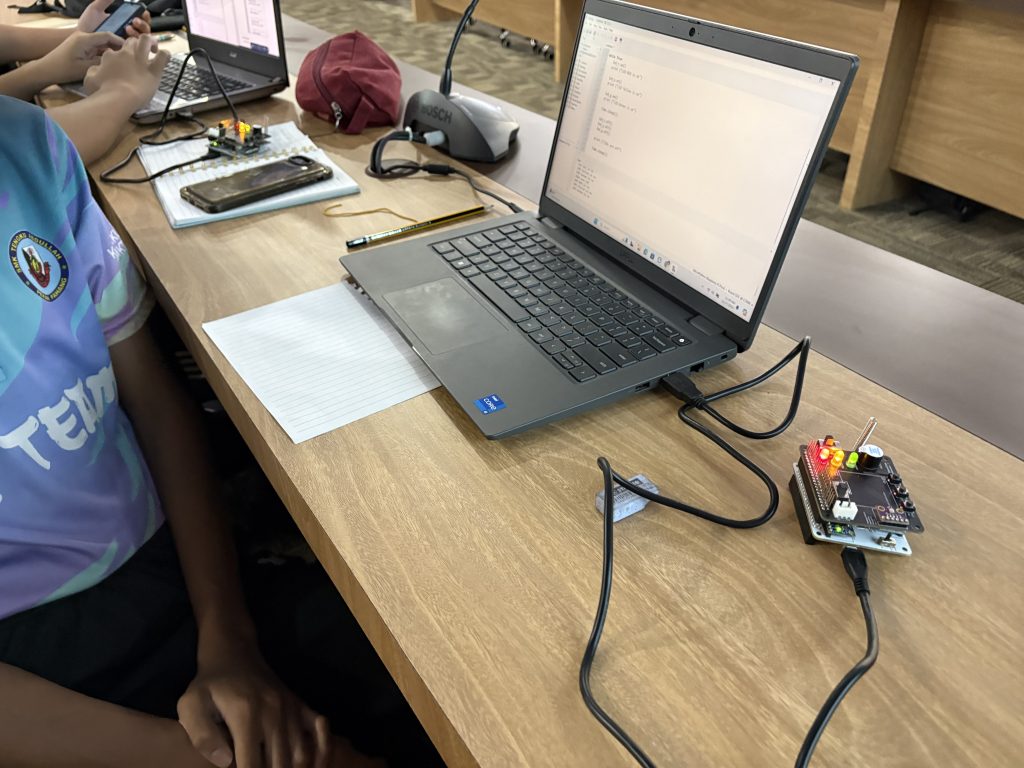
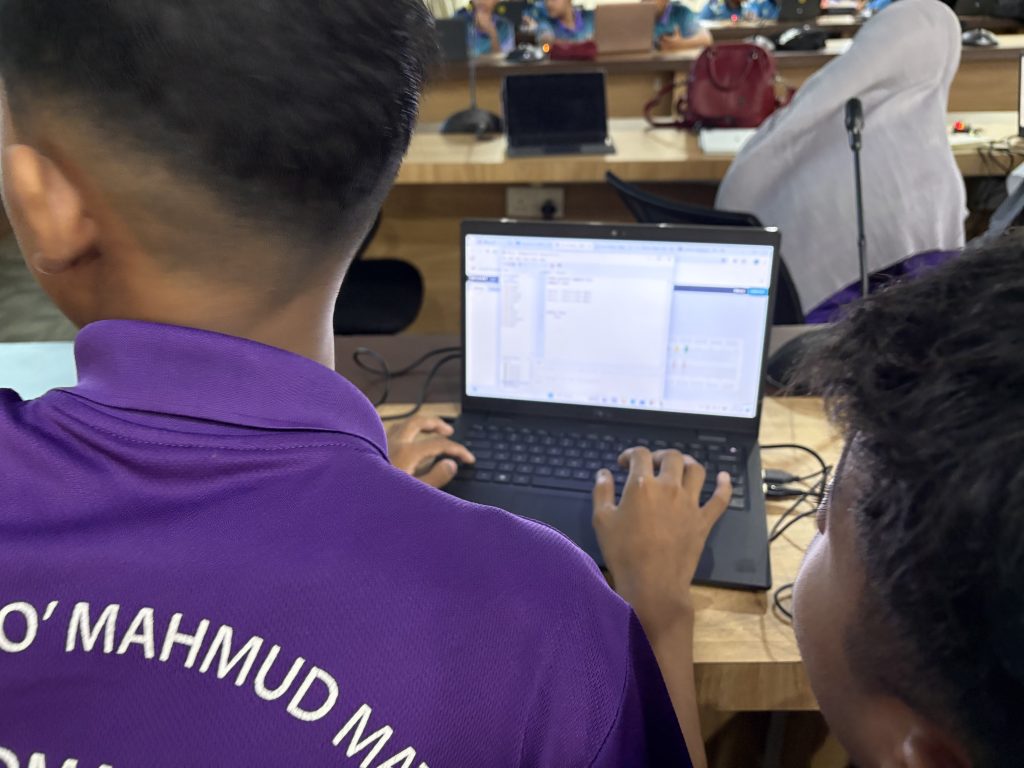
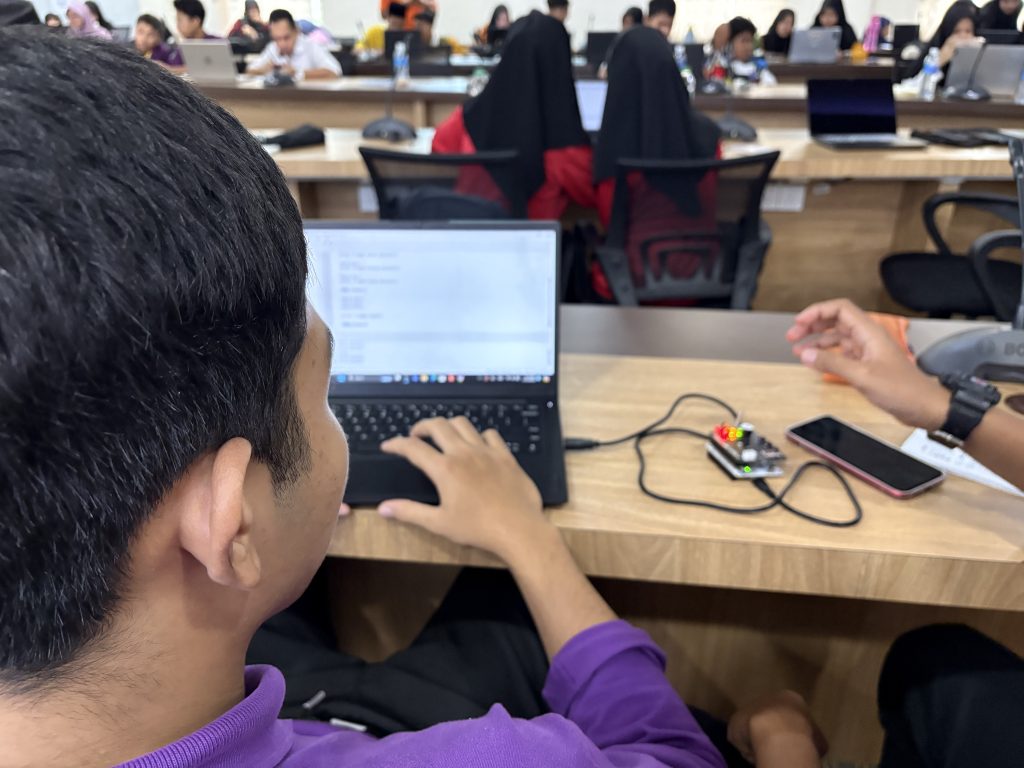
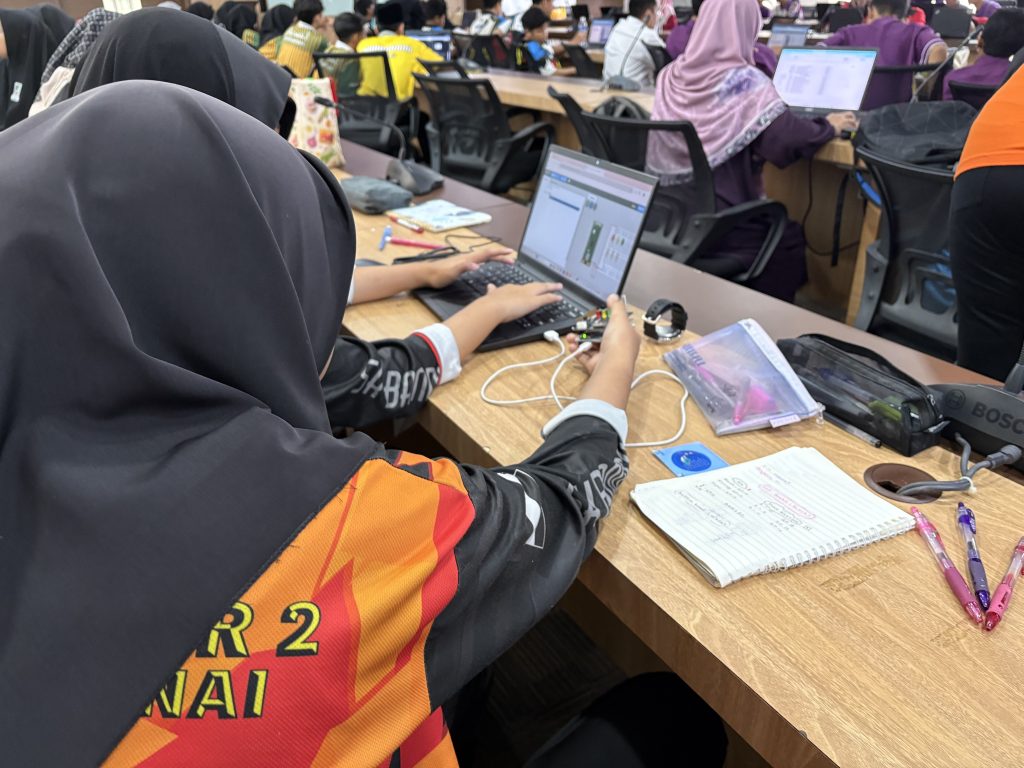
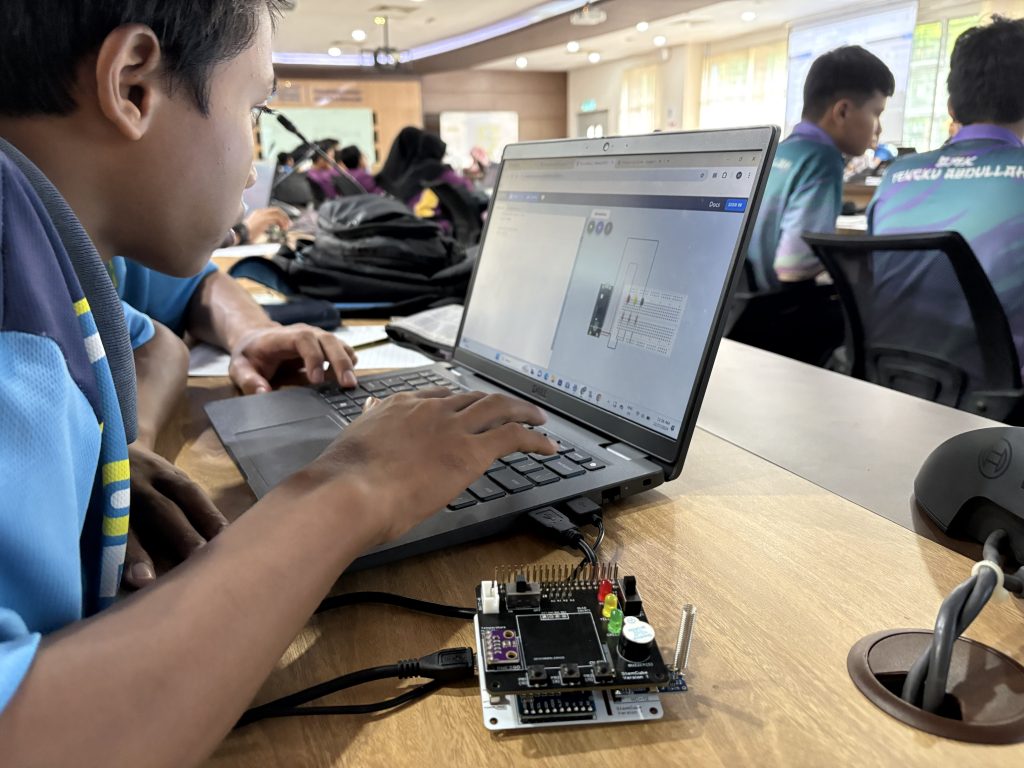

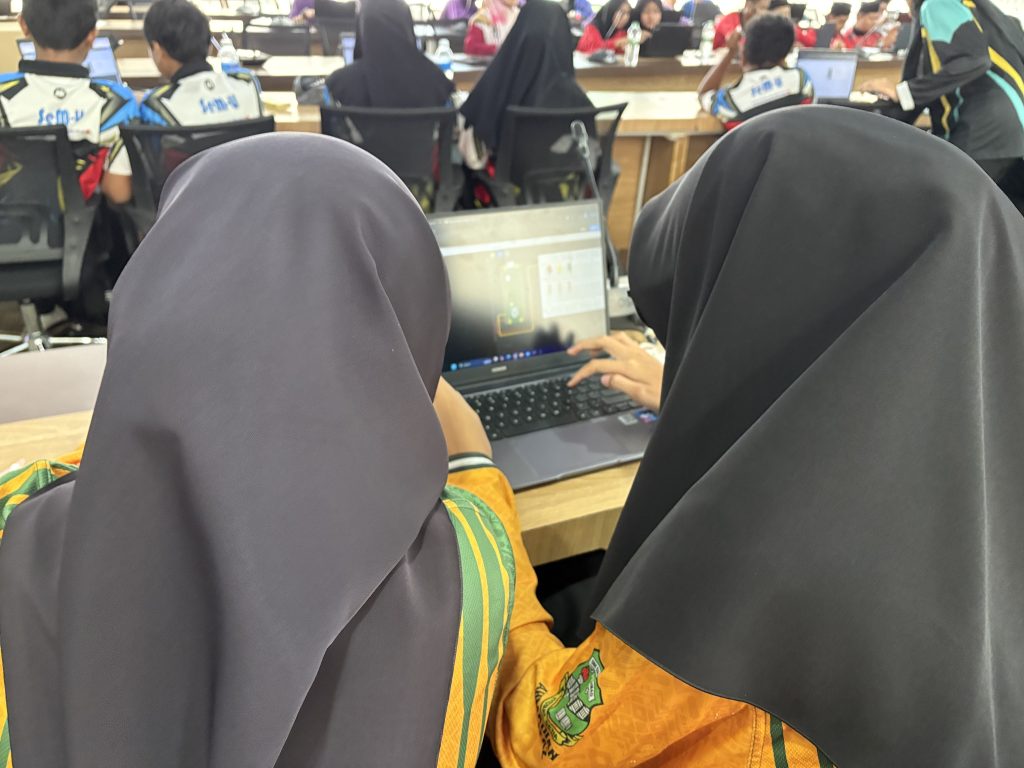
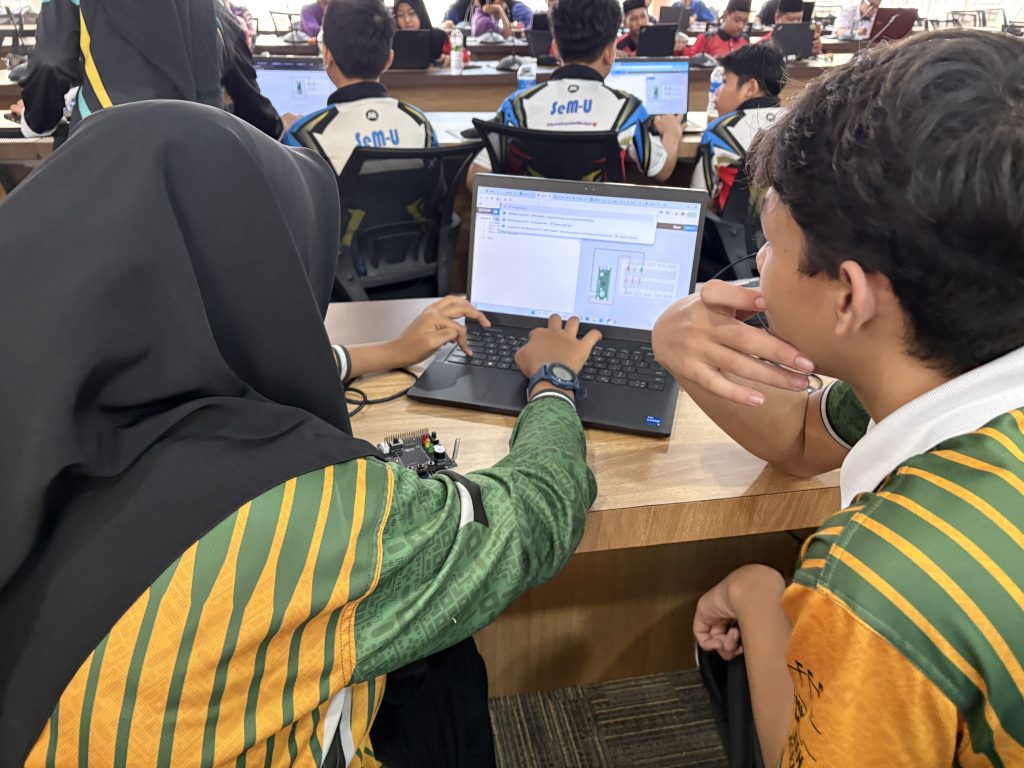
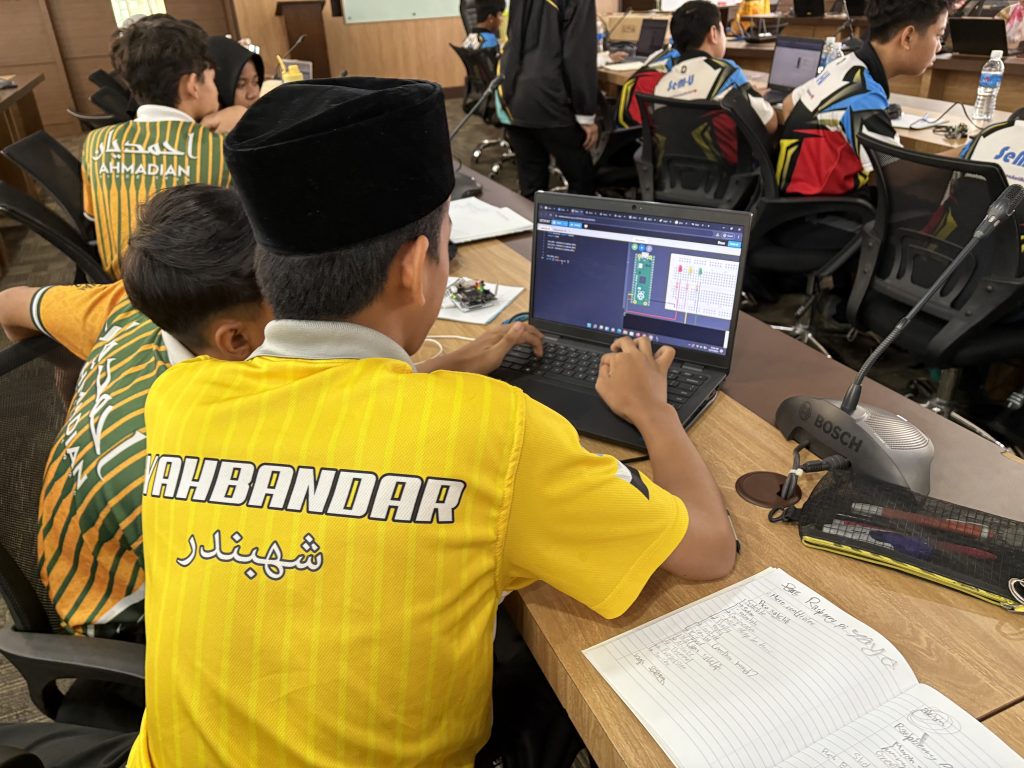
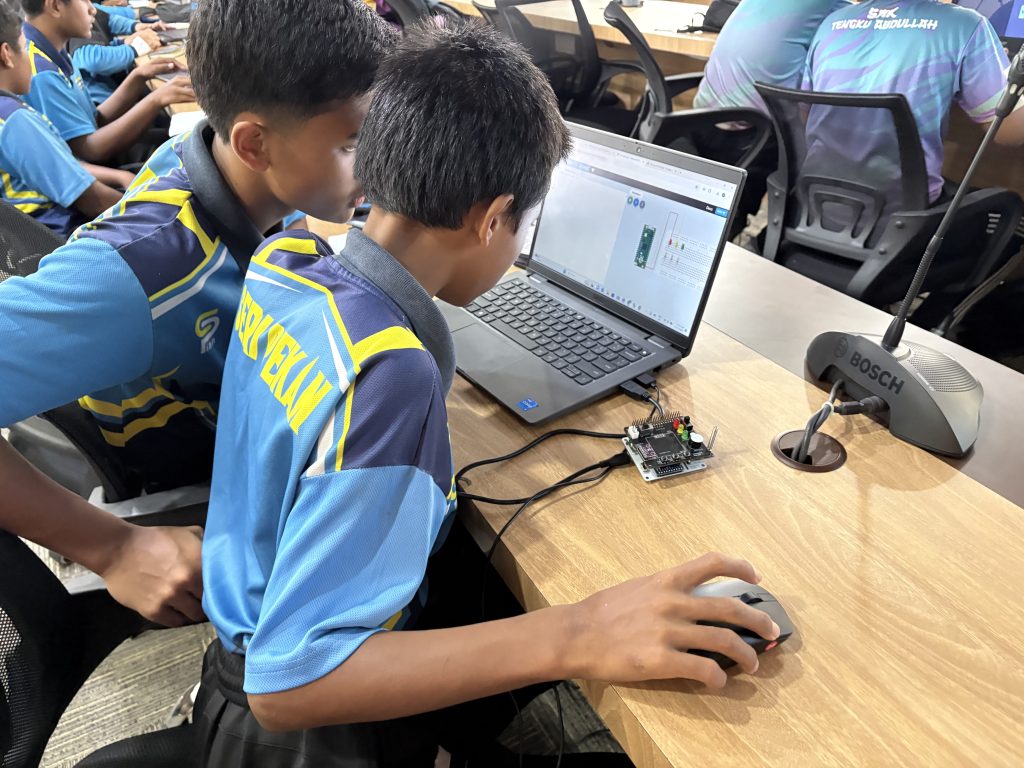
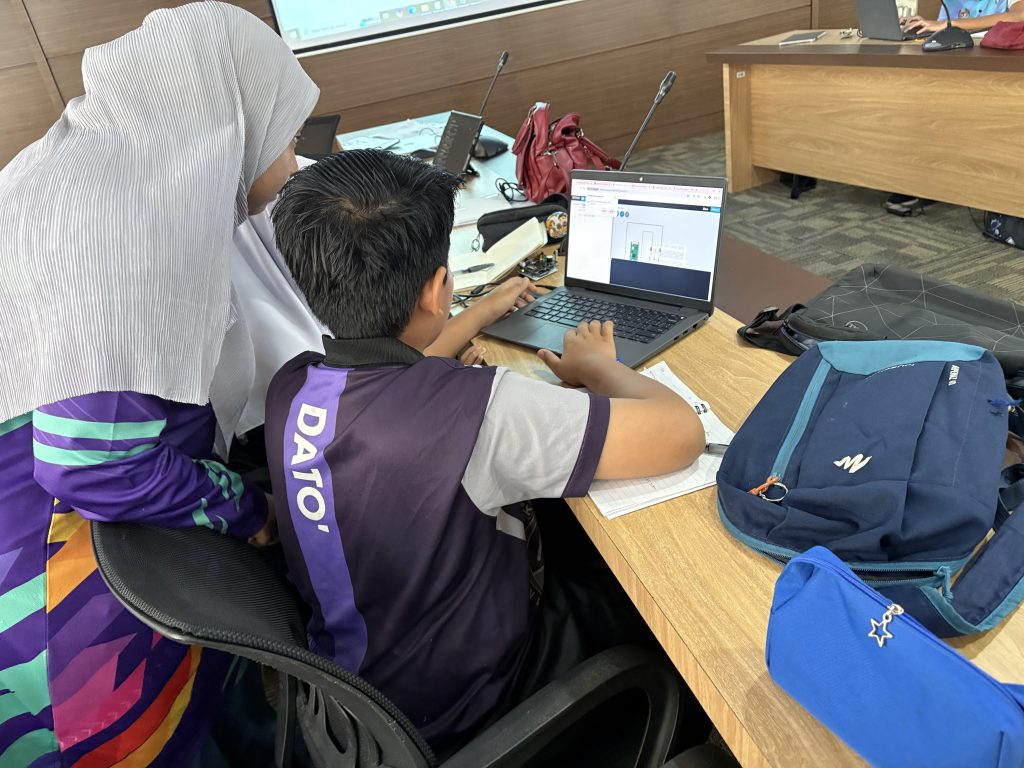
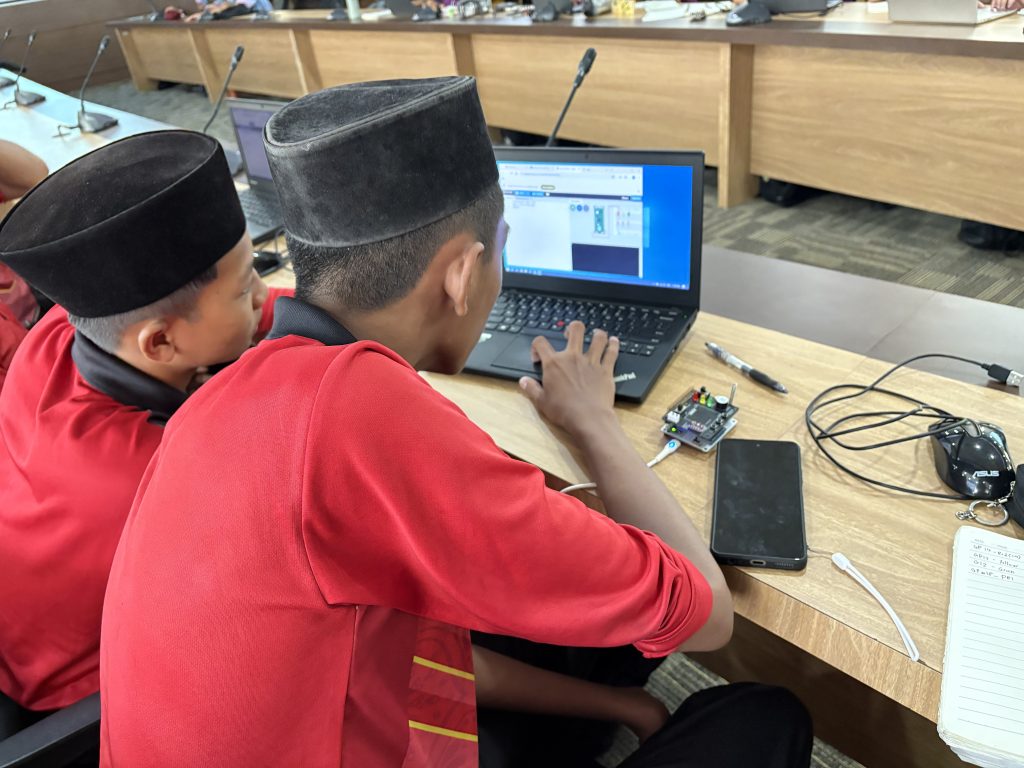
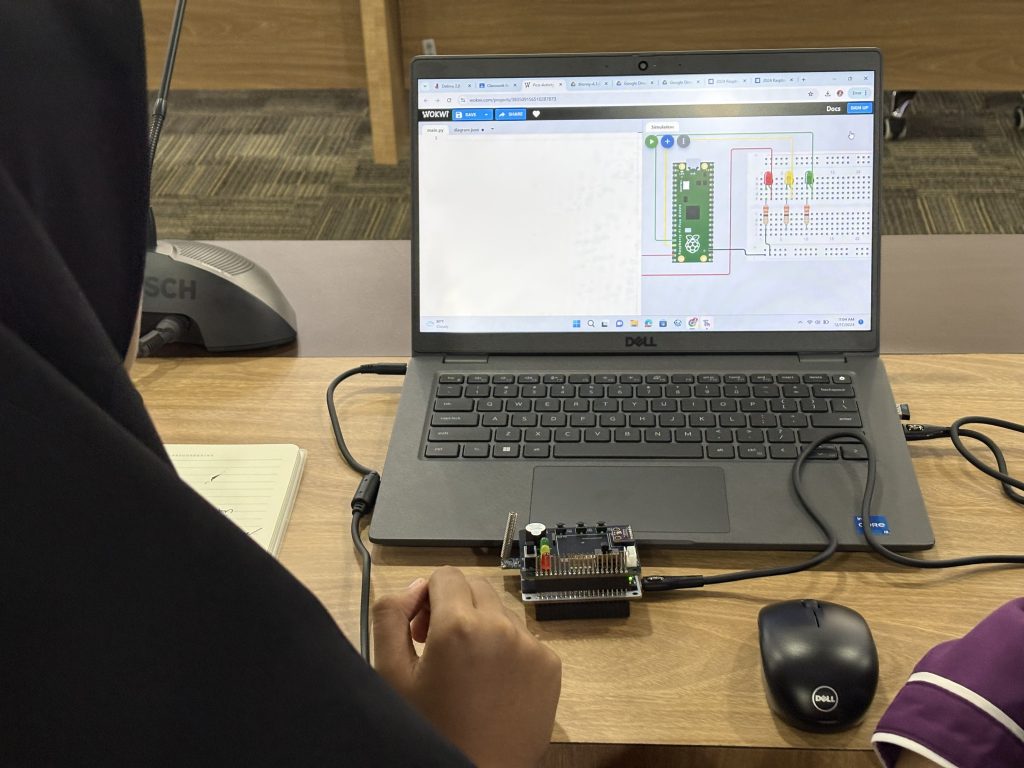
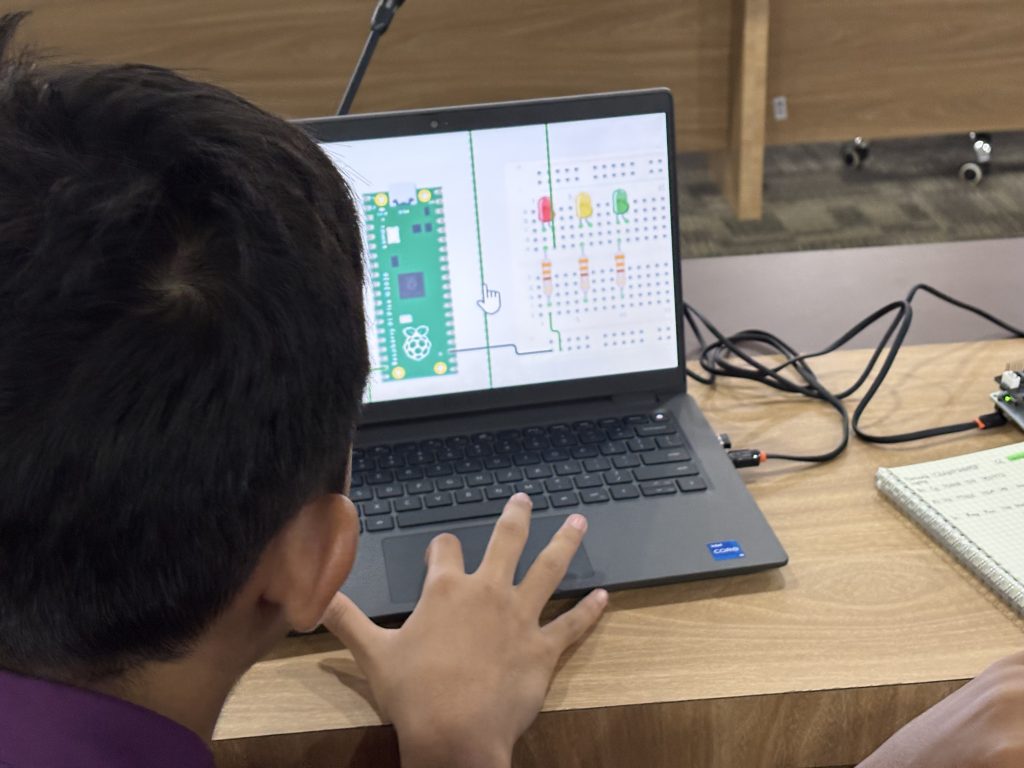
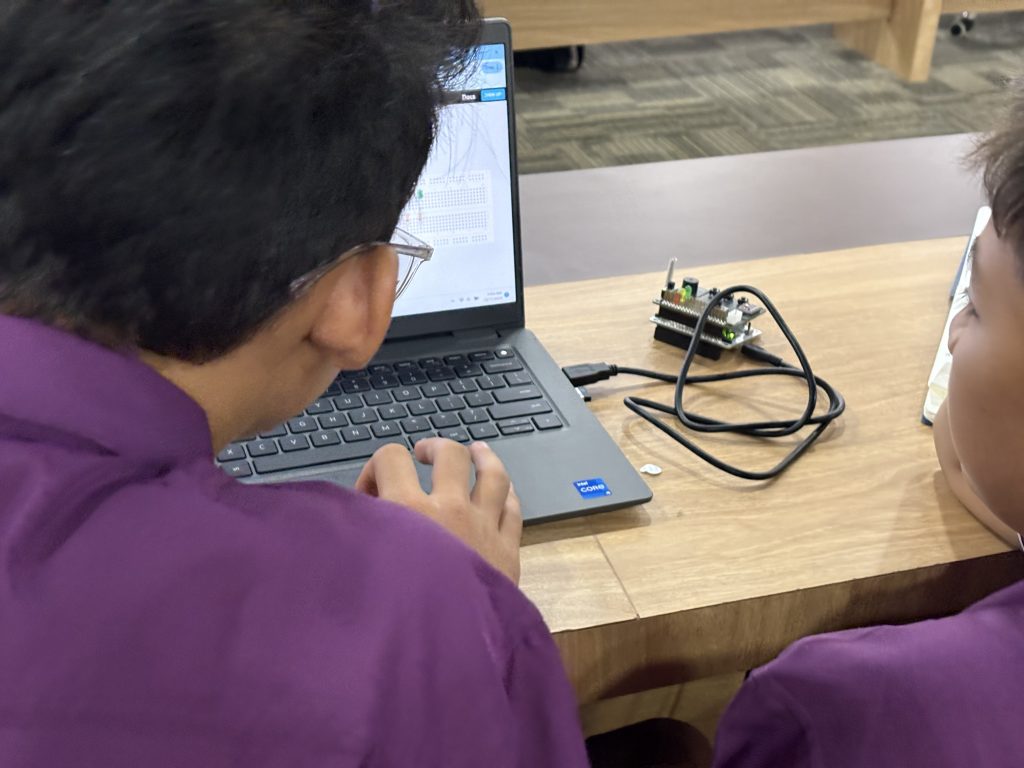
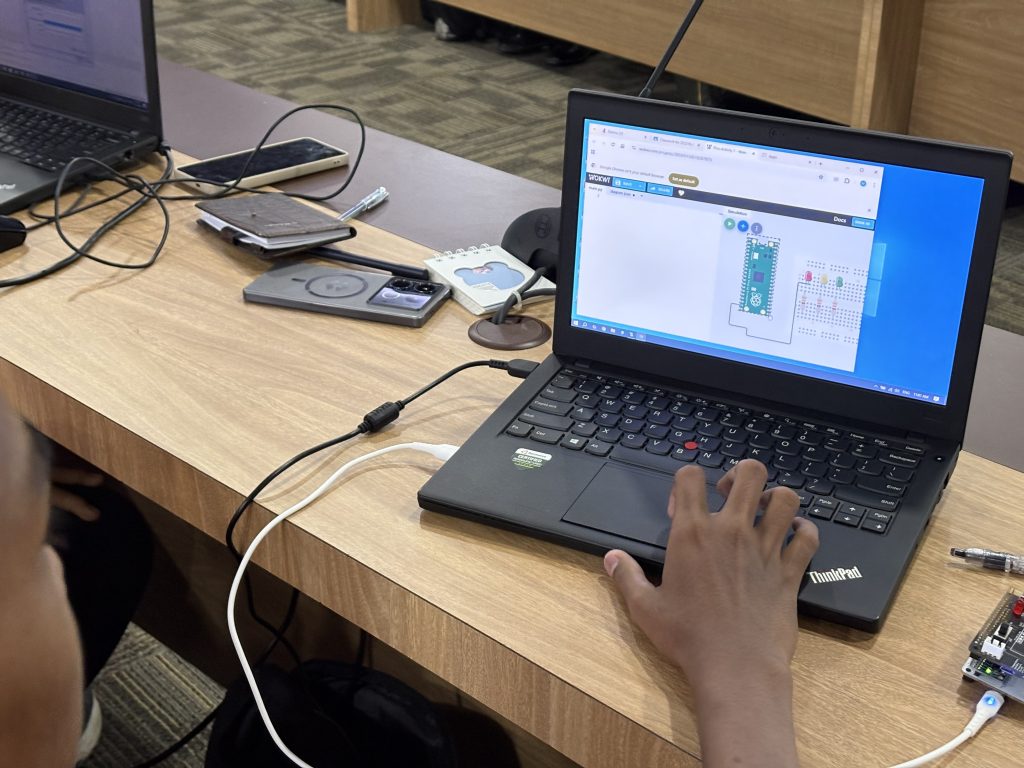
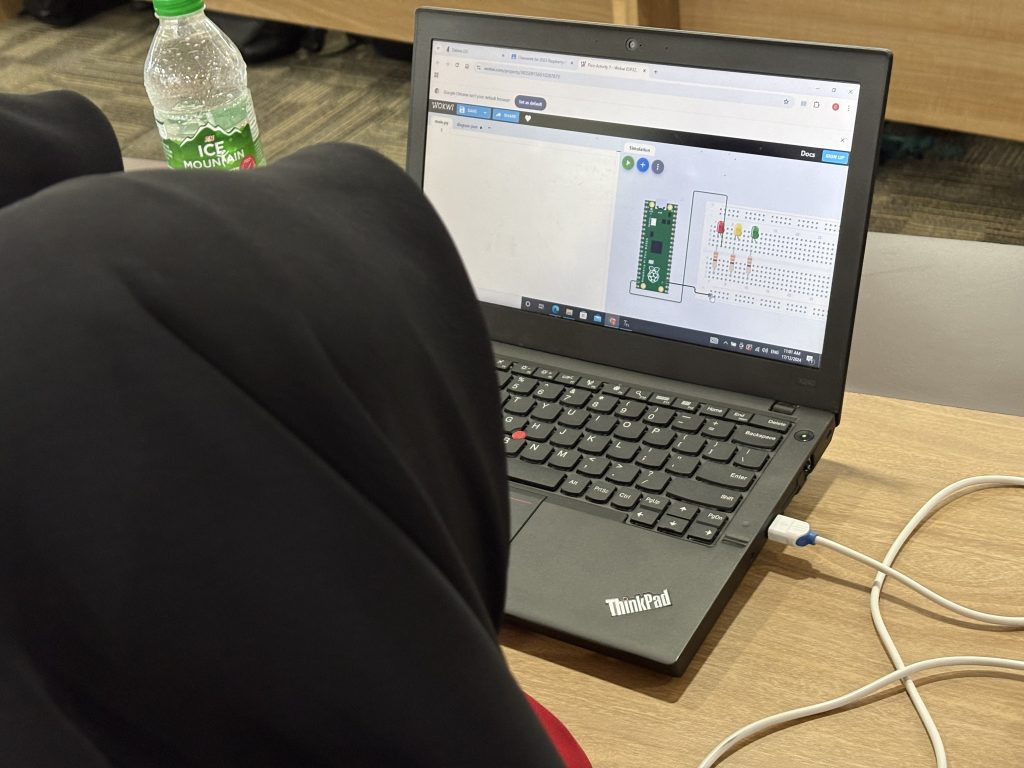

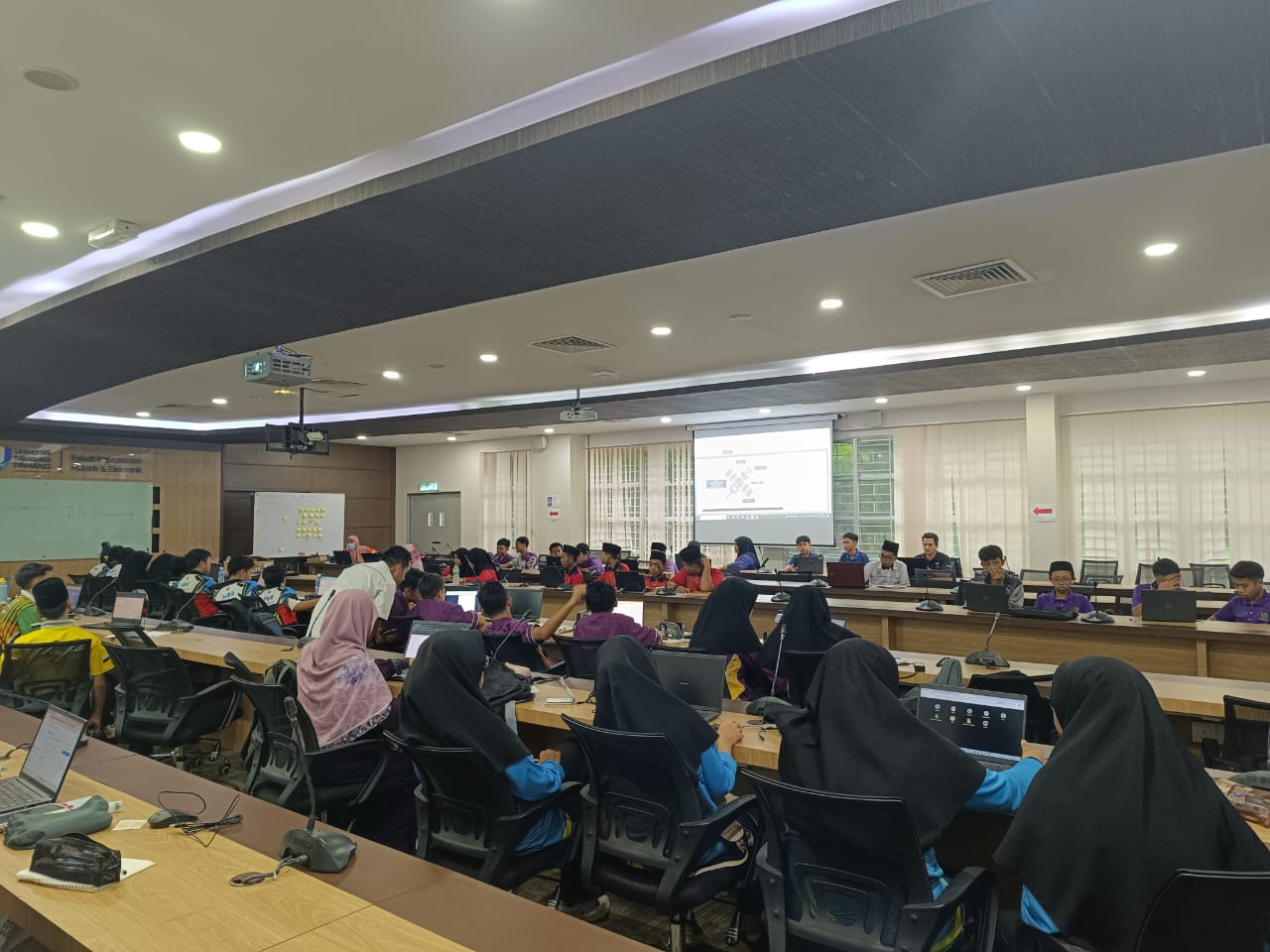


*UMPSA STEM Lab Raspberry Pi Programming Synopsis can be found here. In the Raspberry Pi IoT session, 80 students from SBPI Integrasi Kuantan were introduced to the concept of the Internet of Things (IoT) using Raspberry Pi on the UMP STEM Cube, a pico-satellite learning kit specifically designed to facilitate engineering learning. The content covered basic digital … Continue reading “Raspberry Pi Programming 2024/9 – SBP Integrasi Kuantan”
*UMPSA STEM Lab Raspberry Pi Programming Synopsis can be found here.
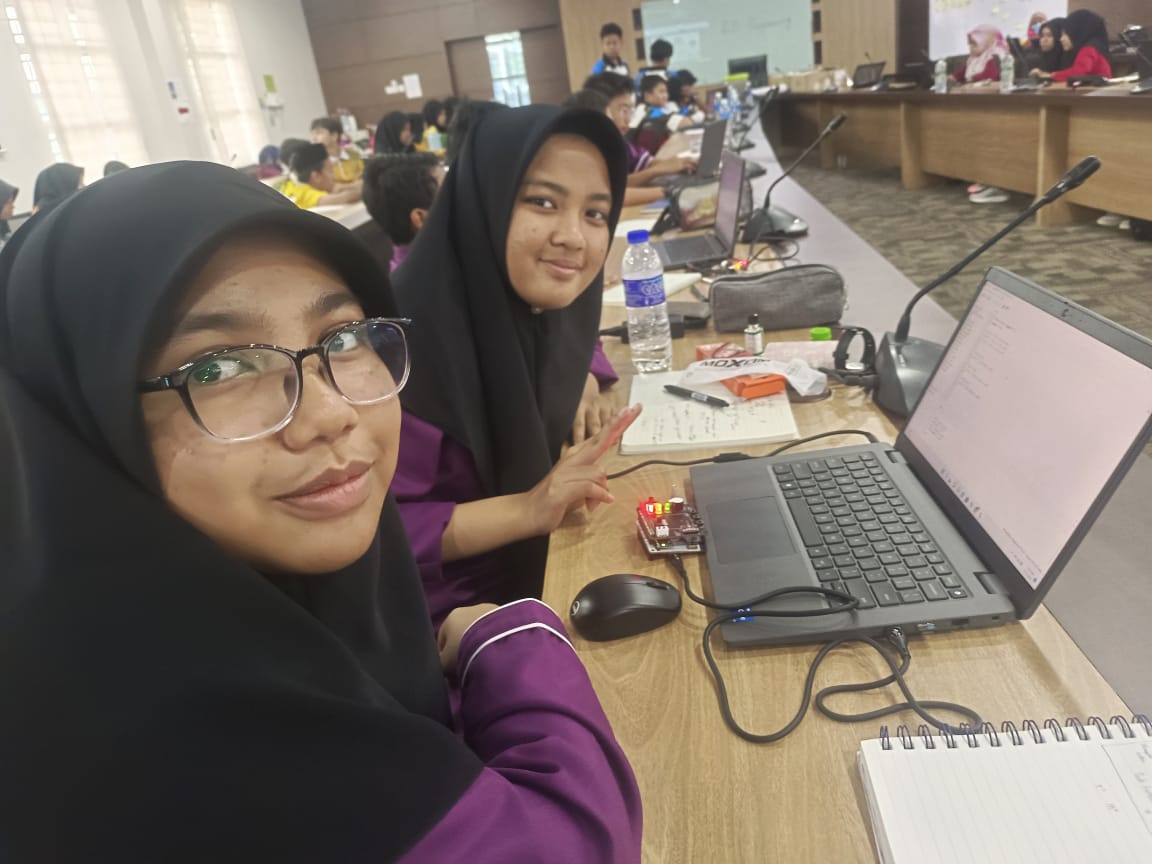
In the Raspberry Pi IoT session, 80 students from SBPI Integrasi Kuantan were introduced to the concept of the Internet of Things (IoT) using Raspberry Pi on the UMP STEM Cube, a pico-satellite learning kit specifically designed to facilitate engineering learning.
The content covered basic digital input/output operations on onboard LEDs, as well as topics such as dashboard design using gyro meter and BMU280 sensor data, including collecting and storing data in a cloud database. Participants learned to interface sensors with Raspberry Pi boards and develop IoT applications for real-world scenarios. The session provided students with valuable insights into IoT technology and its applications in various domains.
A special appreciation is extended to Cikgu Syahril for coordination in facilitating communication between the participants and the UMPSA STEM Lab :).
Dec 16th
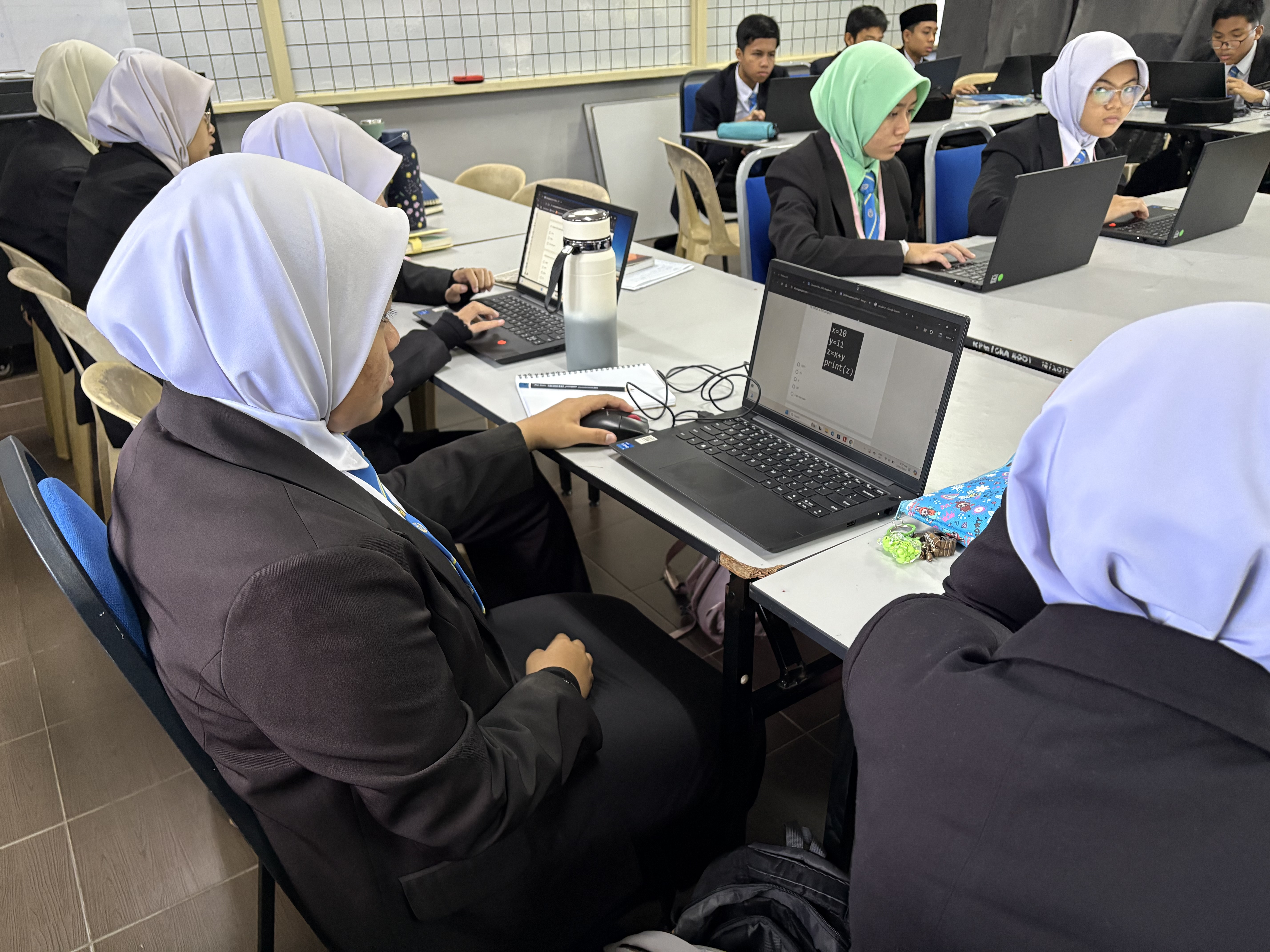
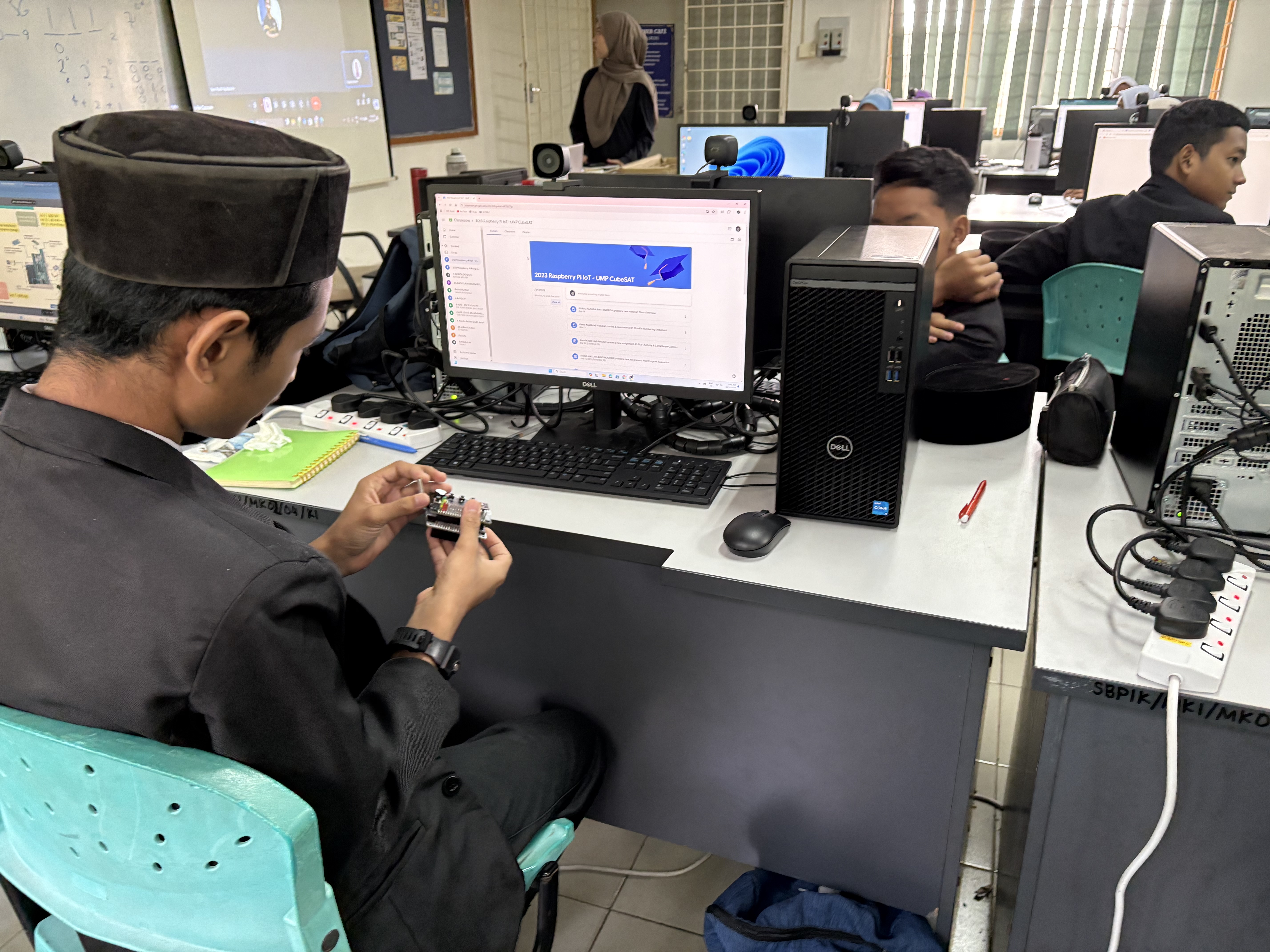
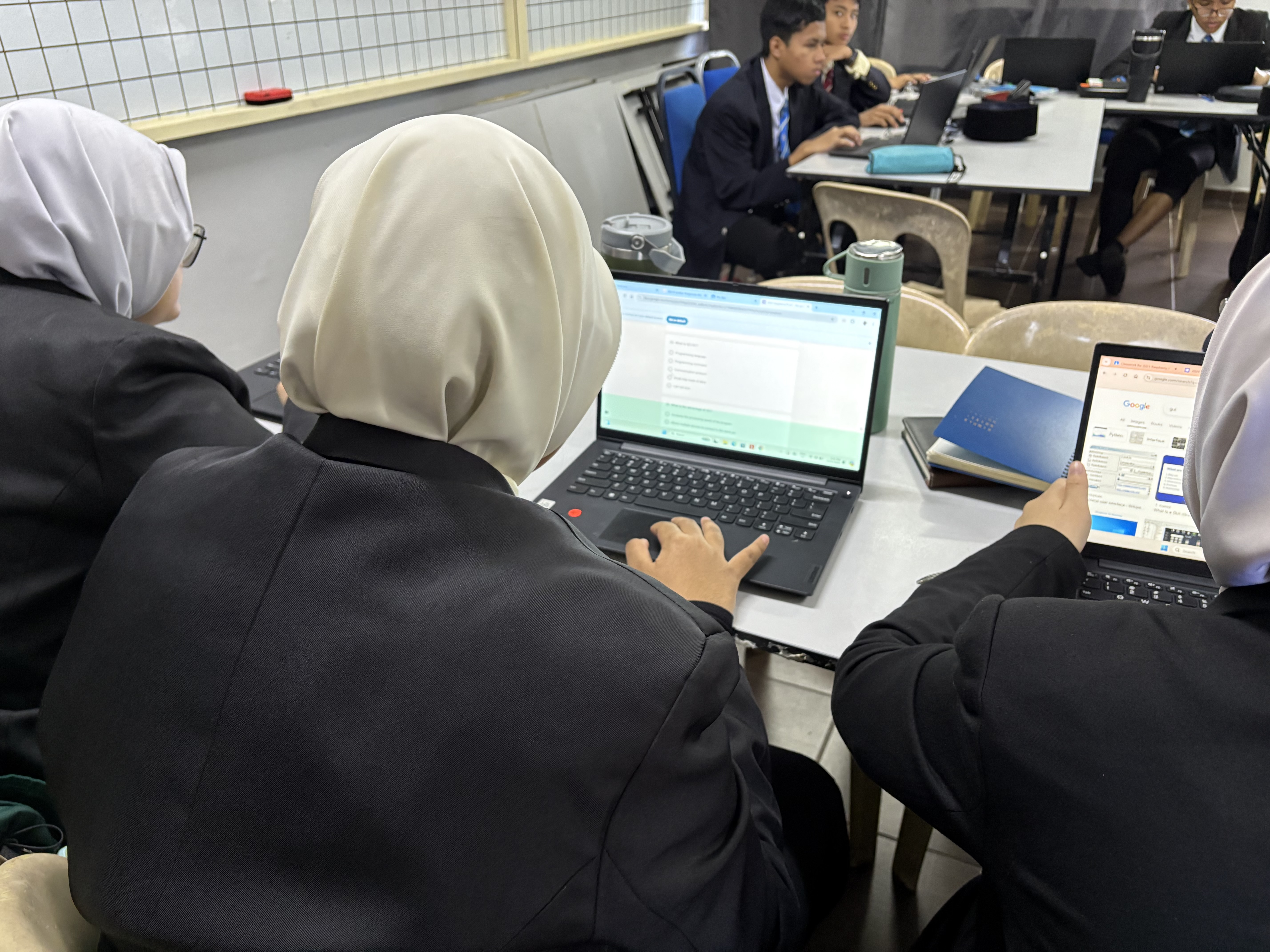
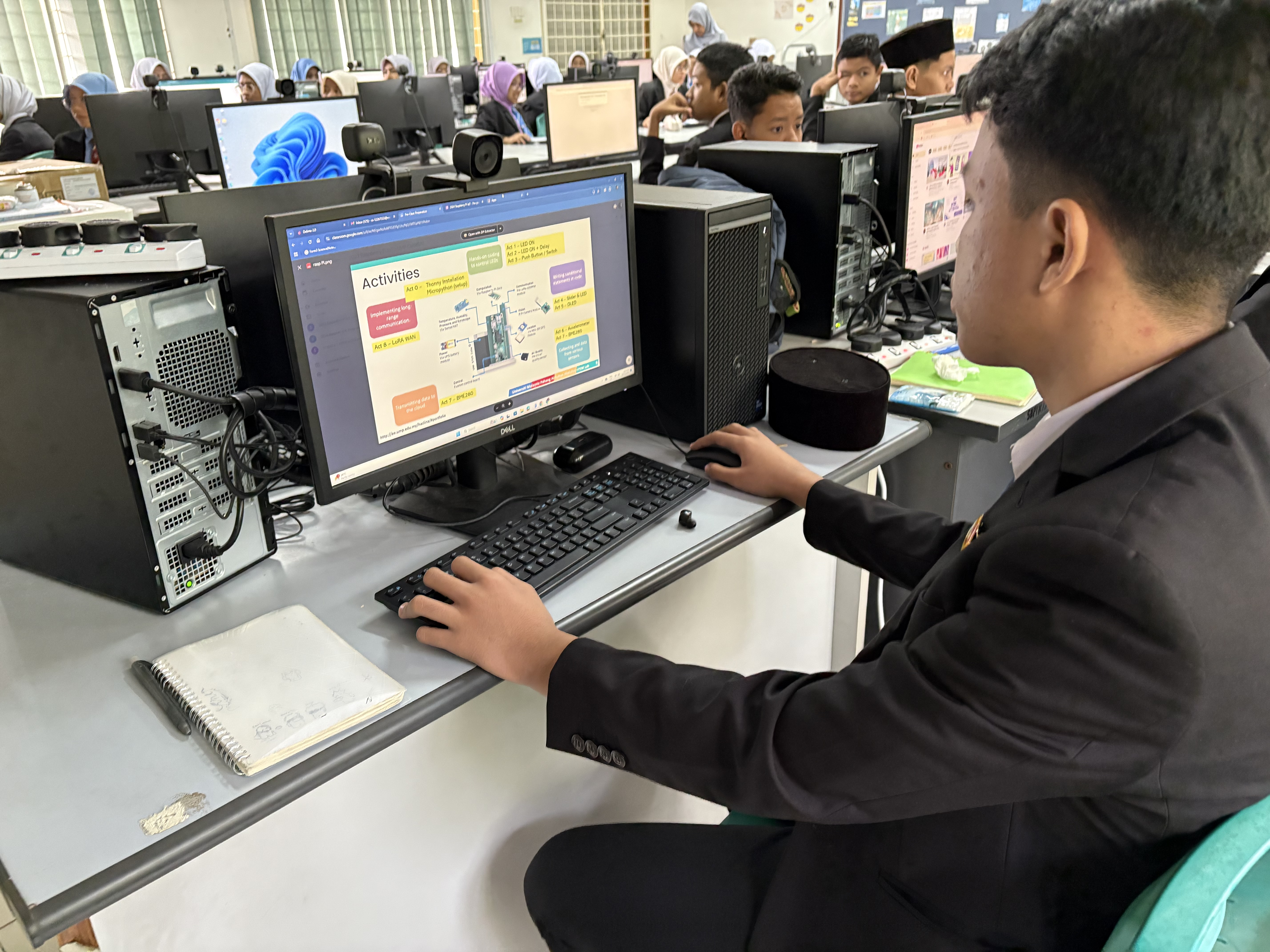
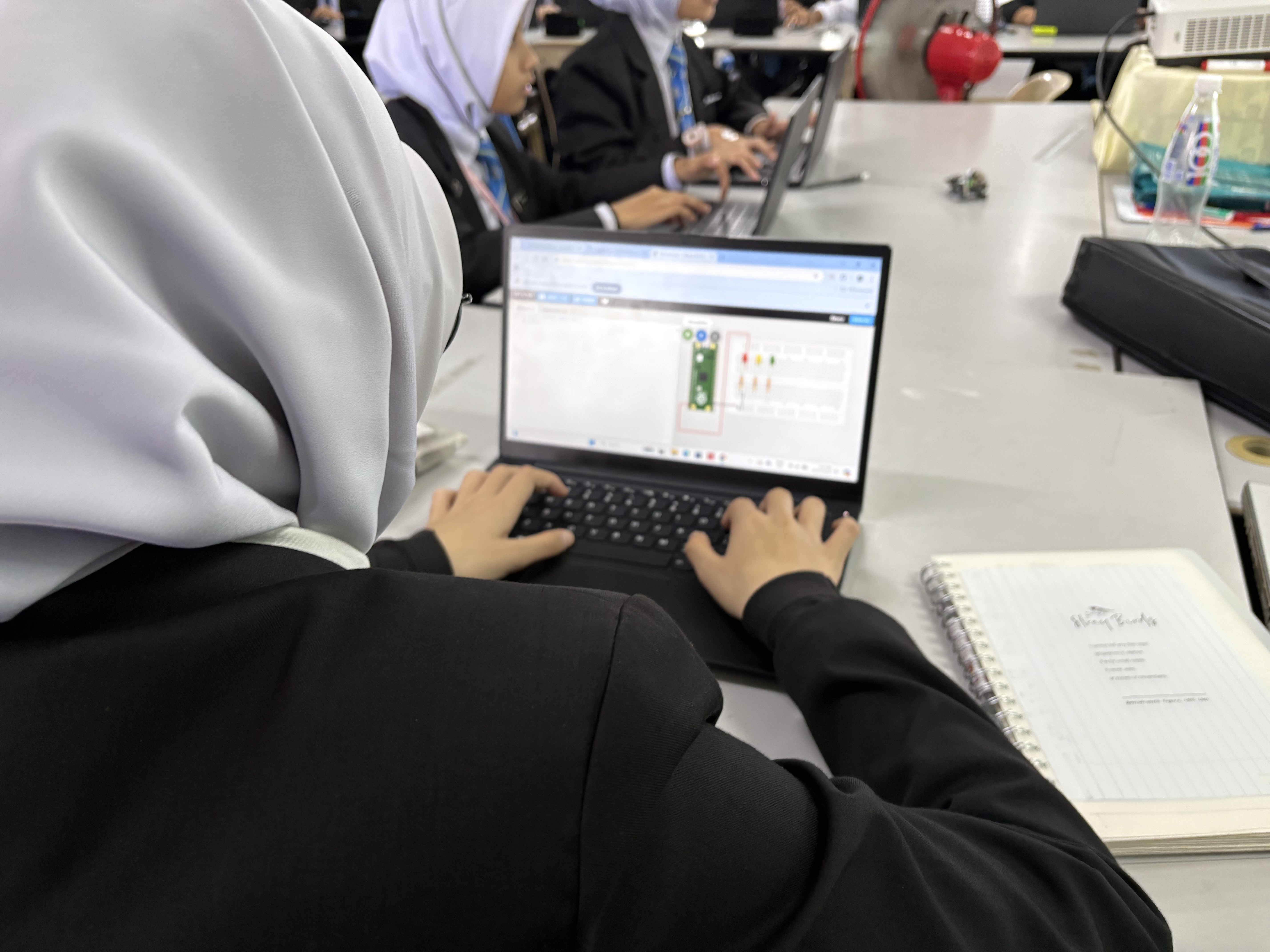
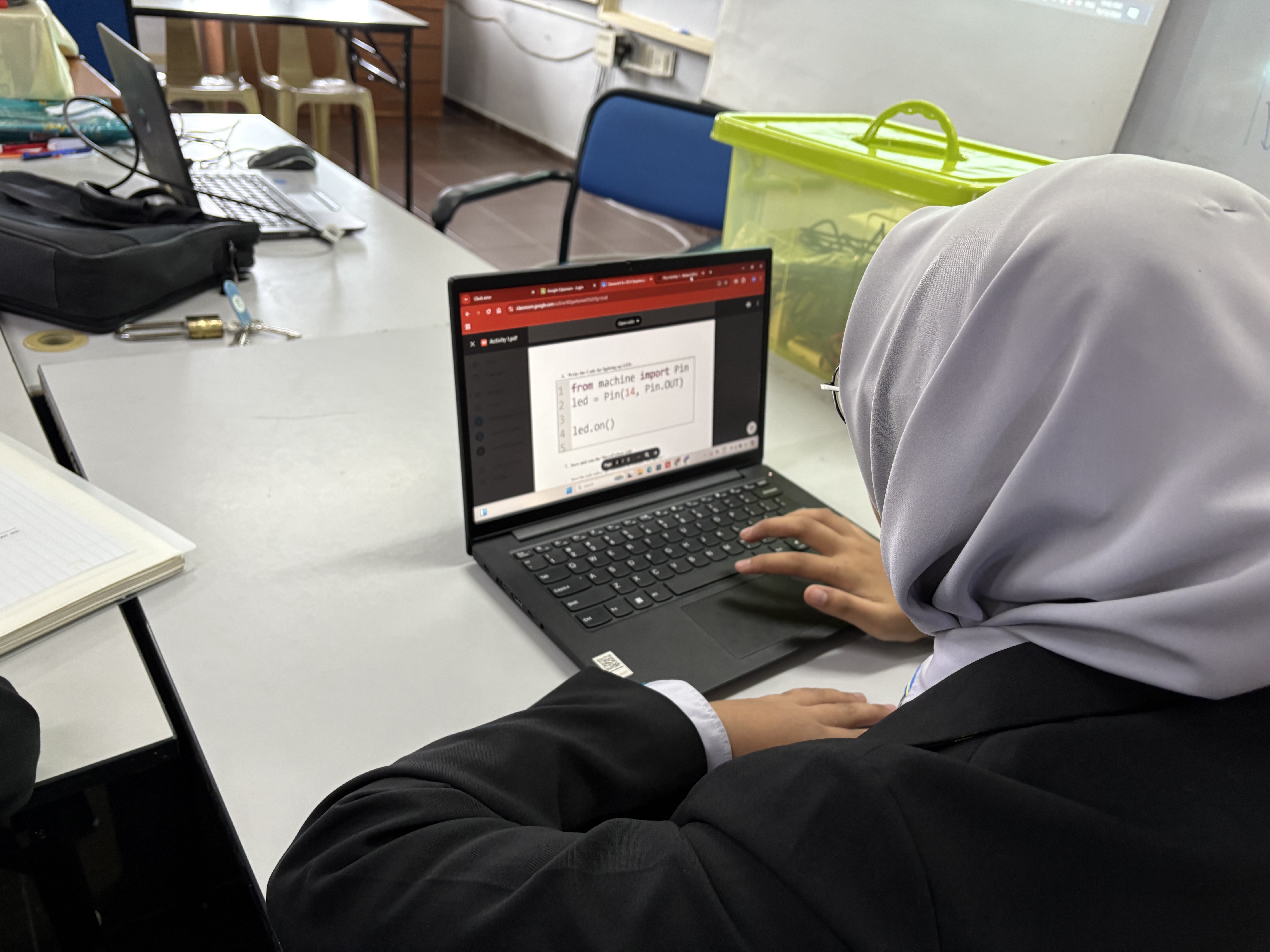
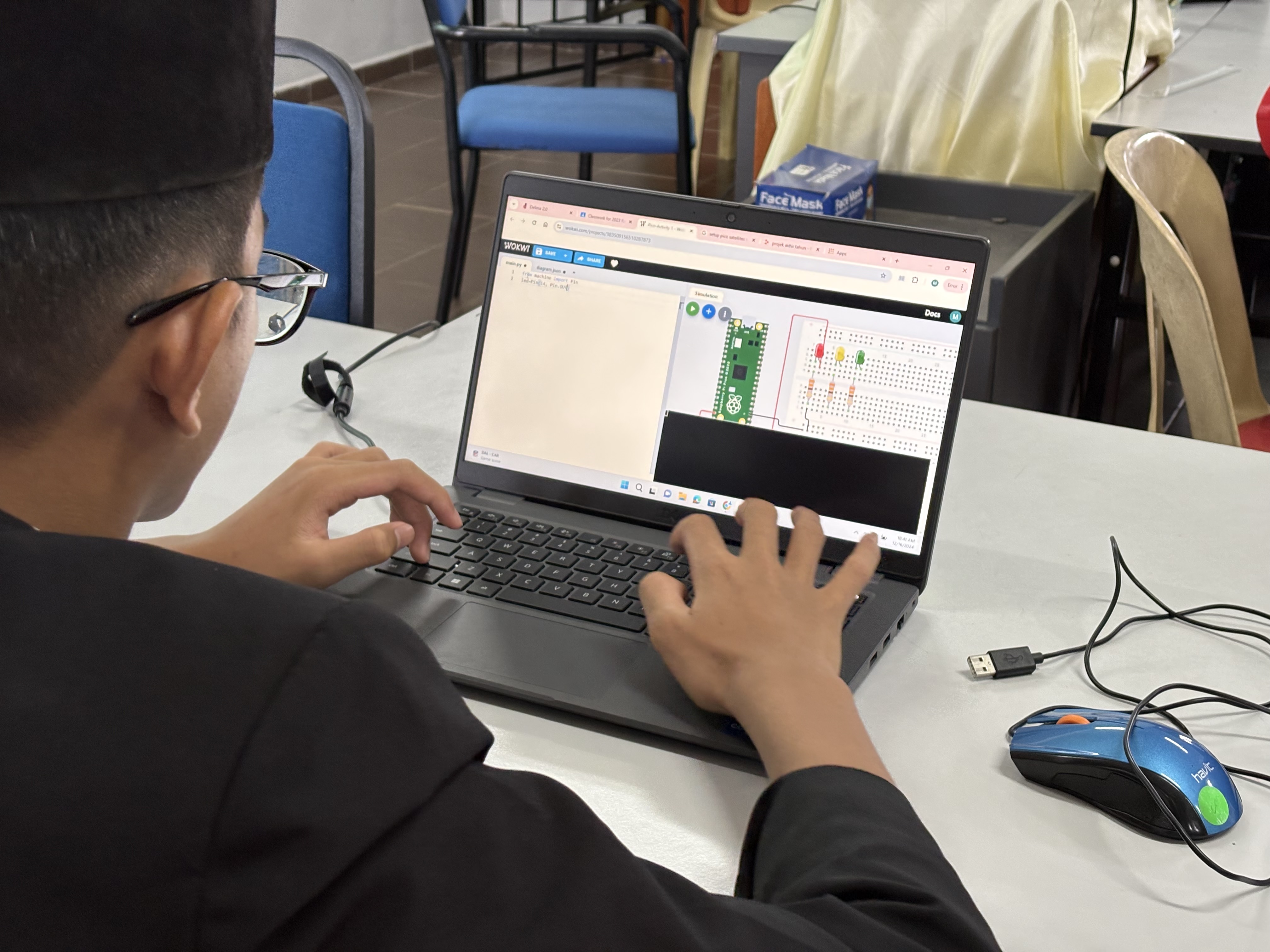
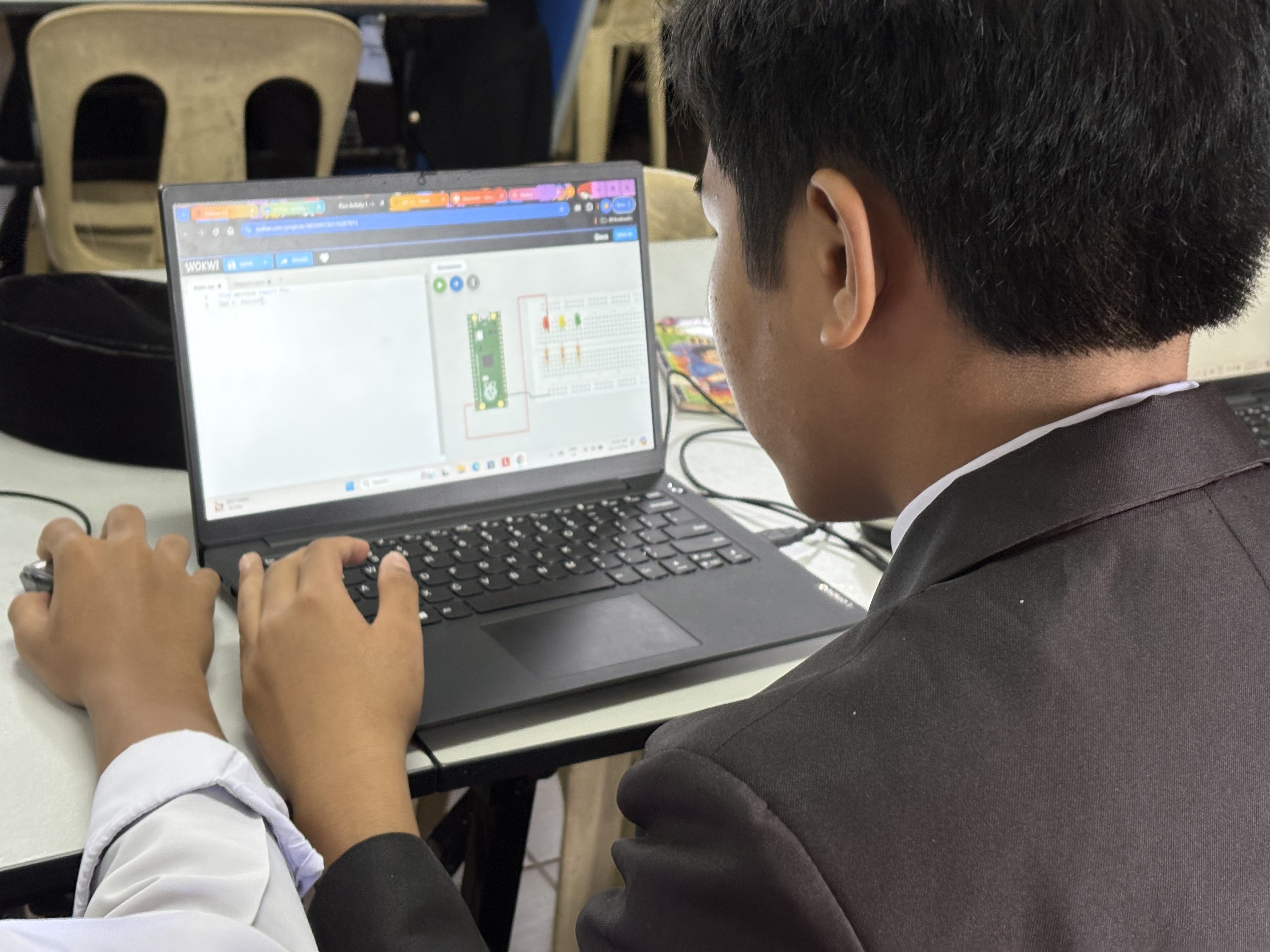
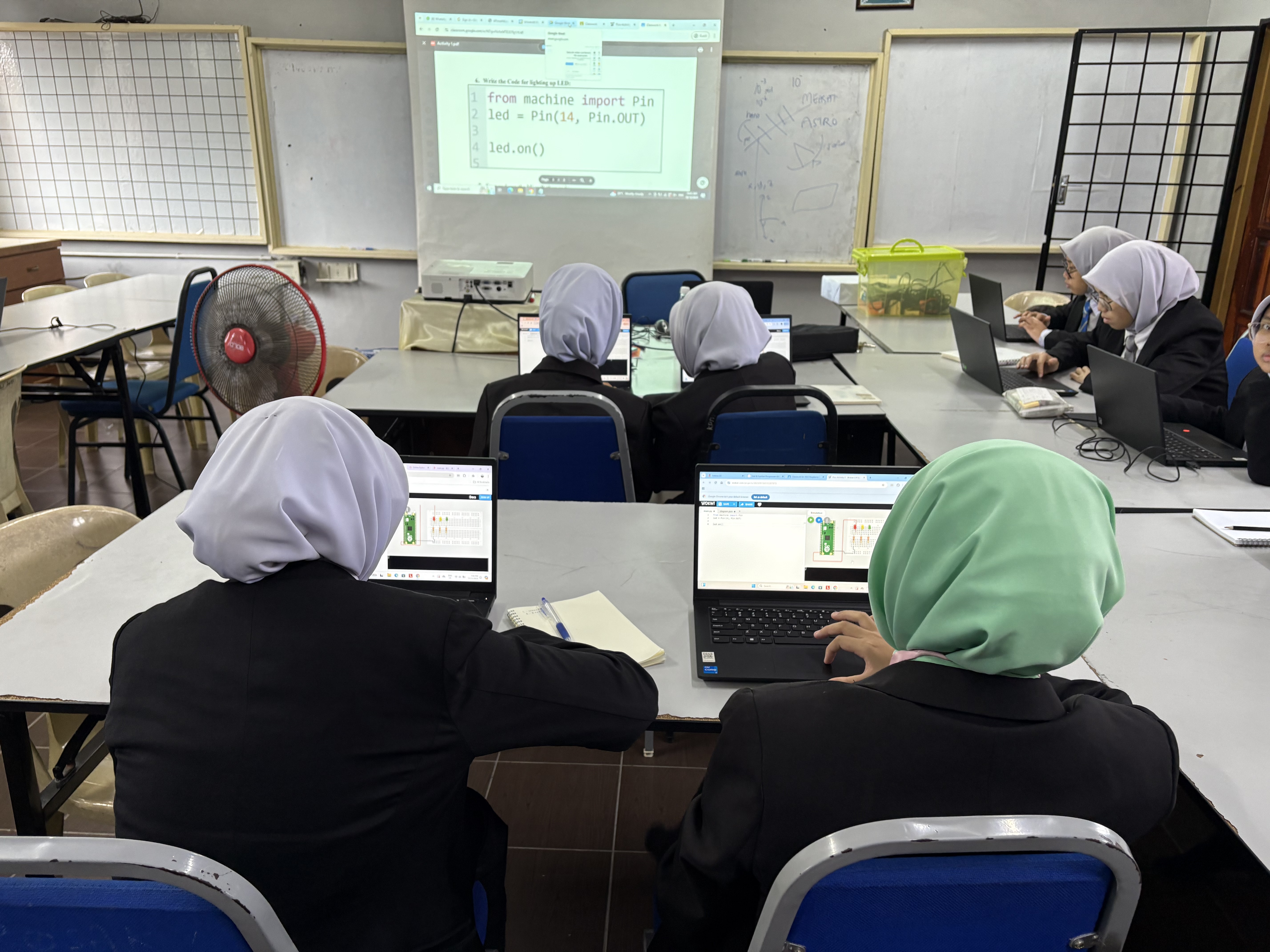
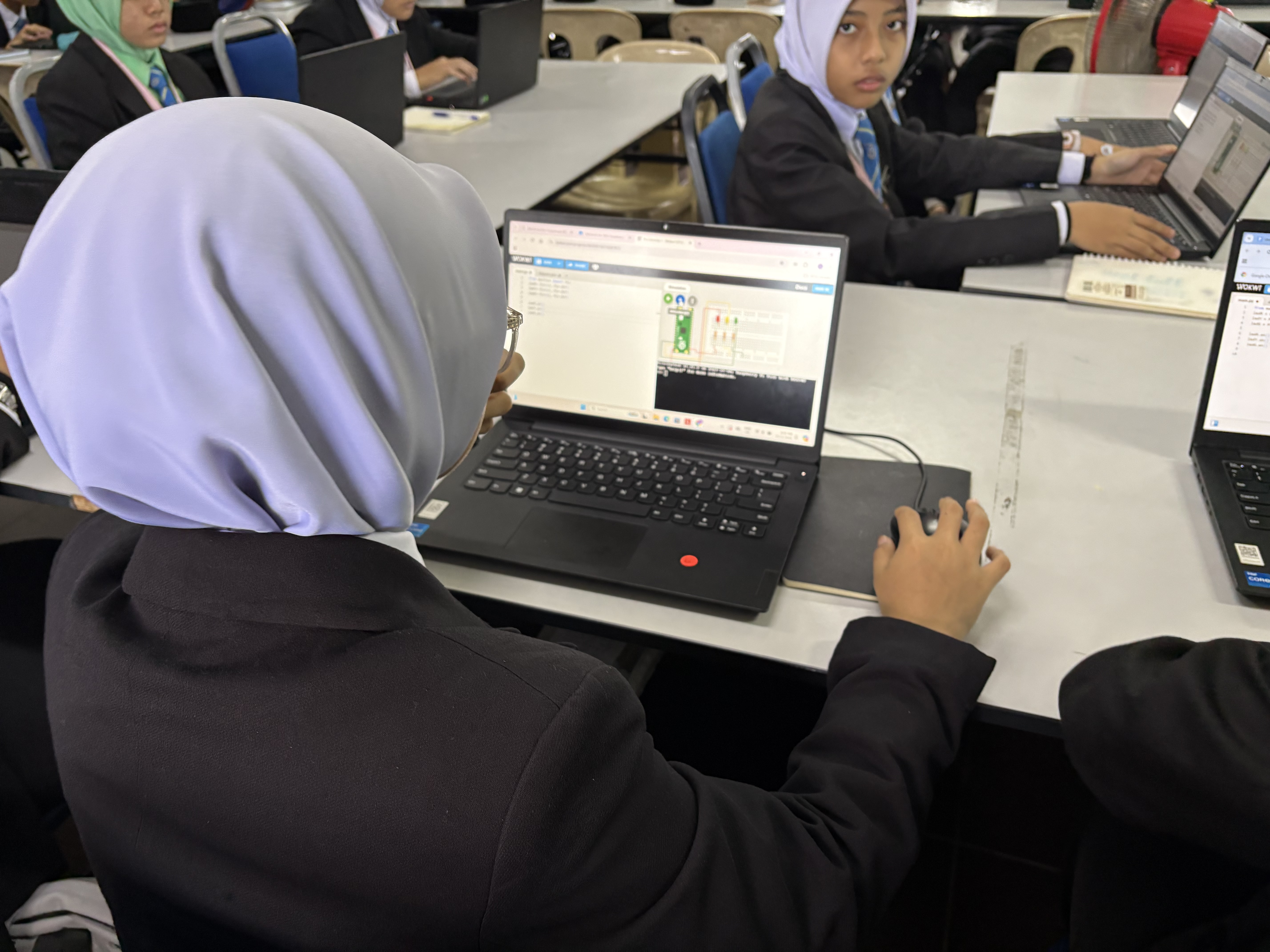
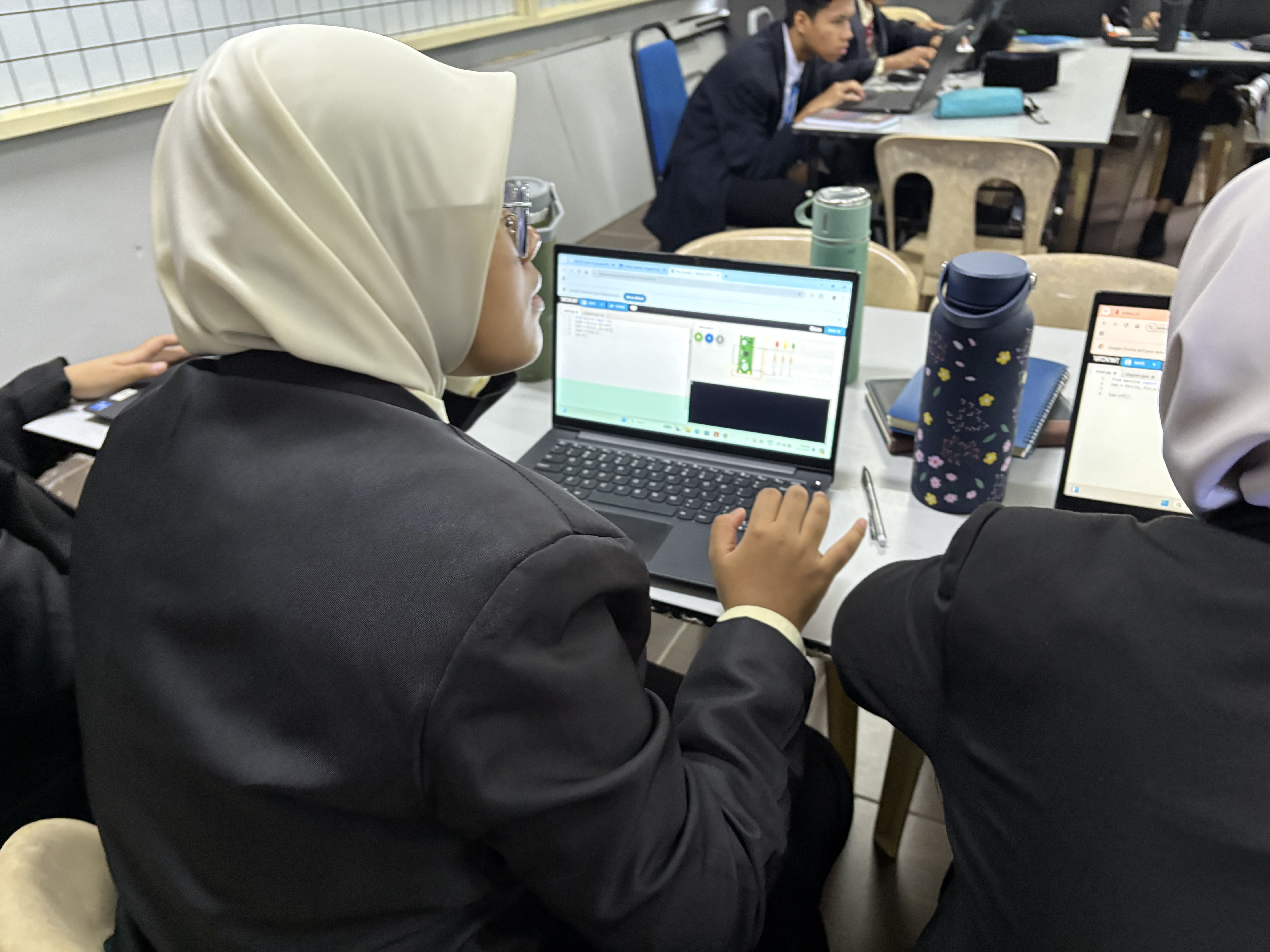
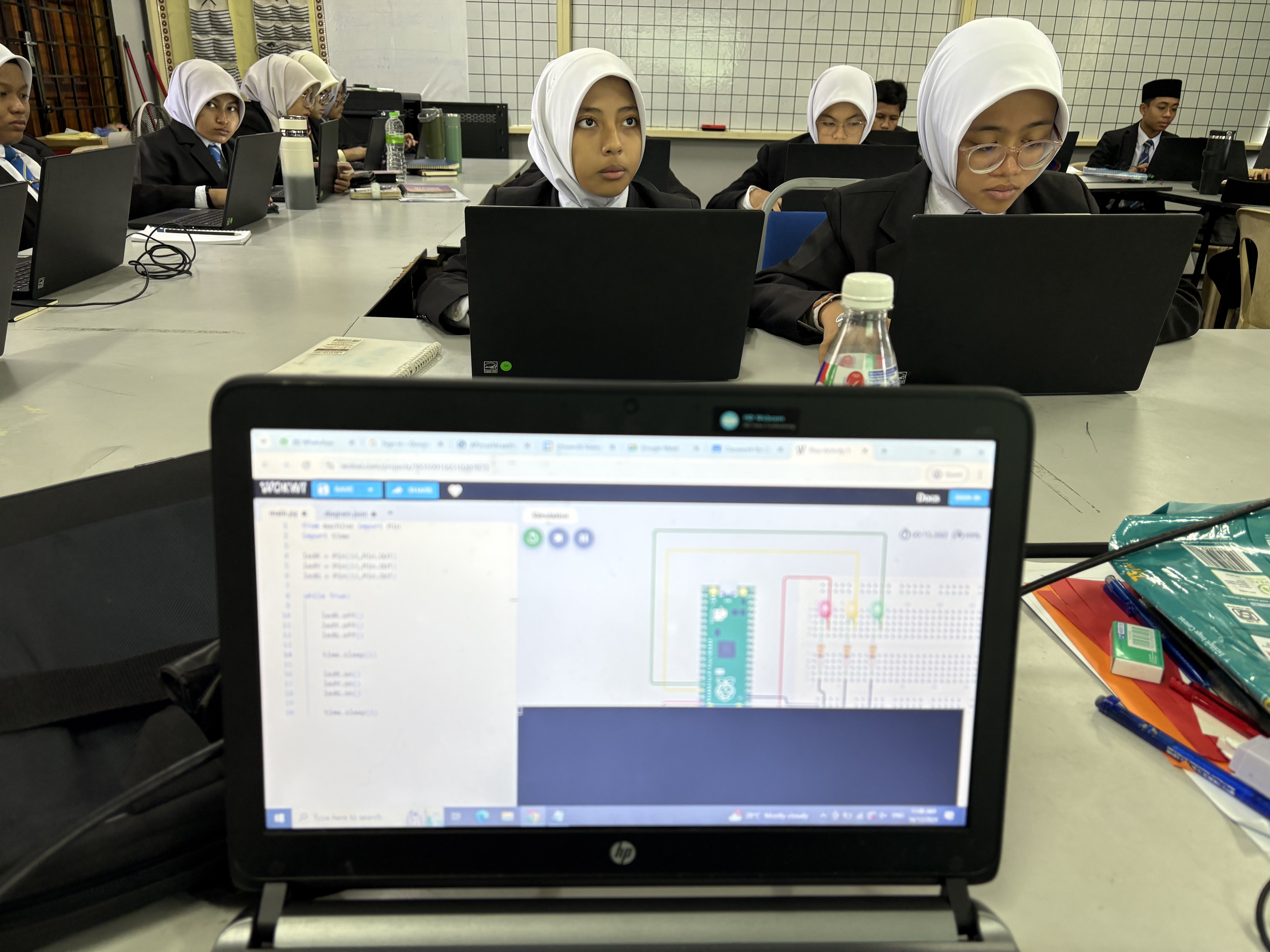
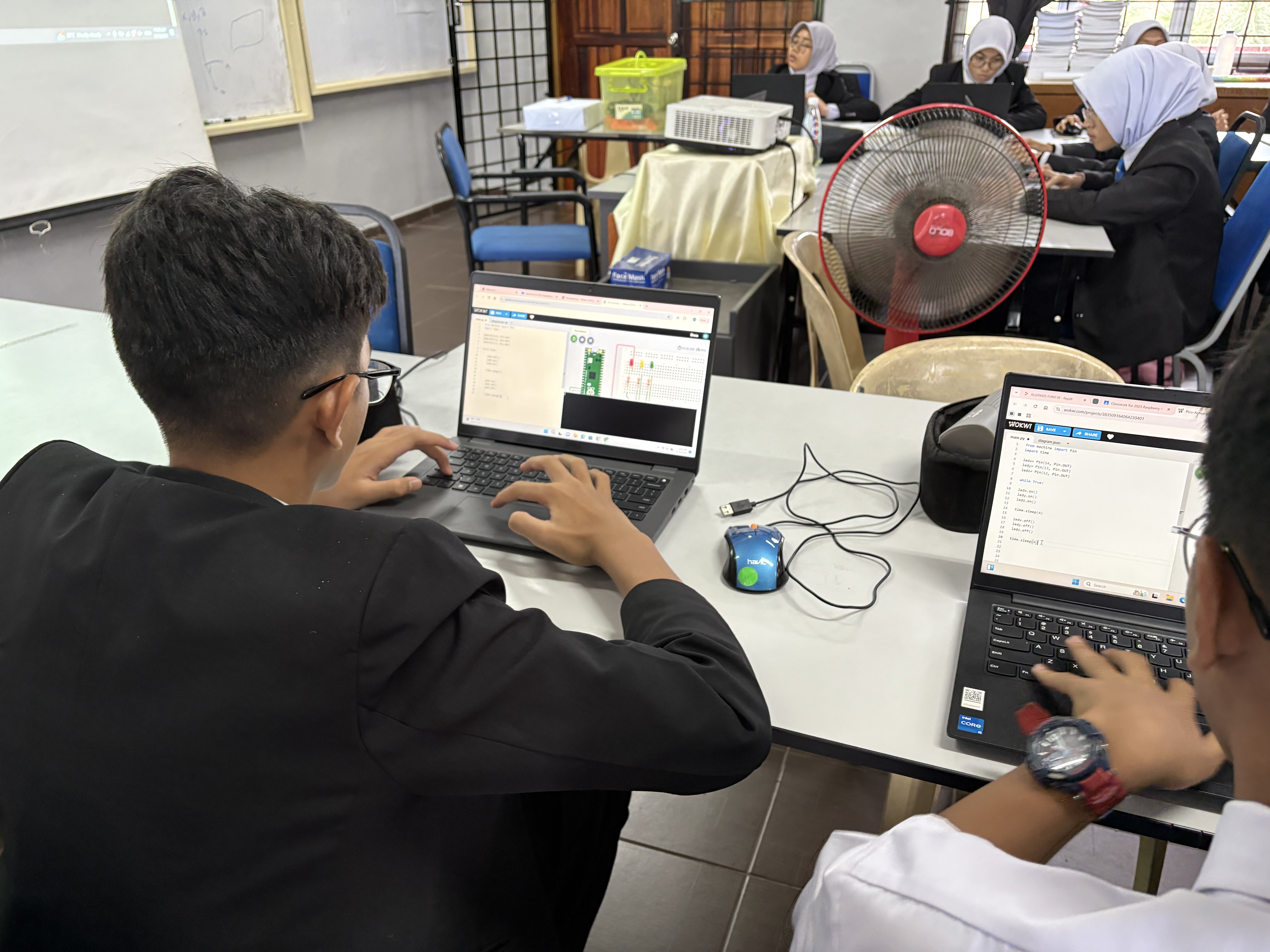
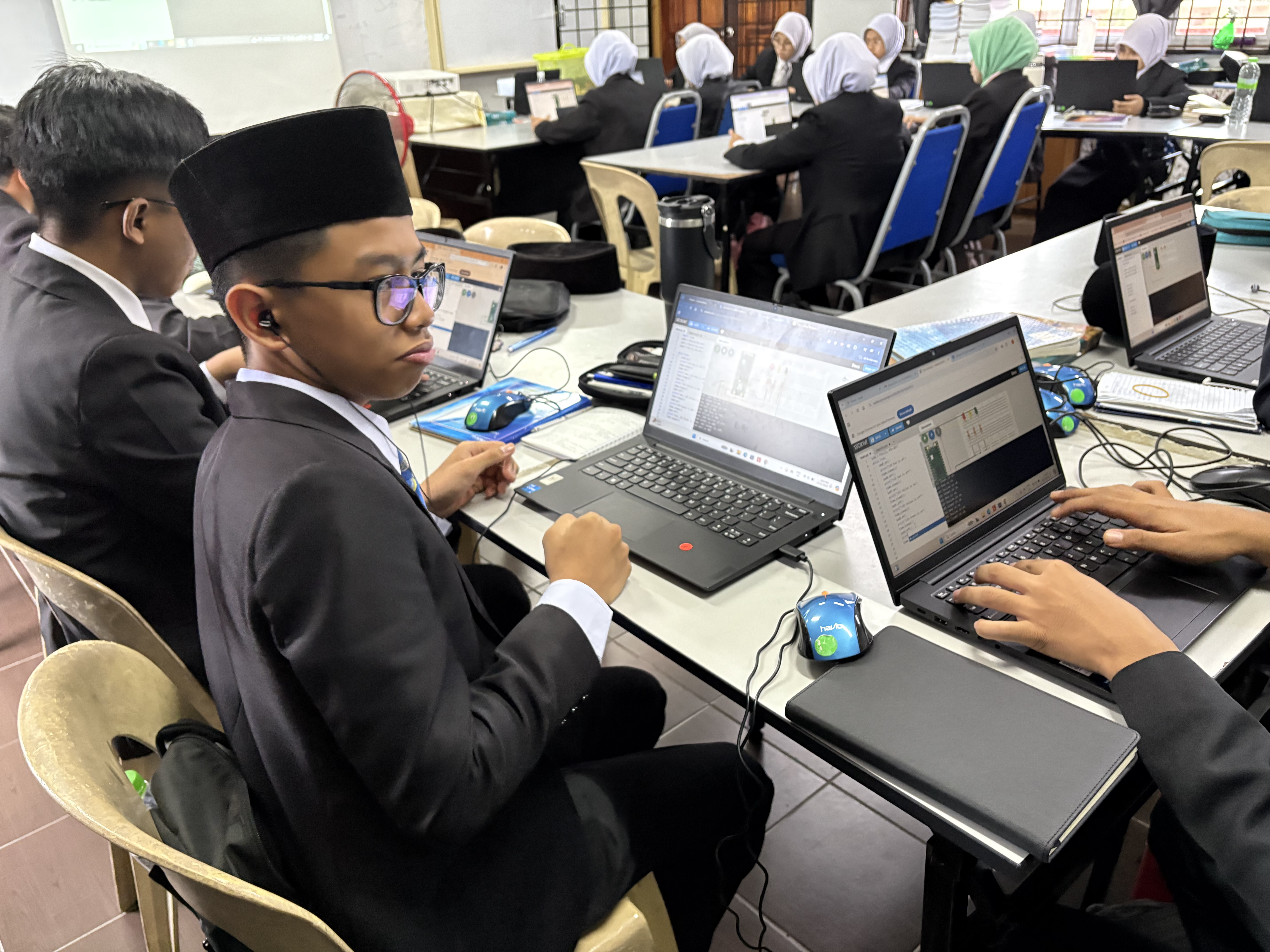
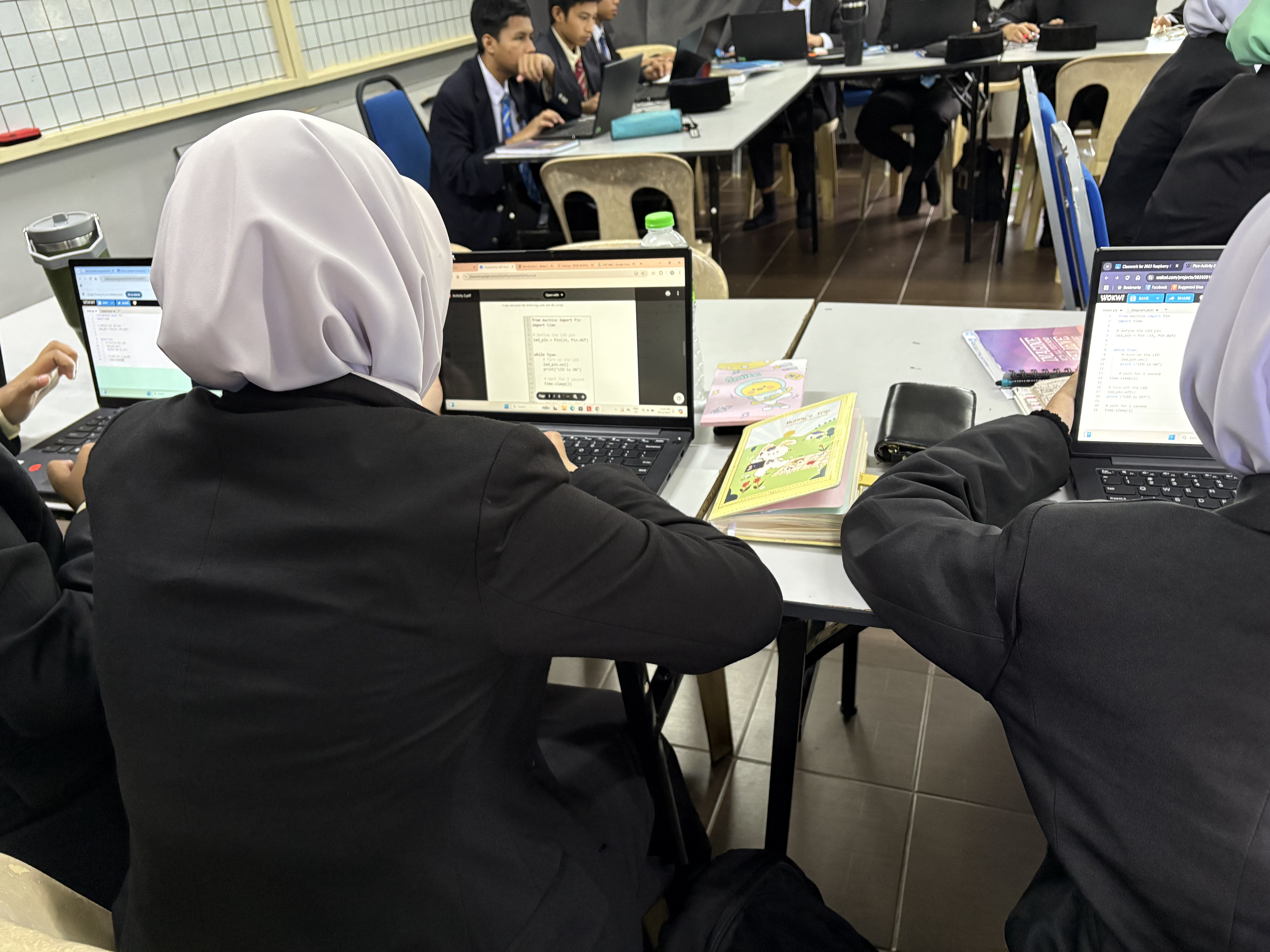

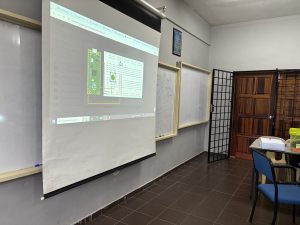
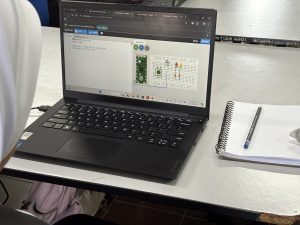
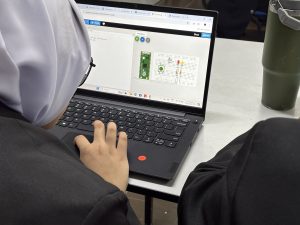

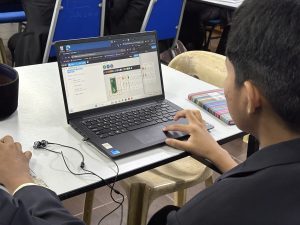
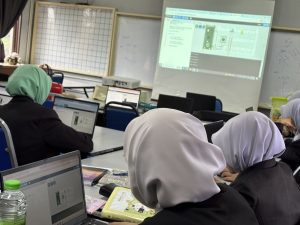
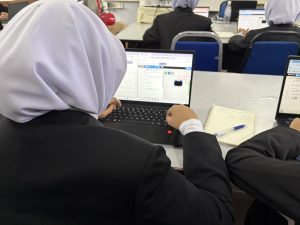
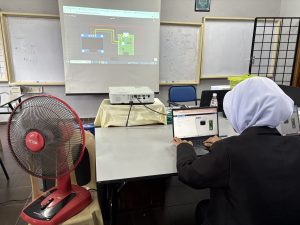
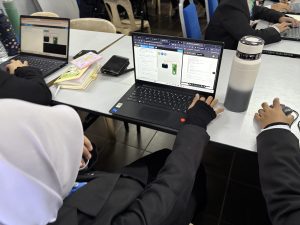
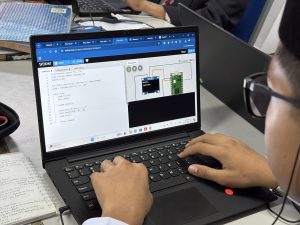
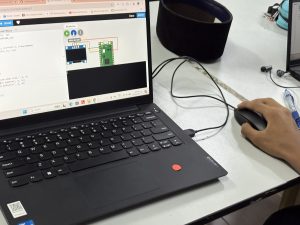
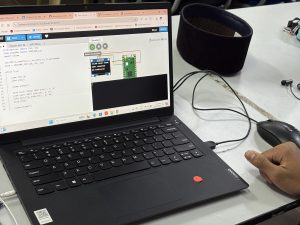

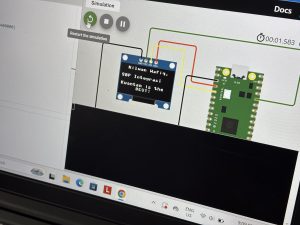
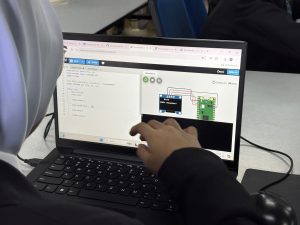
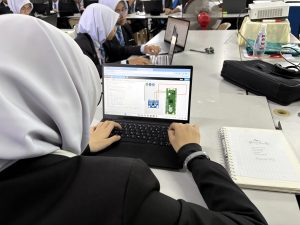
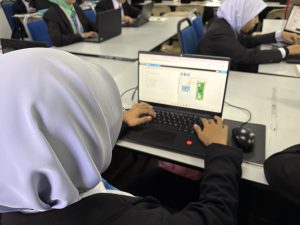

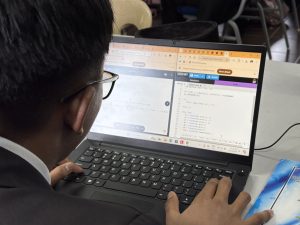
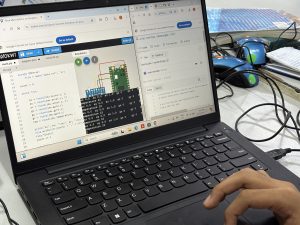

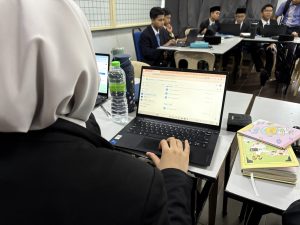
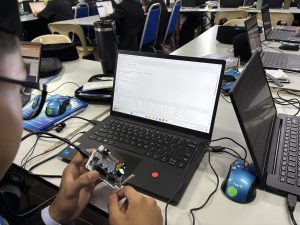
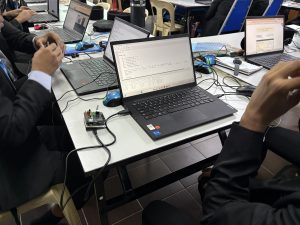
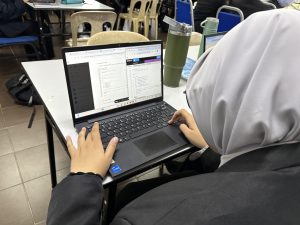


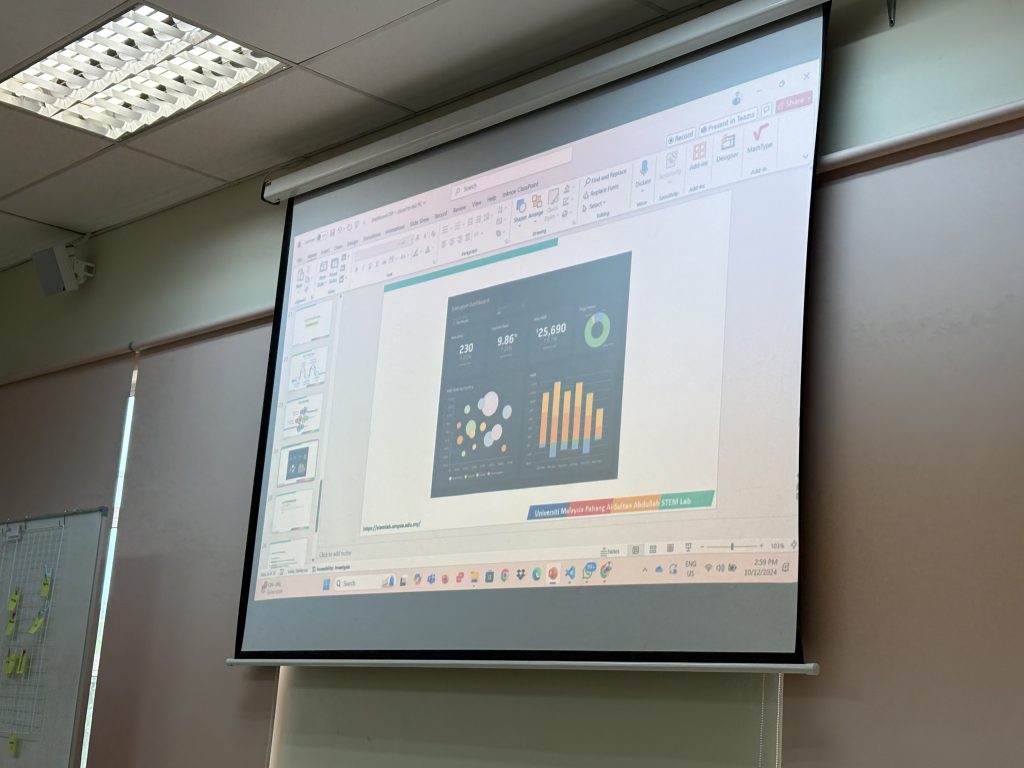
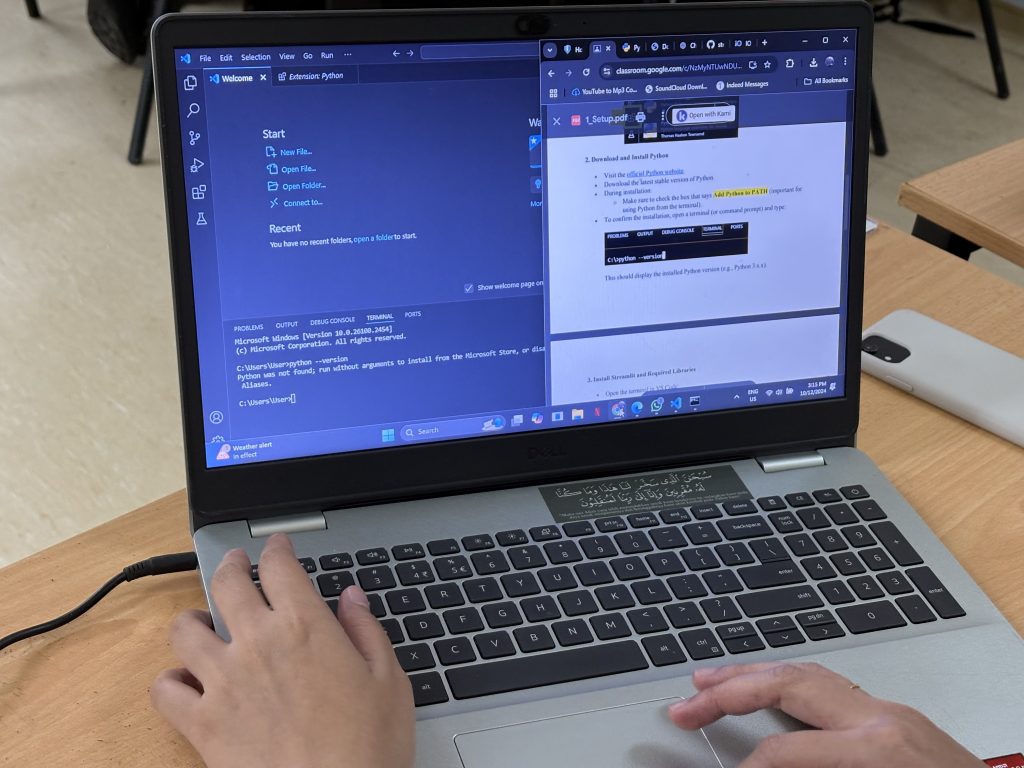
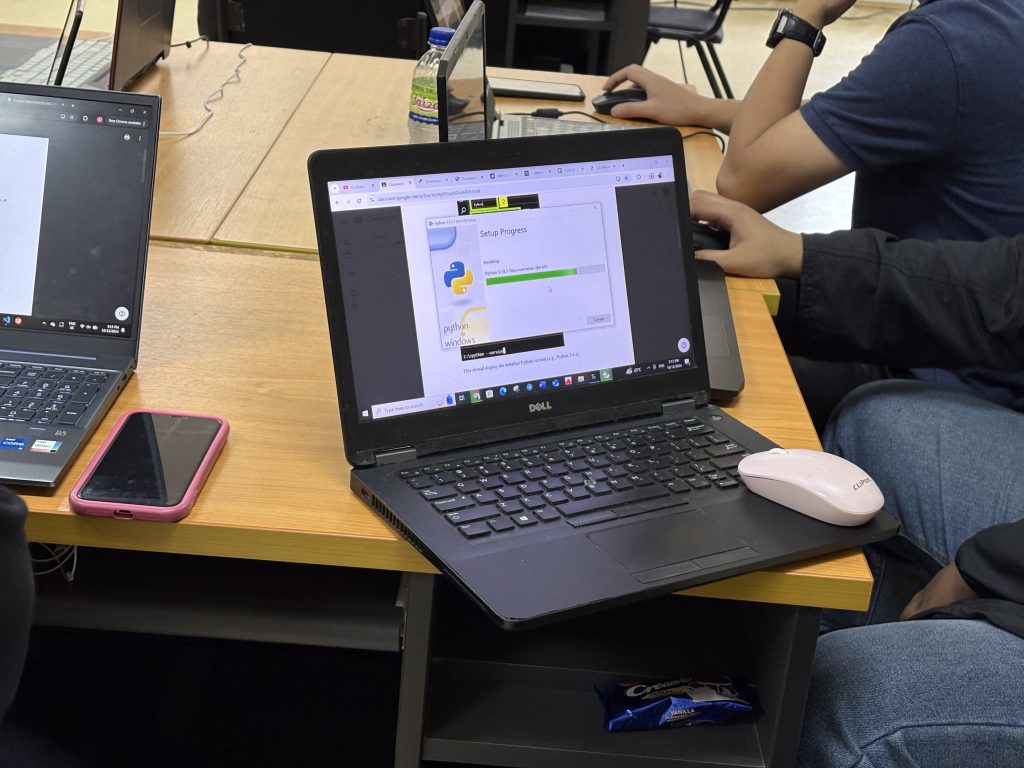
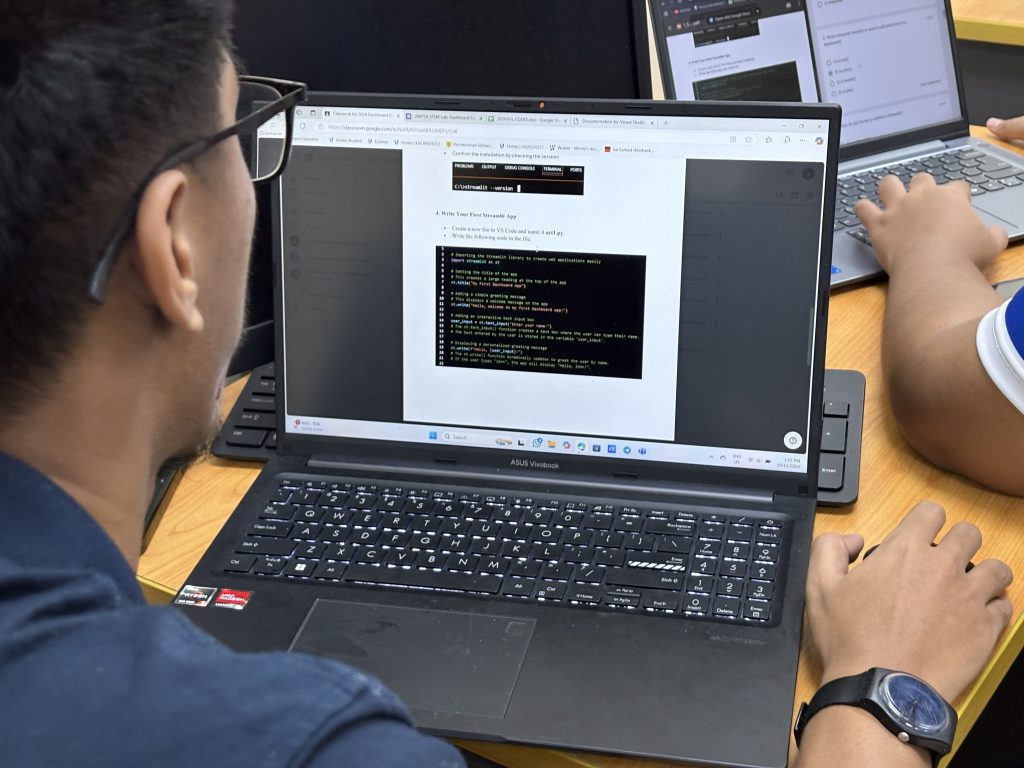
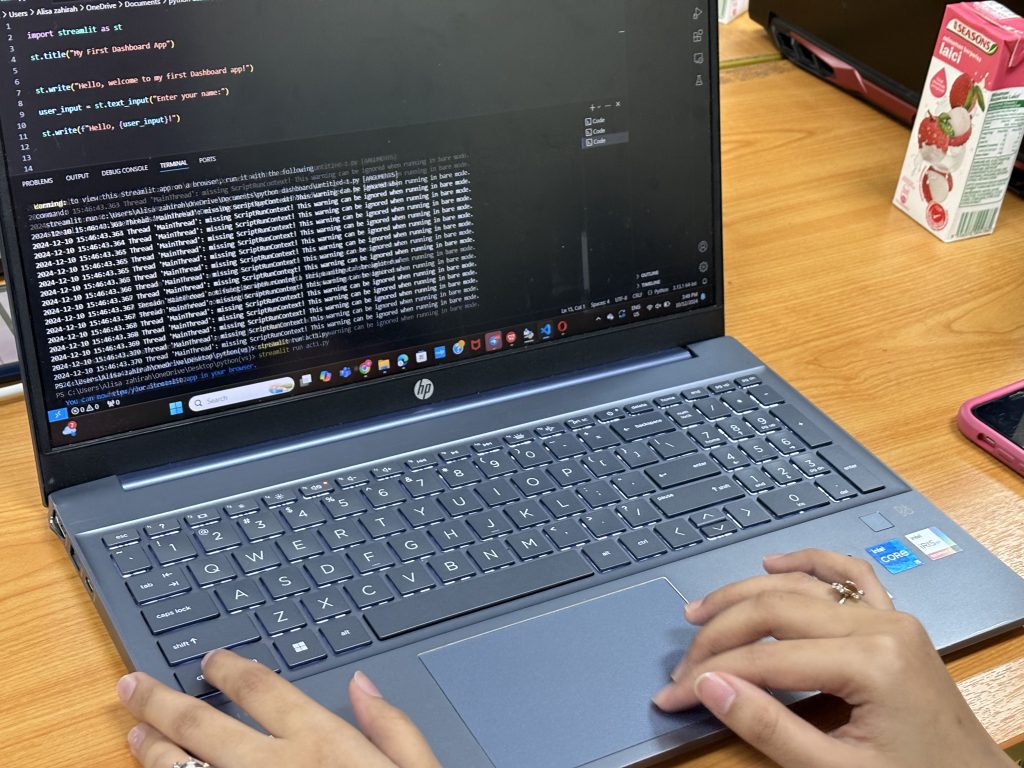
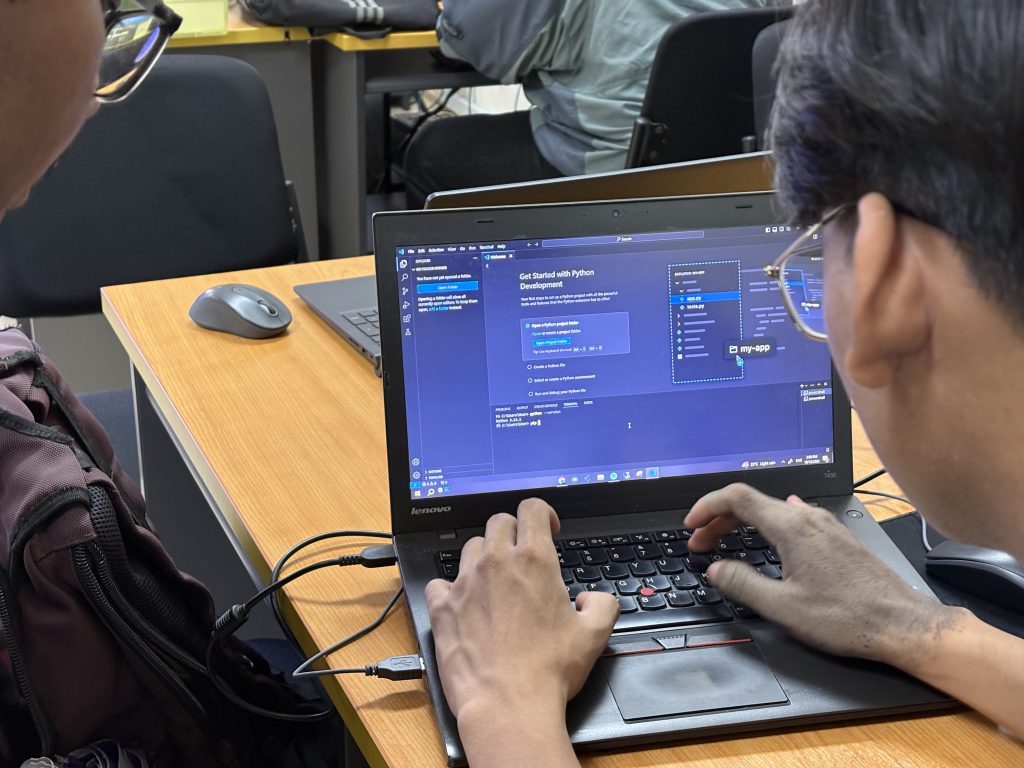
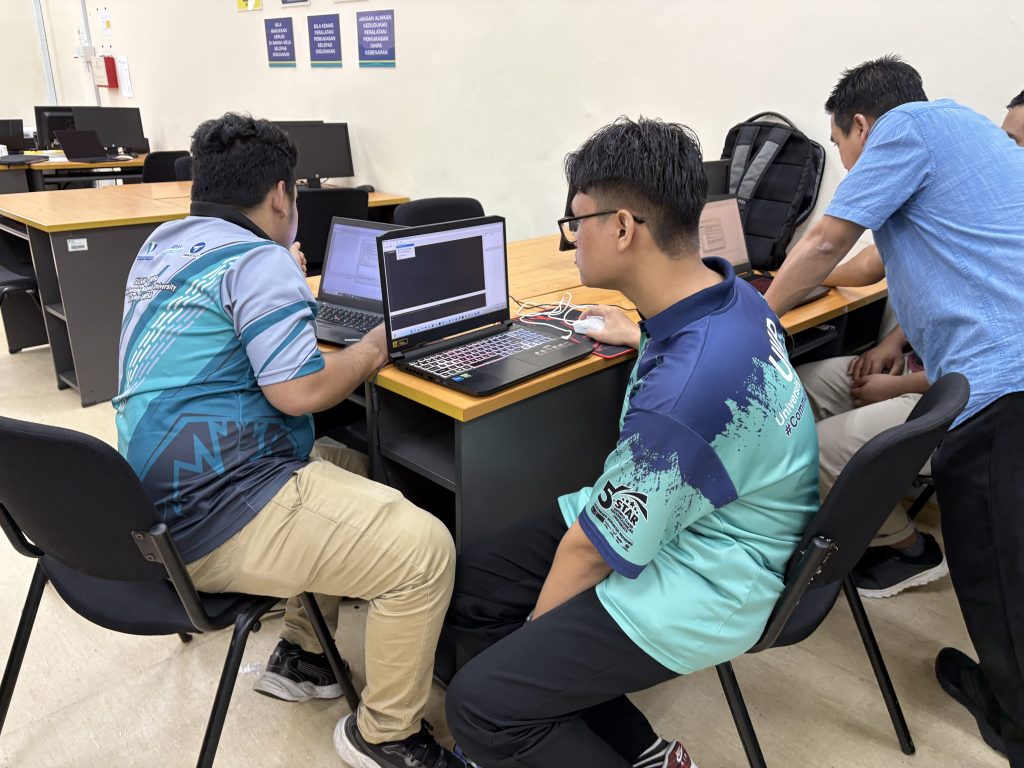
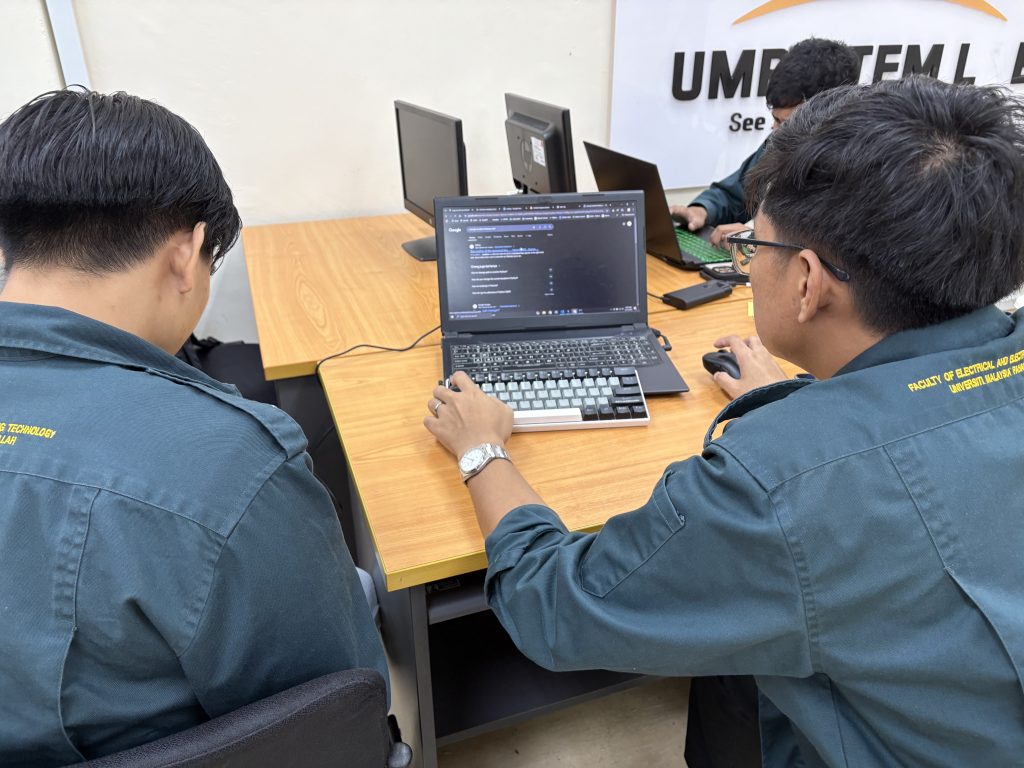
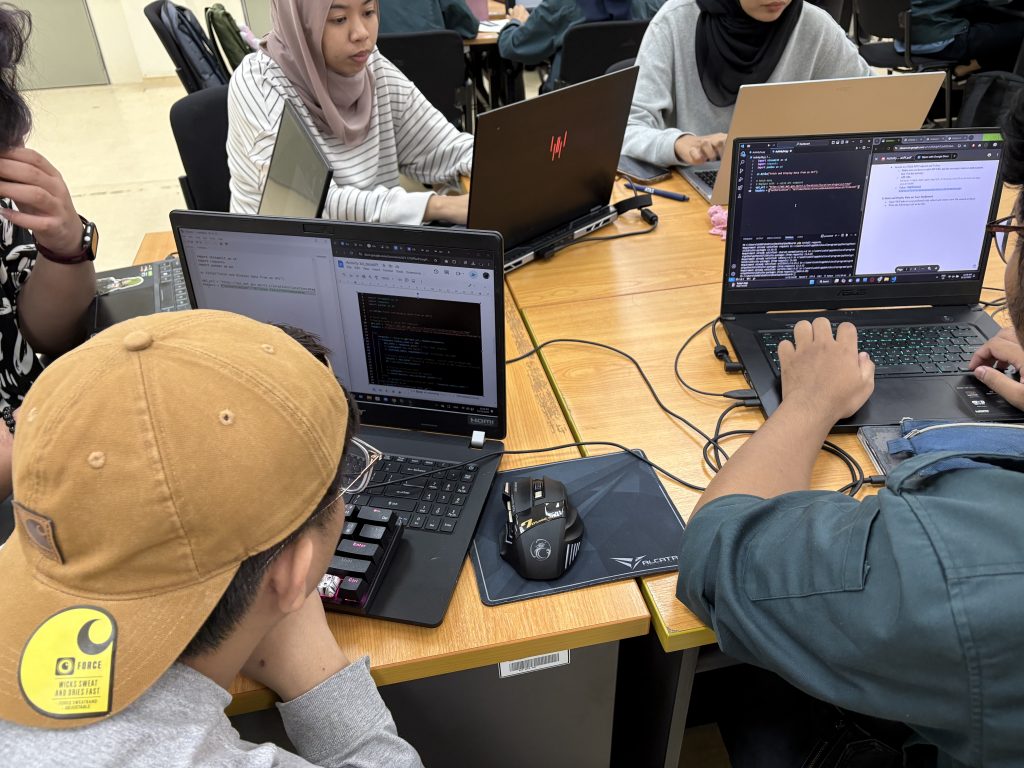
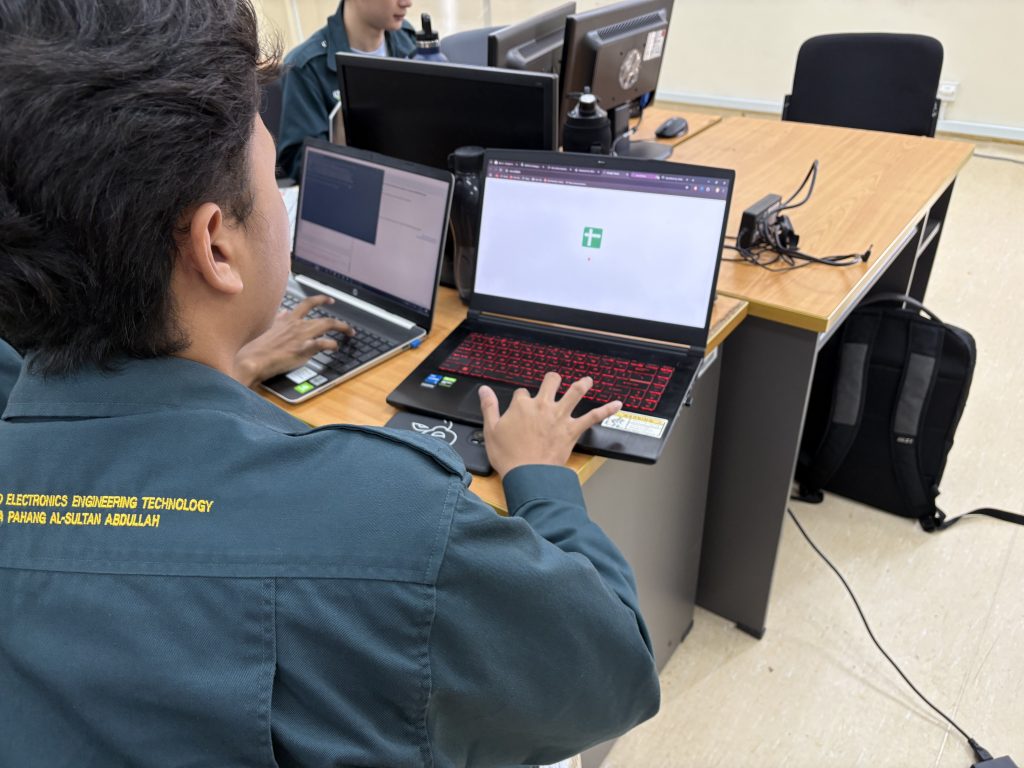
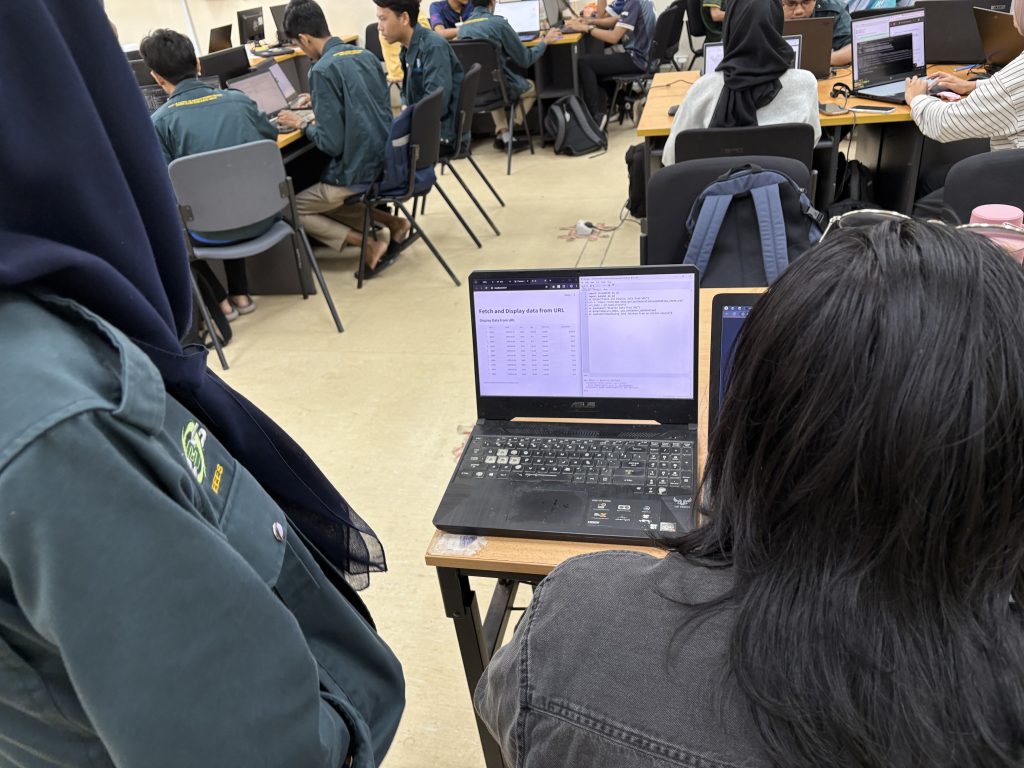
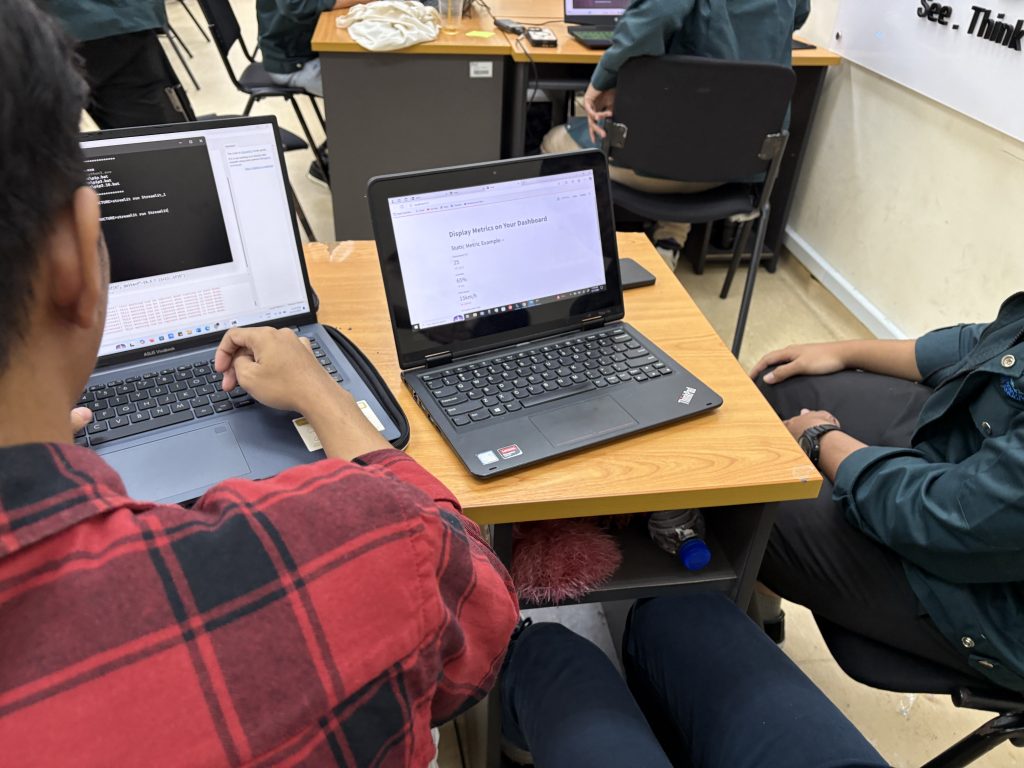
This week we ventured beyond traditional activities to integrate dashboard development. Building on earlier exercises involving Raspberry Pi for digital making and sensor control (Week 5 – 8), this module introduces students to creating interactive and visually appealing dashboards using Python and Streamlit. By learning how to design and deploy dashboards, students are able to … Continue reading “BTE1522 DRE2213 – Week 9 Dashboard Design”
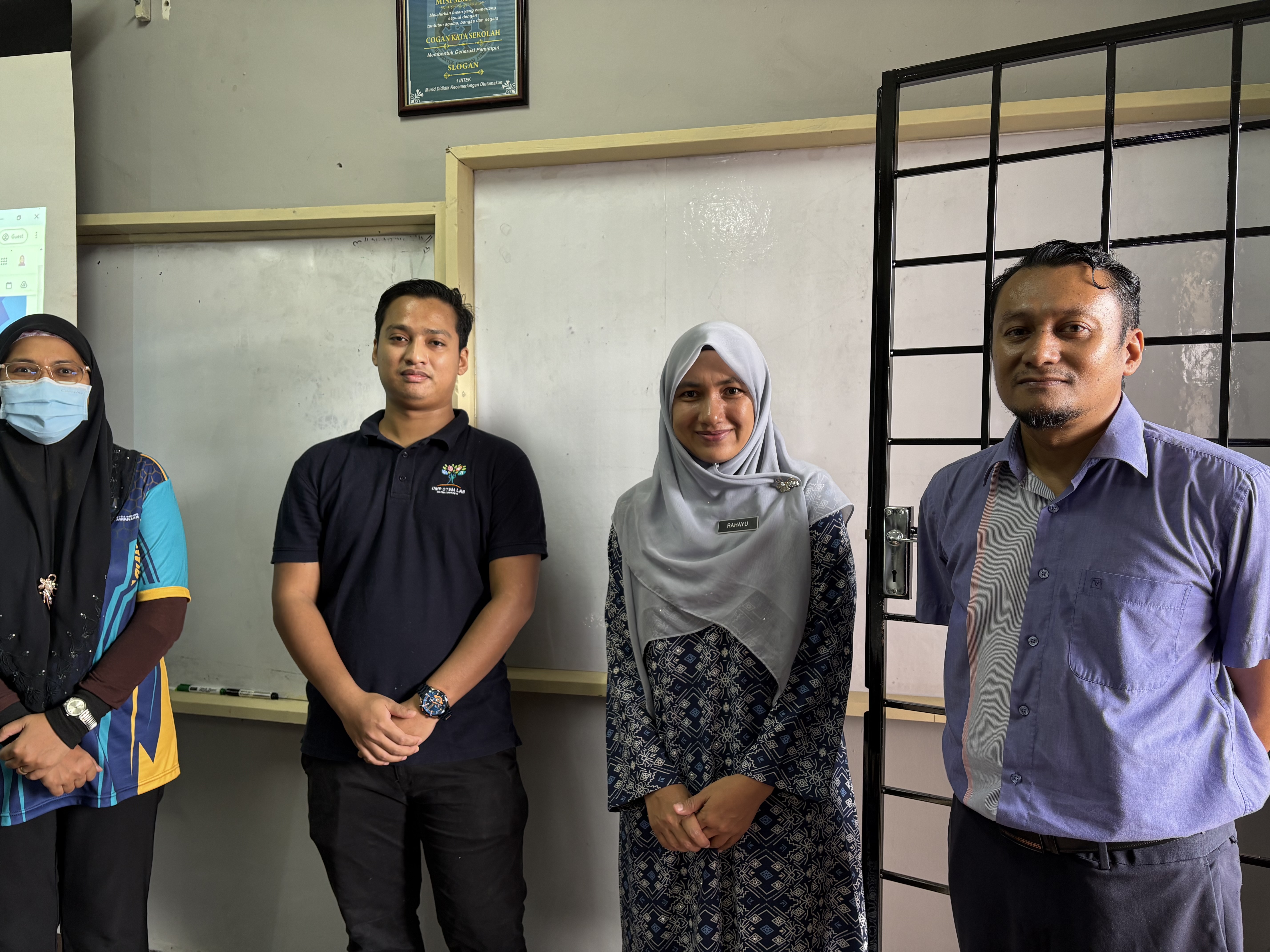
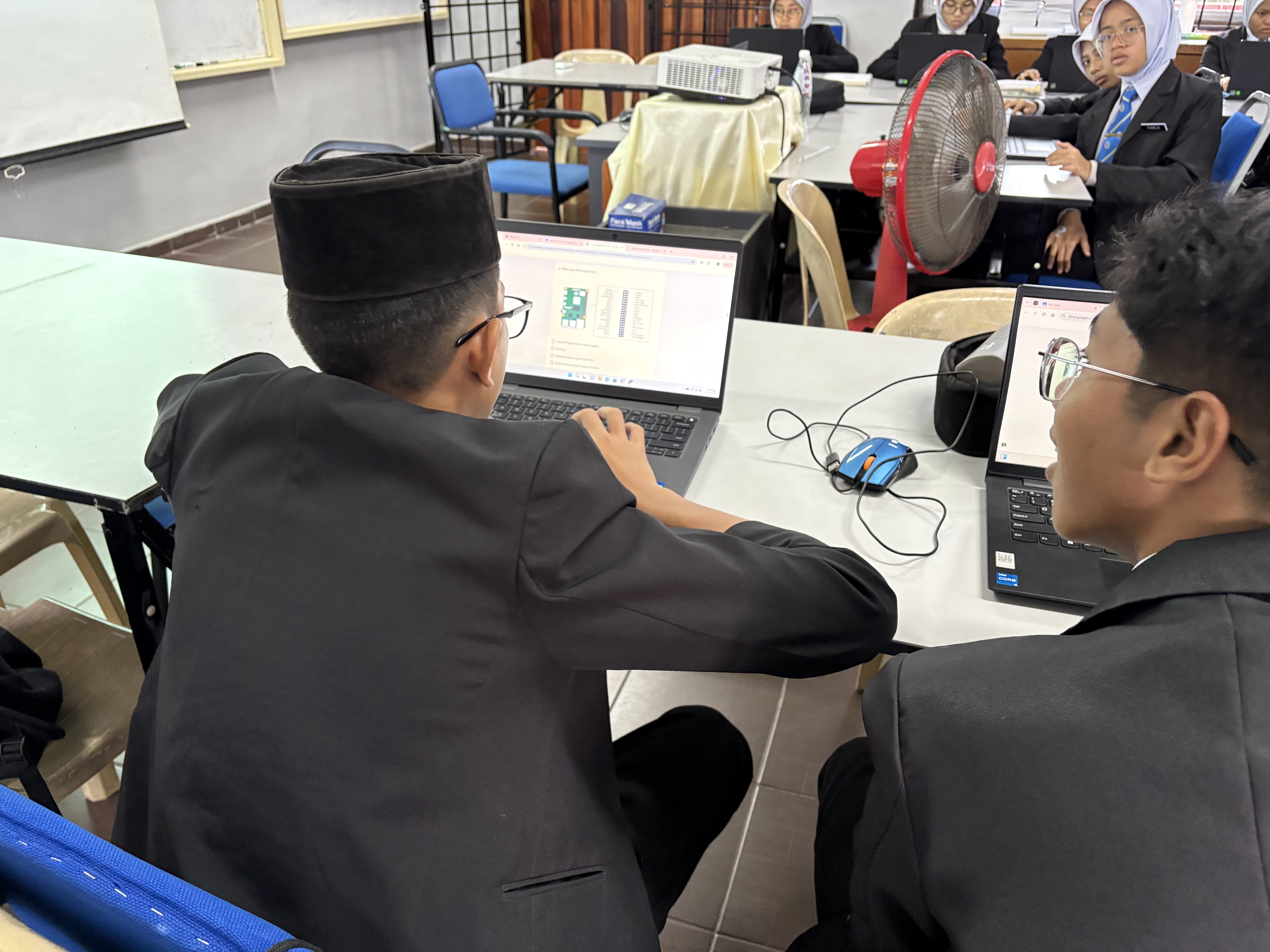
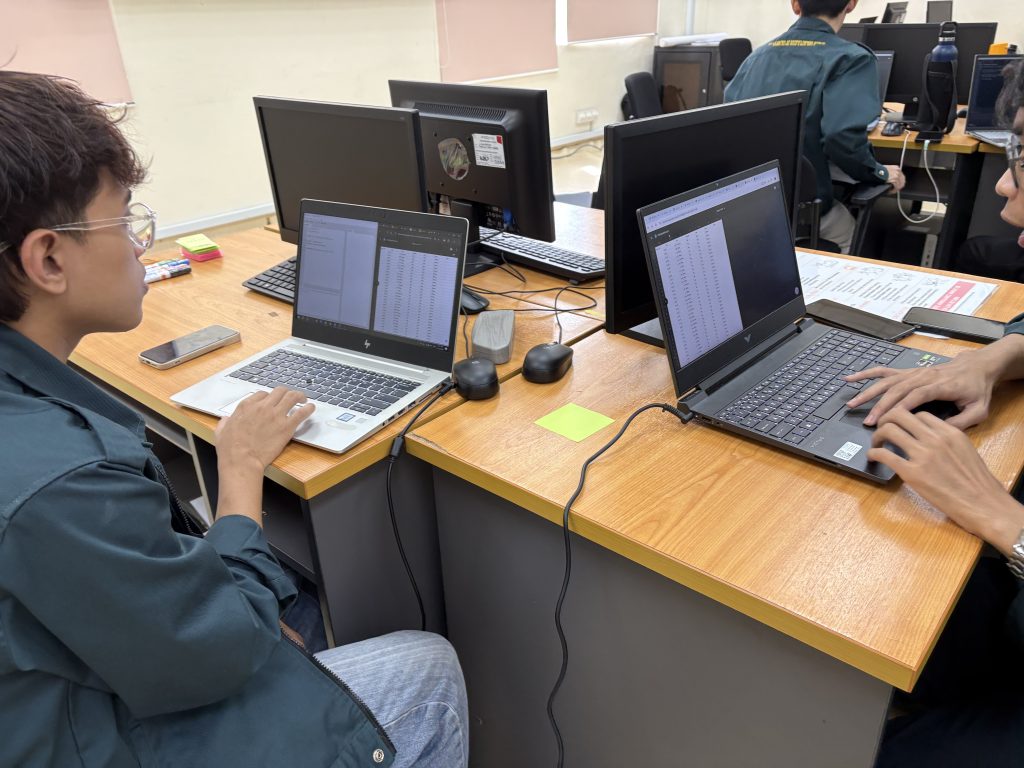
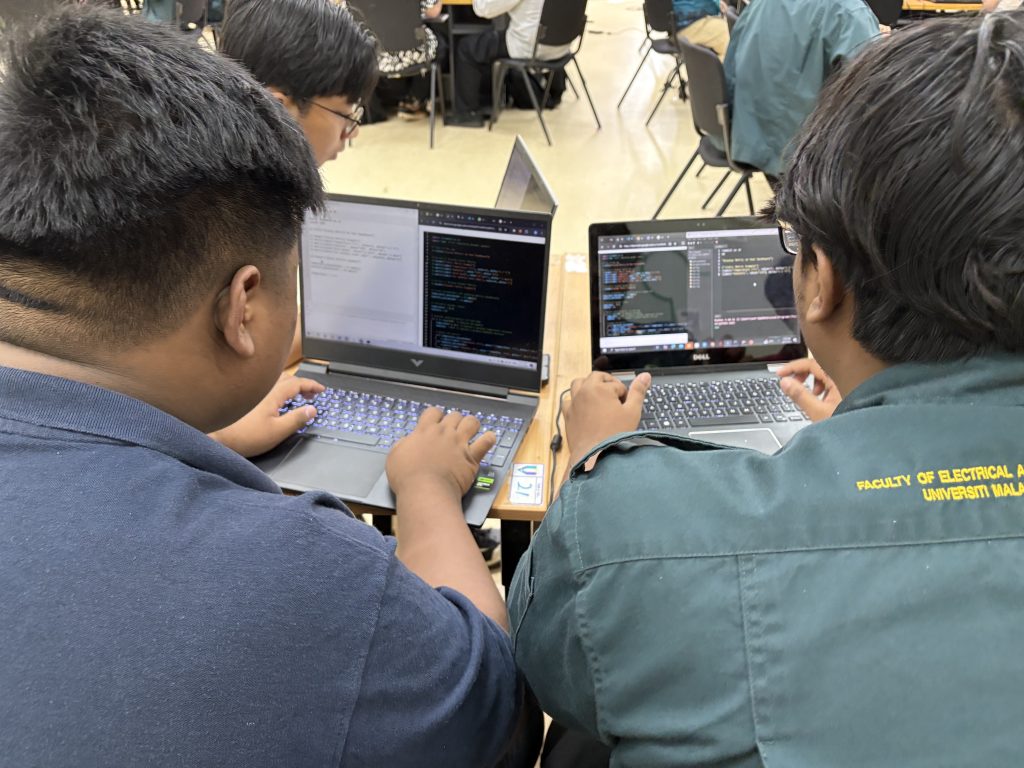
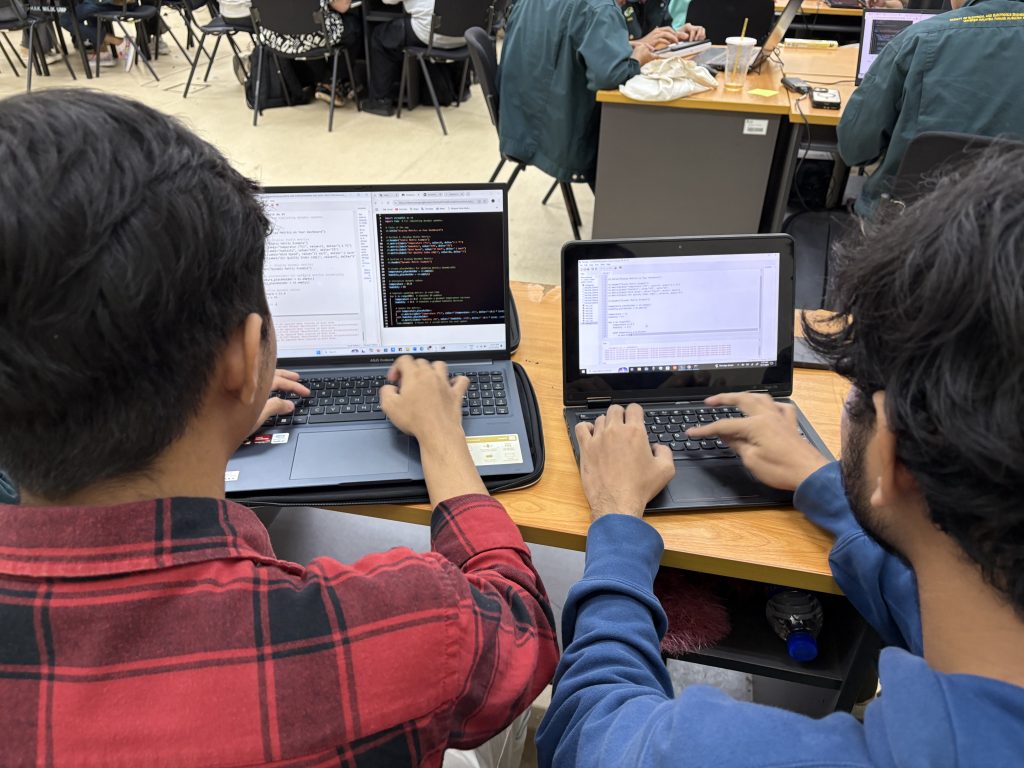
This week we ventured beyond traditional activities to integrate dashboard development. Building on earlier exercises involving Raspberry Pi for digital making and sensor control (Week 5 – 8), this module introduces students to creating interactive and visually appealing dashboards using Python and Streamlit.
By learning how to design and deploy dashboards, students are able to transform data into actionable insights, fostering creativity and problem-solving skills. This module highlights the potential of dashboards as versatile tools for displaying and interacting with data, especially in STEM-focused projects.
Bridging Digital Making and Dashboards
Earlier modules focused on digital making with Raspberry Pi, where students controlled sensors and engaged in hands-on programming. This practical experience focuses on understanding data collection and manipulation. The next logical step was to showcase this data meaningfully—enter dashboard development.
While third-party platforms like Blynk or Adafruit IO offer straightforward solutions for creating dashboards, their limitations in customization and scalability inspired us to introduce Streamlit. This open-source Python framework allows students to design dashboards with unmatched flexibility and creativity.
Activities in the Dashboard Development Module
Creative Potential with Streamlit
Streamlit’s ability to integrate seamlessly with Python makes it a good platform for fostering creativity. Students are no longer confined to pre-built templates, as they can create dashboards tailored to specific needs, whether it’s monitoring environmental sensors, visualizing IoT data, or developing educational tools.
For instance, a student could design a dashboard that tracks temperature and humidity data collected from Raspberry Pi sensors. The dashboard could display real-time graphs, provide historical comparisons, and even allow users to set alerts—all features that Blynk or Adafruit might limit due to platform constraints.
Expanding Horizons in STEM Education
This dashboard module aligns with the broader goal of empowering students to think critically and creatively in the digital age. By mastering tools like Streamlit, students can transition from passive consumers of technology to active creators, capable of solving real-world problems.
Dashboard development is more than just a technical skill – it’s a gateway to exploring how data shapes decisions in diverse fields, from agriculture to healthcare. Combined with their experience in digital making, students are well-equipped to lead the way in the era of IoT and data-driven solutions.
The integration of Streamlit in our educational modules bridges the gap between data collection and presentation, offering students the tools to develop bespoke dashboards. Unlike third-party platforms, Streamlit encourages limitless creativity, making it the ideal choice for empowering the next generation of innovators.
As you continue to explore these capabilities, take note on the impact of these creations can have—not just in the classroom but also in the communities and beyond. Through dashboard development, you’re not just learning coding; but also learning to turn ideas into impactful realities.
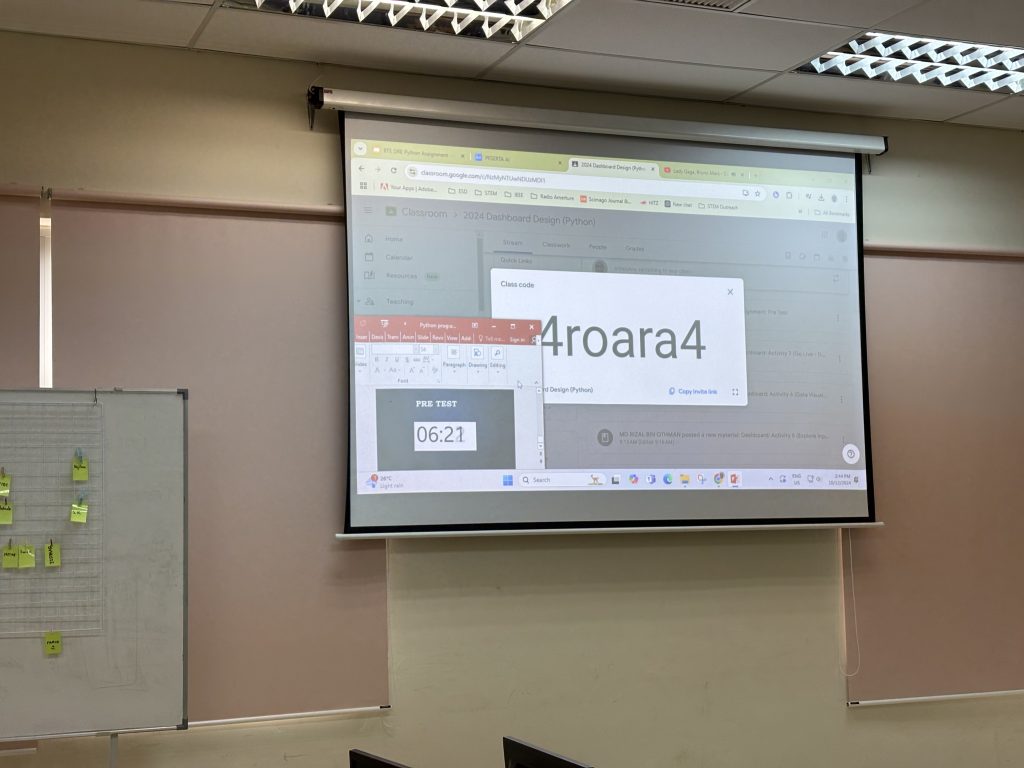
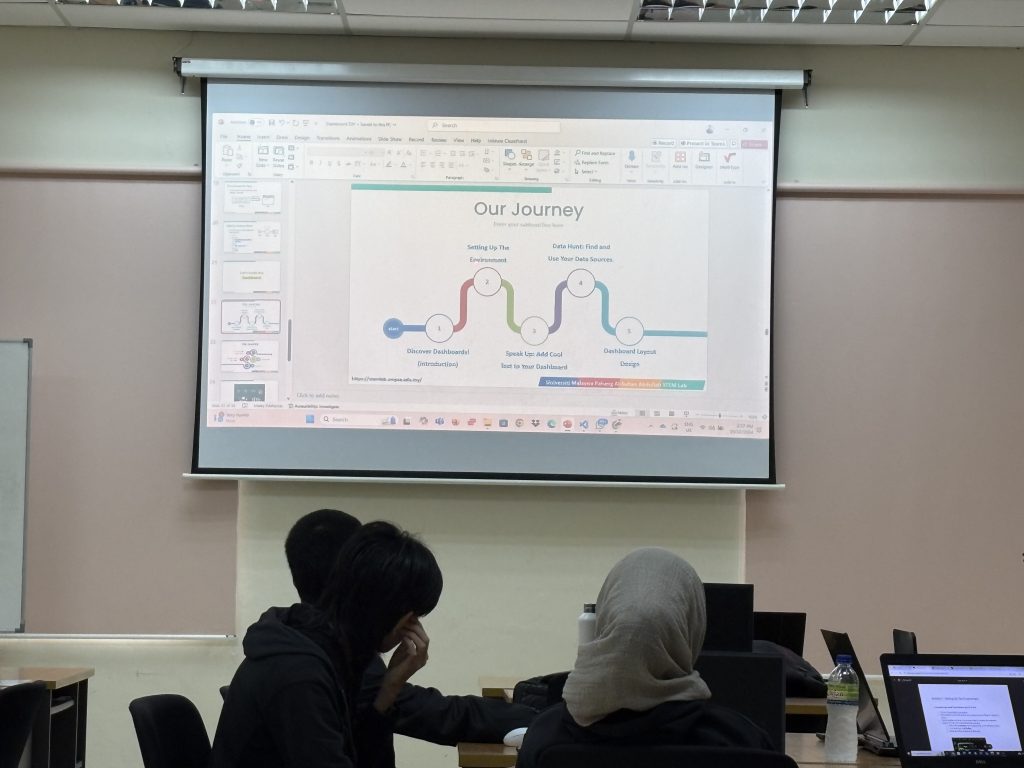
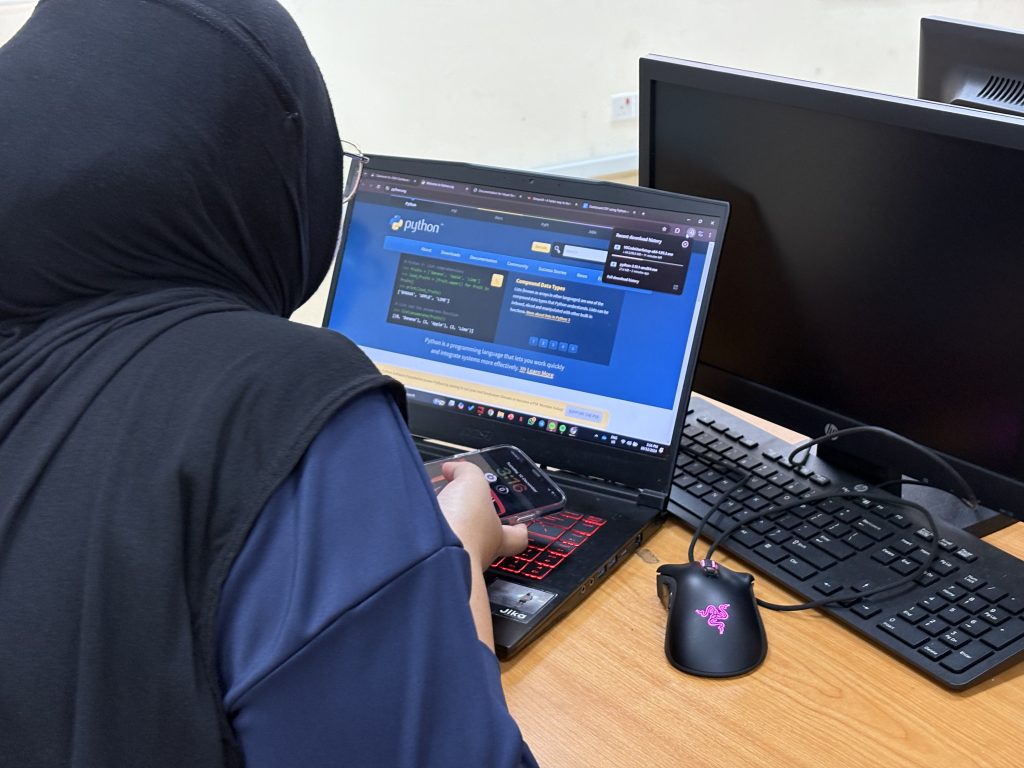
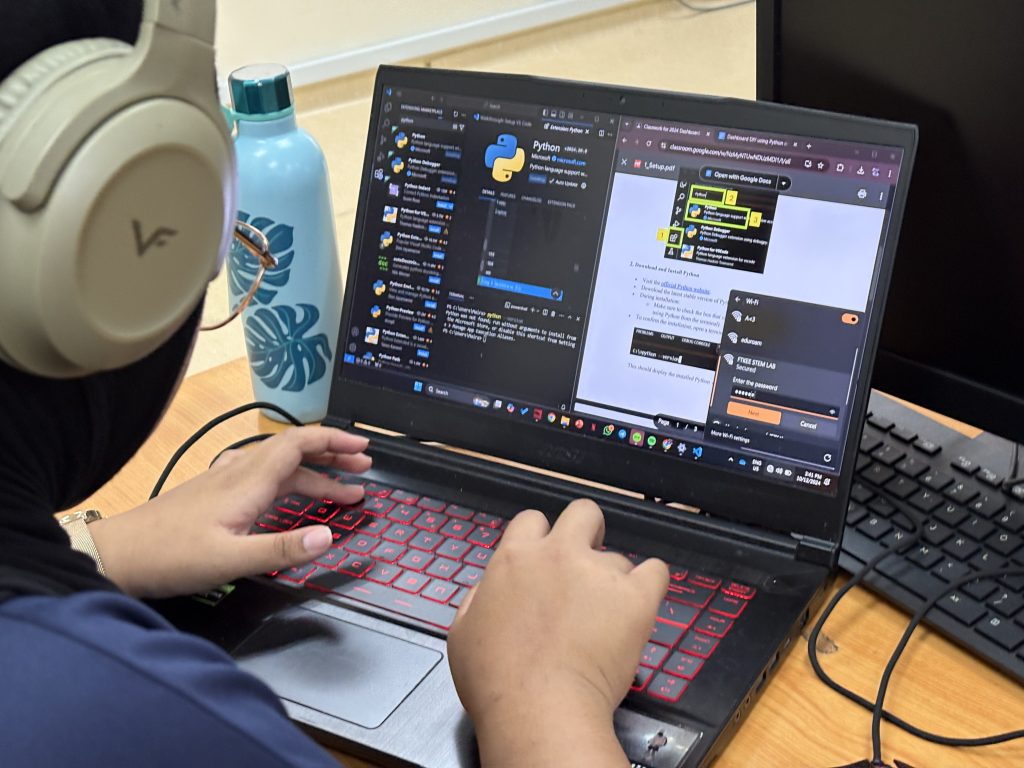
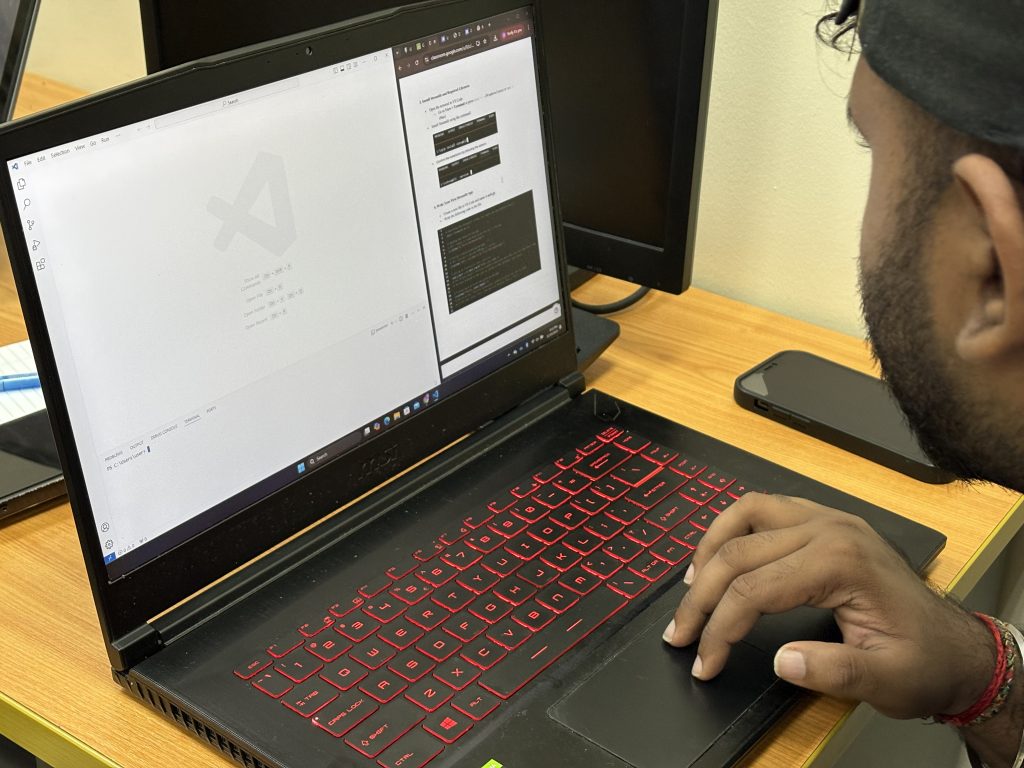
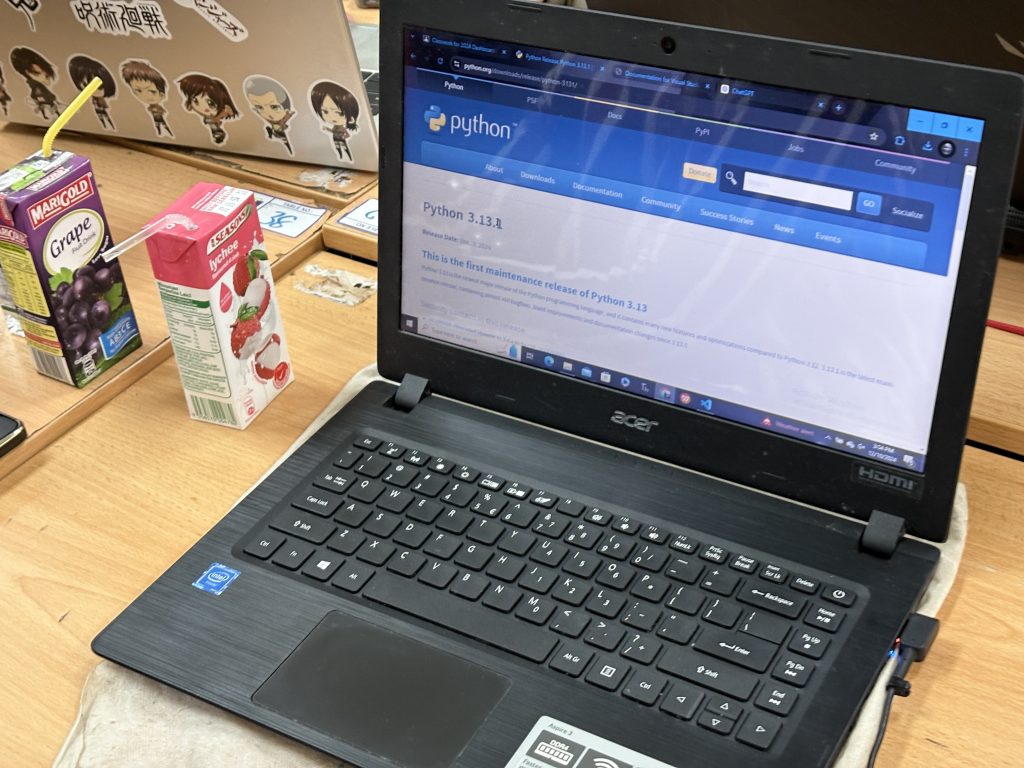
The Raspberry Pi is a versatile platform for learning, prototyping, and building solutions to real-world problems. These are 20 engaging project titles that you can choose for this semester. 3 students per group per title. Leverage the Raspberry Pi 4 or Raspberry Pi Pico in combination with sensors, LEDs, and camera modules. These projects not … Continue reading “BTE1522 DRE2213 – Week 10 – Project”


Submission Requirement