There is a photograph that I showed in today’s meeting — and before I get to the meeting, I need to tell you about the photograph. It was taken in Edinburgh in 2013. My daughter was small. We had stopped at a booth during the Edinburgh Science Festival — in a botanical garden, in the … Continue reading “The Culture That Stayed :)”
There is a photograph that I showed in today’s meeting — and before I get to the meeting, I need to tell you about the photograph.
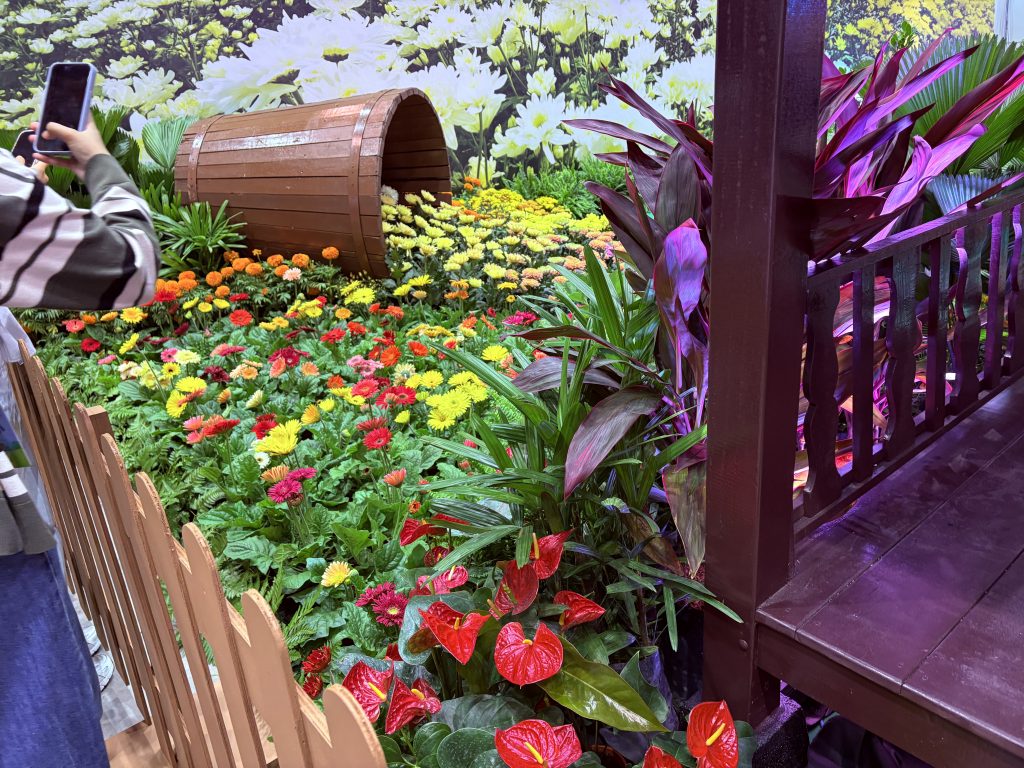
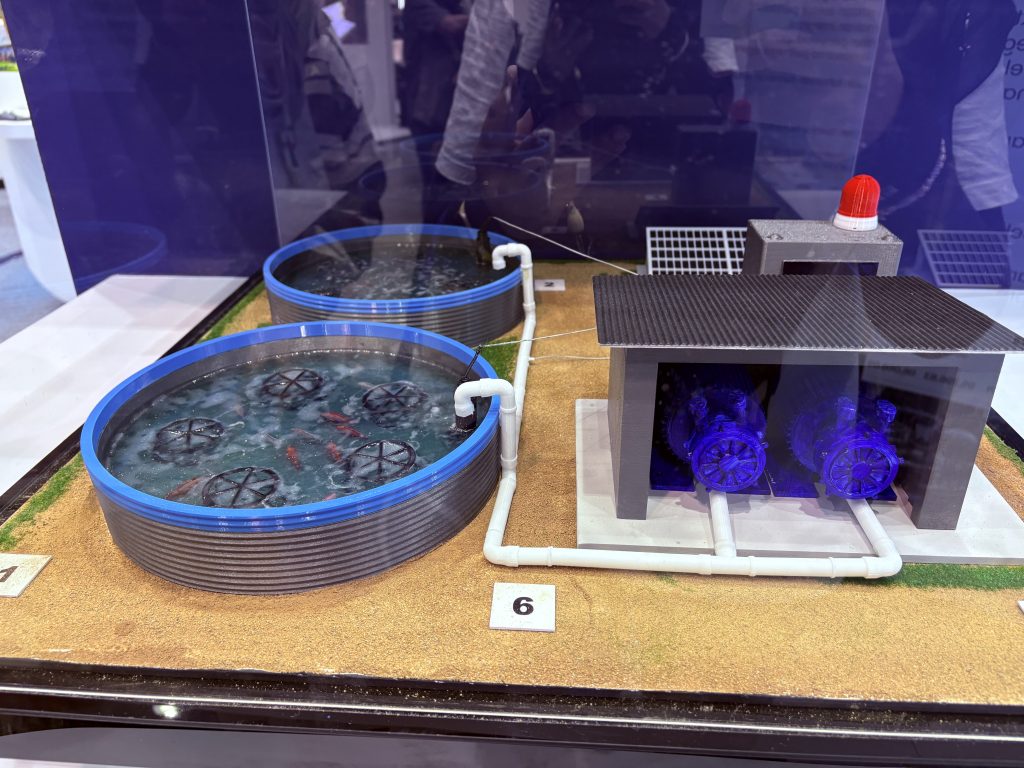
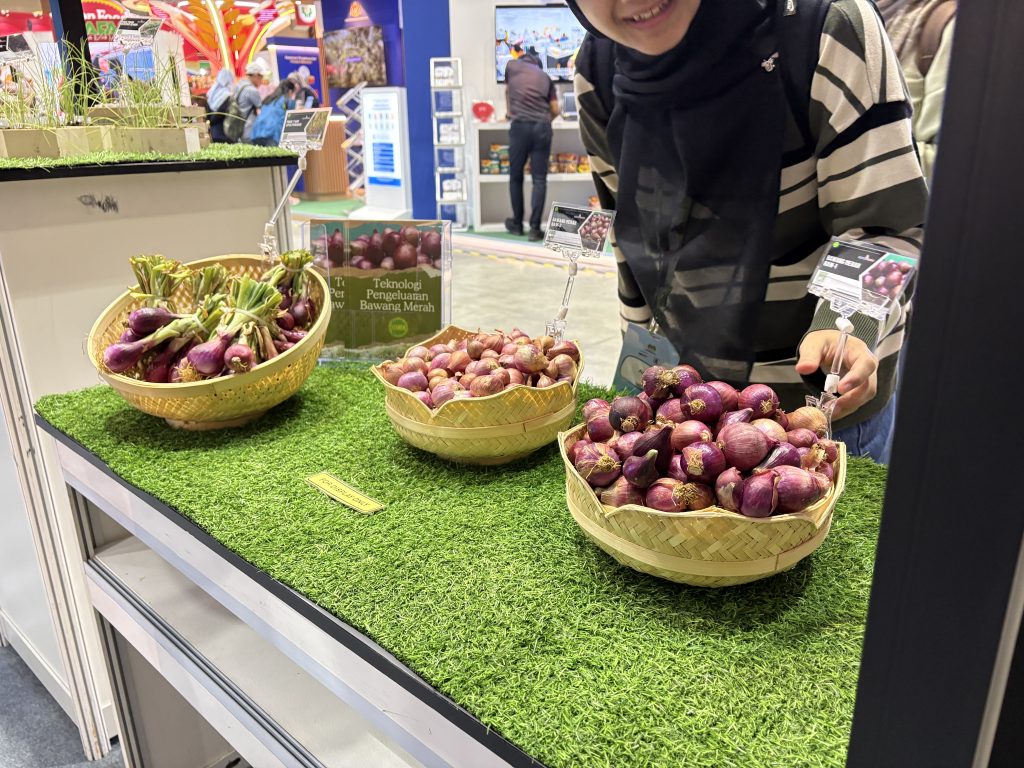
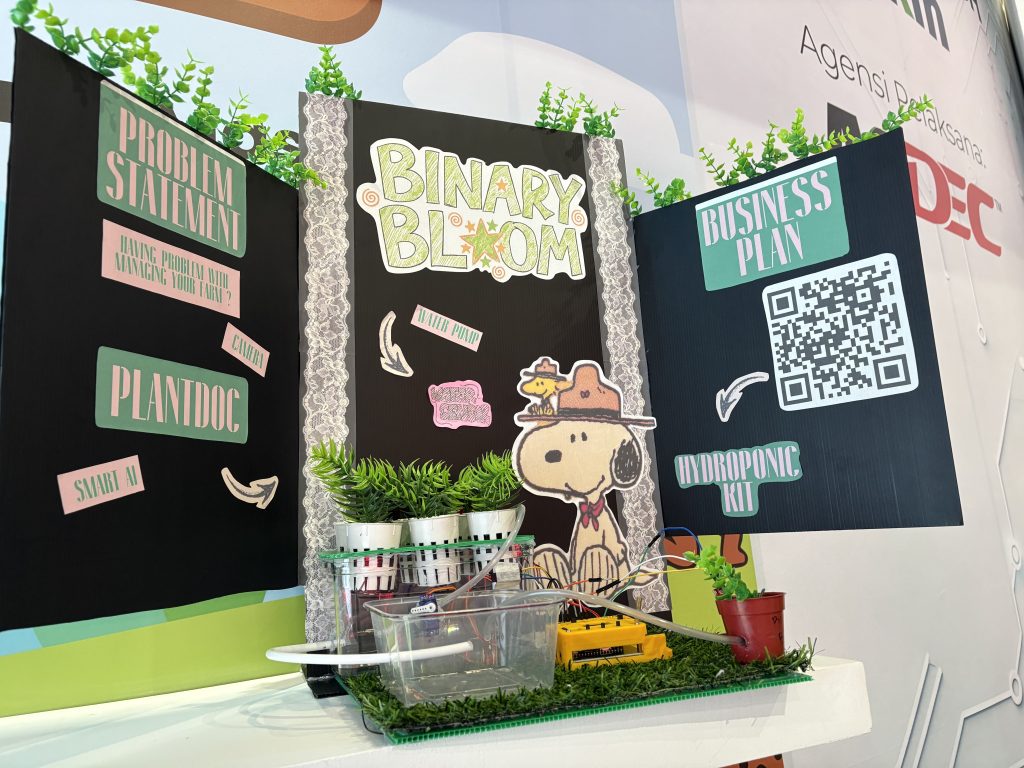
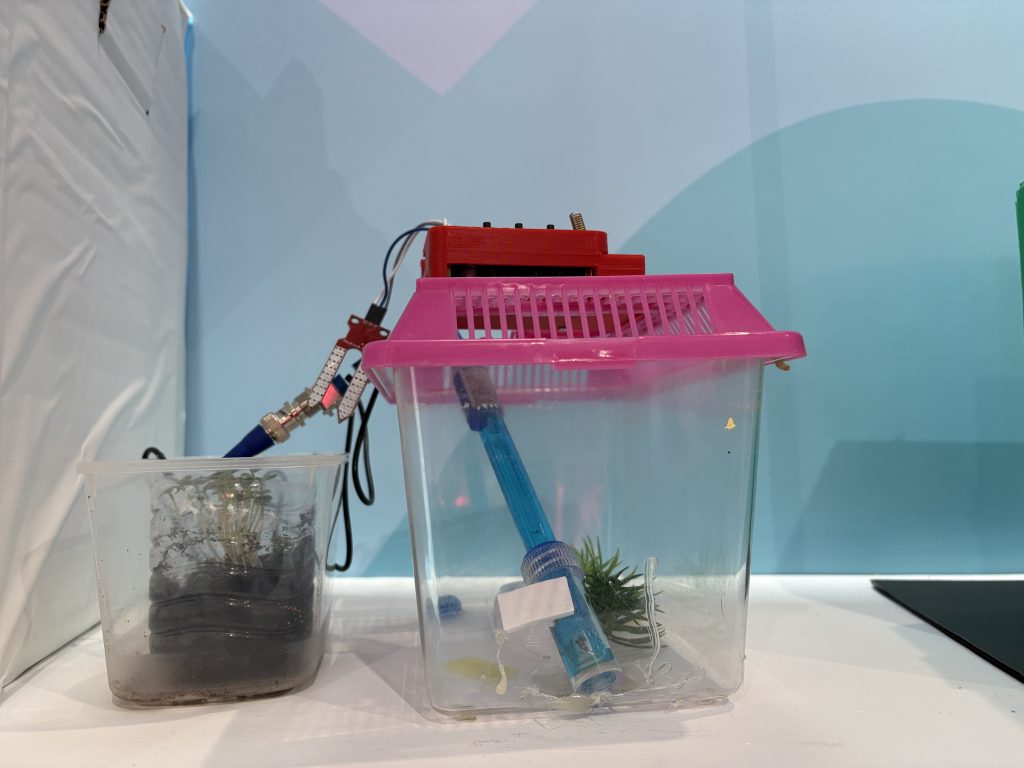
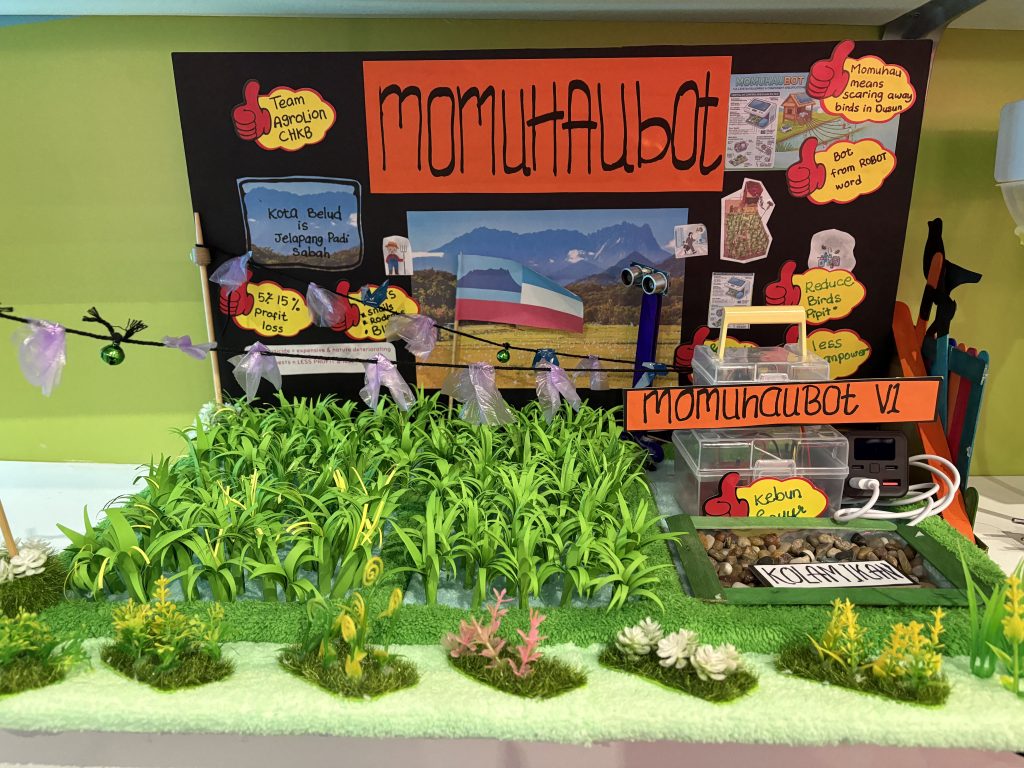
It was taken in Edinburgh in 2013. My daughter was small. We had stopped at a booth during the Edinburgh Science Festival — in a botanical garden, in the city centre, somewhere I can no longer precisely remember. She is there the way children are at things like this: wide open to the world, pointing at something she has just discovered.


We had no idea, standing there, that she would go into medicine. None of us are in the medical field. But today, thirteen years later, she is in her first year of dentistry.
I am not claiming that Edinburgh Science Festival pointed her toward a career. I am claiming something smaller and more important: that when you show a child that science is something that happens in public — in streets and gardens and borrowed halls, not only in labs — you plant a seed whose shape you cannot predict.
That is what Edinburgh gave me. Not just the PhD. Not just the signal processing and the RF engineering I still use every day. It gave me a philosophy. The Royal Observatory on Blackford Hill, open to the public for a hundred and thirty years. The Science Festival filling the city every April. The unspoken conviction that science belongs to the people around it — not only to the people who do it.
The Meeting
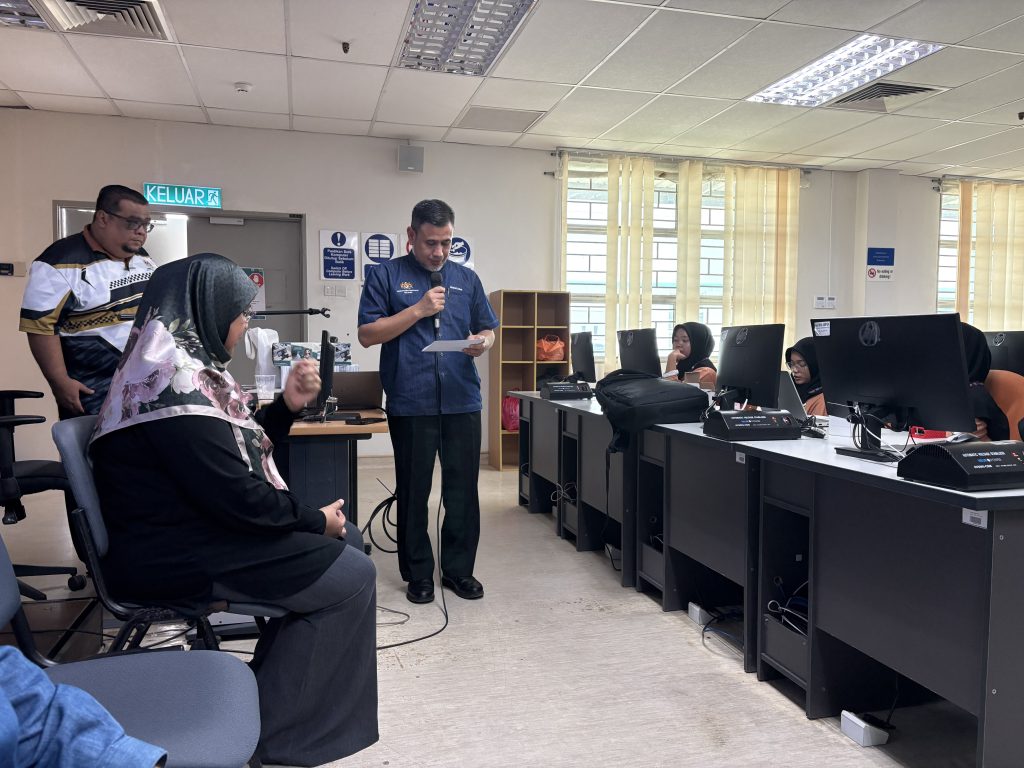
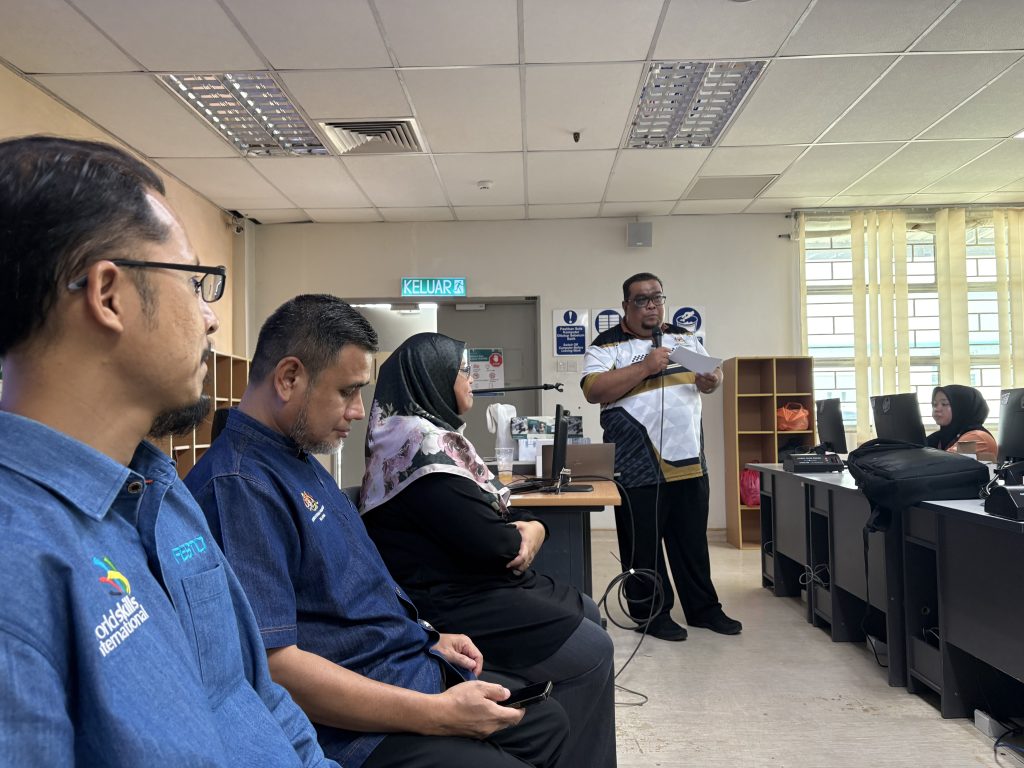
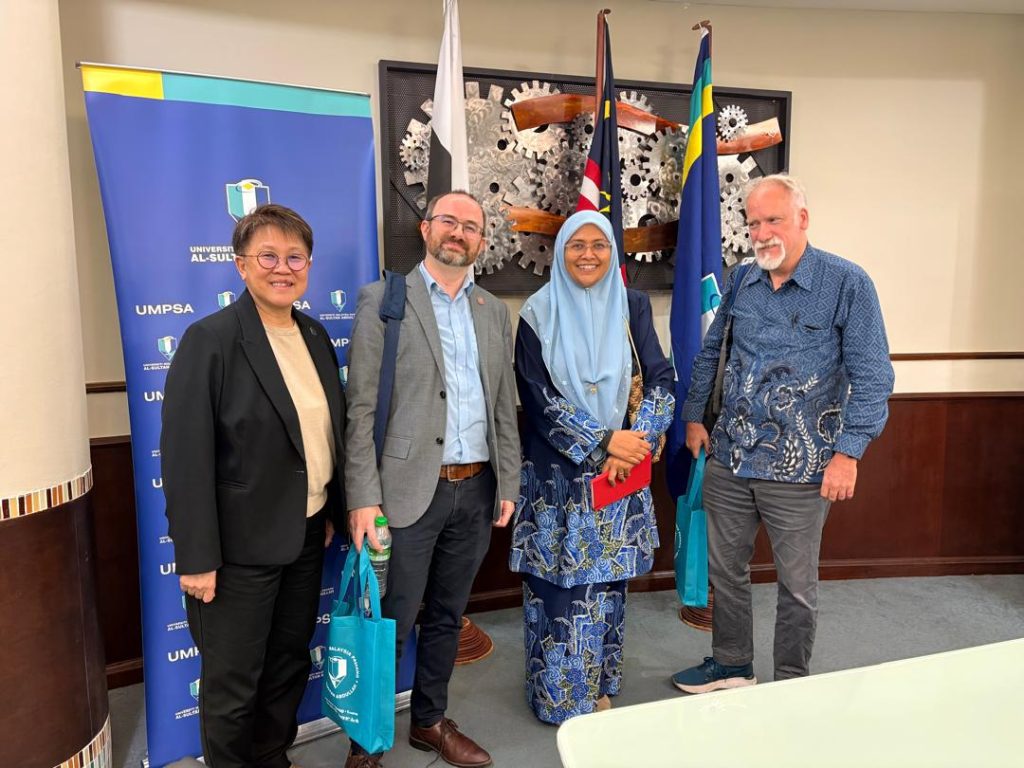
Had a short meeting with Professor Eric C. Schirmer – Director of Internationalisation, School of Biological Science, Professor Colin Snodgrass, Director of Internationalisation at the School of Physics and Astronomy, and Ms Audrey Kon from Edinburgh Global.
Edinburgh has been in my life for a long time. I did my postgraduate studies there, under Professor Tughrul Arslan and Dr Brian Flynn. I used to walk past the Royal Observatory on Blackford Hill on my way to somewhere else, and stop.
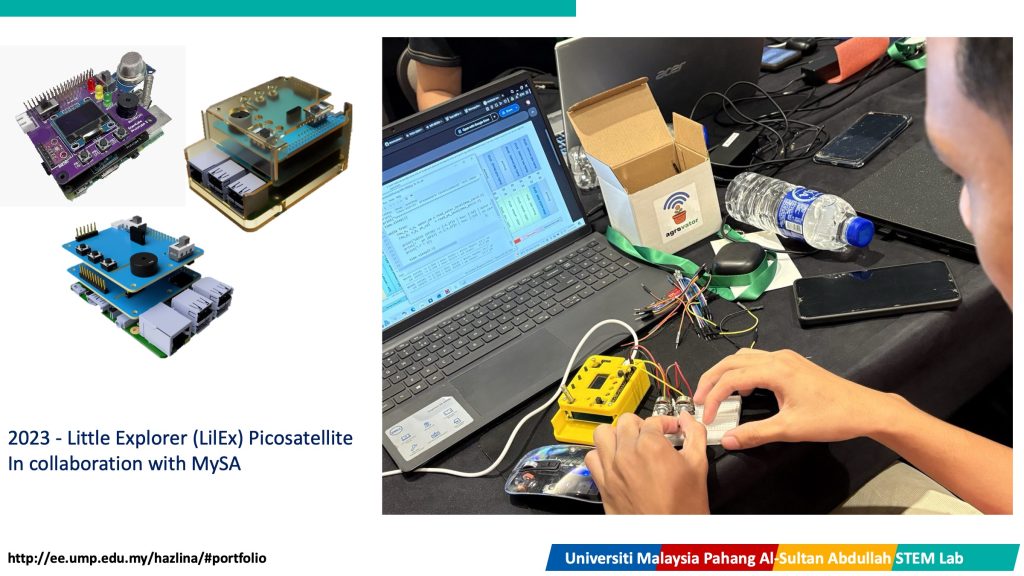
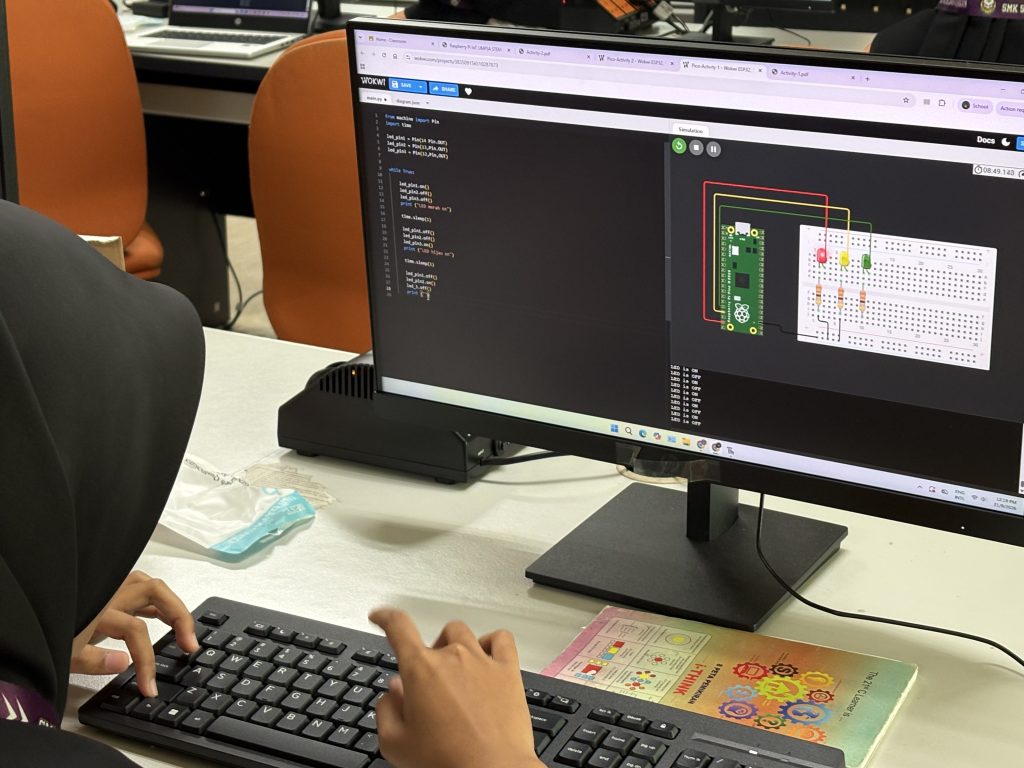
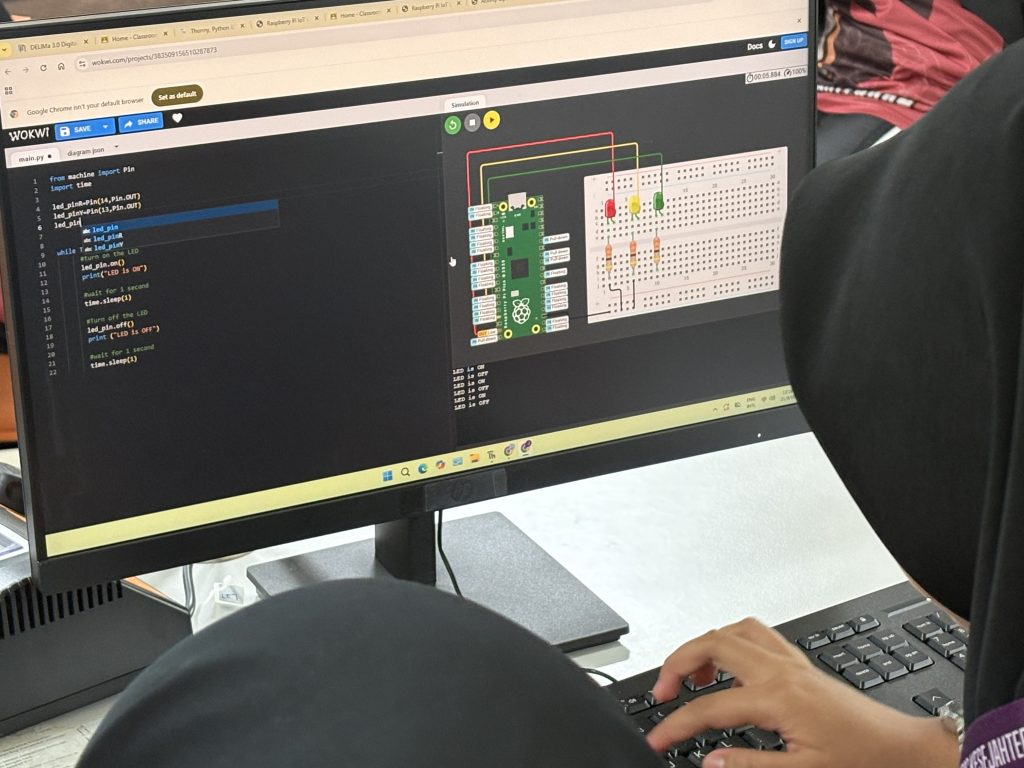
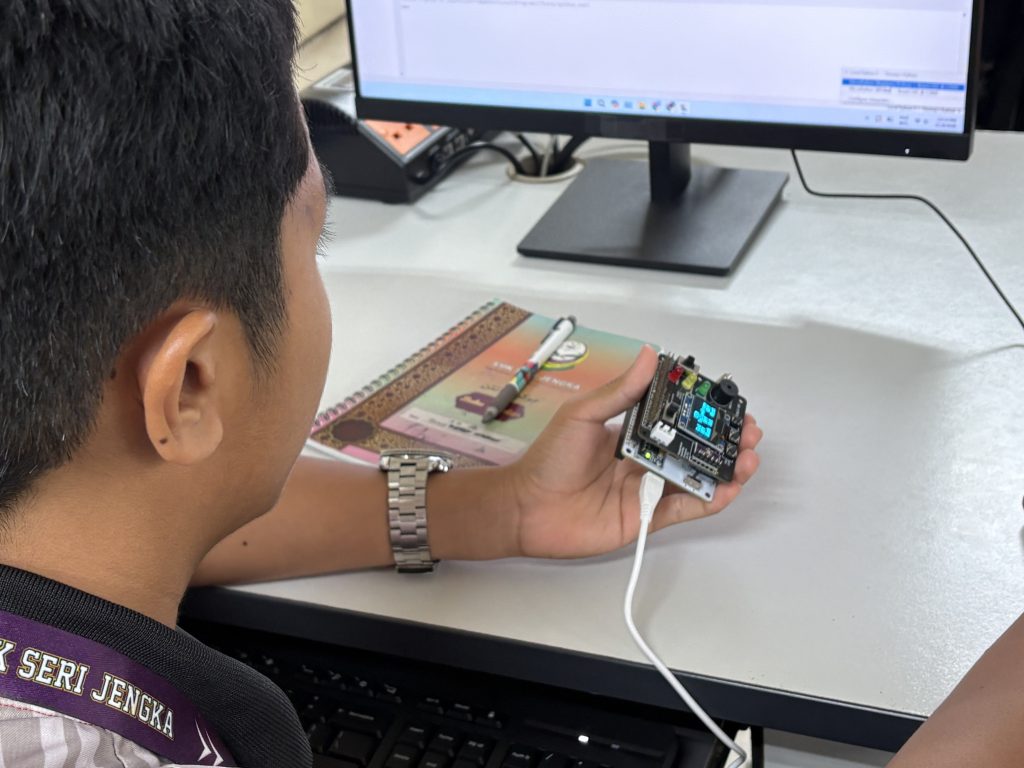
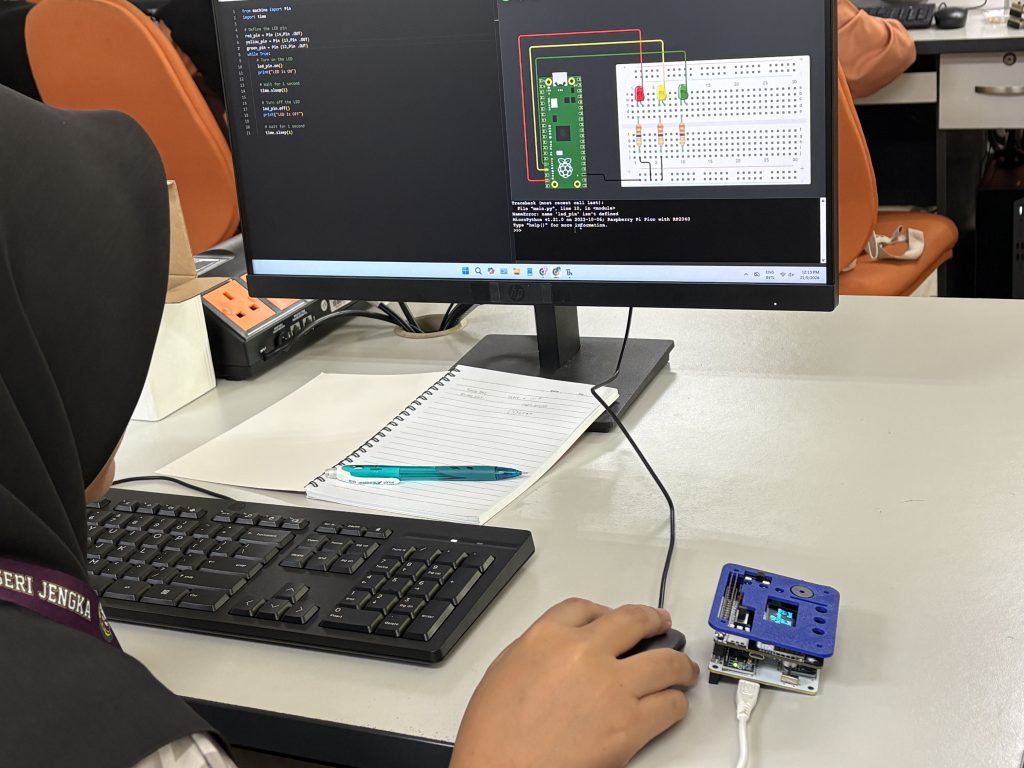
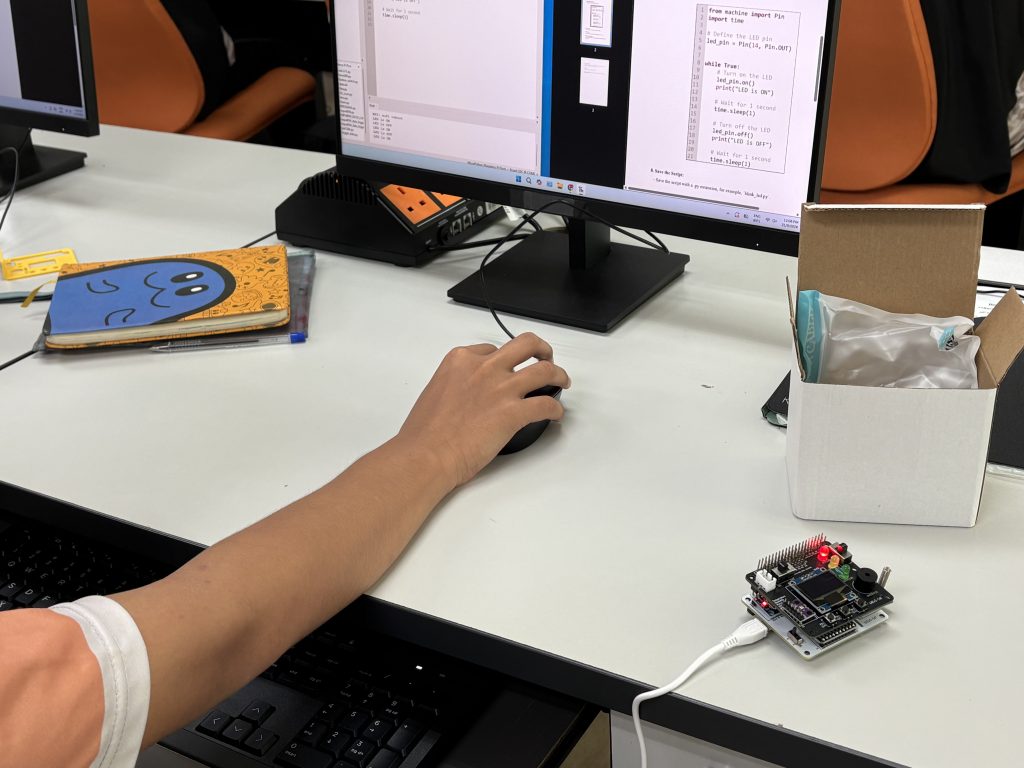
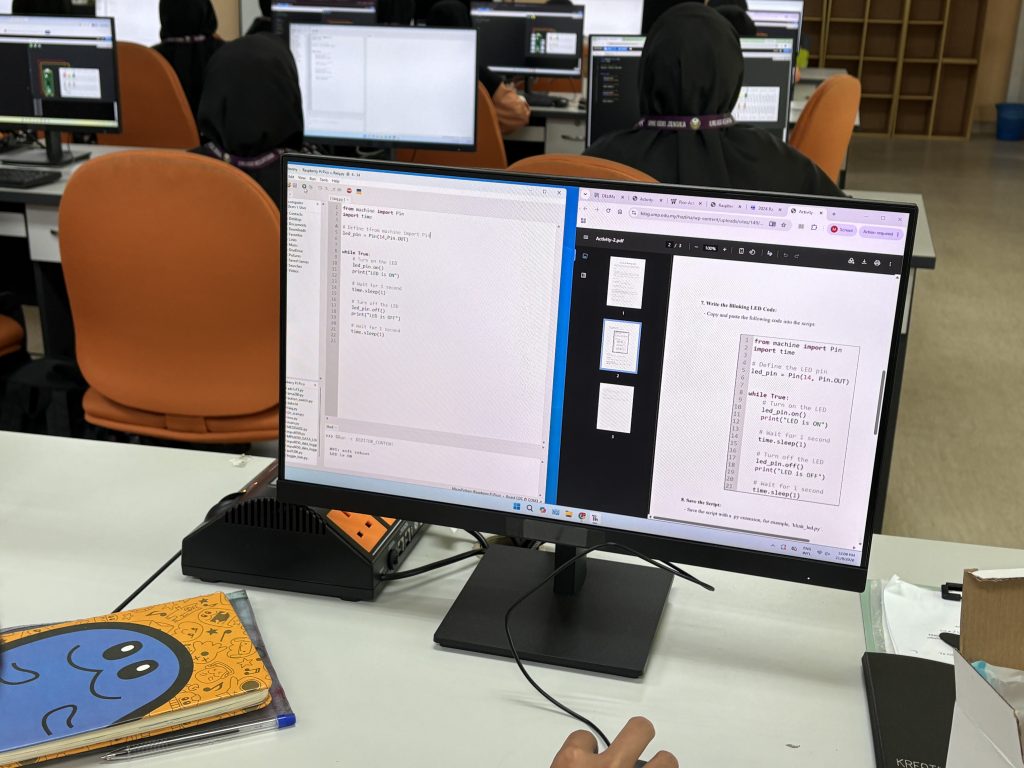
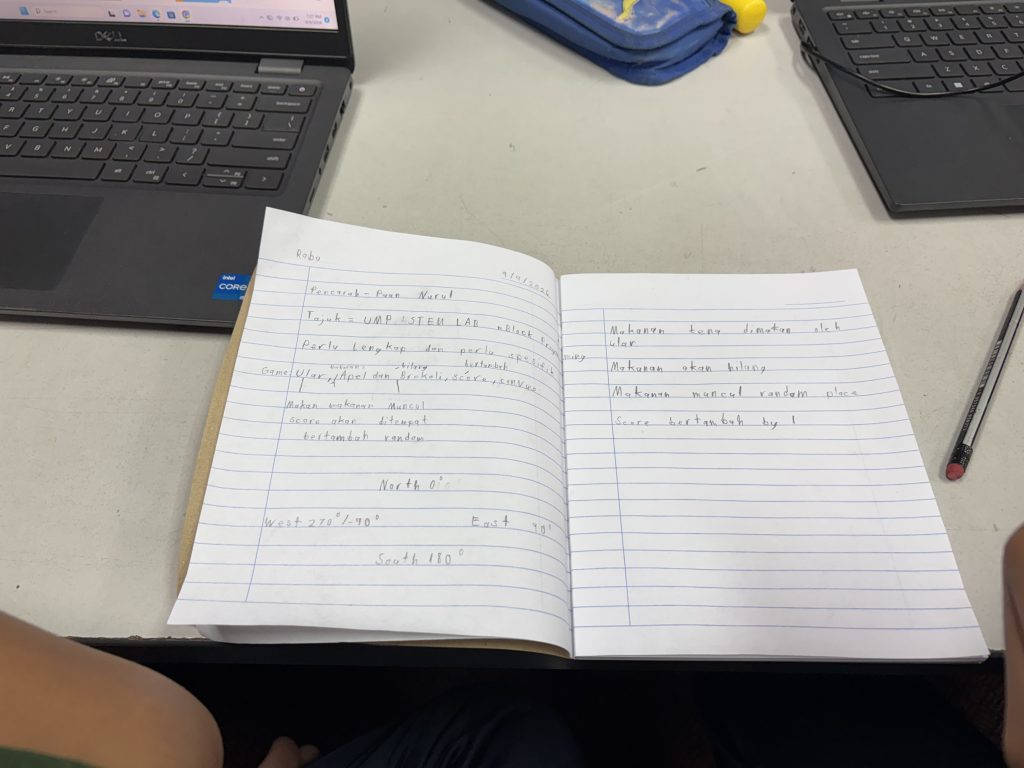
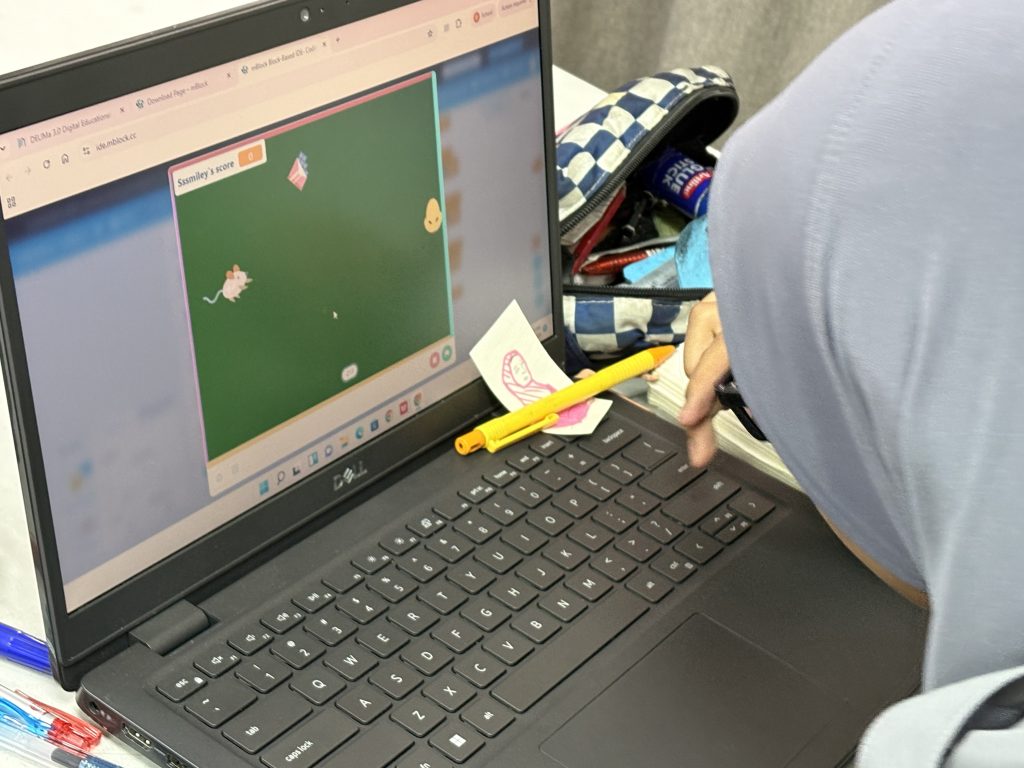
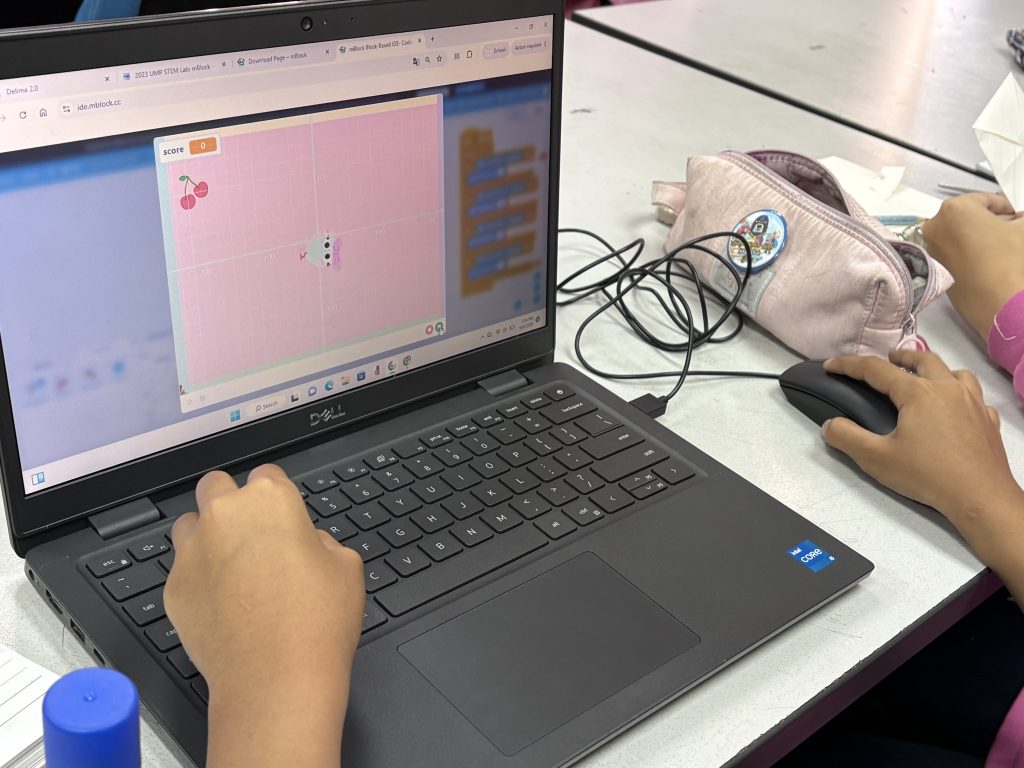
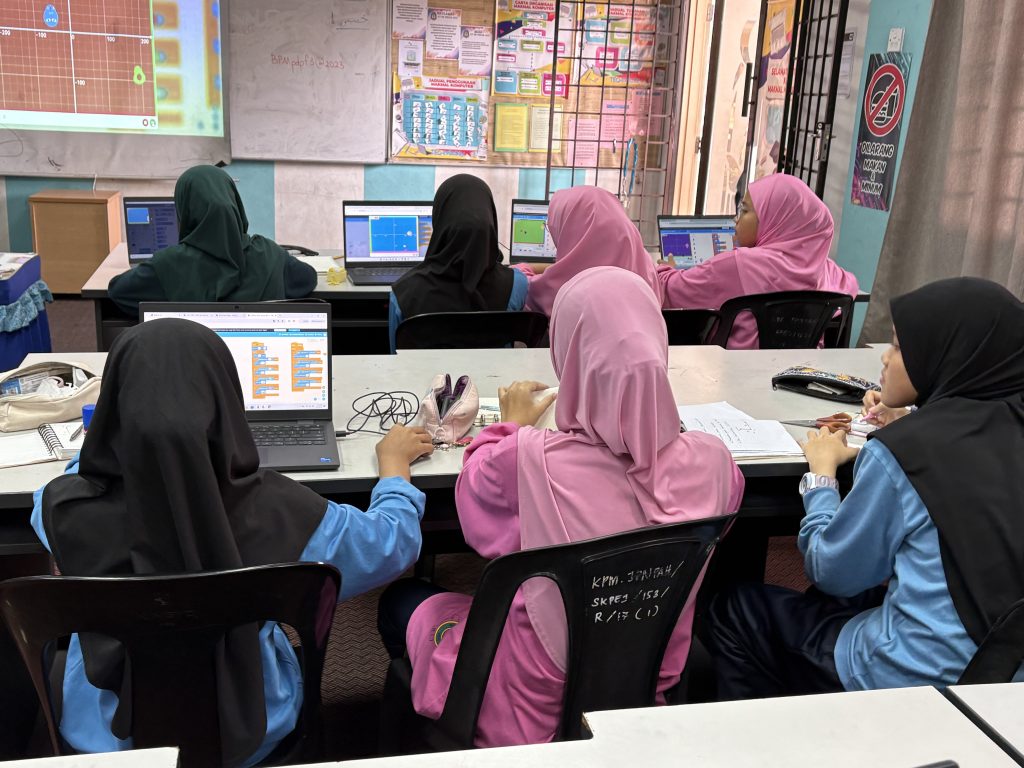
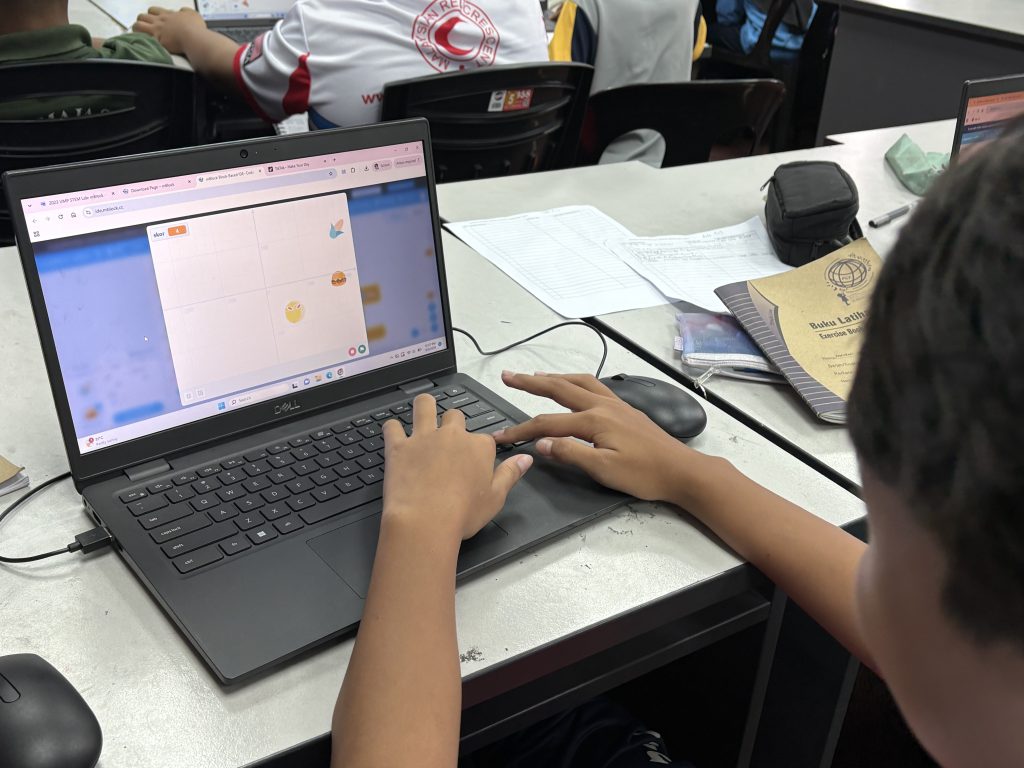
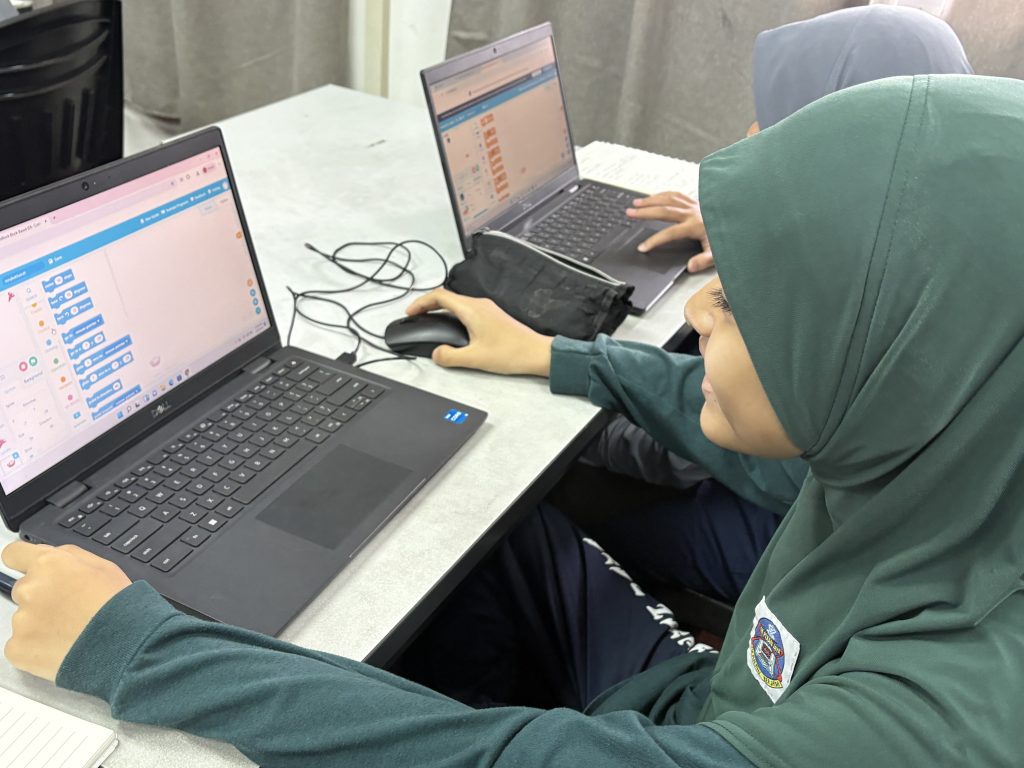
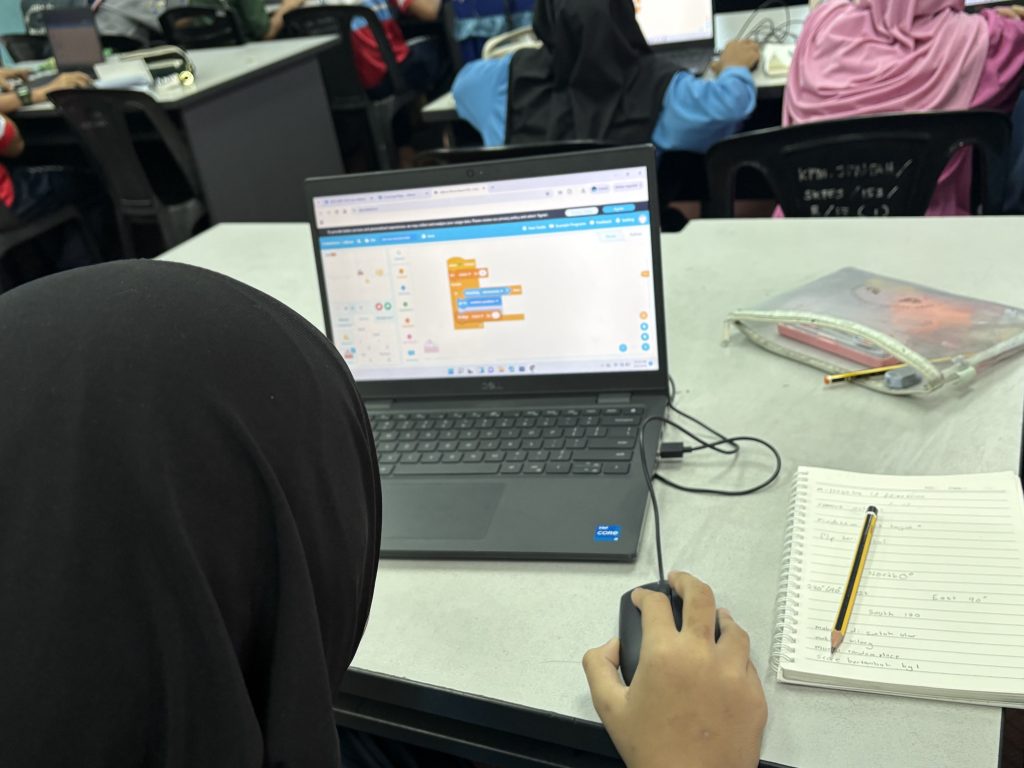
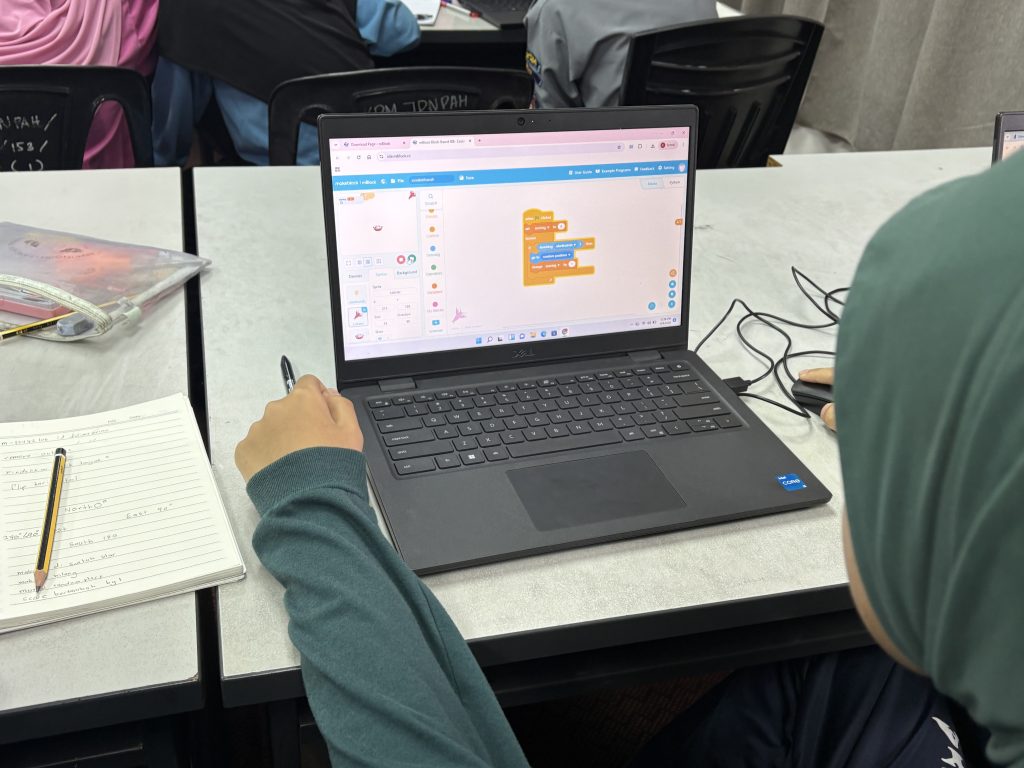
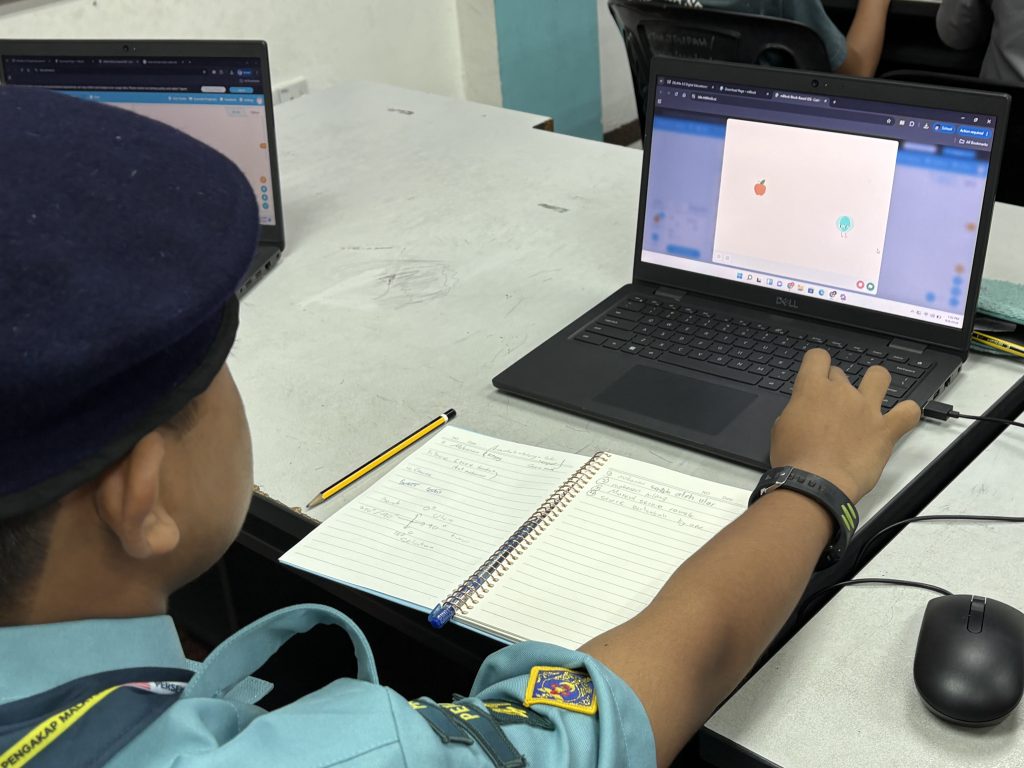
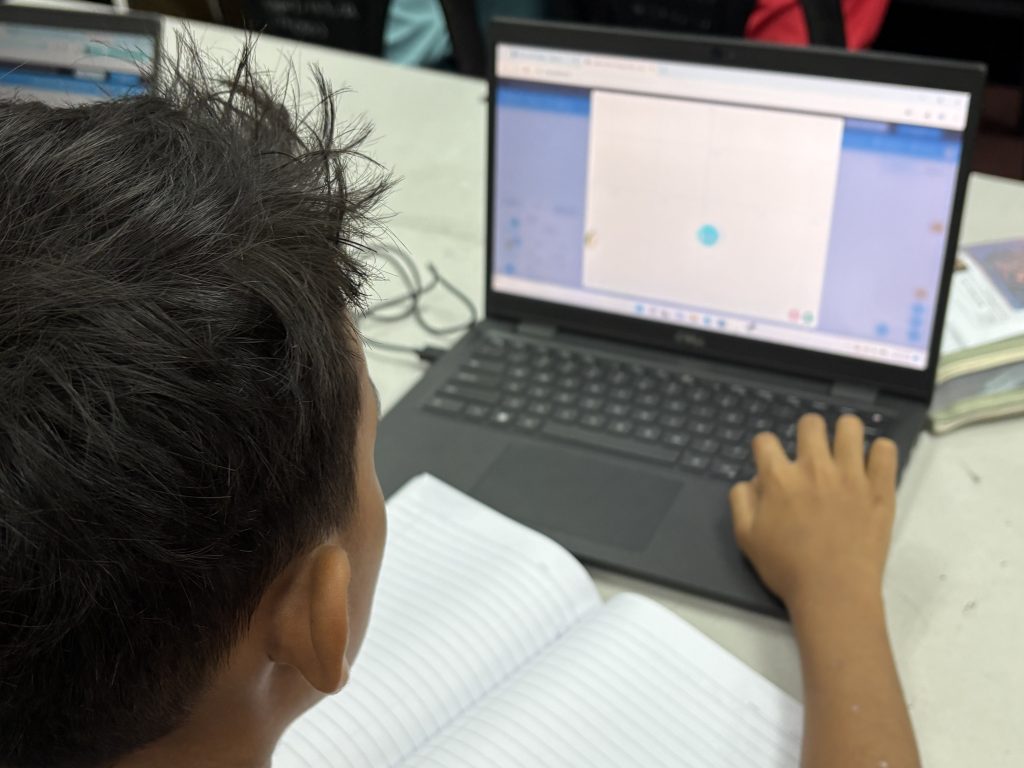
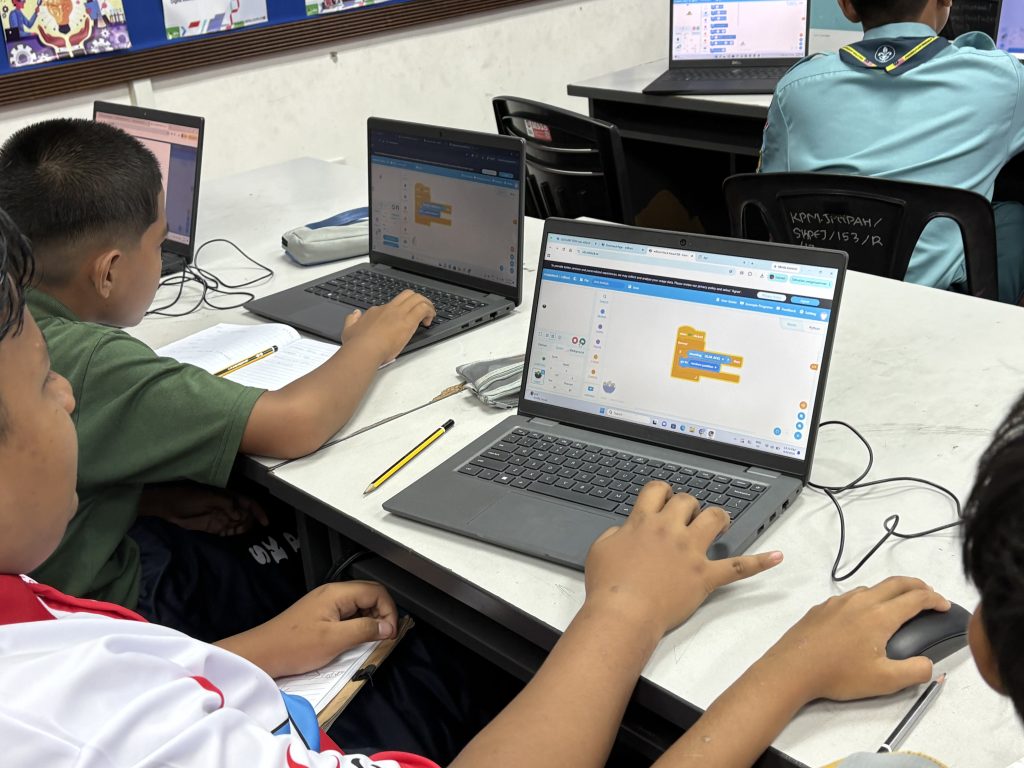
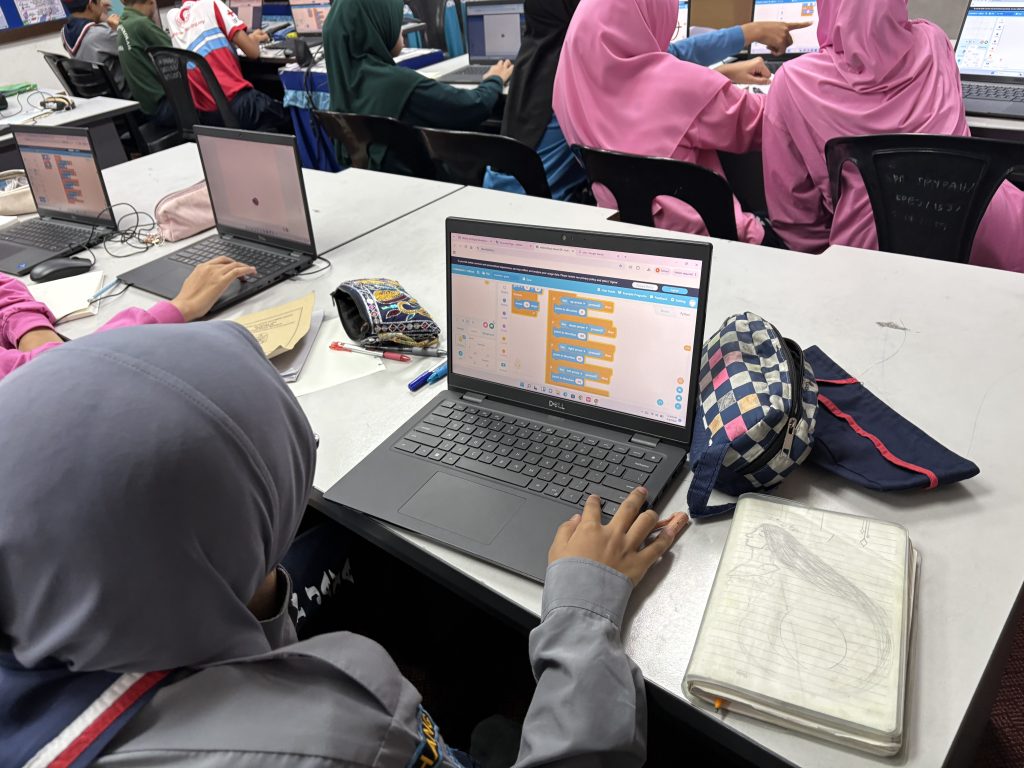
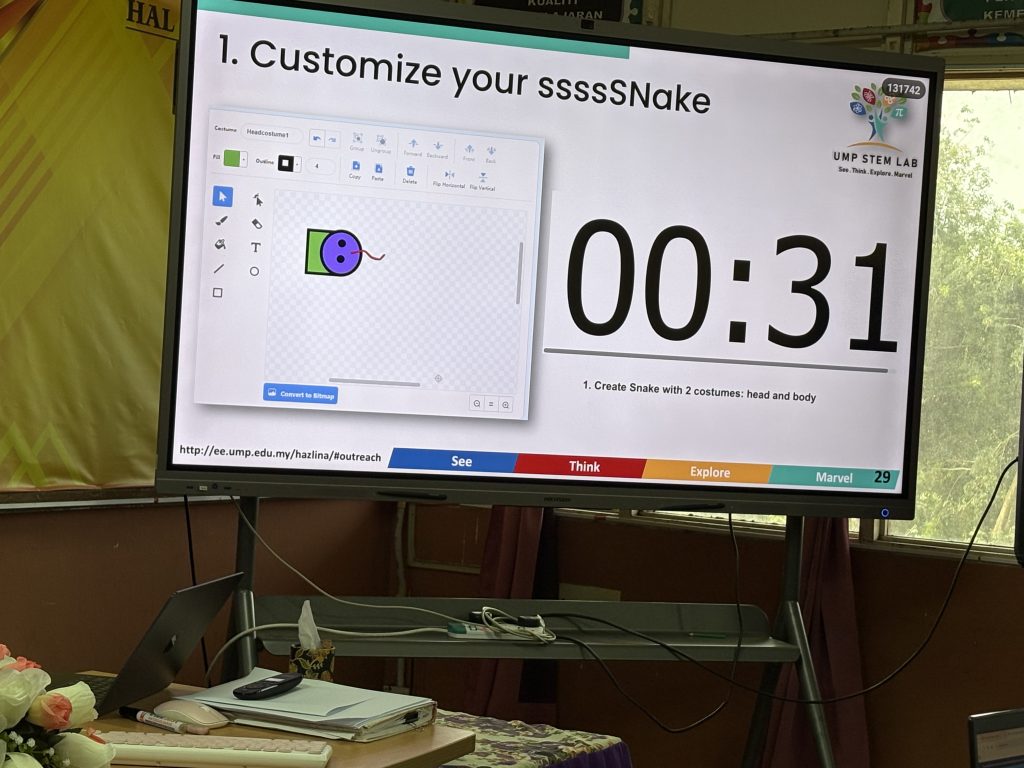
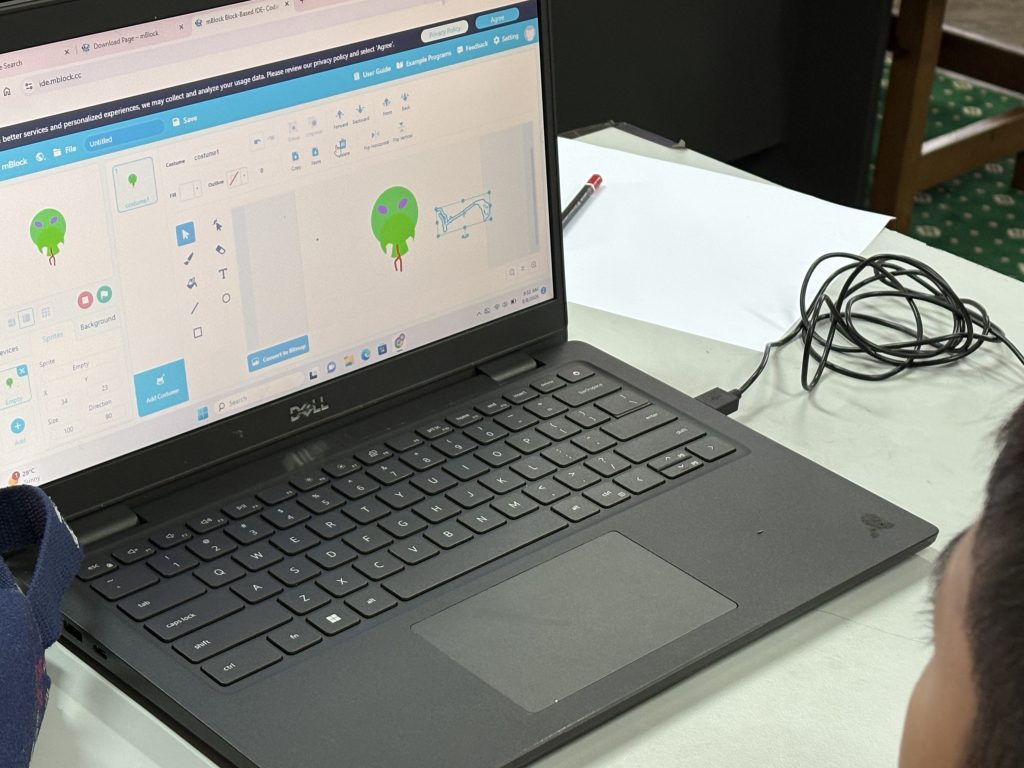
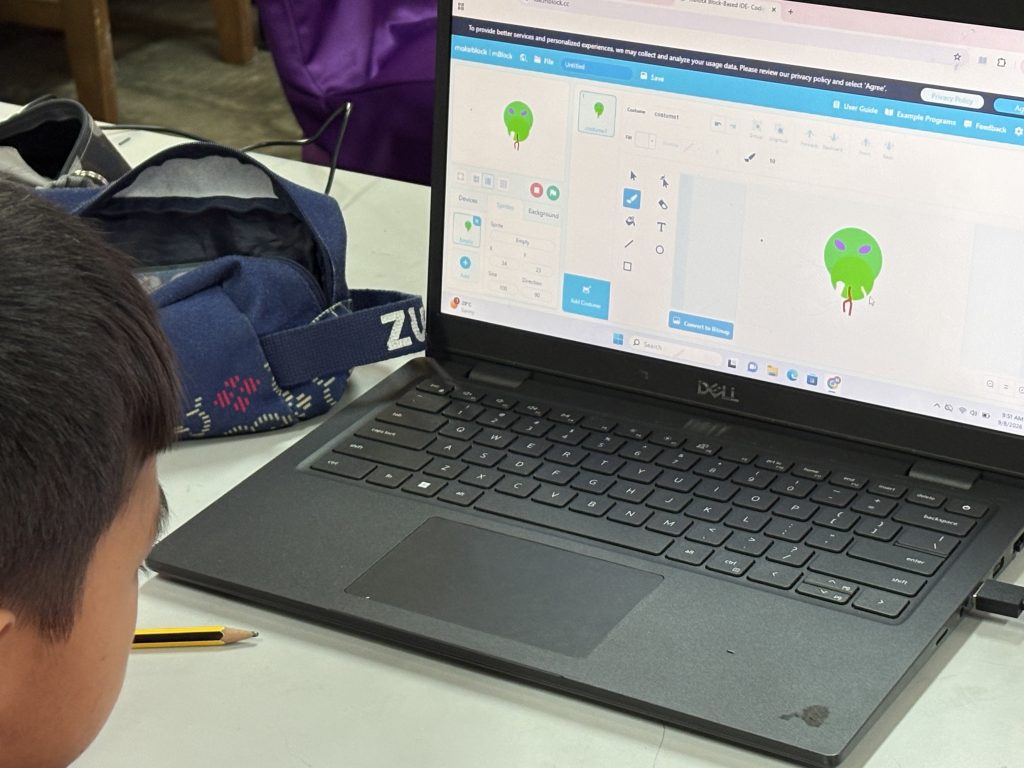
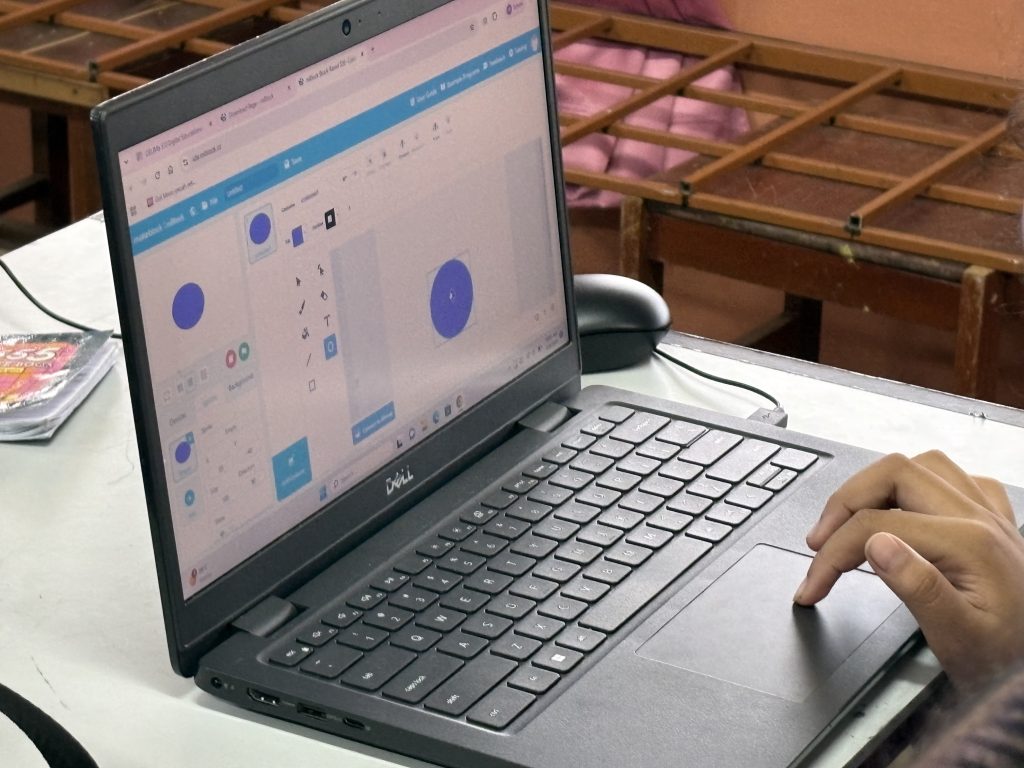
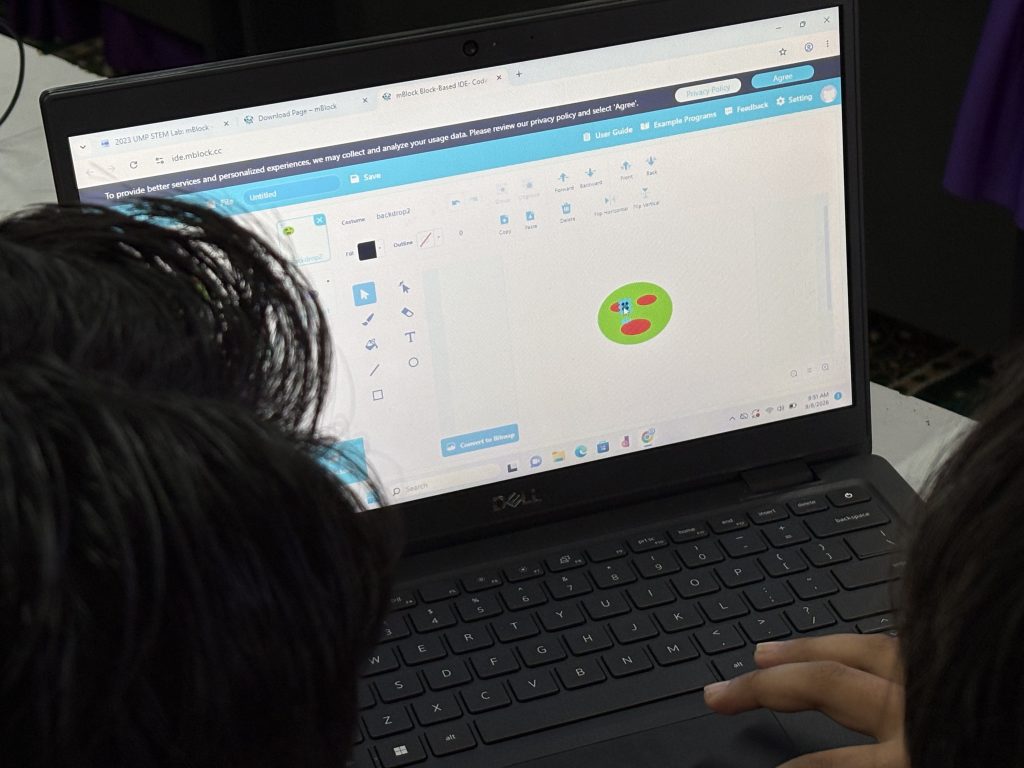
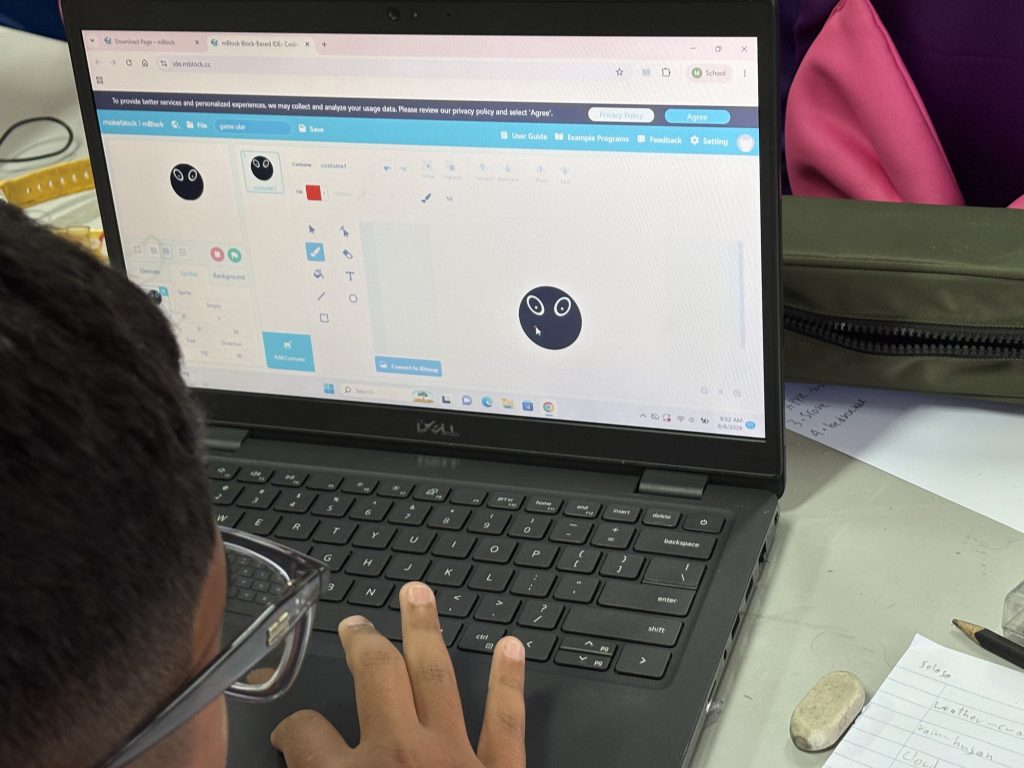
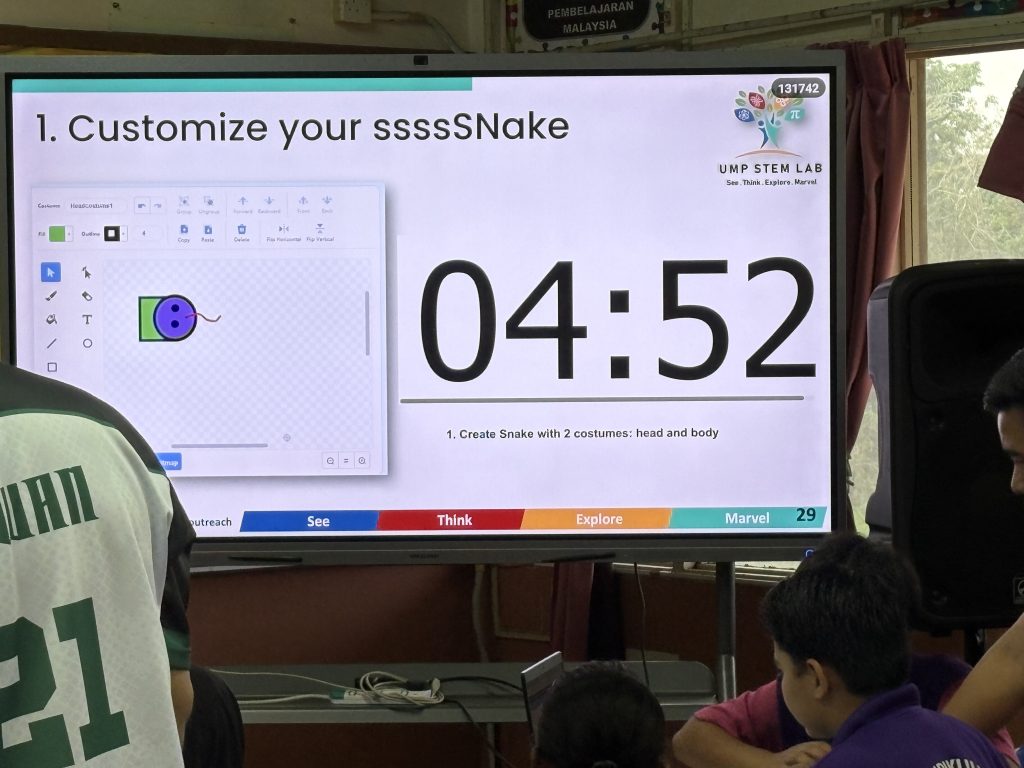
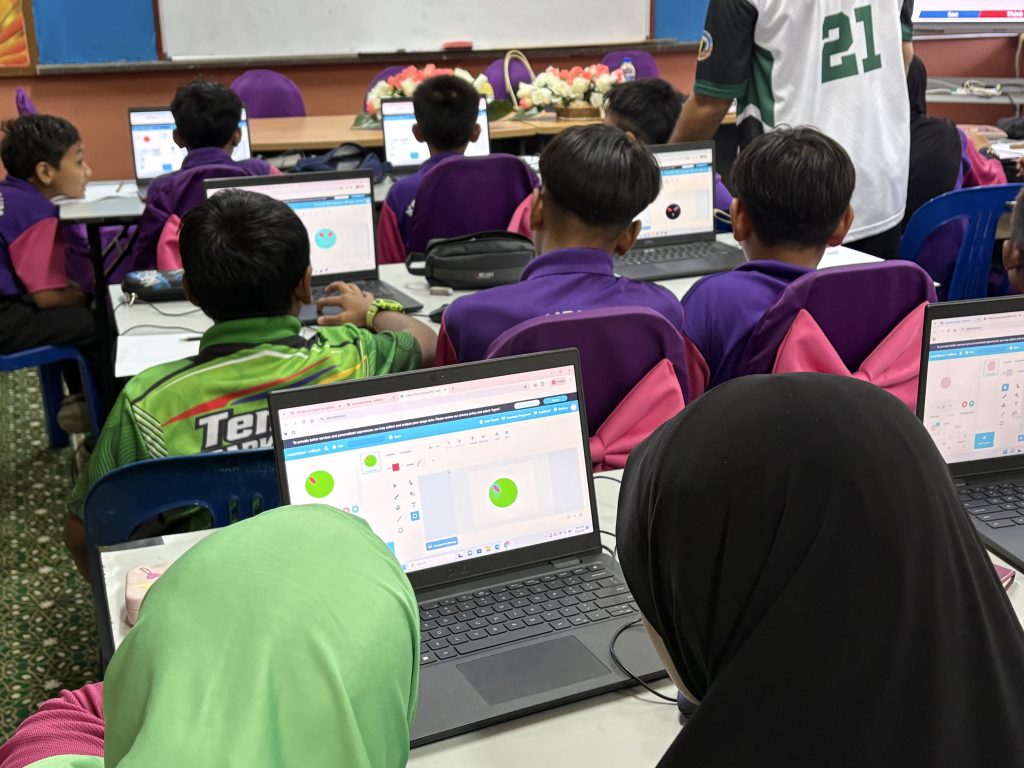
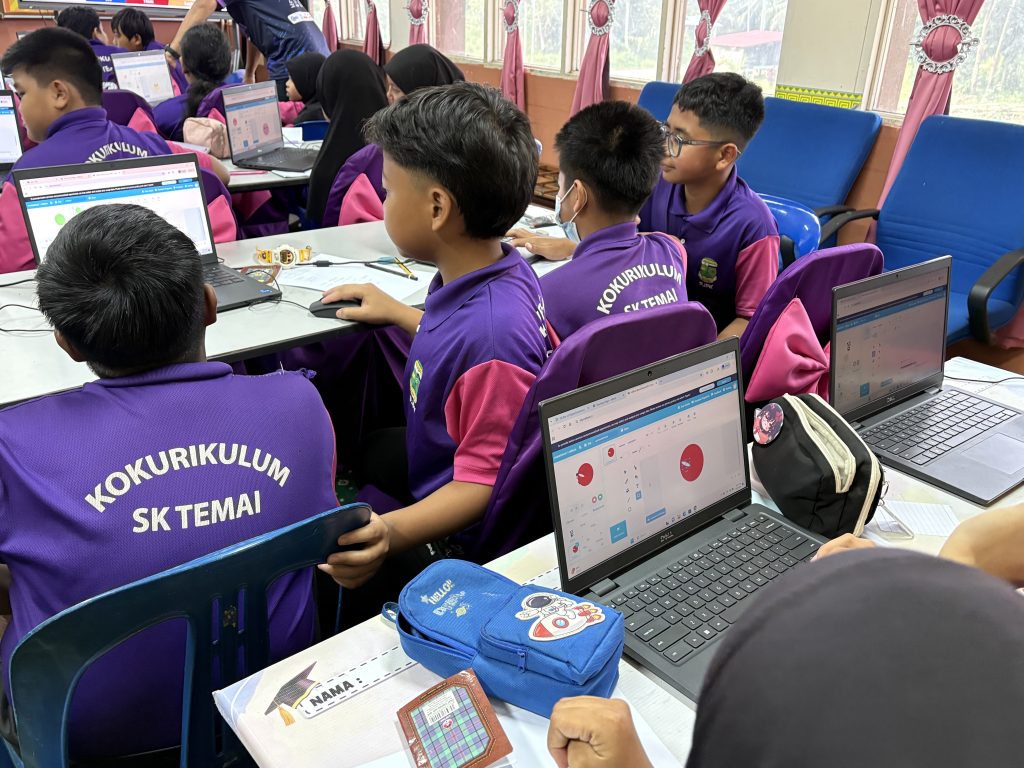
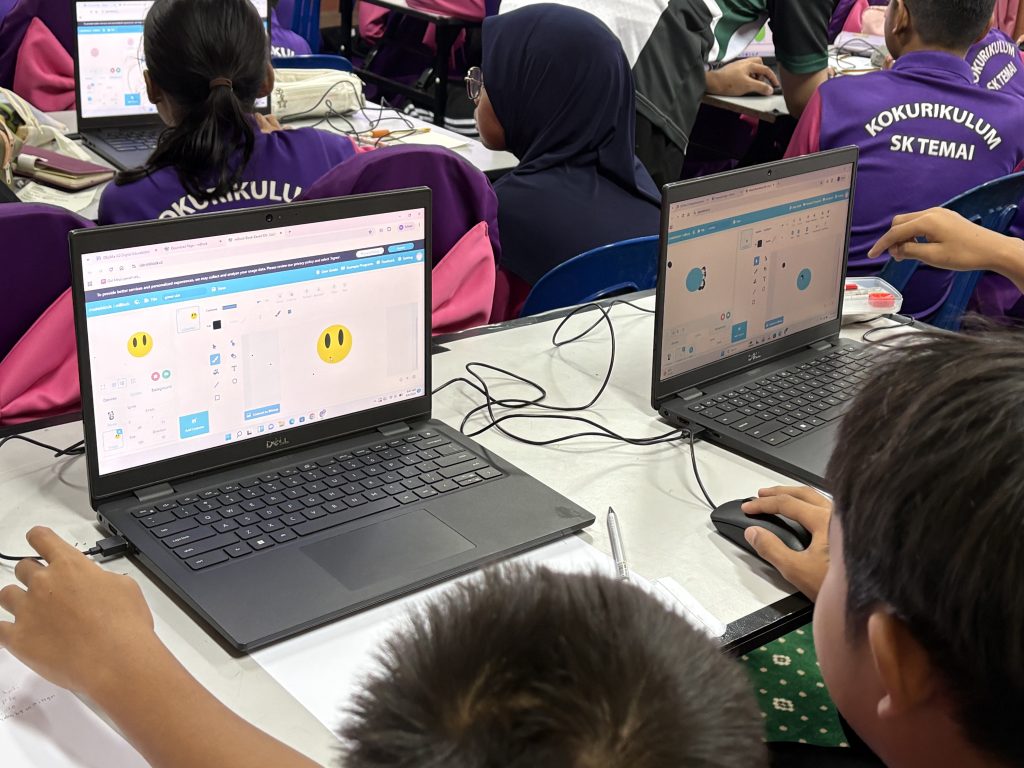
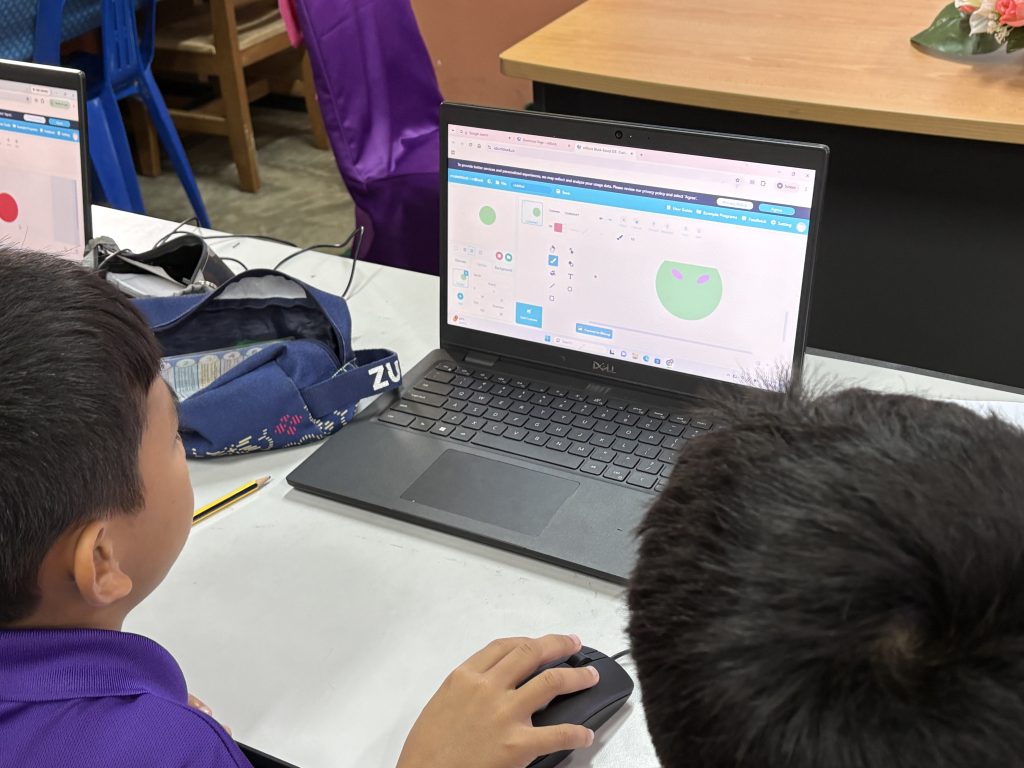
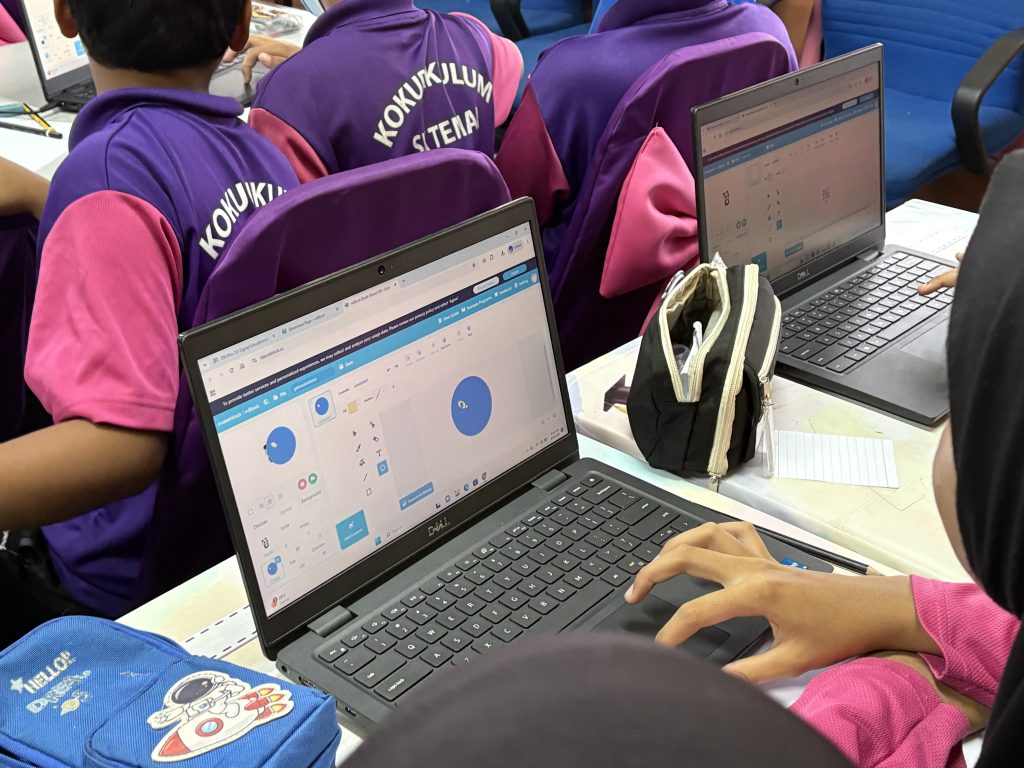
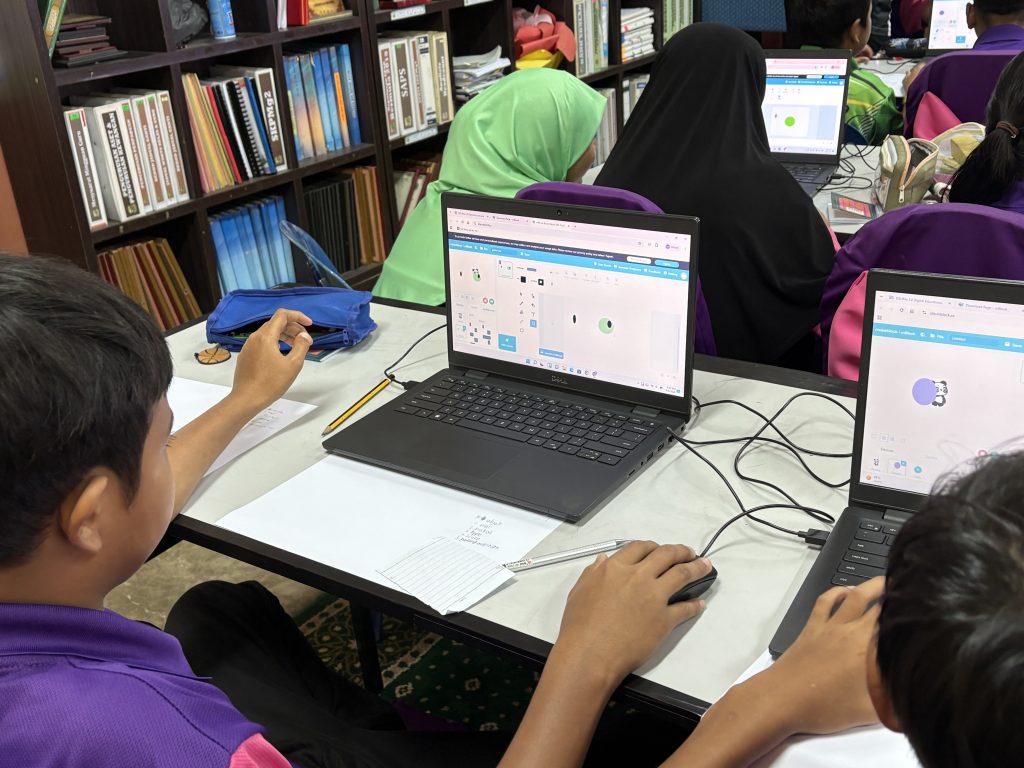
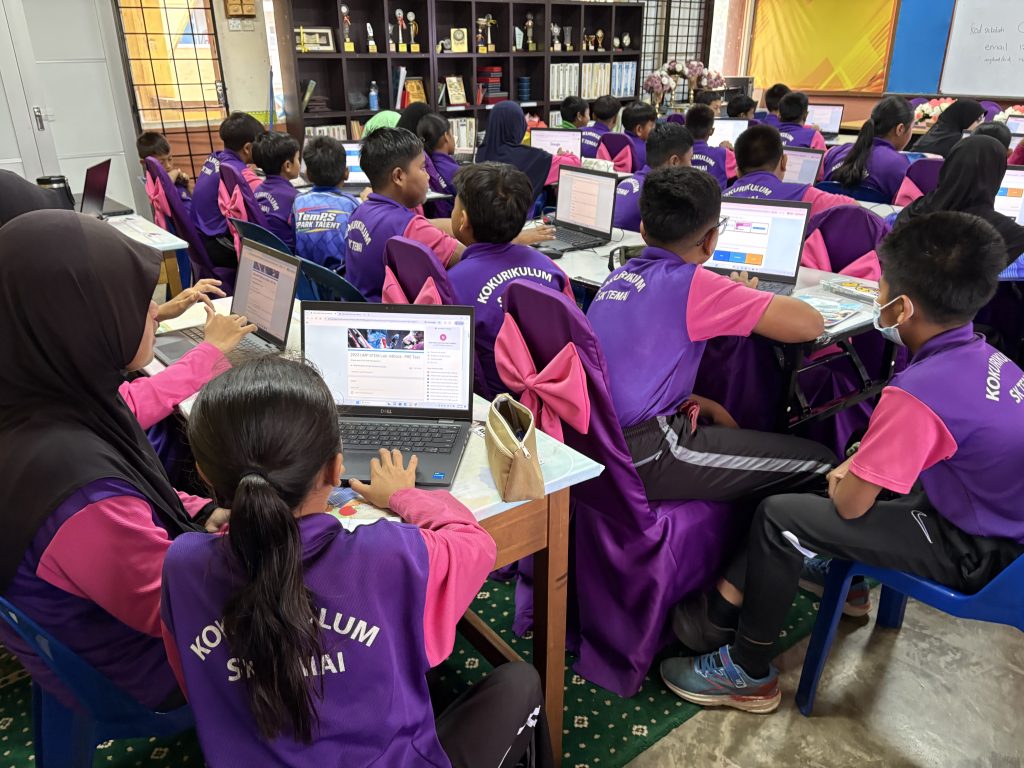
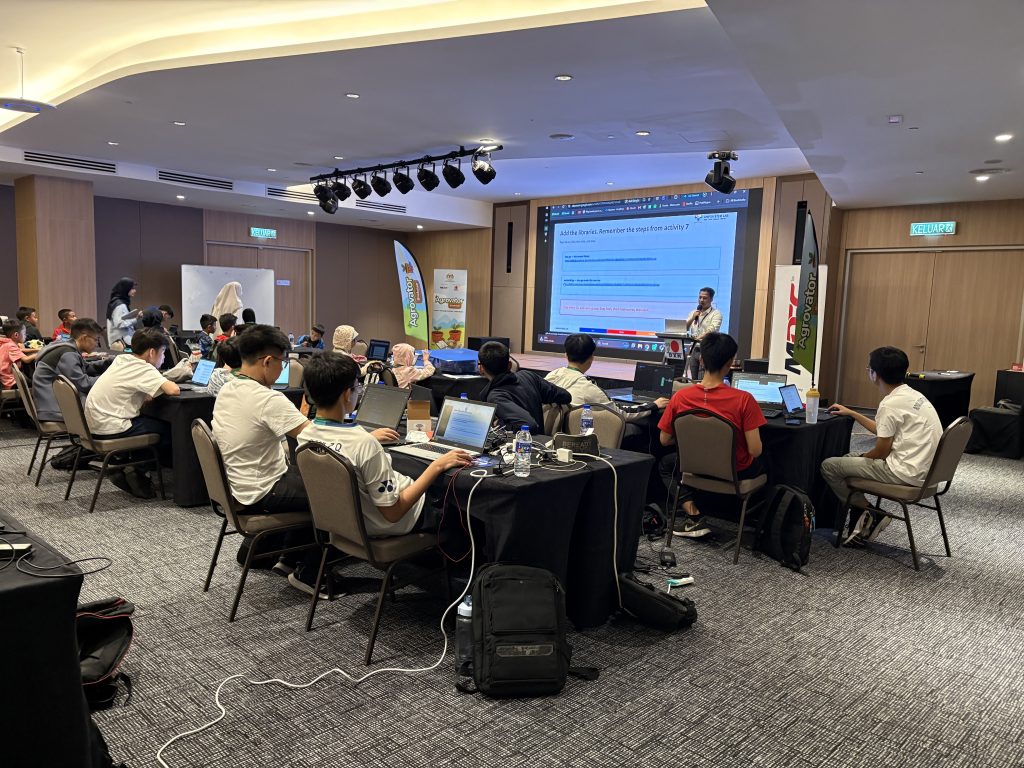
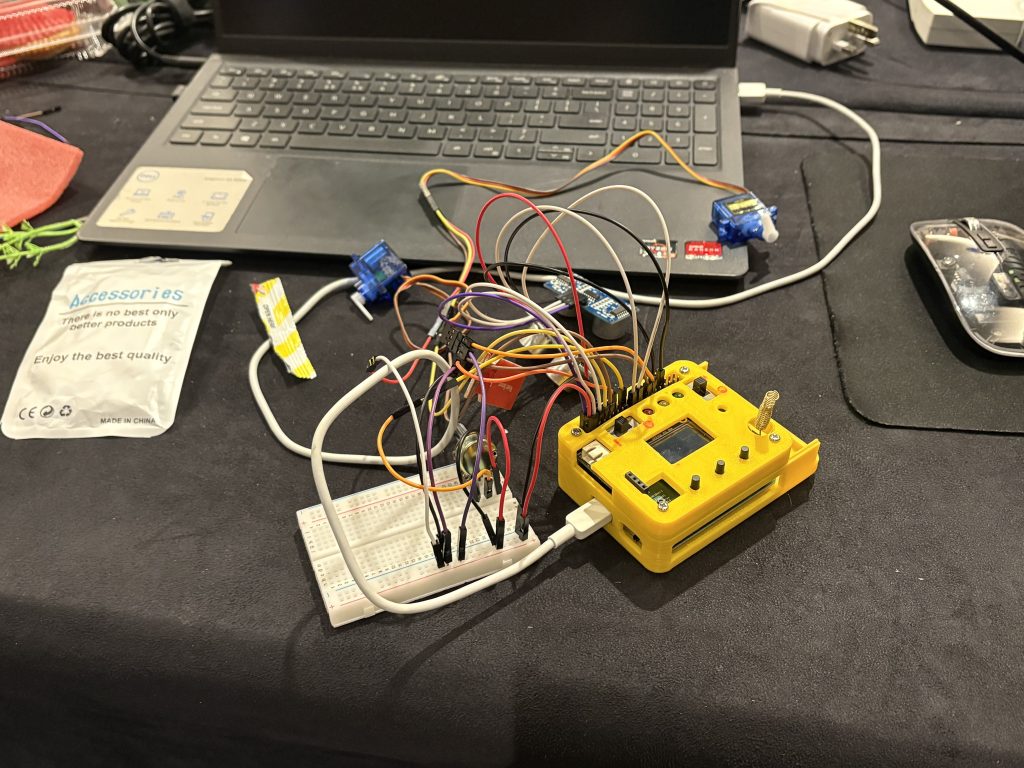
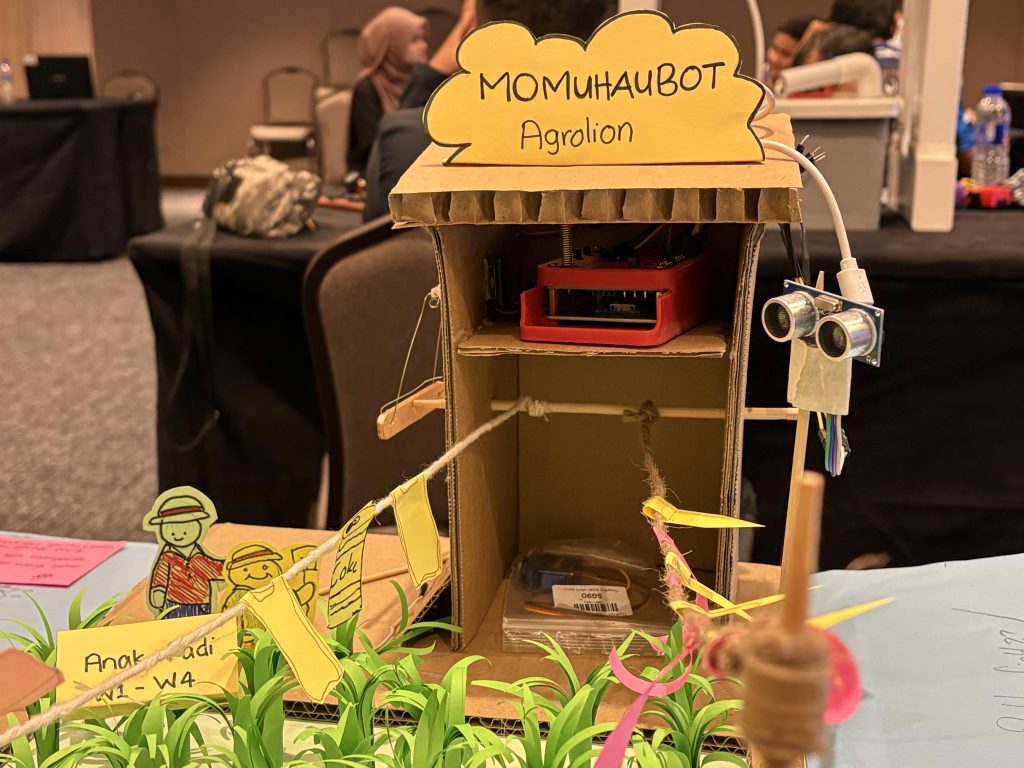
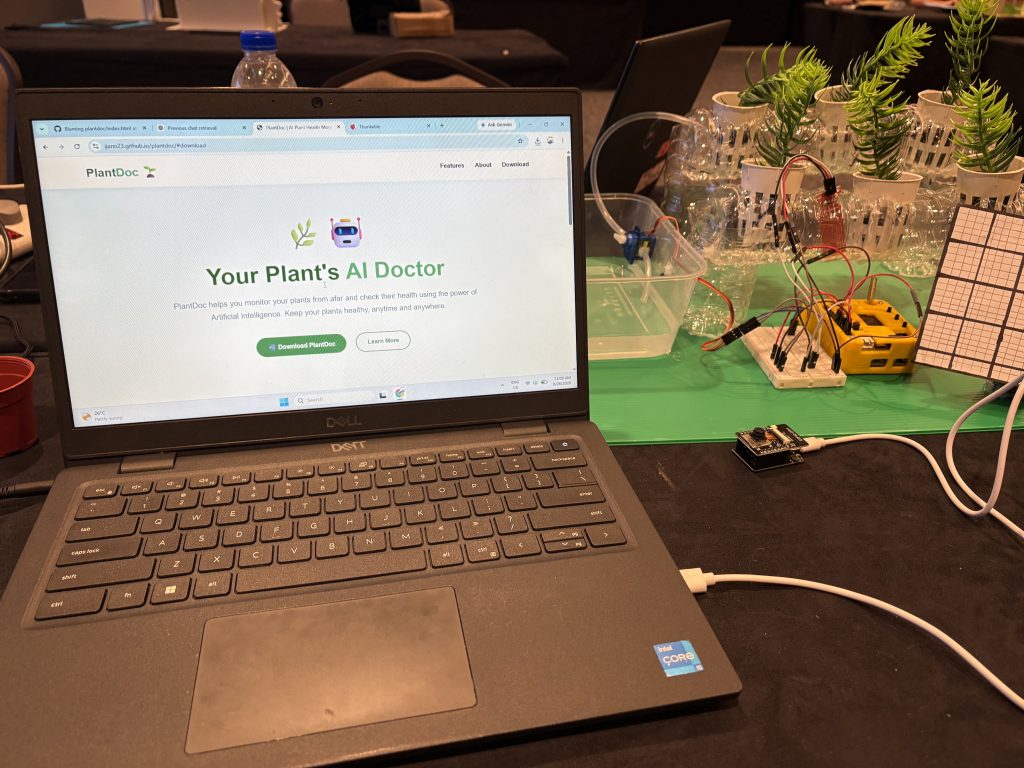
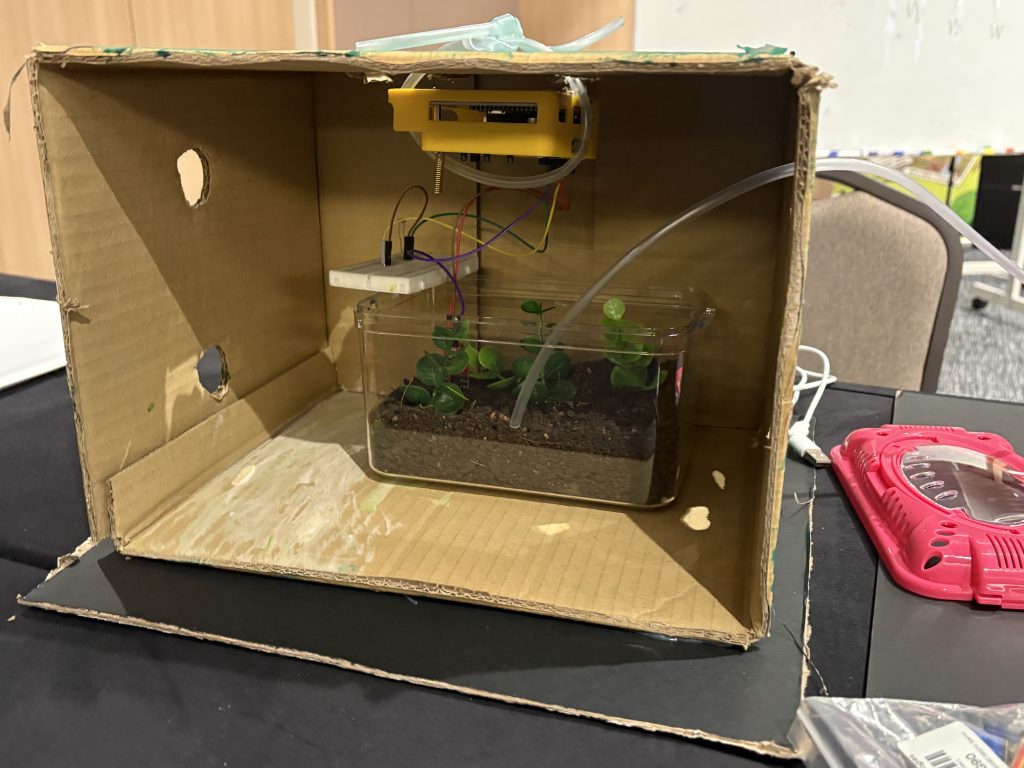
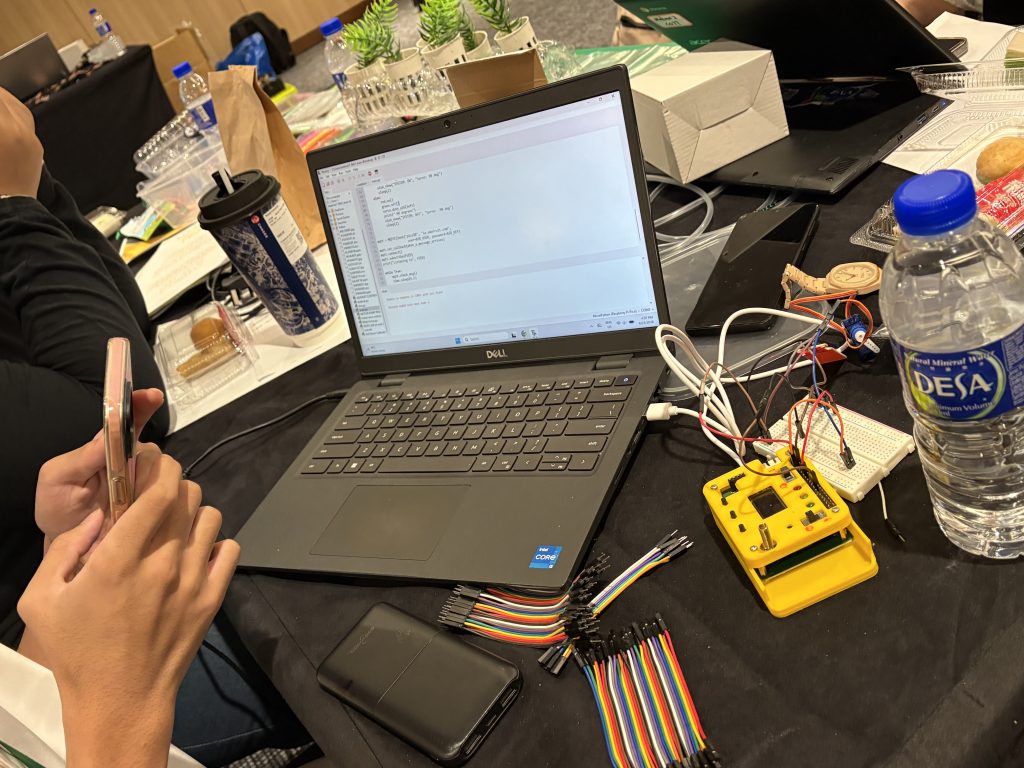
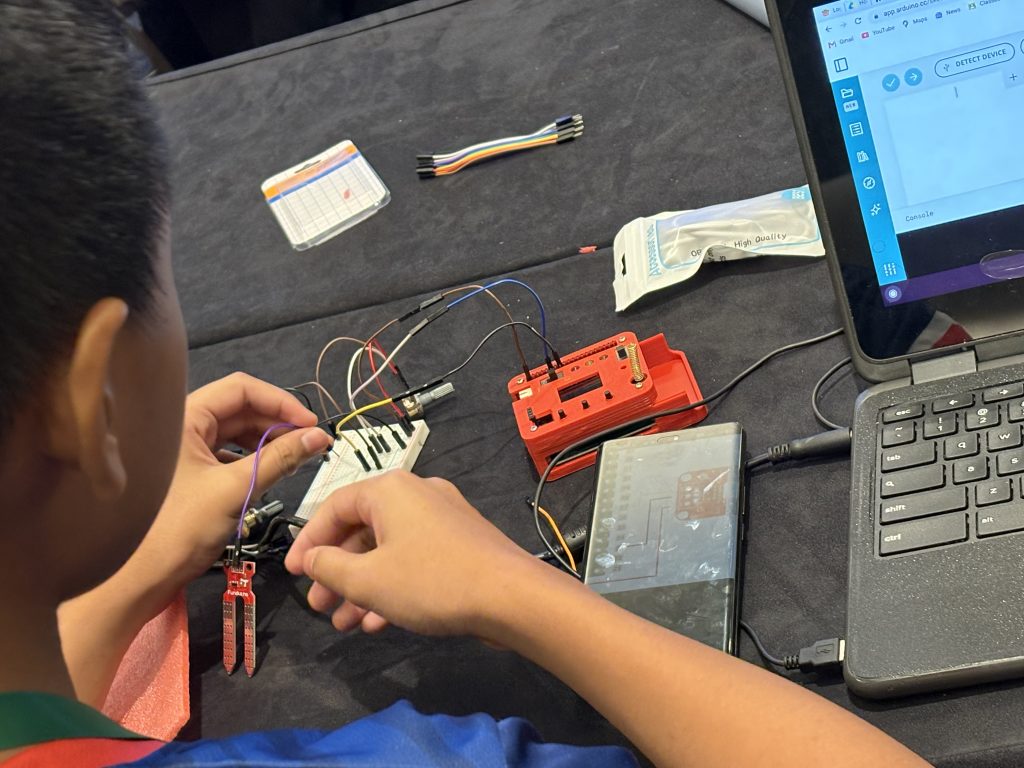
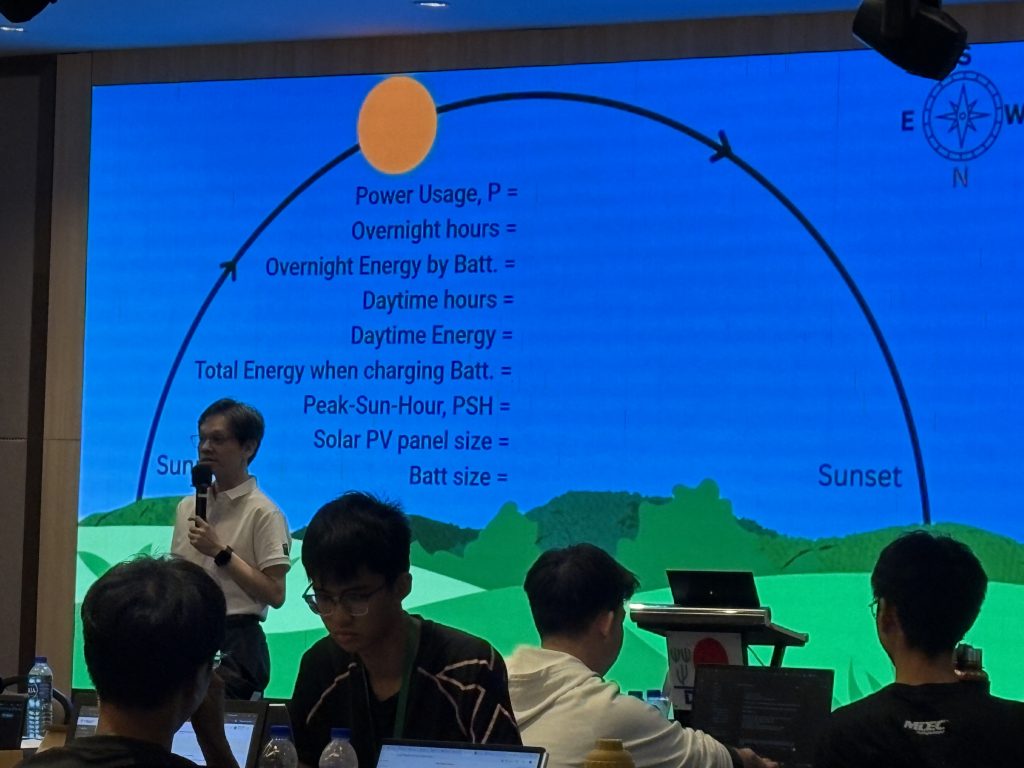
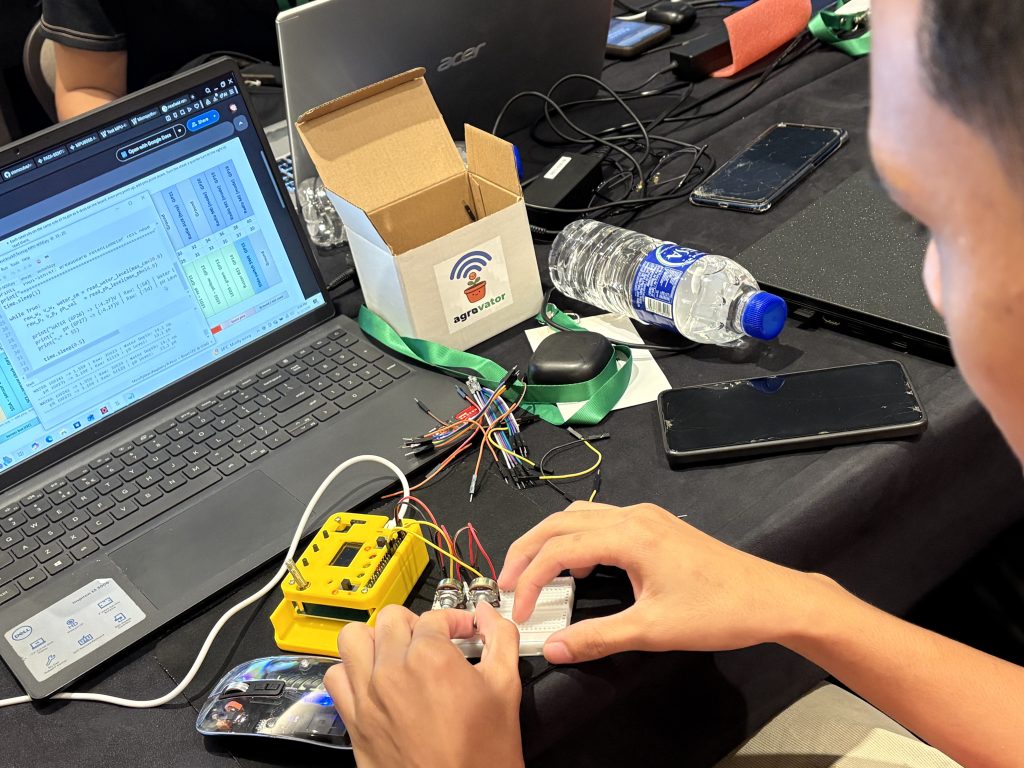
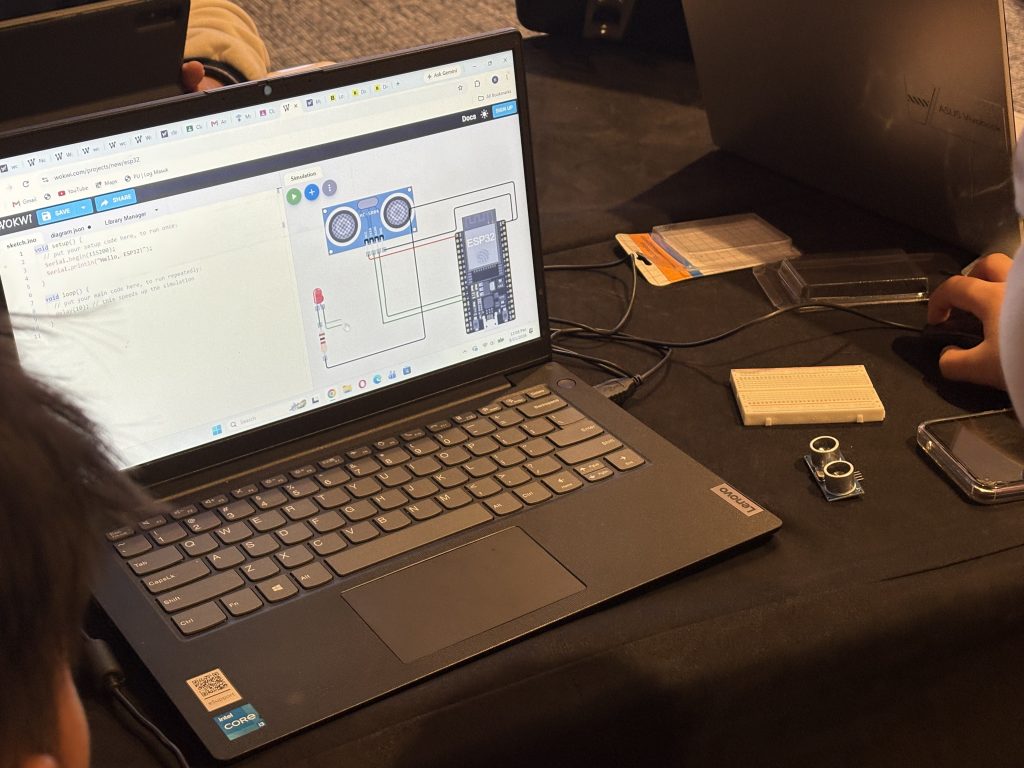
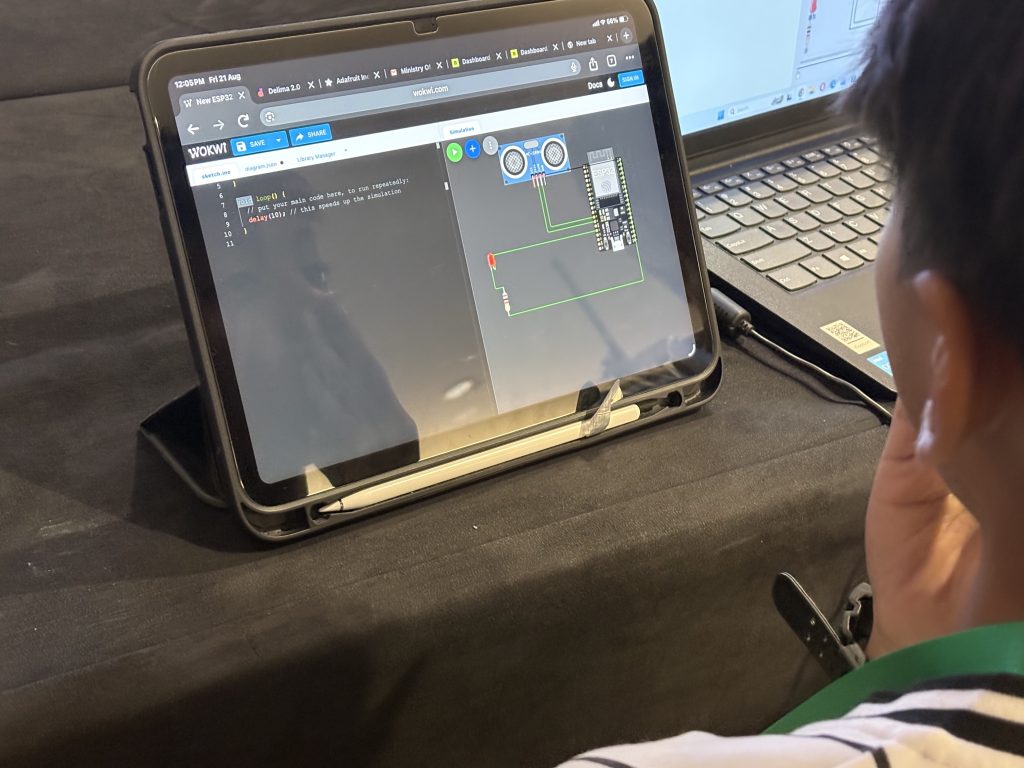
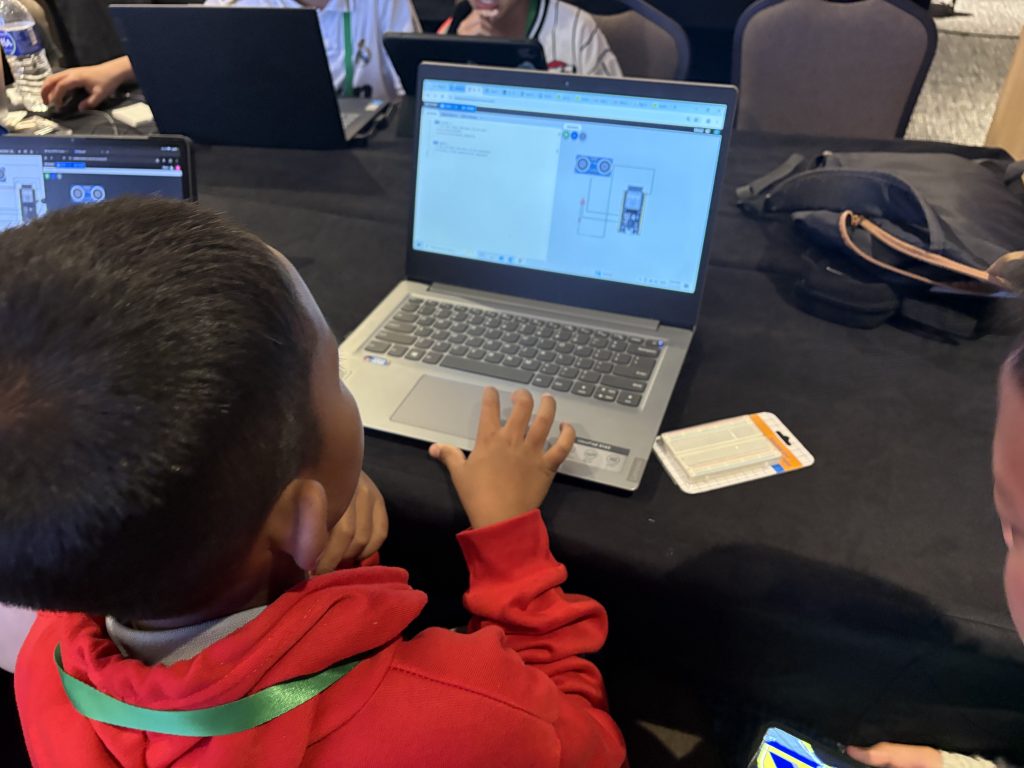
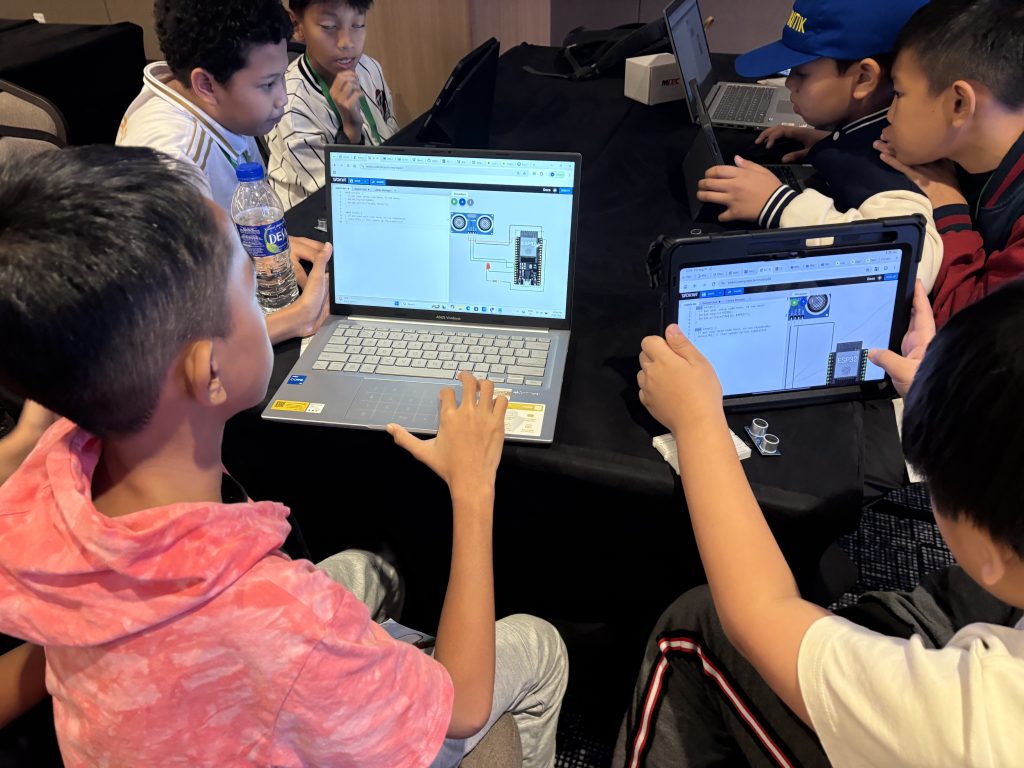
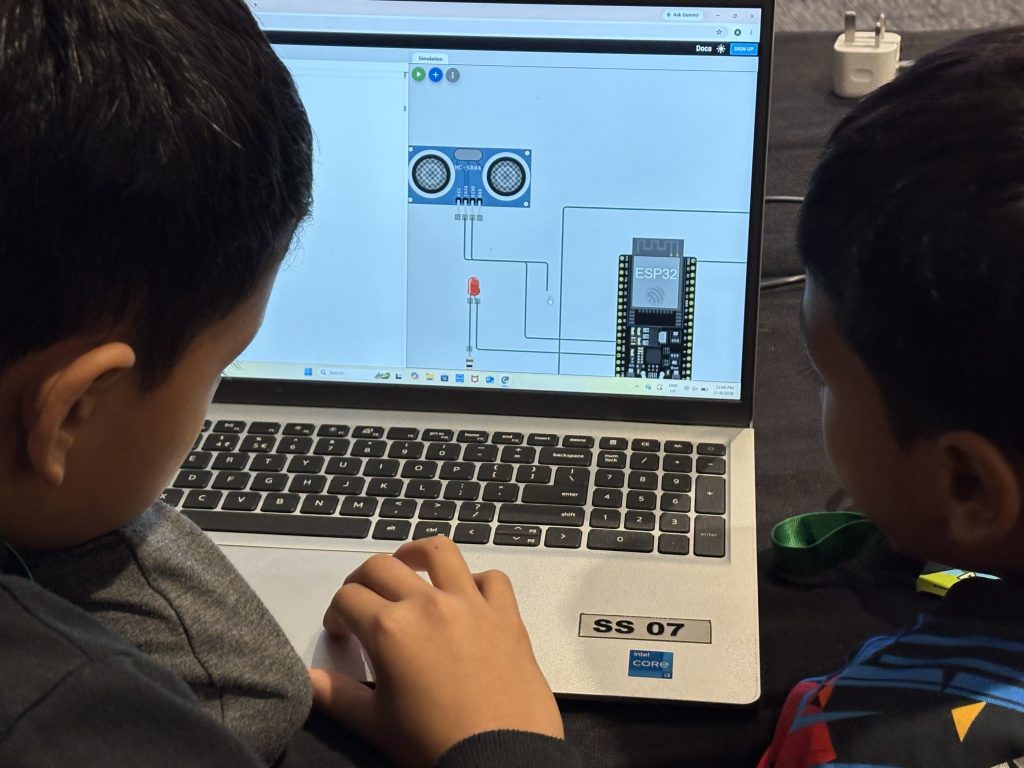
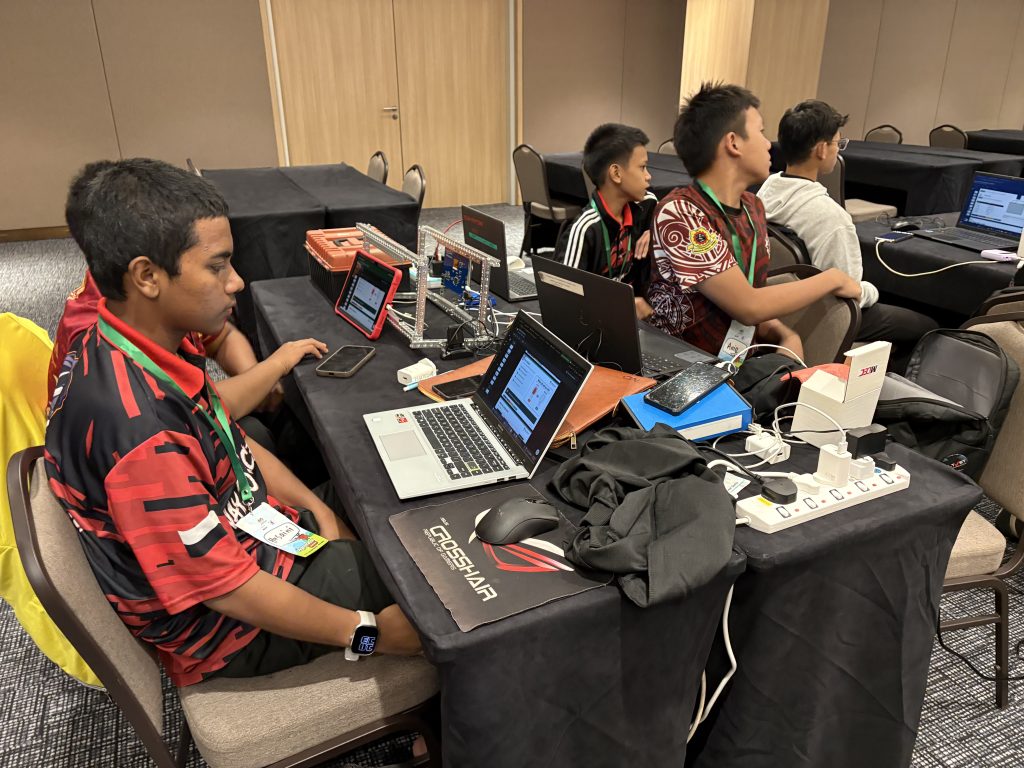
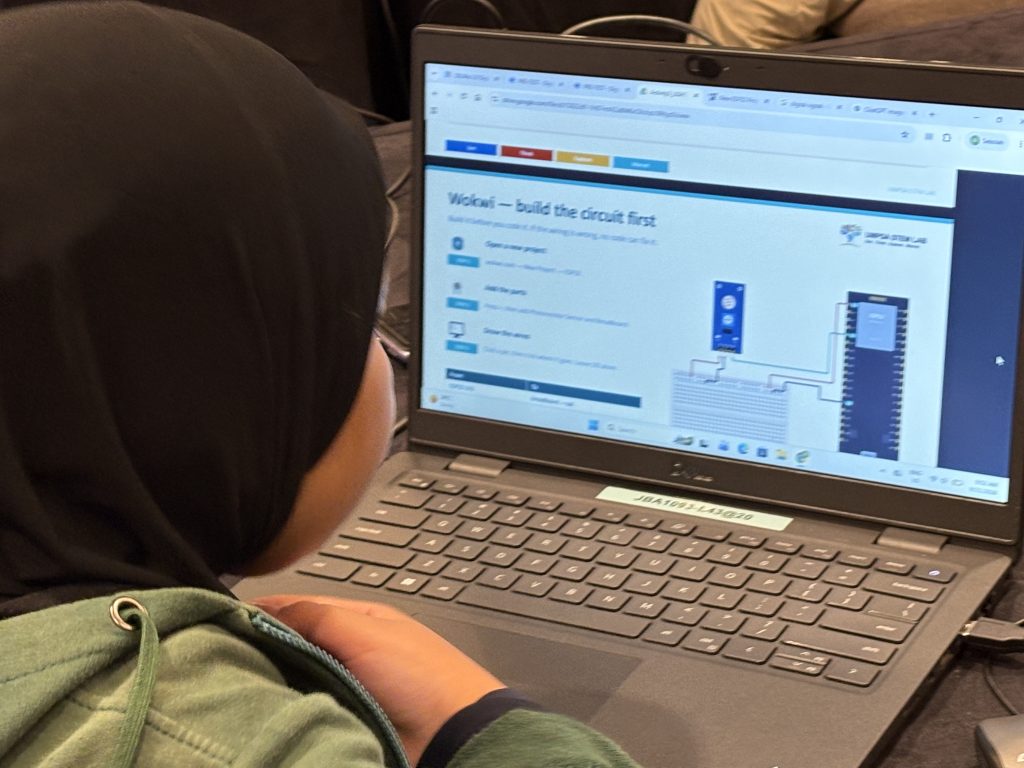
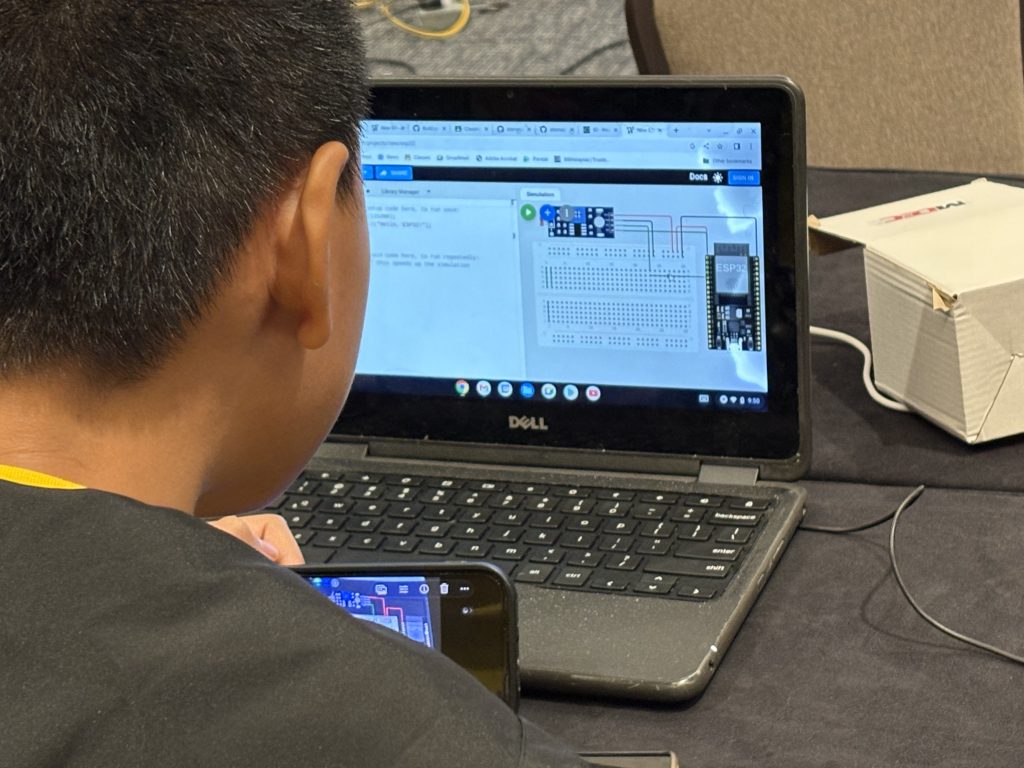
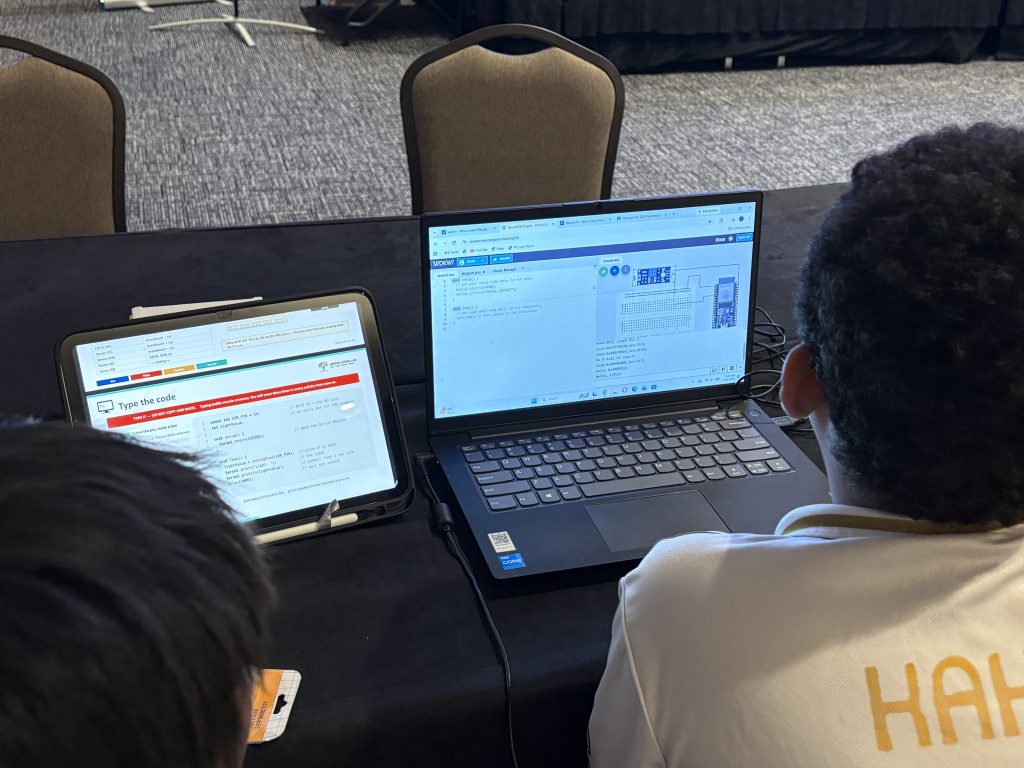
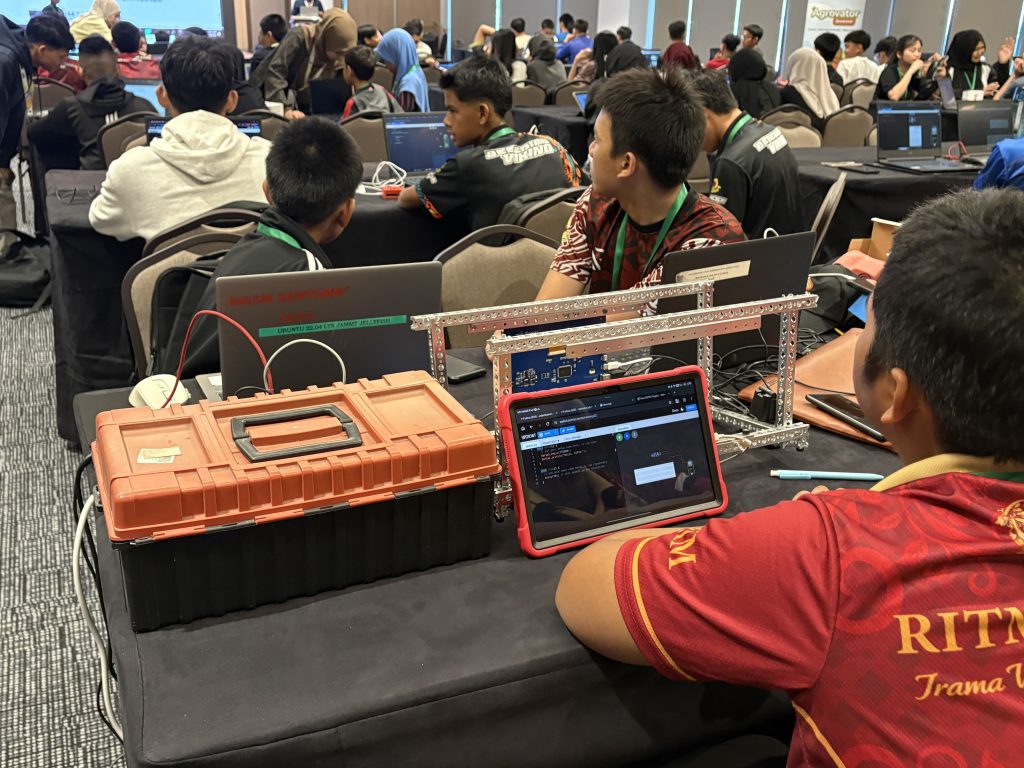
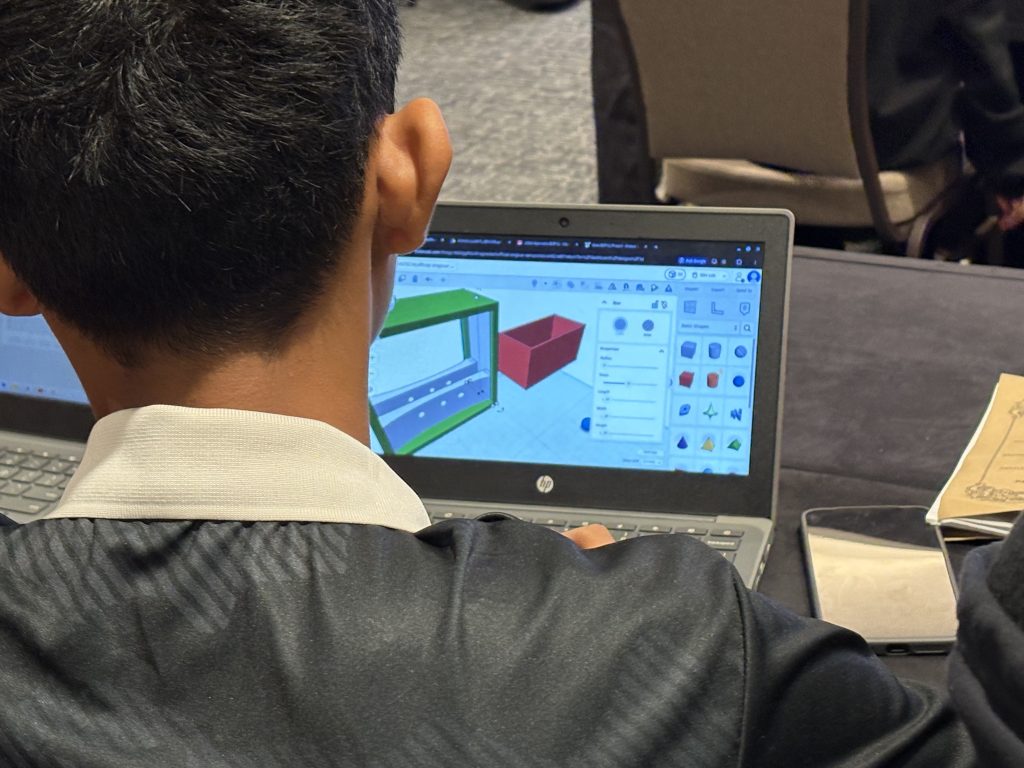
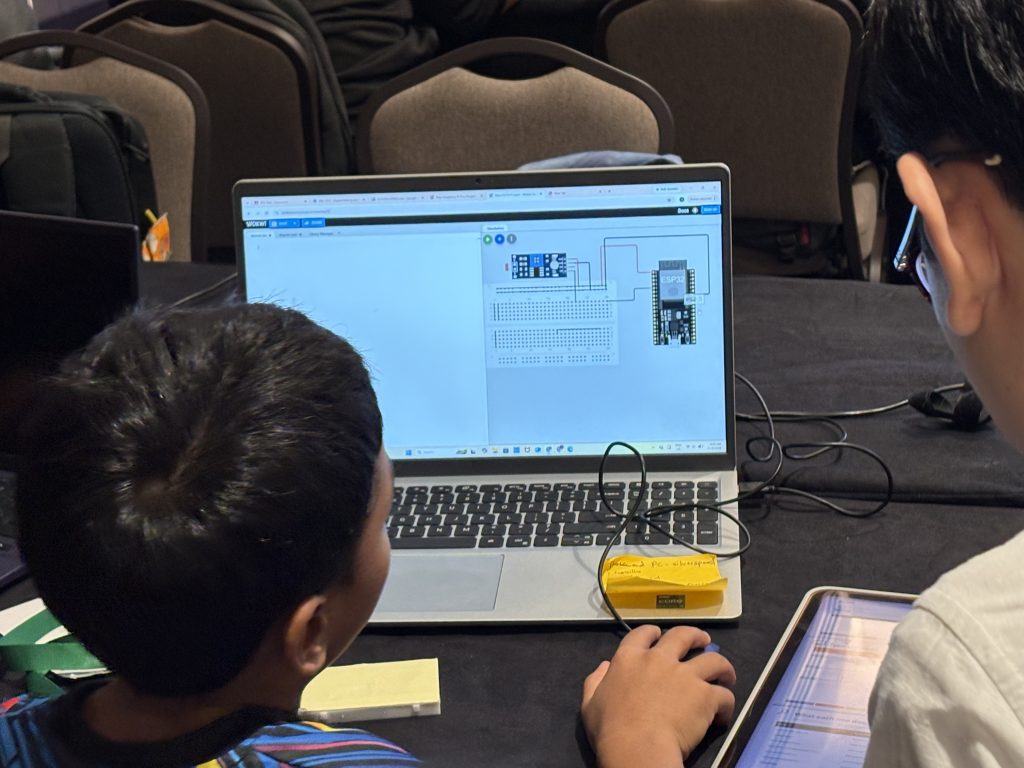
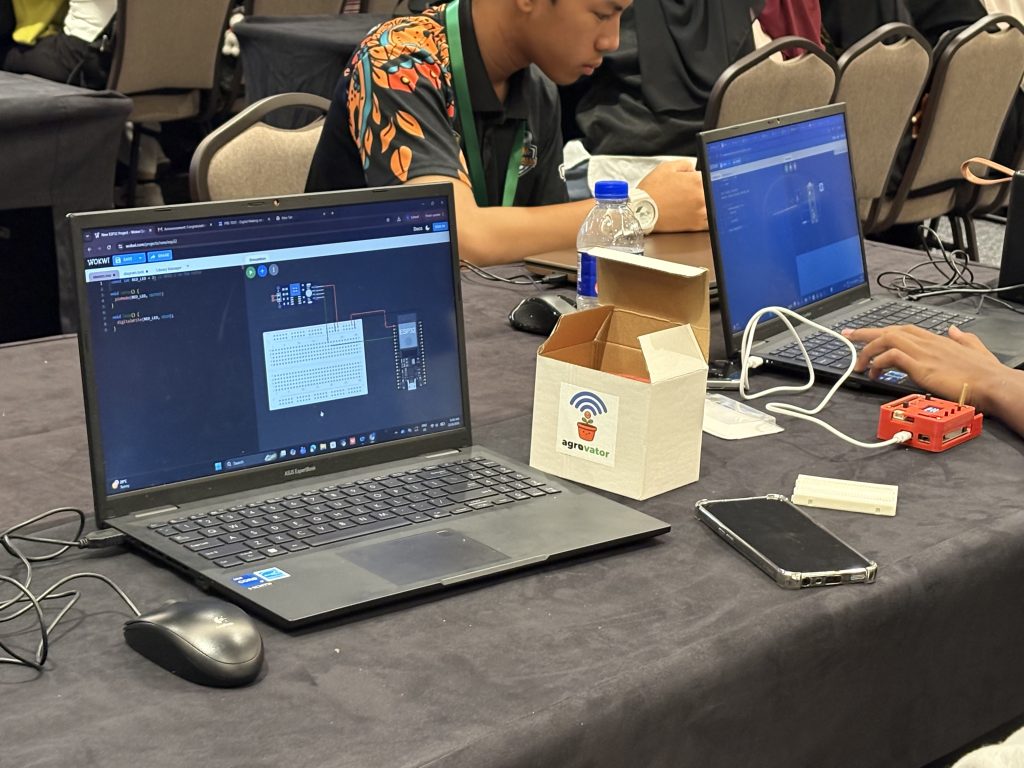
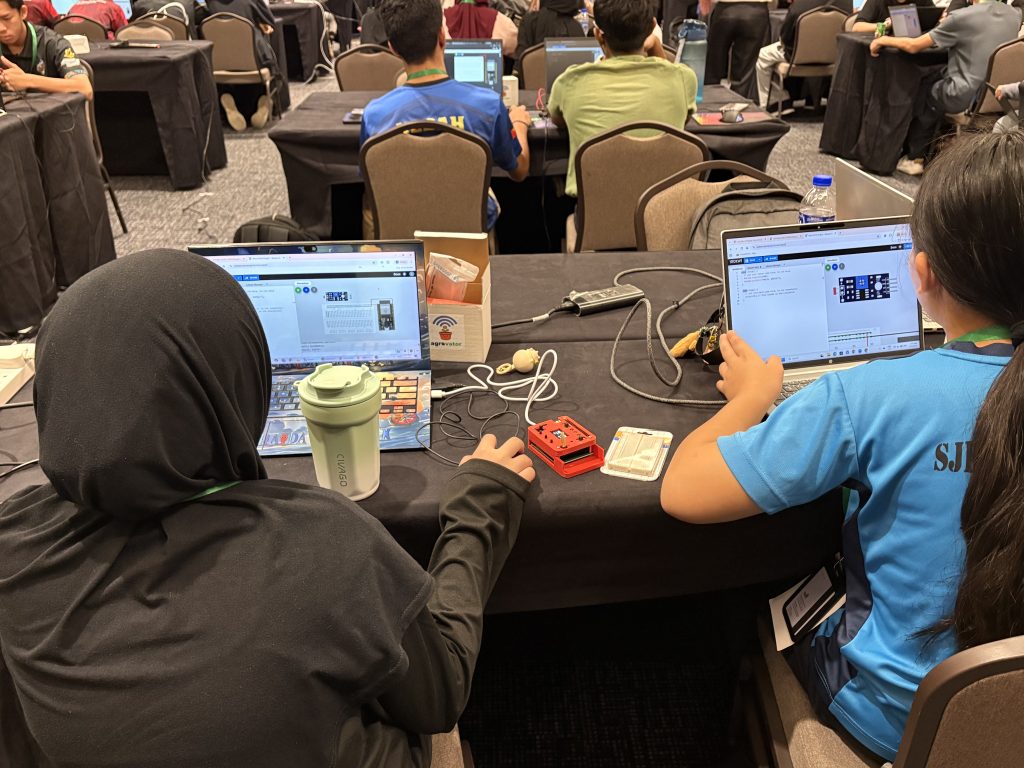
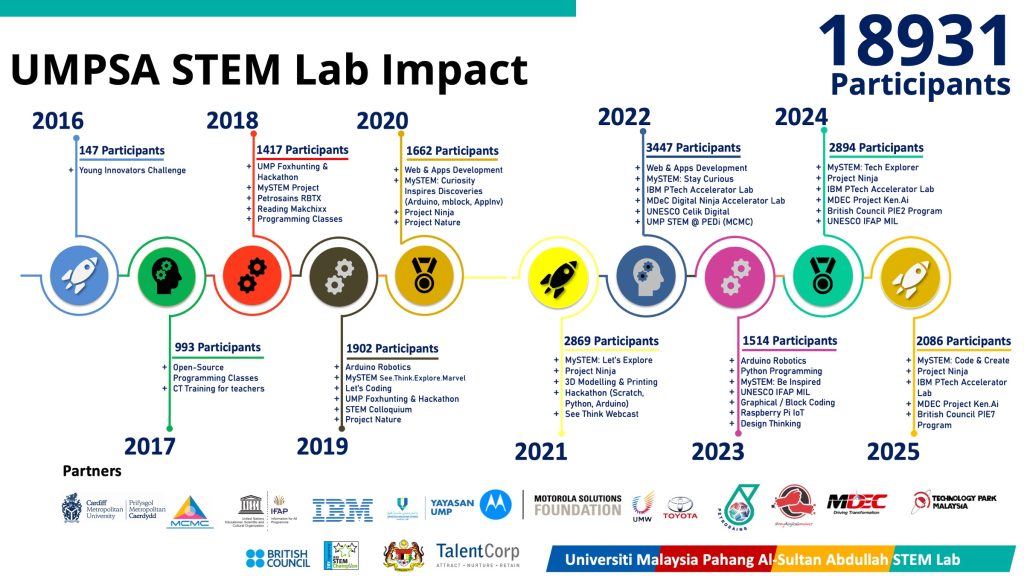
The UMPSA STEM Lab started in 2016 with a simple idea: that the skills we teach in an electrical engineering faculty are the same skills that put hardware in orbit. Twelve thousand students and teachers across Pahang later, that idea has held.
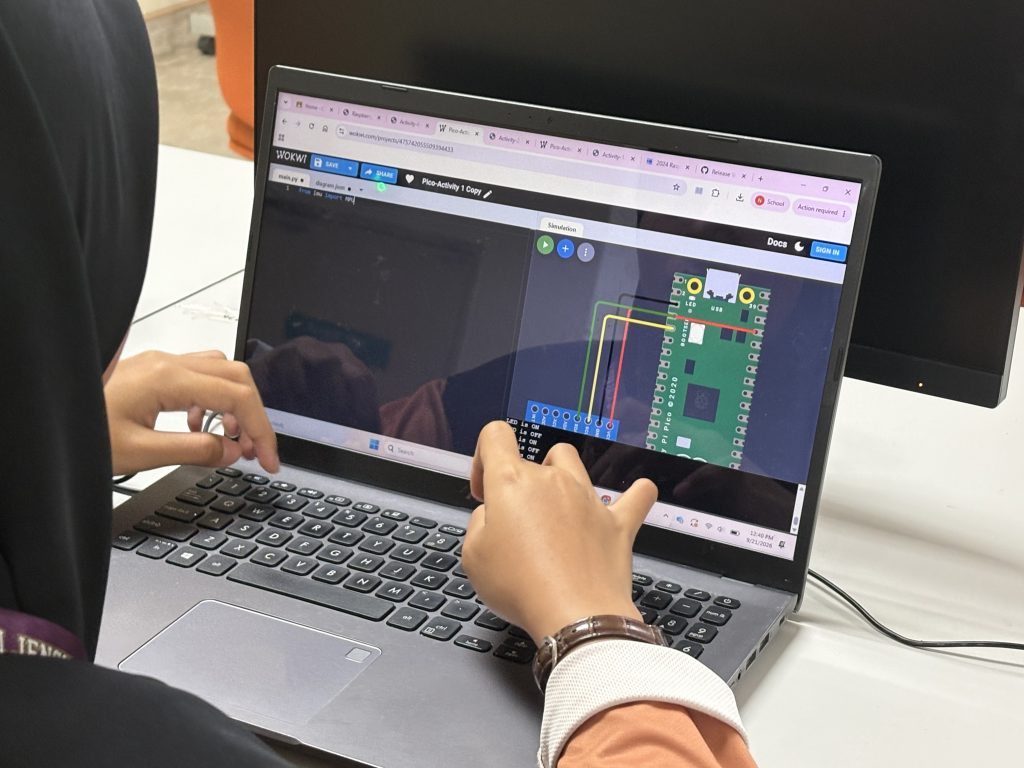
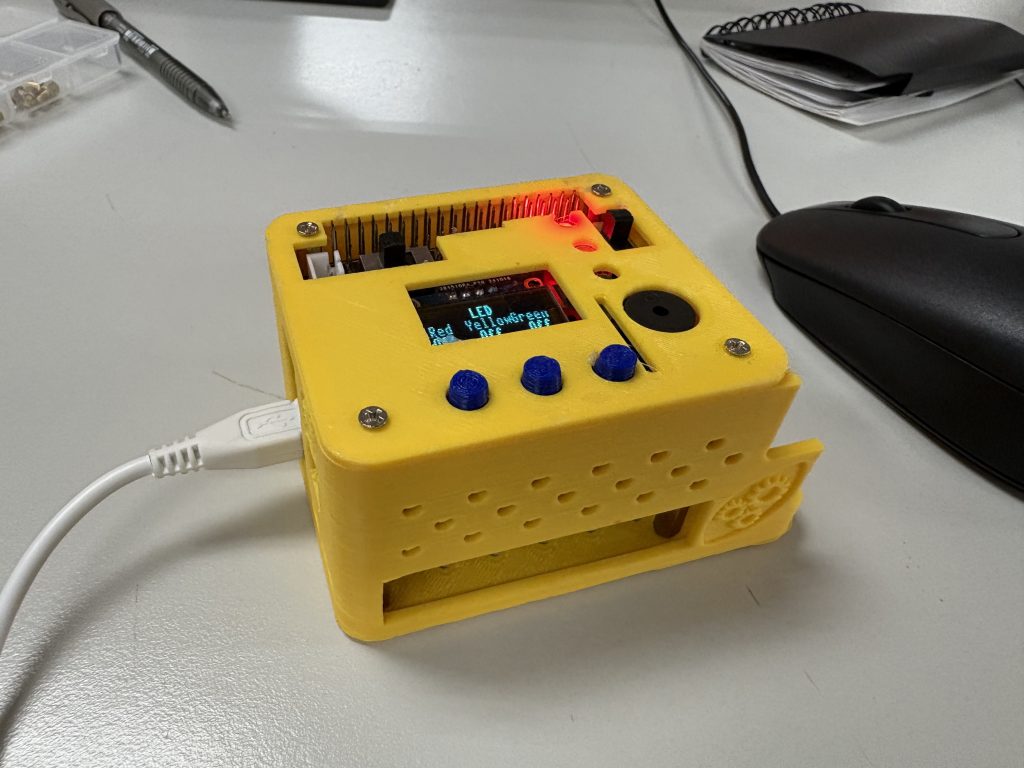
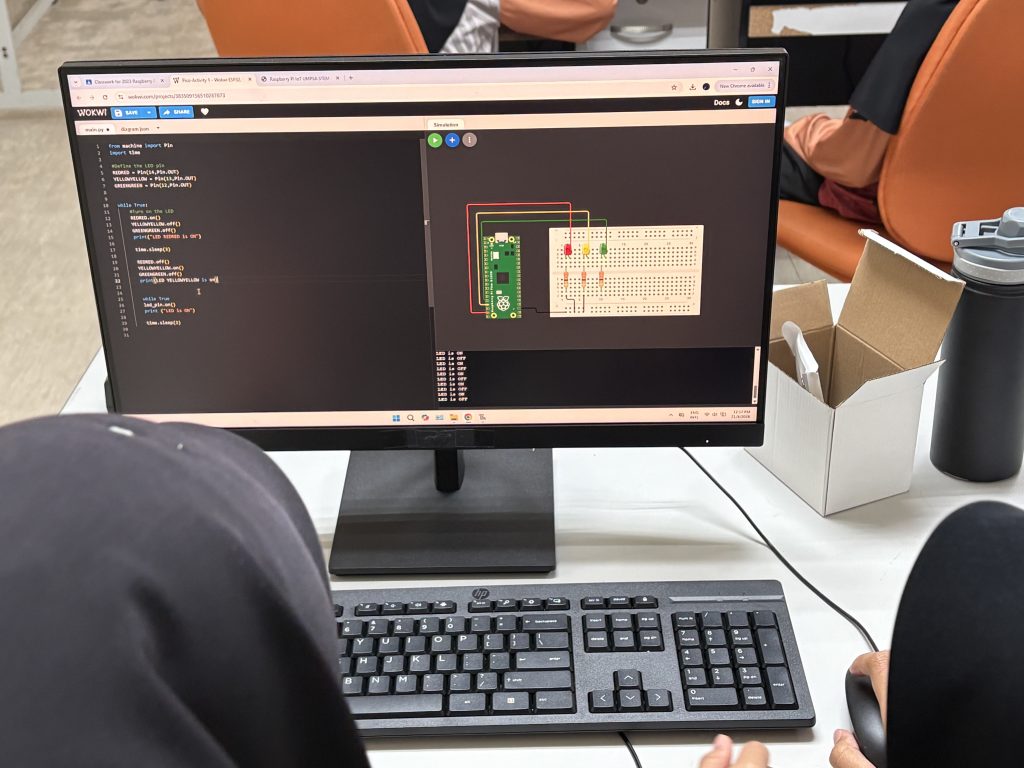
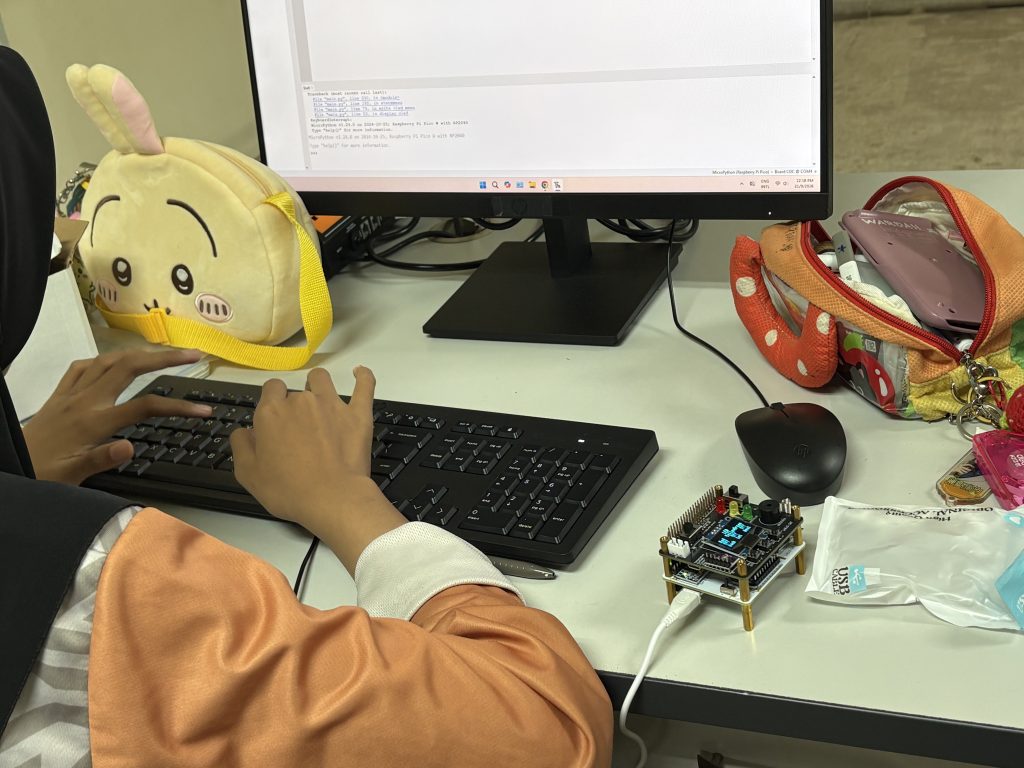
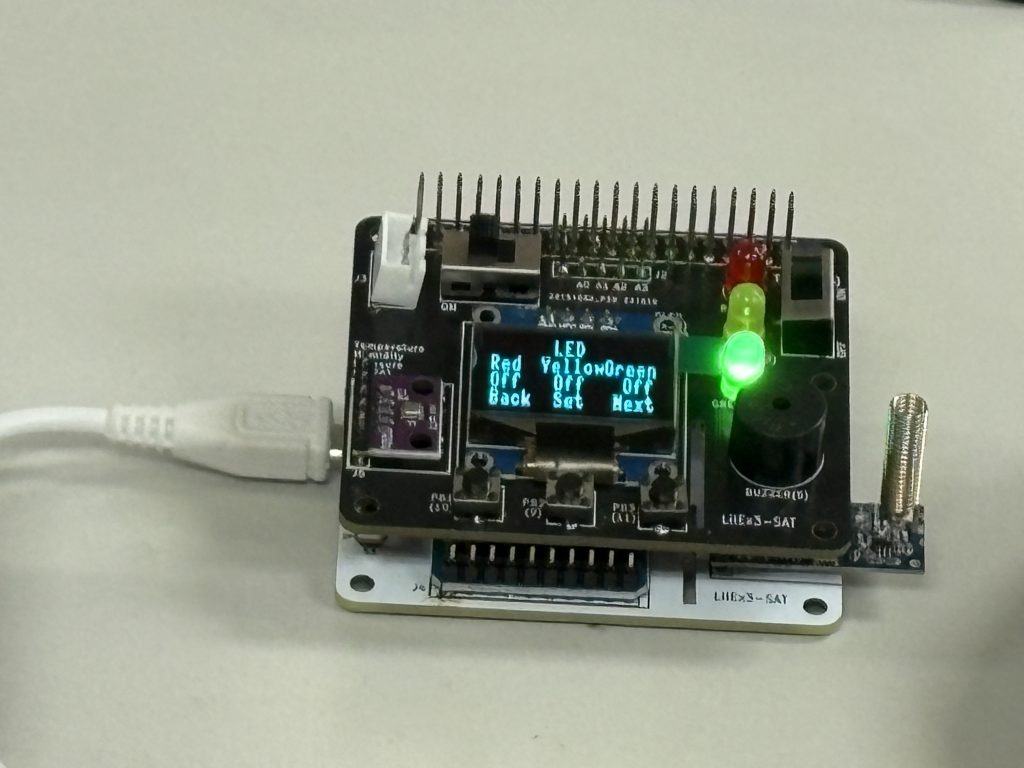
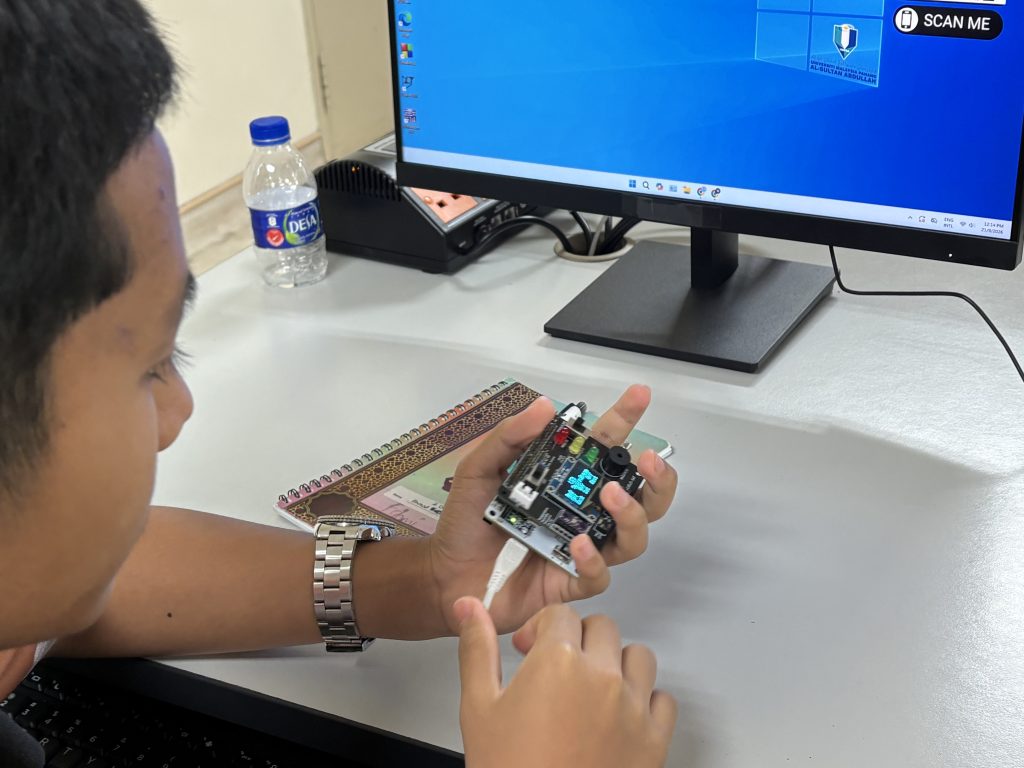
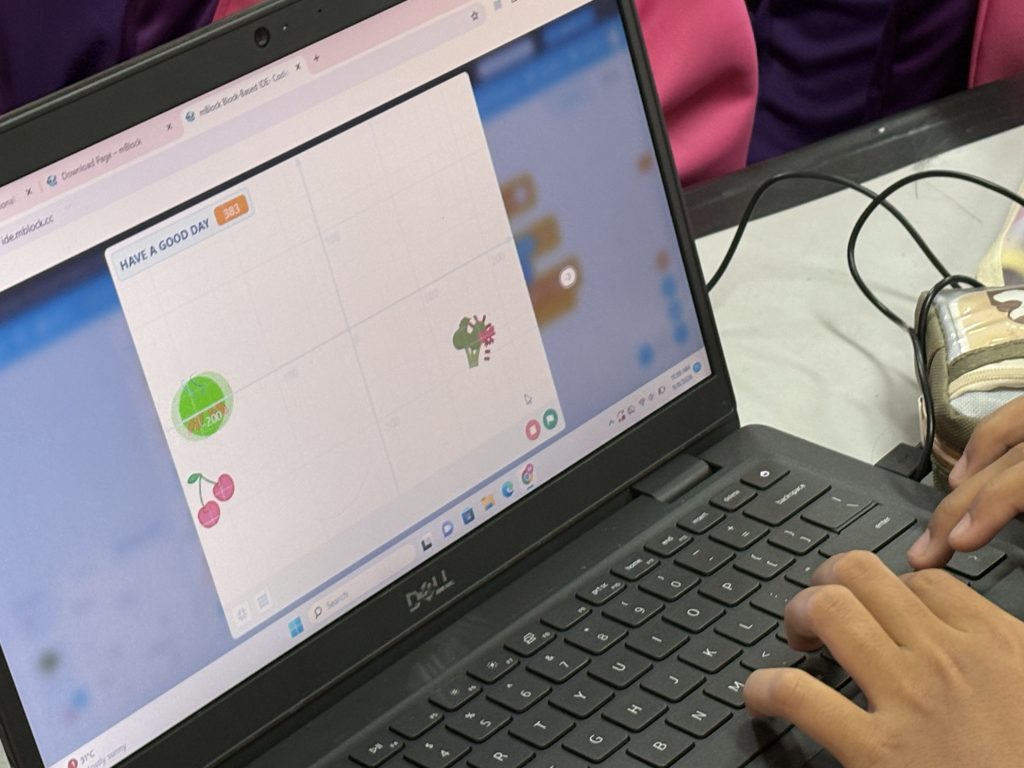
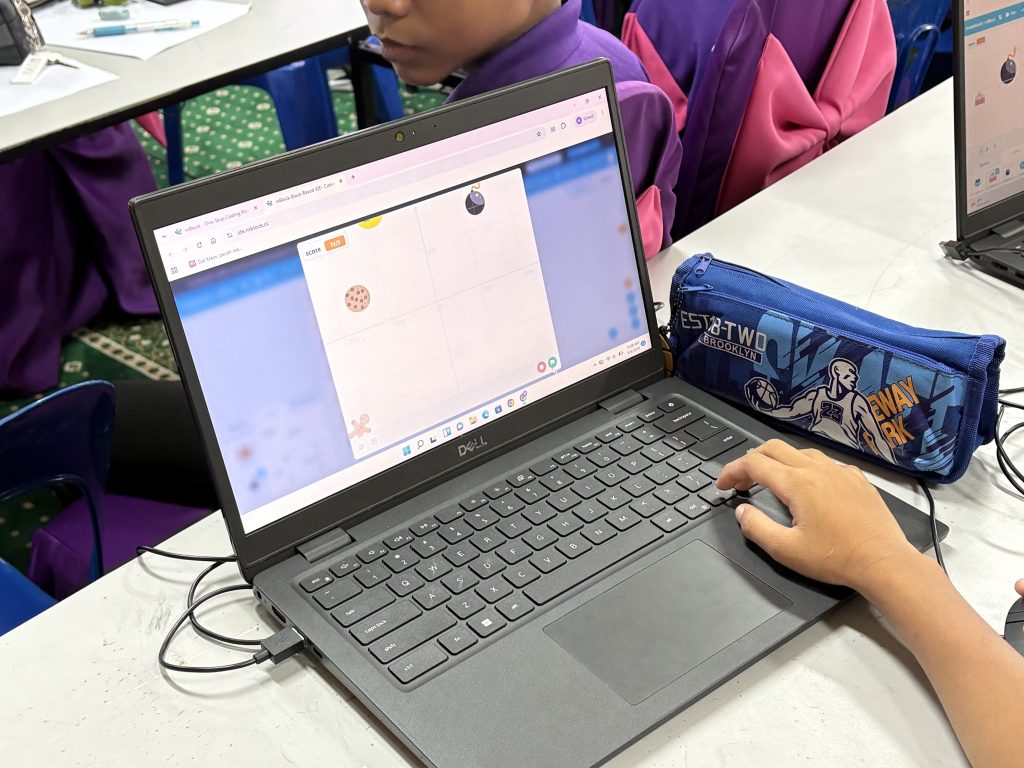
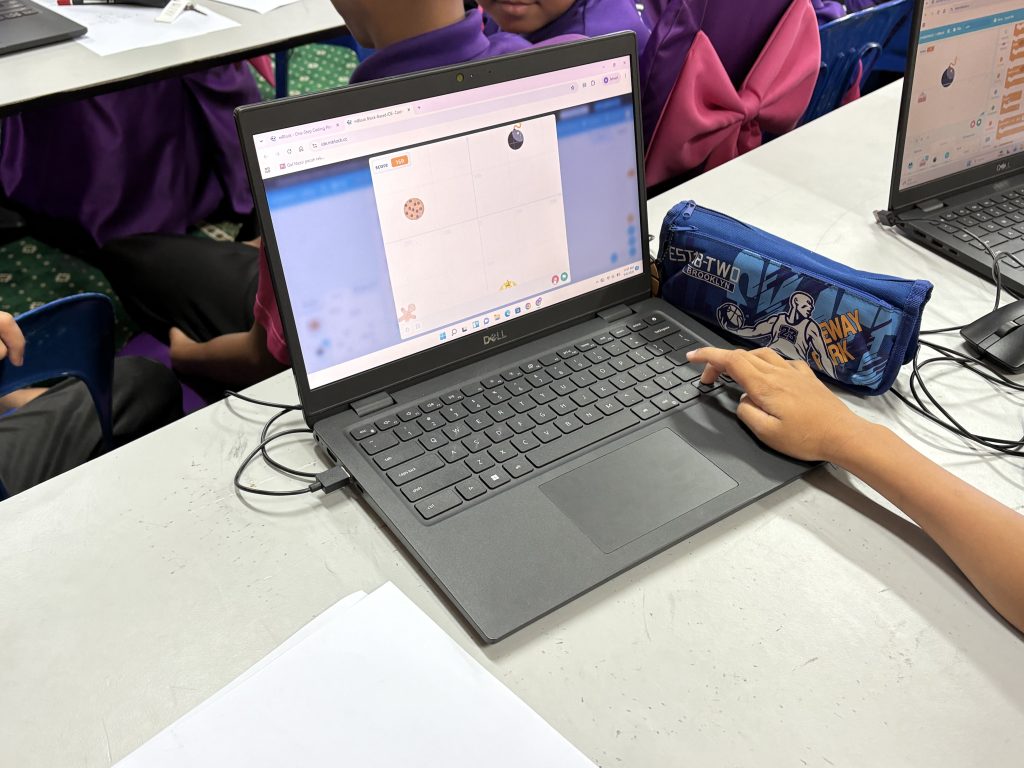
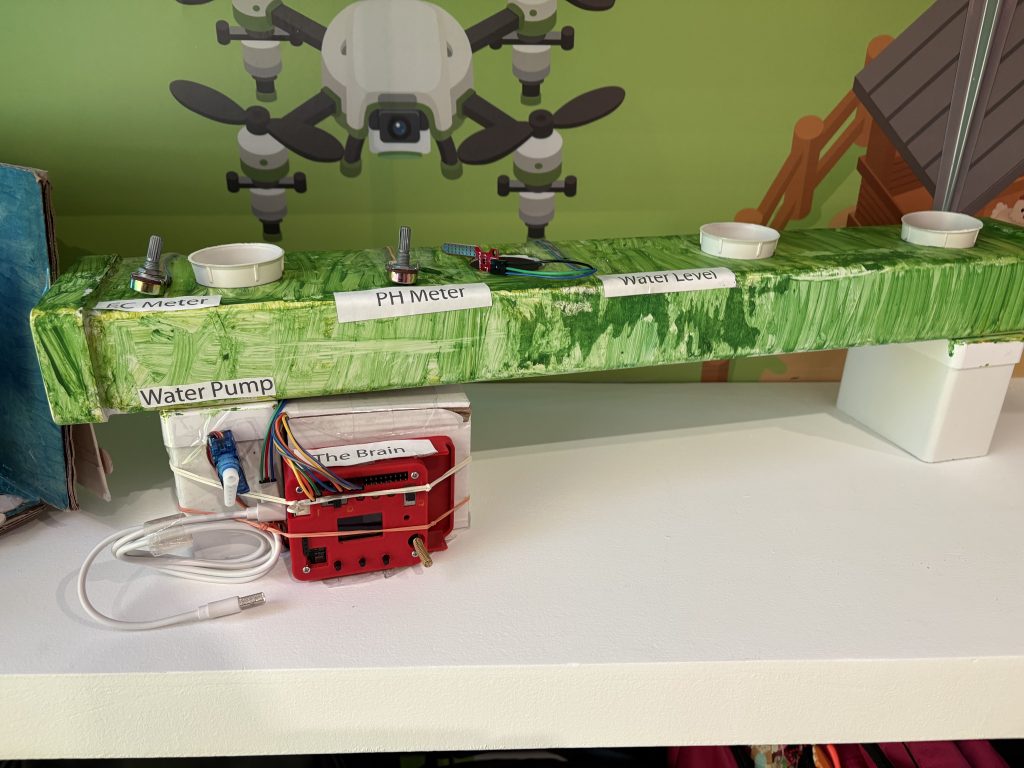
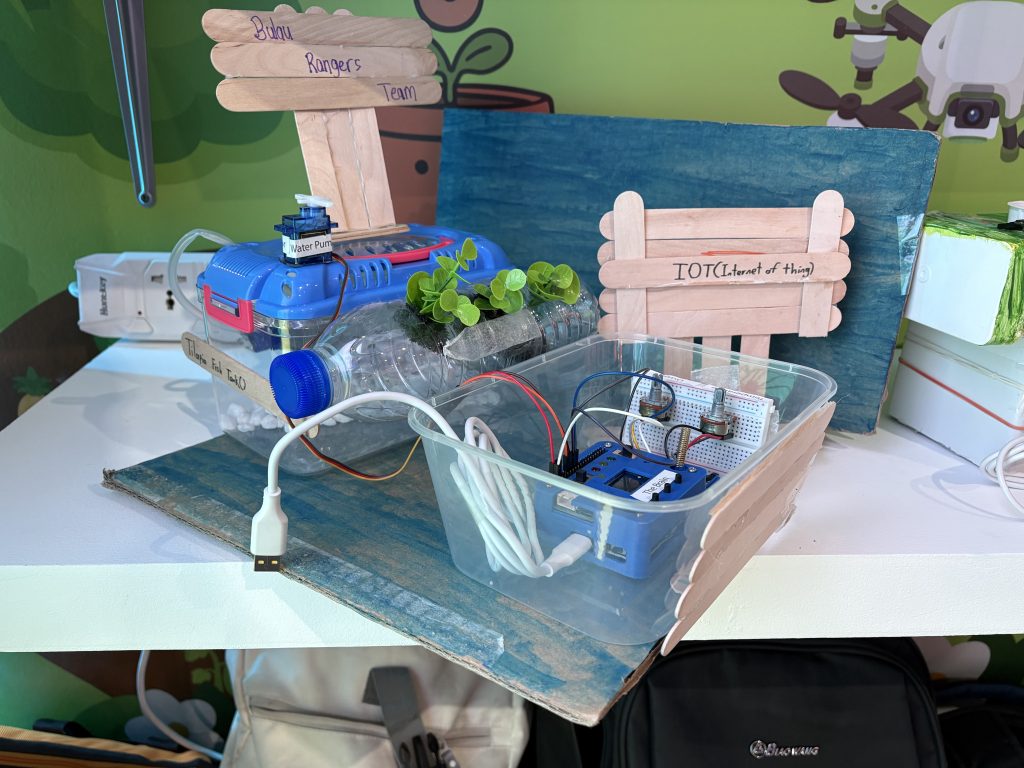
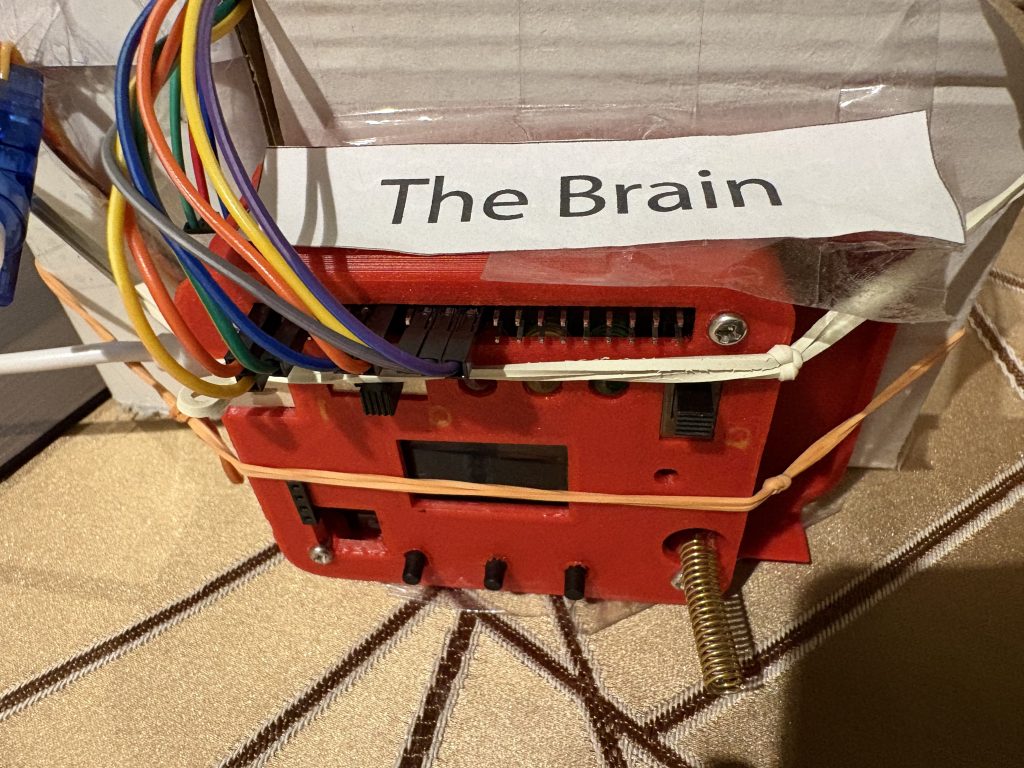
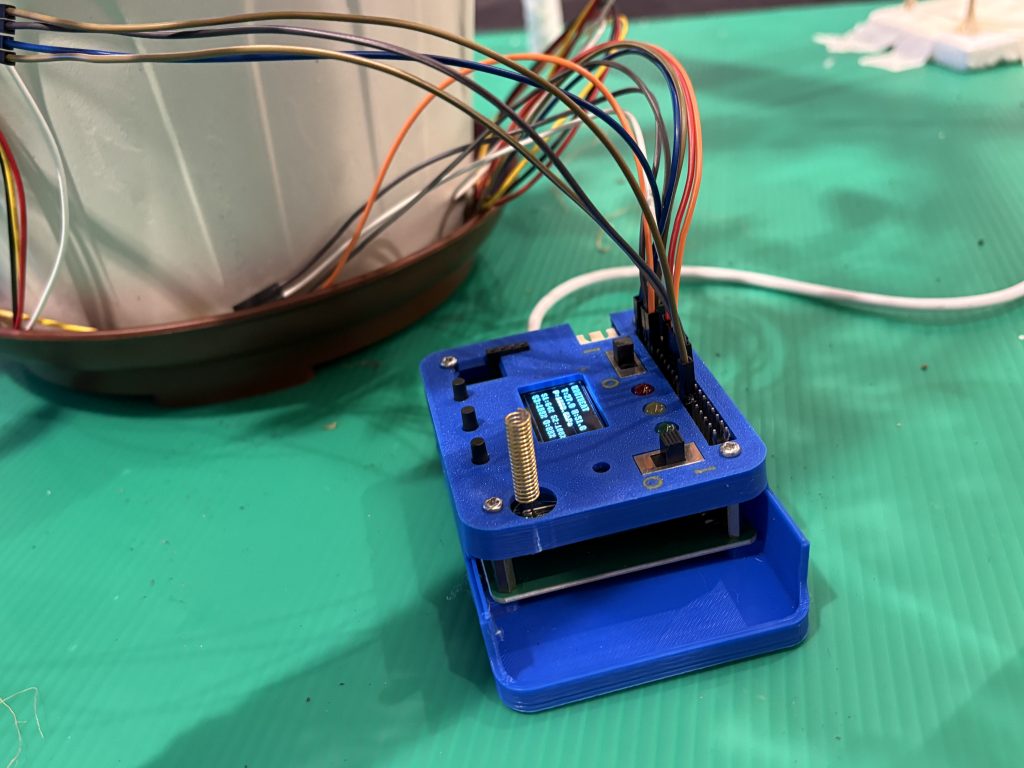
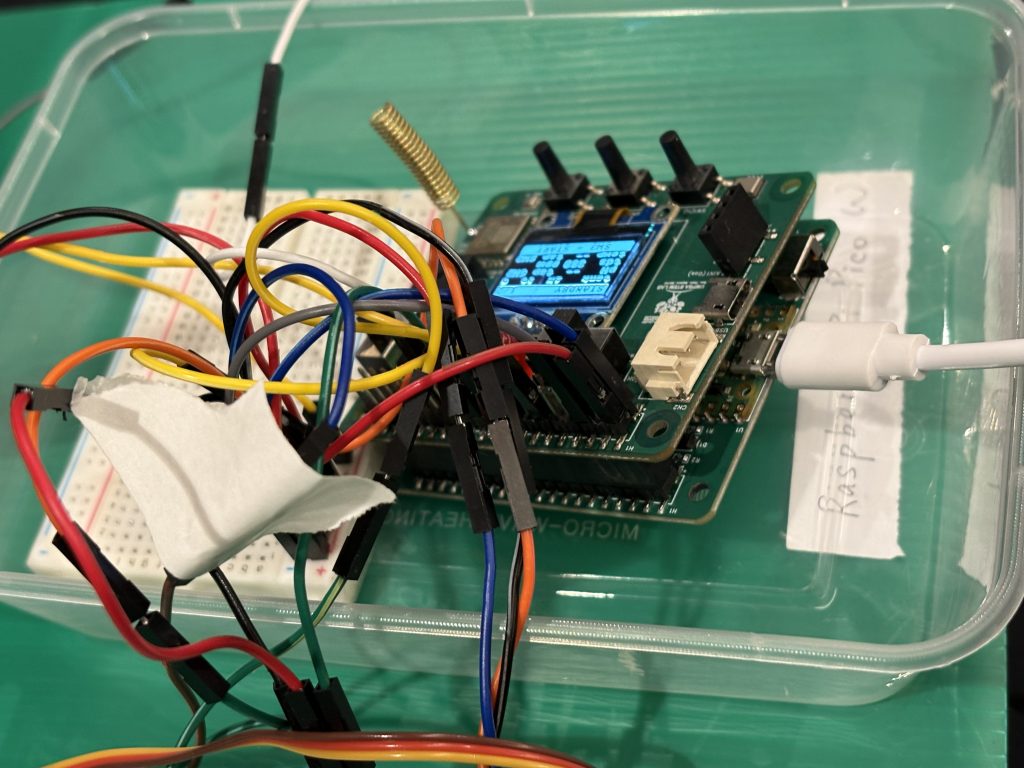
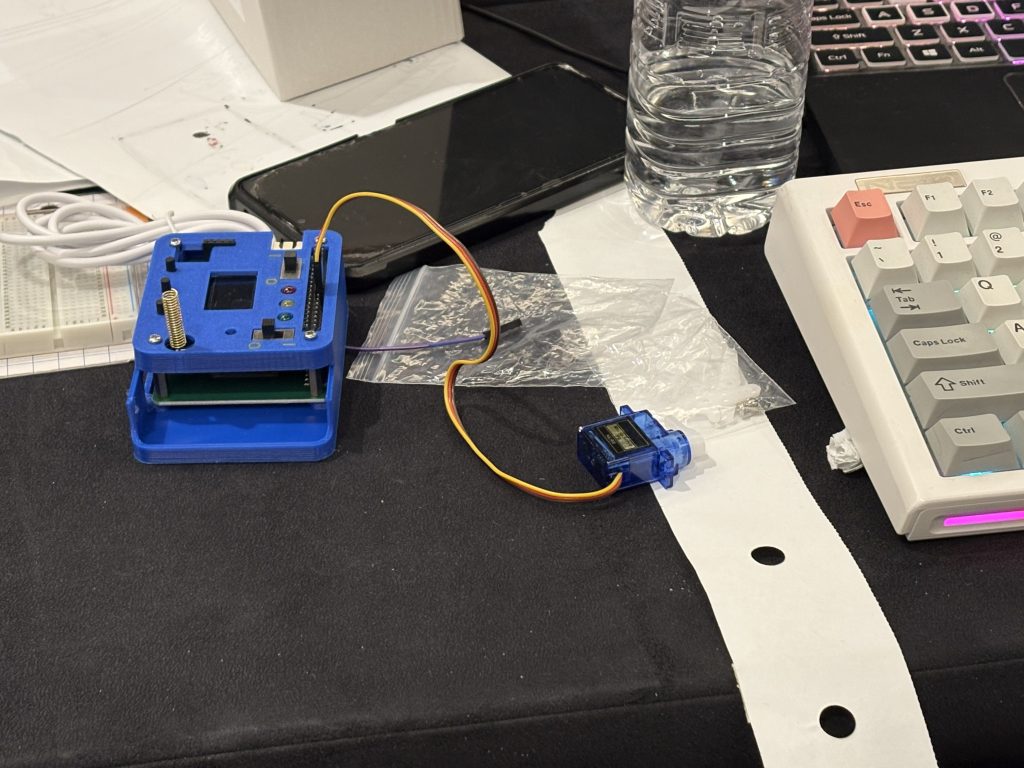
Radio foxhunting was one of the earliest building blocks — students going into the field with a handheld receiver kit we designed ourselves, the LilEx, hunting hidden transmitters. Antenna theory. Signal propagation. Direction-finding. The same physics that underpins every radio telescope on Earth. There are now 126 of these kits deployed in schools. No lab required. You take it outside.
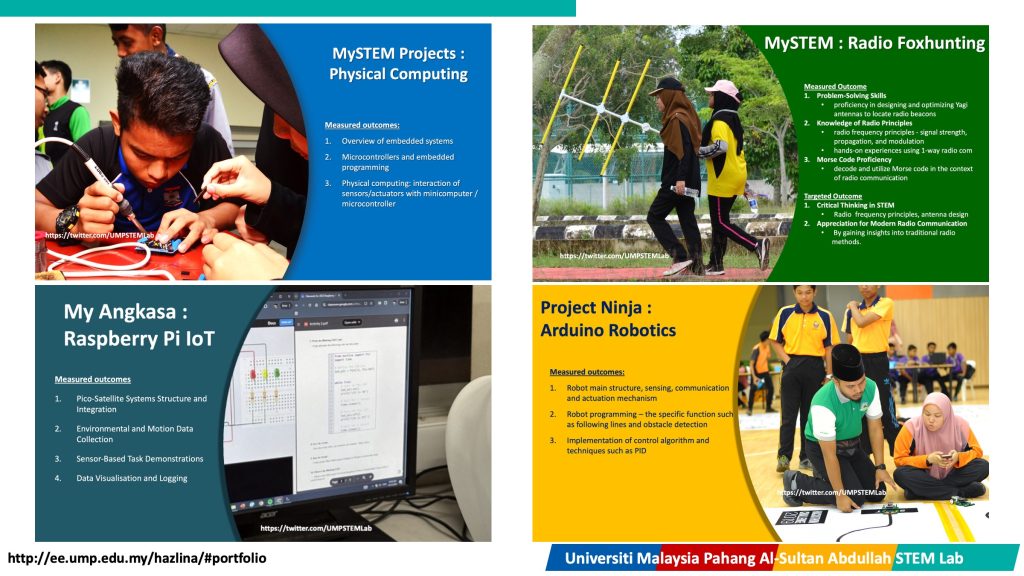
What makes this more than a collection of activities is the thread connecting them — from Software-Defined Radio, to FPGA design, all the way to our current work with MYSA, the Malaysian Space Agency, on a reconfigurable backplane for a CubeSat. Four universities are collaborating on one satellite and UMPSA on the reconfigurable backplane. Our design is FPGA-based and reconfigurable — adaptable to changing payloads.
An Asteroid was named after Professor Snodgrass
The Signature Red
Audrey brought a gift — something in that particular shade of scarlet that the University of Edinburgh puts on everything. If you went to Edinburgh, you know the red. It is not just a brand colour. It is almost a landmark =) .

The culture of explaining science has always resonated with me. There’s something powerful about turning complexity into understanding and making knowledge accessible to everyone.
That is exactly it. That is the thing Edinburgh gave me, and the thing I have been trying to give back ever since.
A child at a science festival booth in 2013, who has no idea she will one day study dentistry, is not learning biology or chemistry in that moment. She is learning that science happens near her. That it is for her. That the world contains more than she knew, and that the people who find out more are ordinary people doing an ordinary thing.
Fourteen years later, that is still the blueprint for the UMPSA STEM Lab. Every kit in a student’s hands. Every foxhunting session on a field in Pahang. Every time a school student looks at a handheld receiver and discovers that the invisible world has a shape you can trace.
Not because Edinburgh told me to. Because Edinburgh showed me it was possible. <3