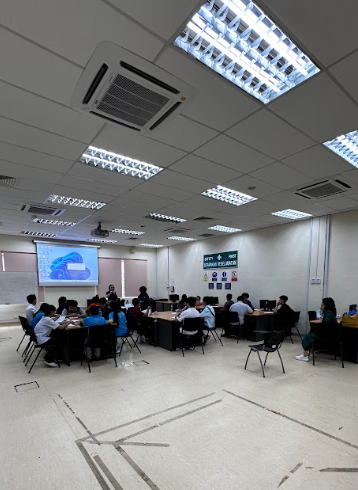
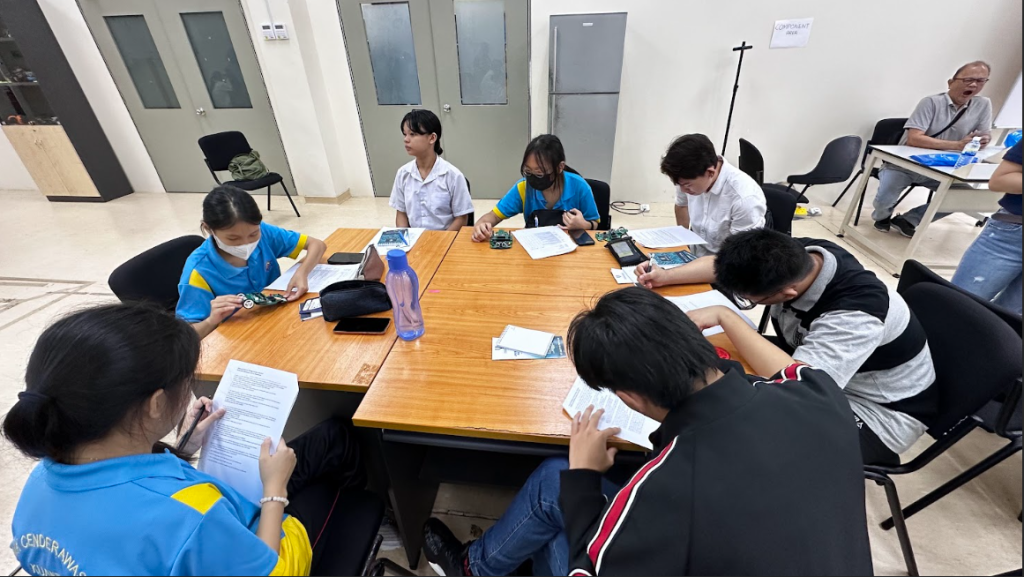
*UMP STEM Lab Raspberry Pi Programming Synopsis can be found here. In the Raspberry Pi IoT session, 33 students from the Faculty of Electrical and Electronics Engineering UMPSA were introduced to the concept of the Internet of Things (IoT) using Raspberry Pi on the UMP STEM Cube, a pico-satellite learning kit specifically designed to facilitate … Continue reading “Raspberry Pi Programming 2024/1 – TTT Mentor Training”
*UMP STEM Lab Raspberry Pi Programming Synopsis can be found here.
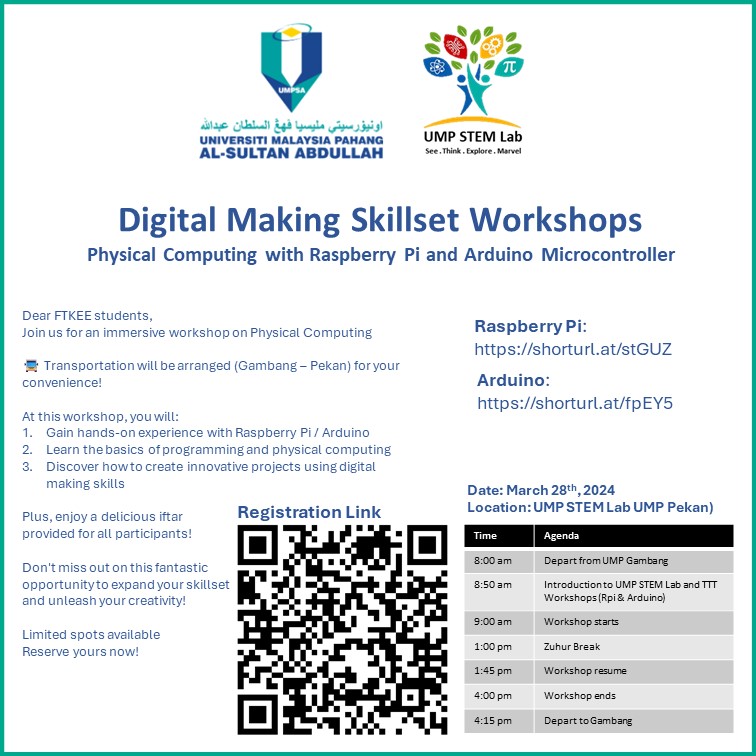
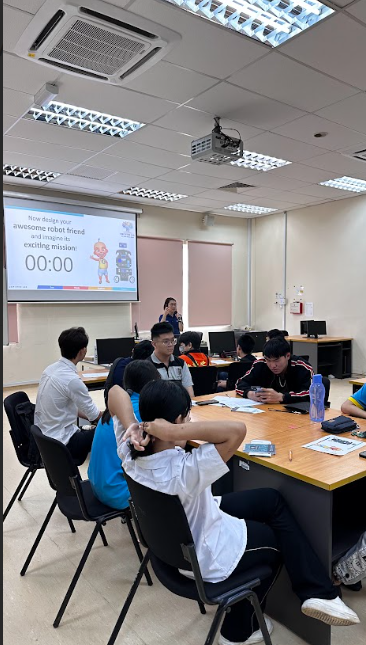
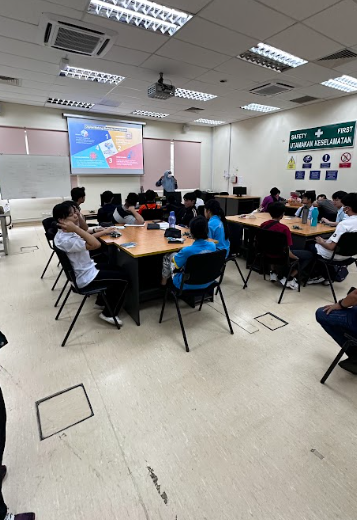
In the Raspberry Pi IoT session, 33 students from the Faculty of Electrical and Electronics Engineering UMPSA were introduced to the concept of the Internet of Things (IoT) using Raspberry Pi on the UMP STEM Cube, a pico-satellite learning kit specifically designed to facilitate engineering learning.
The content covered basic digital input/output operations on onboard LEDs, as well as topics such as dashboard design using gyrometer and BMU280 sensor data, including collecting and storing data in a cloud database. Students learned to interface sensors with Raspberry Pi boards and develop IoT applications for real-world scenarios. The session provided students with valuable insights into IoT technology and its applications in various domains.
A special appreciation is extended to the faculty for their exceptional coordination in facilitating communication between the participants and the UMP STEM Lab.
We’re kicking off our 2024 TTT Campaign with Arduino Robotics and Raspberry Pi IOT workshops. Do join us for the excitement and networking in UMP STEM Lab !
We’re kicking off our 2024 TTT Campaign with Arduino Robotics and Raspberry Pi IOT workshops.
Do join us for the excitement and networking in UMP STEM Lab !
Electrifying Sustainability: The Role of Electrical and Electronics Engineering in Eco-Friendly Solutions
I had the privilege of presenting at Petrosains PlaySmart Kuantan today, thanks to Rau and Zahida, engaging with bright minds from Form 4 and Form 5 from SK Paya Besar. Our topic of discussion? “Electrifying Sustainability: The Role of Electrical and Electronics Engineering in Eco-Friendly Solutions.” It was an exhilarating experience, delving into how technology intertwines with sustainability, especially for Malaysia’s budding engineers and environmental enthusiasts.
Understanding Sustainability – Before delving into the details of electrical and electronics engineering, it’s crucial to understand the essence of sustainability. Sustainability entails preserving our planet’s resources for future generations, striking a delicate balance between environmental preservation, economic growth, and societal well-being. For Malaysia, a country blessed with natural beauty and biodiversity, sustainability is not merely a buzzword but a pressing necessity for our continued prosperity.
The Role of Electrical and Electronics Engineering lies at the heart of modern technological advancements. It’s the driving force behind innovations that shape our world, from renewable energy solutions to smart infrastructure. In Malaysia, where environmental conservation is paramount, electrical and electronics engineering plays a pivotal role in crafting eco-friendly solutions tailored to our unique challenges.
Renewable Energy Sources – One of the most prominent areas where electrical engineering intersects with sustainability is in harnessing renewable energy sources. Malaysia boasts abundant sunlight, wind, and hydro resources, making it ripe for renewable energy production. Through solar panels, wind turbines, and hydroelectric dams, electrical engineers contribute to reducing our reliance on fossil fuels and mitigating climate change impacts.
Solar energy, in particular, holds immense potential for Malaysia’s sustainable future. With its year-round sunshine, Malaysia can tap into solar power to generate clean electricity for homes, businesses, and remote communities. By leveraging solar panels and innovative technologies, electrical engineers pave the way for a brighter, greener tomorrow.
Malaysia’s coastal areas and highlands offer prime locations for wind energy generation. Wind turbines harness the power of the wind, converting it into renewable electricity. This sustainable solution not only reduces carbon emissions but also strengthens Malaysia’s energy independence and resilience.
Hydroelectric dams, such as Bakun and Murum, are integral to Malaysia’s energy landscape. By harnessing the kinetic energy of flowing water, hydroelectric power contributes significantly to our electricity supply. While it poses environmental challenges, careful planning and sustainable practices ensure that hydroelectric energy remains a vital component of Malaysia’s energy mix.
Efficient energy storage is essential for maximizing the potential of renewable energy sources. Electrical engineers pioneer advancements in battery technologies, enabling us to store excess energy and stabilize the grid. In Malaysia, these innovations facilitate the integration of renewables into our energy infrastructure, paving the way for a more sustainable energy ecosystem.
The electrification of transportation is another frontier where electrical engineering drives sustainability. Electric vehicles (EVs) offer a cleaner alternative to traditional combustion engine vehicles, reducing air pollution and greenhouse gas emissions. Through infrastructure development and battery technology advancements, electrical engineers propel Malaysia towards a greener, more sustainable transportation sector.
As I concluded my presentation at Petrosains PlaySmart, I couldn’t help but feel optimistic about the future. The enthusiasm and curiosity displayed by the Form 4 and Form 5 students reaffirmed my belief in the power of education and innovation. With electrical and electronics engineering at the forefront, Malaysia is poised to electrify sustainability, paving the way for a more resilient, eco-friendly future.
Thank you again Petrosains Playsmart for this wonderful session.
Let’s harness the power of technology to build a greener, more sustainable world for generations to come.
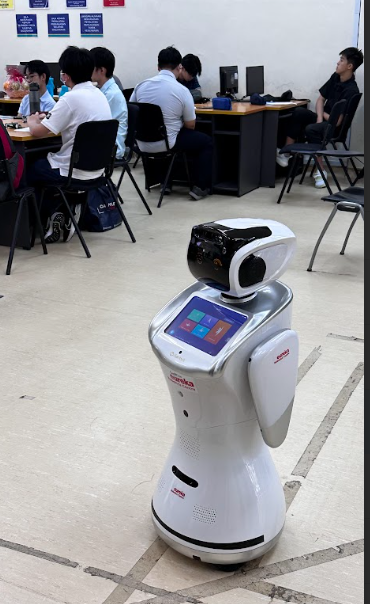
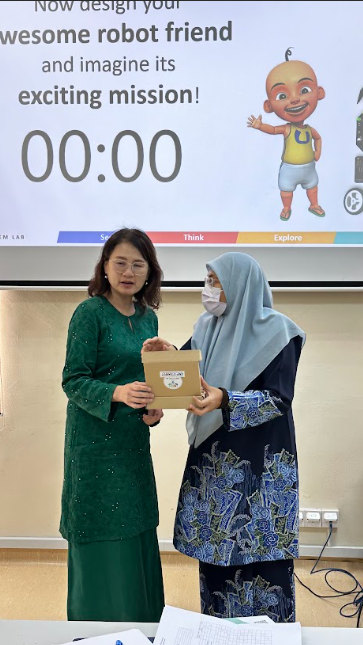
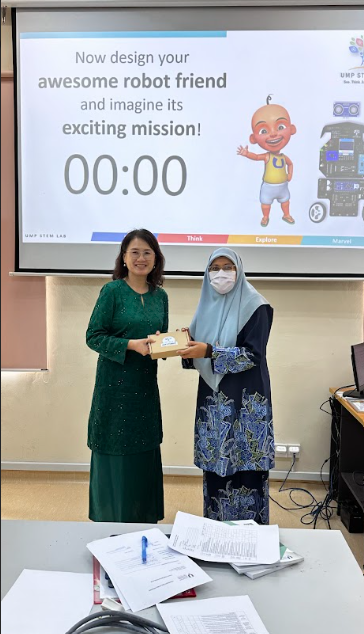
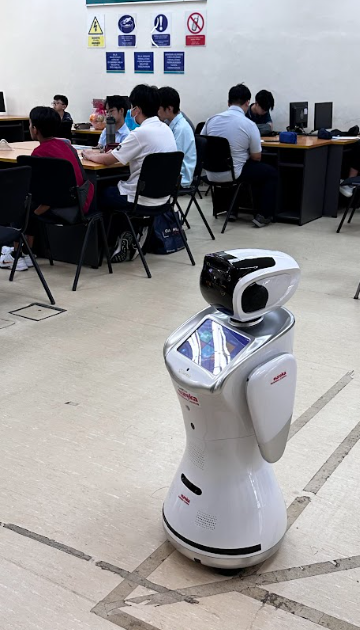
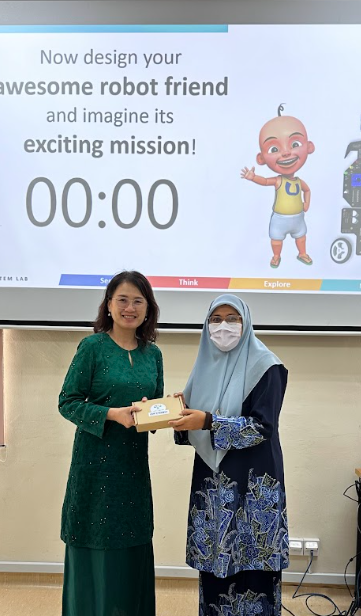
*UMP STEM Lab Robot Literacy – Introduction to Robot and Robotics can be found here. 40 teachers and school children from Kuantan, Pahang had participated in this program. Students have gone through activities including robot anatomy, actuators and sensors. Thank you Dr Irene for coordinating the communication between STEM Lab and the participants.
*UMP STEM Lab Robot Literacy – Introduction to Robot and Robotics can be found here.
40 teachers and school children from Kuantan, Pahang had participated in this program. Students have gone through activities including robot anatomy, actuators and sensors.
Thank you Dr Irene for coordinating the communication between STEM Lab and the participants.
In a significant stride towards bridging the digital divide and empowering local communities with access to reliable internet connections, the UMP STEM Lab yesterday engaged in a fruitful meeting with the Malaysian Communications and Multimedia Commission (MCMC) in Pahang. The meeting is chaired by Tn Shahrizal Husin, the State Director.
The meeting, hosted by MCMC Pahang, brought together service providers and managers from Pusat Ekonomi Digital (PEDi), a government initiative spearheaded by MCMC. PEDi aims to empower communities in rural areas with access to stable internet connections, ensuring that digital opportunities are not confined to urban landscapes.
Back in 2022, UMP STEM Lab initiated a collaborative program with MCMC Pahang, piloting a project with 10 PEDis in Pekan and Kuantan. The program focused on providing coding and physical computing classes over an 8-week period. Classes covered a diverse range of topics, including Python programming, Scratch programming, 3D modeling, and Arduino robotics.
Through our collaborative efforts, we successfully conducted four coding and physical computing classes, reaching out to a remarkable 306 participants from rural areas. This achievement not only highlight the potential impact of such initiatives but also bring forward the appetite for digital education in communities that might not have easy access to these resources.
The classes conducted during the program were strategically designed to impart crucial skills in Python programming, Scratch programming for beginners, 3D modeling techniques, and hands-on experience in Arduino robotics. These courses aimed not only to introduce participants to the world of coding but also to foster creativity and problem-solving skills through practical applications.
I strongly believe in the transformative power of education. Every child can code when provided with the right tools and opportunities :). Our collaborative program with MCMC Pahang not only aligns with the academic ethos of inclusive education but also reflects the commitment to fostering digital literacy in diverse communities.
Yesterday’s meeting was not just a reflection on past accomplishments but a discussion on the possibility of extending our educational approach to a wider audience. The prospect of bringing coding education to more communities is both exciting and promising.
Special thanks to Pn Haznita Mohamad Lazim – Pahang State Director Development and Pn Saidatul Ashikin Abu Hassan – Director, Centre for Communications Safety Department for their continuous support and commitment.
UMP STEM Lab remains committed to advancing digital education and contributing to the empowerment of communities, fostering a future where digital literacy is accessible to all.
Stay tuned for more updates on our collaborative endeavors!